Katrina Lake: The Data-and-Stylist Machine Behind Stitch Fix
Katrina Lake built Stitch Fix by combining human stylists with recommendation systems, then confronted the hard economics of scaling personalized retail.

View all stories about this mogul
Katrina Lake built Stitch Fix around a hybrid idea: algorithms could narrow the choices, and human stylists could understand the person. Customers completed a profile, received a curated box of clothing, kept what worked, and returned the rest.
The model produced unusually rich feedback for retail. It also created a difficult operating system involving inventory, personalization, shipping, returns, and changing consumer taste.
How did Katrina Lake find the Stitch Fix model?

Lake studied economics at Stanford, worked in consulting and venture capital, and developed the Stitch Fix concept while at Harvard Business School. She saw a gap between impersonal e-commerce catalogs and the expensive attention of traditional personal shopping.
The first boxes were assembled manually. That low-tech beginning mattered because it exposed the real variables: fit, taste, price, occasion, comfort, and the emotional reasons people reject clothes.
Stitch Fix launched in 2011. Instead of asking customers to scroll through thousands of items, it asked them to trust a curated shipment. The company earned a styling fee and generated sales when customers kept pieces.
How did algorithms and stylists work together?

Clients supplied structured preferences and feedback after each shipment. Algorithms could rank inventory by predicted fit, style, price, and availability. A stylist then reviewed the recommendations and applied context that was hard to encode: a new job, a wedding, a changing body, or a desire to experiment.
Every keep, return, rating, and note improved the data set. The system also informed merchandising by revealing unmet demand and helping buyers decide which sizes, colors, and silhouettes to stock.
The hybrid design avoided a false choice between humans and machines. Algorithms handled scale and pattern matching. Stylists handled ambiguity, explanation, and emotional nuance. The quality of the loop depended on both.
Why was personalized retail still operationally hard?
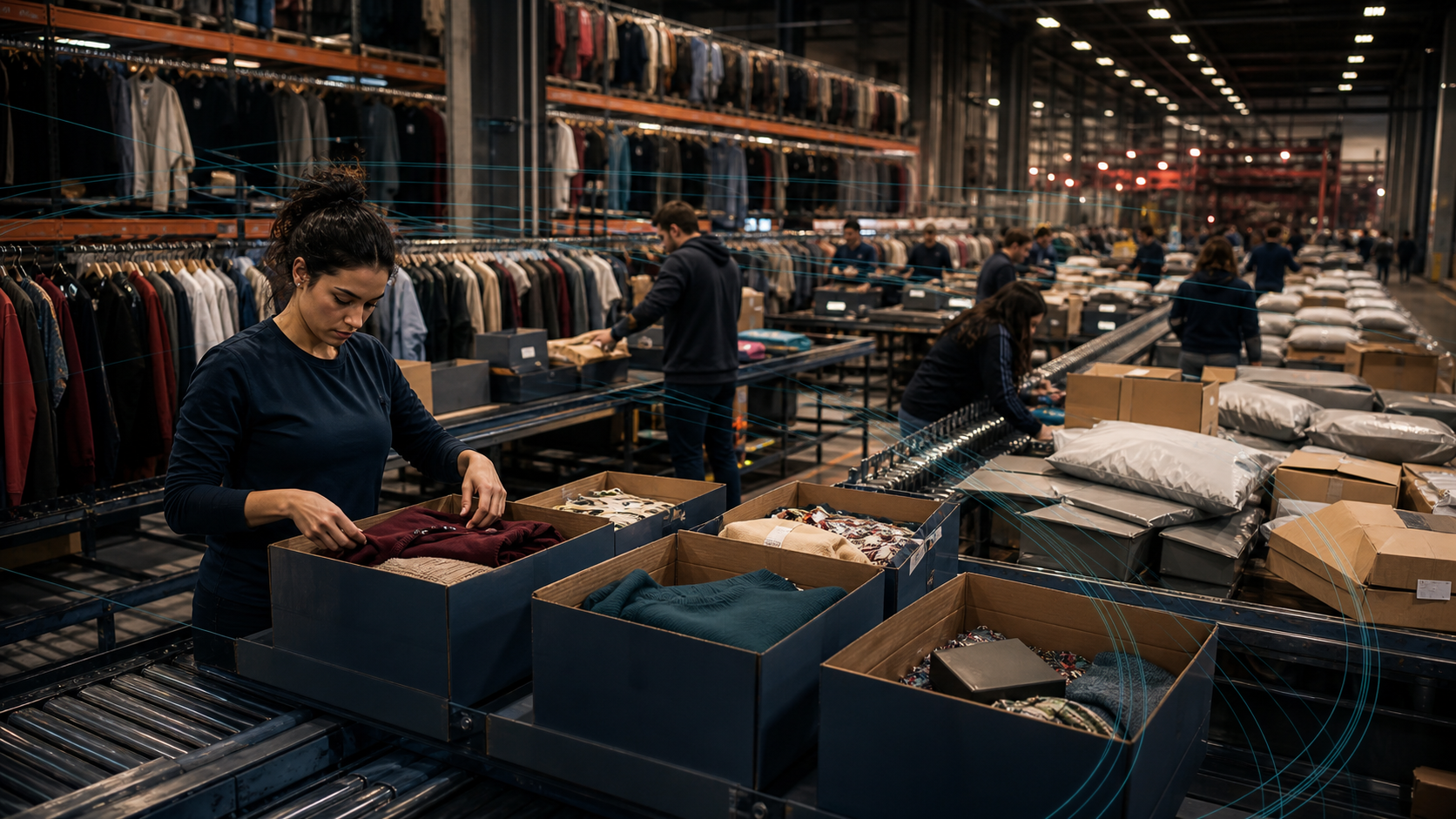
Prediction does not eliminate retail physics. Stitch Fix had to buy inventory before knowing exactly who would want it, carry a wide range of sizes and styles, ship boxes both ways, and absorb products that missed the mark.
Growth made the matching problem harder. New customers had less history. New categories required different fit knowledge. Marketing costs rose as the service moved beyond early adopters.
The company went public in 2017 with Lake among the youngest women to lead a technology IPO. Public-market attention then magnified every tension between growth and profitability.
What happened when the product promise expanded?

Stitch Fix expanded beyond scheduled Fix boxes with a direct-shopping experience that later became Freestyle. The move could increase purchase frequency, but it also brought the product closer to conventional e-commerce and complicated the brand’s distinctive promise.
Leadership transitions, layoffs, and strategic changes followed as customer counts and growth came under pressure. Lake returned as interim chief executive in 2023 before another leadership handoff.
The lasting lesson is not that data failed. It is that personalization sits inside a business model. Better recommendations must still overcome inventory cost, logistics, customer acquisition, and the consumer’s willingness to delegate choice.
Did Katrina Lake found Stitch Fix?
Yes. She founded the company in 2011 while developing the concept during business school.
How does Stitch Fix use data?
It combines customer profiles, product attributes, inventory, and feedback to support recommendations, styling, merchandising, and operational decisions.
Is Stitch Fix fully automated?
No. Its original model deliberately combines algorithmic recommendations with human stylists.
How did Katrina Lake make her money?
Her wealth came mainly from her founder stake in publicly traded Stitch Fix, whose value changes with the company’s share price.
💡 Key Insights
- ▸ Human expertise and algorithms can complement each other when each handles the uncertainty it understands best.
- ▸ Personalization quality does not erase inventory, returns, and customer-acquisition economics.
- ▸ A differentiated service can lose clarity when expansion changes the customer promise.
- ▸ Rich feedback loops become a moat only when they improve decisions faster than complexity grows.