Takemitsu Takizaki: How Keyence Became the Highest-Margin Machine in Industrial Tech
How did Takemitsu Takizaki turn Keyence into one of the most efficient industrial companies on earth? This MogulFeed story explains the quiet empire behind factory sensors, why Keyence sells differently from almost everyone else, and how Takizaki built a margin machine that outlasted hype cycles.
View all stories about this mogul
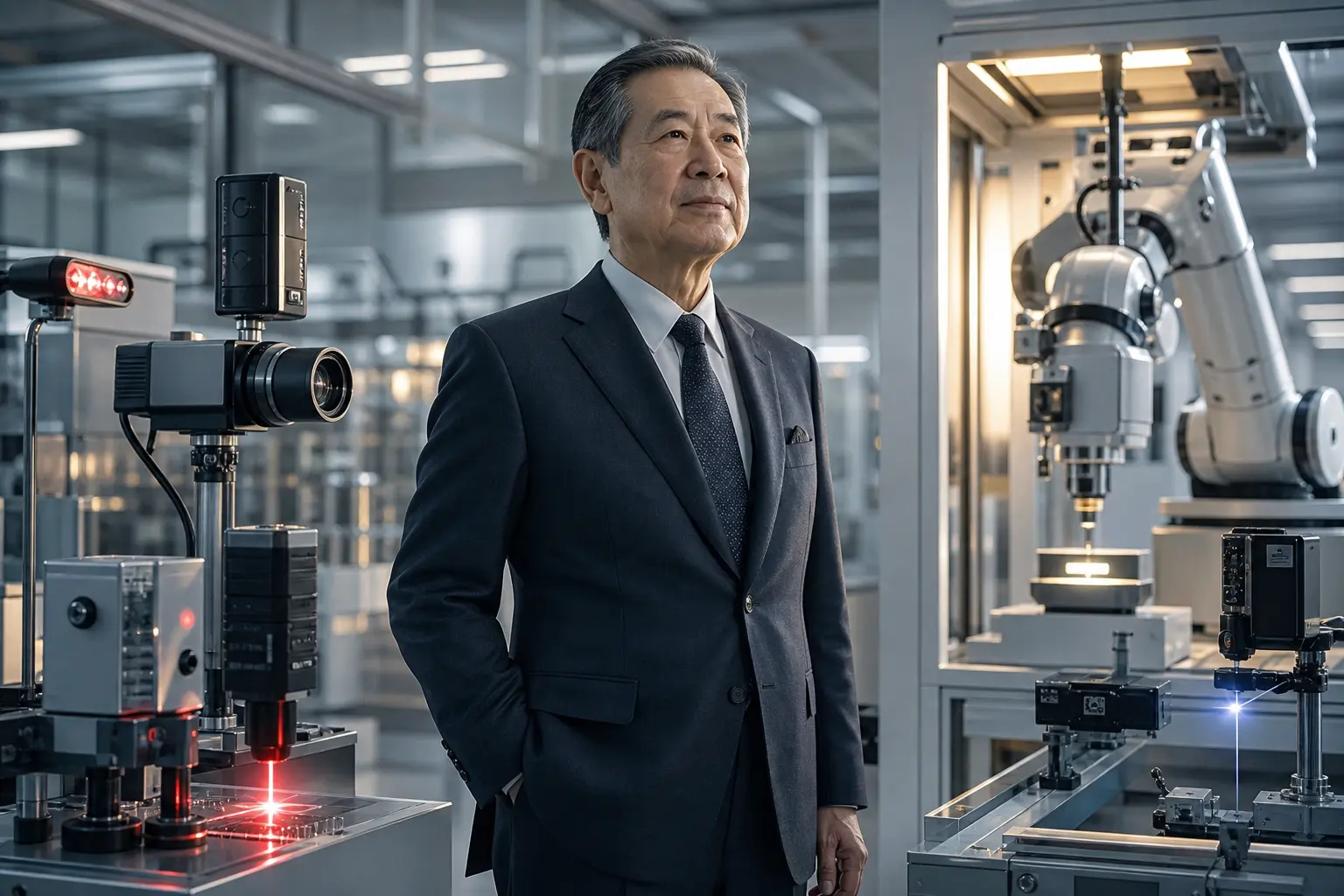
Why is Keyence so profitable, and how did Takemitsu Takizaki build it without becoming a household-name celebrity CEO? The answer is almost the opposite of startup mythology. Takizaki did not build a consumer brand, a social platform, or a charismatic founder cult. He built an industrial intelligence company that sits quietly inside factories, warehouses, labs, and inspection lines. The products are unglamorous to the public. The economics are spectacular to anyone who studies them.
Keyence became a margin machine by solving expensive problems in production environments where downtime hurts, defects cost real money, and buyers reward speed more than noise. Takizaki understood that if you can help manufacturers see, measure, inspect, and automate more precisely, you are not selling a gadget. You are selling time, yield, and certainty.
📌 Key facts: Who is Takemitsu Takizaki?
| Fact | Detail |
|---|---|
| Full name | Takemitsu Takizaki |
| Known for | Founder of Keyence |
| Company founded | 1974 |
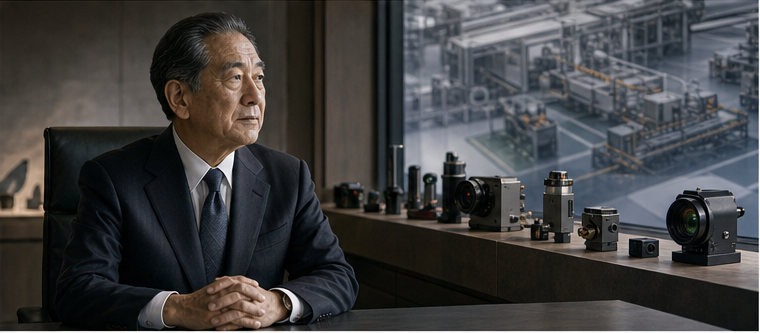
| Core business | Factory automation sensors, machine vision, measurement, barcode readers, laser markers, microscopes |
| Reputation | One of the richest people in Japan and one of industrial tech’s most quietly effective builders |
| Leadership transition | Stepped down as chairman in 2015 but remained honorary chairman |
| Strategic signature | High-margin products sold through direct sales into mission-critical industrial workflows |
🏭 What exactly is the Keyence empire?
Keyence is easy to misunderstand from a distance.
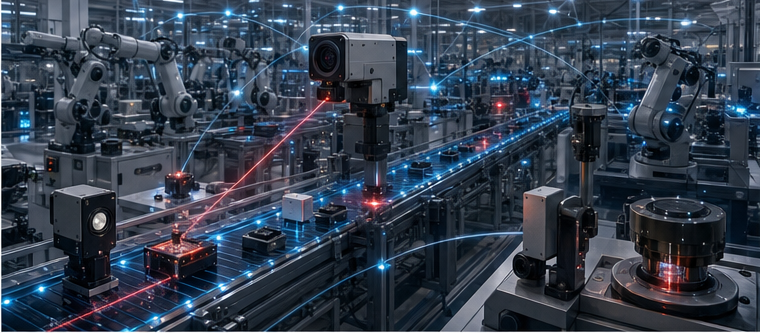
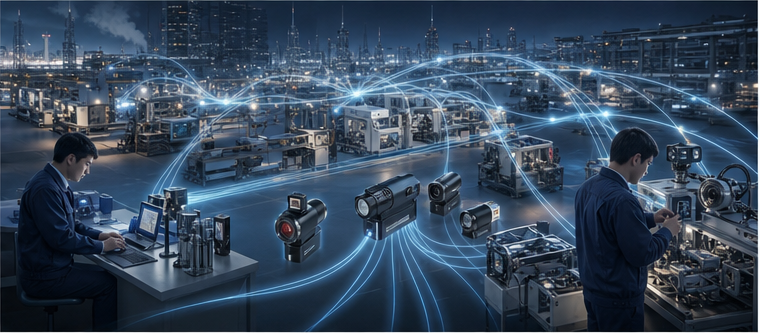
If you only hear that it makes sensors, barcode readers, vision systems, and measuring equipment, the business can sound narrow. In reality, Keyence sits at the nerve endings of industrial production. Its products help factories detect objects, inspect quality, measure tolerances, read codes, automate repetitive decisions, and reduce line errors.
That matters because manufacturing does not reward drama. It rewards precision.
When a product prevents defects or shortens a production cycle, the value it creates is often far larger than the hardware cost. That creates room for premium pricing. It also means customers do not always choose the cheapest vendor. They choose the one that reduces headaches fastest.
Takizaki built Keyence around that truth. Instead of chasing scale through low-margin commodity manufacturing, he went after high-value positions inside the production stack. That is why the company has long been associated with extraordinary profitability relative to many other industrial firms.
⚙️ How did Takizaki build Keyence differently from traditional manufacturers?
The unusual thing about Keyence is not just what it sells. It is how it sells.
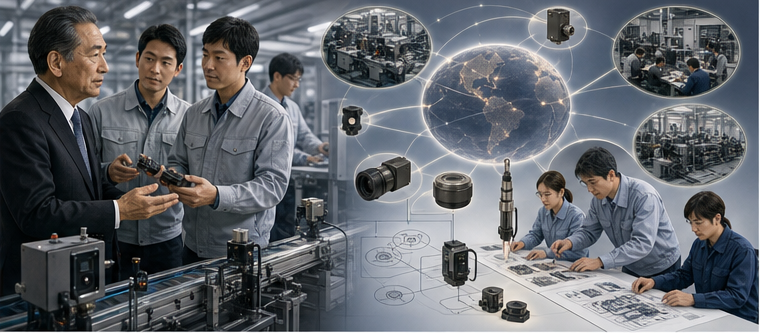
Many industrial companies are built around heavy manufacturing footprints, distributor layers, and slower customer feedback loops. Keyence became famous for a much tighter model. It uses direct sales heavily, stays close to customer pain points, and focuses on products that can solve urgent technical problems with measurable payoff.
That direct-sales system does three important jobs at once:
- It lets Keyence hear customer needs earlier.
- It helps the company position products as solutions, not catalog parts.
- It protects pricing because the conversation is about performance and lost downtime, not just unit cost.
This is one reason Keyence has often looked almost software-like in its economics. The company is not shipping a mass-market commodity. It is embedding itself into the decision layer of industrial production.
Takizaki saw that industrial buyers will pay for speed, confidence, and less friction if the product affects line performance. That insight sounds simple. In execution, it is very rare.
📈 Why are Keyence’s margins so famous?

Because the company learned how to sit where value is highest.
High-margin businesses usually do one of a few things well: they own a powerful brand, control critical distribution, dominate a protocol, or solve a problem so expensive that price becomes secondary. Keyence fits closest to the last category.
A sensor or vision system may be only a tiny piece of a customer’s full capital budget. But if that device helps reduce scrap, prevent a misread, catch defects, or improve throughput, its economic value can far exceed its physical size. That is where margin lives.
Takizaki also avoided a common industrial trap: becoming too dependent on pure volume. Instead of racing to be the cheapest general supplier, Keyence stayed focused on specialized, high-utility equipment where technical performance and application support matter.
The result was a company whose products often looked modest from the outside but occupied very profitable territory on the inside.
🧠 What was Takizaki’s real strategic insight?
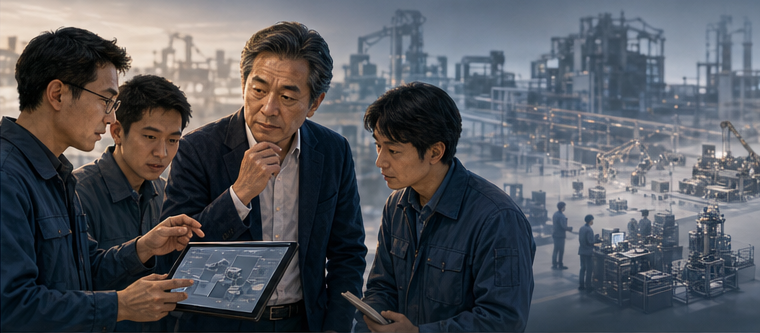
That factories are information systems as much as physical systems.
Once you understand that, Keyence makes more sense.
A modern production line is not just metal, labor, and motion. It is a flow of signals: whether an object is present, whether a dimension is in tolerance, whether a code is readable, whether a defect is visible, whether a process is drifting. Whoever helps customers sense and interpret those signals can become deeply valuable.
Takizaki built Keyence around that layer.
He did not need the public romance of a consumer-tech founder because the business logic was stronger than the narrative. If Keyence helps customers see the line more clearly, react faster, and avoid waste, the company becomes sticky in ways outsiders underestimate.
That is the real moat.
It is not just hardware.
It is industrial visibility tied to action.
🌍 Why did Keyence become globally important without becoming culturally loud?
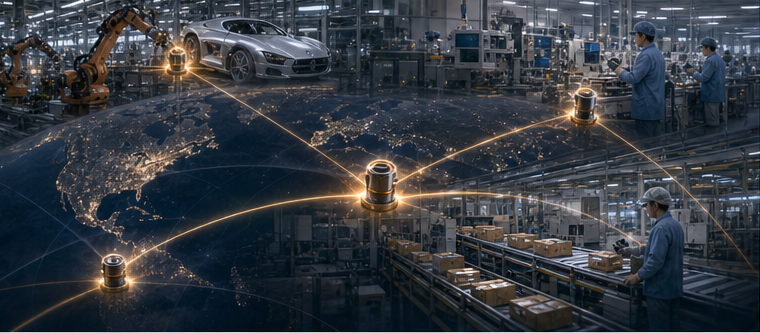
Because industrial excellence compounds quietly.
Consumer giants dominate headlines because ordinary people touch their products every day. Keyence followed a different path. It became globally important by serving the people who build the physical world: automakers, electronics companies, packaging firms, logistics operations, and high-precision manufacturers.
Forbes notes that sales outside Japan make up roughly two-thirds of revenue. That detail matters. It shows Keyence is not simply a domestic Japanese success story. It is a globally exported operating model.
And unlike some Japanese industrial champions that became associated with sprawling conglomerate complexity, Keyence kept a sharper identity. It stayed focused on high-value industrial tools with a strong commercial engine behind them.
That focus helped it avoid the kind of empire bloat that turns success into bureaucracy.
👔 Why did Takizaki stepping down not change the machine much?
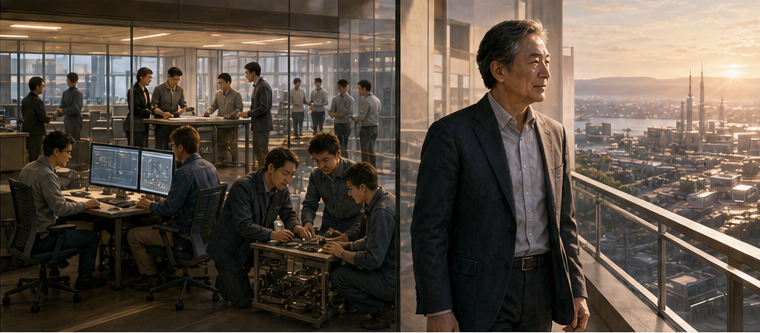
Because real empire builders design systems, not dependence.
Takizaki stepped down as chairman in 2015 and remained honorary chairman. That transition did not erase his influence because the company was never just a reflection of one man’s daily charisma. It was a disciplined operating architecture.
That architecture included:
- tight focus on high-value industrial niches,
- fast commercial response to customers,
- premium positioning,
- and a culture that treats practical usefulness as the core sales argument.
A founder who builds a machine this well does not need to dominate headlines every quarter. The institution can keep expressing his logic after he moves back from day-to-day control.
That is one of the clearest markers of a durable mogul: the company still behaves like the founder taught it to behave.
🧩 What does the Keyence story teach other builders?

Three things.
First, the best businesses are not always the loudest. Takizaki built immense wealth in an area most people never think about. Markets often over-celebrate visible innovation and underprice boring indispensability.
Second, distribution and customer intimacy can be as important as the product itself. Keyence did not just invent things. It created a commercial system that turned application knowledge into advantage.
Third, industrial businesses can earn extraordinary returns when they sit near the point of operational pain. If your product prevents defects, saves time, or increases line confidence, you are no longer easily compared like a commodity.
That lesson travels far beyond factories.
⚡ So what made Takemitsu Takizaki a mogul, not just a founder?

He built an industrial empire that monetized precision.
A founder proves an idea can work. A mogul builds a system that keeps extracting value across products, customers, and geographies. Takizaki did that by finding a layer of the modern industrial economy where reliability, speed, and insight matter more than public attention.
Keyence is not famous in pop culture. It does not need to be.
Its power comes from sitting behind production, quietly collecting the rewards of being critical without being flashy. That is often the most durable kind of empire.
🙋 FAQ
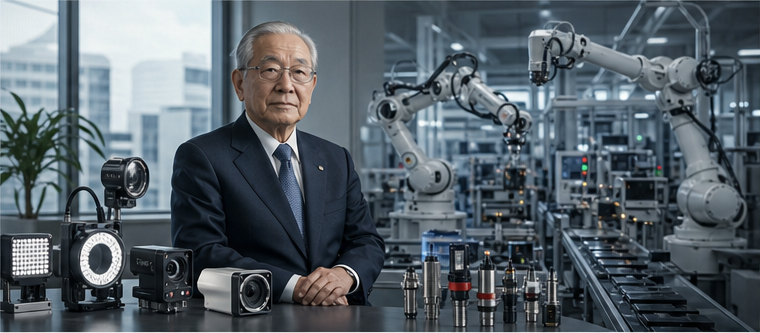
Why is Keyence considered unusually profitable?
Because it sells high-value industrial tools into mission-critical workflows where performance and support matter more than cheapest price.
What does Keyence actually make?
It is known for factory automation sensors, vision systems, measuring instruments, barcode readers, laser markers, and related inspection tools.
Is Takemitsu Takizaki still running Keyence?
He stepped down as chairman in 2015 and became honorary chairman, but his strategic imprint remains visible in the business model.
What is the core lesson from the Keyence story?
Own a critical pain point, stay close to the customer, and capture value where operational mistakes are expensive.
Final take
Takemitsu Takizaki’s story matters because it reminds people that empires do not have to be glamorous to be extraordinary. Keyence became one of industrial tech’s great compounding machines by helping factories see better, react faster, and waste less. Takizaki’s genius was realizing that in those environments, precision is not a feature. It is leverage.
💡 Key Insights
- ▸ Takizaki did not build Keyence by owning factories at all costs. He built it by owning the customer relationship, the product specification, and the urgency around production-line problems. That created pricing power without a commodity capital structure.
- ▸ Keyence's famous margins are not just about premium sensors. They come from an unusually disciplined system: direct sales, high-value niche products, quick prototyping, and an internal culture that treats responsiveness as a commercial weapon.
- ▸ The deeper lesson is that industrial moats can be software-like if they sit inside customer workflows. When your product removes downtime, improves yield, or simplifies inspection, the buyer cares less about unit price and more about not slowing the line.