Michael Rubin's Fanatics Machine: Owning the Sports Commerce Stack
Michael Rubin turned a teenage retail obsession into a vertically integrated sports platform built around licenses, manufacturing, data, and speed.

View all stories about this mogul
The most valuable sports product is often the one a fan wants five minutes after the final whistle. Michael Rubin built Fanatics around that narrow window.
The company is commonly described as an online retailer. That misses the architecture. Fanatics has spent years assembling licenses, manufacturing, on-demand production, logistics, commerce technology, collectibles, and betting into a connected sports platform. The bet is that whoever owns the path from moment to merchandise can serve leagues and fans faster than a collection of disconnected vendors.
The Teenager Who Learned Cash Flow the Hard Way
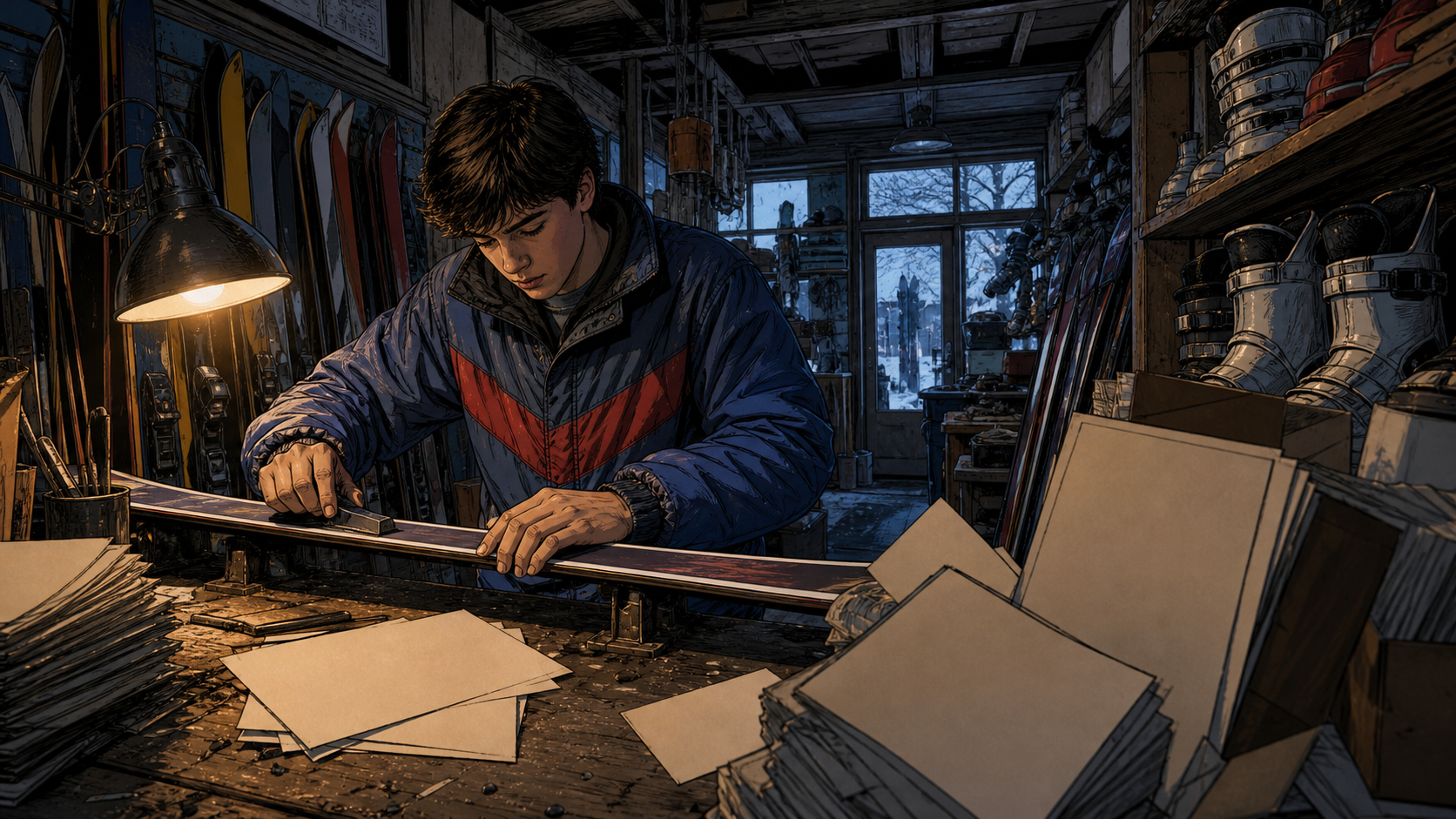
Rubin’s operating education began unusually early. He sold ski equipment as a teenager and opened a shop while still in school. The story is often told as entrepreneurial folklore, but its durable lesson is less glamorous: inventory ties up cash, demand is seasonal, and growth can create a financing problem before it creates wealth.
He learned to negotiate with creditors, move product, and search for channels that turned inventory faster. Later ventures in closeout merchandise and e-commerce reinforced the same pattern. Rubin was not merely learning how to sell. He was learning how fragmented supply chains strand value.
That insight carried into Global Sports, which operated online stores for established retailers and sports brands. Instead of insisting that every partner master e-commerce internally, the company provided the machinery behind the storefront. The infrastructure became the wedge.
When Rubin acquired the assets that evolved into Fanatics, sports merchandise offered a particularly sharp version of the problem. Demand jumps around championships, trades, debuts, and cultural moments. Traditional seasonal planning is slow precisely when emotion is fastest.
Building the Operating Machine
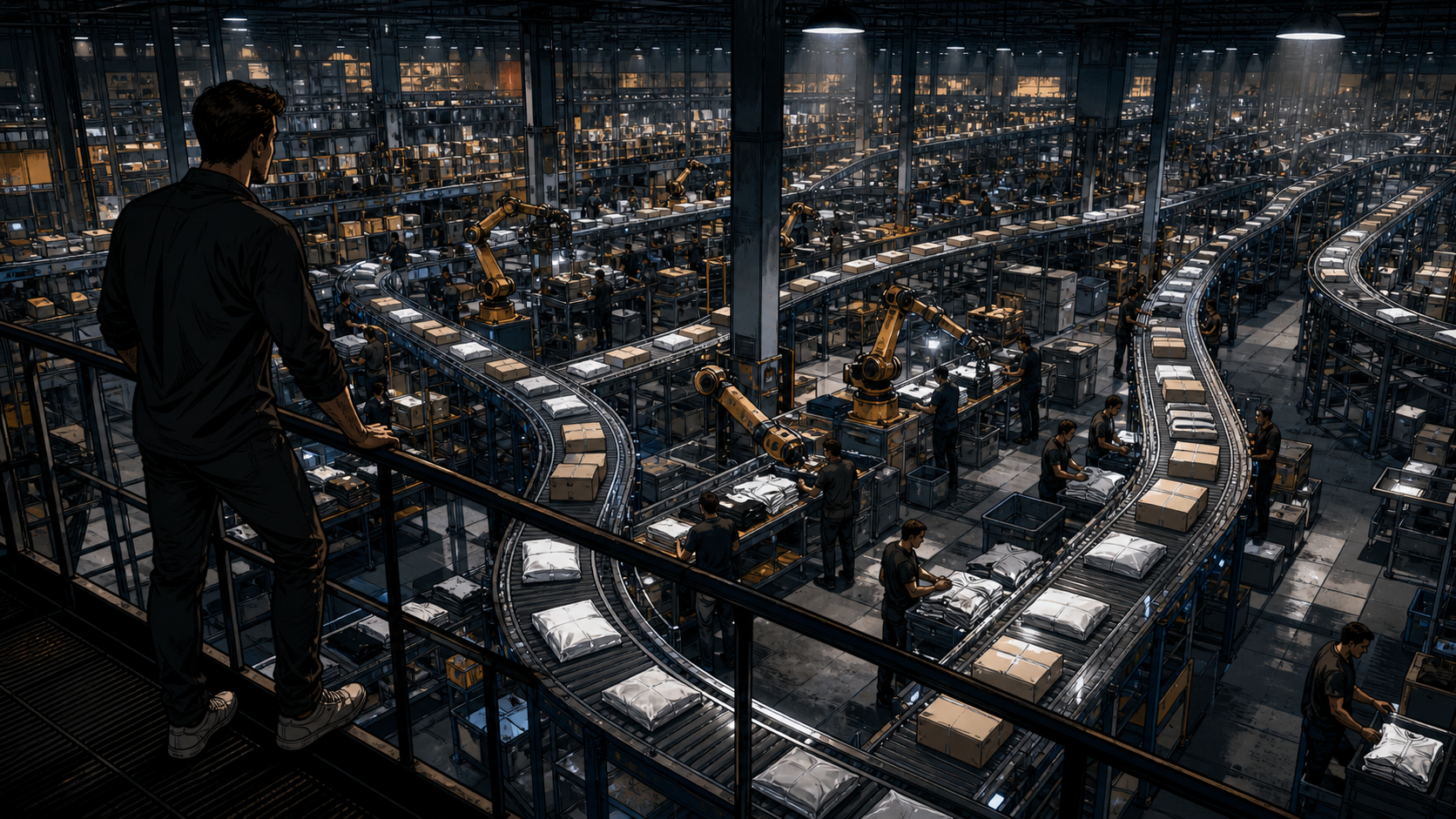
Fanatics expanded by winning long-term relationships with leagues, teams, and brands, then taking responsibility for more of the operating stack. Digital storefronts produced direct demand data. Manufacturing and on-demand capabilities reduced the delay between an event and available product. Fulfillment connected that production to a global customer base.
The flywheel is straightforward. More rights and partners attract more fans. More transactions generate better demand signals. Better signals improve assortment and speed. Stronger performance makes the platform more useful to rights holders.
Acquisitions accelerated the build. Topps added trading cards and established collectibles capability. Other moves expanded manufacturing, licensed merchandise, and commerce infrastructure. The strategic logic was not simple diversification; it was to own more of the fan’s commercial relationship.
That strategy carries tension. Leagues and brands want a powerful operator, but they also need healthy competition, brand stewardship, product quality, and resilience. A platform that becomes indispensable inherits scrutiny alongside leverage. Integrating many businesses, cultures, and technical systems is slower than announcing a portfolio.
Fanatics’ expansion into betting pushes the thesis further. A fan who buys a jersey, follows a player, collects a card, and places a wager generates a richer relationship than a single retail order. It also raises the regulatory and responsible-gaming stakes. Adjacency can increase lifetime value, but it can also expose the whole platform to failures in a tightly controlled category.
The Real Lesson
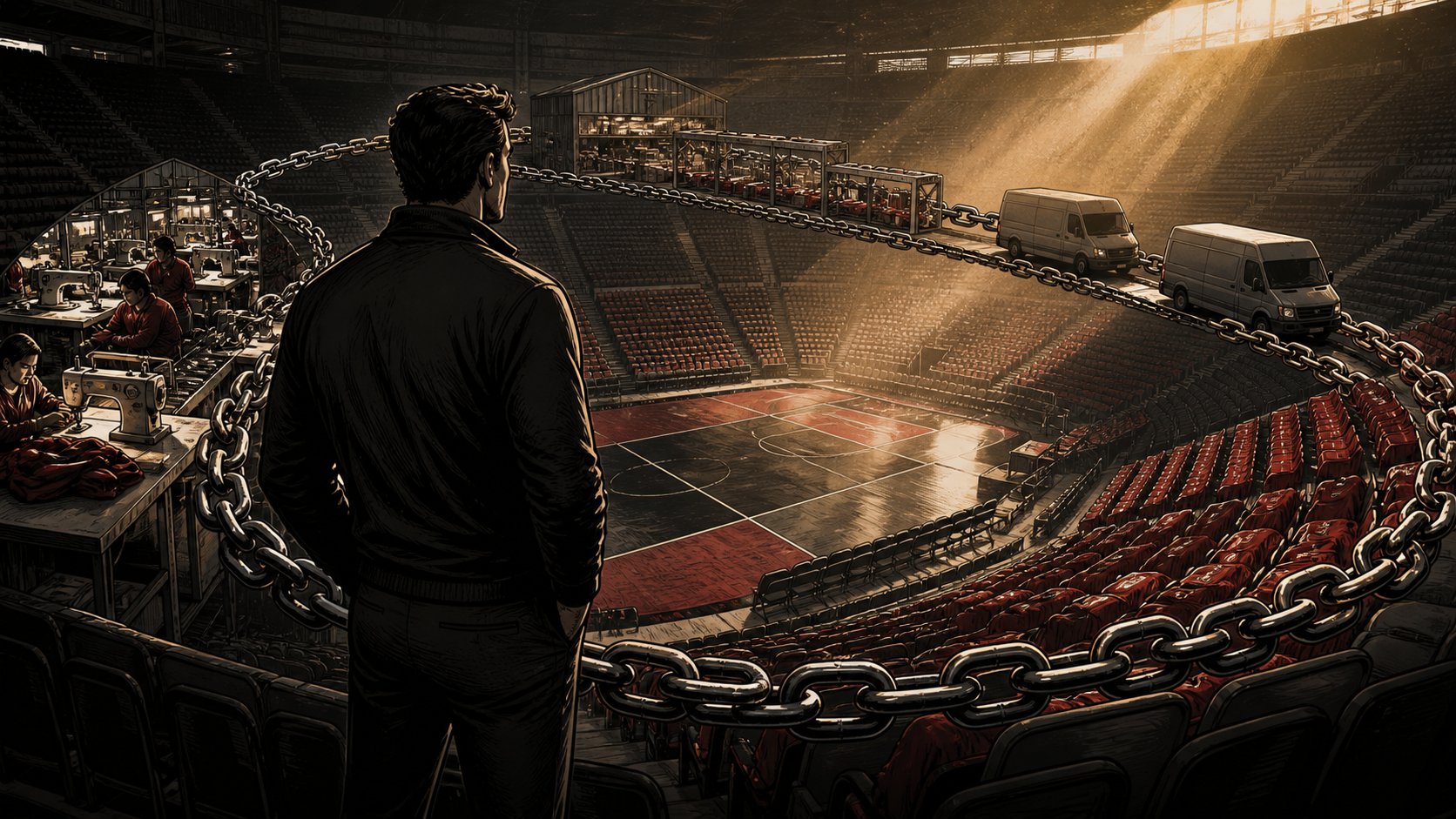
Rubin’s playbook is vertical integration aimed at volatility. In a slow market, independent specialists can coordinate through forecasts and contracts. In sports, the value of a moment decays quickly. Controlling production, data, and distribution shortens the distance between signal and sale.
The lesson is not that every company should own its supply chain. Ownership is expensive and reduces flexibility. It works when speed is strategic, demand data improves upstream decisions, and the same infrastructure can serve many partners.
Fanatics must still prove that its parts create a better system rather than a larger collection. The moat will not be the number of businesses Rubin owns. It will be whether a fan’s sudden desire can travel through the machine faster, more reliably, and with better products than anywhere else.
💡 Key Insights
- ▸ A time-sensitive market rewards control of inventory, production, and distribution.
- ▸ Licenses are more powerful when paired with direct consumer data.
- ▸ Acquisitions create advantage only when the operating systems actually connect.
- ▸ Vertical integration concentrates both speed and execution risk.