Tan Min-Liang: How Razer Made Gaming Hardware a Global Identity
Tan Min-Liang helped turn gaming peripherals from beige utilities into objects of performance, community, and unmistakable gamer identity.
View all stories about this mogul
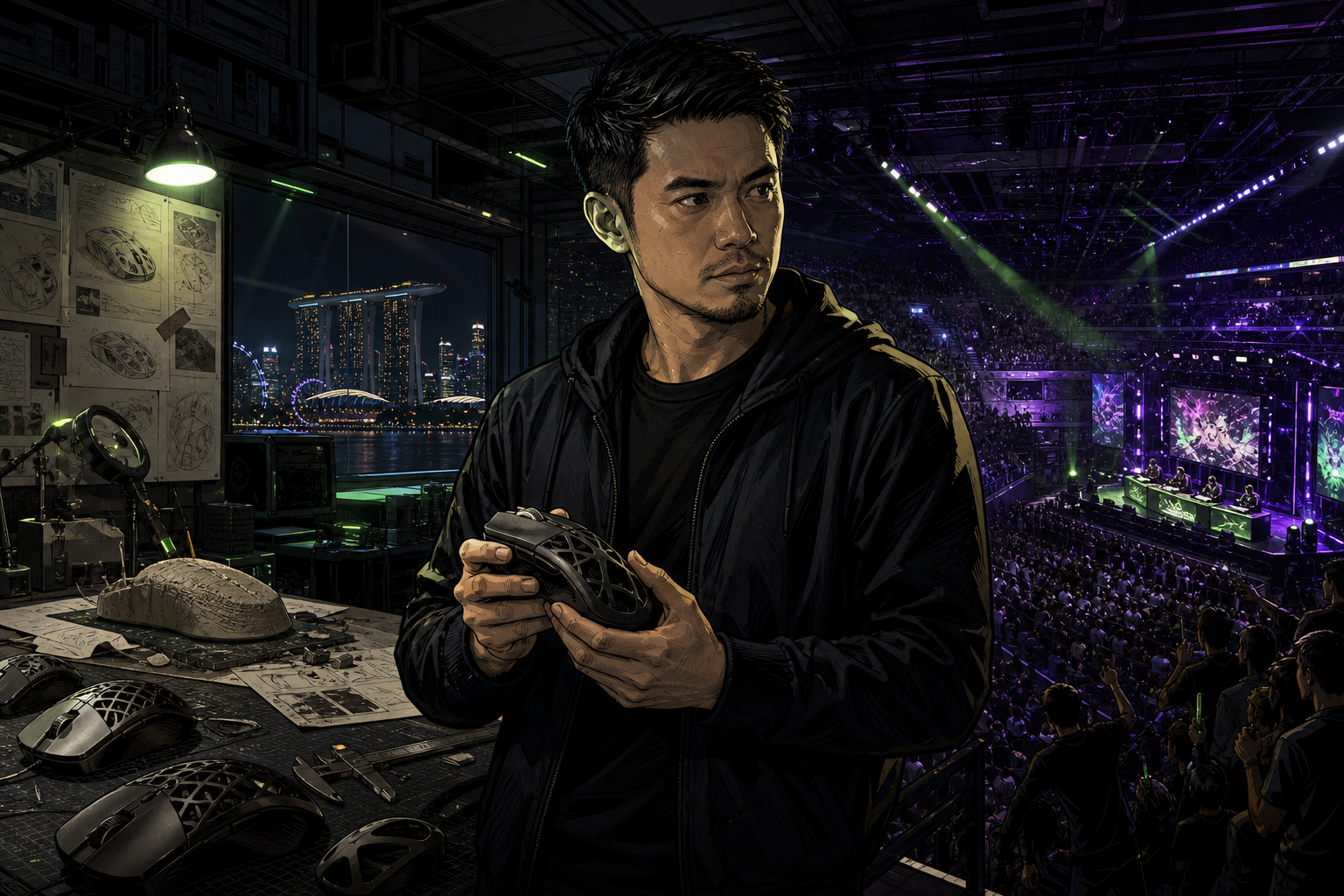
Before gaming hardware became a lifestyle category, most computer peripherals were designed as office equipment. Tan Min-Liang saw a different customer: players who cared intensely about response, grip, weight, lighting, and the feeling that their setup belonged to gaming culture.
Razer turned those preferences into a premium global brand. Its products were not merely tools used to play games; they became visible signals of membership in the community. That positioning helped expand the company from mice into keyboards, headsets, laptops, software, services, and esports partnerships.
Finding the Product Inside the Subculture
Tan trained and worked as a lawyer in Singapore, but gaming was the environment he understood instinctively. He co-founded Razer in 2005 with Robert Krakoff after the earlier Boomslang gaming-mouse brand and technology changed hands.
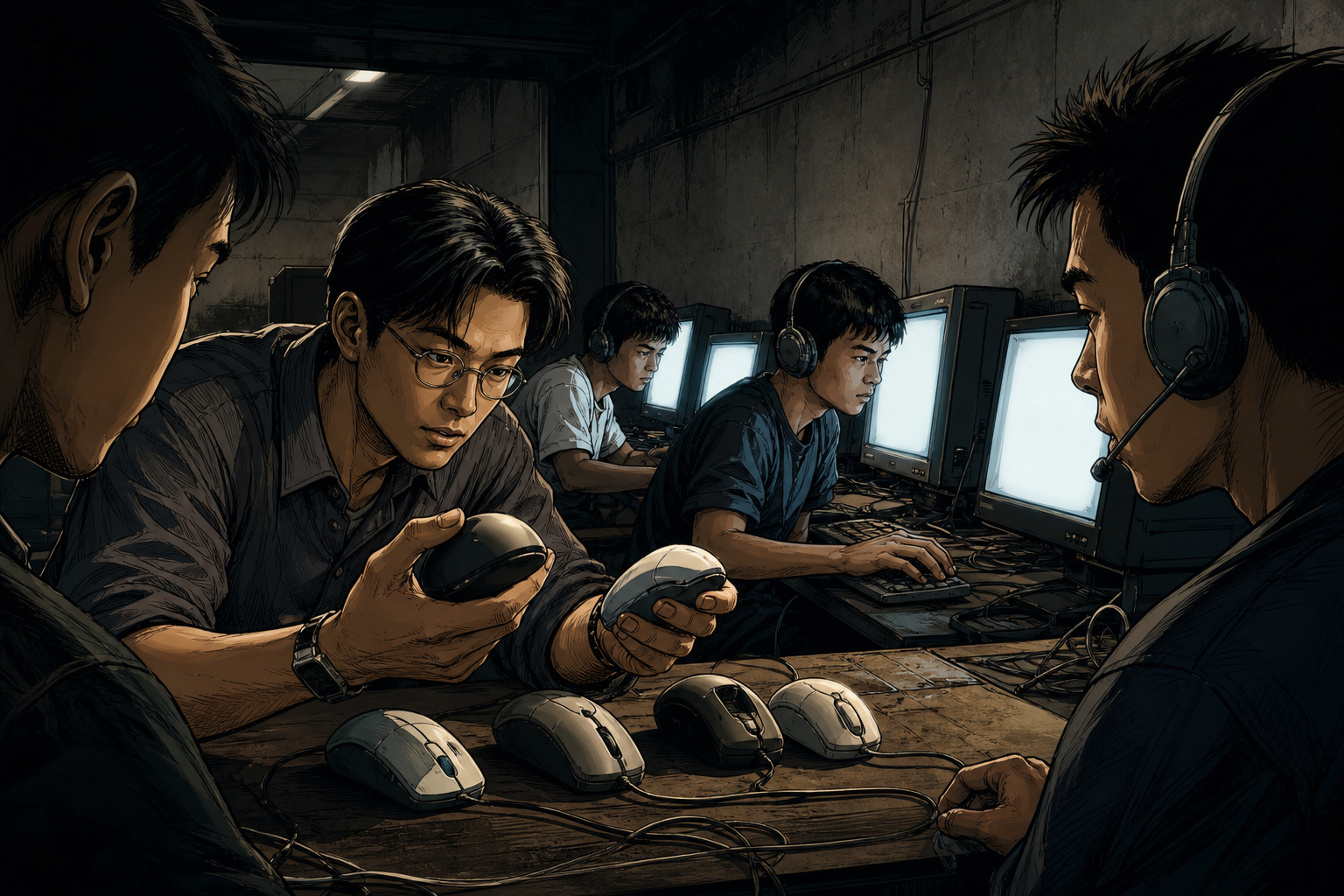
The product insight was that serious players did not want a generic mouse with a louder advertisement. They wanted ergonomics, sensitivity, buttons, software, and durability designed around long sessions and fast reactions. Just as important, they wanted a company that spoke their language without treating enthusiasm as childish.
Early gaming forums, cafes, tournaments, and enthusiast reviews supplied unusually direct feedback. Players discussed tiny differences that mainstream buyers ignored. That demanding audience could be unforgiving, but it also acted as a distributed product lab and a powerful recommendation network.
Razer’s visual identity amplified the distinction. Dark materials and electric color made devices recognizable across a room or a video stream. The design told customers who the product was for before they read a specification sheet.
Surviving the Gap Between Hype and Hardware
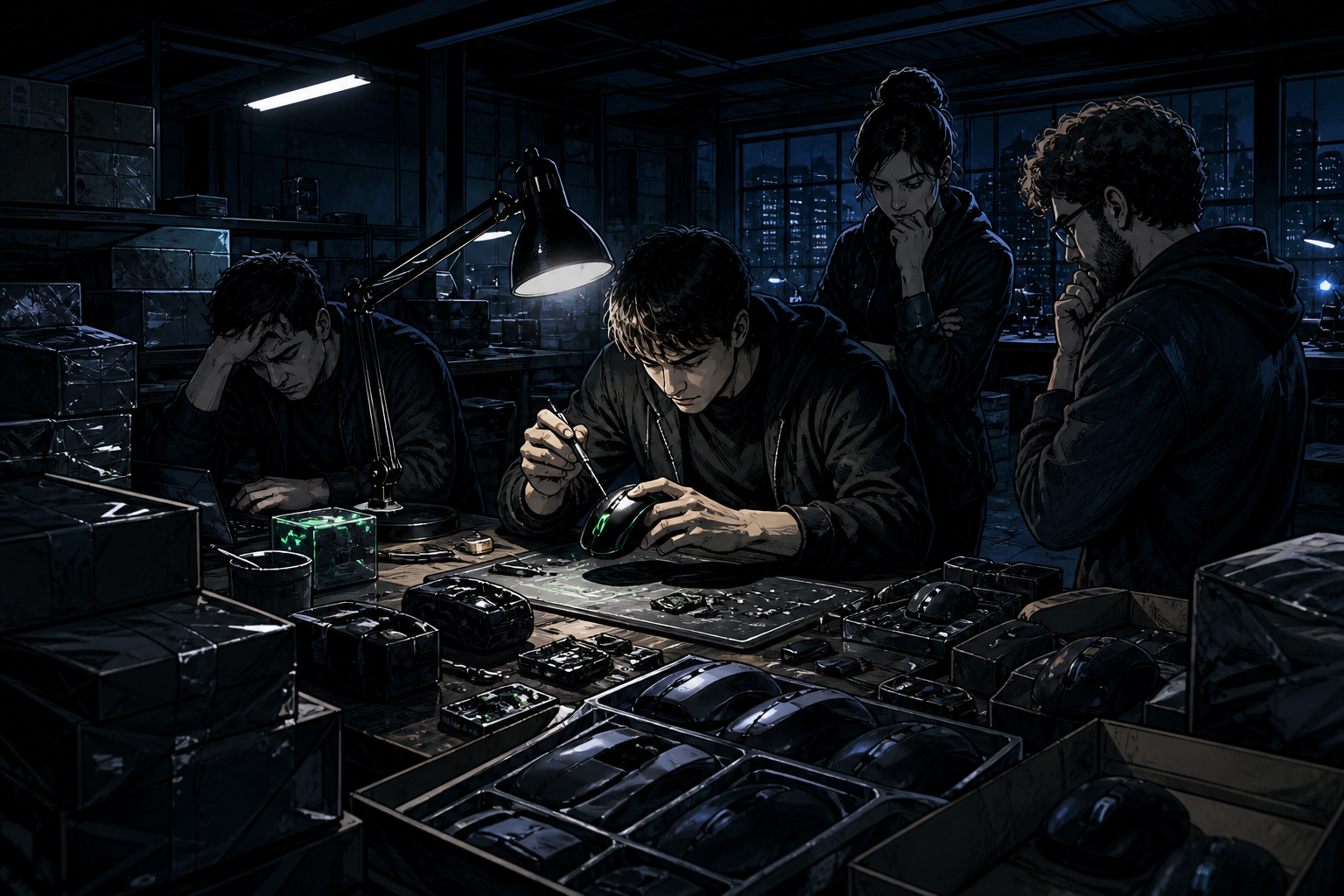
Hardware punishes weak execution. Industrial design must survive manufacturing tolerances. Components have lead times, inventory loses value, defects create returns, and software can damage the experience of an otherwise excellent device.
Razer had to build capabilities far beyond product concept: supplier relationships, quality control, global distribution, firmware, configuration software, customer support, and a release cadence matched to a fast-changing market. Premium pricing raised expectations for every link in that chain.
The company also needed to avoid becoming a one-hit mouse maker. Keyboards and audio extended naturally from the same customer and retail channel. Laptops were harder, combining expensive inventory with fierce competition, but they gave the brand a flagship platform. Software and services sought recurring engagement beyond replacement cycles for physical products.
Razer listed in Hong Kong in 2017 and later returned to private ownership in 2022 through a management-led transaction. Public markets provided capital and visibility, but they also exposed the tension between long-term ecosystem bets and near-term financial expectations.
Turning Community Into a Design System
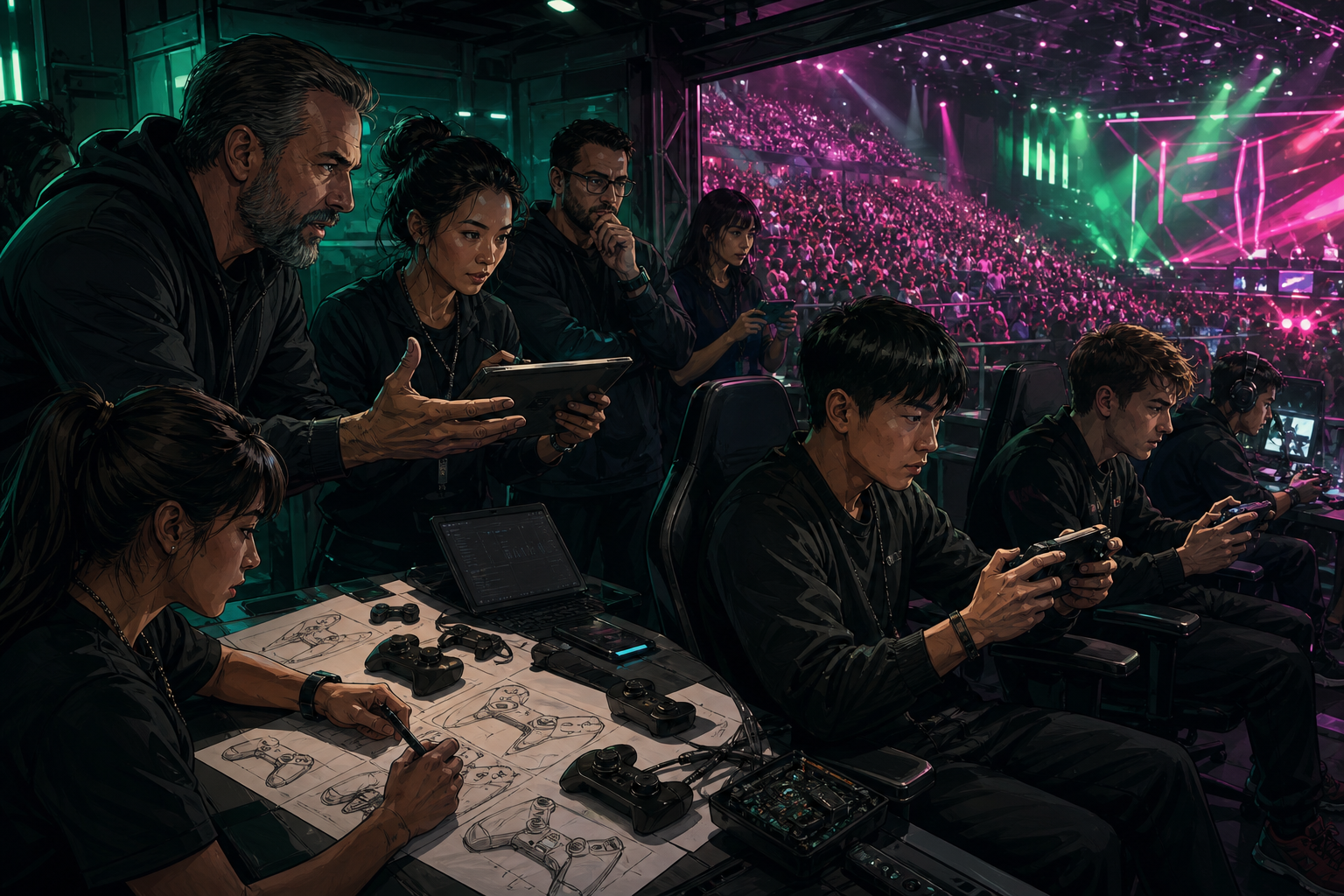
“For gamers, by gamers” works only if it changes decisions. Community credibility can disappear when a company uses the aesthetic of a subculture without respecting its standards. Razer maintained proximity through esports, social channels, events, and a founder persona closely associated with product launches.
That closeness creates both advantage and risk. Enthusiasts surface problems quickly and reward responsive design, but the loudest users do not represent every customer. A global company must translate passionate feedback into structured research, accessibility, reliability, and products for different budgets and play styles.
Tan’s larger contribution was helping redefine the addressable market. Gaming moved from a niche activity toward mass entertainment, streaming culture, and professional competition. Razer built for that identity before many incumbents believed it could support a premium ecosystem.
The founder lesson is not to copy neon lighting. It is to identify a community whose needs are dismissed as too particular, learn its language at product depth, and build an operating system capable of delivering those details repeatedly. Culture may create demand, but disciplined hardware execution earns the right to keep it.
💡 Key Insights
- ▸ A product category can be rebuilt around identity when incumbents treat passionate users as a niche.
- ▸ Founder proximity to demanding users can sharpen design, but feedback must become repeatable process.
- ▸ Premium hardware requires excellence across ergonomics, software, supply chain, and support.
- ▸ A cult brand must balance unmistakable character with the discipline to serve a larger market.