Tony Xu: How DoorDash Turned the Last Mile Into a Logistics Machine
Tony Xu and his cofounders started with a plain delivery website in Palo Alto, then built DoorDash by solving the unglamorous economics of local logistics market by market.
View all stories about this mogul
DoorDash began with a website so simple it looked temporary. PaloAltoDelivery.com listed menus and a phone number. When an order arrived, Tony Xu and his Stanford cofounders delivered it themselves. The crude prototype revealed the real business: local merchants had demand, but the last mile was too fragmented and expensive for many of them to manage.
Xu did not invent restaurant delivery. He helped turn it into a dense, data-driven marketplace where software assigns couriers, predicts preparation time, prices distance, and tries to keep four groups satisfied at once.
How did a basic Palo Alto website expose the opportunity?

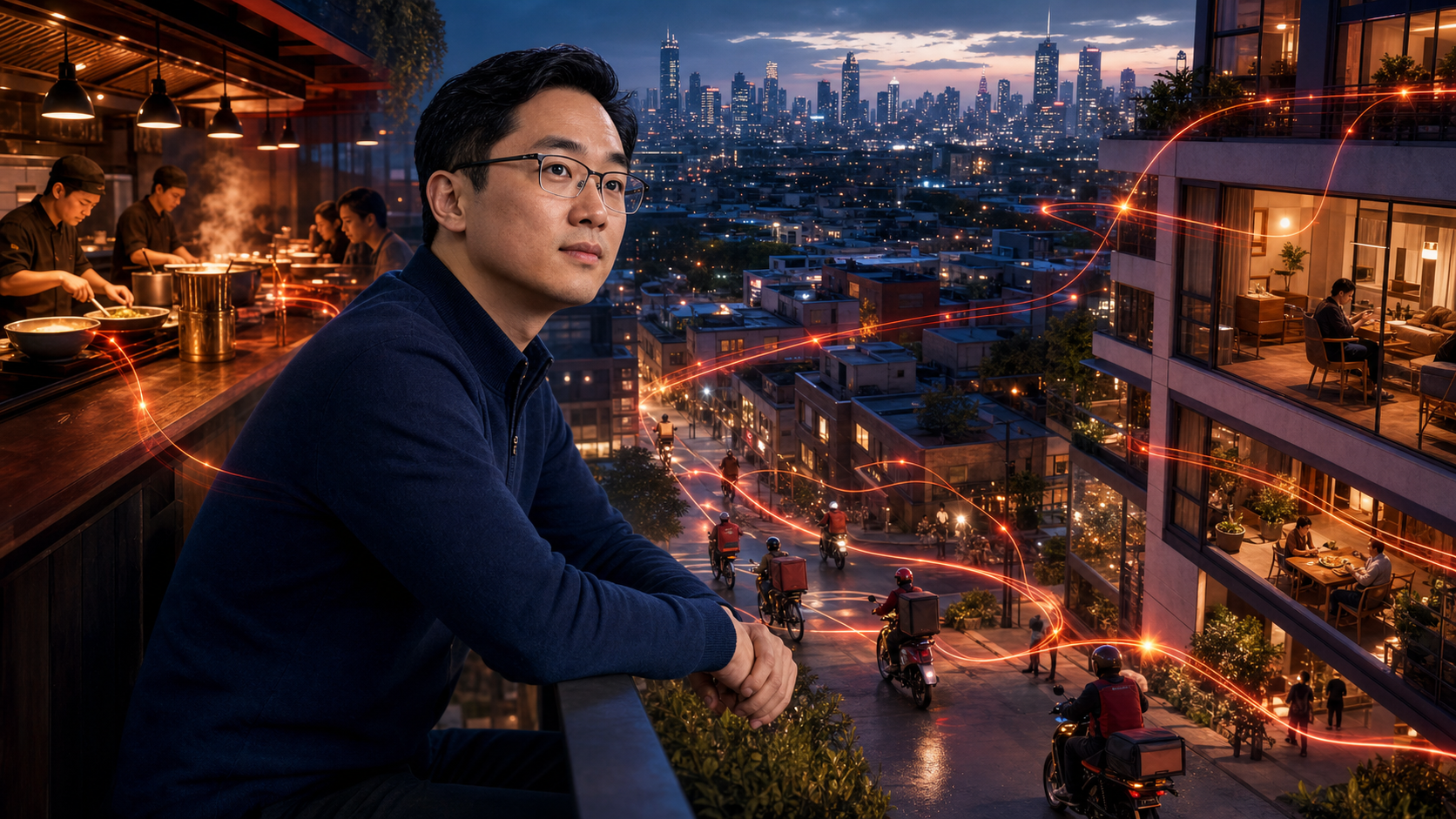
Tony Xu was born in China and immigrated to the United States as a child. He has described watching his mother work in restaurants after her medical credentials did not transfer. That family experience gave food service a human dimension long before DoorDash became a public company.
At Stanford’s business school, Xu worked with Andy Fang, Stanley Tang, and Evan Moore on ideas for local businesses. Interviews kept revealing the same constraint: merchants could make good products but struggled to deliver them economically.
The team launched PaloAltoDelivery.com in 2013. It was intentionally manual. They answered calls, placed orders, drove to restaurants, and delivered meals. This “do things that don’t scale” phase generated operational knowledge no slide deck could provide: parking time, kitchen delays, apartment access, route choice, and customer communication.
The company soon became DoorDash and joined Y Combinator. Venture capital funded expansion, but money did not remove the local nature of the task. Each market needed enough restaurants, consumers, and couriers to create reliable service.
Why does delivery density create a competitive moat?
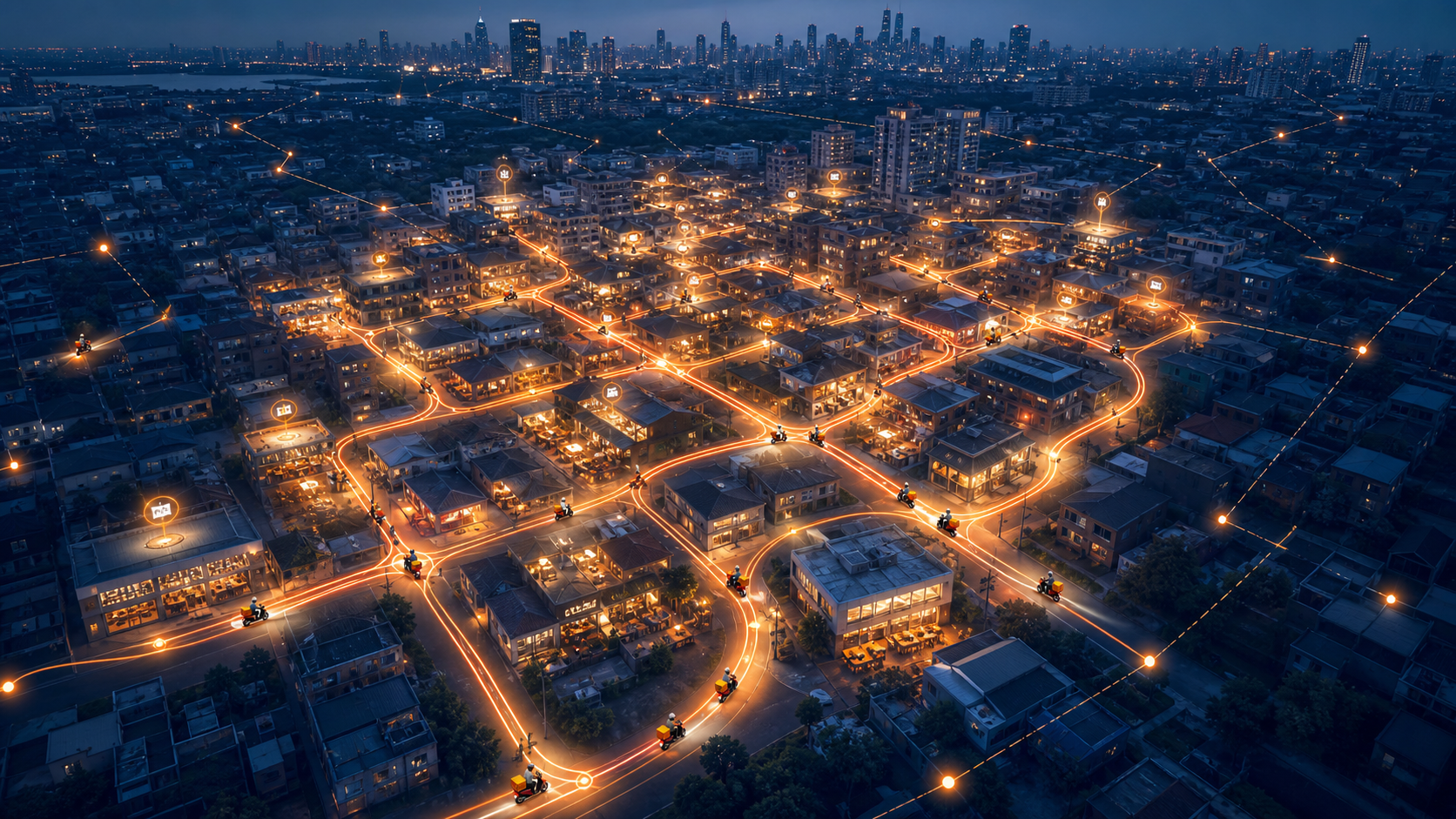
The economics of one delivery are unforgiving. A courier spends time accepting, traveling, waiting, collecting, and dropping off. The consumer wants a low fee, the merchant wants margin, the courier wants fair earnings, and the platform needs enough revenue to operate.
Density changes the equation. More orders in a compact area can reduce idle time and travel distance. Better data improves estimates for kitchen preparation, courier arrival, and delivery time. Reliability attracts more users, which can produce more orders and still better routing.
This is a local network effect. National brand awareness helps, but an excellent network in one city does not automatically make a new town efficient. DoorDash expanded aggressively into suburbs where restaurant choice was broad and delivery infrastructure was weaker. Competitors often focused first on dense urban cores.
DoorDash also built merchant tools, advertising, memberships, and white-label logistics. DashPass encourages order frequency through a subscription. Storefront and Drive let merchants use parts of the network without relying entirely on the consumer marketplace.
The moat is therefore not one algorithm. It is accumulated demand, courier availability, merchant integrations, mapping data, support operations, and the habit of opening one app when convenience matters.
How did DoorDash survive the marketplace conflict?
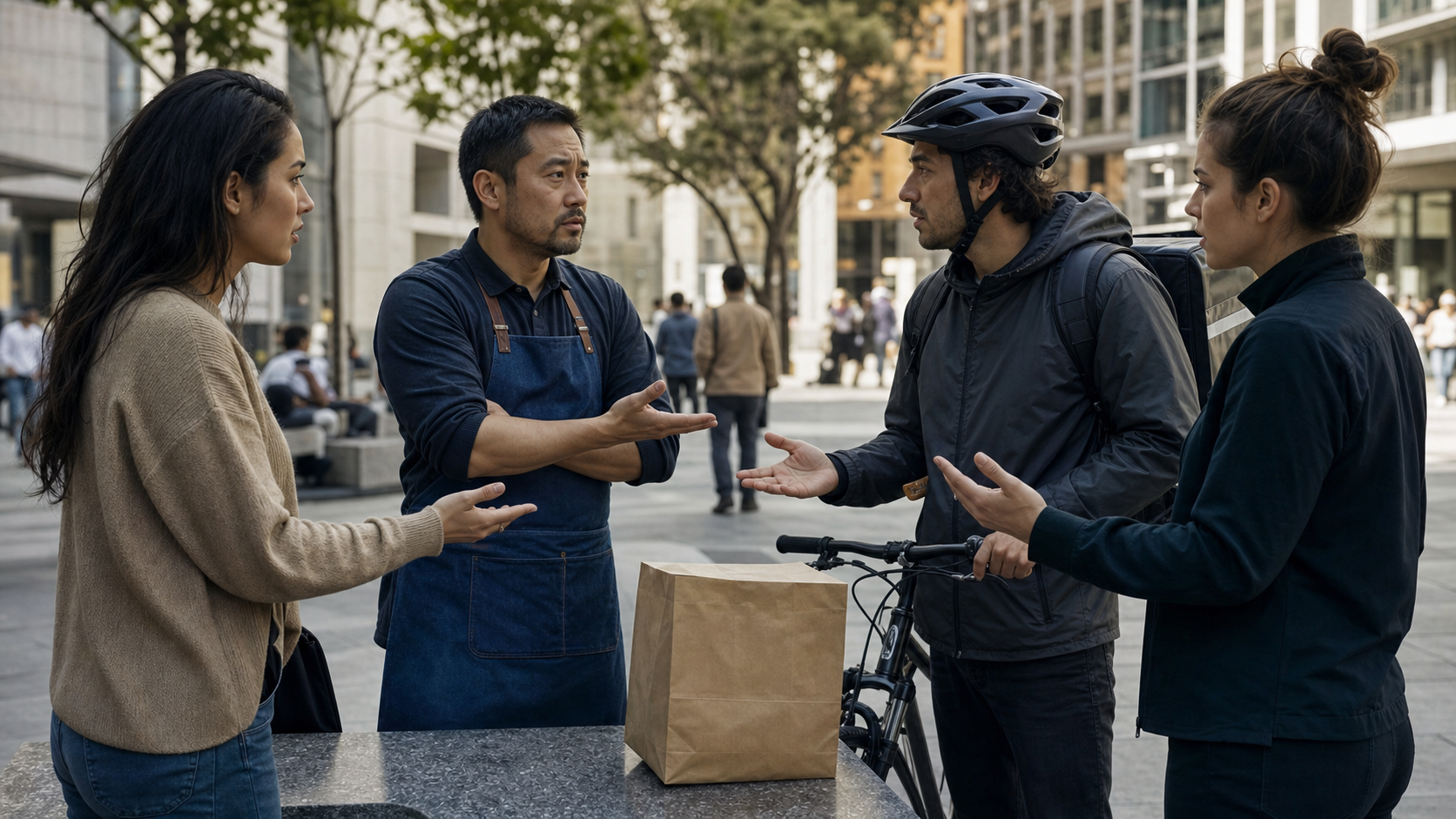
Every improvement for one side can create cost for another. Lower consumer fees pressure platform revenue. Higher merchant commissions hurt restaurant margins. Higher courier pay raises delivery cost. Faster estimated times can push drivers and kitchens into unsafe or unrealistic expectations.
DoorDash has faced criticism and legal disputes over courier classification, tipping practices, fees, and the effect of delivery marketplaces on restaurants. Regulations vary by jurisdiction, forcing the company to adapt pricing and operations. These are not peripheral issues; labor and merchant economics are part of the product.
The COVID-19 pandemic accelerated delivery adoption and brought millions of people into the category. It also created an unusual demand environment that could not be assumed to continue indefinitely. DoorDash used the period to increase scale and invest in adjacent categories.
Its 2020 public listing gave the market a clearer view of the business. Gross order volume can be enormous while the platform captures only a portion as revenue, then spends heavily on courier incentives, support, sales, insurance, technology, and expansion. Scale helps, but profitability depends on disciplined local economics.
Xu’s operating style has emphasized detailed metrics and experimentation. The risk is optimizing what can be measured while underestimating trust. A late meal is a data point; for the restaurant, courier, and customer, it is also a relationship.
Can DoorDash become the operating system for local commerce?
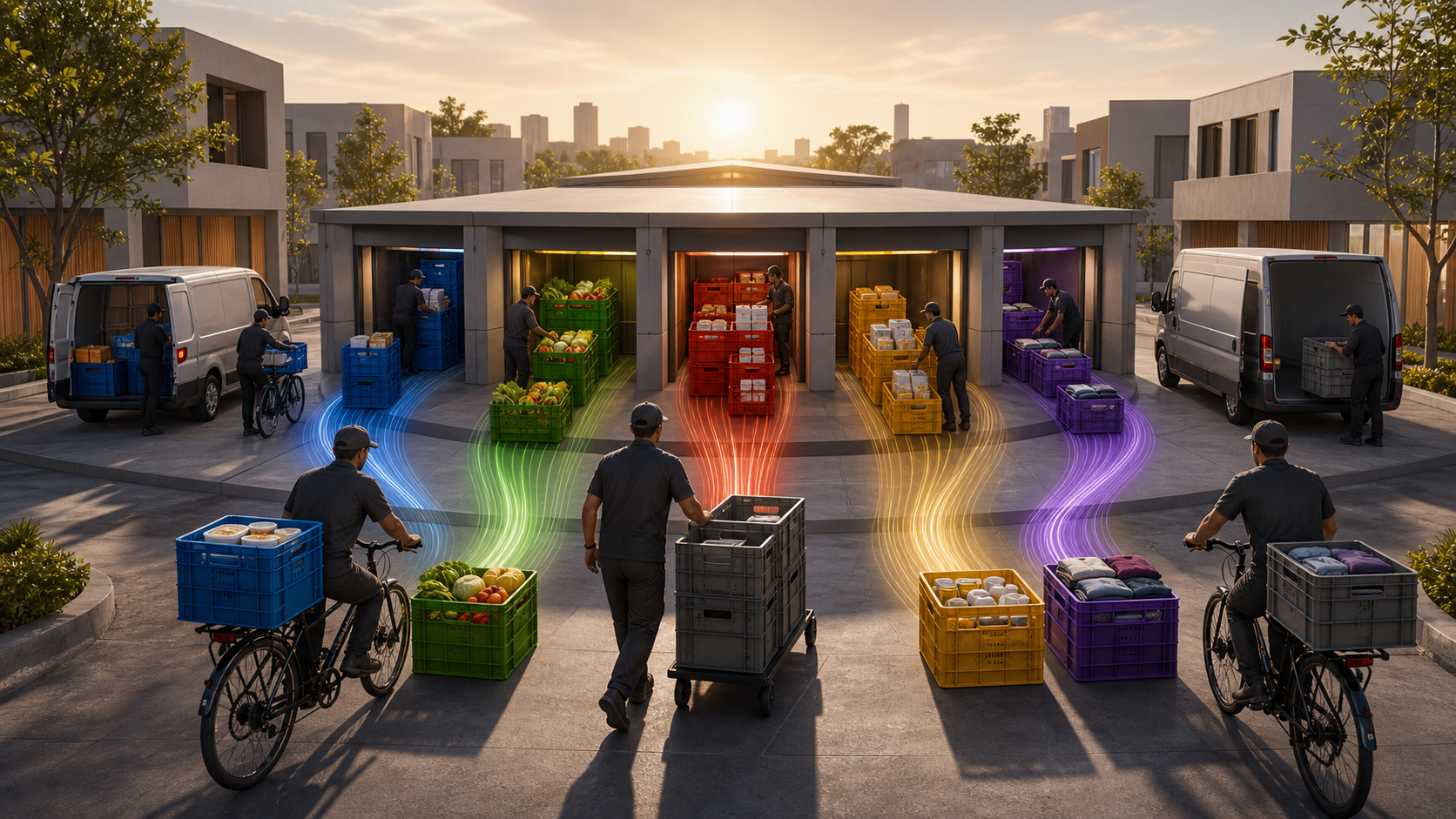
Restaurant delivery created the network, but Xu’s larger ambition is local commerce. Grocery, convenience, alcohol where permitted, pharmacy, retail, and package delivery can increase order frequency and use courier capacity across more hours.
The opportunity is vast because local commerce remains fragmented. The difficulty is that each category behaves differently. Groceries require substitution decisions and cold-chain care. Retail has different basket sizes and return expectations. Convenience promises speed but often has thin economics.
DoorDash also competes with Uber, grocery platforms, retailer-owned delivery, and merchants that want direct customer relationships. If the platform controls discovery, payment, and fulfillment, merchants may gain demand but lose bargaining power and data.
International expansion adds another layer. Consumer habits, urban form, labor rules, and incumbent platforms differ sharply. DoorDash’s acquisition of Wolt provided a European operation with its own brand and market knowledge, but integration must preserve local strengths.
Frequently asked questions
Who founded DoorDash?
Tony Xu, Andy Fang, Stanley Tang, and Evan Moore founded the company after testing PaloAltoDelivery.com in 2013.
How does DoorDash make money?
Revenue comes from marketplace commissions and fees, subscriptions, advertising, and logistics or merchant services. The mix changes over time.
What is DoorDash’s biggest structural advantage?
Dense local demand and courier availability can improve speed, selection, and unit economics, but that density must be maintained market by market.
The real lesson is that the last mile is won through thousands of mundane operational decisions. Xu built a technology company by refusing to treat delivery as a simple app feature. The interface is digital; the moat lives in streets, kitchens, and minutes.
💡 Key Insights
- ▸ DoorDash won by treating delivery as an operations problem before presenting it as a software product.
- ▸ Density improves speed and unit economics, creating a local network effect that must be rebuilt market by market.
- ▸ The marketplace balances consumers, merchants, couriers, and regulators whose interests frequently conflict.
- ▸ Expansion beyond restaurants tests whether DoorDash owns a durable local-commerce layer or only a food-delivery habit.