Anthony Tan: How Grab Turned a Taxi Problem Into a Southeast Asian Super-App
Anthony Tan started with safer taxi bookings in Malaysia, then built Grab into a regional platform spanning mobility, delivery, and financial services.

View all stories about this mogul
Grab began with a problem that was painfully ordinary: getting a taxi in Kuala Lumpur could feel uncertain, opaque, and unsafe. Anthony Tan and Tan Hooi Ling turned that friction into MyTeksi, a booking service launched in Malaysia in 2012. The company later became GrabTaxi, then Grab, and expanded across Southeast Asia.
The important move was not copying a Silicon Valley app. It was adapting a platform to cities where cash remained common, addresses could be inconsistent, motorcycles mattered, and regulation varied sharply across borders. Grab’s growth story is therefore as much about field operations as code.
From a Taxi Complaint to a Trust Product
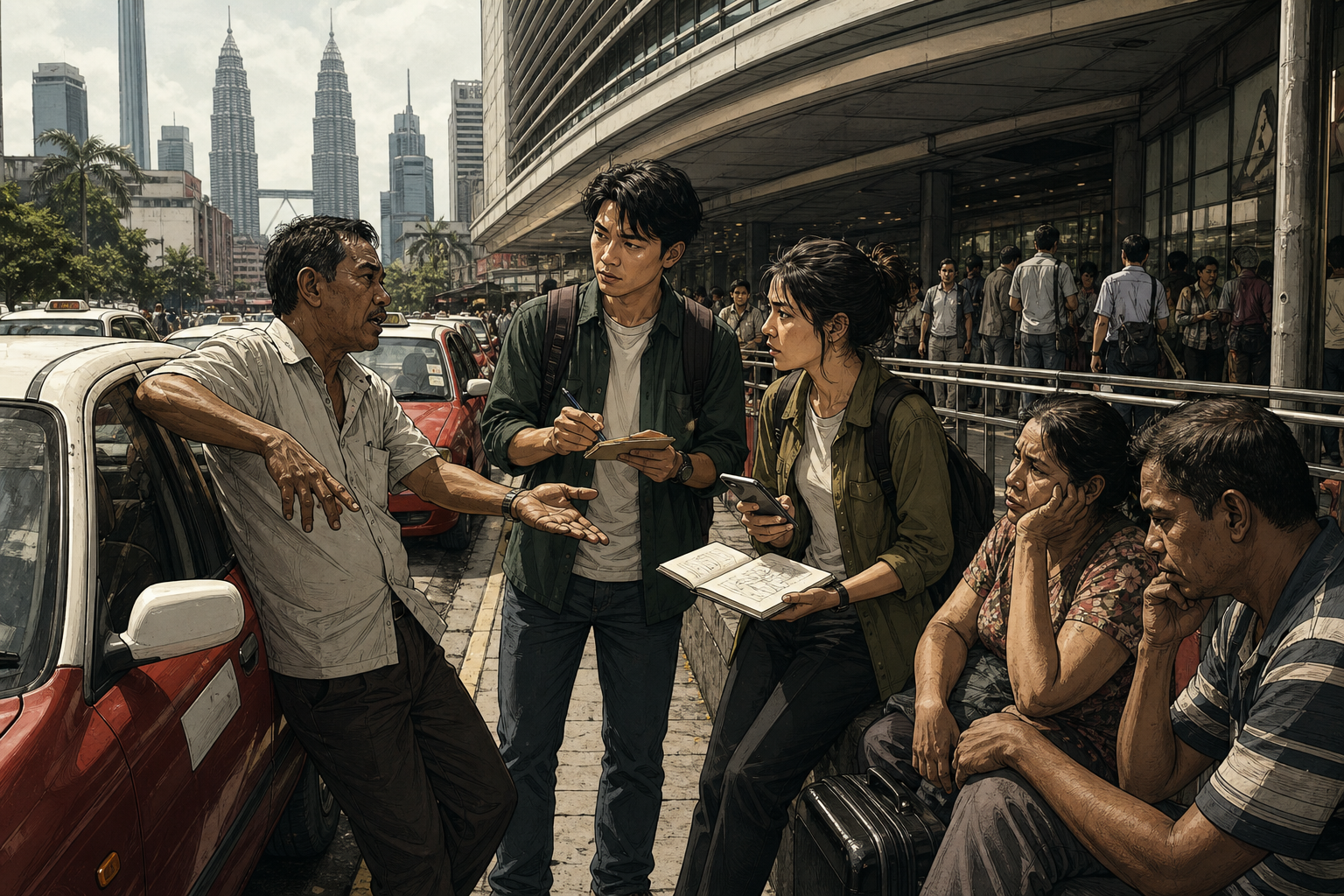
Tan came from Malaysia’s Tan Chong Motor family and studied at Harvard Business School, where the early taxi-booking concept took shape with classmate Tan Hooi Ling. Their proposal focused on improving taxi safety and reliability rather than beginning with private cars.
That choice matched the market. Taxi drivers already had vehicles and licenses, but passengers struggled with availability and trust. A dispatch layer could connect the two sides, create a trip record, and make driver identity visible. The founders reportedly spent time recruiting drivers directly, an unglamorous task that revealed the real marketplace constraint: an app without supply is only a map.
The early business had to persuade drivers that digital bookings would add income rather than threaten their independence. It also had to persuade passengers to try a new behavior. Promotions helped, but reliability built the loop. More completed rides attracted more passengers; more passenger demand made the platform useful to drivers.
The lesson was specific to marketplace building: trust is not a brand slogan. It is produced through pickup accuracy, driver screening, support, payment handling, and recovery when a trip goes wrong.
Scaling City by City, Service by Service

Southeast Asia is not a single operating environment. Singapore’s card infrastructure, Indonesia’s motorcycle economy, and the Philippines’ geography require different playbooks. Grab built local teams and expanded its product from taxis into private cars, motorcycle rides, food delivery, parcel services, and digital payments.
Each new service reused parts of the network: consumers already had the app, drivers and merchants supplied local capacity, and the company had maps, payments, fraud systems, and support operations. That created the logic of the super-app. A person might open the same product to commute, order dinner, or pay a merchant.
But adjacency is not free. Food delivery has different timing and margin dynamics from rides. Financial services add compliance and credit risk. More services can increase customer frequency while making the organization harder to manage. Regional growth also brought expensive competition, subsidies, and pressure to acquire supply quickly.
Grab’s 2018 acquisition of Uber’s Southeast Asian operations strengthened its position but drew scrutiny from competition authorities. Its later public-market debut through a merger with a special-purpose acquisition company put profitability and governance under a brighter light. The story shifted from “how fast can the network grow?” to “how efficiently can it operate?”
The Hard Part After Winning Attention

Platforms sit in the middle of competing interests. Consumers want low prices and fast service. Drivers and couriers want higher, predictable earnings. Merchants want demand without punishing commissions. Regulators care about competition, worker protections, safety, data, and financial stability. Investors expect durable returns.
Software cannot dissolve those conflicts. Management must choose how incentives are funded, how algorithms allocate work, and what protections accompany flexible labor. As Grab matured, cost discipline and monetization became as important as geographic expansion.
Tan’s enduring achievement is building regional infrastructure around fragmented urban problems. His greatest ongoing challenge is proving that breadth becomes an advantage rather than a collection of expensive obligations.
For founders, Grab offers a demanding playbook: begin with a painful local problem, earn supply through fieldwork, adapt deeply to each market, and reuse infrastructure carefully. Network effects can open the door, but operational trust keeps it open.
💡 Key Insights
- ▸ A local trust problem can become a regional platform wedge when the product improves both demand and supply.
- ▸ Hyperlocal operations matter as much as software when cities differ in regulation, payments, and transport habits.
- ▸ Super-app expansion creates cross-selling opportunities but also compounds operational and regulatory complexity.
- ▸ Scale becomes durable only when network growth is matched by disciplined unit economics.