Andrew Mellon: The Billionaire Who Built an Empire, Ran a Nation, and Gave Away Its Art
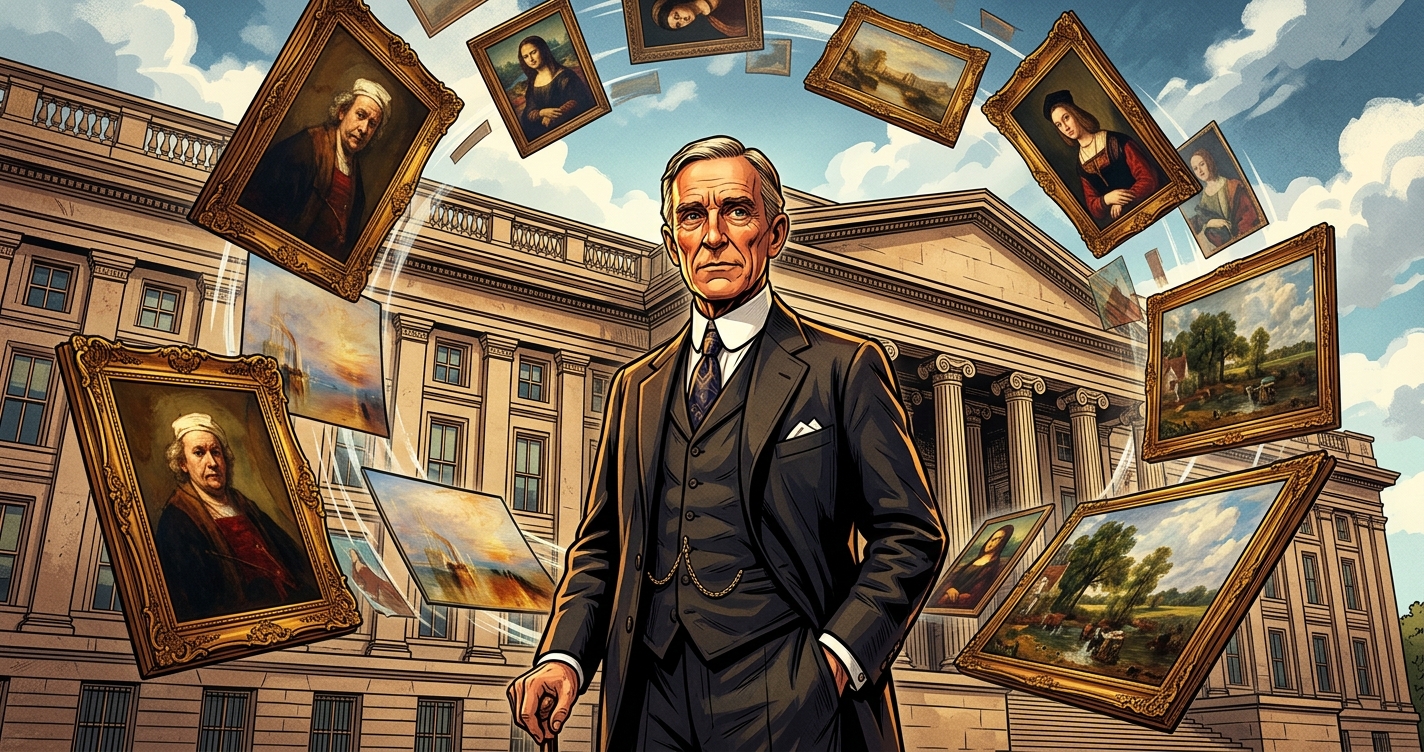
Imagine a man who forged a monolithic industrial empire, then became the most powerful Treasury Secretary in modern history, only to culminate his life by gifting the nation a world-class art museum. Andrew Mellon wasn't just a titan; he was a walking, breathing paradox of American capitalism, a figure whose legacy remains as dazzlingly complex as the masterpieces he collected.
View all stories about this mogul
🔥 Chapter 1: The Ghost in the Machine, The Art in the Shadow
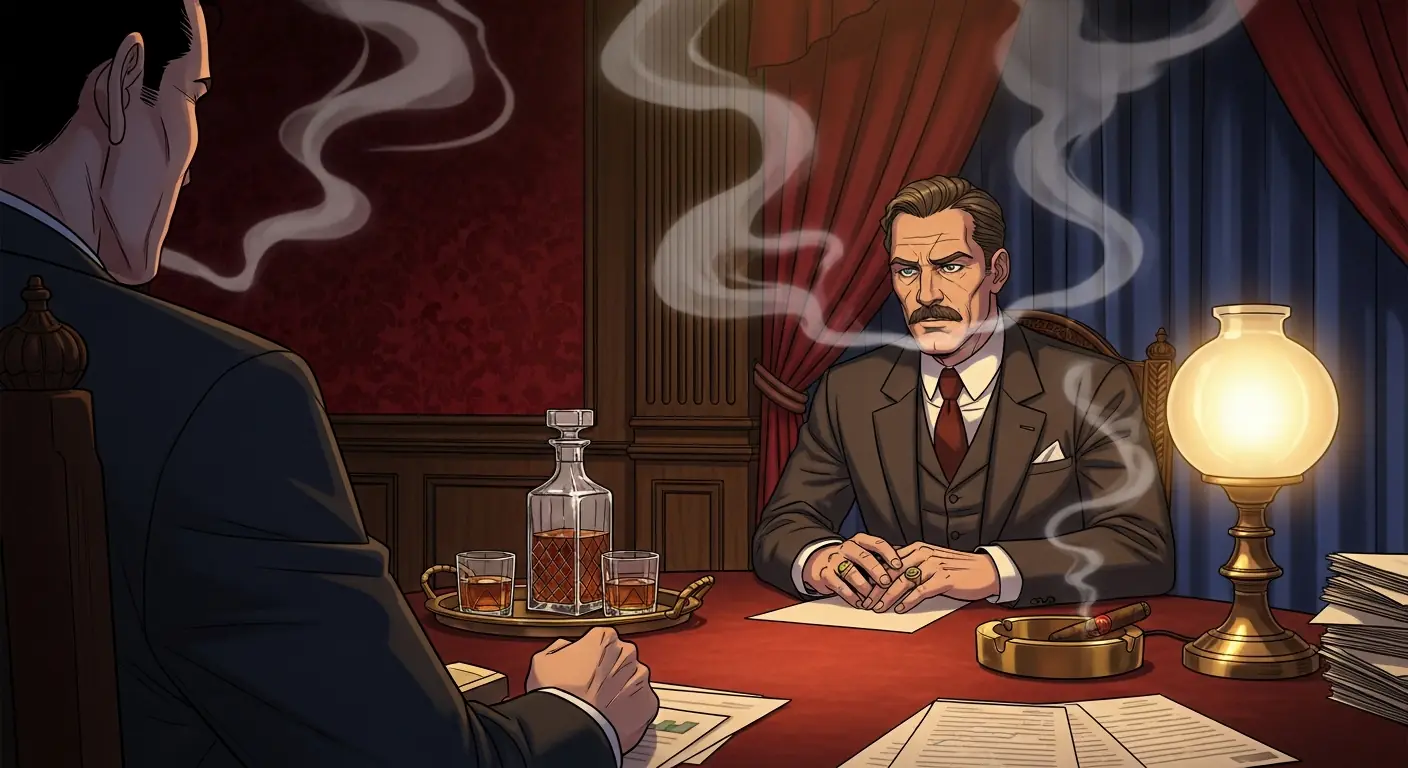
Picture this: You’re in a smoky, velvet-lined backroom, the kind where deals are whispered and empires are forged. The air hums with the scent of old money, ambition, and maybe a hint of sulfur. Now, imagine a man walking into that room – not with a swagger, but with the quiet, almost spectral presence of someone who understands power on a cellular level. His eyes, they don’t dart; they absorb. His words, they don’t boom; they cut. This isn’t some comic book villain with a flamboyant cape. This is Andrew Mellon, and he was infinitely more dangerous.
Mellon. The name itself has a metallic ring, like coins clattering in a vault, or perhaps the cold, precise clang of aluminum being forged. For decades, he was a ghost in America’s financial machine, pulling levers, stacking billions, and building an industrial empire that stretched from the bedrock of the earth to the very air we breathe. Then, he stepped out of the shadows, not to retire to a gilded cage, but to take the reins of the U.S. Treasury, becoming the architect of an economic boom that roared like a lion and then, perhaps, collapsed like a house of cards. And as if that wasn’t enough, this same man, this industrial titan, this controversial political force, decided to cap his life by giving America one of its most sublime cultural treasures – the National Gallery of Art.
We’re talking about a guy who, if he were alive today, would break the internet with every move. He’d be trending on Twitter, dissected on podcasts, and the subject of every “how he did it” documentary. But back then, he operated with a quiet, almost terrifying efficiency, his public persona as polished and inscrutable as a marble statue, while beneath the surface, a mind of unparalleled strategic depth and a will of iron were constantly at work.
Andrew Mellon wasn’t just rich; he was dynastically rich, born into a fortune that would make today’s tech moguls blush. But he didn’t just inherit; he multiplied. He didn’t just run businesses; he created industries. And when he eventually lent his formidable intellect to the service of the nation, he didn’t just manage the economy; he reshaped it, often in his own image, sparking debates that echo even now.
This is the story of a man who was simultaneously an undisputed genius of finance and industry, a public servant whose policies ignited both unprecedented prosperity and fierce condemnation, and a patron of the arts whose final act of generosity sought to redefine his entire existence. It’s a tale of ambition, power, controversy, and ultimately, a profound, almost desperate, quest for legacy. Buckle up, because we’re about to delve into the mind and machinations of a mogul who played the long game better than almost anyone, a man whose life was a masterclass in strategic maneuvering, from the boardroom to the halls of Congress, and finally, to the hallowed galleries of art history. Prepare to meet Andrew W. Mellon, the ultimate paradox of American power.
🏗️ Chapter 2: Pittsburgh’s Stone Golem – The Mellon Dynasty Takes Root
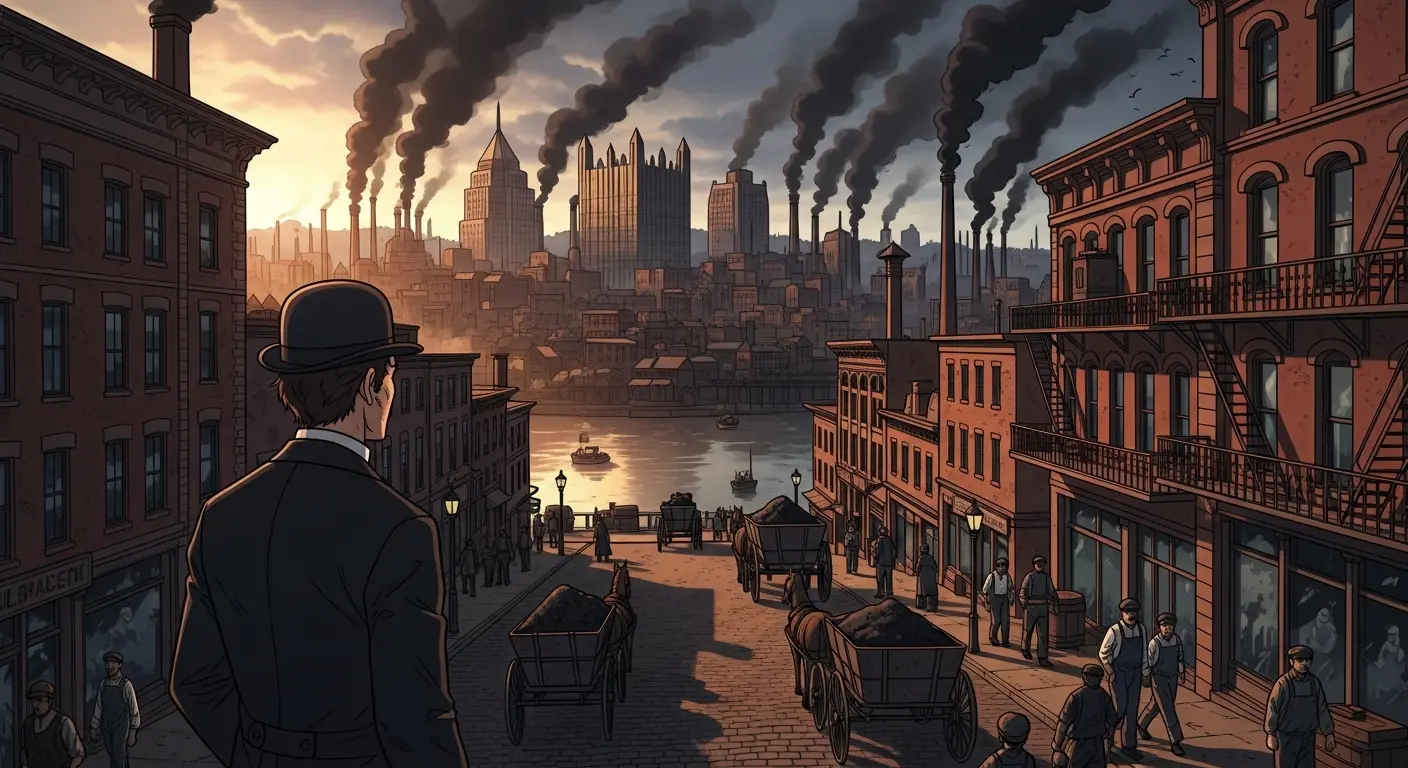
To understand Andrew Mellon, you first have to understand Pittsburgh. Not the shiny, revitalized Pittsburgh of today, but the soot-stained, steel-fisted industrial behemoth of the late 19th century. A city where the air was thick with the promise of profit and the grime of relentless labor. This was the crucible in which the Mellon dynasty was forged, and Andrew was its most formidable, if understated, heir.
His father, Thomas Mellon, was a force of nature. A self-made man, a lawyer, a judge, and a ruthless financier who started with nothing and built T. Mellon & Sons Bank into the city’s undisputed financial powerhouse. Thomas was the kind of patriarch who believed in hard work, frugality, and the almost sacred duty of accumulating wealth. He didn’t just preach these values; he embodied them, and he instilled them in his children with an iron hand. Andrew, born in 1855, was not merely born with a silver spoon; he was born into a vault.
But here’s the kicker: Andrew wasn’t a playboy. He wasn’t even the flashiest of the Mellon sons. He was quiet, introspective, almost painfully shy. While his brothers might have enjoyed the trappings of wealth, Andrew, from a young age, displayed an almost monastic devotion to business. He had a preternatural ability to see patterns where others saw chaos, to spot opportunities lurking in the shadows of nascent industries. His father, a shrewd judge of character, quickly recognized Andrew’s unique aptitude.
By 1882, at the tender age of 27, Andrew Mellon was given a monumental task: take over T. Mellon & Sons. This wasn’t some ceremonial role; it was a baptism by fire. The bank was already a titan, but Andrew wasn’t content to merely maintain it. He saw the bank not just as a repository of wealth, but as a launchpad, a venture capital firm decades before the term existed. He understood that capital was the oxygen of industry, and he was sitting on a veritable tank of it.
Imagine the scene: a young, almost skeletal man, with eyes that seemed to hold the weight of the future, sitting in a dimly lit office, poring over ledgers, listening to the pitches of desperate entrepreneurs and ambitious inventors. Most bankers would lend money based on existing collateral. Mellon, however, saw beyond the present. He saw potential, he saw raw materials, he saw intellectual property, and most importantly, he saw people. He had an uncanny knack for identifying the next big thing, the technological leaps that would redefine America.
“The Mellon family’s genius lay in their understanding that wealth wasn’t just about accumulation, but about strategic deployment. They didn’t just collect money; they channeled it, like a river carving new canyons in the landscape of industry.”
He wasn’t just a lender; he was a partner, an incubator, a kingmaker. His bank became the nerve center for an astonishing array of enterprises that would come to define modern America. This wasn’t just smart investing; it was strategic empire building. He leveraged the family’s existing wealth and reputation to take stakes in promising ventures, providing not just capital but also invaluable financial expertise and connections. This was the foundation. The next step was to make sure those foundations were built on something utterly indispensable.
⚡ Chapter 3: The Alchemist of Aluminum – Forging a Monopoly
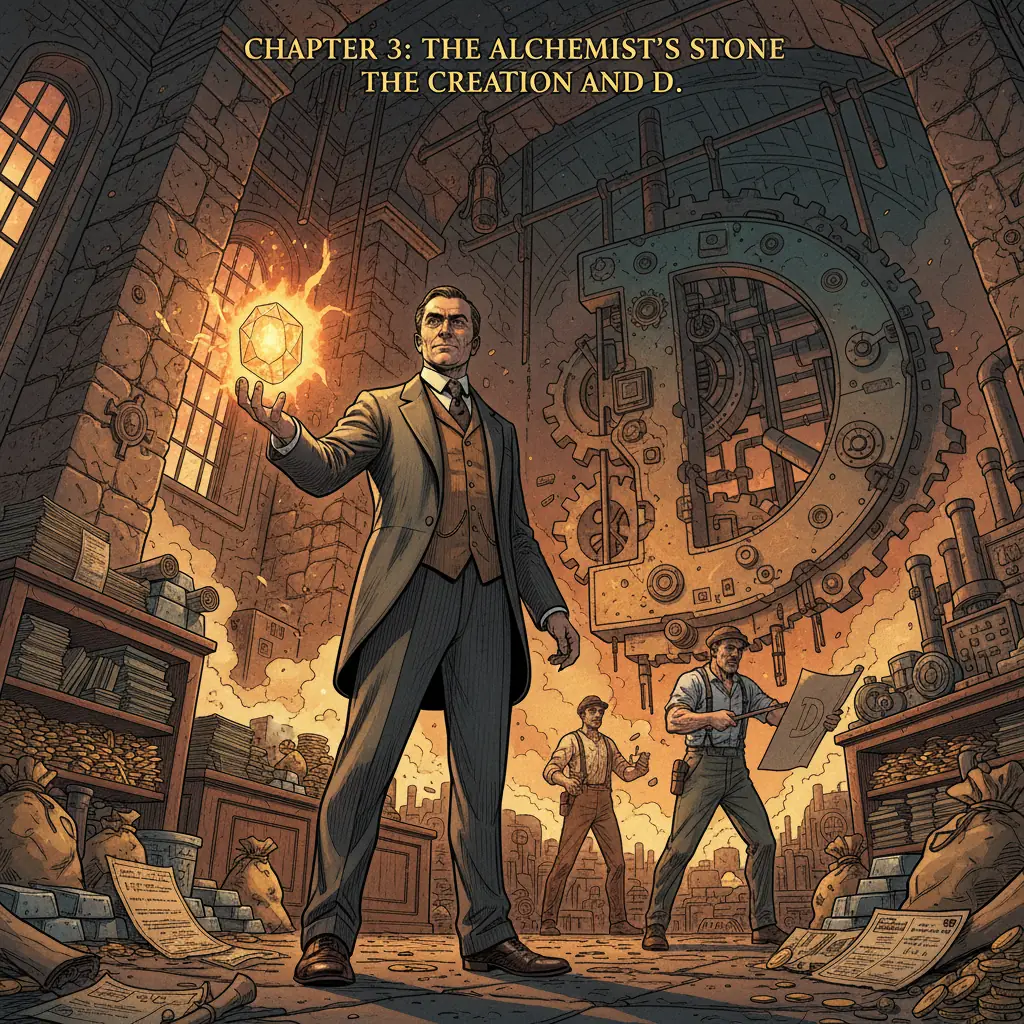
If Thomas Mellon built the financial vault, Andrew Mellon discovered the alchemist’s stone within it. His greatest early triumph, and perhaps his most controversial, was his role in the creation and dominance of the Aluminum Company of America (Alcoa). This wasn’t just a smart investment; it was a masterclass in building a near-monopoly from the ground up, a story ripped straight from the pages of a Gilded Age industrial saga.
The year was 1886. A young chemist named Charles Martin Hall at Oberlin College had a breakthrough: a cheap, efficient method for extracting aluminum from its ore, bauxite. Before Hall, aluminum was a rare, precious metal, more expensive than silver. Suddenly, it had the potential to be abundant, lightweight, and revolutionary. Hall had the science, but he lacked the capital, the industrial know-how, and the sheer financial muscle to scale his discovery.
Enter Andrew Mellon.
Mellon’s brother, Richard B. Mellon, and other family associates were among the first to see the potential in Hall’s process. They invested. But it was Andrew who truly understood the long game. He didn’t just invest; he integrated. He saw that controlling the raw material (bauxite), the energy needed for processing, and the manufacturing of finished aluminum products was key. This wasn’t just about making aluminum; it was about owning the entire aluminum ecosystem.
In 1888, the Pittsburgh Reduction Company was formed (later renamed Alcoa). Under Mellon’s guiding hand, the company embarked on a relentless strategy of vertical integration. They bought bauxite mines in Arkansas and Suriname. They invested heavily in hydroelectric power plants – because aluminum smelting is incredibly energy-intensive. They built their own rail lines, their own shipping networks. They even developed new uses for aluminum, creating demand where none existed before.
“Mellon understood that true power in industry wasn’t just about innovation, but about absolute control over every link in the value chain. He didn’t just fund Alcoa; he became Alcoa.”
This wasn’t just business acumen; it was industrial warfare. Mellon and his team systematically bought up patents, outmaneuvered competitors, and stifled any nascent threats. By the early 20th century, Alcoa held a near-absolute monopoly on aluminum production in the United States, controlling over 90% of the market. They were so dominant that the company became a prime target for antitrust investigations for decades, facing accusations of price-fixing and stifling competition.
Mellon’s defense, articulated through his lawyers and company executives, was always the same: Alcoa’s dominance was a result of superior efficiency, relentless innovation, and the inherent economies of scale in a capital-intensive industry. They argued they brought down the price of aluminum significantly, making it accessible for countless new applications, from kitchenware to airplane parts. And they were right, to an extent. Aluminum did become cheaper and more ubiquitous. But it was also true that Alcoa’s path to ubiquity was paved with the crushed aspirations of would-be rivals.
The Alcoa story is a microcosm of Mellon’s business philosophy: identify a crucial, emerging technology, secure exclusive control over its essential components, pour in capital, and build an impenetrable fortress around it. It wasn’t about being one of the players; it was about being the only player. This wasn’t just about profit; it was about control, influence, and shaping the future. And Alcoa was just one jewel in his rapidly expanding crown.
🛢️ Chapter 4: Black Gold and Beyond – Weaving the Industrial Web
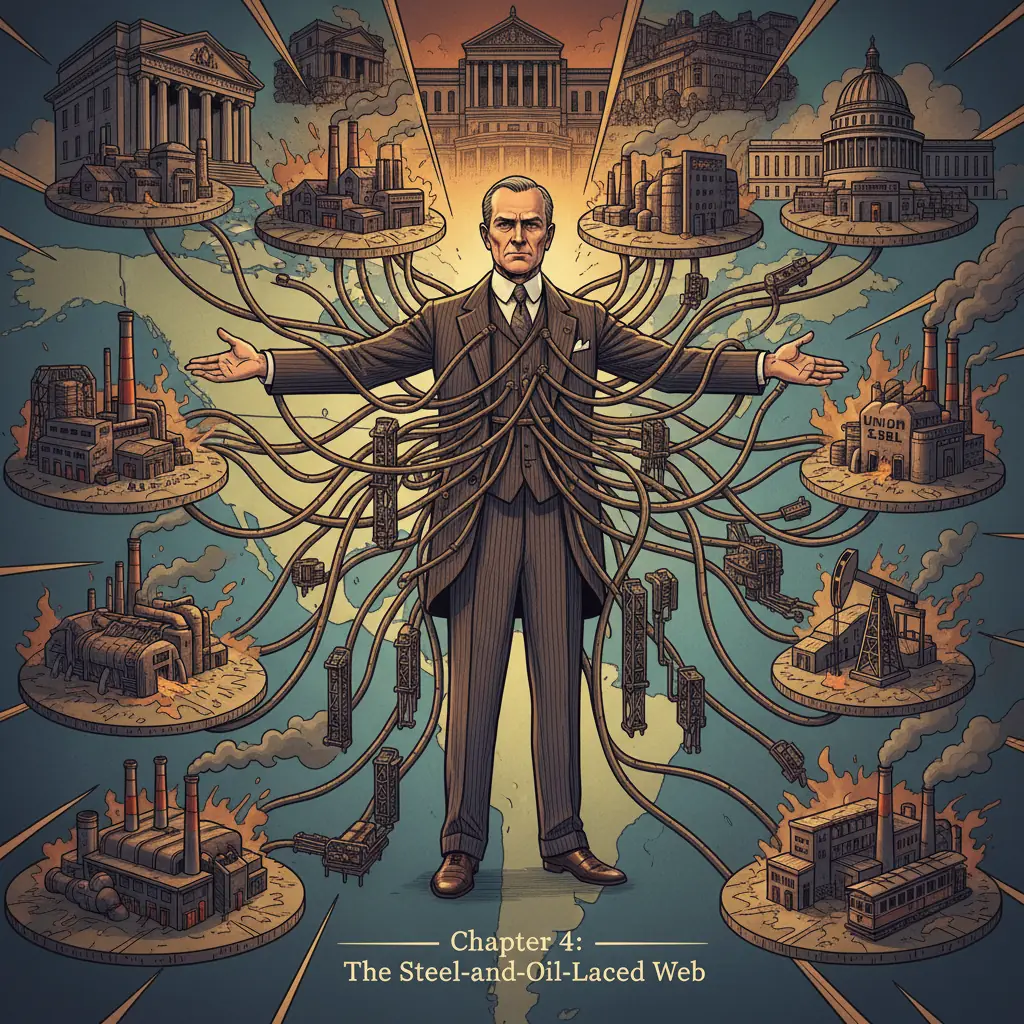
While Alcoa cemented Andrew Mellon’s reputation as a master of industrial consolidation, it was far from his only venture. His reach extended like an intricate, steel-and-oil-laced web across the American industrial landscape. The Mellon banking empire, under his guidance, became a venture capital fund on steroids, pouring money into, and often taking control of, an astonishing array of businesses that powered the nation’s growth.
Think of it: the late 19th and early 20th centuries were an era of explosive industrialization. Everything was being built, powered, and transported on an unprecedented scale. Mellon saw this not just as a series of opportunities, but as interconnected systems. If you controlled the raw materials, the energy, the manufacturing, and the financing, you controlled the future.
One of his most significant moves was into the burgeoning oil industry. The discovery of oil in Texas and Oklahoma created a new frontier for wealth. While John D. Rockefeller’s Standard Oil dominated refining, Mellon saw an opening in exploration and production. In 1901, he joined forces with James Guffey and other investors to form the Guffey Petroleum Company, which would later become Gulf Oil.
Mellon applied the same ruthless, vertically integrated strategy that had worked so brilliantly with Alcoa. Gulf Oil didn’t just pump oil; it built pipelines, refineries, and a network of distribution centers. It bought up vast tracts of land, securing future reserves. It invested in shipping. By the 1920s, Gulf Oil was one of the “Seven Sisters,” the dominant multinational oil companies that controlled the global petroleum supply. Mellon’s investment had blossomed into another colossus, fueling a nation hungry for energy.
But the Mellon touch didn’t stop there. His portfolio was a blueprint for modern industrial diversification:
- Carborundum Company: A pioneer in abrasives, essential for industrial manufacturing.
- Koppers Company: Dominant in coal coking and chemical byproducts, a crucial supplier to steel mills and other industries.
- Standard Steel Car Company: A major manufacturer of railway cars, vital for the nation’s expanding transportation network.
- Crucible Steel Company: A leading producer of specialty steels.
And let’s not forget the core: the Mellon National Bank and the Union Trust Company. These weren’t just banks; they were the central nervous system of his empire. They provided the capital, facilitated the mergers, and offered the strategic counsel that allowed these diverse enterprises to thrive and expand. Mellon’s banking institutions became legendary for their stability and their deep, intimate knowledge of American industry.
This was no passive investment strategy. Mellon was an active, controlling shareholder, often serving on the boards of dozens of companies. He wasn’t just putting money in; he was putting his mind in, his strategic vision, and his unparalleled network of connections. He understood that in the rough-and-tumble world of Gilded Age capitalism, success wasn’t just about having a good product; it was about having superior logistics, unbeatable financing, and an unshakeable will to dominate.
“Andrew Mellon wasn’t just investing in the future; he was actively designing it. He built a financial and industrial web so intricate, so encompassing, that it touched almost every aspect of American life, from the pots in your kitchen to the fuel in your car.”
He operated with an almost chilling detachment, driven by a deep-seated belief in the efficacy of his methods. He saw market forces as natural laws, and his role was to master them, to harness them, and to bend them to his will. The wealth he accumulated was staggering, almost unfathomable. But for Mellon, it wasn’t just about the numbers; it was about the power, the control, and the profound satisfaction of shaping the very foundations of American progress. And soon, that shaping wouldn’t be limited to the boardrooms of Pittsburgh. It would extend to the very heart of the nation’s capital.
🏛️ Chapter 5: The Silent Power Broker – From Boardroom to Cabinet
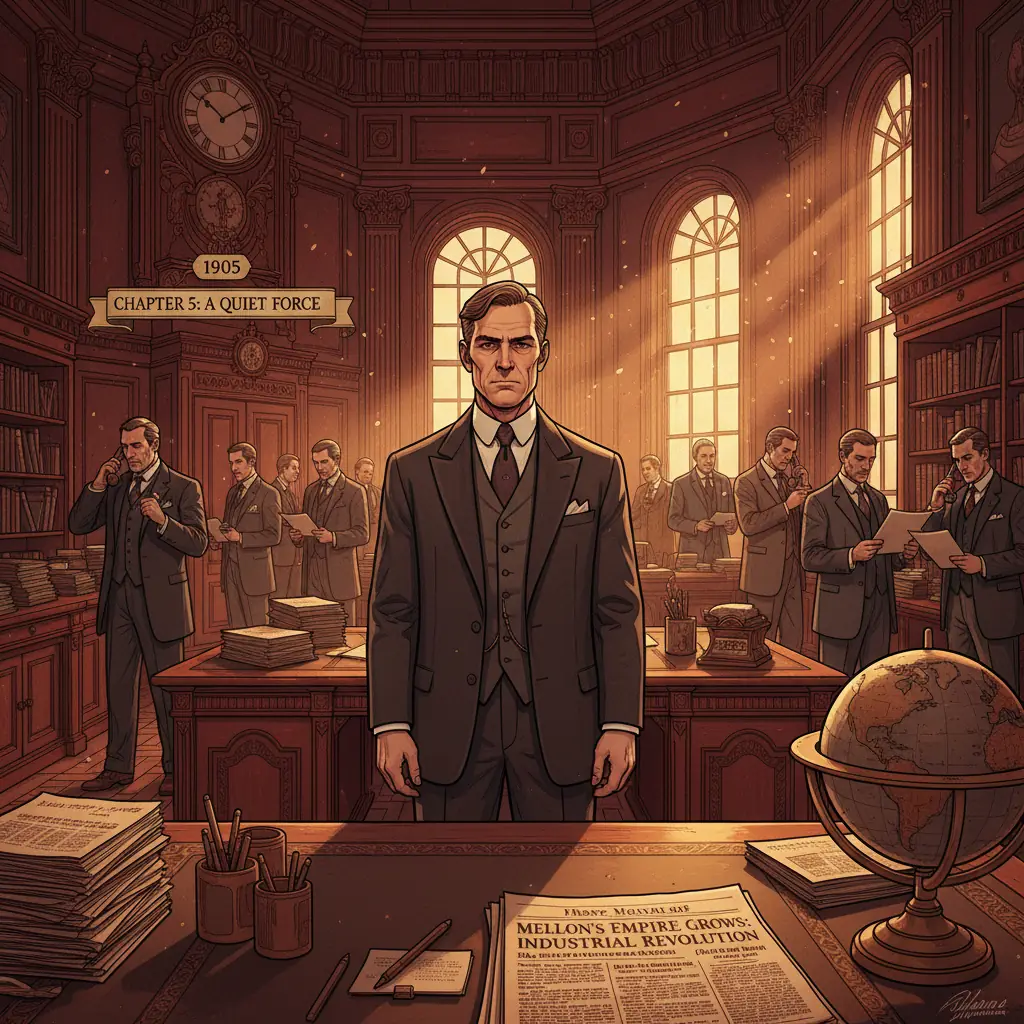
By the early 20th century, Andrew Mellon was already a legend in the world of finance and industry. He was one of the wealthiest men in America, a quiet force whose decisions rippled through countless sectors. He was a kingmaker behind the scenes, a man who understood how to pull levers without ever needing to shout. So, when the call came from Washington D.C. in 1921, it wasn’t a plea for help; it was an acknowledgment of undeniable power.
President-elect Warren G. Harding needed a Secretary of the Treasury. The nation was reeling from the aftermath of World War I. There was a massive war debt, high taxes, and a general sense of economic uncertainty. Harding, a man more comfortable with backroom poker than economic theory, needed a financial wizard, someone who could bring order to the chaos. The whispers pointed to Mellon.
Mellon initially resisted. He was 65 years old, a private man, and deeply entrenched in his sprawling business empire. Why trade the quiet, absolute power of his private domain for the public scrutiny and political machinations of Washington? But the call was persistent, framed as a duty to the nation. And perhaps, deep down, the ultimate challenge beckoned. To not just influence the economy, but to direct it, from the highest office. It was an offer too significant to refuse.
Imagine the scene: a man accustomed to issuing commands that moved mountains of capital and legions of workers, now stepping into a world of political compromise and public relations. Mellon’s public persona was famously reserved, almost cold. He rarely smiled for photographs, spoke in clipped, precise sentences, and avoided the spotlight like the plague. He was the antithesis of the back-slapping politician. Yet, his appointment sent shockwaves of confidence through the business community. They knew Mellon. They trusted his judgment.
His tenure would span three presidencies: Harding, Calvin Coolidge, and Herbert Hoover. Eleven years, a record for a Treasury Secretary in modern times. He became, arguably, the most powerful and influential Treasury Secretary in American history. His philosophy was simple, deeply rooted in his own experiences as an industrialist: government should be run like a lean, efficient business.
Mellon believed in:
- Lowering taxes: Especially for corporations and the wealthy, arguing that this would stimulate investment, create jobs, and ultimately lead to more overall wealth that would “trickle down.”
- Reducing national debt: A fervent advocate for fiscal conservatism, he saw the national debt as a burden on future generations and a drain on economic vitality.
- Balancing the budget: Government spending should be reined in, and deficits avoided at all costs.
This wasn’t just theory; it was the Mellon playbook that had built his empire. He believed that the engine of prosperity was private enterprise, unfettered by excessive taxation or government interference. His entry into government marked a dramatic shift from the progressive era’s emphasis on regulation and social welfare to an era of unbridled capitalism, later dubbed the “Roaring Twenties.”
“Andrew Mellon stepping into the Treasury wasn’t just a cabinet appointment; it was the ultimate power play. He brought the ruthless efficiency of the industrialist to the heart of government, believing he could run a nation like a well-oiled machine.”
His appointment immediately raised questions about conflicts of interest. How could a man who owned so much of American industry objectively set policy? Mellon argued he had divested himself of direct managerial roles, placing his assets in blind trusts. But everyone knew the Mellon empire was still his. Critics saw him as the ultimate representative of big business, a fox guarding the hen house. His supporters saw him as the only man capable of steering the nation’s finances back to prosperity.
Regardless of your perspective, one thing was clear: Andrew Mellon was no longer just a titan of industry. He was now a titan of government, poised to implement his vision on a national scale, shaping the economic destiny of millions. The quiet man from Pittsburgh was about to unleash the “Mellon Plan,” and the nation would never be the same.
📈 Chapter 6: The Mellon Plan – Tax Cuts, Debt Reduction, and the Roaring Twenties
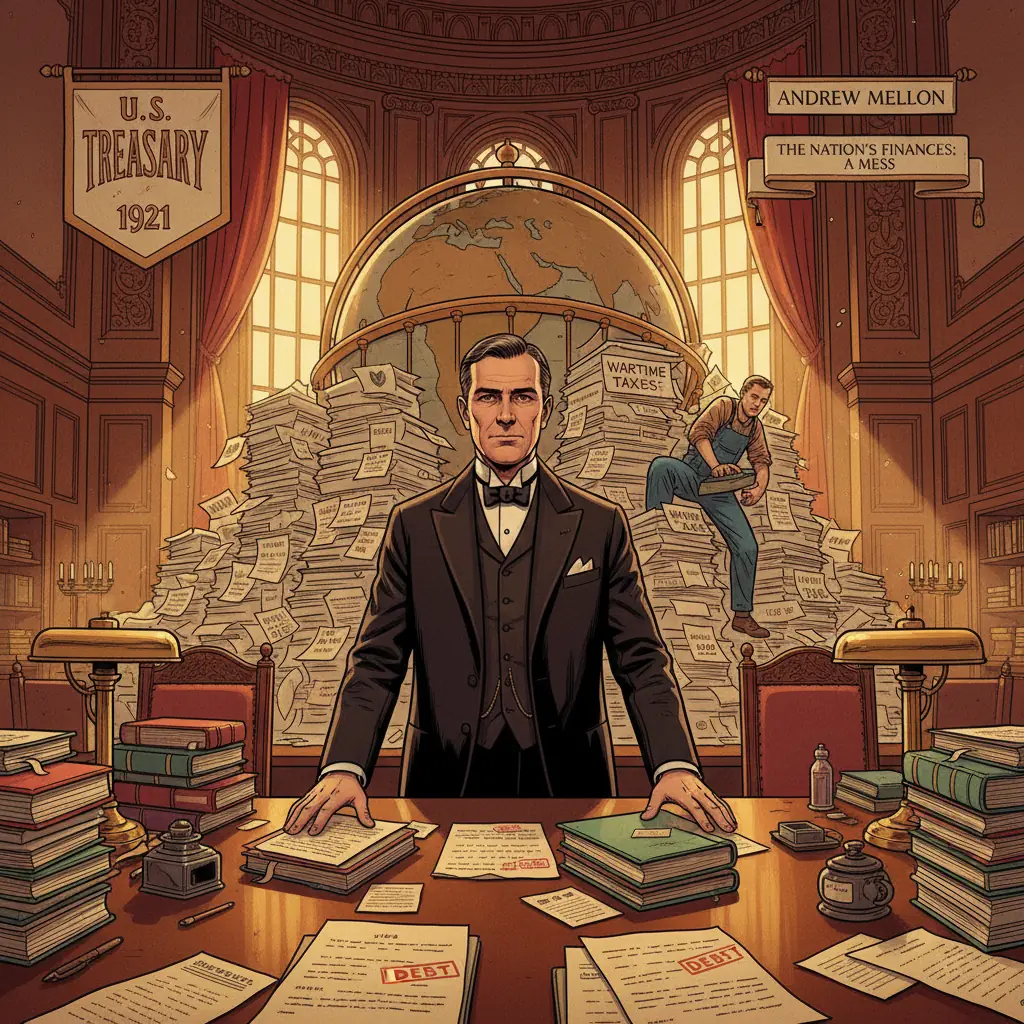
When Andrew Mellon took the helm of the Treasury in 1921, the nation’s finances were a mess. Post-WWI debt loomed large, and wartime tax rates were stifling. Mellon, with the quiet conviction of a man who had built an empire, had a clear, almost audacious plan: cut taxes, slash the national debt, and balance the budget. This wasn’t just fiscal policy; it was a deeply held economic philosophy, forged in the crucible of his own business success.
The centerpiece of his strategy, famously known as the “Mellon Plan,” was a series of aggressive tax cuts. He championed lowering the top marginal income tax rate from a staggering 73% (a wartime high) down to 25% by 1925. He also pushed for reductions in corporate taxes and excise taxes.
Mellon’s argument for these cuts was simple, yet revolutionary for its time, and still hotly debated today: lower taxes on the wealthy and corporations would incentivize investment, spur economic growth, and ultimately lead to more tax revenue, not less. This was the essence of “supply-side economics” before the term even existed. He believed that high taxes discouraged risk-taking and capital formation, causing wealth to lie idle instead of being put to productive use.
“It seems difficult for some to understand that high rates of taxation do not necessarily mean large revenue to the government, and that more revenue may often be obtained by lower rates.” - Andrew Mellon
And initially, it seemed to work. The “Roaring Twenties” exploded. The economy boomed, unemployment was low, and technological innovations (automobiles, radio, household appliances) transformed daily life. The national debt, which stood at over $24 billion at the end of WWI, was systematically reduced under Mellon’s watch, falling to around $16 billion by 1930. The federal budget was balanced year after year.
Mellon became known as “the greatest Secretary of the Treasury since Alexander Hamilton.” He was lauded as a financial genius who had engineered an era of unprecedented prosperity. His quiet demeanor belied his immense influence, as he became the trusted economic advisor to three presidents. He operated with an almost surgical precision, cutting government waste, streamlining operations, and advocating for policies that he believed would unleash the full power of American capitalism.
However, the Mellon Plan was not without its fierce critics. Progressive voices argued that the tax cuts disproportionately benefited the wealthy, exacerbating income inequality. They accused Mellon of being a tool of big business, using his office to further enrich his own class at the expense of ordinary Americans. The idea that wealth would “trickle down” was met with skepticism by those who saw the rich getting richer while wages for many stagnated.
Critics also pointed to the deregulation and speculative frenzy that accompanied the prosperity. They argued that Mellon’s hands-off approach to the economy, his absolute faith in market forces, allowed dangerous bubbles to inflate without adequate oversight. His adherence to the gold standard, while seen as a pillar of fiscal conservatism, would later be criticized for limiting the government’s ability to respond flexibly to economic crises.
The Roaring Twenties were a period of dazzling highs and underlying tensions. Mellon’s policies were central to that era, seen by some as the engine of prosperity, by others as sowing the seeds of future disaster. He was a man of unshakeable conviction, believing implicitly in the power of free markets and limited government. He had applied the lessons learned from building his industrial empire to the nation’s economy, and for a glorious, heady decade, it seemed he had struck gold. But as history would soon reveal, even the most brilliant plans can unravel when the ground beneath them shifts. The storm clouds were gathering, and Mellon, the silent architect of prosperity, would soon find himself at the epicenter of a cataclysm.
🌪️ Chapter 7: Storm Clouds on the Horizon – The Depression and the Impeachment Attempt
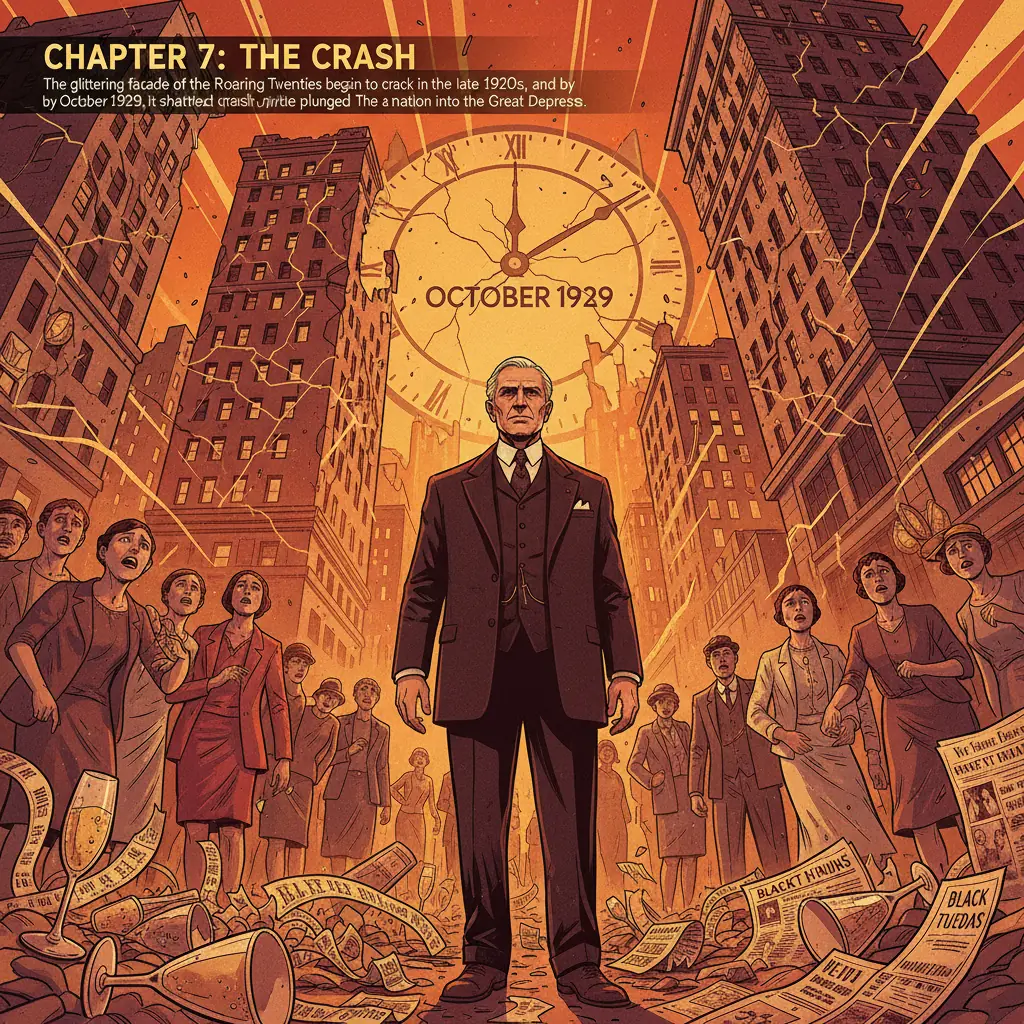
The glittering facade of the Roaring Twenties began to crack in the late 1920s, and by October 1929, it shattered into a million pieces. The stock market crash plunged the nation into the Great Depression, and suddenly, the architect of prosperity became the target of intense public fury and political condemnation. Andrew Mellon, the man once hailed as a financial wizard, was now seen by many as the embodiment of everything that had gone wrong.
Mellon’s initial response to the unfolding crisis was rooted in his deeply conservative, laissez-faire economic philosophy. He famously advocated for a policy of “liquidate labor, liquidate stocks, liquidate the farmers, liquidate real estate… purge the rottenness out of the system.” His belief was that the market needed to correct itself, that pain was a necessary cleansing, and that government intervention would only prolong the agony. This was the steel-cold logic of a man who had seen countless businesses rise and fall, believing that only the strong should survive.
Imagine the disconnect: millions of Americans losing their jobs, their savings, their homes, while the Secretary of the Treasury, one of the wealthiest men on earth, preached patience and liquidation. His austere, almost detached demeanor, once seen as a sign of wisdom, now appeared callous and uncaring. He became the face of a government perceived as doing too little, too late, while the economy spiraled into a seemingly bottomless pit.
The political attacks became relentless. Democrats and progressive Republicans alike lambasted his policies. He was accused of favoring the rich, of being out of touch, and of a fundamental failure to understand the human cost of the economic collapse. Political cartoons depicted him as a grim reaper, or a fat cat oblivious to suffering.
The criticism culminated in an extraordinary event in 1932: a move by Representative Wright Patman of Texas to impeach Andrew Mellon. The charges were broad: “high crimes and misdemeanors,” including gross impropriety, conflicts of interest, and a failure to address the economic crisis. Patman alleged that Mellon had used his office to benefit his vast business holdings, that he had manipulated tax policies to favor the wealthy, and that he had been negligent in his duties during the Depression.
The impeachment effort was a dramatic public spectacle, a direct challenge to the power and influence of one of America’s most formidable figures. It exposed the deep resentment brewing against big business and the perceived corruption of the Harding and Coolidge administrations. While the impeachment ultimately failed – largely due to a lack of concrete evidence of criminal wrongdoing and the political maneuvering of the Hoover administration – it forced Mellon out of the Treasury.
“Mellon’s calm, almost clinical approach to the Depression, his unwavering faith in market forces, became his greatest vulnerability. In a time of unprecedented human suffering, his perceived detachment transformed him from a genius into a villain in the eyes of many.”
President Herbert Hoover, recognizing the political liability Mellon had become, gently nudged him aside, appointing him Ambassador to the United Kingdom in 1932. It was a diplomatic exile, a soft landing for a man who had once wielded immense power at home. Mellon’s departure from the Treasury marked the end of an era, a symbolic changing of the guard from the unfettered capitalism of the 1920s to the more interventionist policies that would characterize the New Deal.
His legacy as Treasury Secretary became deeply intertwined with the Great Depression. Was he a victim of circumstances beyond his control, a man whose sound economic principles were simply overwhelmed by an unprecedented global crisis? Or did his policies – the extreme tax cuts, the deregulation, the rigid adherence to certain economic dogmas – contribute to the speculative excesses and the severity of the downturn? The debate rages on, a stark reminder of the volatile interplay between economic theory, political power, and human suffering. The industrial titan, the silent power broker, had faced his greatest challenge, and for the first time, his strategies had failed to secure his desired outcome. The public image he had so carefully cultivated for decades was in tatters.
🎨 Chapter 8: The Gilded Eye – A Secret Passion Unveiled
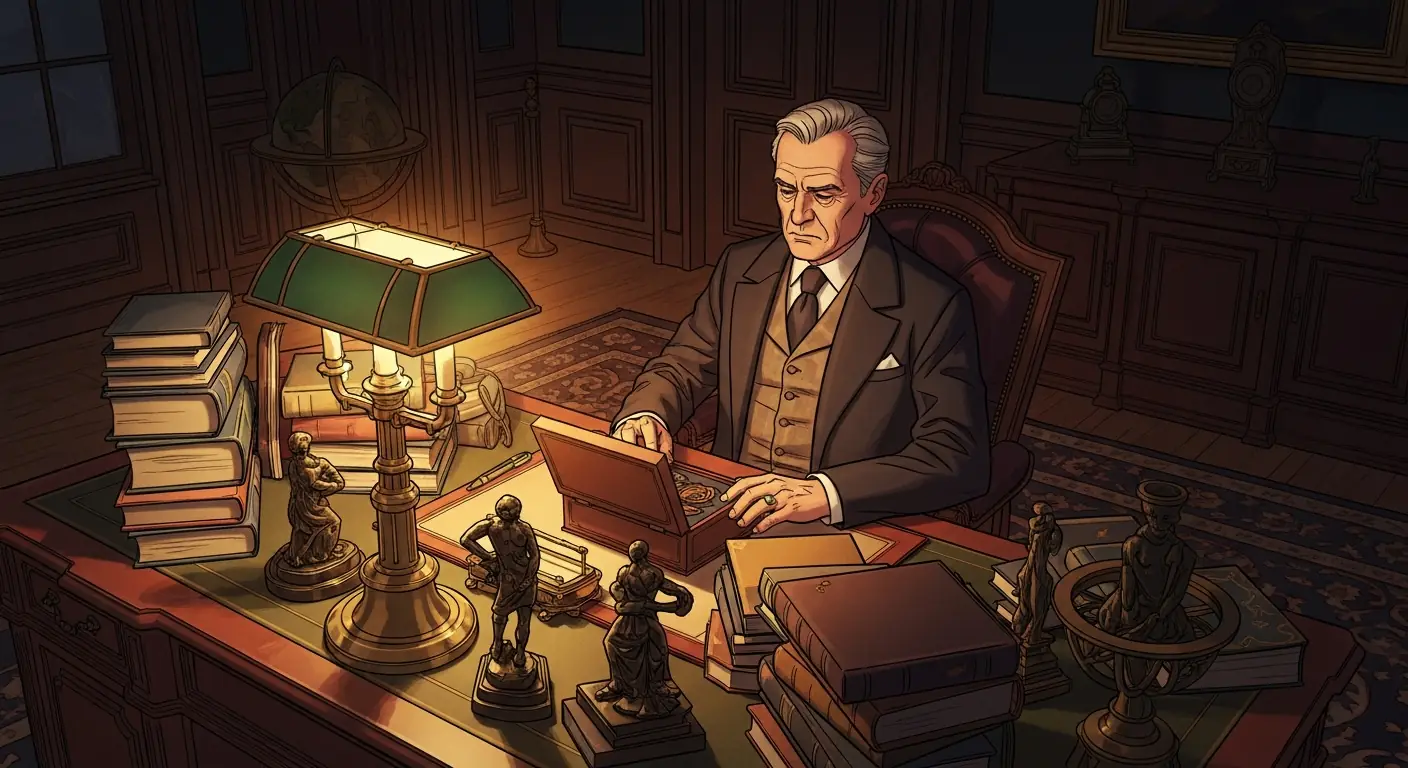
While the public image of Andrew Mellon was that of a stern, almost robotic financier and politician, a man of numbers and steel, there was a deeply private, almost clandestine side to him. Hidden behind the impenetrable walls of his Pittsburgh mansion and his Washington apartment, he harbored a profound, almost obsessive passion for art. This wasn’t a casual hobby; it was a lifelong, deeply personal quest for beauty, a counterpoint to the ruthless efficiency of his business empire.
Imagine this: the same hands that signed off on multi-million dollar industrial deals, that meticulously balanced national budgets, were also carefully turning the pages of art catalogs, scrutinizing brushstrokes, and negotiating for masterpieces. Mellon was a serious, discerning collector, not driven by ego or social climbing, but by a genuine, almost spiritual appreciation for artistic genius.
His collection began modestly in the late 19th century, focusing on American landscapes and portraits. But as his wealth grew, so did the ambition and scope of his collecting. He developed a particular affinity for Old Master paintings – the works of the European greats like Rembrandt, Raphael, Vermeer, Titian, and Van Eyck. He sought out pieces with impeccable provenance, exceptional quality, and profound historical significance.
Mellon operated with the same strategic secrecy in the art world as he did in business. He rarely bought at public auctions, preferring to work through trusted dealers like Joseph Duveen, a legendary and sometimes controversial art dealer who cultivated relationships with the world’s wealthiest collectors. Duveen, with his unparalleled network and eye for a deal, became Mellon’s primary conduit to the European art market. Their relationship was a fascinating dance between the shrewd financier and the flamboyant art merchant, both operating at the very pinnacle of their respective worlds.
The most dramatic chapter in Mellon’s collecting saga unfolded in the late 1920s and early 1930s, precisely when his political career was unraveling amid the Depression. While the American public struggled, Mellon was engaged in a secret, audacious negotiation: the acquisition of 21 masterpieces from the Soviet Union’s Hermitage Museum.
The Bolshevik government, desperate for hard currency to fund its industrialization plans, was quietly selling off its vast imperial art collection. This was a fire sale of epic proportions, a cultural tragedy for Russia, but an unprecedented opportunity for collectors like Mellon. Through a complex network of intermediaries and under a veil of extreme secrecy (the Soviets didn’t want the world to know they were liquidating national treasures, and Mellon didn’t want public outrage for buying from a communist regime during an economic crisis), Mellon acquired some of the most significant works in his collection.
Among the Hermitage treasures were:
- Raphael’s Alba Madonna
- Jan van Eyck’s Annunciation
- Rembrandt’s Joseph Accused by Potiphar’s Wife
- Several other masterpieces by Botticelli, Titian, Veronese, Rubens, and Velázquez.
These were not just paintings; they were cornerstones of Western art history, objects of immense beauty and cultural value. The total cost of these acquisitions was staggering, reportedly around $7 million, an astronomical sum at the time, especially during the Depression.
“The dichotomy of Andrew Mellon is most stark here: while facing impeachment for his economic policies, he was quietly orchestrating the greatest transfer of Old Master paintings in modern history, driven by an almost spiritual devotion to art.”
This secret passion reveals a profound complexity in Mellon’s character. Was it an escape from the harsh realities of his public life? A desperate attempt to find solace in beauty amidst the economic devastation he was blamed for? Or was it something more, a nascent desire to build a legacy that transcended the ephemeral world of finance and politics?
Regardless of the motivation, the sheer scale and quality of his private collection were breathtaking. It was a treasure trove that would eventually redefine the artistic landscape of the United States. The man who seemed to embody the cold, hard logic of capitalism was, in his private moments, a connoisseur of the sublime, a silent guardian of human creativity. And he was about to make his most significant, and perhaps most surprising, public gesture.
🎁 Chapter 9: The Grand Gesture – Founding the National Gallery of Art
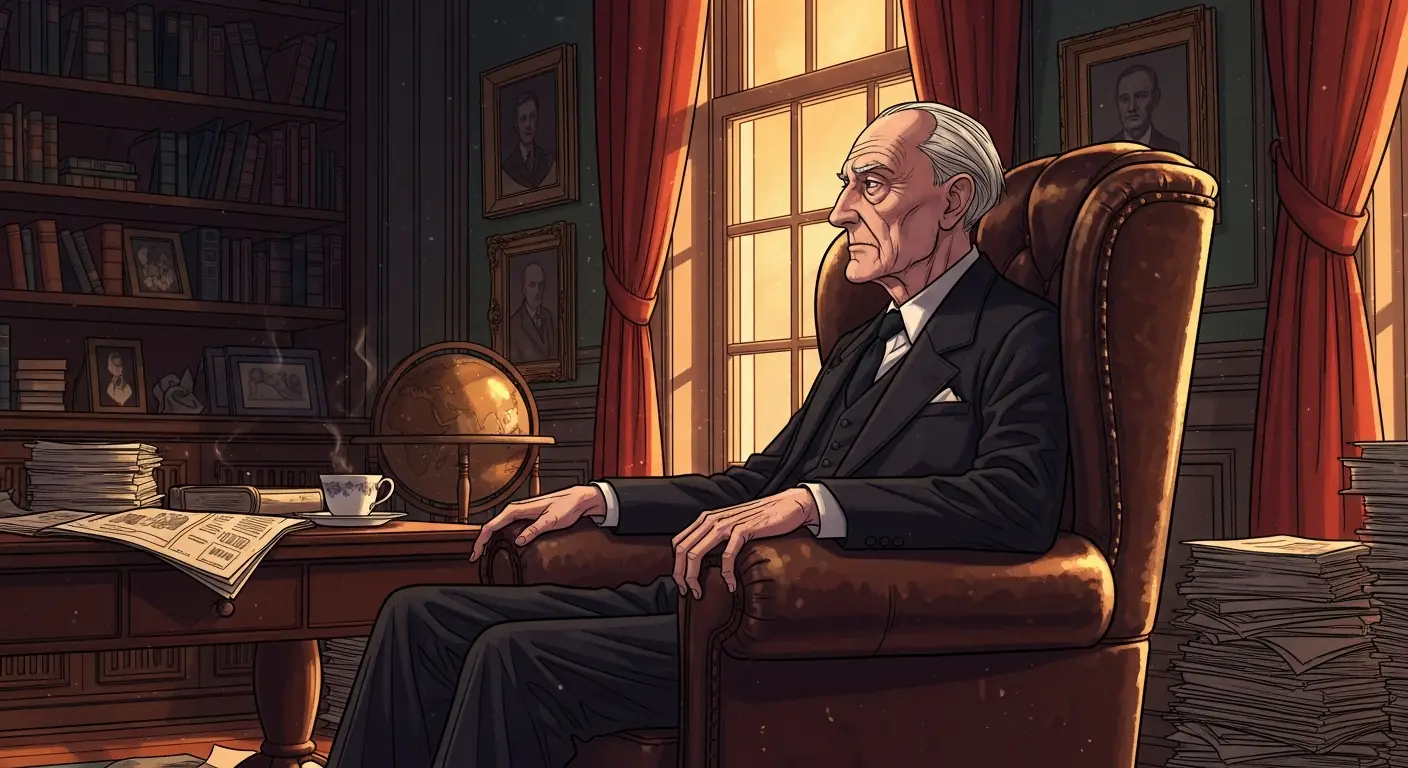
The year is 1936. Andrew Mellon is 81 years old, his health failing, his reputation still tarnished by the lingering shadows of the Great Depression. He had returned from his diplomatic post in London, a ghost of his former power. Yet, in what would be his final, and perhaps most impactful, public act, Mellon unveiled a plan that would forever change his legacy and enrich the American nation beyond measure. He announced his intention to donate his entire, world-class art collection – including the Hermitage masterpieces – and a substantial endowment for the construction and maintenance of a new institution: the National Gallery of Art in Washington D.C.
Imagine the sheer audacity of this gesture. At a time when the country was still clawing its way out of economic despair, when the New Deal was redefining the role of government, a man who epitomized Gilded Age capitalism, a man accused of heartless financial policies, was bequeathing a monumental gift of beauty and culture.
Mellon’s vision was clear and meticulously planned, mirroring the strategic precision he applied to his business ventures. He didn’t just want to give his art away; he wanted to create a national institution on par with the great museums of Europe. His donation stipulated that the new gallery should be publicly owned, accessible to all, and dedicated to the advancement of art education and appreciation in the United States. Crucially, he insisted that the Gallery should accept future gifts from other private collectors, ensuring its growth and breadth.
The gift was announced on December 22, 1936, just months before his death. It was a stunning revelation, catching many by surprise. The collection, valued then at an estimated $50 million (equivalent to well over a billion dollars today), was an unparalleled treasure. It instantly elevated the United States onto the world stage of art. Before Mellon, America had significant private collections, but no national museum of the caliber of the Louvre, the British Museum, or the Uffizi. Mellon, with one grand gesture, changed that forever.
The public reaction was complex. There was immense gratitude and awe for the generosity and foresight. Critics, however, couldn’t resist pointing out the irony. The man who had been vilified for his wealth and policies during the Depression was now lauded as a philanthropic visionary. Was it genuine altruism? A shrewd act of reputation rehabilitation? Or a combination of both?
“Andrew Mellon’s gift of the National Gallery of Art wasn’t merely philanthropy; it was an act of profound self-redefinition, a final, strategic move to sculpt his own place in history, transforming the industrial titan into a timeless patron of civilization.”
It’s impossible to fully untangle Mellon’s motivations. Perhaps he genuinely believed that art was essential for the soul of a nation, that a people enriched culturally would be stronger and more resilient. Perhaps he saw it as his final, ultimate investment – not in an industry, but in the very spirit of America. Or perhaps, after decades of being defined by his wealth and power, he craved a legacy that transcended the fleeting world of finance and politics, something enduring and universally admired.
The construction of the National Gallery of Art’s West Building began shortly after his death, funded by Mellon’s personal fortune. Designed by John Russell Pope, the neoclassical structure was completed in 1941, a monumental testament to Mellon’s vision. It stands on the National Mall, a majestic symbol of America’s commitment to culture, housing some of the greatest works of human creativity.
Andrew Mellon, the man who built an aluminum monopoly, discovered black gold, slashed taxes, and faced impeachment, ultimately became the nation’s greatest art benefactor. His final act wasn’t about accumulating more wealth or power; it was about giving it away, about leaving something of transcendent value that would benefit generations long after his industrial empires had evolved and his political battles had faded into history. It was a profound, almost poetic, end to a life defined by paradox.
🎭 Chapter 10: The Unfinished Portrait – Mellon’s Enduring, Contradictory Legacy
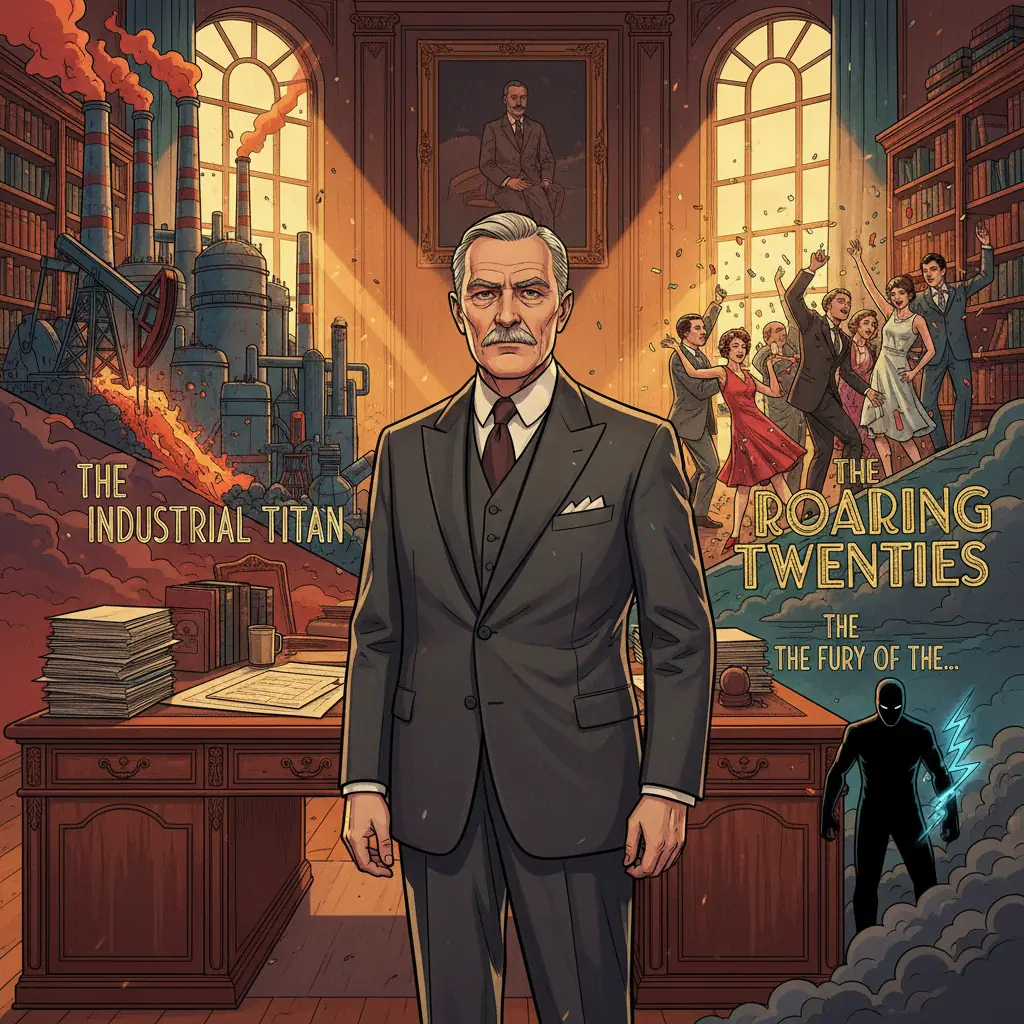
So, what do we make of Andrew Mellon? The industrial titan who built an empire of steel, aluminum, and oil. The Treasury Secretary who presided over the Roaring Twenties, only to face the fury of the Great Depression. And the silent art collector who gifted America a museum housing some of the world’s most cherished masterpieces. His life is an unfinished portrait, a chiaroscuro of ambition, power, controversy, and profound, almost redemptive, philanthropy.
Mellon’s legacy is, above all, one of contradiction and complexity. He embodied the best and worst of American capitalism in the Gilded Age and beyond. On one hand, he was a visionary entrepreneur, a strategic genius who identified nascent industries, poured capital into them, and built the very foundations of modern industrial America. His commitment to efficiency, vertical integration, and aggressive expansion were blueprints for how to dominate markets. He was a master of capital allocation and strategic growth, understanding that long-term power came from controlling every link in the value chain.
On the other hand, his relentless pursuit of dominance often led to monopolistic practices that stifled competition. His economic policies as Treasury Secretary, while credited with the prosperity of the 1920s, are simultaneously blamed by many historians for exacerbating income inequality and contributing to the speculative excesses that preceded the Great Depression. He was the ultimate representative of big business in government, and his perceived detachment during the suffering of the 1930s cemented a controversial image that persists today.
“Andrew Mellon’s life forces us to confront uncomfortable truths about power, wealth, and public service. Was he a self-serving titan or a misunderstood genius? The answer, like the man himself, is rarely simple, often both, and always deeply compelling.”
His transformation from ruthless industrialist to benevolent art patron remains the most fascinating twist in his story. Was the National Gallery of Art a genuine expression of his love for beauty, a way to share his private passion with the public? Or was it a calculated act of legacy building, a strategic move to soften his image and ensure a more favorable historical verdict? Perhaps it was both – a man of deep aesthetic sensibility who also understood the immense power of public perception and the enduring nature of cultural contribution.
Lessons for today’s moguls and entrepreneurs:
- The Power of Visionary Investment: Mellon didn’t just chase trends; he identified foundational shifts and invested heavily in the infrastructure and raw materials that would power future economies. Modern entrepreneurs need to think beyond immediate gains and identify long-term, systemic opportunities.
- Strategic Control vs. Ethical Boundaries: Mellon’s vertical integration was a masterclass in building competitive moats. However, his methods also pushed the boundaries of antitrust. Today’s leaders must navigate the fine line between aggressive market strategy and responsible, ethical competition.
- Legacy as a Strategic Asset: Mellon’s final act demonstrates that legacy is not just about what you accumulate, but what you contribute. Strategic philanthropy, when executed with genuine vision and impact, can redefine a public narrative and secure a place in history far beyond financial achievements.
- The Double-Edged Sword of Public Service: Entering government as a wealthy, powerful individual brings immense influence but also intense scrutiny and the constant challenge of perceived conflicts of interest. It’s a high-stakes game where private success can be a public liability.
Ultimately, Andrew Mellon remains a figure of immense historical weight, a man whose impact on American finance, industry, and culture is undeniable. He was a product of his time, a titan who navigated the tumultuous currents of a rapidly industrializing nation with an almost superhuman intellect and an unshakeable will.
His portrait, like the masterpieces he collected, is multi-layered. Look closely, and you see the cold calculation of the financier, the steely resolve of the industrialist, the quiet dignity of the public servant, and the profound, almost tender, eye of the art connoisseur. Andrew Mellon was not a simple man, nor was his legacy easily categorized. He was a force of nature, a contradiction wrapped in an enigma, and a permanent, imposing fixture in the grand, messy, and endlessly fascinating tapestry of American history. His story reminds us that true power, in its most complex forms, often wears a quiet mask, building empires and shaping nations, one calculated move at a time, leaving behind both monuments of progress and shadows of debate.
💡 Key Insights
- ▸ Vertical integration and strategic diversification are timeless power plays. Mellon didn't just invest; he controlled supply chains and branched into related, high-growth sectors, ensuring his enterprises were insulated and dominant. Entrepreneurs should look for ways to own more of their value chain and identify adjacent opportunities for expansion.
- ▸ Public service can be both a capstone and a battlefield for private interests. Mellon's stint as Treasury Secretary highlights how deeply intertwined economic policy and personal wealth can become. Leaders must navigate the perception and reality of conflicts of interest, and for investors, understanding the policy leanings of powerful individuals can offer clues to market direction.
- ▸ The power of legacy building can redefine a controversial past. Mellon's ultimate act of philanthropy – the National Gallery of Art – dramatically reshaped his public image. For institutions and individuals facing scrutiny, strategic, impactful giving or public-facing projects can serve as powerful tools for reputation rehabilitation and securing a lasting, positive historical narrative.