Bernard Marcus: The Big-Box Machine That Built Home Depot
Bernard Marcus turned a humiliating firing into Home Depot, pairing warehouse scale, expert service, and founder-led culture to remake American home improvement.

View all stories about this mogul
Bernard Marcus did not build Home Depot from a position of comfort. In 1978, the executive was fired from Handy Dan, the home-improvement chain he had helped run. The dismissal removed his salary and title, but it also freed Marcus and Arthur Blank to pursue an idea their former employer would never fully embrace: a vast warehouse where ordinary homeowners could find low prices, enormous selection, and employees who actually knew how to fix things.
The result was more than a successful retailer. Home Depot changed how Americans renovated homes, how suppliers reached consumers, and how a big-box company could turn service culture into an economic advantage.
How did a firing become the blueprint for Home Depot?
Marcus grew up in a working-class family in Newark, New Jersey, and initially hoped to become a doctor. Limited money pushed him toward pharmacy, then retail management. By the 1970s he had become an experienced operator at Handy Dan, where he worked closely with Blank.
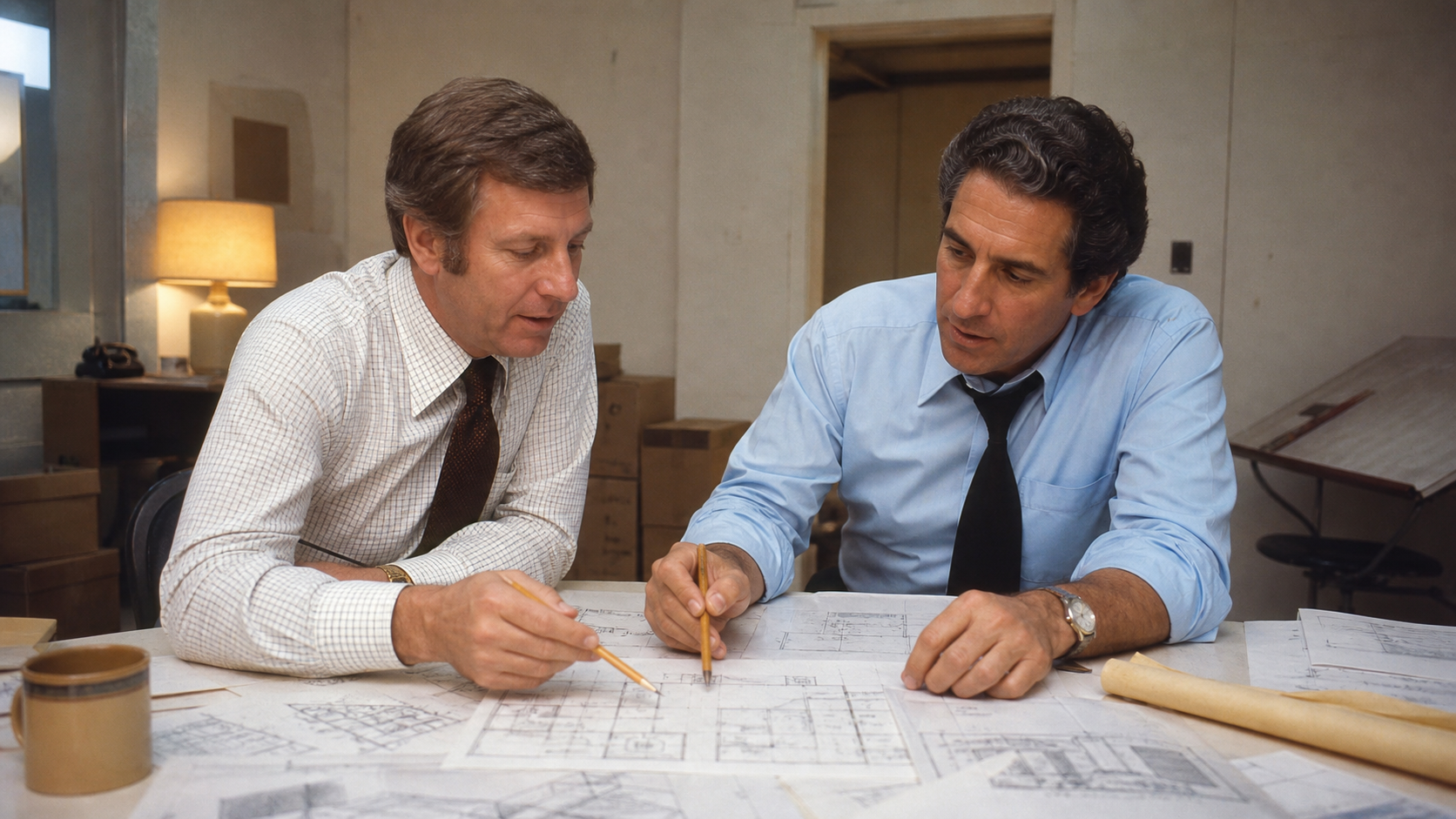
After both men were dismissed during a corporate power struggle, they began designing a different kind of home-improvement store. Existing hardware shops were often small, fragmented, and intimidating to inexperienced customers. Contractors knew what to buy; homeowners frequently did not.
Marcus and Blank imagined warehouse-sized stores stocked floor to ceiling. The visual abundance mattered. Even when early stores lacked enough inventory, empty cartons helped create the impression of endless choice. The first two Home Depot locations opened in Atlanta in 1979 with backing from investor Ken Langone and merchandising expertise from Pat Farrah.
The founders treated the launch as a retail laboratory. They watched what customers could not find, which questions employees struggled to answer, and how pricing affected traffic. Their advantage was not a secret product. It was a system assembled from scale, selection, advice, and relentless operational adjustment.
Why did the orange warehouse model beat traditional hardware stores?

Home Depot’s economic engine began with purchasing power. Large stores could carry many brands and product categories, while growing volume improved negotiations with suppliers. The company used that scale to support an everyday-low-price promise rather than relying only on periodic promotions.
But price alone would have produced a cold warehouse. Marcus believed service had to close the knowledge gap between professional contractors and do-it-yourself customers. Stores hired plumbers, electricians, carpenters, and tradespeople who could explain projects instead of merely pointing toward a shelf.
That advice reduced the psychological cost of home improvement. A customer who entered for one repair could leave with the confidence—and materials—to attempt a larger project. Free clinics and demonstrations reinforced the idea that the store sold capability, not just products.
The model also benefited from a cultural shift. Rising homeownership, suburban expansion, and enthusiasm for do-it-yourself renovation created demand. Home Depot did not create those forces, but it organized them into a repeatable retail format whose giant orange signs became shorthand for possibility.
How did Marcus turn culture into an operating system?

Marcus was famous for visiting stores, questioning managers, and talking directly with associates. The inverted-pyramid philosophy placed customers and frontline workers above executives. In practice, it meant store employees were expected to use judgment, solve problems, and share what headquarters could not see.
This was not softness. The culture demanded energy, product knowledge, and accountability. Marcus and Blank cultivated a sense that associates were owners of the customer experience. Stock ownership helped make that language tangible for many employees.
As Home Depot expanded, culture functioned like quality control. A warehouse blueprint could be copied quickly, but customers would notice if service deteriorated. Stories about founders taking care of customers became informal training tools, transmitting priorities more vividly than a policy manual.
The weakness of founder-led culture is that it can thin as scale grows. Thousands of new hires do not absorb values through proximity. Home Depot had to translate personality into recruiting, incentives, store routines, and management systems. That tension—between local initiative and centralized efficiency—would remain long after Marcus stepped away.
What did the empire achieve, and what did scale put at risk?

Home Depot went public in 1981 and expanded rapidly across the United States, later entering Canada and Mexico. Its growth pressured independent hardware stores and forced competitors to rethink pricing, assortment, and store size. The company became a critical distribution channel for manufacturers and a familiar destination for both weekend renovators and professional contractors.
Scale created powerful advantages: national brand recognition, supply-chain investment, vendor leverage, proprietary products, and the ability to spread technology costs across a huge revenue base. It also created exposure. Housing cycles, interest rates, commodity prices, theft, labor availability, and consumer confidence all move through the business.
Marcus retired from active leadership in 2002 and devoted substantial wealth to philanthropy, including medical research, autism programs, veterans, and community causes. His later political activity drew strong reactions, illustrating how a founder’s public identity can remain connected to a brand even without an operating role.
The durable lesson is operational: Marcus won by resolving a contradiction. Home Depot felt enormous but aimed to remain helpful; it pushed low prices while employing expertise; it standardized a warehouse while asking individuals to exercise judgment. The empire was built in the space between those tensions.
💡 Key Insights
- ▸ A career-ending firing can become strategic freedom when an operator understands the industry's structural weakness.
- ▸ Home Depot combined warehouse economics with knowledgeable service instead of choosing between price and expertise.
- ▸ Founder behavior became an operating system that could be repeated across hundreds of stores.
- ▸ Scale strengthened purchasing power but made culture and frontline judgment harder to preserve.