Diane Hendricks: Building ABC Supply One Contractor Relationship at a Time
Diane and Ken Hendricks transformed a Wisconsin roofing business into a national distribution platform by treating contractors as core customers, then kept compounding after loss.
View all stories about this mogul
Diane Hendricks built one of America’s largest private distribution businesses in an industry most consumers rarely notice.
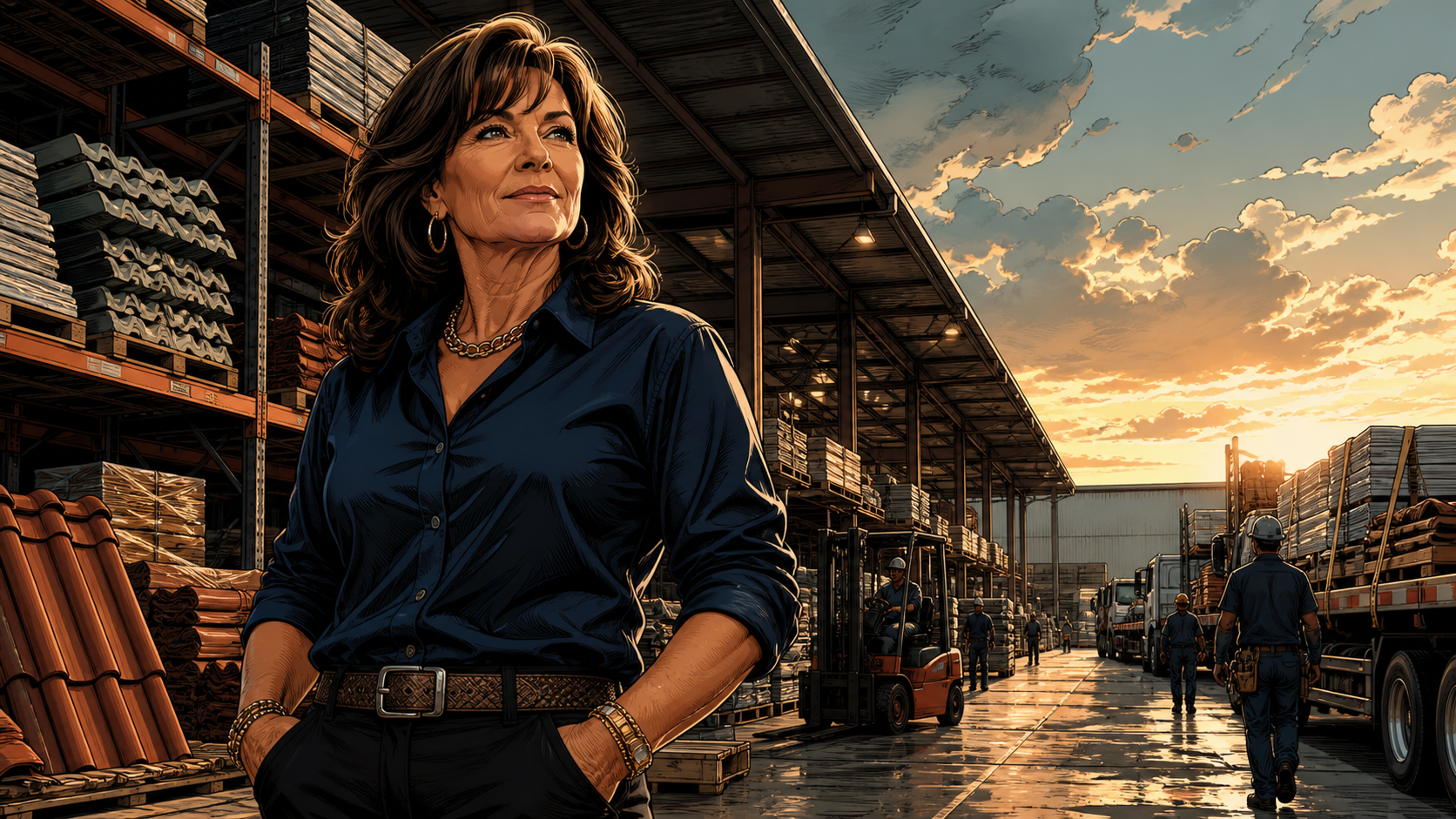
ABC Supply does not sell a glamorous consumer dream. It moves roofing, siding, windows, gutters, and other exterior building products to the contractors who install them. Its value lives in stocked branches, early mornings, accurate orders, credit relationships, and the cost of a crew waiting when material is missing.
That operational reality became the foundation for a national empire. Hendricks and her late husband, Ken, saw independent contractors as customers worthy of better service and professional respect. The idea sounds modest. Repeating it across hundreds of locations required decades of capital allocation and execution.
How did a Wisconsin roofing business reveal a national opportunity?
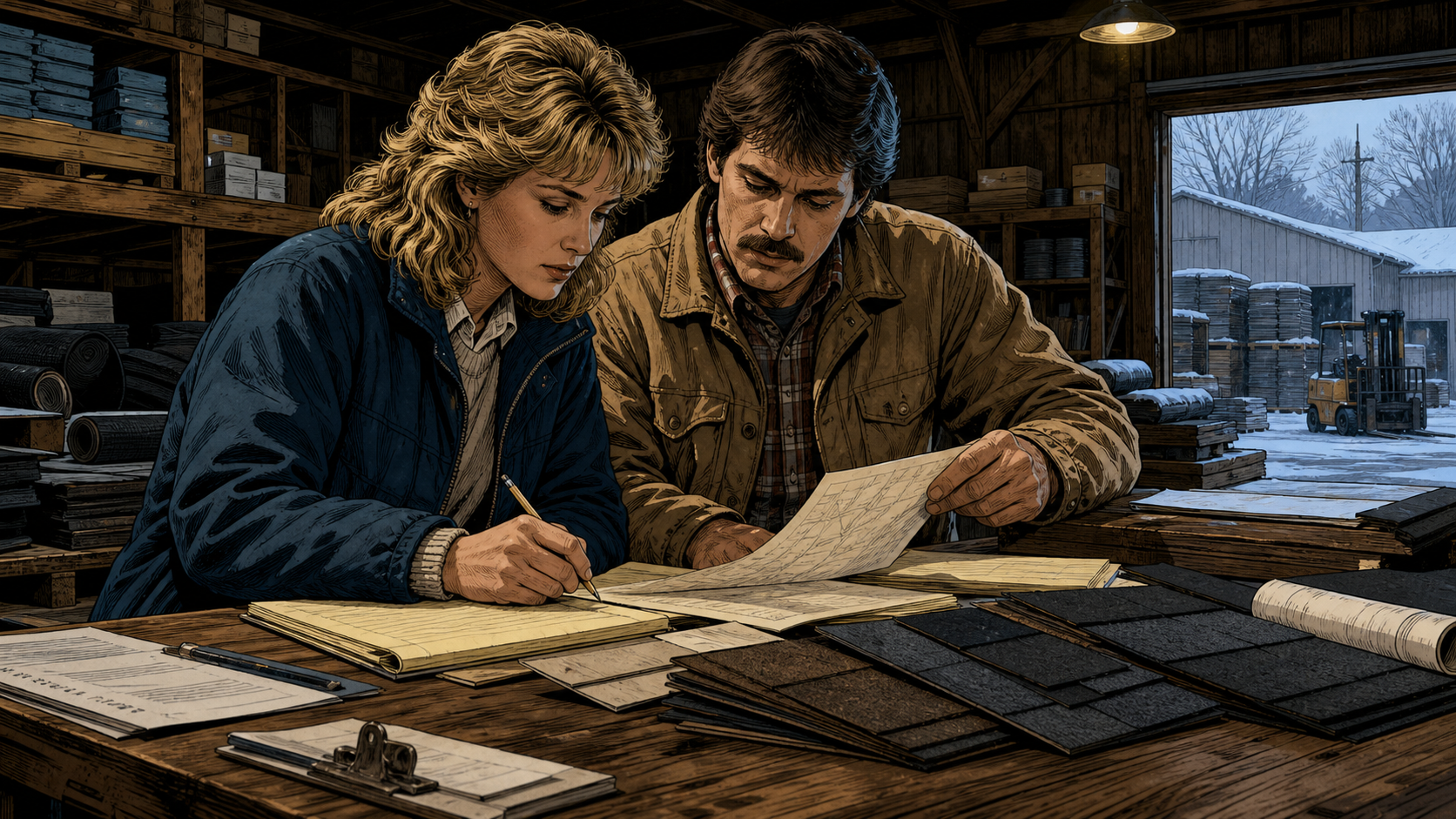
Diane Hendricks grew up in Wisconsin and entered business through real estate and construction. Ken Hendricks worked as a roofing contractor. That combination gave them a ground-level view of an inefficient supply chain: contractors often bought from distributors that treated them as small accounts, carried inconsistent inventory, or made pickup slow and inconvenient.
They founded ABC Supply in 1982. The company focused on exterior building materials and organized the branch experience around contractors. Locations opened early. Teams learned local customers. Product selection reflected the work crews actually performed. The branch was not merely a warehouse; it became part of a contractor’s operating system.
The founders also understood the psychology of the trades. Independent contractors take responsibility for schedules, crews, cash flow, and customer complaints, yet vendors may treat them as interchangeable buyers. ABC Supply’s culture emphasized respect and relationship. That promise helped a new branch earn loyalty in markets where product alone was not unique.
The economics rewarded density. More branches created purchasing power and a broader supplier network. Better availability attracted more contractors. Local volume supported more inventory, which made the branch still more useful. The flywheel was operational rather than digital, but it compounded in a familiar way.
How did ABC Supply turn acquisition into an operating system?

Distribution markets are often fragmented because relationships and delivery radius are local. That fragmentation gives a disciplined buyer room to acquire branches and regional chains. ABC Supply expanded through both new locations and acquisitions, eventually becoming a national network.
The important distinction was between buying revenue and building a platform. A collection of branches creates little advantage if each one keeps incompatible systems, weak inventory controls, and isolated purchasing. ABC Supply could combine scale in procurement, logistics, training, and technology with local accountability at the counter.
Its 2010 acquisition of Bradco Supply significantly increased scale and geographic reach. Larger combinations created integration risk: overlapping locations, different cultures, supplier relationships, and customer expectations all had to be handled without disrupting contractors in the middle of active jobs.
Hendricks’s wider business interests also extended through holding-company investments in manufacturing, logistics, real estate, and entrepreneurial ventures. The portfolio reflects an operator’s preference for tangible businesses and regional economic development, especially around Beloit, Wisconsin.
Private ownership gave the company room to make long-duration decisions, but privacy does not remove discipline. Distribution consumes working capital. Inventory must be available without becoming stagnant, credit must support customers without becoming reckless, and delivery assets must earn their cost through utilization.
What did leadership after Ken Hendricks prove about the empire?

Ken Hendricks died in 2007 after an accident. The loss removed Diane’s spouse and founding partner at a moment when the business was already large and still expanding. Founder stories often end at this point with succession uncertainty or a sale.
ABC Supply continued to grow under professional management and Hendricks’s ownership. That continuation is part of the strategic achievement. The customer promise, acquisition logic, and branch culture had become institutional enough to survive a profound change at the center.
The business still faces cycles. Housing activity, repair demand, interest rates, storms, labor availability, and material prices all affect contractors and distributors. Scale offers purchasing and network advantages, but it also magnifies the cost of poor forecasting. E-commerce can simplify ordering, yet the physical work of staging and delivering bulky materials remains decisive.
Hendricks’s story complicates the usual image of a technology-era billionaire. The empire was built through warehouses, trucks, credit, inventory, and thousands of repeated interactions at branch counters. It rewards attention to a customer group that larger institutions once underestimated.
ABC Supply’s enduring lesson is not that every local distributor should become national. It is that scale becomes defensible when it improves a specific customer’s work. Hendricks and her team did not make roofing materials exciting. They made obtaining them dependable—and dependence on that reliability became the moat.
💡 Key Insights
- ▸ A fragmented industry can support a national platform when the operator standardizes service without erasing local relationships.
- ▸ Serving the trades means designing around job-site time, dependable inventory, and customer dignity.
- ▸ Acquisitions create density only when branches share purchasing, systems, and operating discipline.
- ▸ Succession is proved by performance after the founder partnership changes, not by a document written before it.