Hamdi Ulukaya: The Immigrant Founder Who Turned an Old Factory Into Chobani
Hamdi Ulukaya bought a shuttered yogurt factory with an SBA-backed loan, rebuilt the category, and made worker ownership part of Chobani's growth story.
View all stories about this mogul
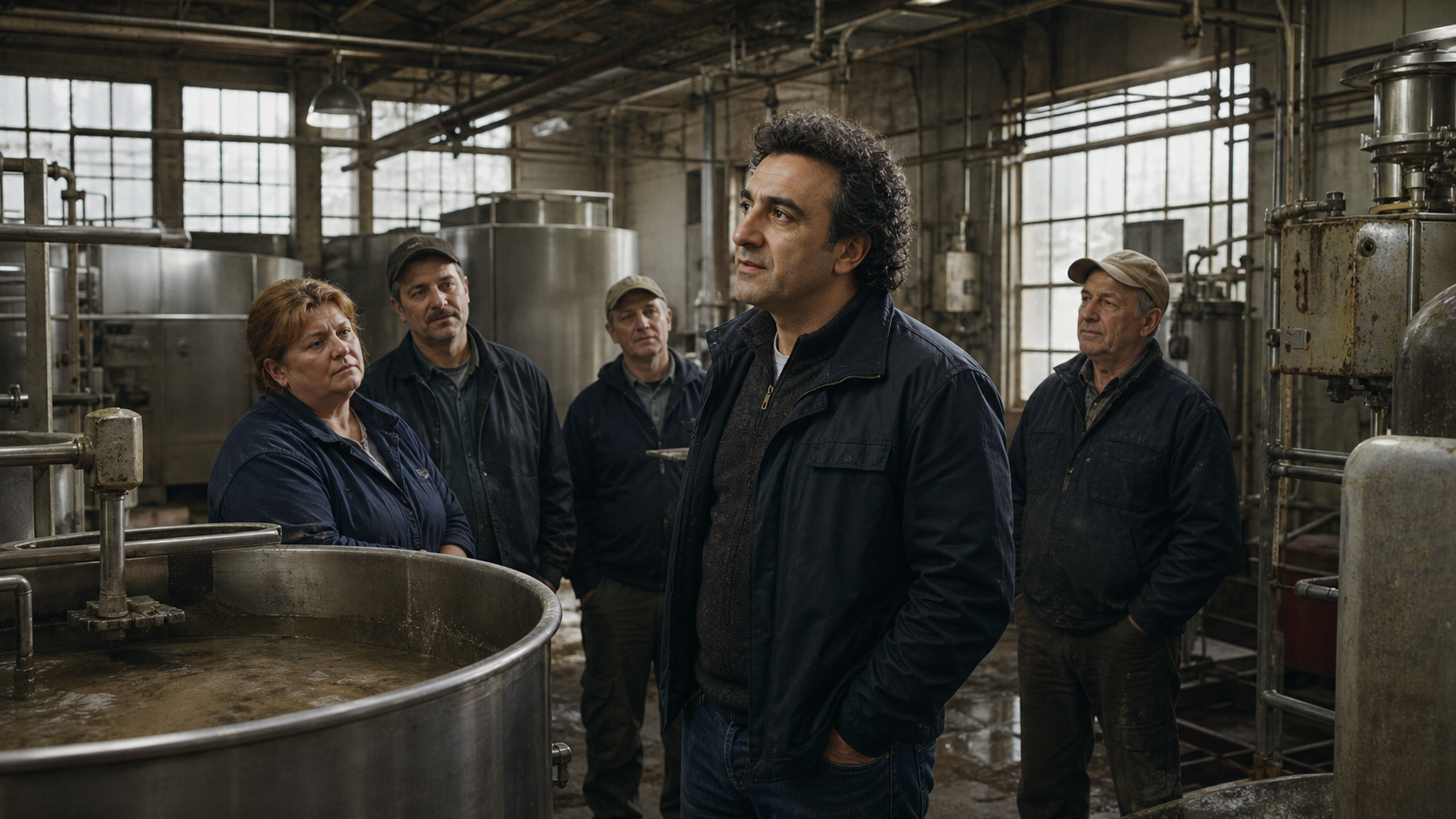
In 2005, Hamdi Ulukaya saw an advertisement for a yogurt factory that Kraft Foods was closing in upstate New York. His lawyer told him not to buy it. Ulukaya visited anyway.
The factory was old, the equipment was tired, and the American yogurt aisle was dominated by large companies. Ulukaya was a Turkish immigrant running a small feta-cheese business. He did not have a famous venture fund behind him.
He had product conviction, a government-backed loan, and a belief that American consumers had not yet tasted the yogurt he knew.
The Shuttered Factory Bet
Ulukaya grew up in a Kurdish dairy-farming family in eastern Turkey and moved to the United States in the 1990s. He began making feta cheese after noticing how different American versions tasted from the cheese he knew.
That background gave him an advantage when the factory sale appeared. To an outsider, the plant was a distressed asset. To Ulukaya, it was a functioning base: dairy equipment, local suppliers, experienced workers, and distribution access.
He financed the purchase with help from a Small Business Administration-backed loan and rehired several former factory employees. The team spent roughly two years refining a thick, strained yogurt for the American market.
The decision violated the normal startup aesthetic. There was no asset-light launch, no marketplace, and no software margin. Food manufacturing required milk, cultures, sanitation, refrigeration, packaging, trucks, and retail relationships. Each part could fail.
But the old factory compressed years of setup. Ulukaya did not need to build every capability from zero. He needed to reorganize an existing industrial system around a better product.
Rebuilding the Yogurt Aisle

Chobani launched in 2007. The product entered stores as Greek yogurt: thicker, higher in protein, and more substantial than the sweet, thin products familiar to many American buyers.
Product quality alone was not enough. Ulukaya pushed for accessible pricing and packaging that could compete in mainstream supermarkets. Chobani did not position itself only as an imported luxury or niche health food. It aimed at the center of the refrigerator case.
The timing was favorable. Consumers were becoming more interested in protein, simpler ingredients, and foods that felt less processed. Greek yogurt grew from a small portion of the U.S. market into a major category.
Chobani’s rise forced incumbents to respond. Large dairy companies introduced or expanded their own Greek-yogurt lines. The category that Chobani helped popularize became crowded, but early velocity gave the company brand recognition, shelf space, manufacturing scale, and supplier relationships.
The mechanics were brutal. Rapid growth in refrigerated food can create shortages, quality problems, and expensive capacity decisions. Chobani invested in a large Idaho plant and expanded beyond its original New York base. Scaling meant betting on demand before every carton had been sold.
People as Operating Strategy
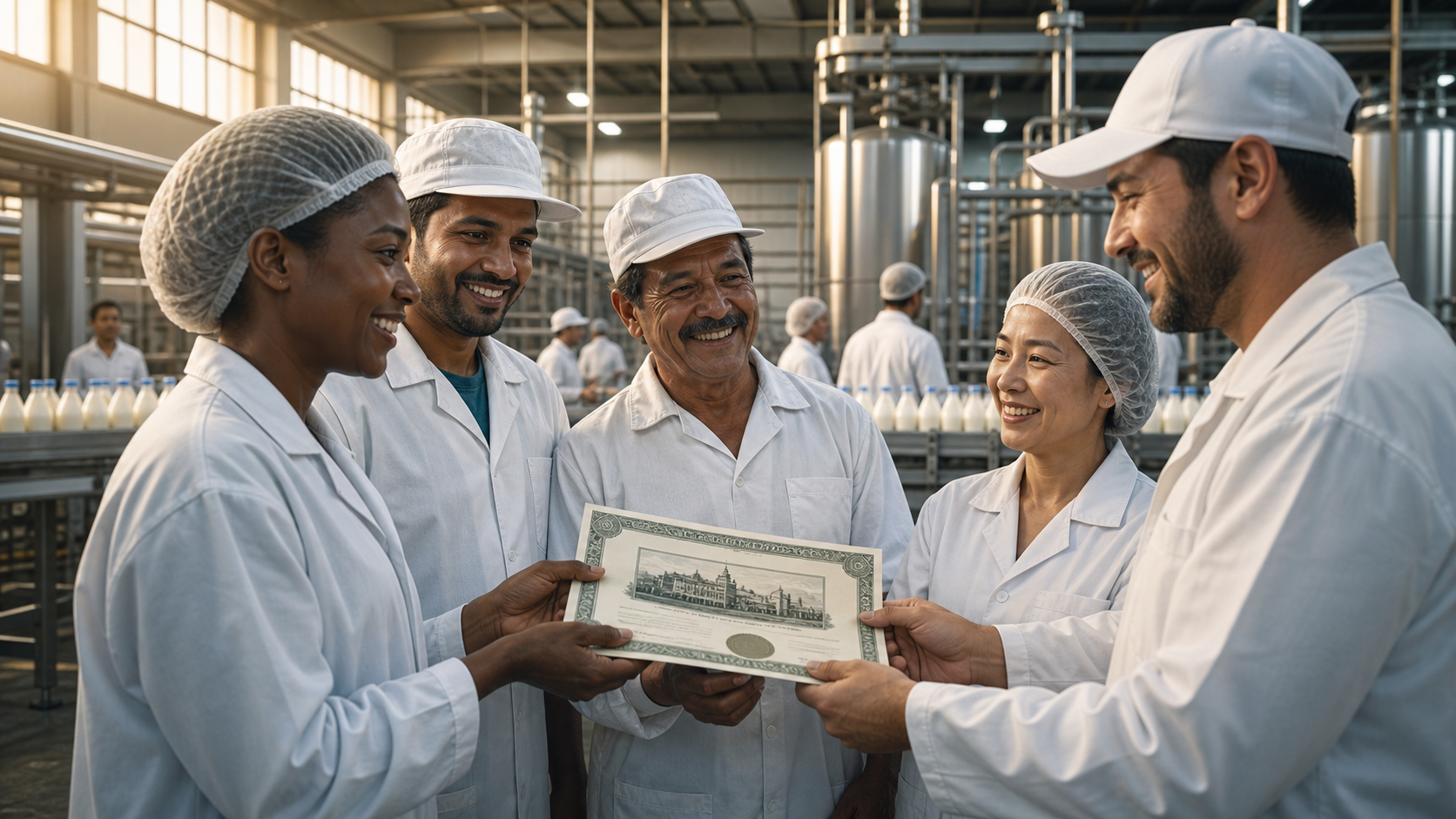
Ulukaya made employees part of Chobani’s public identity.
In 2016, the company announced an employee ownership program designed to give full-time workers shares representing a portion of the private company’s future value. The move connected Chobani’s growth to the people running lines, maintaining equipment, and shipping product.
This was not charity detached from operations. Food manufacturing depends on consistency. Experienced workers understand machinery, quality signals, sanitation routines, and local supply conditions. Retention and trust have economic value.
Ulukaya also became a prominent advocate for hiring refugees. He founded Tent Partnership for Refugees to encourage companies to employ and support displaced people. The position drew both praise and political criticism, but it was consistent with his own immigrant story.
The company later expanded into oat milk, creamers, coffee, and other products. Not every extension carries the same category advantage as Greek yogurt. Chobani must defend its core while proving that its brand can travel across the refrigerated aisle.
The Real Lesson

Hamdi Ulukaya’s story is often told as an immigrant success narrative. It is also a precise lesson in industrial entrepreneurship.
He saw value where a large corporation saw an obsolete plant. He matched personal product knowledge with an existing workforce and physical infrastructure. He entered a mature category without accepting the category’s old definition.
The most important move was not inventing yogurt. It was aligning several changes at once: thicker texture, protein positioning, mainstream pricing, distinctive packaging, and enough manufacturing capacity to supply national demand.
Chobani’s worker and refugee policies added another layer. They made the founder’s social philosophy visible in the operating company, where customers and employees could judge it through actions rather than slogans.
The risks remain real. Grocery margins are tight, private-company valuations can be uncertain, and brand extensions can dilute a clear identity. A founder-led culture must eventually become an institution that works beyond the founder’s personal force.
Ulukaya bought a factory everyone expected to go quiet.
He made it louder by giving an old industrial asset a new category, a new workforce story, and a product consumers did not know they were waiting for.
💡 Key Insights
- ▸ Distressed physical assets can become startup leverage when the founder understands the product.
- ▸ A category can be rebuilt by improving taste, packaging, and distribution at the same time.
- ▸ Operational speed matters more than startup fashion in food manufacturing.
- ▸ Worker ownership can align a social promise with enterprise value.