John Paul DeJoria: From Trunk Sales to Two Premium Brand Empires
John Paul DeJoria built Paul Mitchell and Patrón through professional trust, relentless selling, and premium positioning rather than conventional mass-market playbooks.

View all stories about this mogul
John Paul DeJoria built one fortune by persuading hairdressers bottle by bottle, then helped build another by persuading drinkers that tequila could occupy the top shelf.
The industries looked unrelated. The operating principles were not. Both John Paul Mitchell Systems and Patrón depended on professional advocates, disciplined premium positioning, and the patience to create pull before chasing maximum distribution.
Selling Before There Was Scale

DeJoria’s biography includes foster care, gang involvement, military service, sales jobs, and periods without stable housing. By 1980, he and hairdresser Paul Mitchell started their hair-care company with limited capital and a small product line.
Constraint shaped the go-to-market plan. DeJoria sold directly to salons, often working from his car. The founders could not buy national attention, so every account had to be earned through demonstration, follow-up, and trust.
Salons were not just retail outlets. They were expert environments where stylists could evaluate performance and recommend products with credibility. If the formula worked in professional hands, the stylist became educator, distributor, and advocate.
The company also protected the channel by resisting the easy volume of indiscriminate mass retail. That choice supported a professional identity and gave salon owners a reason to care about the brand’s success. Distribution became a relationship, not merely shelf space.
The early company mythology sometimes overwhelms the mechanics. The important part is that DeJoria absorbed rejection without changing the positioning after every failed pitch. Persistence worked because it was attached to a repeatable sales system.
Build Pull Through Professionals

John Paul Mitchell Systems grew by investing in stylist education and a focused portfolio. Professional training made the product more useful and strengthened switching costs that ordinary advertising could not create.
This was not pure exclusivity. The system had to deliver economic value to salons, dependable supply, and products customers wanted to repurchase. Premium positioning survives only when every participant receives a reason to preserve it.
DeJoria later applied a related logic to Patrón, which he co-founded with Martin Crowley. Tequila in the late 1980s was often treated in the United States as a rough, inexpensive category. Patrón used product quality, distinctive packaging, selective placement, and cultural signaling to argue that the spirit belonged beside premium whisky and cognac.
The channel changed from stylists to bartenders, restaurants, and influential venues, but the sequence was familiar: win professional believers, make the product experience memorable, and allow recommendation to create consumer pull.
Bacardi’s 2018 acquisition of Patrón, valuing the brand at more than five billion dollars in the announced transaction, demonstrated how much category perception had shifted.
The Real Lesson
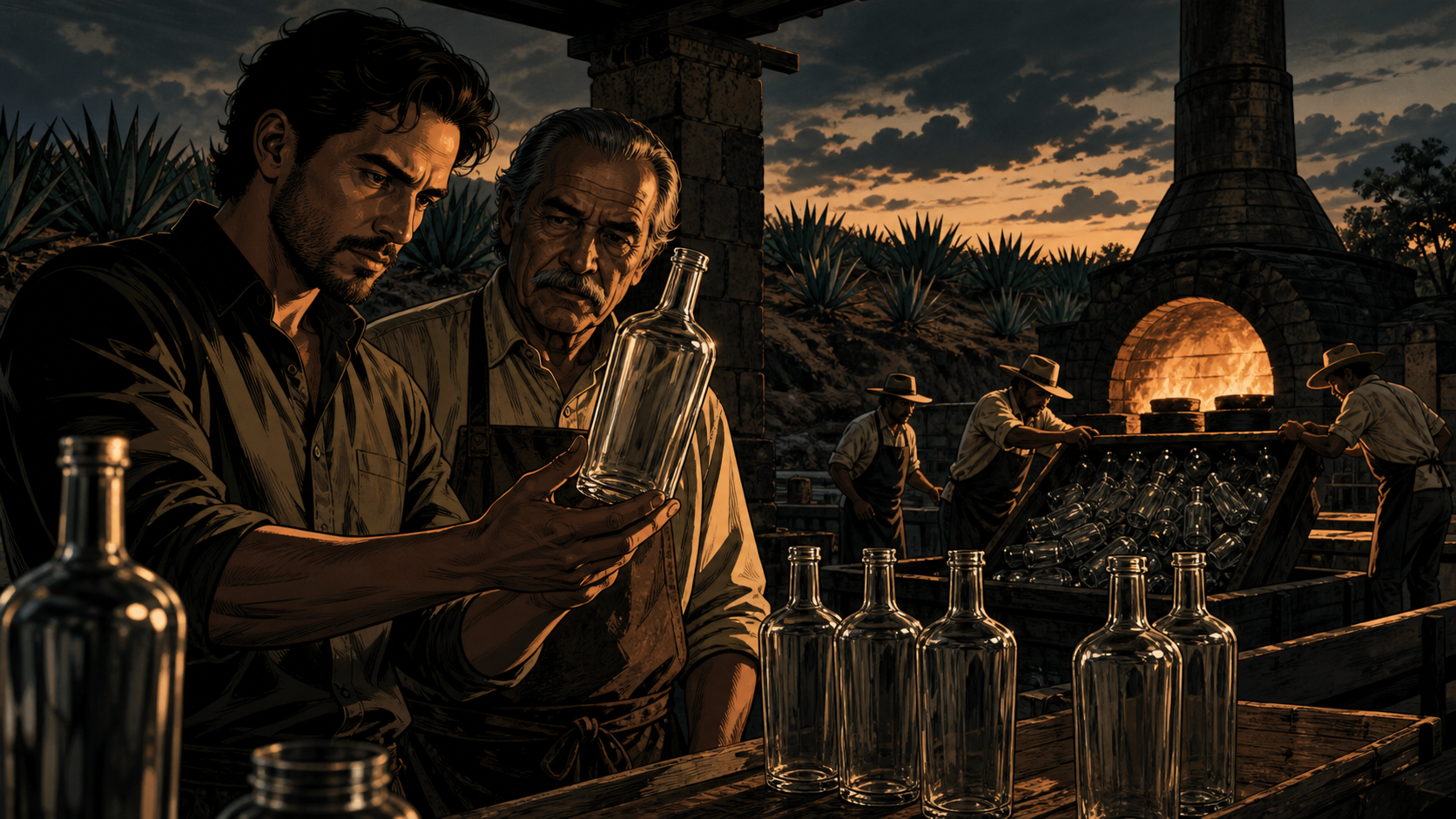
DeJoria’s playbook was not simply “charge more.” Premium value is a system of consistent signals: product performance, trusted recommendation, controlled distribution, design, service, and the willingness to decline revenue that weakens the position.
His career also shows the difference between copying a tactic and transferring a principle. Salon education could not be pasted onto tequila. The deeper principle—professionals can legitimize an unfamiliar premium proposition—could travel.
Scarcity alone creates frustration. Story alone creates hype. The durable brand appears when the product repeatedly justifies the promise and the channel benefits from protecting it.
DeJoria began with very little margin for error. That pressure produced a habit many funded companies lose: earn belief one practitioner at a time, then scale the system without cheapening the reason people believed.
💡 Key Insights
- ▸ A constrained launch can sharpen the sales discipline a larger budget hides.
- ▸ Professional channels create trust when practitioners have real influence.
- ▸ Premium brands are built by consistent signals, not price alone.
- ▸ The same founder can reuse principles across industries without copying tactics.