Judy Love: The Family Partnership Behind America's Highway Travel-Stop Empire
Judy and Tom Love turned a leased Oklahoma filling station into Love's Travel Stops by pairing fuel with the things drivers needed before they knew to ask.
View all stories about this mogul
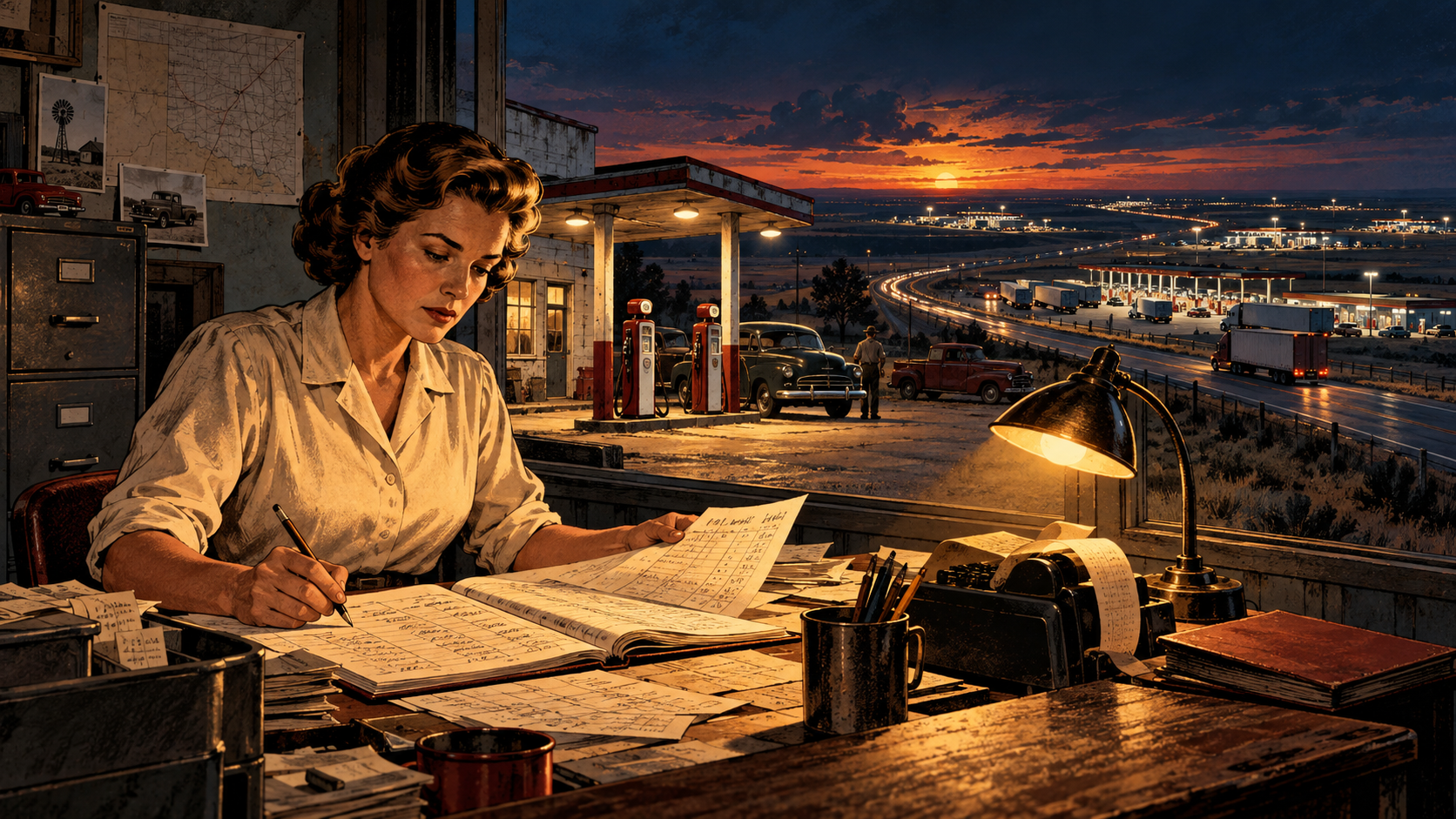
The origin of Love’s Travel Stops was not a grand infrastructure plan. In 1964, Judy and Tom Love leased a service station in Watonga, Oklahoma, with a few thousand dollars and the conviction that motorists would keep buying fuel even when capital was scarce. Tom worked the road and hunted for sites. Judy kept the books, managed the office, raised their family, and imposed the financial discipline that allowed one station to become a network.
That division of labor can make Judy’s contribution look quieter than it was. Fuel retail is a thin-margin, inventory-heavy business in which a mistake in cash control can overwhelm rapid sales growth. The company needed both expansion and restraint. Tom became the visible merchant; Judy built much of the administrative foundation and later shaped the culture and philanthropy of a company that remained privately controlled by the family.
A leased station and a disciplined ledger
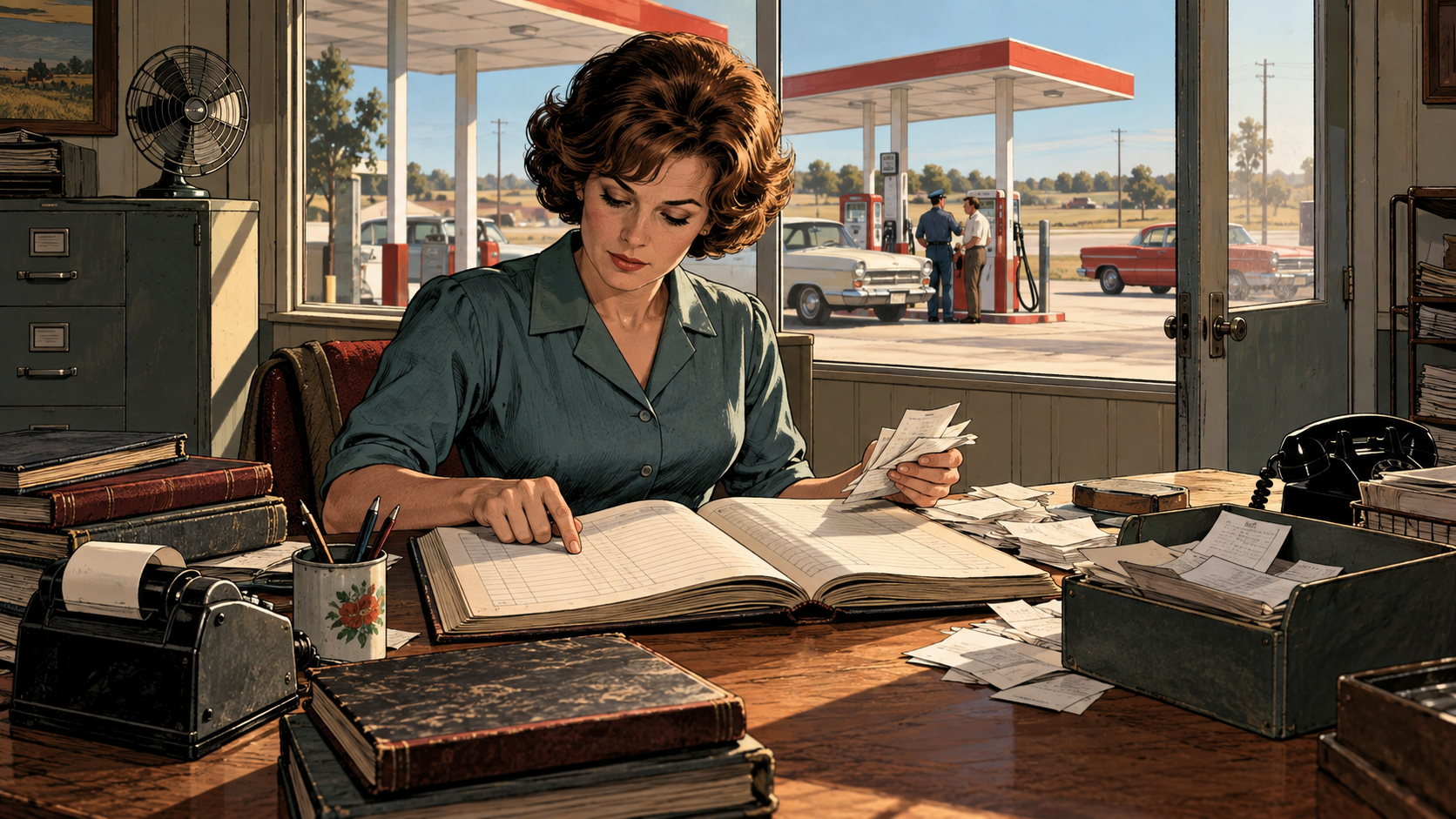
The Loves entered the business when interstate highways were remaking American travel. Their first operation was a small filling station in Watonga. The couple did not begin with a proprietary fuel supply, a famous brand, or a national real-estate portfolio. They began with leased sites, long hours, and attention to cash.
Judy handled accounting from the company’s early years. That role was strategic. A station must buy fuel before selling it, absorb price changes, maintain pumps and property, and keep enough working capital for the next delivery. Revenue at the pump can look large while profit remains narrow. Reliable books let the family understand which sites truly worked and which apparent gains were being consumed by inventory and operating costs.
The company expanded across western Oklahoma during the 1960s. Rather than treating each location as an isolated family shop, the Loves built repeatable operating habits. Central records, purchasing discipline, and site-level accountability made a small chain possible. Judy’s work also reduced a familiar founder risk: confusing money moving through the register with money available to spend.
The partnership did not eliminate uncertainty. Oil shocks, fuel-price regulation, highway patterns, and interest rates could alter station economics quickly. The advantage was the ability to make decisions inside a closely held company without waiting for a public-market narrative to catch up.
The convenience-store idea changes the unit economics
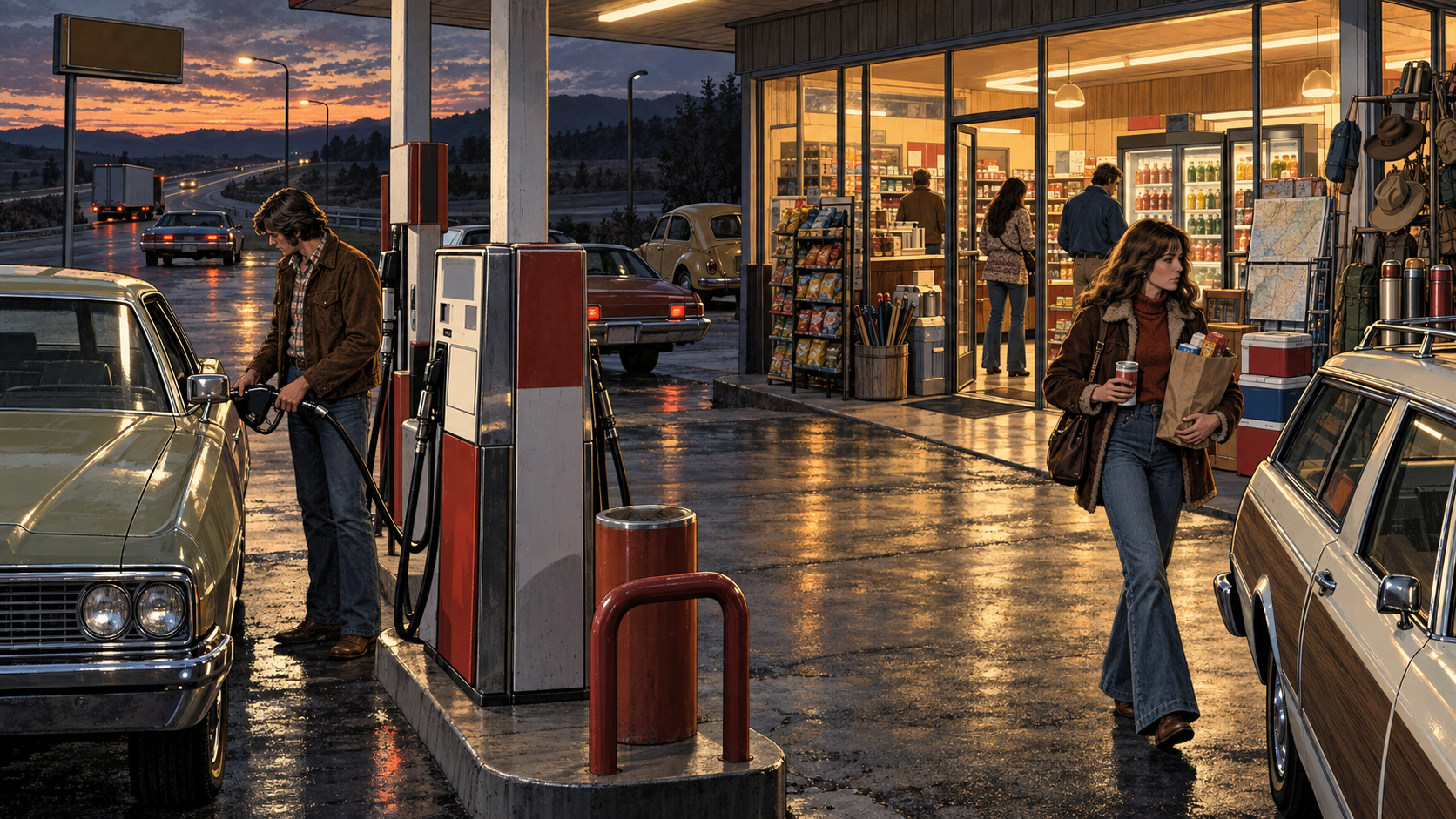
Love’s history identifies a crucial 1970s move: combining self-service gasoline with a convenience store. The format, called a “Mini Stop,” sold groceries and daily necessities alongside fuel. It seems obvious now because convenience retail and fuel have become inseparable across much of the United States. At the time, it changed what a site could earn and why a customer might choose it.
Fuel brought traffic but exposed the operator to commodity competition. Food, drinks, and convenience goods could provide different margins and increase the value of each stop. The model also let smaller towns support a useful retail location without the footprint of a full supermarket. One property and one staff could serve several recurring needs.
The lesson was not merely to add products. It was to redesign the stop around a traveler’s sequence: enter, refuel, use the restroom, buy food or supplies, and return to the road. Every additional need satisfied on the same visit made the location more defensible. Scale then improved purchasing, brand recognition, and the ability to reinvest in better sites.
Love’s later moved decisively into travel stops serving professional truck drivers as well as passenger vehicles. That enlarged the unit: more parking, diesel lanes, showers, maintenance, restaurants, and round-the-clock operations. The capital demands rose, but so did the opportunity to become a dependable node in the freight network rather than simply another gasoline sign.
Building a private network around the driver
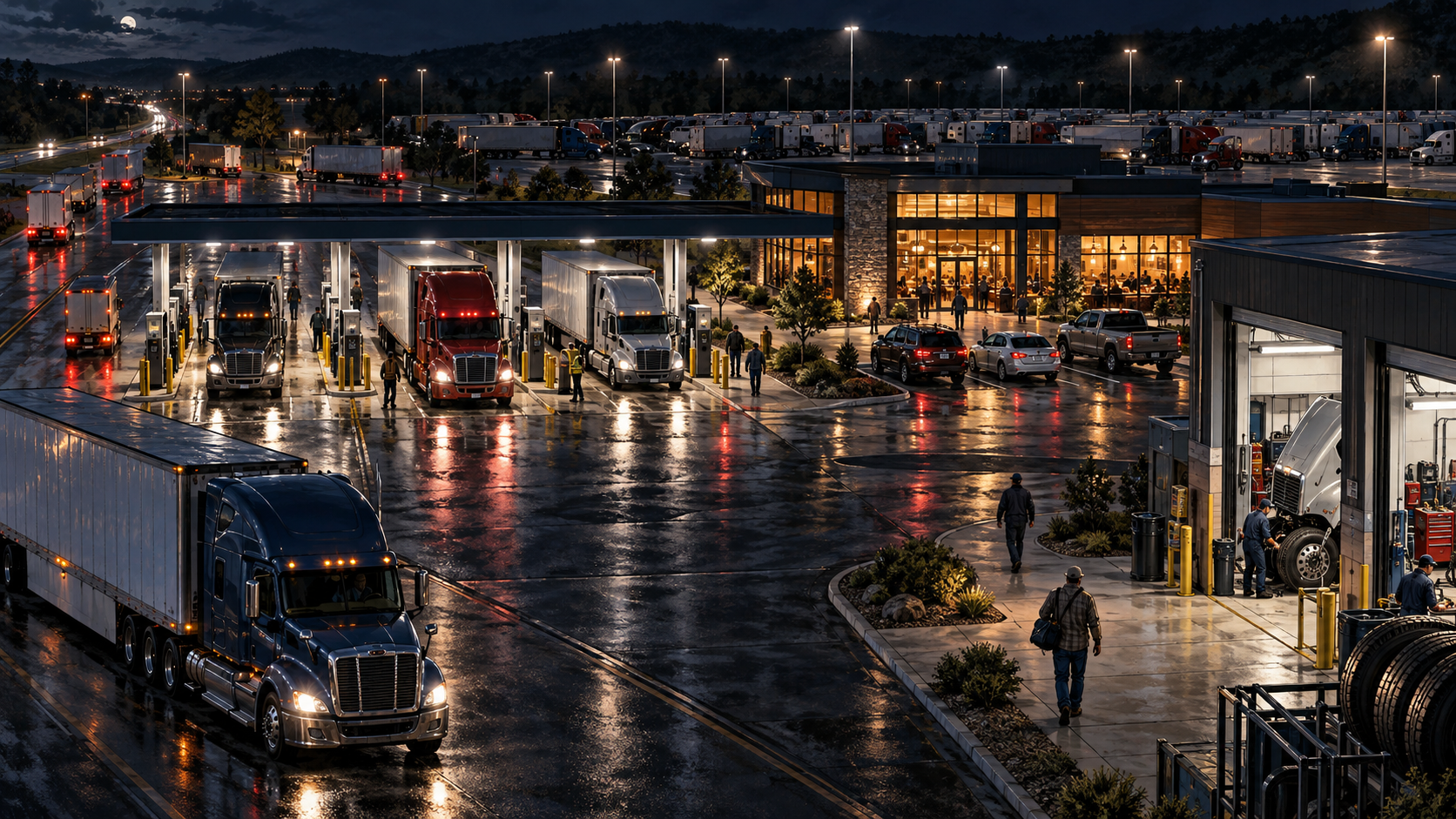
The modern Love’s proposition is a system of services. Professional drivers care about fuel, safe access, parking, clean facilities, food, maintenance, and predictable availability. Fleets care about network coverage, payment controls, downtime, and pricing. A national operator can connect those needs in ways an independent station cannot.
The company expanded through owned locations, food-service partnerships, truck-care operations, and related logistics businesses. Private ownership allowed the family to reinvest over long periods, but it also concentrated responsibility. A chain that promises consistency must maintain it across thousands of shifts and millions of customer interactions.
Judy served as corporate secretary and later as chair of the Love Family Fund, while family members entered leadership roles. Her public profile emphasized community institutions, education, health care, and Oklahoma causes. Philanthropy did not create the operating engine, but it reinforced the family’s local identity even as the company became national.
The network benefited from structural demand: interstate travel and trucking do not disappear because one retail category loses fashion. Yet stability is not the same as immunity. Electric vehicles, fuel efficiency, driver shortages, automation, and changing food expectations all pressure the format. Large sites must evolve without losing the speed and reliability that made them useful.
The quiet founder’s enduring business lesson

Judy Love died in 2024, six decades after the Watonga lease. The company she helped build had become one of the most recognizable privately held highway businesses in the United States. Public estimates of family wealth attract attention, but they are less instructive than the operating architecture beneath them.
That architecture joined three ideas. First, control the books in a business where sales volume can disguise weak economics. Second, increase the value of a recurring trip by solving adjacent customer needs. Third, reinvest through a private structure that can tolerate long construction and payback cycles.
There are limits to the founder mythology. Love’s growth rode the interstate era and decades of expanding road freight. A new entrant cannot recreate those conditions simply by copying a convenience store. National coverage requires expensive land, environmental compliance, fuel infrastructure, labor, and trust from fleet customers.
Judy’s story matters because it corrects the image of empire building as a series of dramatic deals made by one charismatic chief executive. The durable counterpart to expansion was accounting, administration, culture, and continuity. The company needed someone willing to make growth legible before it could make growth repeatable.
The final judgment is that Judy Love was not a supporting character in someone else’s roadside success. She was the financial and institutional co-founder of a system that learned to earn more from each stop while serving drivers more completely. Love’s became an empire at the pump, but its earliest competitive advantage may have been the disciplined ledger behind the counter.