Richard Liu: The Logistics Machine That Turned JD.com Into a Chinese Commerce Powerhouse
Richard Liu transformed an electronics counter into JD.com by betting that control of inventory and delivery could create trust at nationwide scale.
View all stories about this mogul
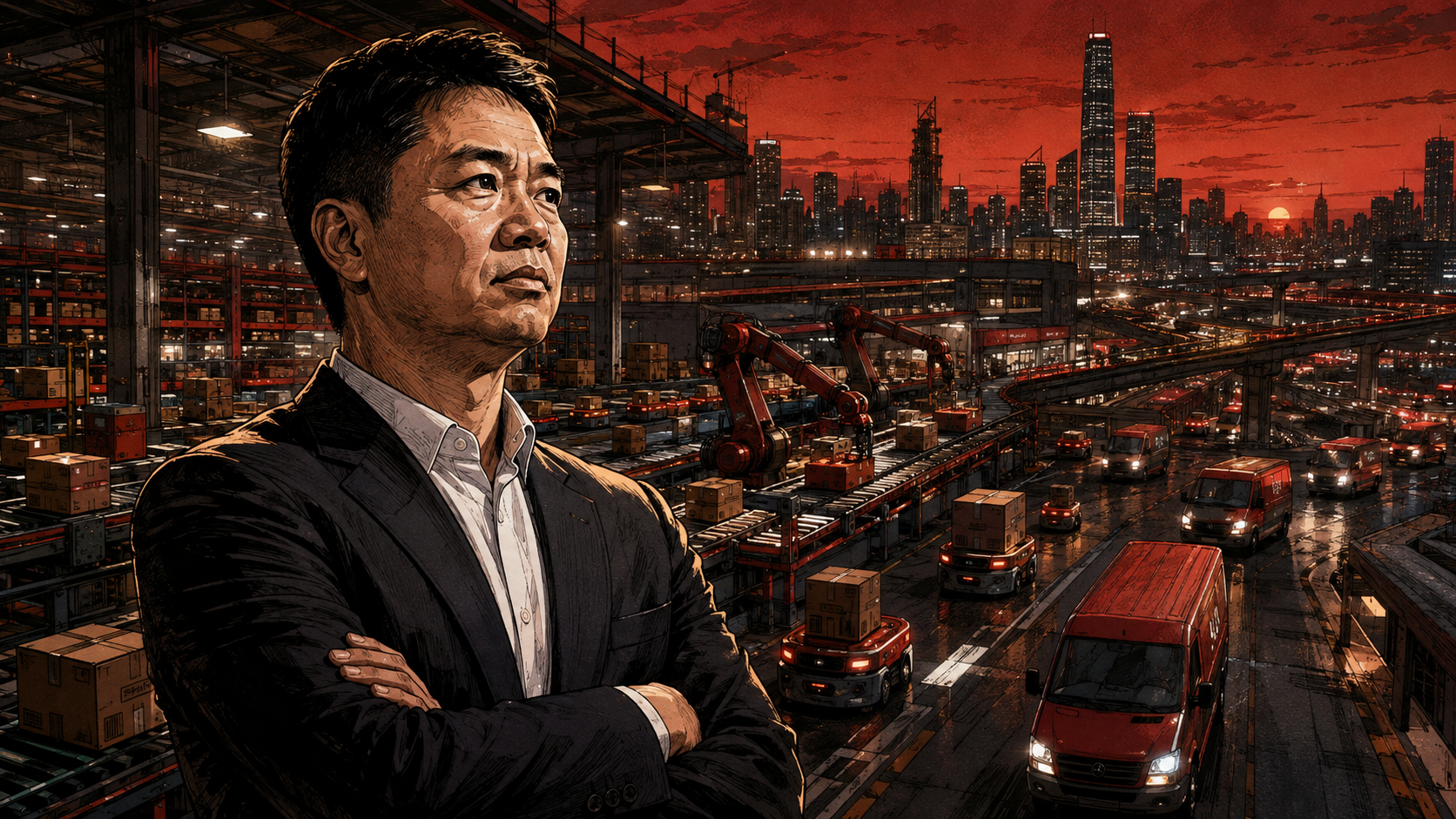
Richard Liu did not build JD.com by making the internet feel lighter. He made e-commerce physically heavier—warehouses, inventory, couriers, aircraft, robots, and delivery stations—because he believed Chinese consumers would reward a retailer that controlled what arrived at the door.
That choice separated JD from marketplace-first competitors. A marketplace can scale selection with limited inventory risk. JD initially behaved more like a technology-enabled retailer: buy products, verify them, store them, and deliver them through a network the company could measure.
The strategy consumed capital and reduced flexibility. It also attacked two constraints in early Chinese e-commerce: counterfeit risk and unreliable fulfillment.
How did a tiny electronics counter become a trust business?
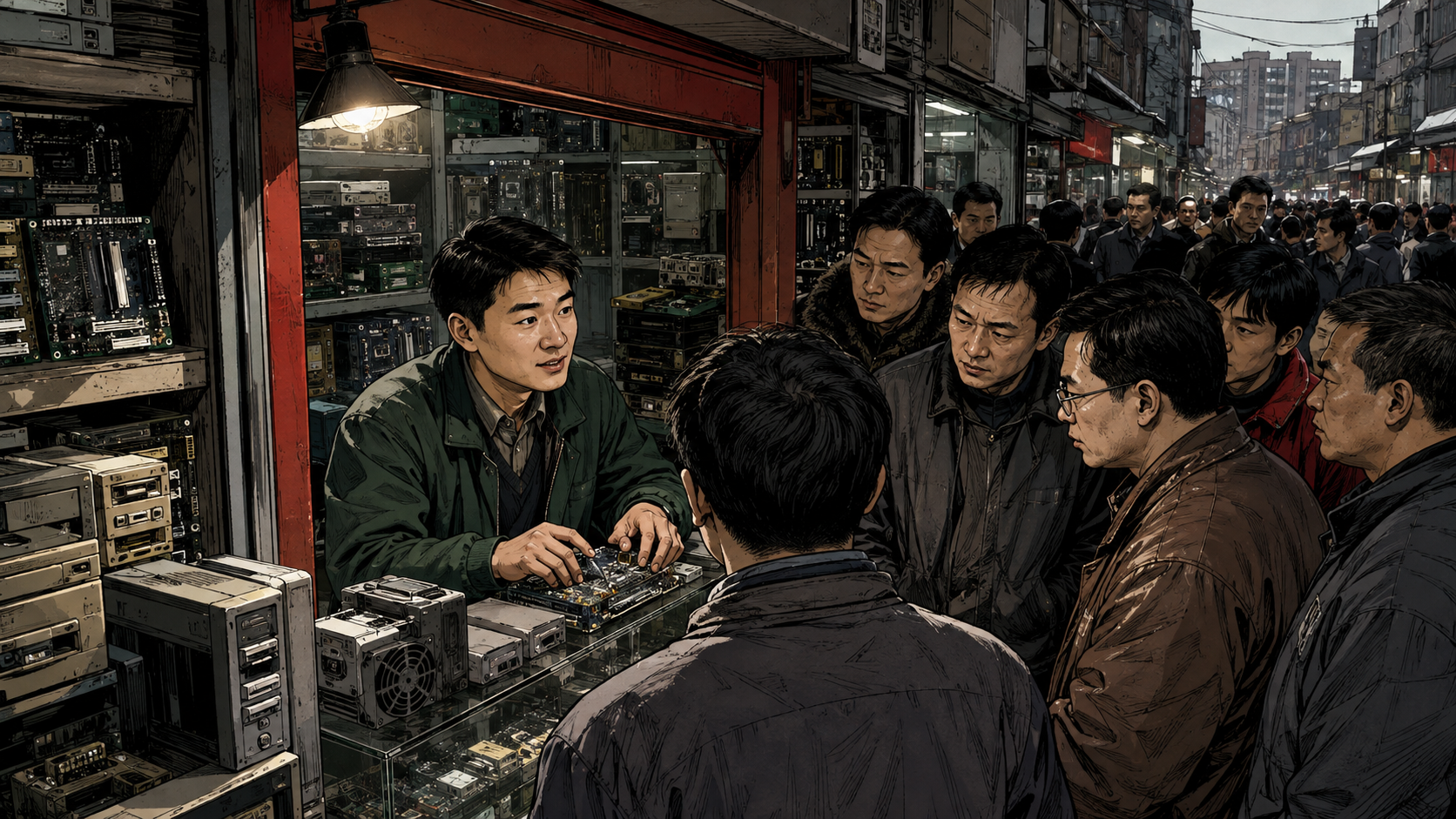
Liu Qiangdong, widely known in English as Richard Liu, grew up in Jiangsu province and studied sociology at Renmin University in Beijing. In 1998 he opened a counter in Zhongguancun, Beijing’s electronics district, selling optical and magneto-optical products.
The district was crowded, price-sensitive, and notorious for uneven product quality. Liu differentiated the business with fixed prices and an emphasis on authentic goods. That sounds ordinary now; in a market where customers expected bargaining and worried about fakes, it was a positioning decision.
Retail taught Liu that trust is operational. A promise of authenticity depends on procurement. A fair price depends on inventory turns and supplier terms. Service depends on employees and after-sales systems. Branding cannot compensate indefinitely for a box containing the wrong product.
The company expanded into a chain of stores. Physical scale, however, increased exposure to rent, local demand, and the need to hold inventory across locations. The model might have remained a regional electronics retailer if a public-health crisis had not forced a different channel.
Why did SARS turn a shutdown into an online pivot?
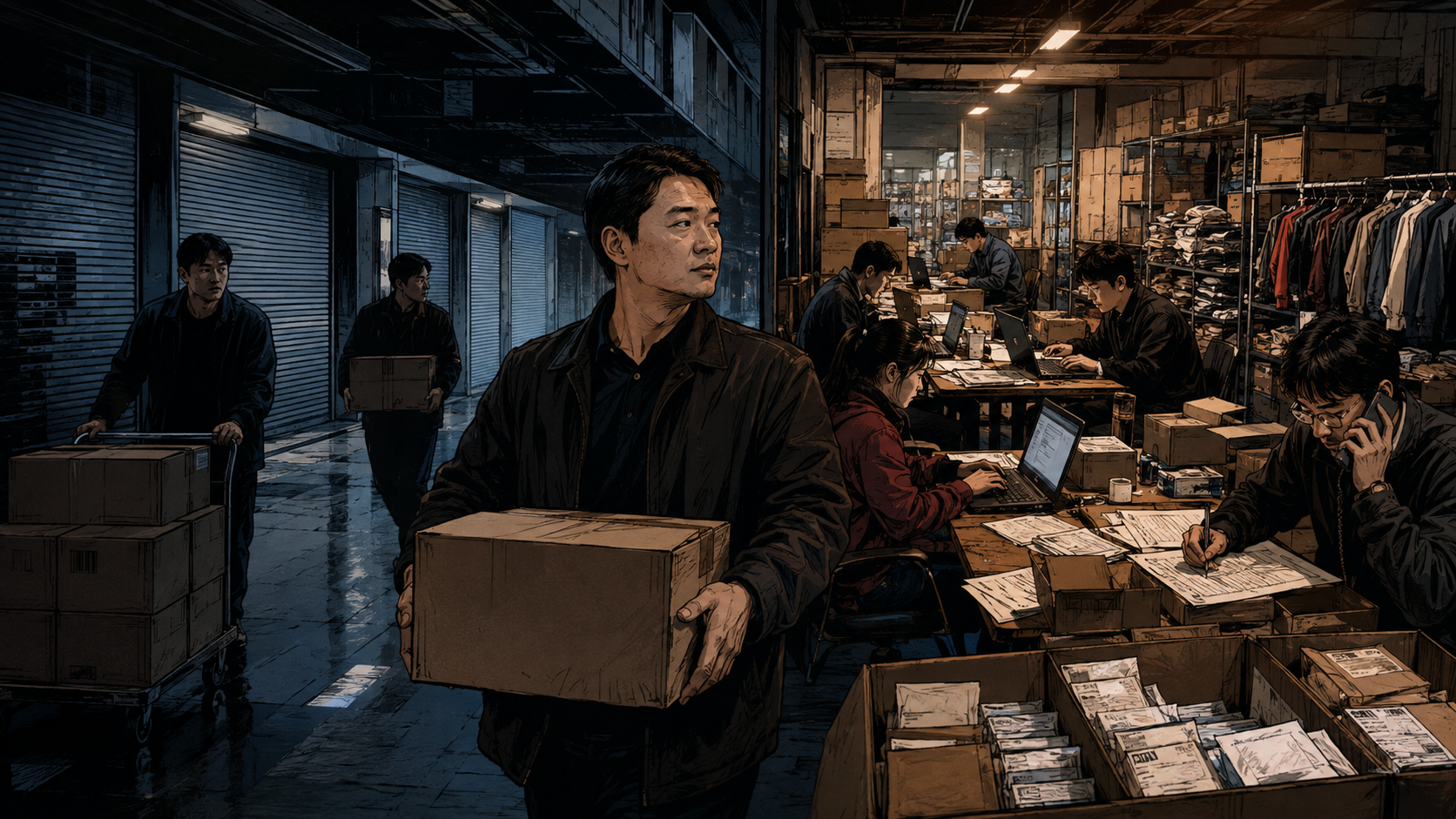
During the 2003 SARS outbreak, foot traffic collapsed and Liu temporarily closed stores to protect staff. The team began looking for customers on online bulletin boards and communicating orders digitally. In 2004, the business committed to e-commerce and eventually shut its physical locations.
Crisis stories can make pivots look instantaneous. The durable shift required much more than posting products online. The company needed a catalog, order system, payments, customer support, inventory visibility, and delivery partners. It also needed consumers to trust an unfamiliar website enough to pay for electronics.
The original retail discipline became useful. JD could present itself as a direct seller responsible for product authenticity, not merely a noticeboard connecting unknown merchants and buyers. The tradeoff was balance-sheet intensity. The company carried inventory and absorbed errors that a pure marketplace could push onto sellers.
China’s rapidly expanding internet population and urban consumer class created the tailwind. Electronics were a strong entry category because specifications were searchable, prices were comparable, and authenticity mattered. Once customers trusted JD with a laptop or phone, the company could expand into appliances and general merchandise.
The online pivot was therefore not an abandonment of the store’s promise. It was a new distribution system for the same promise.
Why did Liu build logistics when outsourcing looked cheaper?
Third-party delivery in the mid-2000s could be slow and inconsistent. For a retailer promising authentic products and service, the last mile was a dangerous point of failure. Customers blamed the site when a package arrived late or damaged regardless of which contractor held it.
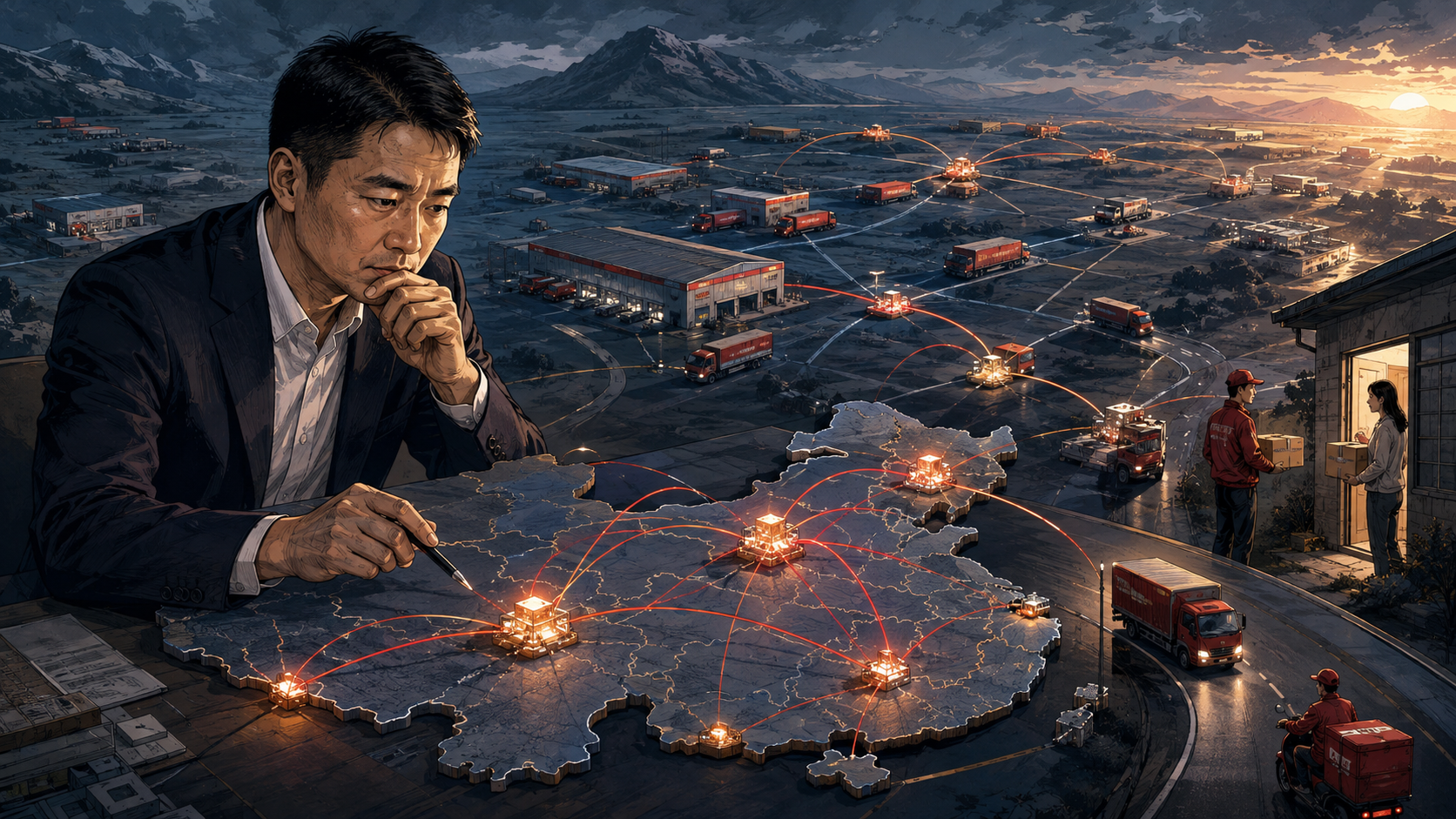
JD began building its own logistics network in 2007. The decision required warehouses near demand, routing systems, delivery stations, couriers, and continuous capital expenditure. Every new city created fixed costs before order density caught up.
The advantage emerged when the network became dense. More orders justified more facilities and routes. More facilities shortened delivery times. Better delivery increased conversion and repeat purchasing, which created still more density. The cost center could become a flywheel.
Control also generated data. JD could see when inventory arrived, how long it sat, which route failed, and when the customer received the package. That visibility improved forecasting and enabled service promises competitors relying on fragmented carriers struggled to match.
The model was not universally superior. Marketplace platforms could offer far more products without buying them. Their capital could flow into software, marketing, and seller acquisition. JD’s warehouses and labor created depreciation, leases, and operational risk.
Liu was making a strategic choice about where value would concentrate. If Chinese e-commerce competition was mainly about listings and price, the heavy network would be a burden. If trust and speed determined loyalty, it would be a moat.
What is the real lesson—and where can the machine break?
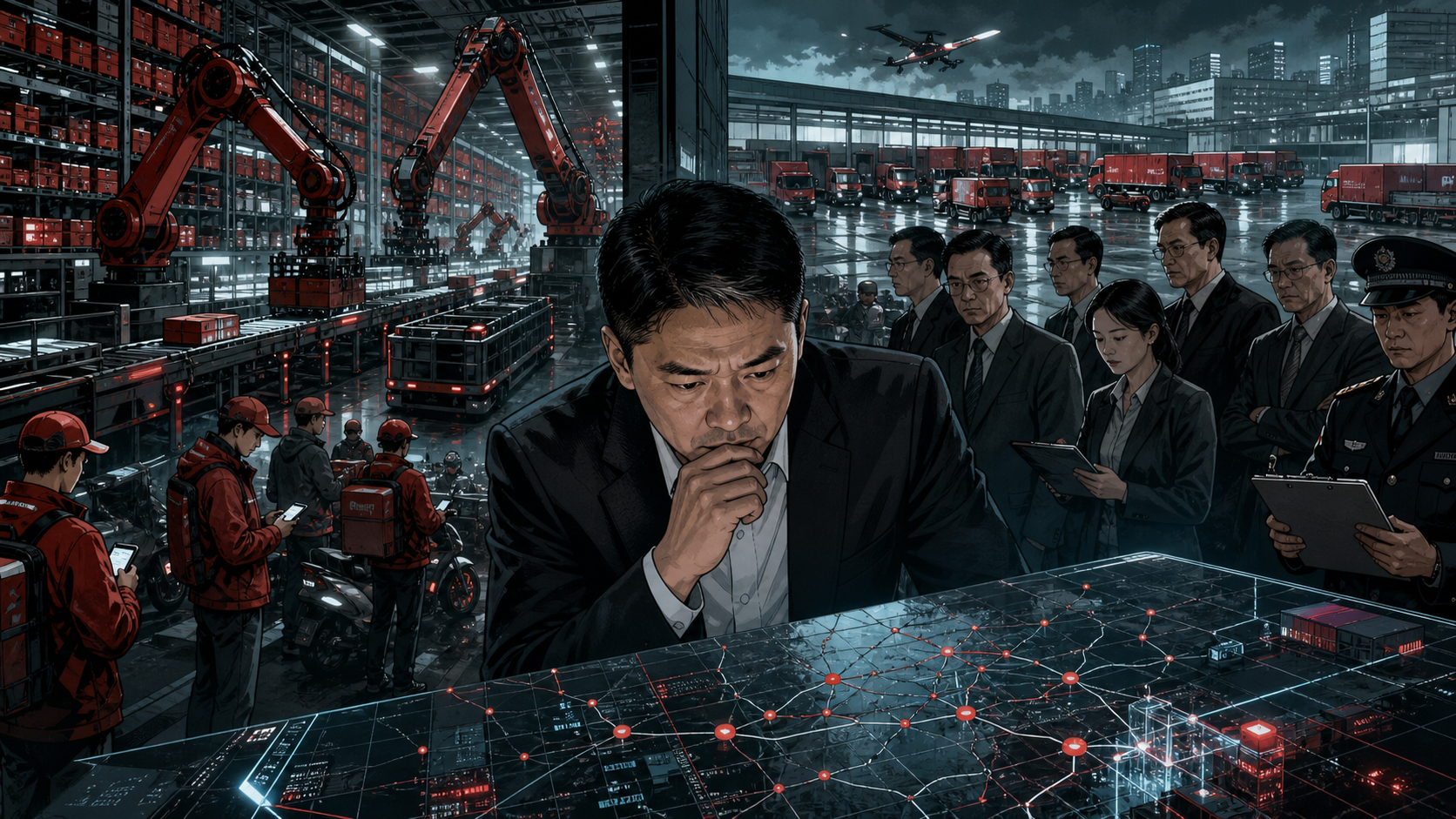
JD listed on Nasdaq in 2014, gaining capital for continued expansion. The company later opened logistics capabilities to outside clients and separated JD Logistics, which listed in Hong Kong in 2021. That move tested whether infrastructure built for one retailer could become a platform serving many businesses.
External customers can improve asset utilization and diversify revenue. They also create conflicts and complexity. A merchant may hesitate to give sensitive logistics data to a network controlled by a major retailer. Service levels must be consistent even when JD’s own shopping events strain capacity.
Automation changes the cost curve but does not eliminate physical reality. Robots can move shelves and sort parcels; couriers still navigate buildings, weather, traffic, and customer schedules. Labor conditions, fuel, property, regulation, and capital costs remain strategic variables.
Founder risk also matters. Liu’s personal prominence helped define JD, while legal and reputational controversies created uncertainty for a company closely associated with one leader. Professional governance must be able to preserve operating discipline without depending on the founder’s daily authority.
Competition continues from Alibaba, Pinduoduo, short-video commerce, brand-owned channels, and local delivery platforms. Consumer priorities can shift from guaranteed speed toward lower price. A premium network must prove that its service creates enough loyalty and third-party demand to cover its cost.
The Real Lesson: vertical integration is not a virtue by itself. It works when control solves a customer problem important enough to pay for the assets. Richard Liu turned authenticity and delivery reliability into physical systems. JD’s empire was built on the belief that the last mile is not after-sales plumbing; it is the product.
💡 Key Insights
- ▸ Owning inventory and delivery can turn operational cost into a trust advantage.
- ▸ A crisis-driven channel pivot becomes durable only when the new economics outperform the old model.
- ▸ Logistics density compounds: more orders improve routes, which improve service, which attracts more orders.
- ▸ Infrastructure moats remain vulnerable when labor, regulation, and capital costs change.