Klaus-Michael Kühne: The Logistics Fortune Built Across Sea, Air, and Land
Klaus-Michael Kühne expanded a family freight forwarder into a global logistics force and invested its wealth across transport networks.
View all stories about this mogul
Klaus-Michael Kühne inherited a name associated with freight forwarding, not a finished empire. He spent decades turning that heritage into a global logistics network—and then used the resulting fortune to take positions across shipping, aviation, and transport infrastructure.
Kuehne+Nagel does not need to own every vessel, aircraft, or truck it uses. Its strength lies in coordinating them: buying capacity, designing routes, handling customs, managing warehouses, and giving customers visibility across complicated supply chains.
That model made Kühne one of the defining figures in modern logistics. It also tied his fortune to the rhythms of global trade, where a blocked canal, pandemic, war, or inventory correction can reorder the market overnight.
How did Klaus-Michael Kühne globalize a family forwarder?
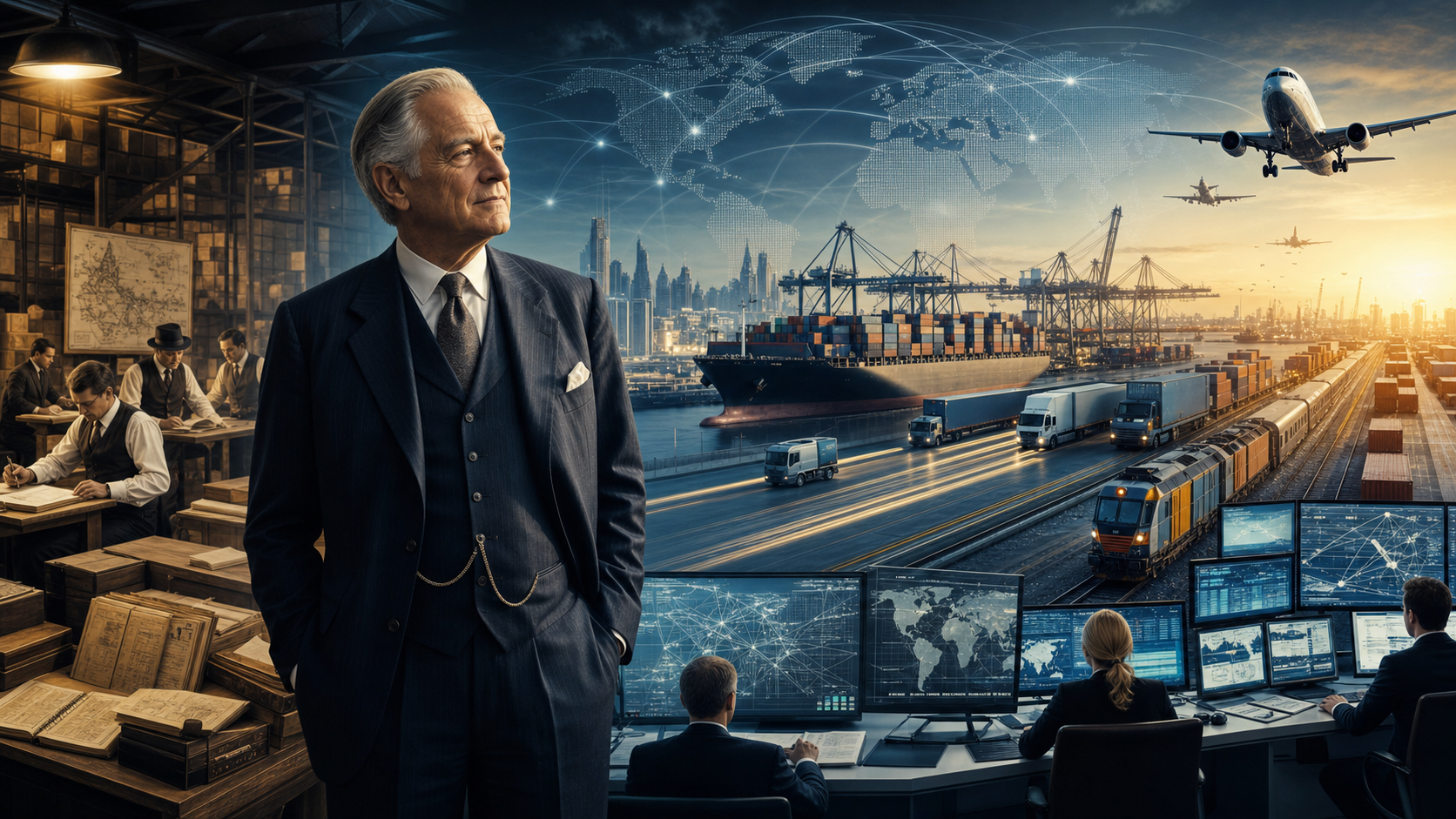
Kuehne+Nagel was founded in Bremen in 1890 by August Kühne and Friedrich Nagel. Klaus-Michael Kühne joined the family business in 1958 and later became its leader. He inherited experience and reputation, but the logistics world was entering a structural transformation.
Containerization standardized cargo movement, lowering costs and connecting ports, railways, and trucks into scalable networks. Manufacturing spread across borders, while customers needed partners capable of coordinating increasingly long supply chains.
Kühne pushed international expansion. The company developed operations across Europe and beyond, building expertise in sea freight and air freight while adding contract logistics and road services. Moving headquarters to Switzerland placed the group in a stable international business center.
Globalization required local execution. Customs rules, port practices, infrastructure, and customer needs differ by country. Kuehne+Nagel’s value came from making those fragmented systems feel like one service to a multinational client.
Why can an asset-light logistics model be so powerful?
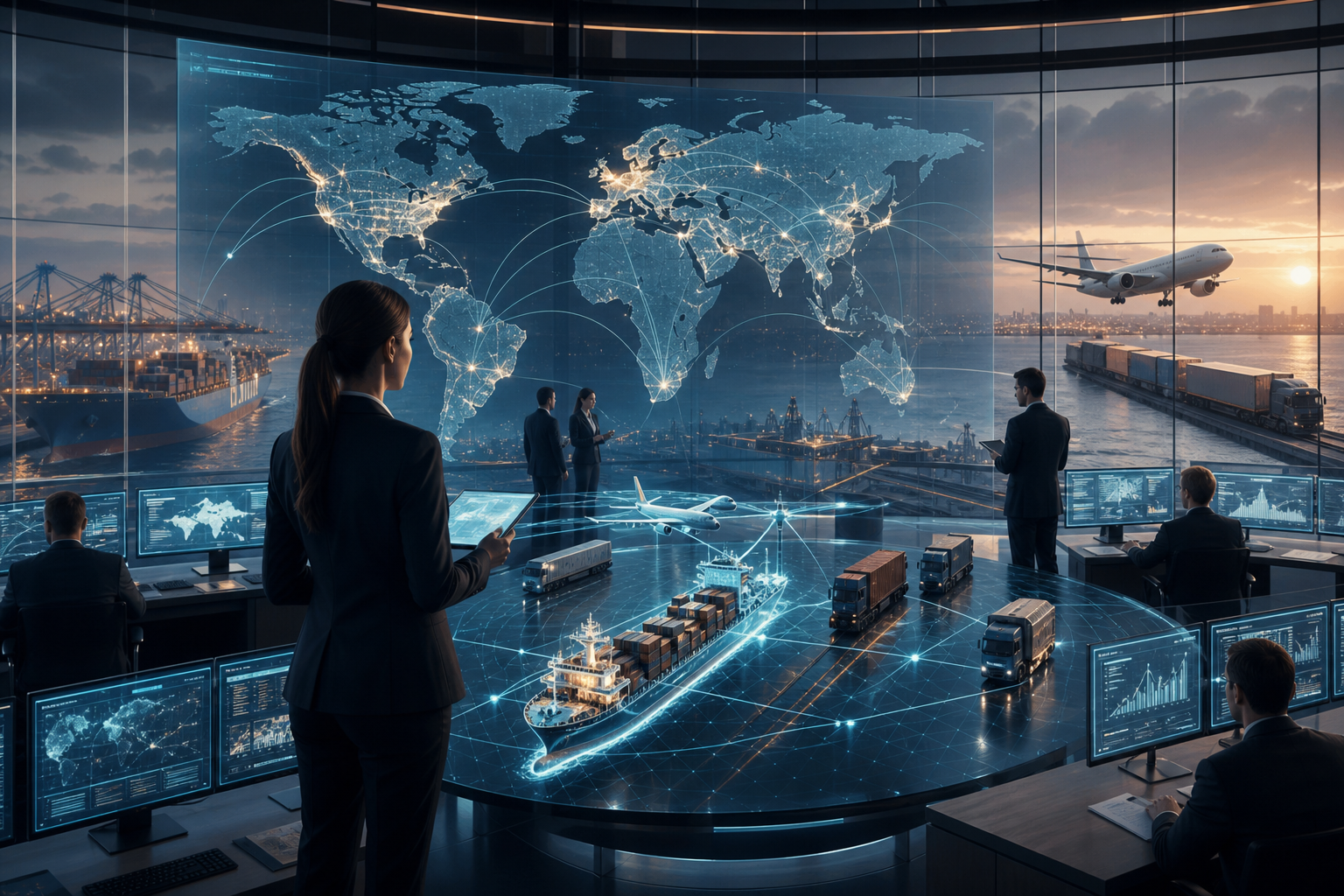
A freight forwarder usually purchases transport capacity from carriers and resells coordinated solutions to shippers. It earns through expertise, scale, service, and the spread between capacity costs and customer pricing.
The model can require less capital than owning fleets. Instead of betting the company on a specific generation of ships or aircraft, a forwarder can select among carriers and routes. Purchasing volume improves access and negotiating power, while a wide customer base produces valuable demand information.
Technology magnifies those advantages. Tracking, booking, customs data, demand forecasts, and emissions reporting turn physical movement into an information business. Customers increasingly want resilience and visibility, not merely the cheapest rate between two points.
Asset-light does not mean risk-free. When freight rates change quickly, purchased capacity can become expensive or scarce. Service failures by carriers still damage the forwarder’s relationship with the customer. Digital competitors and carrier-owned forwarding units also pressure margins.
How did Kühne extend his reach across transport?
Kühne’s influence extends beyond his controlling interest in Kuehne+Nagel. Through his holding activities, he became a major investor in transport companies, including shipping and aviation businesses. These positions gave him exposure to the asset-owning side of the same trade networks his forwarding company navigates.
The strategy offers a kind of ecosystem view. Forwarders understand cargo demand; carriers control capacity; terminals and warehouses shape physical flow. Value shifts among them depending on congestion, fuel prices, capacity, and bargaining power.
But cross-industry ownership creates concentration. Shipping and aviation are cyclical, capital-intensive, and exposed to regulation and geopolitics. A freight forwarder may benefit from volatility through higher spreads in one period while carriers struggle—or the relationship may reverse when excess capacity compresses rates.
Kühne has also channeled wealth through the Kühne Foundation, supporting logistics education, research, medicine, and cultural activities. The foundation reflects a belief that logistics is not only an operating industry but a field of management knowledge.
What could disrupt the Kühne logistics empire?
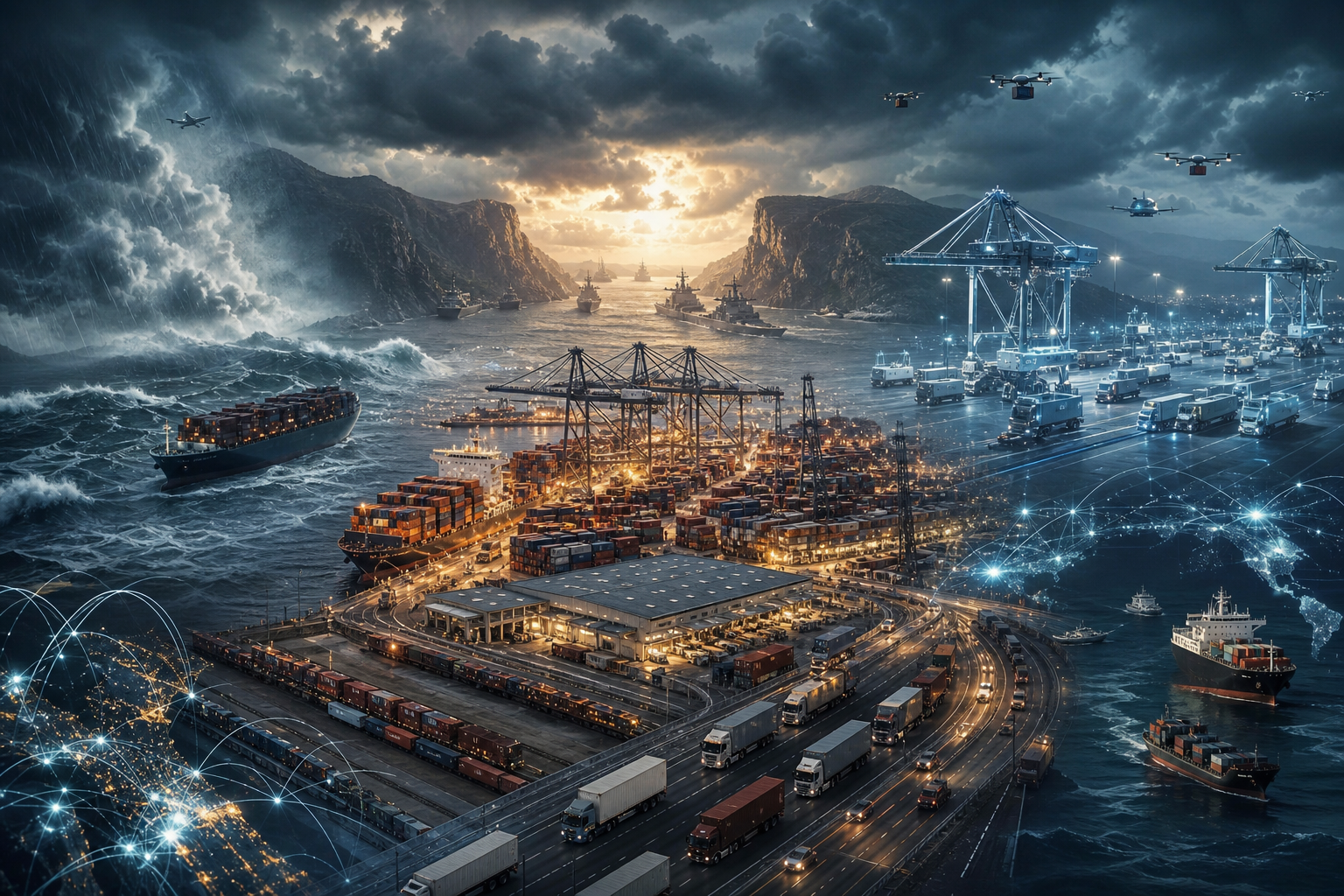
Global trade no longer follows the uncomplicated expansion story of the 1990s. Companies are diversifying suppliers, moving some production closer to customers, and carrying more inventory for resilience. Trade restrictions and security concerns can redirect flows faster than infrastructure adapts.
Climate policy adds another challenge. Transport produces significant emissions, and customers increasingly demand measurement and reduction. Sustainable aviation fuel, alternative marine fuels, electric road fleets, and more efficient routing require coordination and investment.
Automation and digital marketplaces could make parts of forwarding more transparent and commoditized. Yet complexity protects experienced operators. A simple shipment can be booked online; a disrupted multinational supply chain still requires judgment, relationships, and rapid alternatives.
Succession is the final structural question for any family-controlled empire. Institutions, governance, and professional management must preserve the advantages of long-term ownership without depending on one individual’s instincts.
Frequently asked questions
What does Kuehne+Nagel do?
It coordinates sea, air, road, and contract logistics services for customers around the world.
Does Kuehne+Nagel own all the ships and aircraft it uses?
No. Its forwarding model primarily buys capacity from carriers and manages transport solutions.
When did Klaus-Michael Kühne join the company?
He joined the family business in 1958.
Kühne’s empire illustrates an overlooked truth: the company that coordinates assets can become as powerful as the companies that own them. In a world built on movement, information about the network—and the trust to reroute it—can be the most valuable cargo of all.
💡 Key Insights
- ▸ Kühne transformed a forwarding heritage into a global, asset-light logistics network.
- ▸ Information, relationships, and purchasing scale can be more valuable than owning every ship or aircraft.
- ▸ Investments in carriers extended Kühne's exposure across the transport chain while increasing cyclicality.
- ▸ Logistics wealth depends on resilience because trade shocks quickly reshape routes, prices, and capacity.