Lakshmi Mittal: The Global Roll-Up That Forged a Steel Empire
Lakshmi Mittal turned overlooked mills and cross-border acquisitions into ArcelorMittal, then learned how brutal scale becomes when steel demand breaks.
View all stories about this mogul
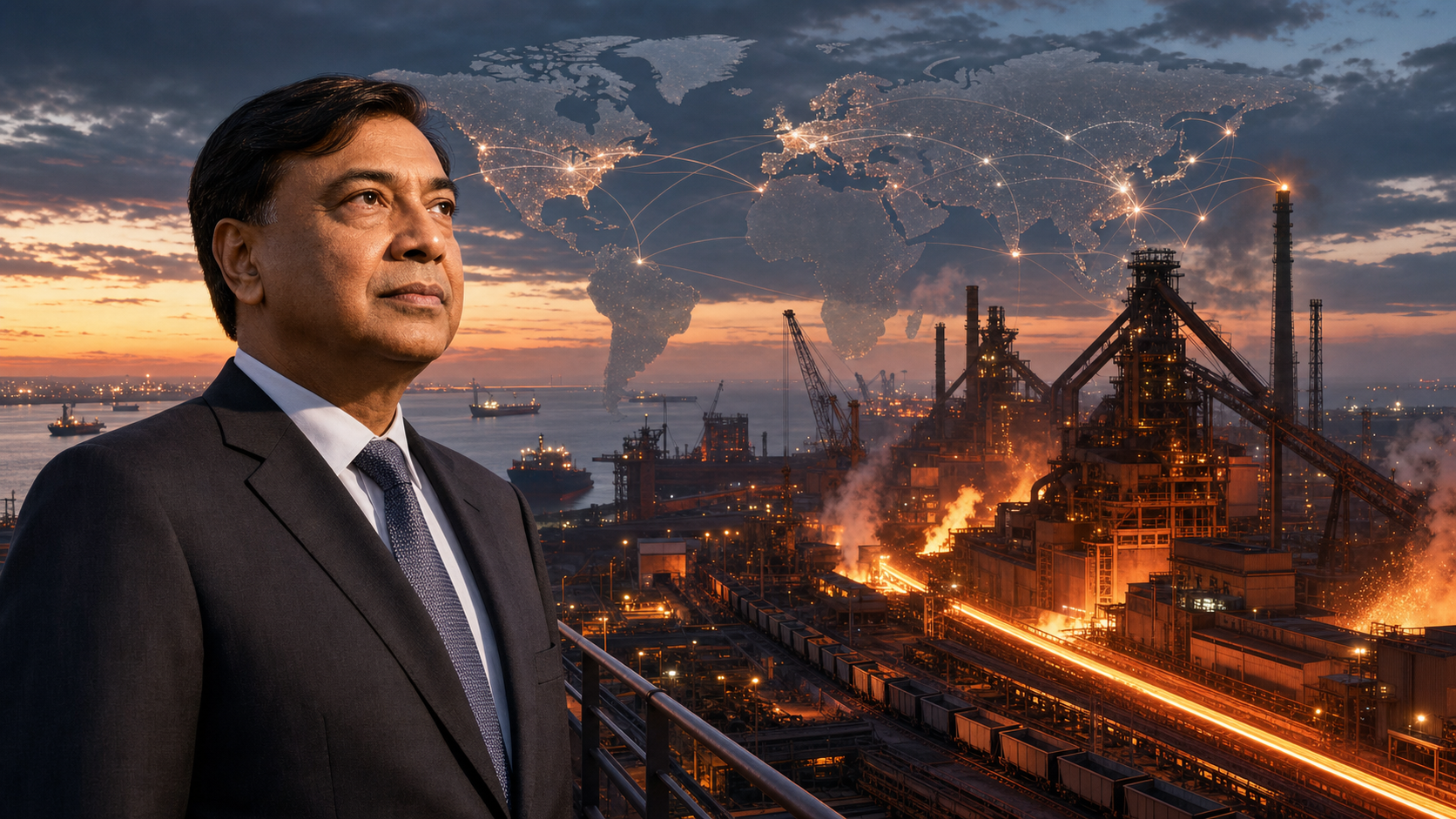
Lakshmi Mittal did not invent steel. He recognized that a fragmented, politically entangled industry could be assembled into a global machine—one unwanted mill at a time.
From a family business in India, Mittal built across Indonesia, Trinidad, Mexico, Kazakhstan, Europe, and North America. His companies bought plants that governments or rivals struggled to operate, cut costs, improved output, and connected them to a broader purchasing and sales network. The climax came in 2006, when Mittal Steel captured Arcelor after one of Europe’s fiercest hostile takeover battles.
The resulting ArcelorMittal became the world’s defining steel group. It also exposed the weakness inside the roll-up: scale multiplies cash flow in a boom and multiplies debt, political pressure, and idle capacity in a crash.
How did Lakshmi Mittal turn unwanted steel mills into a global strategy?
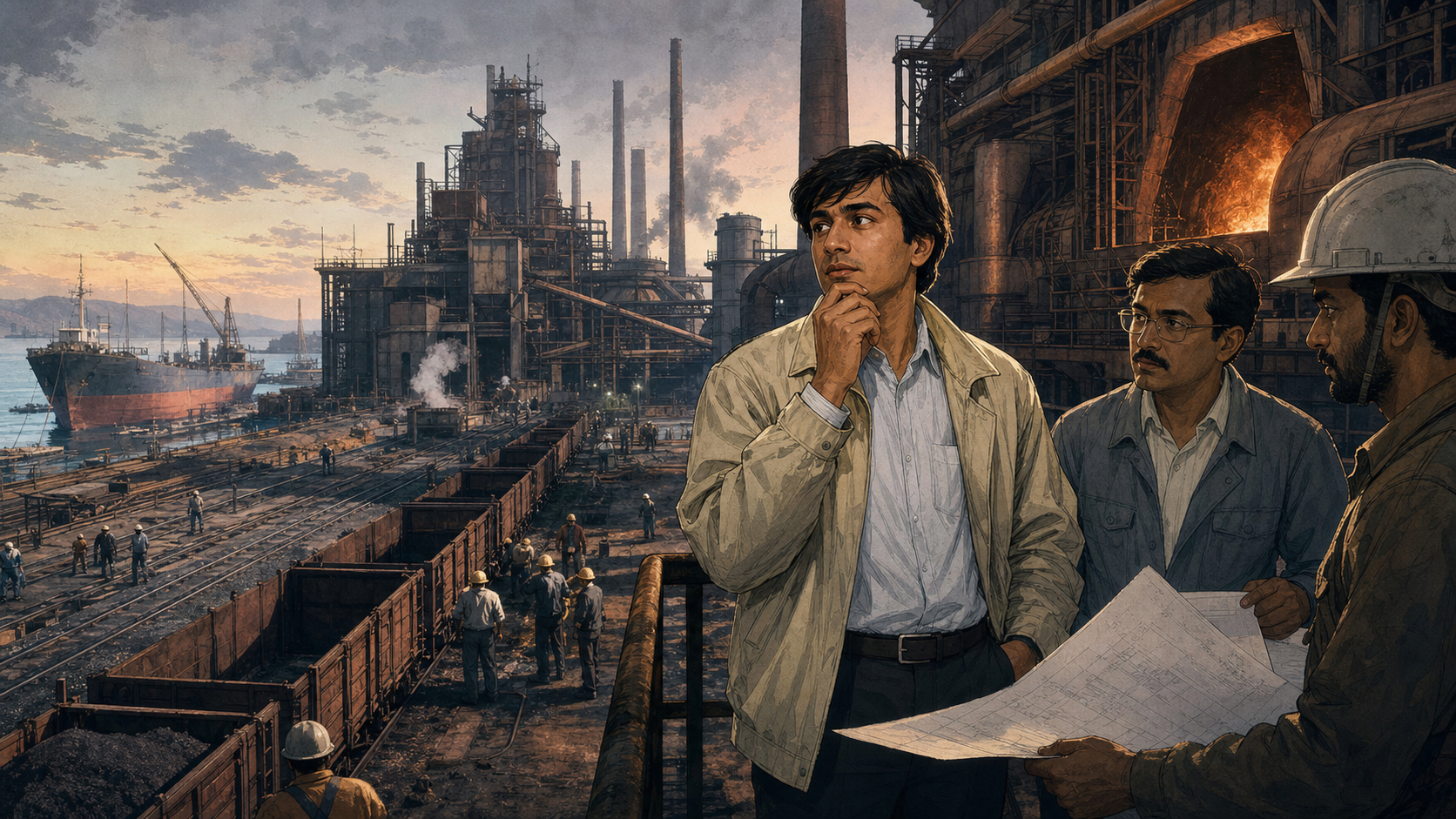
Mittal was born in Rajasthan in 1950 and grew up around the family’s steel interests. In 1976 he helped establish a plant in Indonesia. Rather than compete only through greenfield construction in India, he moved toward assets that were available because someone else had failed to make them work.
The pattern became visible in Trinidad and Tobago, where a state-owned mill had struggled. Mittal’s organization leased and later acquired operations, improved utilization, and treated the plant as part of an international network rather than an isolated national project. Similar logic shaped later deals in Mexico and Kazakhstan.
This was operational arbitrage. A distressed mill might be cheap because of poor management, weak procurement, underinvestment, labor conflict, or a government owner’s limited capital. Mittal could centralize purchasing, transfer technical practices, connect production to customers in other markets, and impose harder performance targets.
The playbook was not gentle. Steel restructuring affects entire towns, unions, suppliers, and national policy. Cost reduction created value for the buyer while producing social and political conflict. Mittal’s skill was operating inside that conflict without allowing every asset to remain a protected local exception.
| Year | Turning point | Why it mattered |
|---|---|---|
| 1976 | Steel operations established in Indonesia | The international expansion began early |
| 1989 | Trinidad operations entered the group | Distressed state assets became a repeatable model |
| 1990s | Expansion through Mexico and Kazakhstan | Mittal gained scale across different cost bases |
| 2004 | Ispat International and LNM combined with International Steel Group | Mittal Steel became a top global consolidator |
| 2006 | Arcelor takeover completed | The challenger captured Europe’s flagship producer |
| 2008 | Global financial crisis hit steel demand | The debt-heavy empire faced its first major stress test |
Why did the hostile takeover of Arcelor change industrial Europe?
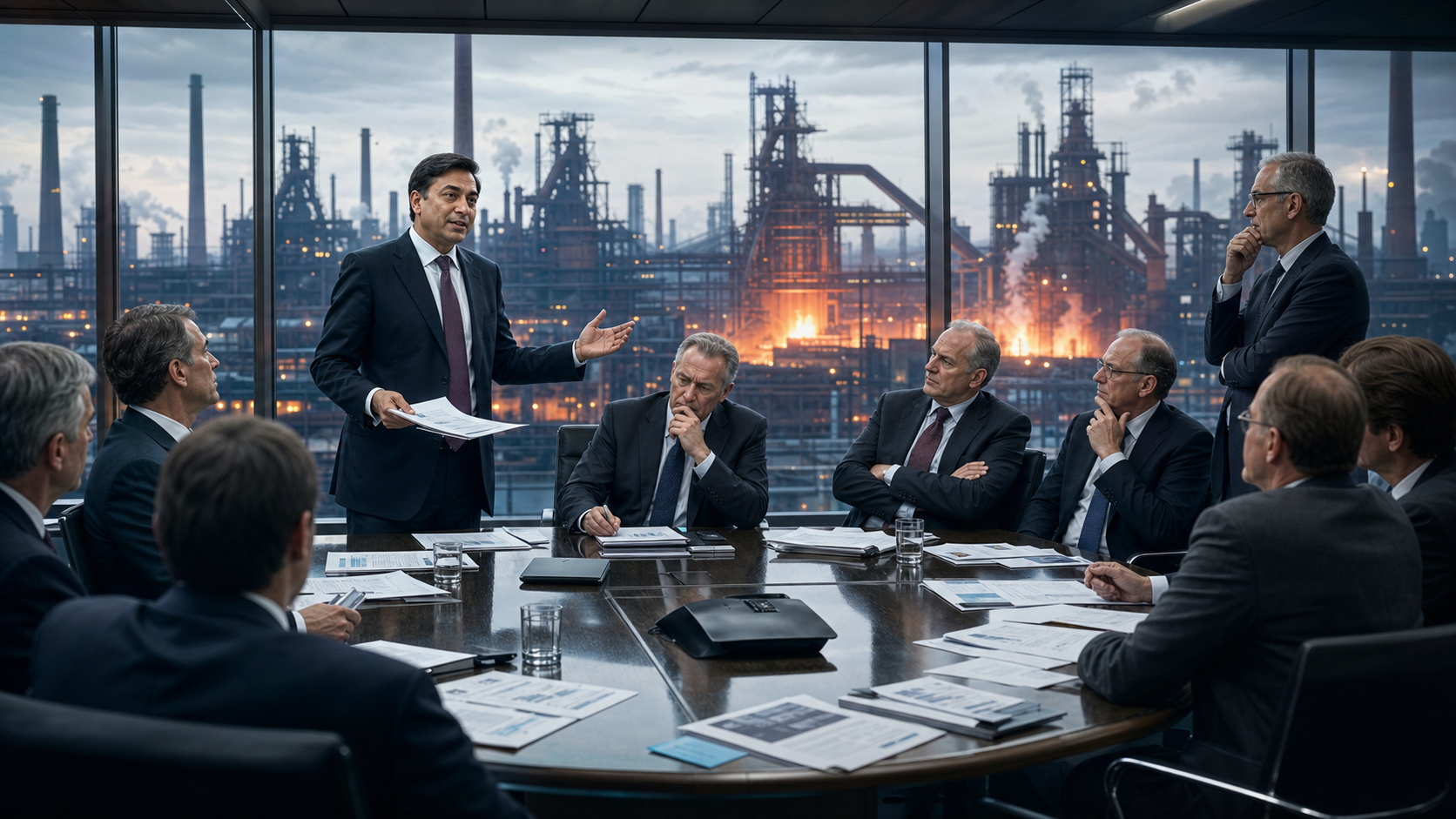
Arcelor had been formed through the merger of major French, Luxembourg, and Spanish producers. It represented more than factories. It carried national prestige, political relationships, and a European identity. When Mittal Steel launched an unsolicited bid in early 2006, opposition quickly became cultural as well as financial.
Arcelor’s leaders questioned the fit and defended an alternative deal with Russia’s Severstal. Mittal improved his offer, made governance concessions, and appealed directly to shareholders. The argument was simple: a combined company would have broader geographic reach, stronger bargaining power, and an unmatched position in an industry that still lacked consolidation.
Shareholders ultimately forced the outcome. Arcelor accepted the Mittal deal, creating ArcelorMittal. The victory made Mittal a symbol of a changing global economy: capital and industrial capability were no longer assumed to flow only from Western incumbents toward emerging markets.
Yet takeover victory is not integration. The group had to reconcile plants, systems, cultures, political promises, and capital demands across continents. The very complexity that made the merger hard to copy also made the company harder to steer.
What did the steel cycle reveal about Mittal’s empire?
Steel economics can be merciless. Mills require enormous fixed investment. When demand is strong, high utilization spreads those costs across more tonnes and cash flow can surge. When construction and manufacturing slow, prices can fall while furnaces, employees, mines, and debt remain.
The 2008 financial crisis arrived soon after the Arcelor merger. Demand dropped, the company cut production, and debt reduction became urgent. Later years brought Chinese overcapacity, trade disputes, energy shocks, decarbonization costs, and uneven regional demand.
ArcelorMittal responded through asset sales, reduced debt, vertical integration in mining, portfolio changes, and investments in lower-carbon steelmaking. These moves showed the second half of the roll-up playbook: after buying scale, management must decide which assets still deserve capital.
Climate policy intensifies that decision. Conventional steelmaking is carbon-heavy. Electric arc furnaces, direct-reduced iron, renewable electricity, hydrogen, and carbon capture may lower emissions, but each requires infrastructure and patient capital. Global scale provides engineering capacity and financing access; it also leaves the group with a vast legacy footprint to transform.
What is the real lesson of Lakshmi Mittal’s rise?
Mittal’s empire was built by treating geography as a portfolio rather than a boundary. He saw that a mill deemed hopeless inside one political system could become valuable inside a network with different procurement, customers, management, and capital.
That lesson has limits. Consolidation does not repeal commodity cycles. A larger company can negotiate better and shift output, but it cannot make customers buy steel. Debt incurred at the top of a cycle can turn strategic scale into a survival problem.
Frequently asked questions
How did Lakshmi Mittal make his fortune?
He built and consolidated steel businesses, often acquiring underperforming assets and integrating them into what became ArcelorMittal.
What was Mittal’s biggest deal?
The 2006 takeover of Arcelor created ArcelorMittal and remains the defining transaction of his career.
Is Lakshmi Mittal still involved in ArcelorMittal?
He has remained central to the group as executive chairman, while executive responsibilities have also passed to the next generation.
What is ArcelorMittal’s biggest challenge now?
It must earn acceptable returns through volatile steel cycles while financing the shift toward lower-carbon production.
The real lesson is that buying neglected assets can create an empire when the buyer has a repeatable operating system. But the deal is only the first act. In heavy industry, survival depends on what happens when furnaces slow, debt remains, and yesterday’s advantage must be rebuilt for a different energy economy.
💡 Key Insights
- ▸ Mittal's early advantage was operational arbitrage: buying mills others avoided and applying a repeatable turnaround playbook.
- ▸ Cross-border scale improved purchasing and market reach, but it could not eliminate steel's exposure to debt, energy, politics, and cycles.
- ▸ The Arcelor takeover showed that a determined consolidator can beat a larger incumbent by controlling the shareholder narrative.
- ▸ Industrial empires survive through capital discipline after the deal, not merely ambition before it.