Lei Jun: The Steve Jobs of China Who Built Xiaomi Into a $100 Billion Tech Giant
He studied every move Steve Jobs ever made, then built a smartphone company that outsold Apple in China. Xiaomi went from zero to $100 billion in a decade — and now it's making electric cars.
View all stories about this mogul
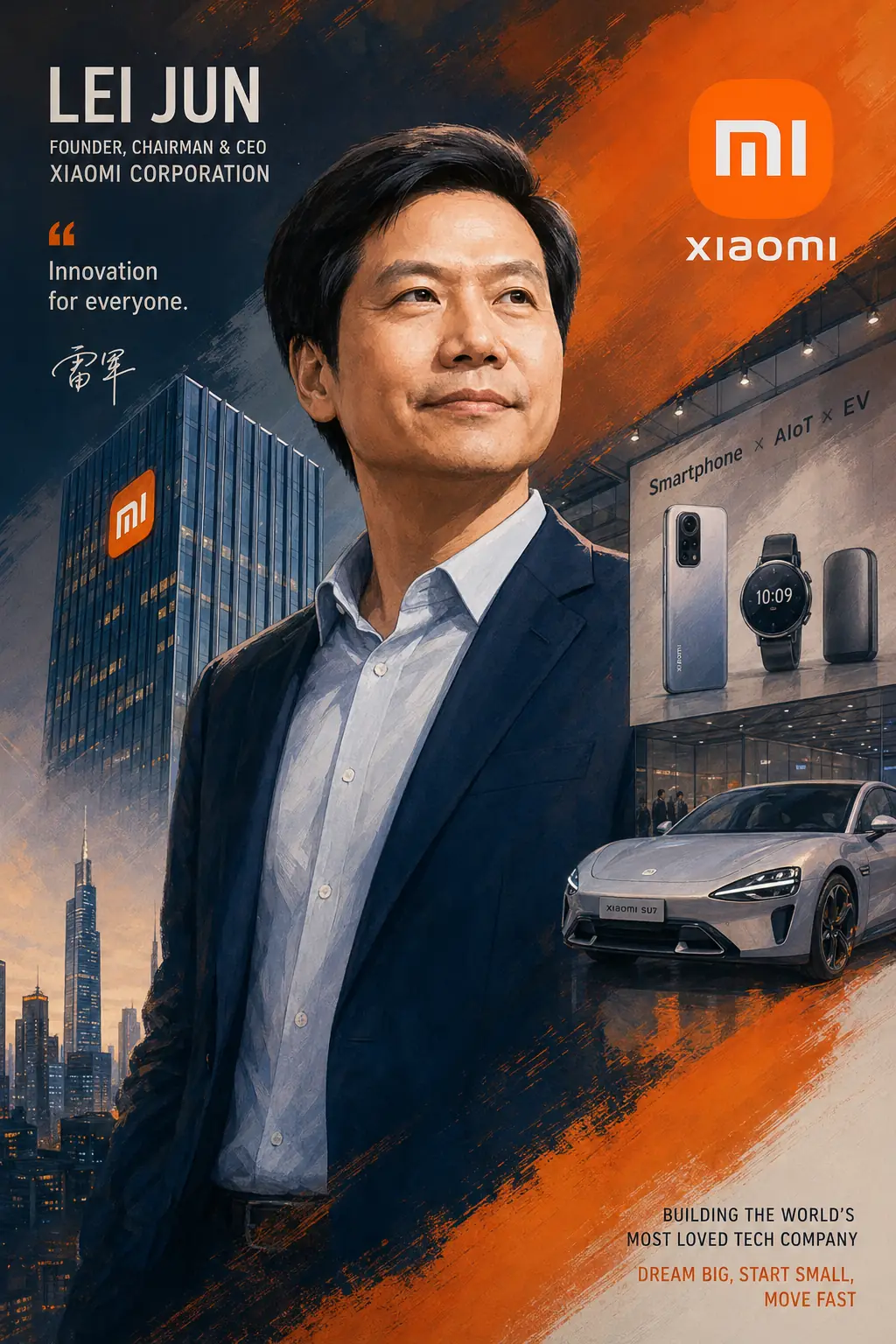
Lei Jun spent twenty years studying Steve Jobs. He read every biography, watched every keynote, analyzed every product decision. Then he built Xiaomi — a company that took Jobs’ design philosophy, combined it with Amazon’s razor-thin-margin business model, and wrapped it in a Chinese internet company’s speed of execution. The result was the world’s fastest-growing smartphone brand, a company that went from founding to $100 billion valuation in just ten years, and a consumer electronics ecosystem that now includes everything from phones to electric cars. Lei Jun didn’t just copy Steve Jobs — he adapted his playbook for the world’s largest market and made it work at a scale Jobs never attempted.
Chapter 1: The Wuhan Bookworm (1969–1991)

Lei Jun was born on December 16, 1969, in Xiantao, a small city in Hubei province, China. His father was a teacher. His childhood was unremarkable by the standards of post-Cultural Revolution China — modest, disciplined, and education-focused. What set young Lei Jun apart was an almost compulsive reading habit and a specific book that changed his life.
At eighteen, Lei Jun read Fire in the Valley, a history of Silicon Valley and the personal computer revolution. The book, which detailed the stories of Steve Jobs, Bill Gates, and other tech pioneers, electrified him. He later said it was the moment he decided he would spend his life building technology companies. The book didn’t just inspire him — it gave him a template for what a technology career could look like.
Lei Jun enrolled at Wuhan University, one of China’s top institutions, and studied computer science. He was an exceptional student who completed his four-year degree requirements in two years. He used the remaining time to write software and start small businesses. By the time he graduated, he had already developed a reputation as one of the most talented young technologists in Wuhan.
Chapter 2: Kingsoft — The Twenty-Year Apprenticeship (1992–2007)
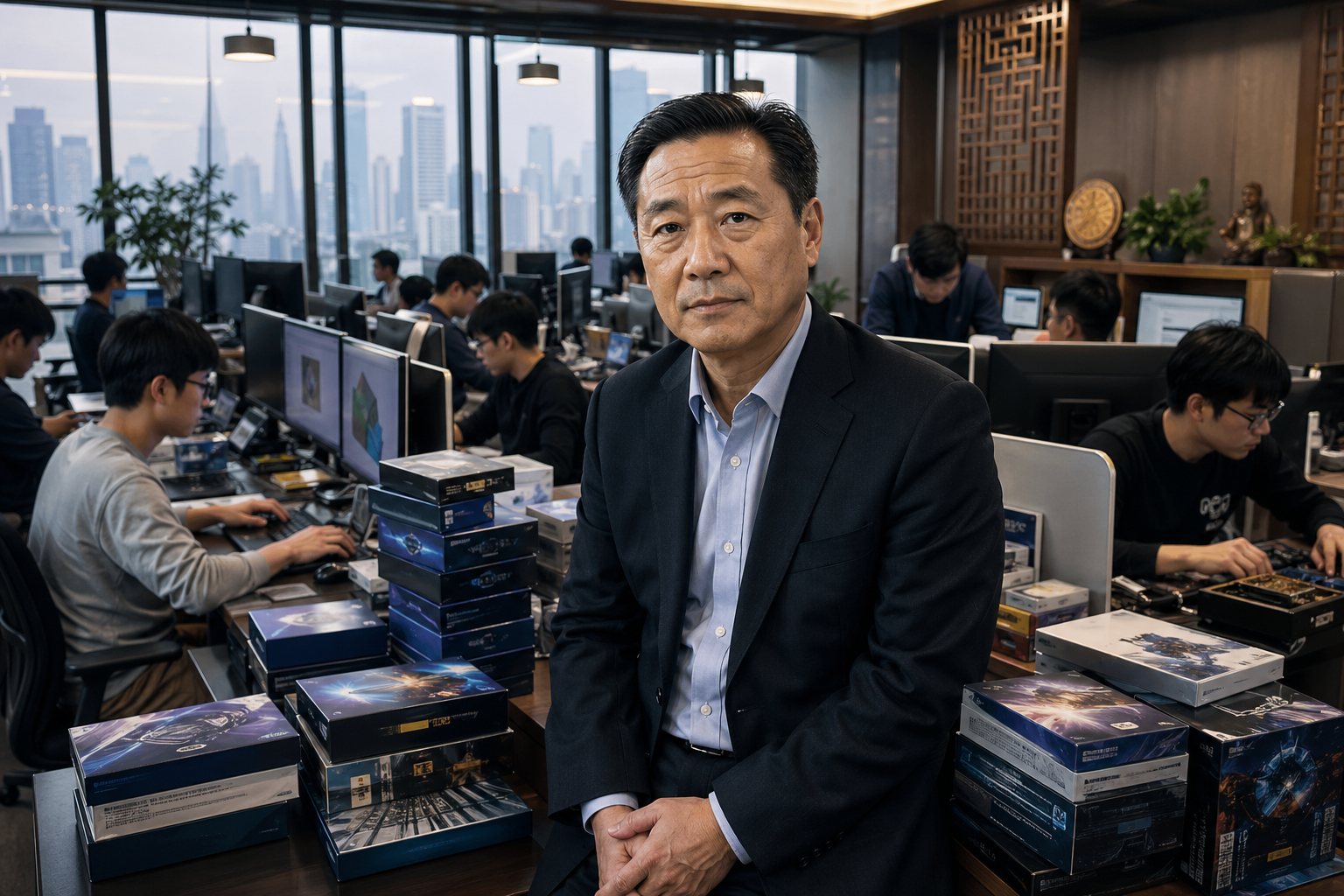
In 1992, Lei Jun joined Kingsoft, a Chinese software company that was trying to build a domestic alternative to Microsoft Office. He rose rapidly through the ranks, becoming CEO in 1998 at age twenty-nine. Under his leadership, Kingsoft grew into one of China’s largest software companies, with products spanning office software, antivirus, and gaming.
But Kingsoft was never a world-beater. It competed in Microsoft’s shadow, building products that were good enough for the Chinese market but couldn’t compete globally. Lei Jun later described his Kingsoft years as a valuable but frustrating apprenticeship — he learned how to build and manage a technology company, but he was always the second player in someone else’s game.
During this period, Lei Jun also became one of China’s most prolific angel investors, backing companies including UCWeb (a mobile browser later acquired by Alibaba), YY (a live-streaming platform), and dozens of other startups. His investment track record was exceptional, and by 2010, he was one of the wealthiest and most respected figures in China’s tech industry. But he hadn’t yet built the company that would define his career.
Chapter 3: The Founding of Xiaomi — A Phone Company With No Phones (2010)

On April 6, 2010, Lei Jun founded Xiaomi with seven co-founders in a small apartment in Beijing. They drank millet porridge together — “xiaomi” means “small rice” in Chinese — and committed to building a company that would make premium technology accessible to everyone.
The first product wasn’t a phone — it was software. MIUI, a custom Android-based operating system, was released in August 2010 as a free download for tech enthusiasts. Users could install it on existing phones and provide feedback through online forums. Within months, MIUI had attracted hundreds of thousands of passionate users — the “Mi Fans” — who tested the software, reported bugs, and suggested improvements every week.
This community-first approach was revolutionary. Instead of spending years developing a phone in secret (the Apple model), Lei Jun built his user base before he had a product to sell them. By the time Xiaomi launched its first phone, it had hundreds of thousands of enthusiastic users who were already emotionally invested in the brand. The Mi Fans weren’t just customers — they were co-developers, marketers, and evangelists.
Chapter 4: The Mi 1 and the Flash Sale Revolution (2011–2013)
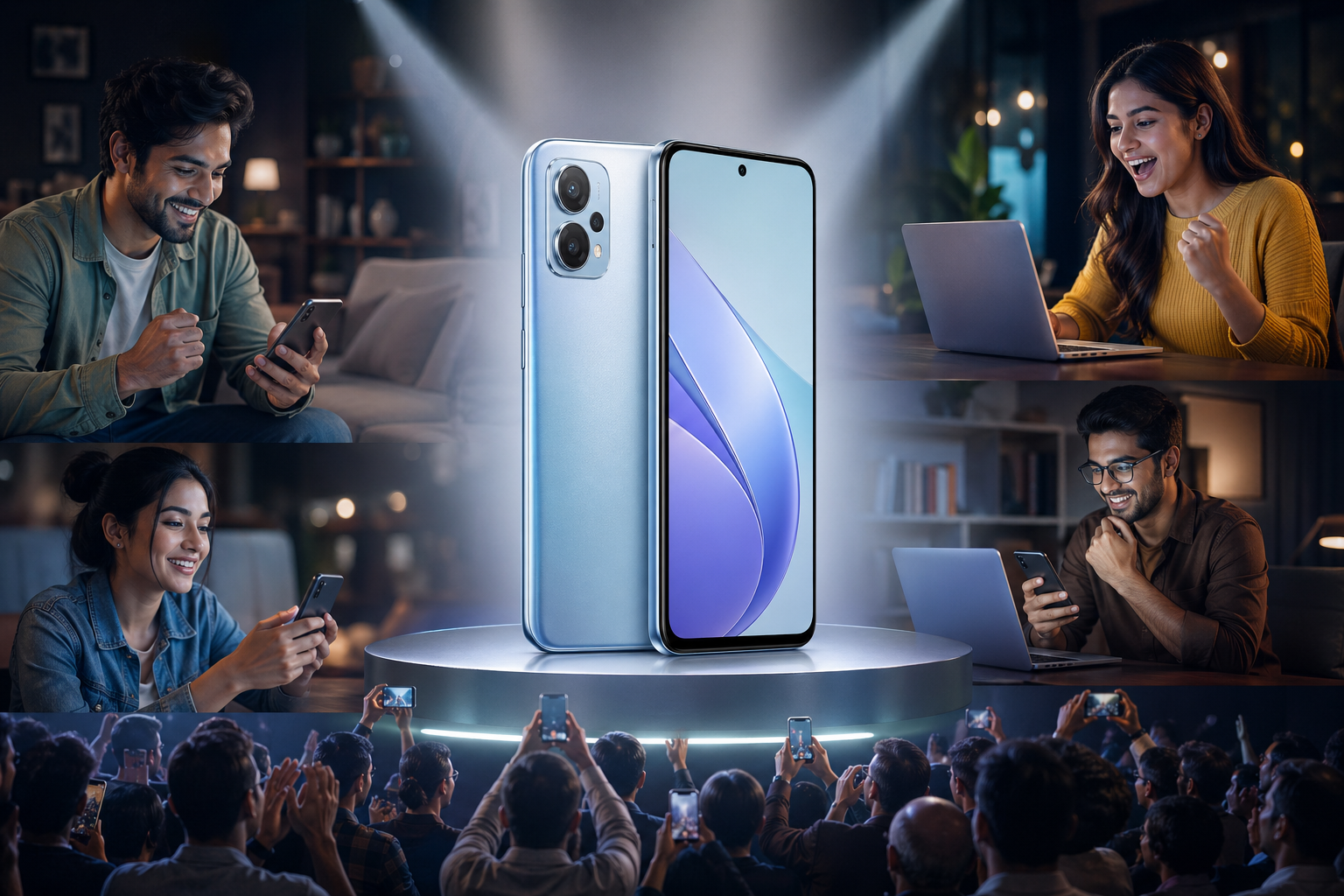
Xiaomi’s first smartphone, the Mi 1, launched in August 2011. It had flagship-level specifications — a Qualcomm Snapdragon processor, a high-resolution screen, and 1GB of RAM — at a price of 1,999 RMB (approximately $300), roughly half the price of comparable phones from Samsung and HTC. The pricing was aggressive to the point of being irrational by conventional business standards.
Lei Jun’s strategy was deliberate: sell the hardware at near cost and make money on software, services, and accessories. It was the razor-and-blades model applied to smartphones. The phone was the razor — sold cheaply to get it into as many hands as possible. The services — apps, cloud storage, media, financial products — were the blades.
Distribution was exclusively online, through Xiaomi’s own website, using a “flash sale” model. Limited quantities were made available at specific times, creating artificial scarcity that drove viral demand. When 100,000 phones sold out in minutes, the resulting media coverage and social media buzz was worth millions in free advertising. The flash sale model was both a supply chain strategy (Xiaomi didn’t need to build inventory) and a marketing strategy (scarcity creates desire).
Chapter 5: Ecosystem — The Internet of Everything (2013–2017)

Lei Jun’s most ambitious strategic move was building the Xiaomi ecosystem — a network of companies that produced a vast range of consumer electronics and smart home products under the Xiaomi brand umbrella. Rather than designing and manufacturing every product internally, Xiaomi invested in and incubated dozens of startups that each focused on a specific product category.
The ecosystem companies produced power banks, fitness trackers, air purifiers, rice cookers, electric scooters, robotic vacuum cleaners, smart lights, and hundreds of other products. Each product followed the Xiaomi formula: premium design and quality at aggressively low prices. The products were sold through Xiaomi’s online store and physical Mi Home stores, creating a unified shopping experience.
By 2017, Xiaomi’s ecosystem included over 90 companies and generated billions in revenue. The strategy created a flywheel: each ecosystem product brought users deeper into the Xiaomi world, increasing the likelihood they would buy other Xiaomi products and use Xiaomi’s software services. A customer who bought a Xiaomi phone, then a Xiaomi fitness band, then a Xiaomi air purifier was deeply locked into the ecosystem — and generating recurring revenue across multiple product categories.
Chapter 6: The IPO and the Valuation Debate (2018)

Xiaomi went public on the Hong Kong Stock Exchange on July 9, 2018, raising $4.7 billion — the largest tech IPO since Alibaba’s in 2014. The IPO valued Xiaomi at approximately $54 billion, which was impressive but below the $100 billion that Lei Jun had reportedly targeted.
The valuation debate centered on a fundamental question: was Xiaomi a hardware company or an internet company? Hardware companies trade at low multiples because margins are thin and competition is fierce. Internet companies trade at high multiples because margins are fat and network effects create defensibility. Lei Jun argued that Xiaomi was an internet company that happened to sell hardware — that the hardware was a channel, not the product.
Investors were skeptical. Xiaomi’s internet services revenue, while growing, was still a small fraction of total revenue. The majority of income came from selling phones and ecosystem products at thin margins. The stock price declined after the IPO, falling below the offering price and staying depressed for over a year. Lei Jun was disappointed but undeterred. He believed the market would eventually recognize what Xiaomi was building.
Chapter 7: India — The Second Home Market (2014–2022)

Xiaomi’s expansion into India was its most successful international move. The company entered the Indian market in 2014 and within four years had become the number-one smartphone brand in the country — surpassing Samsung, which had dominated for years. By 2020, Xiaomi and its sub-brand Redmi controlled approximately 25–30% of the Indian smartphone market.
India was the perfect market for Xiaomi’s model. Hundreds of millions of people were buying their first smartphone, price sensitivity was extreme, and the distribution infrastructure for premium phones was underdeveloped. Xiaomi’s online-first, low-price strategy mapped perfectly onto Indian consumer behavior. The Redmi series, in particular, became the default affordable smartphone for millions of first-time Indian users.
However, geopolitical tensions between China and India created headwinds. In 2020, following a border clash, India banned dozens of Chinese apps and increased scrutiny of Chinese companies. In 2022, Indian authorities froze $725 million of Xiaomi’s assets, alleging illegal remittances. Xiaomi disputed the allegations and challenged them in court. The episode highlighted the political risks of Xiaomi’s dependence on the Indian market and accelerated the company’s efforts to diversify internationally.
Chapter 8: The Premium Push — Competing With Apple (2020–2024)
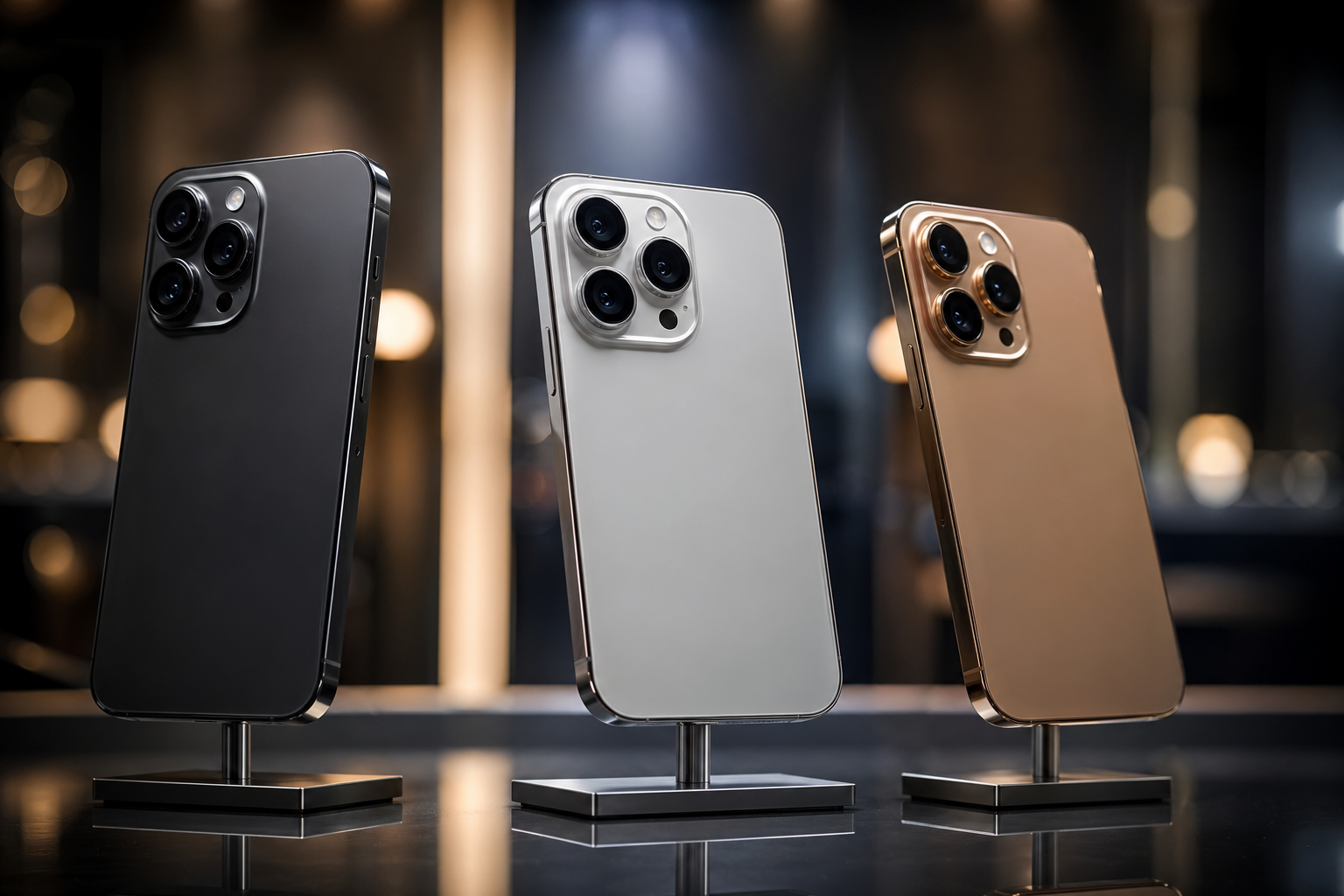
For its first decade, Xiaomi was synonymous with affordable technology. But Lei Jun had always wanted to compete at the premium level — to be mentioned in the same breath as Apple and Samsung. Starting around 2020, Xiaomi began a deliberate push upmarket with its Mi (later Xiaomi) numbered series and the ultra-premium MIX series.
The Xiaomi 13 Pro and Xiaomi 14 Ultra, featuring Leica-branded cameras and premium build quality, represented a genuine leap. Reviews praised the camera quality, display technology, and build materials. The phones were still priced below comparable Apple and Samsung models, but the gap narrowed significantly. Xiaomi was trading some of its price advantage for margin and brand elevation.
The premium strategy was essential for Xiaomi’s long-term business model. While the affordable smartphone market was enormous, margins were razor-thin and competition from other Chinese brands (Oppo, Vivo, Realme) was intense. Moving upmarket would improve margins, strengthen the brand, and position Xiaomi to compete globally against Apple — the ultimate ambition that Lei Jun had harbored since reading about Steve Jobs as a teenager.
Chapter 9: The SU7 — A Phone Company Makes a Car (2024)
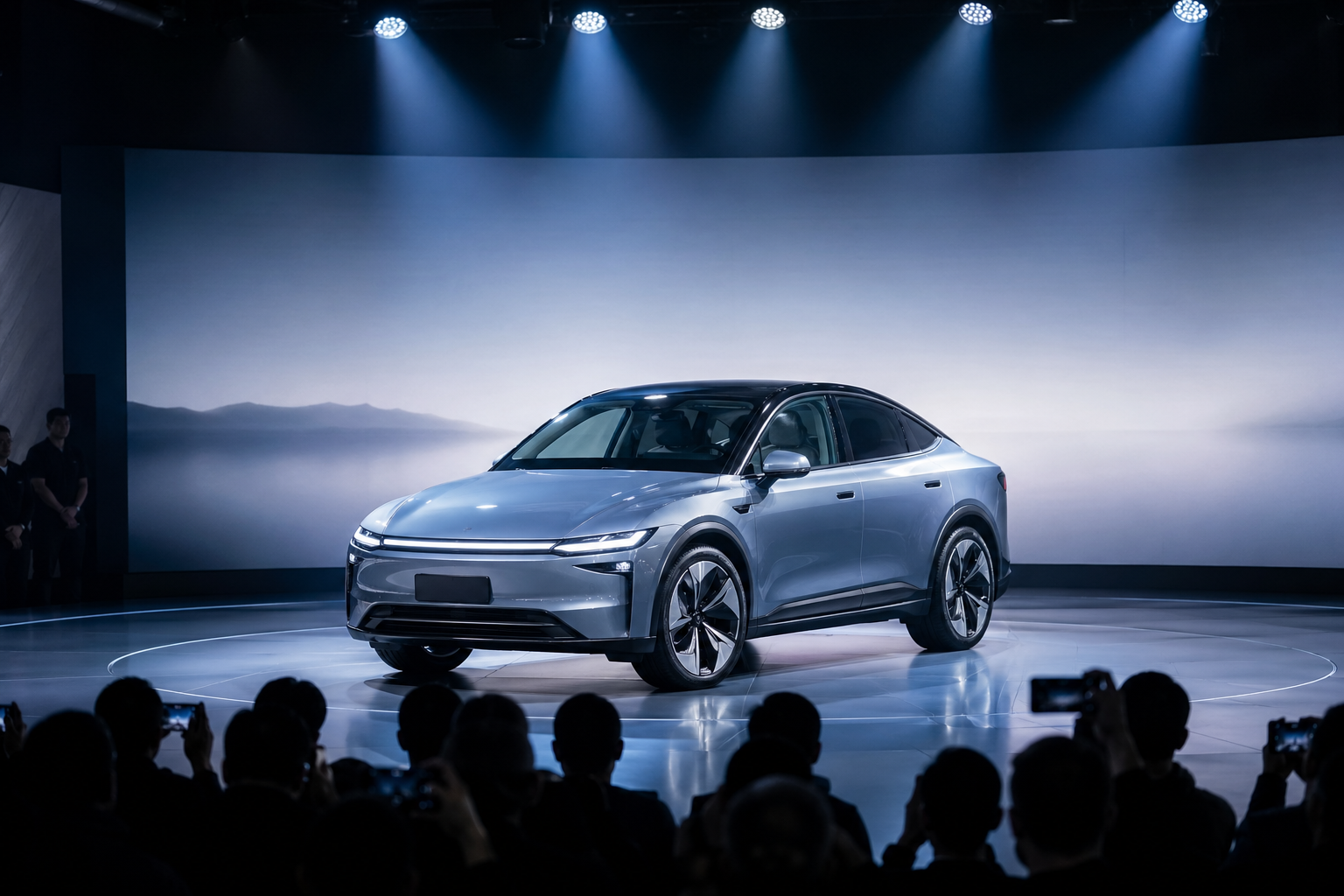
On March 28, 2024, Xiaomi launched the SU7, its first electric car. The launch was a cultural event in China — Lei Jun personally delivered the first cars to customers, live-streamed the experience, and treated it with the same showmanship that characterized Apple product launches. The SU7 was priced starting at approximately 215,900 RMB (roughly $30,000), significantly below comparable Tesla and BMW electric vehicles.
The car was well-received. Reviews praised its design, performance, and technology integration with Xiaomi’s smartphone ecosystem. Orders exceeded 100,000 in the first month. Xiaomi demonstrated that it could apply its formula — premium quality at aggressive prices, sold through a combination of online and retail channels — to a product category far more complex than smartphones.
The EV launch was a bet on the convergence of consumer electronics and automotive technology. Lei Jun argued that as cars became increasingly software-defined, the companies best positioned to win were those with strong software platforms and loyal user ecosystems. Xiaomi had both. Whether a smartphone company could compete with established automakers in manufacturing quality, safety, and after-sales service remained an open question — but the early results were encouraging.
Chapter 10: Lei Jun’s Leadership Style — The Anti-Celebrity CEO

Lei Jun’s public persona is carefully calibrated to be relatable rather than aspirational. Unlike Chinese tech billionaires who flaunt wealth or cultivate mystique, Lei Jun presents himself as a hardworking engineer who happens to run a large company. He wears simple black t-shirts at product launches (a deliberate Steve Jobs homage), communicates directly with fans on Weibo, and personally responds to product feedback.
His management style combines strategic vision with operational detail. He is known for personally testing every major Xiaomi product before launch, providing detailed feedback on everything from screen brightness to packaging design. This hands-on approach ensures product quality but also creates bottlenecks — decisions that could be made by product managers sometimes wait for Lei Jun’s review.
Within Xiaomi, Lei Jun is both admired and feared. He sets extraordinarily high standards and expects his team to match them. Product delays are not tolerated. Quality compromises are not forgiven. The culture is intense, fast-paced, and unforgiving — a reflection of the Chinese tech industry’s broader work ethic and of Lei Jun’s personal conviction that speed is the most important competitive advantage.
Chapter 11: Challenges — Geopolitics, Margins, and the West

Xiaomi faces challenges that no amount of product excellence can fully address. The US government has intermittently placed Xiaomi on its entity list or investment blacklist, creating uncertainty about the company’s access to critical components and its ability to operate in Western markets. While Xiaomi has successfully challenged some of these restrictions, the geopolitical environment remains unpredictable.
The company’s margins remain thin by industry standards. Xiaomi’s hardware margins average around 5% — compared to Apple’s 40%+ on iPhones. While the internet services business has higher margins, it still represents a minority of revenue. The fundamental tension in Xiaomi’s business model — selling hardware cheaply to build an internet services business — has not been fully resolved.
Western market penetration remains limited. While Xiaomi has gained market share in Europe, its brand awareness in the United States is minimal. The US market — the world’s most valuable smartphone market — remains effectively closed due to a combination of carrier distribution barriers, geopolitical concerns, and lack of brand recognition. Whether Xiaomi can ever crack the American market is an open question with significant implications for its long-term valuation.
Chapter 12: Legacy — The Man Who Made Premium Affordable
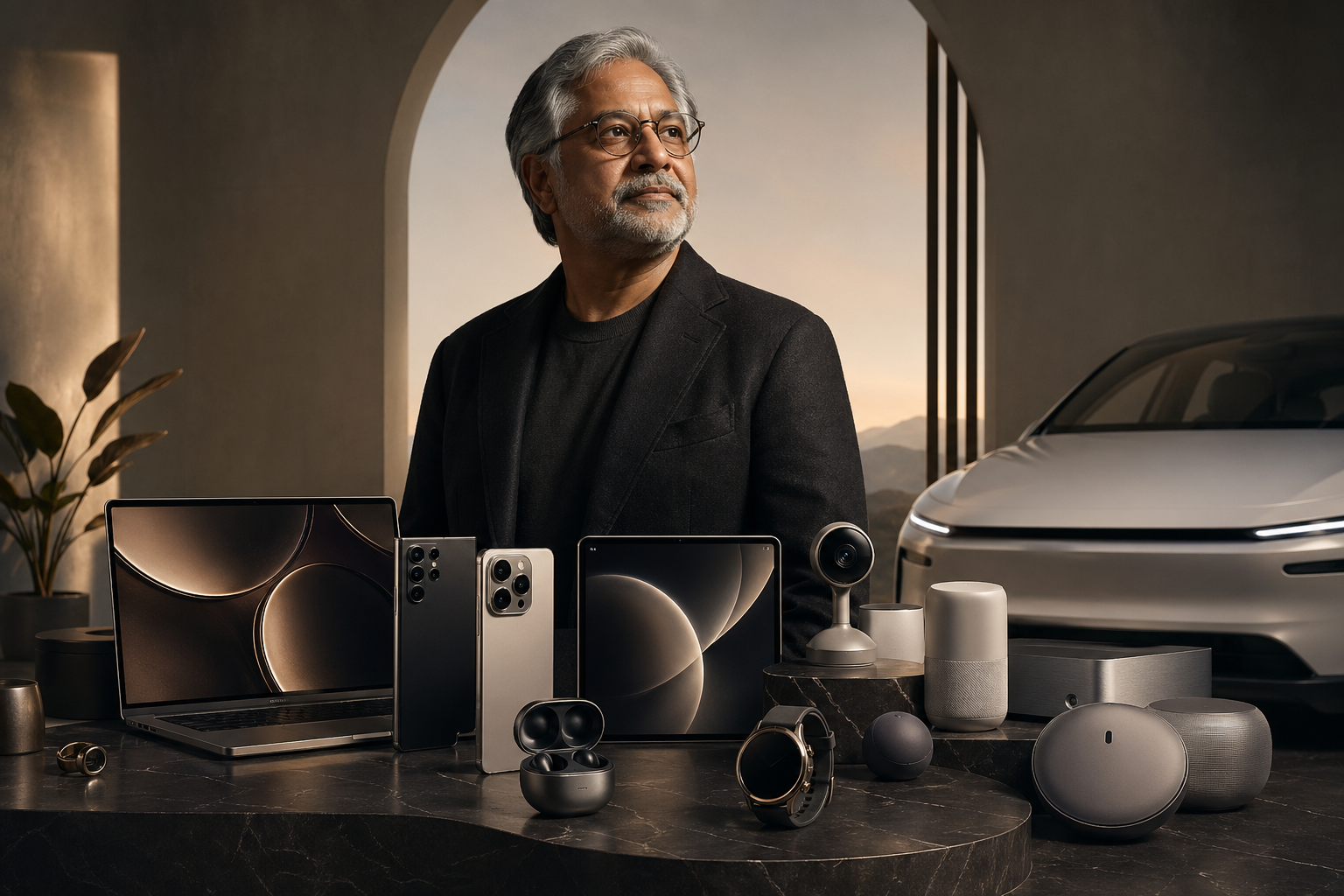
Lei Jun’s legacy is inseparable from the question of what “premium” means. Before Xiaomi, premium meant expensive. Lei Jun argued that premium means excellent — and that excellence doesn’t have to cost a fortune. By building products that matched the quality of market leaders at a fraction of the price, he forced the entire consumer electronics industry to compete on value, not just brand.
His net worth, estimated at over $20 billion, makes him one of the richest people in China and among the wealthiest tech founders in the world. But the wealth, like Lei Jun himself, is understated compared to his global impact. Xiaomi phones are used by over 600 million people worldwide. The ecosystem products are in hundreds of millions of homes. The electric car is on roads in China.
The teenager who read Fire in the Valley in a Wuhan dorm room and dreamed of being the Chinese Steve Jobs has built something that Jobs never attempted: a consumer technology ecosystem that spans dozens of product categories and serves hundreds of millions of customers at prices they can afford. Whether Xiaomi will ever match Apple’s profitability or cultural cachet remains to be seen. But Lei Jun has already proven that you don’t need Apple’s margins to have Apple’s impact. And for the hundreds of millions of people who own their first premium-quality phone because Xiaomi made it affordable, that impact is very real.
💡 Key Insights
- ▸ Lei Jun's genius was pricing premium-quality hardware at near-cost and making money on services and ecosystem products. He turned the hardware business model upside down — phones weren't the product; they were the customer acquisition tool.
- ▸ Xiaomi's 'Mi Fan' community turned customers into evangelists and product developers simultaneously. Users didn't just buy phones — they tested beta software, reported bugs, and suggested features. It was open-source product development at consumer scale.
- ▸ The SU7 electric car launch showed that Xiaomi's ecosystem strategy has no natural boundary. If your brand represents 'premium at affordable prices,' you can sell anything — phones, appliances, scooters, or cars.