Peter Wennink: The Operator Behind ASML's EUV Monopoly
Peter Wennink helped turn ASML's boldest lithography bet into the indispensable production system at the center of advanced chipmaking.
View all stories about this mogul
Peter Wennink did not invent extreme ultraviolet lithography. His achievement was making an almost impossible invention commercially unavoidable. During his leadership, ASML moved from a specialist equipment supplier to the gatekeeper for the world’s most advanced chips.
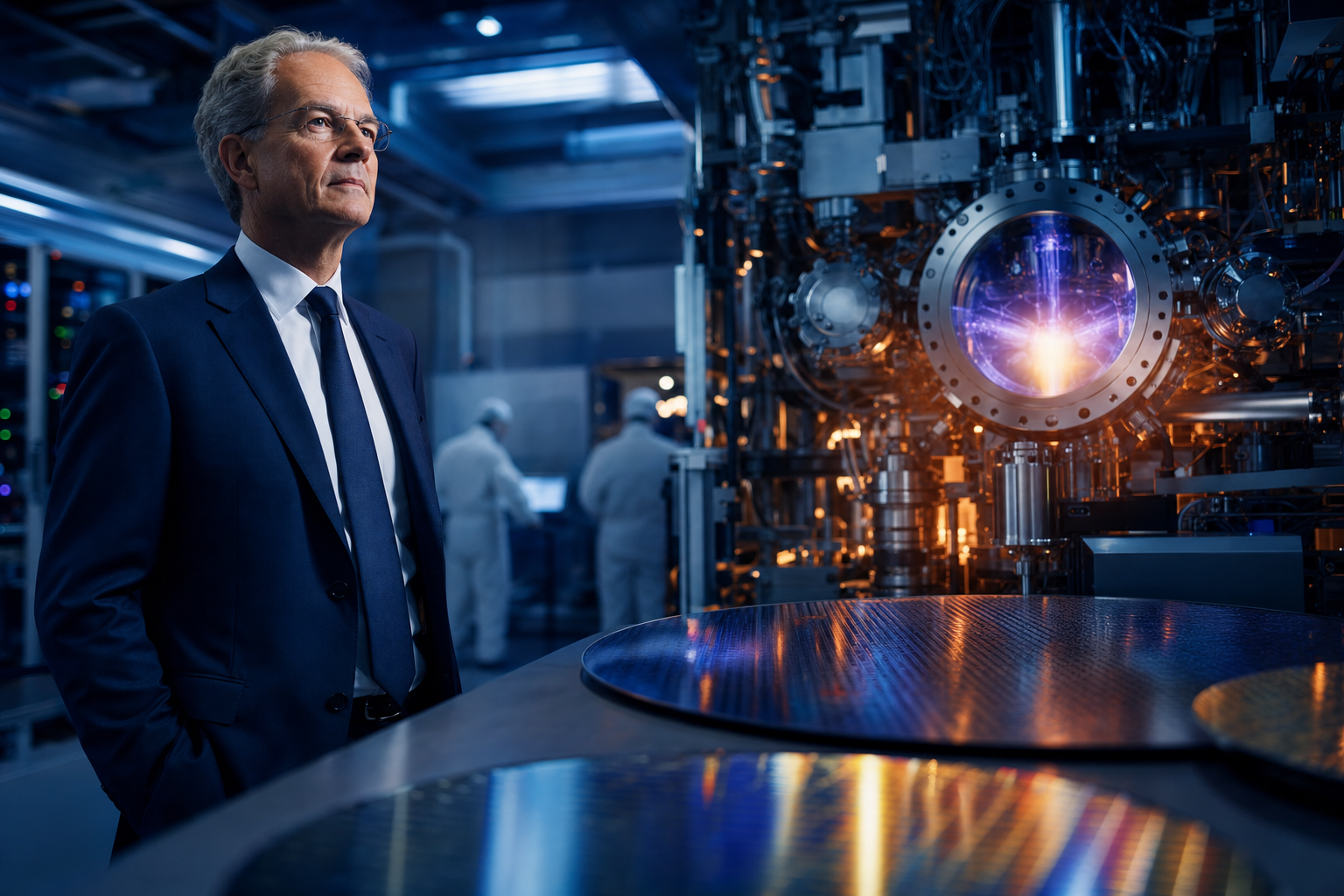
The transformation depended on one audacious machine. EUV lithography uses light with a wavelength of 13.5 nanometers to print extraordinarily small patterns on silicon. Generating that light, guiding it through a vacuum, and maintaining industrial throughput required breakthroughs across physics, optics, materials, software, and precision manufacturing.
Wennink’s role was that of an operator and capital allocator. He helped keep customers, suppliers, engineers, and investors committed long enough for the technology to cross from laboratory ambition into high-volume production.
How did Peter Wennink become ASML’s long-term operator?
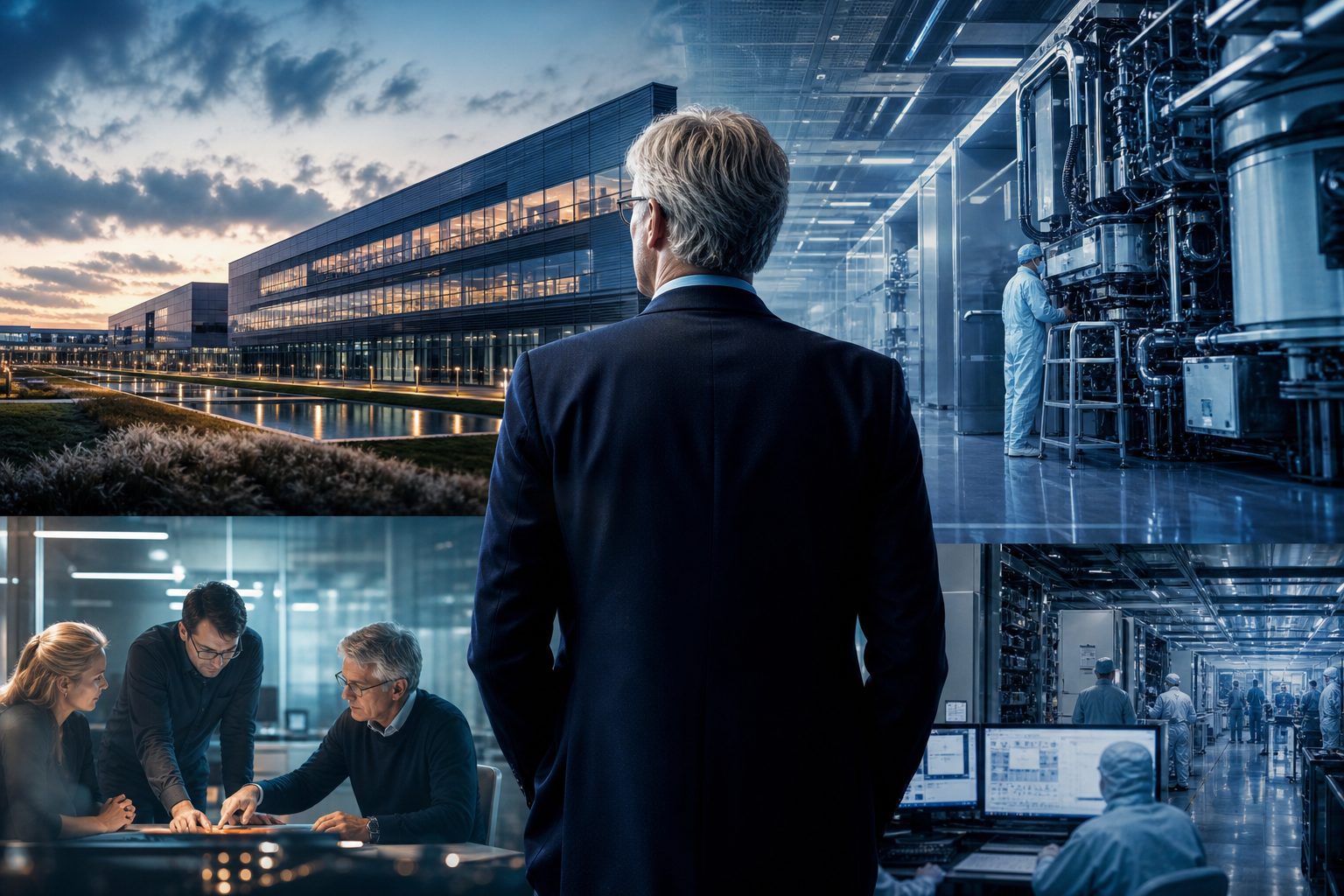
Wennink joined ASML in 1999 as chief financial officer after working as an accountant. That background mattered. Semiconductor equipment is cyclical, research-intensive, and unforgiving: a company must invest during downturns in tools that may not generate revenue for years.
He became chief executive in 2013, when ASML had already spent years pursuing EUV but customers were still waiting for sufficient reliability and throughput. The technical program consumed enormous resources. A conventional quarterly mindset could have treated it as an endless science project.
Instead, ASML treated finance as a bridge to engineering. Management explained milestones, shared risk with customers, and funded the supplier network needed to solve problems beyond ASML’s own walls. Wennink did not need to be the physicist designing every subsystem. He needed to create the conditions in which thousands of specialists could continue.
That patience was paired with commercial realism. ASML kept improving deep-ultraviolet systems, the profitable installed base that supported customers and funded the future. The old platform provided cash, service relationships, and credibility while the new one matured.
Why was EUV so difficult to commercialize?
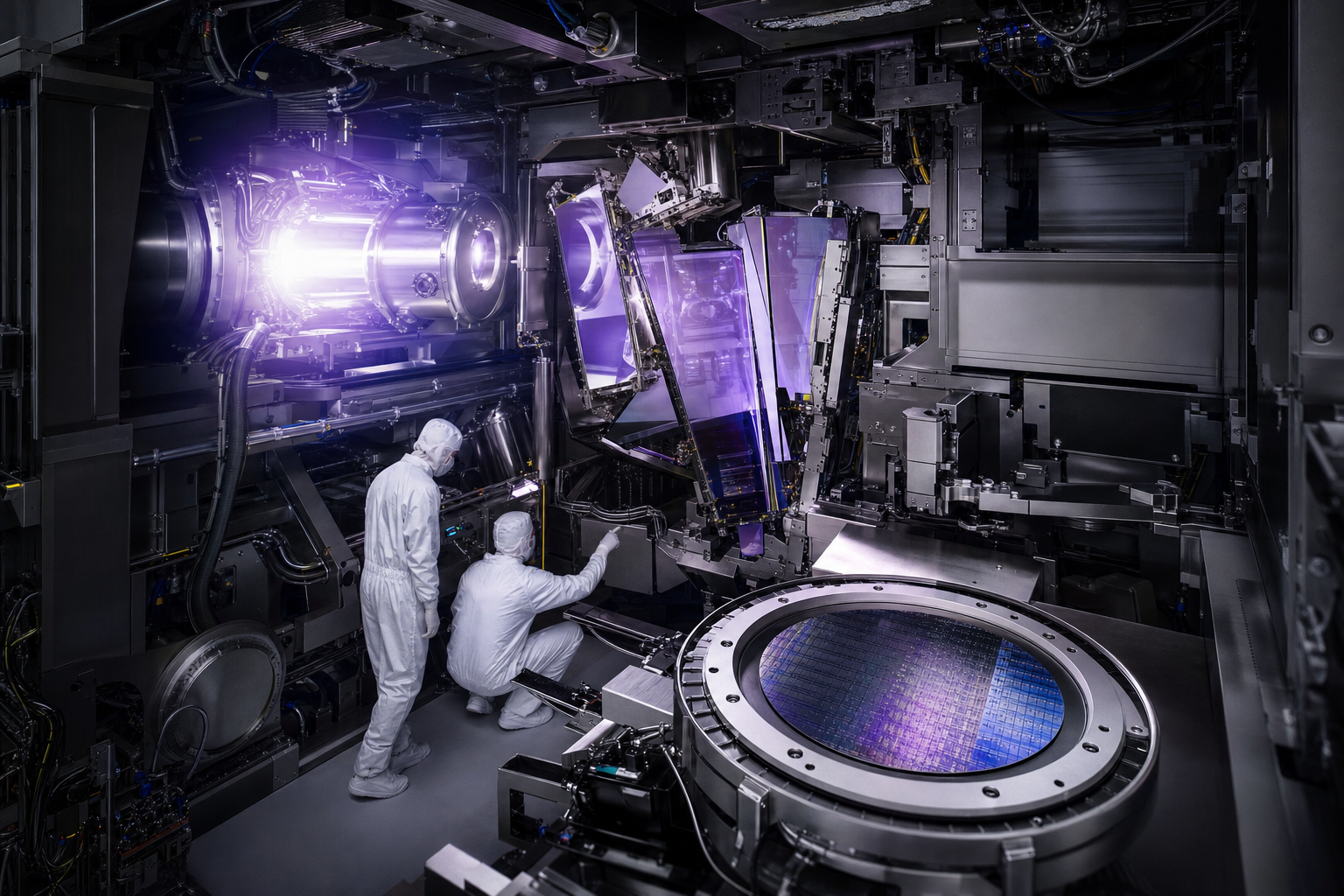
EUV sounds simple when reduced to wavelength. In practice, ordinary lenses absorb the light, so the system relies on exceptionally precise multilayer mirrors. The light source fires powerful lasers at microscopic droplets of molten tin. The entire optical path operates in a vacuum, while software corrects tiny deviations in real time.
A useful machine also must be productive. Chipmakers cannot build fabs around a beautiful experiment that processes wafers too slowly or stops too often. ASML therefore had to raise source power, availability, accuracy, and serviceability together.
No single firm possessed every required capability. Zeiss supplied critical optics; specialized manufacturers contributed lasers, stages, sensors, and materials. ASML’s true product became the integration of a globally distributed machine whose components operate near physical limits.
This created a compounding barrier to entry. A rival would need more than patents or funding. It would need the supplier relationships, accumulated field data, customer trust, and systems knowledge built through repeated generations.
How did customers help finance the EUV gamble?
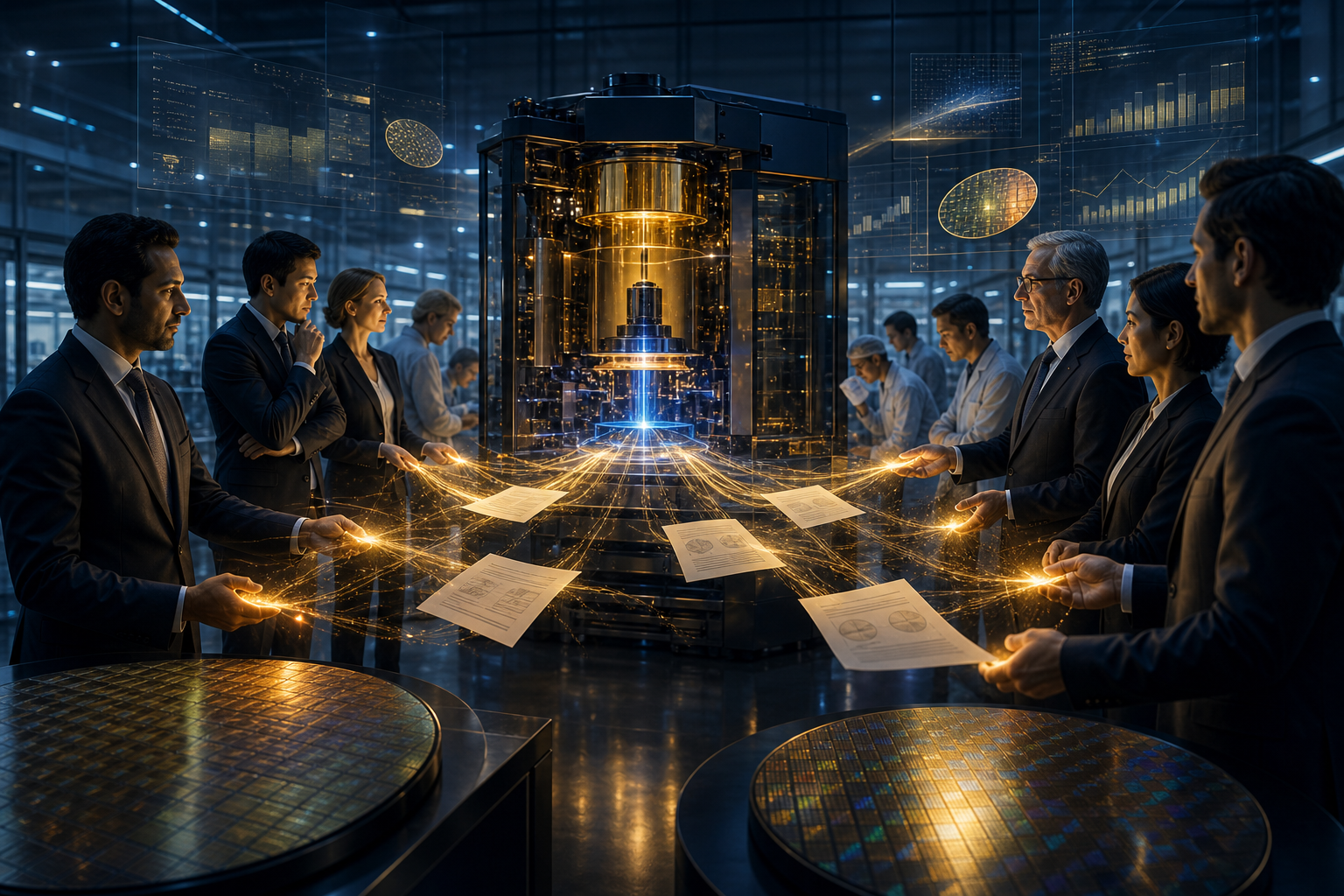
In 2012, major customers including Intel, TSMC, and Samsung joined ASML’s customer co-investment program. They committed capital and research funding to accelerate next-generation lithography.
The arrangement did more than strengthen ASML’s balance sheet. It aligned the industry’s largest manufacturers around one roadmap. Customers gained visibility and influence; ASML gained resources and evidence that demand would exist if the technology worked.
Once EUV entered high-volume manufacturing, the logic became self-reinforcing. Advanced chip designs increasingly depended on EUV. More machines in fabs generated service revenue and operating data. That data informed upgrades, while a growing installed base raised the cost of choosing another ecosystem.
Pricing power followed scarcity and value. An EUV tool is extremely expensive, but it can simplify patterning steps and enable chips that otherwise would be impractical. For customers competing at the leading edge, access matters more than the sticker price alone.
What are the limits of ASML’s monopoly?
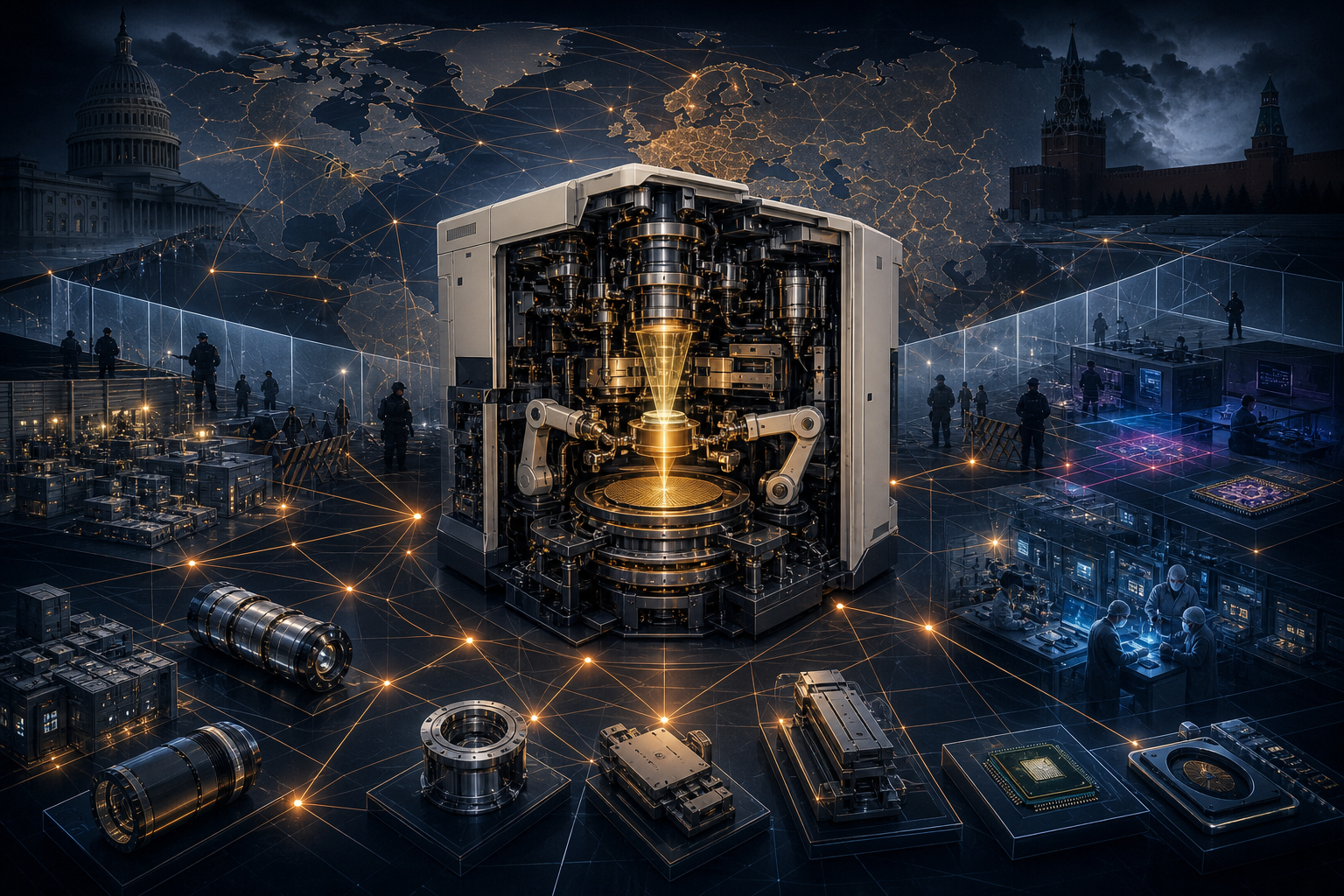
ASML is the sole commercial supplier of EUV lithography, but monopoly does not eliminate vulnerability. Its machines depend on a concentrated network of irreplaceable suppliers. Production ramps are difficult, service obligations are immense, and a disruption at one specialist can affect the whole system.
Geopolitics is an even larger constraint. Advanced lithography has become strategic infrastructure. Export controls determine which customers can receive particular systems, forcing ASML to operate inside government policy as well as market demand.
Customer concentration also cuts both ways. The leading-edge market contains only a few enormous manufacturers. Their investment cycles can reshape demand, and each has significant negotiating sophistication.
Wennink retired as chief executive in 2024, leaving a company with an extraordinary position and extraordinary responsibilities. His legacy is not a lone inventor’s breakthrough. It is the operating system around the breakthrough: patient funding, supplier orchestration, customer alignment, and relentless industrialization.
Frequently asked questions
Did Peter Wennink invent EUV lithography?
No. Large teams across ASML, suppliers, research institutions, and customers developed EUV. Wennink’s contribution centered on leadership, finance, and commercialization.
Why is ASML the only EUV supplier?
The technology requires rare expertise, a deeply integrated supplier network, decades of learning, and enormous sustained investment.
Why do chipmakers need EUV?
It enables smaller, denser features with fewer complex patterning steps at advanced manufacturing nodes.
ASML’s moat was not built in one dramatic moment. It accumulated each time the company solved another constraint that competitors had not even reached. Wennink’s great operating insight was to keep the entire ecosystem moving until impossibility became infrastructure.
💡 Key Insights
- ▸ ASML's advantage came from coordinating an ecosystem, not merely inventing one machine.
- ▸ Wennink paired financial discipline with patience for a technology that required decades of investment.
- ▸ Customer co-investment reduced risk while binding leading chipmakers to the EUV roadmap.
- ▸ The resulting monopoly is powerful but exposed to geopolitics, supply constraints, and customer concentration.