Rihanna: How a Barbados Girl Built a $1.4 Billion Beauty Empire That Changed an Industry
She went from singing 'Umbrella' to owning the most inclusive beauty brand on Earth. Fenty Beauty did $100 million in its first 40 days. This is the business story behind the music.
View all stories about this mogul
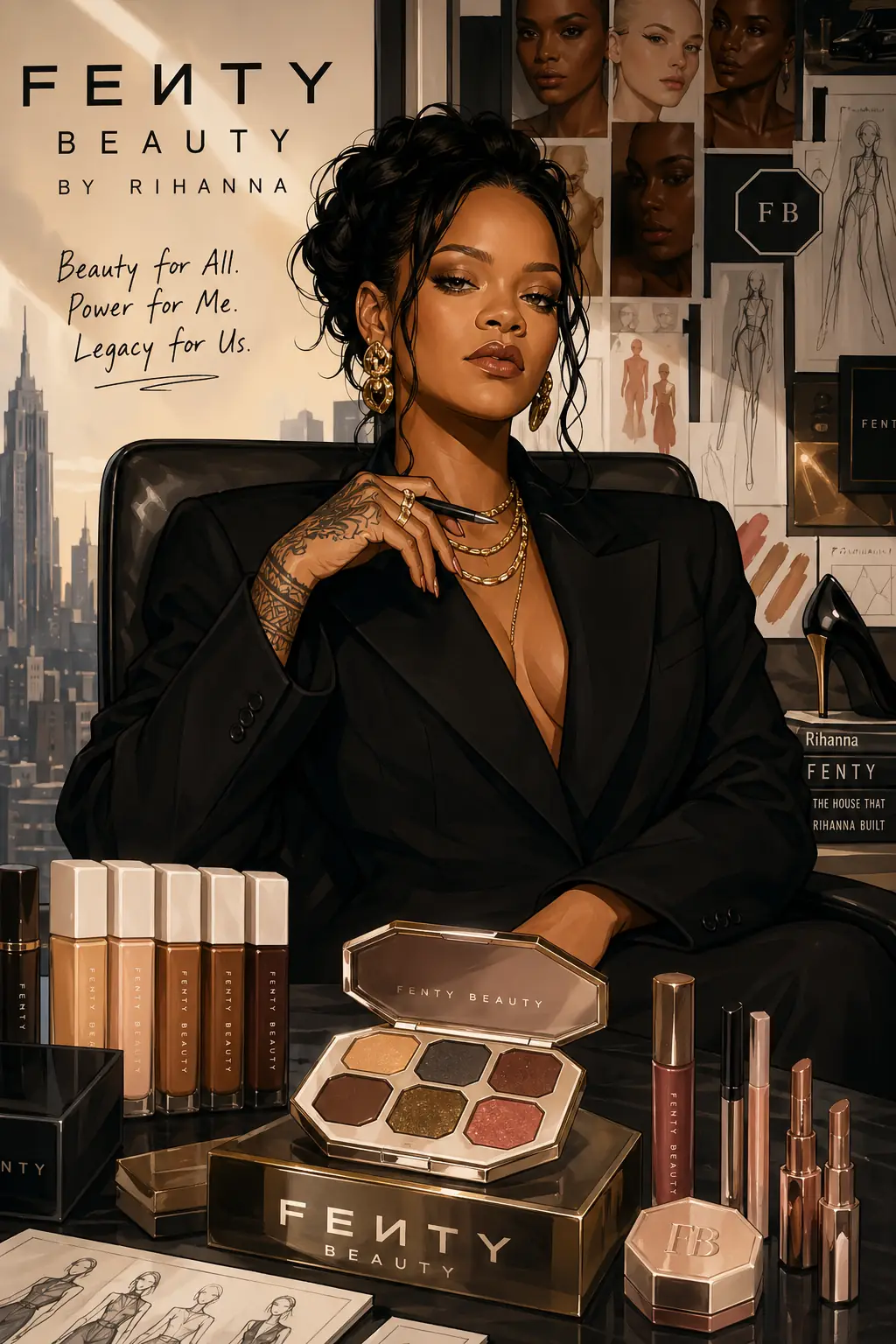
Rihanna didn’t just launch a beauty brand — she exposed an entire industry’s blind spot. When Fenty Beauty debuted in September 2017 with 40 shades of foundation, it wasn’t revolutionary because the shades were particularly innovative or the formulas were groundbreaking. It was revolutionary because it proved that billions of dollars in potential revenue had been sitting on the table for decades, ignored by an industry that had been designing products primarily for one skin tone. Fenty Beauty did $100 million in revenue in its first 40 days. Within a year, every major beauty brand was scrambling to expand their shade ranges. They called it the “Fenty Effect.” It was the most significant disruption in the beauty industry in a generation, and it was led by a pop star from Barbados.
Chapter 1: Saint Michael, Barbados (1988–2003)
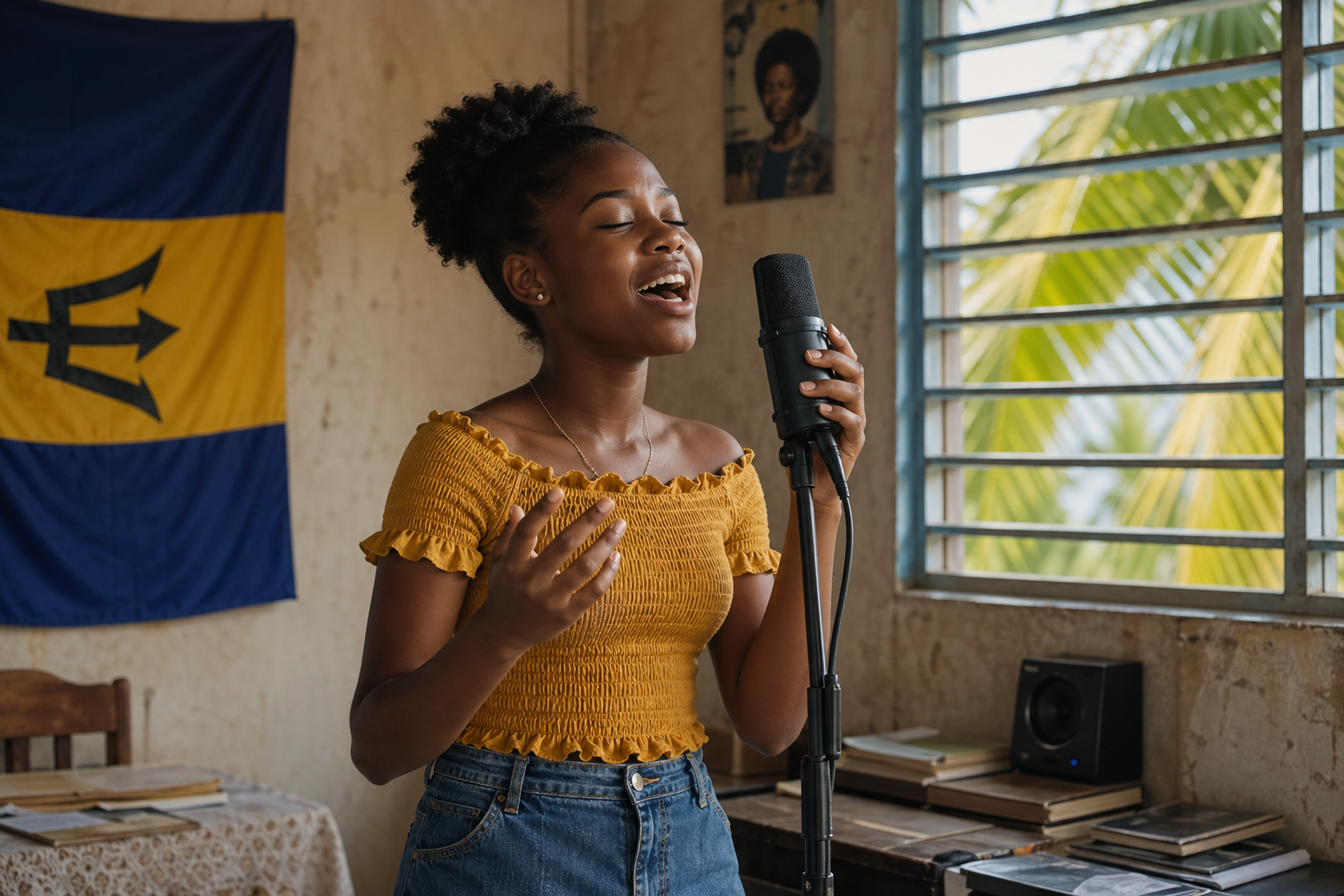
Robyn Rihanna Fenty was born on February 20, 1988, in Saint Michael, Barbados. Her childhood was not the glamorous origin story that celebrity mythology usually demands. Her father, Ronald Fenty, was a warehouse supervisor who struggled with addiction to crack cocaine and alcohol. Her mother, Monica Braithwaite, was an accountant from Guyana who worked long hours to keep the family afloat. The household was volatile.
Rihanna has spoken publicly about hearing her parents fight, about the stress of her father’s addiction, and about the strength she drew from her mother’s resilience. She attended Combermere School, where she was a decent student but was more interested in music and fashion. She would enter school talent shows and win them. By her early teens, she had a voice that was clearly exceptional — raw, powerful, and distinctive.
Barbados in the early 2000s was a small island with limited opportunities for aspiring musicians. The path to global stardom typically required getting noticed by someone from the American music industry. Rihanna got her break at fifteen when she auditioned for Evan Rogers, an American music producer visiting Barbados on vacation. Rogers was stunned by her talent and brought her to the United States to record demo tapes. Within months, those demos had attracted the attention of Jay-Z, who was running Def Jam Recordings.
Chapter 2: Def Jam and the Music Machine (2003–2012)
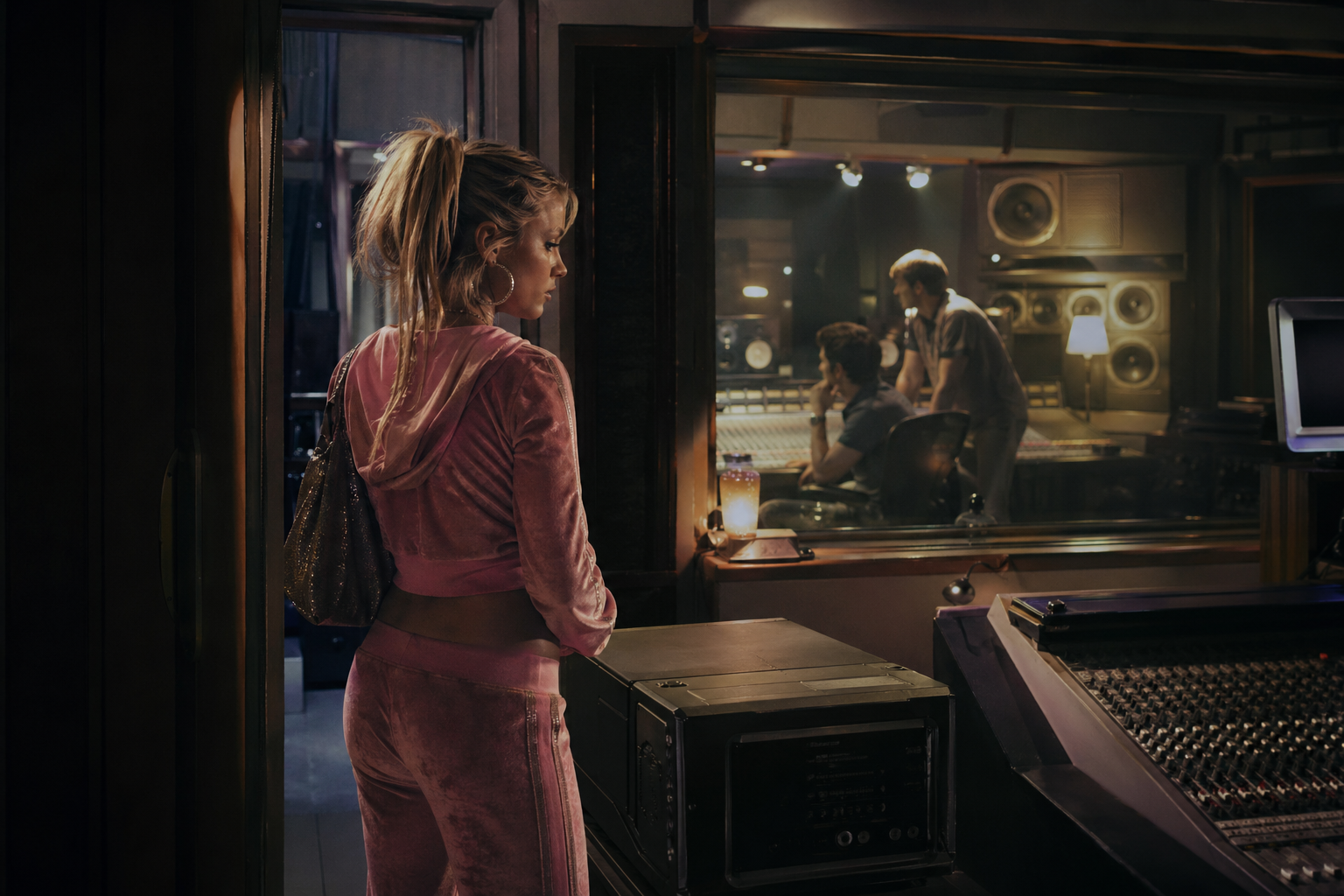
Jay-Z signed Rihanna to Def Jam in 2005 when she was seventeen years old. Her first single, “Pon de Replay,” was a hit. Her second album, “A Girl Like Me,” was bigger. But it was her third album — “Good Girl Gone Bad” (2007), featuring the global smash “Umbrella” — that made her a superstar. “Umbrella” spent seven weeks at number one on the Billboard Hot 100 and established Rihanna as one of the biggest pop artists in the world.
What followed was an unprecedented run of commercial success. Rihanna released a new album almost every year — a pace that was exhausting but effective. “Rated R,” “Loud,” “Talk That Talk,” “Unapologetic” — each album spawned multiple hit singles. She accumulated fourteen number-one singles, more than any other artist of her generation. She was a touring machine, a brand ambassador, and a cultural icon.
But Rihanna was paying attention to something beyond music. She noticed that artists who relied solely on music income were at the mercy of labels, streaming platforms, and touring schedules. The real money — the generational wealth — was in business ownership. She studied Jay-Z’s move from rapper to mogul. She studied Diddy’s Ciroc deal. She studied the economics of celebrity brands. And she started planning.
Chapter 3: The Fashion Experiments (2013–2016)
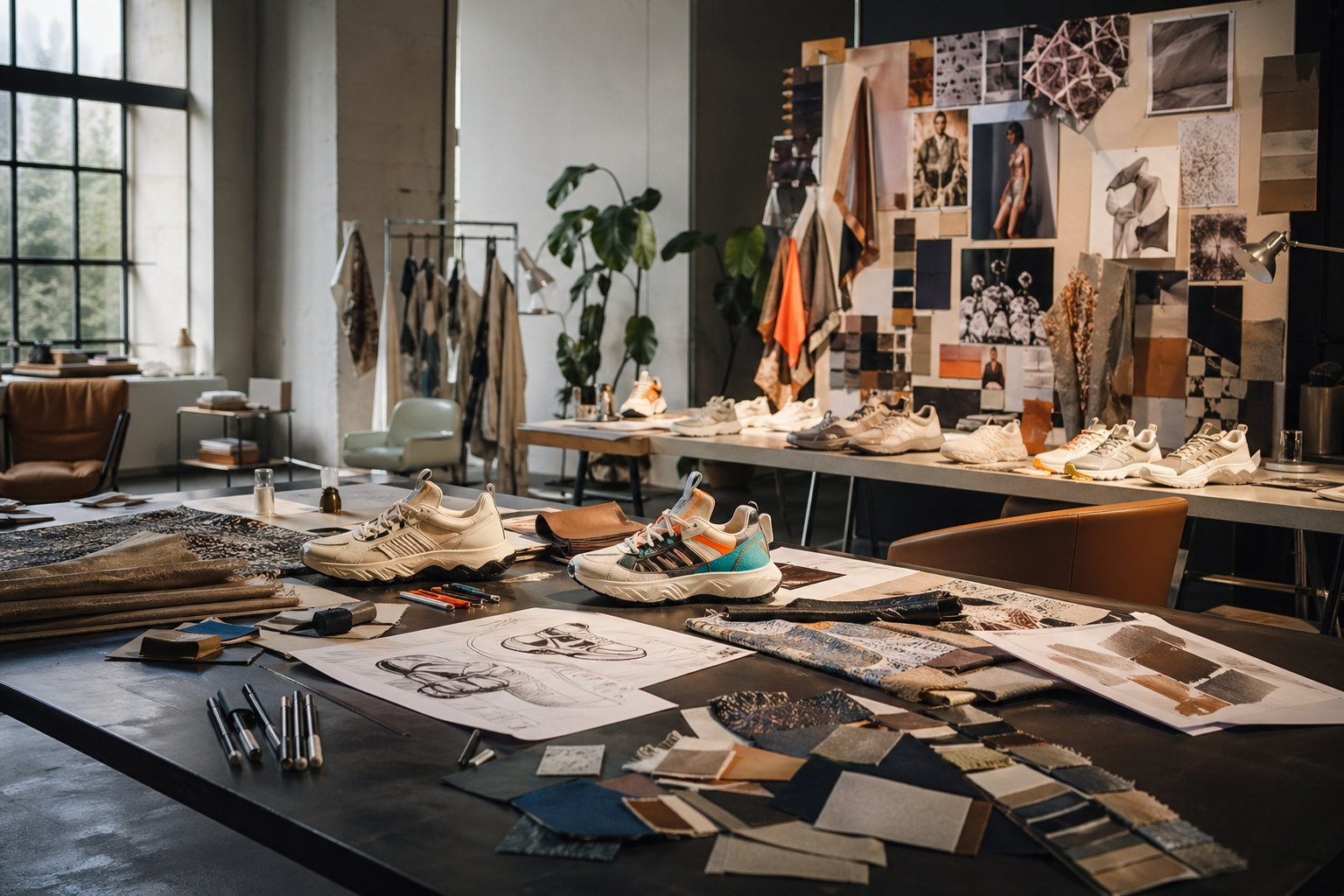
Before Fenty Beauty, Rihanna tested the waters of fashion and business. In 2014, she became creative director of Puma, designing a line of sneakers and athletic wear called Fenty x Puma. The collaboration was a hit — the Fenty Creeper sneaker sold out immediately and won Shoe of the Year at the FN Achievement Awards. It proved that Rihanna’s influence extended beyond music and that consumers would buy products with her name on them.
She also launched a capsule collection with designer Manolo Blahnik and explored other fashion partnerships. Each collaboration taught her something about product development, supply chains, and consumer behavior. She wasn’t just lending her name to products — she was learning the business from the inside.
Crucially, Rihanna noticed a gap in the beauty market during this period. As someone with dark skin who wore makeup regularly, she had personal experience with the frustration of finding foundation shades that matched her complexion. The major beauty brands offered limited ranges for darker skin tones — typically three or four shades of “brown” that didn’t actually match anyone. It was a market failure that affected millions of consumers, and nobody was fixing it. Rihanna decided she would.
Chapter 4: Building Fenty Beauty With LVMH (2016–2017)
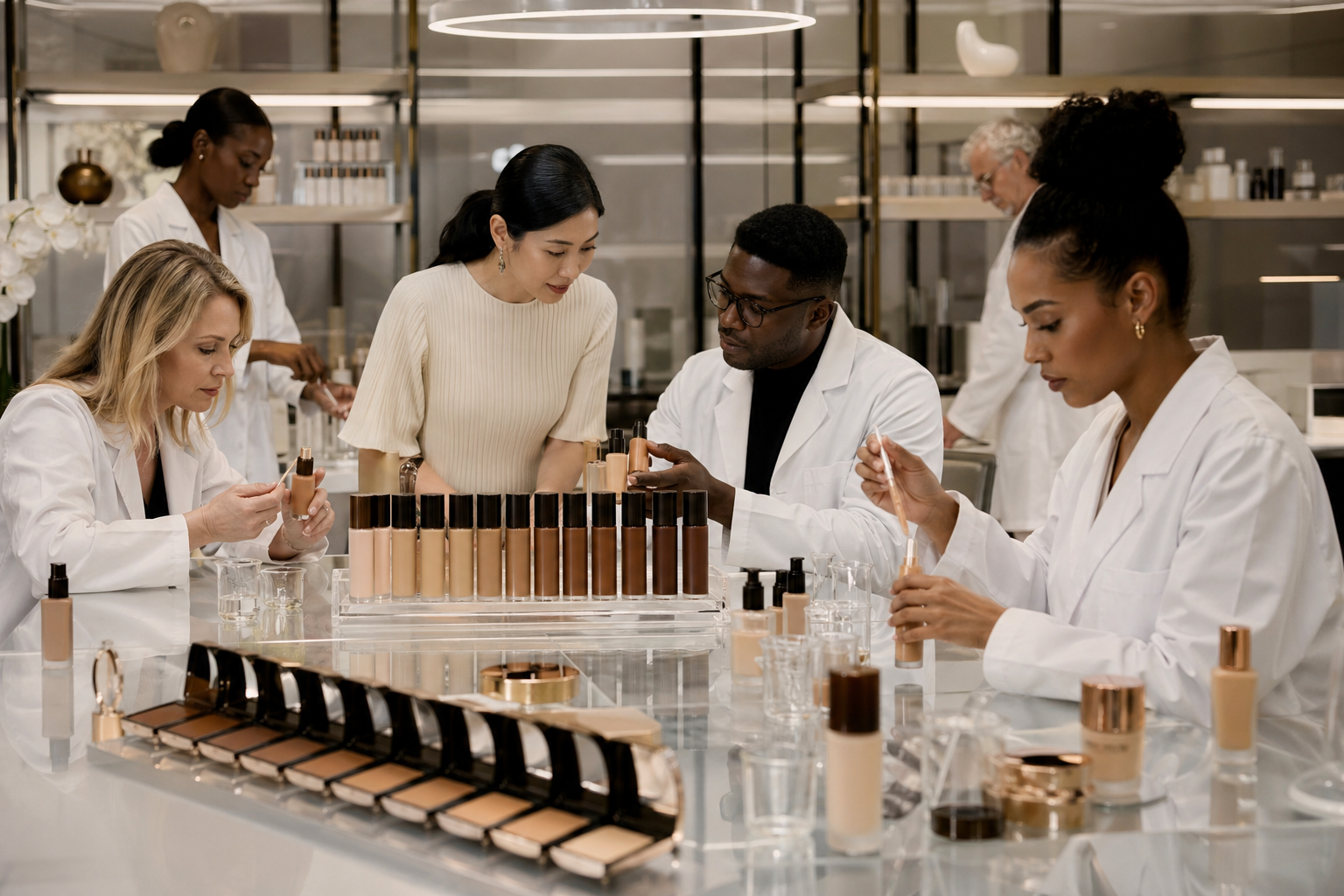
Rihanna partnered with LVMH’s Kendo division — the beauty incubator behind Marc Jacobs Beauty and Kat Von D Beauty — to develop Fenty Beauty. The partnership gave Rihanna access to LVMH’s world-class product development, manufacturing, and distribution infrastructure while allowing her to maintain creative control.
The development process took over two years. Rihanna was deeply involved in every aspect — shade testing, formula development, packaging design, and marketing strategy. She insisted on launching with 40 foundation shades (later expanded to 50), ranging from the palest ivory to the deepest mahogany. This wasn’t just a marketing decision — it was a supply chain and formulation challenge. Each shade had to be developed, tested, and manufactured at scale.
The marketing strategy was equally deliberate. Fenty Beauty’s launch campaign featured models of every skin tone, body type, and gender expression. The message was that beauty is universal and that a beauty brand should serve everyone, not just the demographic that the industry had traditionally prioritized. It was inclusive by design, not as an afterthought.
Chapter 5: The $100 Million Launch (September 2017)
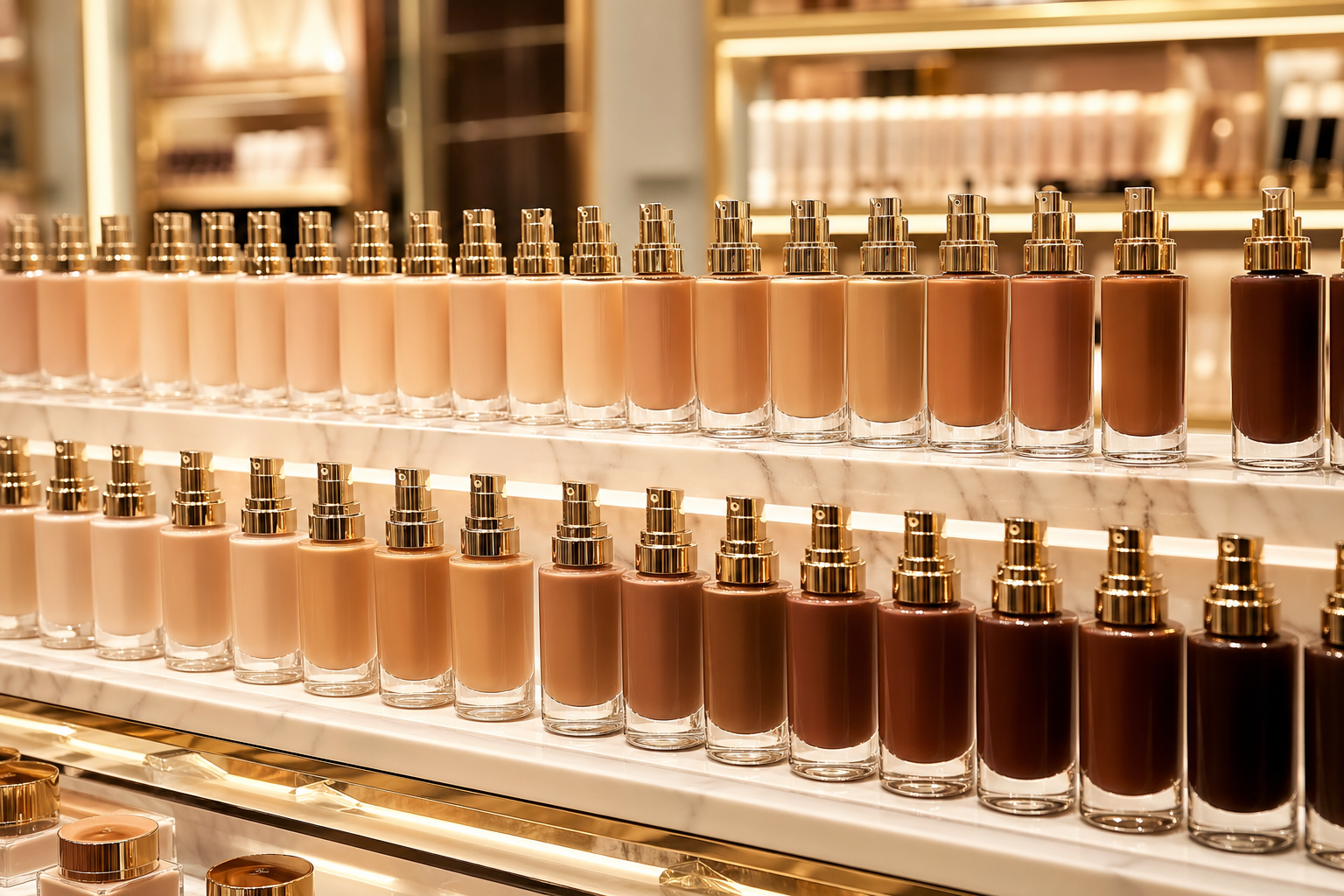
Fenty Beauty launched on September 8, 2017, at Sephora stores in 17 countries simultaneously. The response was explosive. The brand generated an estimated $100 million in revenue in its first 40 days — a number that stunned the beauty industry. Products sold out rapidly, particularly the darker foundation shades that had been ignored by competitors.
Social media amplified the success. Women of color posted videos of finding their perfect shade for the first time — emotional, genuine content that no amount of paid advertising could have produced. The hashtag #FentyBeauty became one of the most-used beauty tags on Instagram. Makeup artists praised the formula quality. Beauty editors wrote glowing reviews. The combination of commercial success and cultural significance was unprecedented.
The “Fenty Effect” began almost immediately. Within months, major beauty brands including CoverGirl, Maybelline, and Dior announced expanded shade ranges. Some brands that had been offering 20 shades scrambled to launch 40 or more. The industry was essentially admitting that it had been leaving money on the table — and that it took a pop star to point it out.
Chapter 6: Savage X Fenty — Disrupting Lingerie (2018–2022)
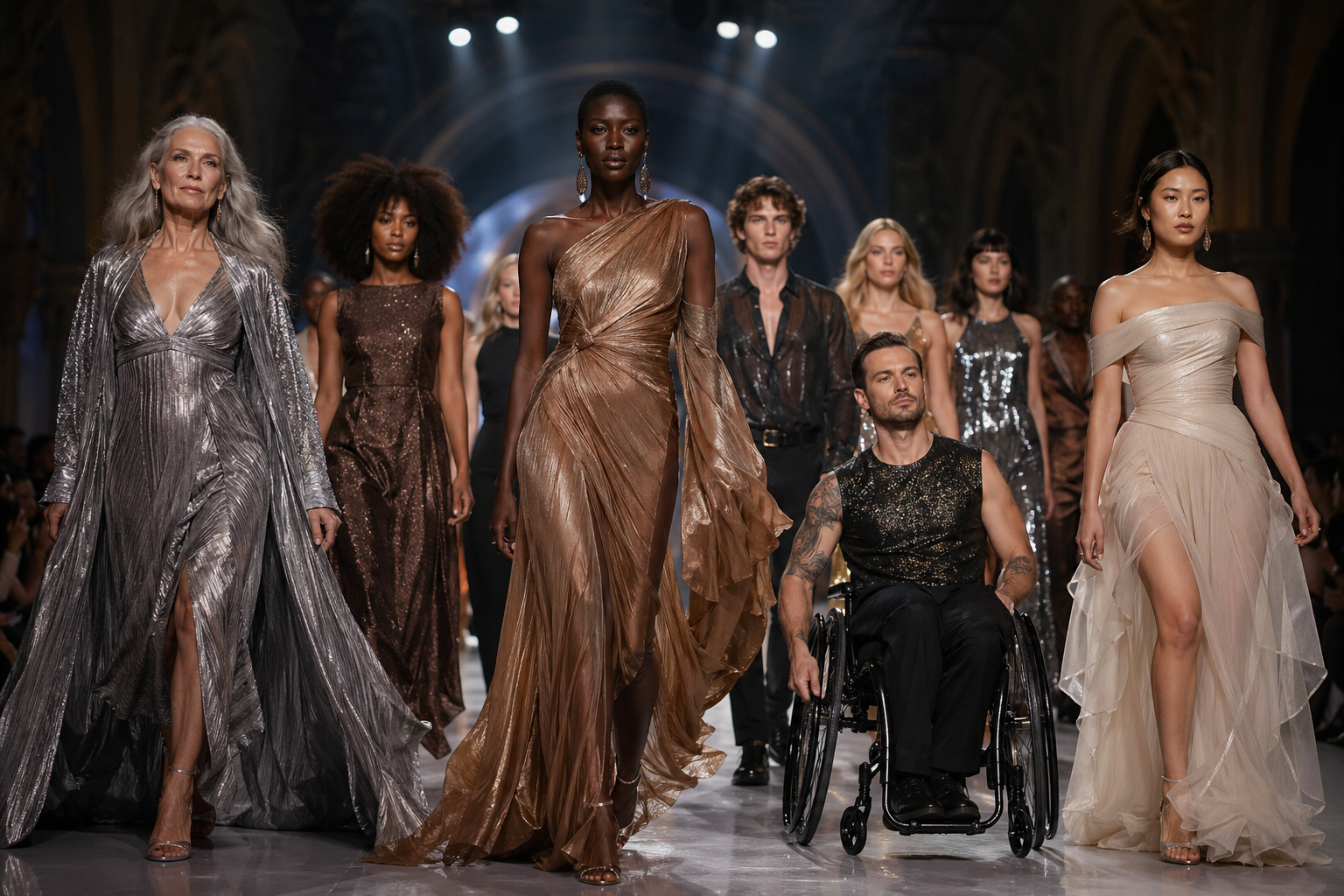
Riding the momentum of Fenty Beauty, Rihanna launched Savage X Fenty in May 2018 — a lingerie line that applied the same inclusive philosophy to underwear. The brand offered sizes from XS to 3X (later expanded to 4X) and featured models of every body type, skin tone, age, and gender identity.
The timing was perfect. Victoria’s Secret, which had dominated the lingerie market for decades, was struggling with an image crisis. Its “Angels” — impossibly thin, overwhelmingly white models in extravagant lingerie — felt increasingly out of touch. A Victoria’s Secret executive had publicly said the brand wouldn’t feature transgender or plus-size models in its fashion show. The comment was a gift to Savage X Fenty, which was building its entire brand on the opposite premise.
Savage X Fenty’s annual fashion shows became cultural events — streaming on Amazon Prime, featuring performances by top musicians, and showcasing models that looked like the actual people who bought lingerie. The contrast with Victoria’s Secret’s stale formula was devastating. By 2021, Savage X Fenty was valued at $1 billion and was preparing for an IPO. Victoria’s Secret, meanwhile, was sold by its parent company at a fraction of its former value.
Chapter 7: Billionaire Status — Forbes Confirms (2021)
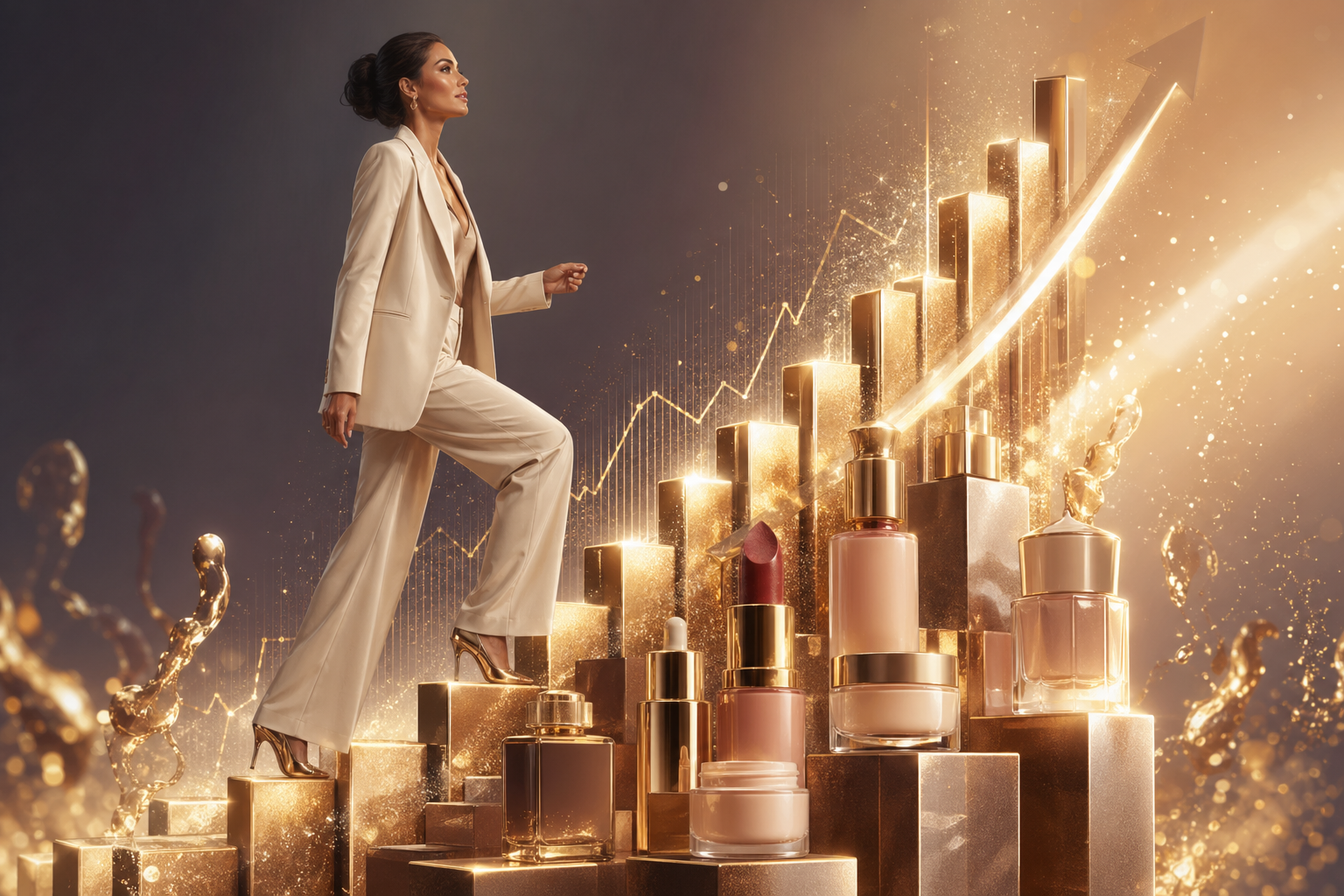
In August 2021, Forbes officially declared Rihanna a billionaire, with an estimated net worth of $1.7 billion. Approximately $1.4 billion came from her 50% stake in Fenty Beauty; the rest from Savage X Fenty, music royalties, and other investments. She was the wealthiest female musician in the world and the second-richest female entertainer after Oprah Winfrey.
The milestone was significant beyond the number. Rihanna was the first person to build a billion-dollar beauty brand from scratch in the social media era. She wasn’t a beauty industry veteran who had spent decades building a company — she was a musician who had identified a market opportunity, partnered with the right infrastructure, and executed with a precision that surprised even industry insiders.
The billionaire status also shifted how the public perceived celebrity brands. Previous celebrity beauty lines had been licensing deals — a famous person lends their name, collects a royalty, and has minimal involvement. Rihanna had built a company. She was involved in product development, marketing, retail strategy, and creative direction. The distinction mattered because it meant her wealth was based on equity ownership, not royalties — a fundamentally more valuable and sustainable position.
Chapter 8: The Super Bowl and the Return to Music (2023)
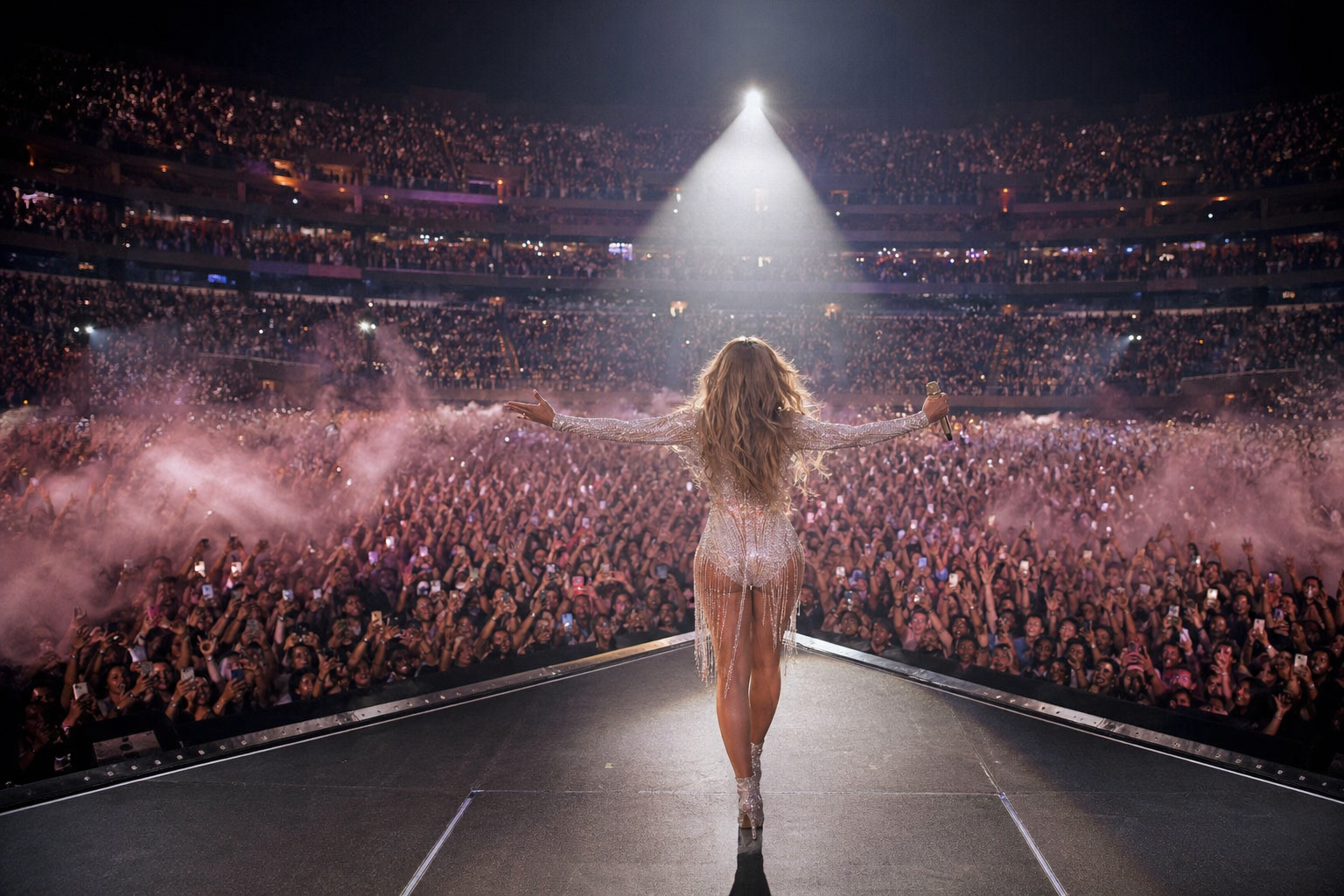
On February 12, 2023, Rihanna performed at the Super Bowl halftime show — her first live performance in years. The show was watched by an estimated 121 million viewers and revealed something that surprised many: Rihanna was visibly pregnant with her second child. The performance was a cultural moment, a fashion moment, and a business moment all at once.
The Super Bowl appearance drove massive spikes in Fenty Beauty sales. Google searches for Fenty products surged. Social media engagement skyrocketed. The performance demonstrated something that traditional beauty companies had never figured out: when the founder of a beauty brand is also one of the most famous performers on Earth, every public appearance is a marketing event.
Rihanna’s long hiatus from music — her last album, “Anti,” was released in 2016 — had initially worried fans but ultimately enhanced her mystique and her business credibility. By focusing on Fenty Beauty and Savage X Fenty during the hiatus, she demonstrated that she was serious about business, not just dabbling. The music career and the business career reinforced each other, each lending credibility and cultural relevance to the other.
Chapter 9: Fenty Beauty’s Product Empire (2017–2025)
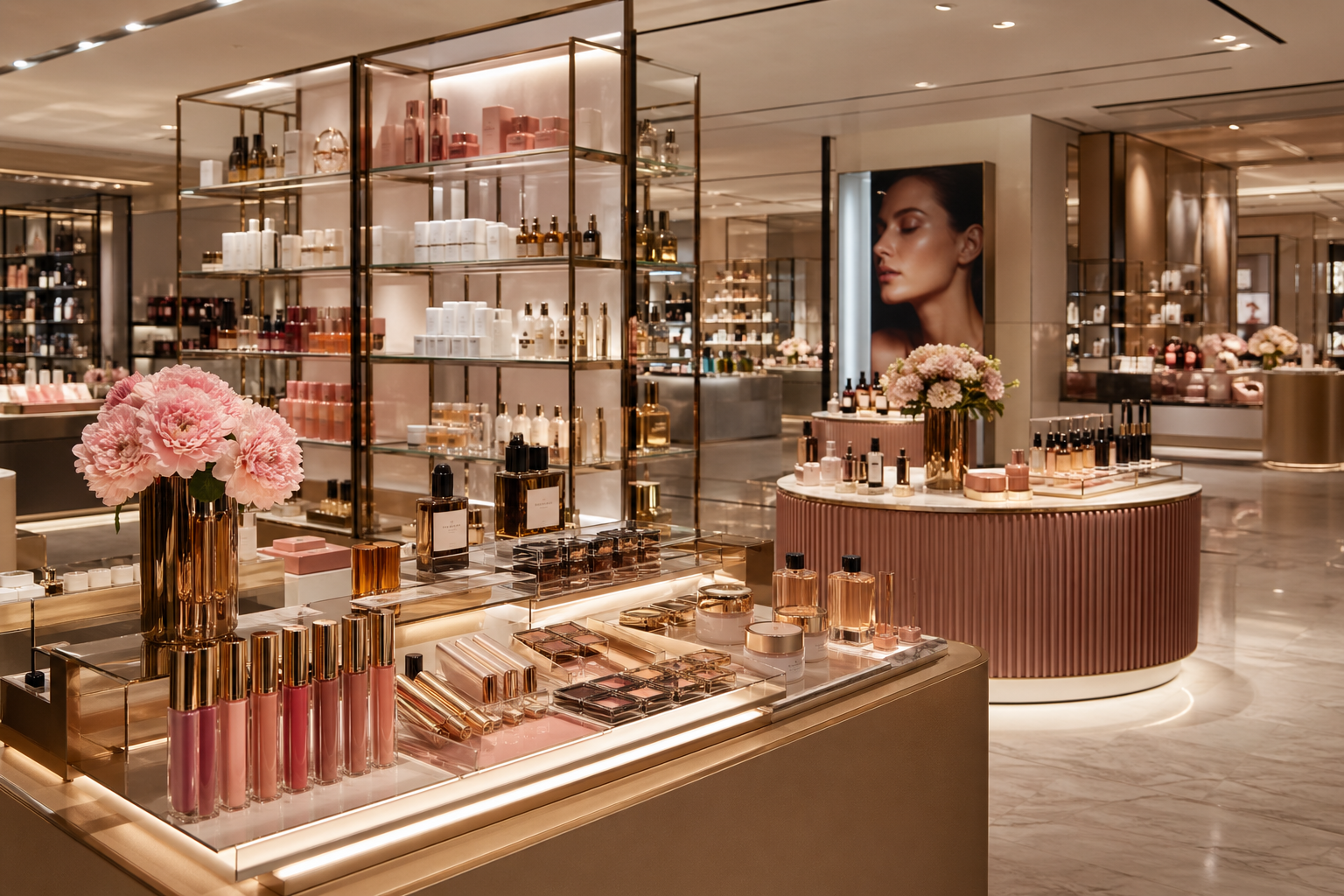
Fenty Beauty expanded far beyond foundation. The brand launched products across every major beauty category: lip products (Gloss Bomb became a cult favorite), setting powders, highlighters, bronzers, eyeshadow palettes, skincare (Fenty Skin), and fragrance (Fenty Eau de Parfum). Each launch followed the same formula: inclusive shade ranges, high-quality formulas, and marketing that featured real diversity rather than tokenism.
The fragrance launch was particularly notable. Fenty Eau de Parfum, released in 2021, sold out within hours. The bottle design was minimalist and unisex. The scent — warm, musky, and sophisticated — reflected Rihanna’s personal taste rather than conventional market research. The success proved that the Fenty brand had transcended beauty-specific products and had become a lifestyle brand with the power to enter any product category.
By 2025, Fenty Beauty was generating over $500 million in annual revenue and was available in over 30 countries. The brand had maintained its position at the premium end of the market while competing with legacy brands that had decades of head start. Its success had permanently changed the beauty industry’s approach to inclusivity, shade range, and marketing representation.
Chapter 10: Savage X Fenty’s Growing Pains (2022–2025)
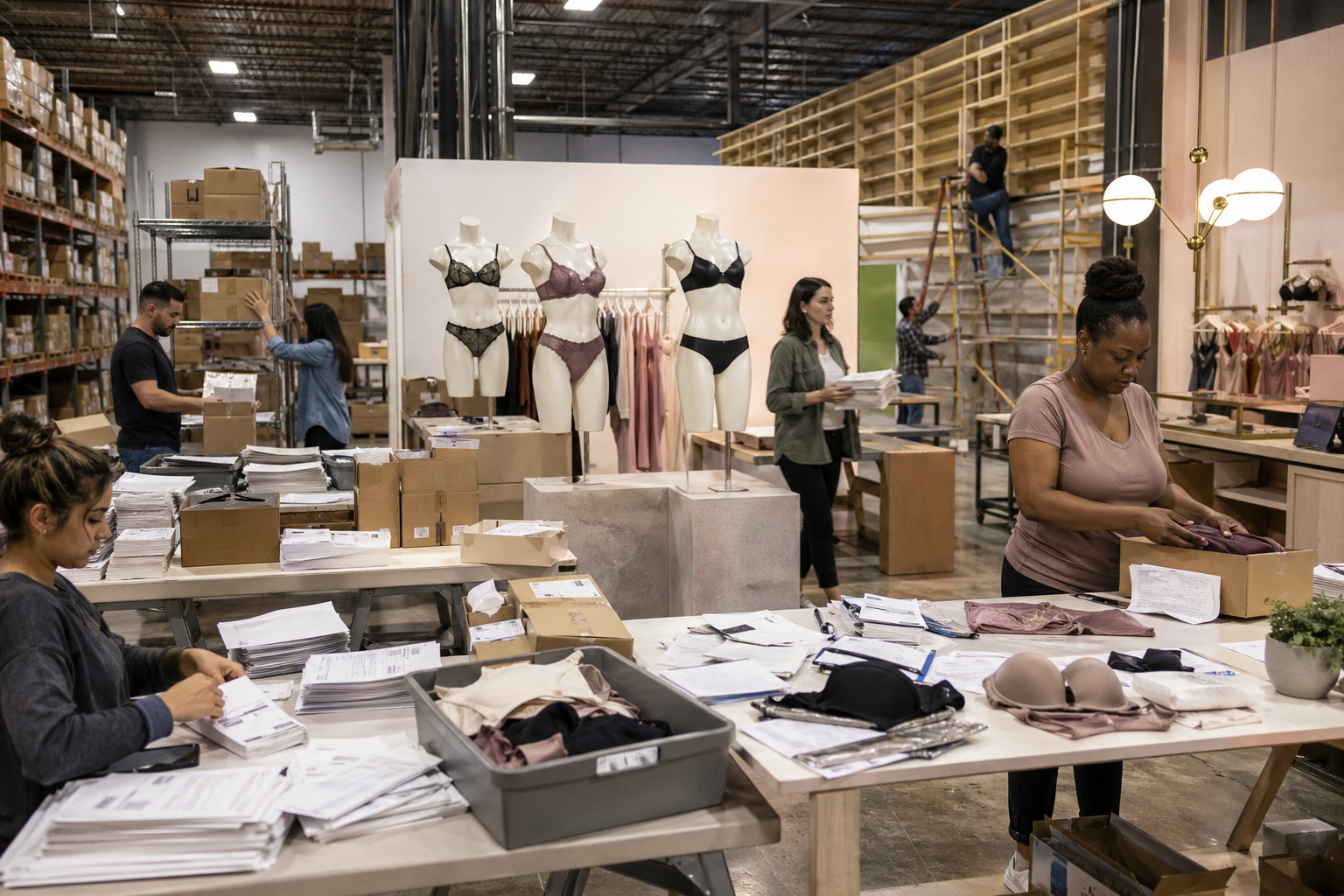
Not everything in Rihanna’s business empire went smoothly. Savage X Fenty faced challenges that tested the brand’s momentum. The company’s membership model — which offered discounts in exchange for a monthly subscription fee — drew complaints from customers who were charged without realizing they had signed up. Class action lawsuits alleged deceptive billing practices.
The planned IPO was repeatedly delayed as market conditions for direct-to-consumer brands deteriorated. Rising customer acquisition costs, increased competition from other inclusive lingerie brands, and concerns about profitability made investors cautious. By 2024, the IPO plans had been shelved indefinitely.
Rihanna responded by refocusing the brand on product quality and retail expansion, opening physical stores and reducing reliance on the subscription model. The challenges were a reminder that building a brand is different from building a sustainable business — and that even the most culturally resonant brand needs solid unit economics to thrive long-term.
Chapter 11: The LVMH Partnership and Corporate Strategy
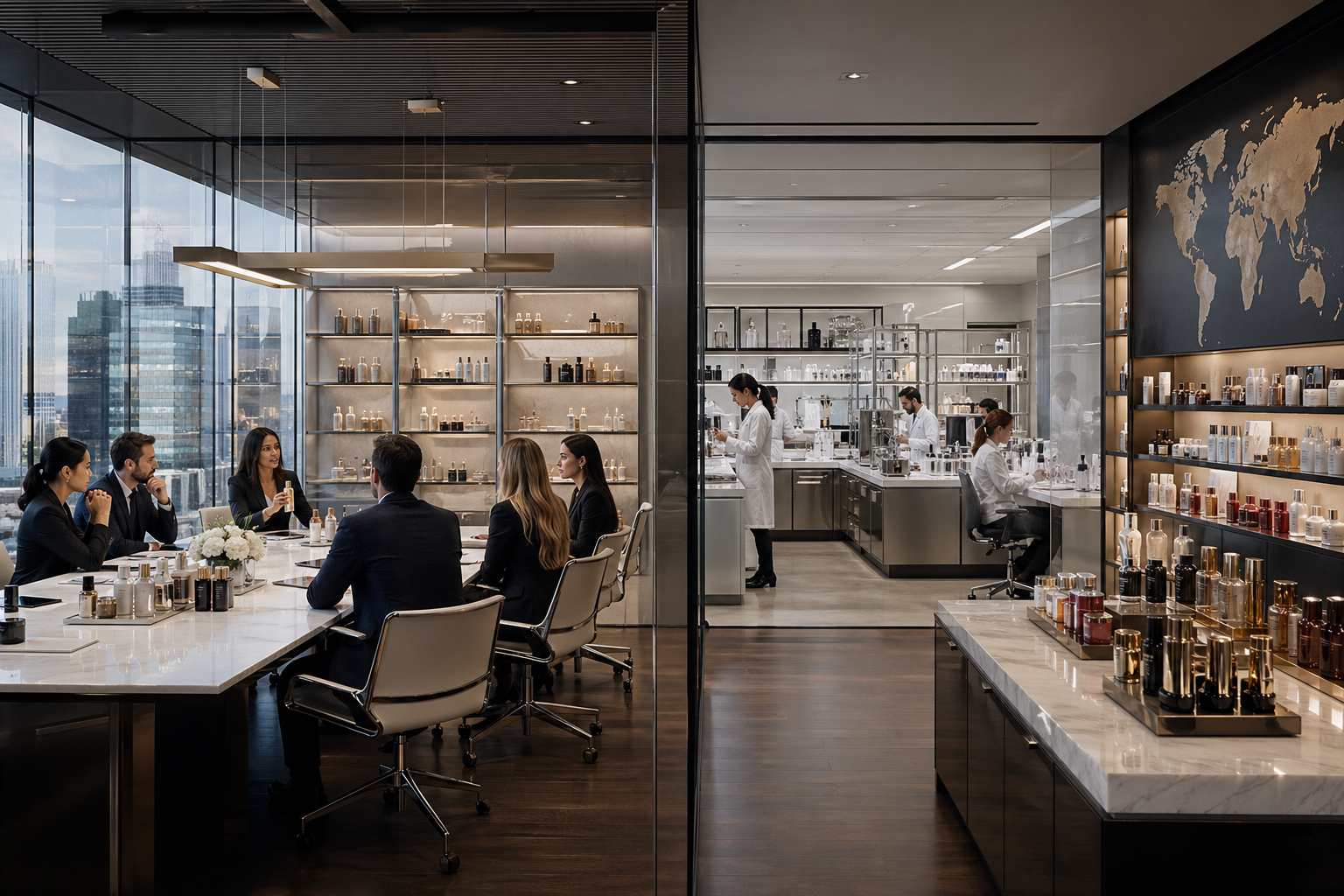
Rihanna’s partnership with LVMH — the world’s largest luxury goods conglomerate, controlled by Bernard Arnault — was central to Fenty Beauty’s success. LVMH’s Kendo division provided the manufacturing, distribution, and retail infrastructure that allowed Fenty Beauty to launch globally on day one. Without LVMH, Fenty Beauty would have been another celebrity brand sold through a personal website; with LVMH, it was a global beauty powerhouse available at Sephora in 17 countries simultaneously.
The relationship also gave Rihanna access to LVMH’s formulation expertise. Fenty Beauty products were developed using the same technology and ingredient sourcing that powered other LVMH beauty brands. The quality was consistently high, which was critical for maintaining the brand’s reputation beyond the initial hype of the launch.
However, the partnership had limits. Fenty Maison, a luxury fashion line launched with LVMH in 2019, was shut down in 2021 after failing to gain traction. The fashion business required a different set of skills — design, production scheduling, retail management — that didn’t translate directly from beauty. The failure was a reminder that brand equity alone doesn’t guarantee success in every category.
Chapter 12: Legacy — The Mogul Who Changed What Beauty Means
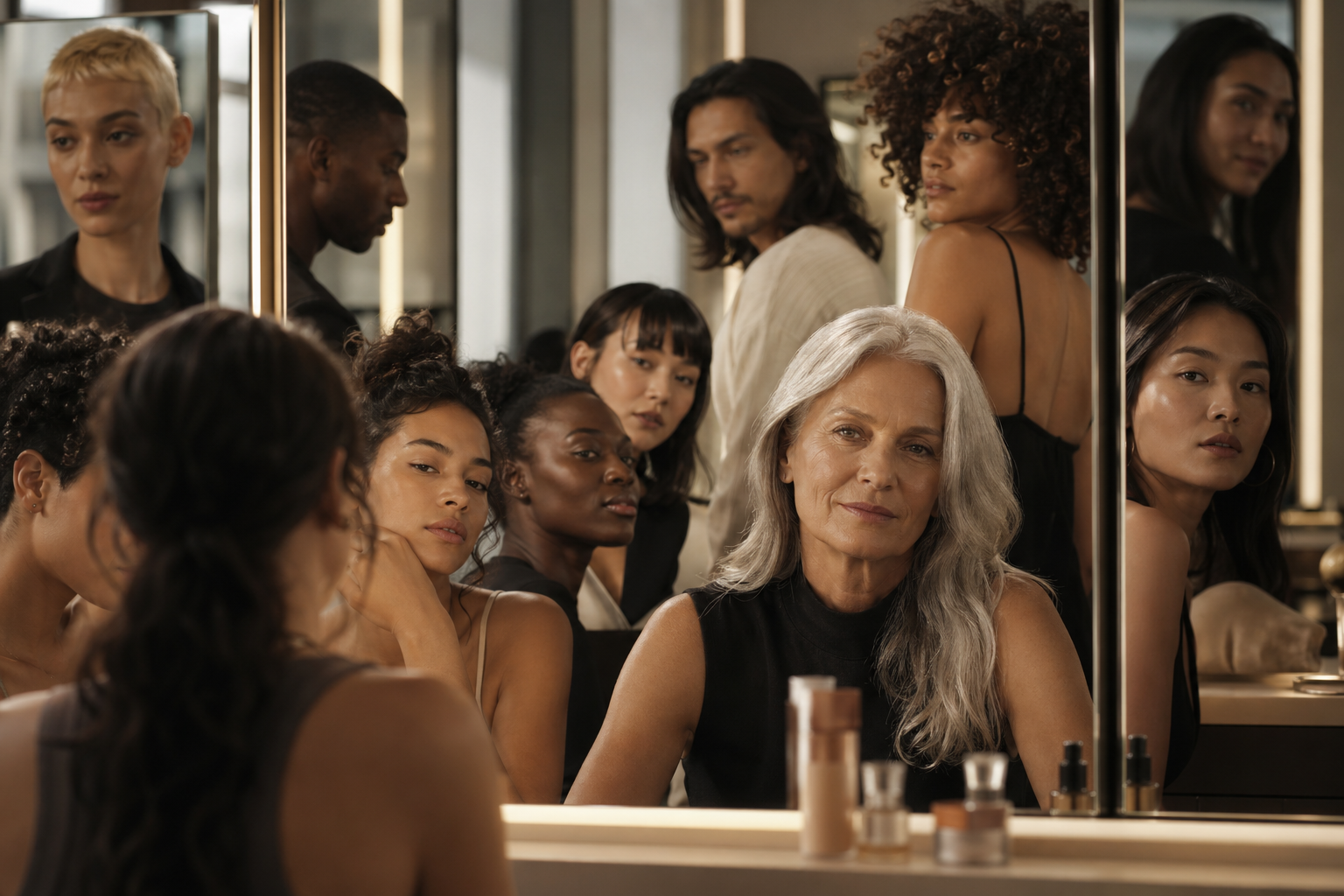
Rihanna’s business legacy is about more than money — though the money is substantial. Her net worth, estimated at $1.4 billion as of 2025, makes her one of the wealthiest self-made women in entertainment. But the deeper impact is cultural. Fenty Beauty didn’t just sell makeup — it changed what the beauty industry considers normal.
Before Fenty, inclusive shade ranges were a niche offering. After Fenty, they were a baseline expectation. Before Fenty, beauty marketing featured a narrow range of faces and bodies. After Fenty, diversity in beauty advertising became standard practice. Before Fenty, celebrity beauty brands were licensing deals. After Fenty, they were expected to be real businesses with the founder’s genuine involvement.
Rihanna proved that representation isn’t just morally right — it’s commercially brilliant. By serving customers that the industry had ignored, she unlocked billions in value that had been invisible to incumbents who couldn’t see past their own assumptions. The girl from Saint Michael, Barbados, who grew up watching her parents struggle, built a billion-dollar empire by asking a question that should have been obvious: what if beauty brands actually tried to serve everyone? The answer turned out to be worth $1.4 billion and counting.
💡 Key Insights
- ▸ Rihanna's genius was seeing what the beauty industry refused to see: that 40+ shades of foundation wasn't a niche market — it was the entire market. Fenty Beauty didn't just serve underserved customers; it redefined who the customer was.
- ▸ The 'Fenty Effect' — competitors rushing to expand shade ranges after Fenty's launch — proves that sometimes an industry's biggest blind spots are also its biggest opportunities. It took an outsider to see what insiders couldn't.
- ▸ Rihanna's transition from musician to mogul wasn't a side hustle — it was a complete business reinvention that leveraged celebrity into operational excellence. She didn't license her name; she built the company.