Thomas Peterffy: How Automation Built Interactive Brokers
Thomas Peterffy brought computers onto trading floors, automated market making, and built Interactive Brokers around relentless engineering discipline.
View all stories about this mogul
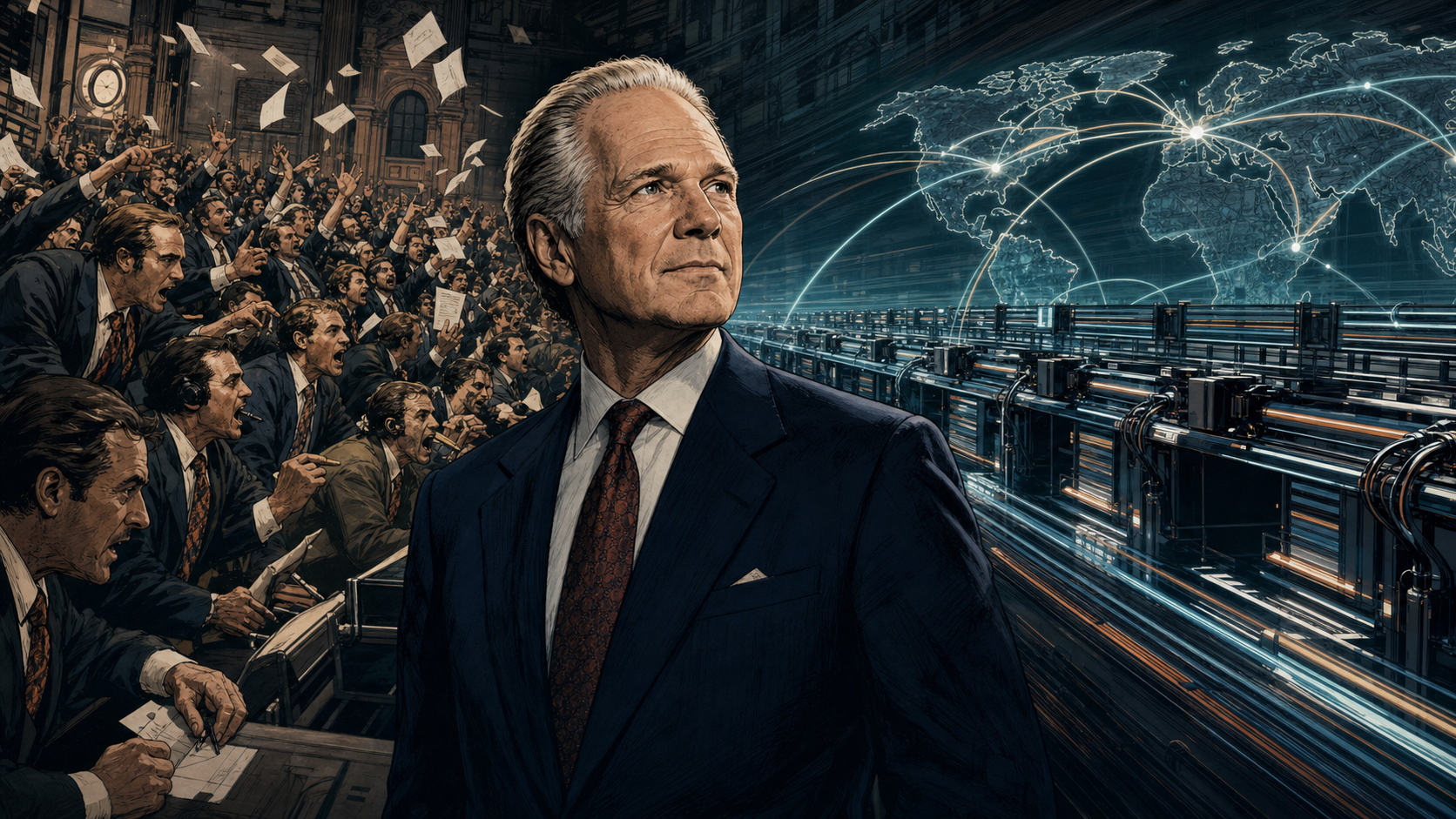
Thomas Peterffy saw the trading floor as a machine waiting to be built.
In the 1970s and 1980s, exchanges were loud physical arenas. Traders signaled with hands, clerks wrote tickets, and prices traveled at human speed. Peterffy, a Hungarian immigrant and programmer, believed computers could calculate value faster, quote more consistently, and connect decisions across markets.
That belief became an automated market-making operation and then Interactive Brokers, a global brokerage designed around software rather than branches and salespeople. The company did not become important by making finance look glamorous. It made the machinery cheaper, faster, and more precise.
How Did an Immigrant Programmer See the Trading Floor Differently?
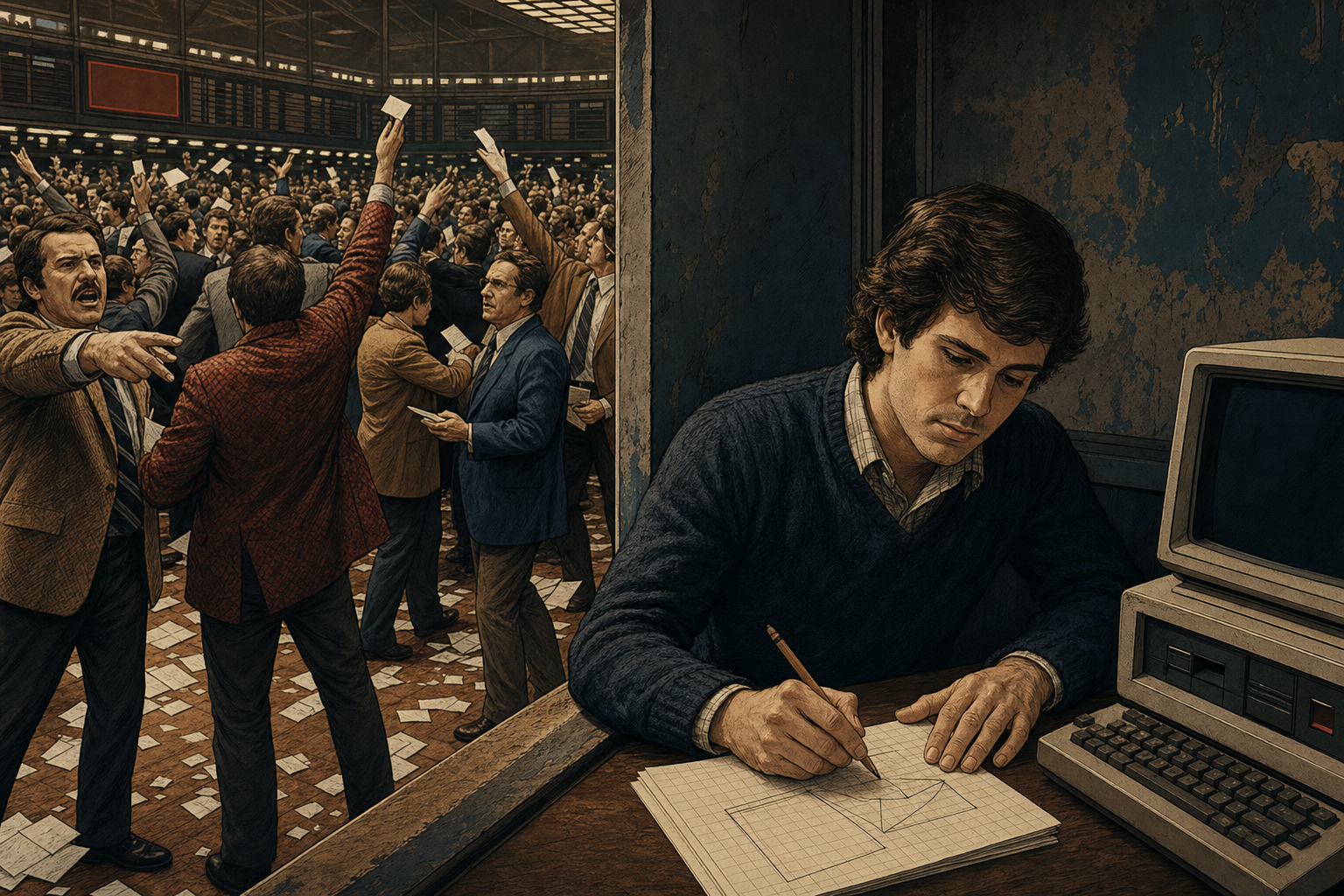
Peterffy arrived in the United States after leaving communist Hungary. He learned English while working and built a career in computer programming at a time when software talent was scarce. His technical background shaped how he interpreted markets: prices were not only shouted opinions but inputs to mathematical systems.
He bought a seat on the American Stock Exchange and began trading options. Options demanded rapid calculations across strike prices, expirations, volatility, and the underlying security. Humans could estimate; machines could update systematically.
The institutional obstacle was physical. Exchange rules and floor customs assumed people, paper, and voice. Peterffy and his team carried printed fair-value sheets, built handheld devices, and pushed for ways to transmit computed prices to traders. Every improvement compressed the distance between a model and an executable quote.
This was not automation for its own sake. Faster calculation reduced stale prices. Consistency made it possible to operate across more instruments. Data from one market could inform another. A small technical team could compete with larger organizations built around manual process.
How Did Automated Market Making Become a Brokerage?
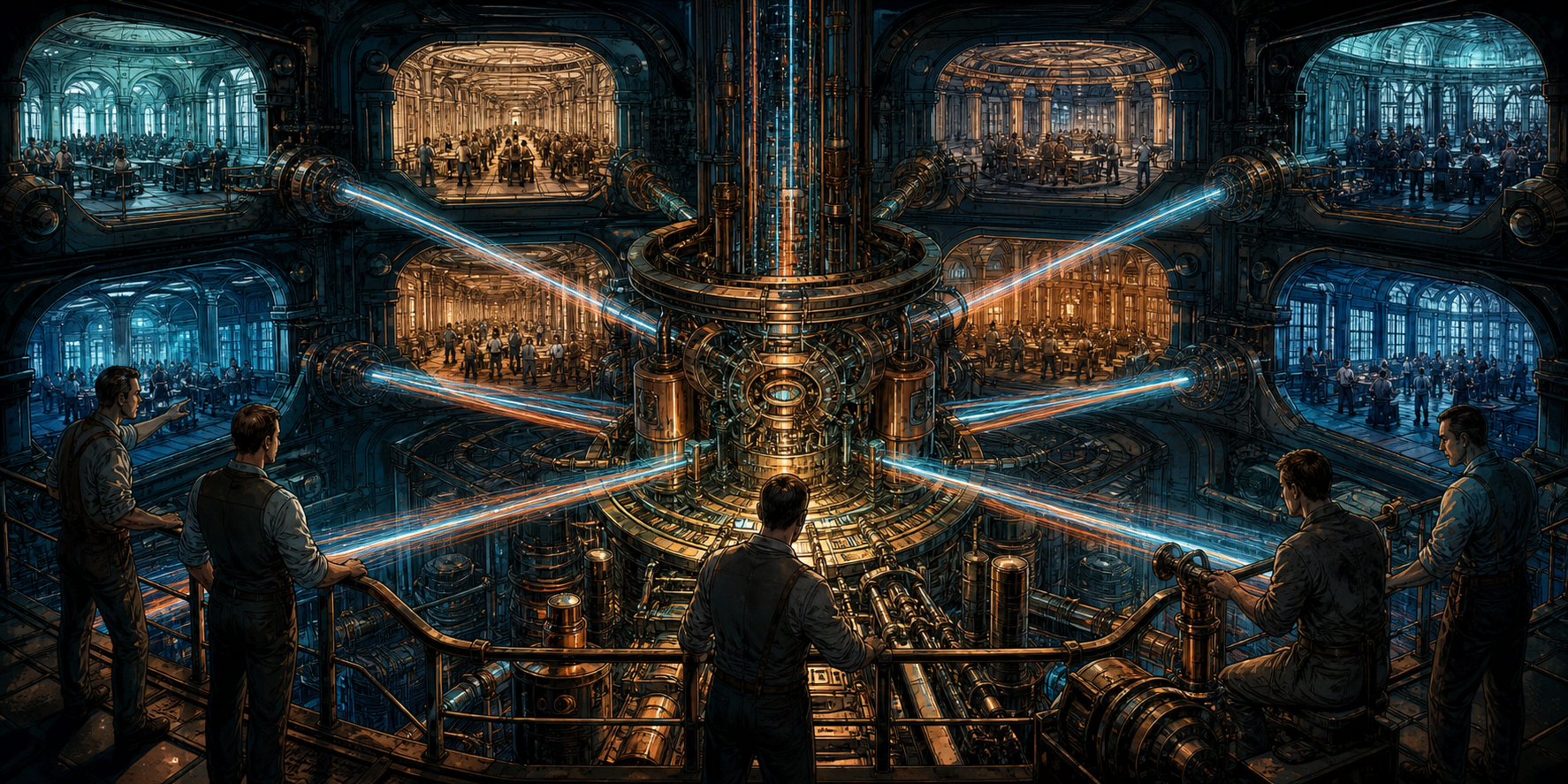
Peterffy’s operations evolved through entities that eventually became Timber Hill, an electronic market maker. The group expanded across exchanges and countries, adapting systems to different rules while maintaining a common engineering core.
Automation changed the economics. Software could monitor positions, calculate risk, and generate quotes continuously. The advantage did not depend on one charismatic floor trader. It lived in code, connectivity, and disciplined risk limits.
The infrastructure also exposed another opportunity. If the firm could connect itself efficiently to many markets, it could offer those connections to outside customers. Interactive Brokers emerged as the brokerage layer: execution, clearing, custody, margin, market data, and account tools delivered through a technology-centered platform.
Traditional brokers often bundled research, advice, branches, and sales commissions. Interactive Brokers focused on sophisticated execution and low cost. That appealed first to active traders and institutions, then to a broader global customer base as electronic trading became normal.
Why Did Engineering Become the Business Model?
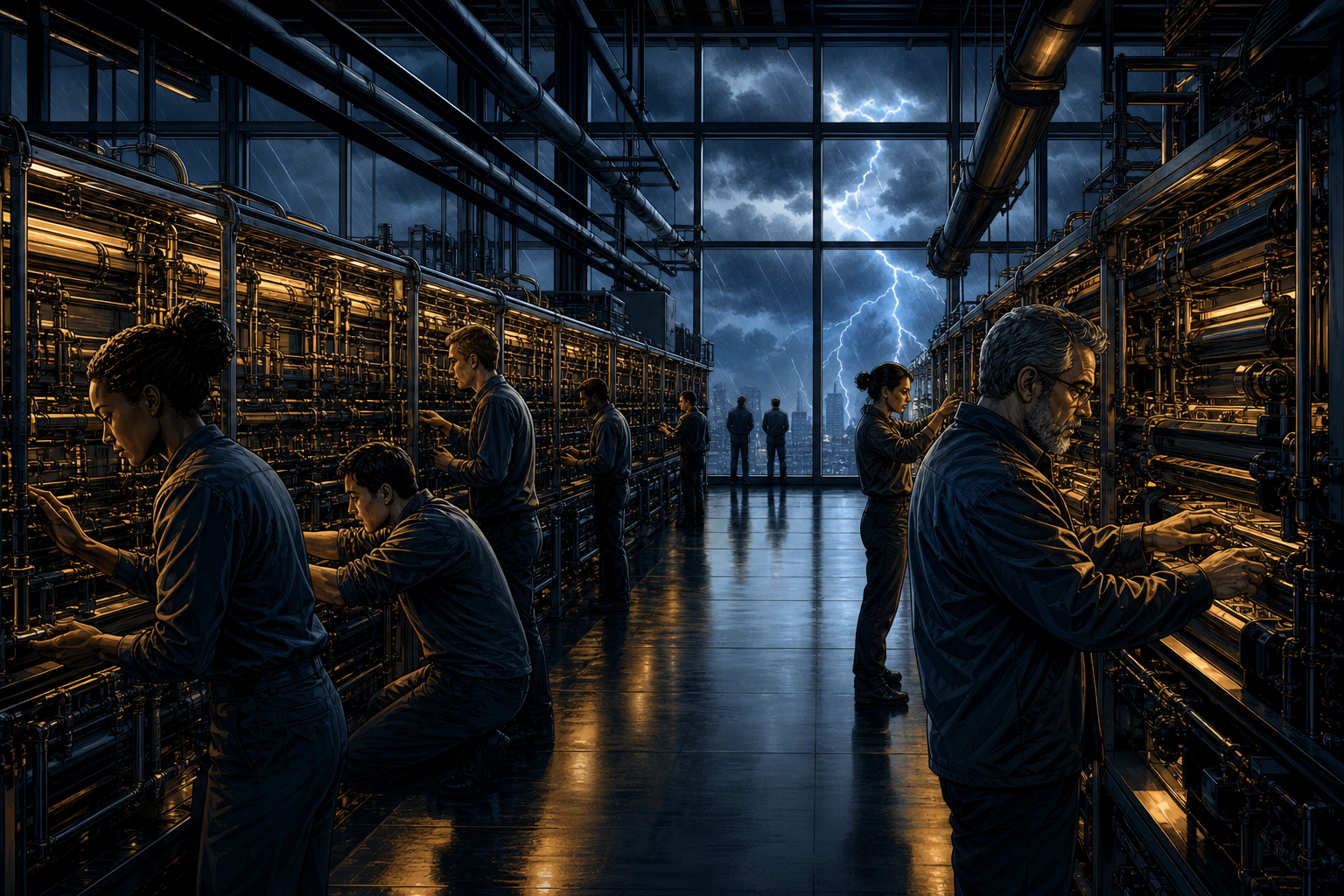
Low pricing is easy to announce and hard to sustain. Interactive Brokers could charge less because its systems automated work that competitors performed with more people and fragmented technology. The architecture supported many markets, currencies, and products without reproducing an entire organization for each one.
Automation also brought responsibility. A brokerage cannot treat software failure like a harmless consumer-app bug. Order routing, margin calculation, liquidation, cybersecurity, compliance, and customer assets require controls that work during market stress.
Peterffy’s culture emphasized programmers and direct systems thinking. The customer experience could feel utilitarian compared with friendlier retail apps, but the underlying proposition was serious: broad market access, transparent mechanics, and professional tools at scale.
The company went public in 2007. Electronic trading kept expanding, while zero-commission retail competition later changed the industry’s headline pricing. Interactive Brokers responded without abandoning its core. Its advantage was never one commission schedule; it was the cost and capability produced by an integrated platform.
What Is the Durable Lesson of Peterffy’s Machine?

Peterffy built a financial empire by repeatedly converting internal advantage into external infrastructure. A pricing calculator became a market-making system. Connectivity built for traders became brokerage access for customers. Risk software became the foundation for serving more products and countries.
The pattern is powerful because it ties price to architecture. Competitors can match a fee temporarily. It is harder to match decades of systems designed to remove manual work while controlling risk.
Key facts and timeline
| Milestone | Why it mattered |
|---|---|
| Immigration to the United States | Began Peterffy’s career as a programmer and builder |
| Entry into options trading | Revealed how computation could outperform manual calculation |
| Timber Hill expansion | Turned automation into a multi-market trading operation |
| Interactive Brokers launch | Offered the firm’s connectivity and systems to customers |
| 2007 public offering | Brought the technology-centered brokerage into public markets |
FAQ
Who founded Interactive Brokers? Thomas Peterffy founded the business that evolved from his trading and market-making operations into Interactive Brokers.
What made Peterffy’s approach unusual? He treated trading as an engineering and automation problem while exchanges still relied heavily on manual floor processes.
How does Interactive Brokers keep costs low? Its business has long emphasized automated workflows, integrated systems, electronic distribution, and scale rather than a large branch network.
Is Interactive Brokers only for professional traders? It built its reputation with active and professional users, but the platform now serves a broad range of individuals and institutions across many markets.
Peterffy’s story is a reminder that unglamorous infrastructure can become an empire. The machine wins when it is not merely faster, but reliable enough that customers trust it with consequential work.
💡 Key Insights
- ▸ Automation compounds when it lowers both operating cost and error rates.
- ▸ A founder can turn an internal trading advantage into customer infrastructure.
- ▸ Low prices are durable when architecture—not subsidy—creates them.
- ▸ Engineering culture can be a distribution strategy in markets built on trust.