Tyler Perry: From Homeless Playwright to Billionaire Studio Owner
Hollywood ignored him. Critics mocked him. He built his own studio, created his own distribution, and became the first Black American to own a major film and television production facility outright.
View all stories about this mogul
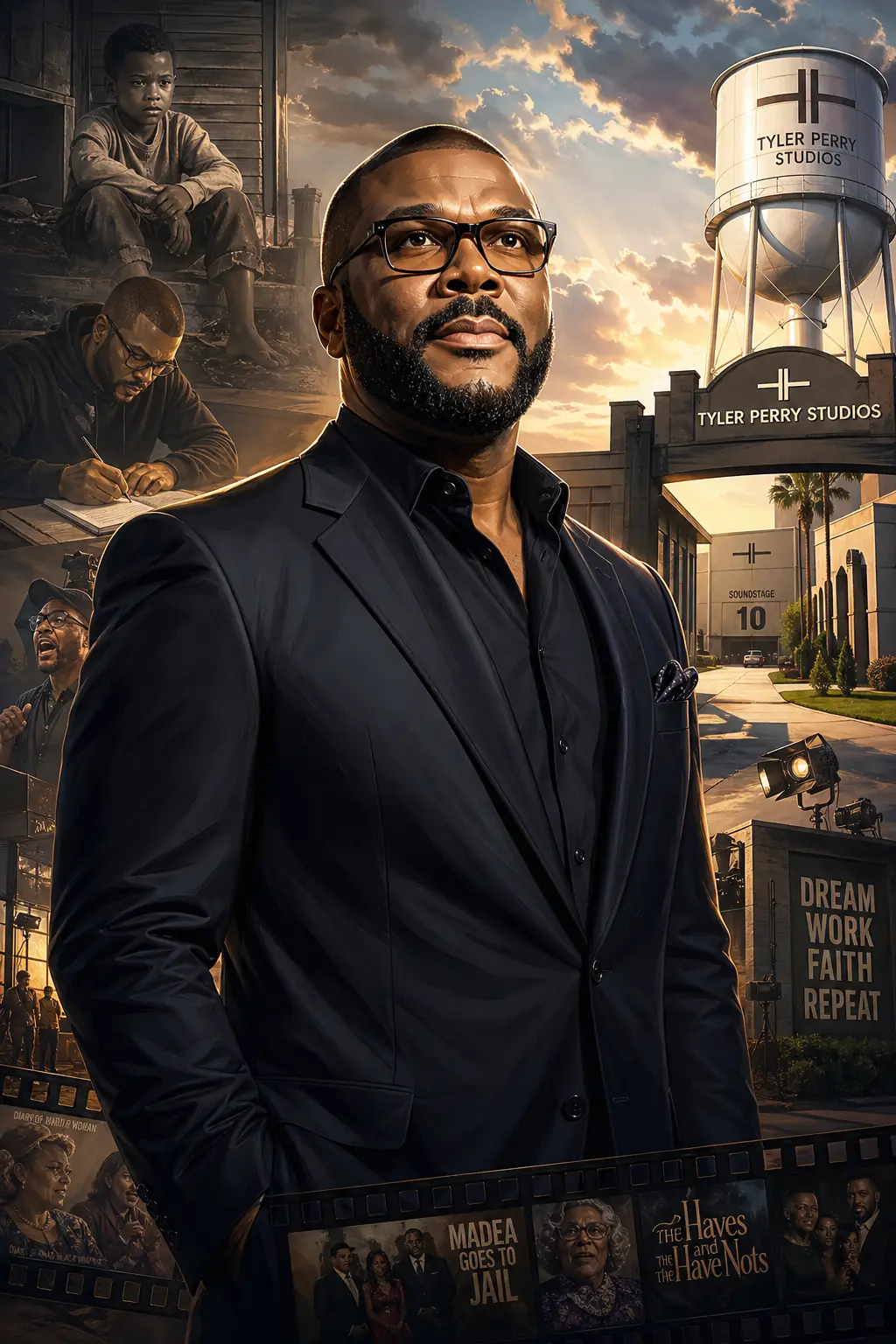
Tyler Perry built a billion-dollar entertainment empire by serving an audience that Hollywood didn’t know existed — or didn’t care about. While major studios spent hundreds of millions chasing the same demographics with the same formulas, Perry was filling theaters in cities that Hollywood didn’t bother to market to, with stories about faith, family, and resilience that resonated with millions of Black Americans. He was mocked by critics, dismissed by the industry establishment, and ignored by awards shows. He responded by building a 330-acre studio complex that was larger than any major studio lot in Hollywood, becoming a billionaire, and proving that the most underserved markets are often the most profitable ones.
Chapter 1: The Childhood Nobody Would Wish For (1969–1988)
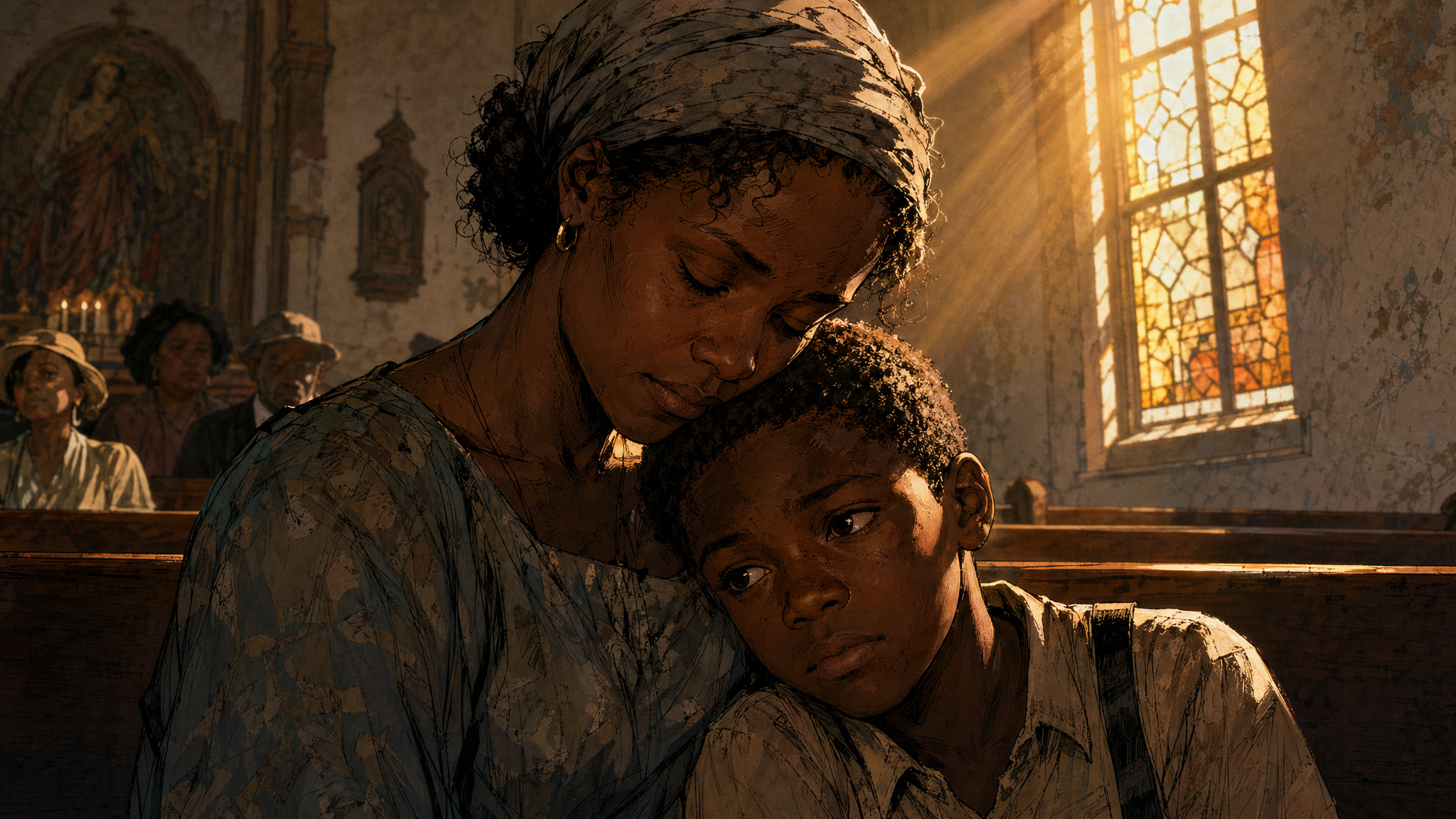
Emmitt Perry Jr. was born on September 13, 1969, in New Orleans, Louisiana. His childhood was a catalog of abuse. His father, Emmitt Perry Sr., was a carpenter who was violently abusive — physically and emotionally — toward Tyler and his mother. Perry has described being beaten with vacuum cords, punched, and verbally degraded throughout his childhood. The abuse was severe enough that Perry attempted suicide as a teenager.
His mother, Willie Maxine Perry, was his anchor. She took him to church, provided what stability she could, and modeled a faith that would become the foundation of everything Perry later built. The Black church — with its emphasis on redemption, endurance, and the possibility of transformation — would become the emotional core of virtually everything Perry created.
Perry legally changed his name from Emmitt to Tyler as a teenager, specifically to distance himself from his father. It was a declaration of independence: he would build his identity from scratch, on his own terms. He dropped out of high school, earned his GED, and spent his late teens and early twenties working menial jobs in New Orleans and Atlanta, dreaming of something bigger but having no clear path to get there.
Chapter 2: The Play That Nobody Came To See (1992–1998)
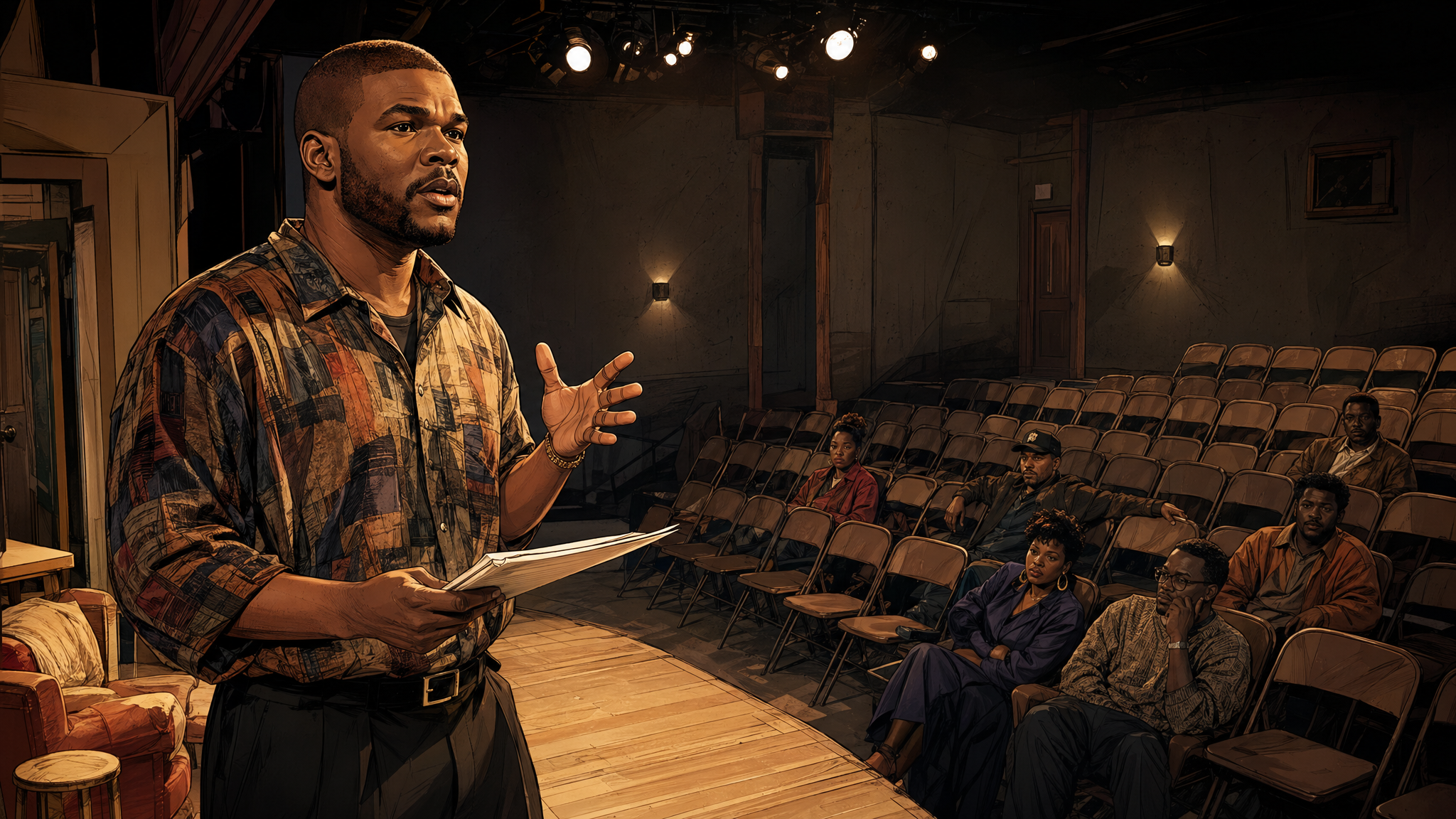
In 1992, Perry saw an episode of Oprah Winfrey’s show about the therapeutic power of writing. He had been journaling about his childhood trauma, and the idea of turning those journals into something public — a play, specifically — took hold. He wrote “I Know I’ve Been Changed,” a gospel-infused stage drama about adult survivors of child abuse finding redemption through faith.
He invested his life savings — $12,000 — into producing the play at a small Atlanta theater. The opening weekend, thirty people showed up. The show lost money. Perry was devastated but not deterred. He reworked the play and produced it again. And again. And again. Over the next six years, he produced the show repeatedly, each time to small audiences, each time losing money. He was homeless at various points, sleeping in his car and in shelters.
In 1998, the play finally found its audience. Perry had refined the production, improved the marketing, and tapped into the network of Black churches and community organizations that would become his primary distribution channel. A production in Atlanta’s House of Blues filled to capacity. Then it sold out multiple shows. Then it went on tour. The audience that Hollywood couldn’t see had been there all along — it just needed someone to speak to it directly.
Chapter 3: Madea — The Character That Built an Empire (1999–2005)
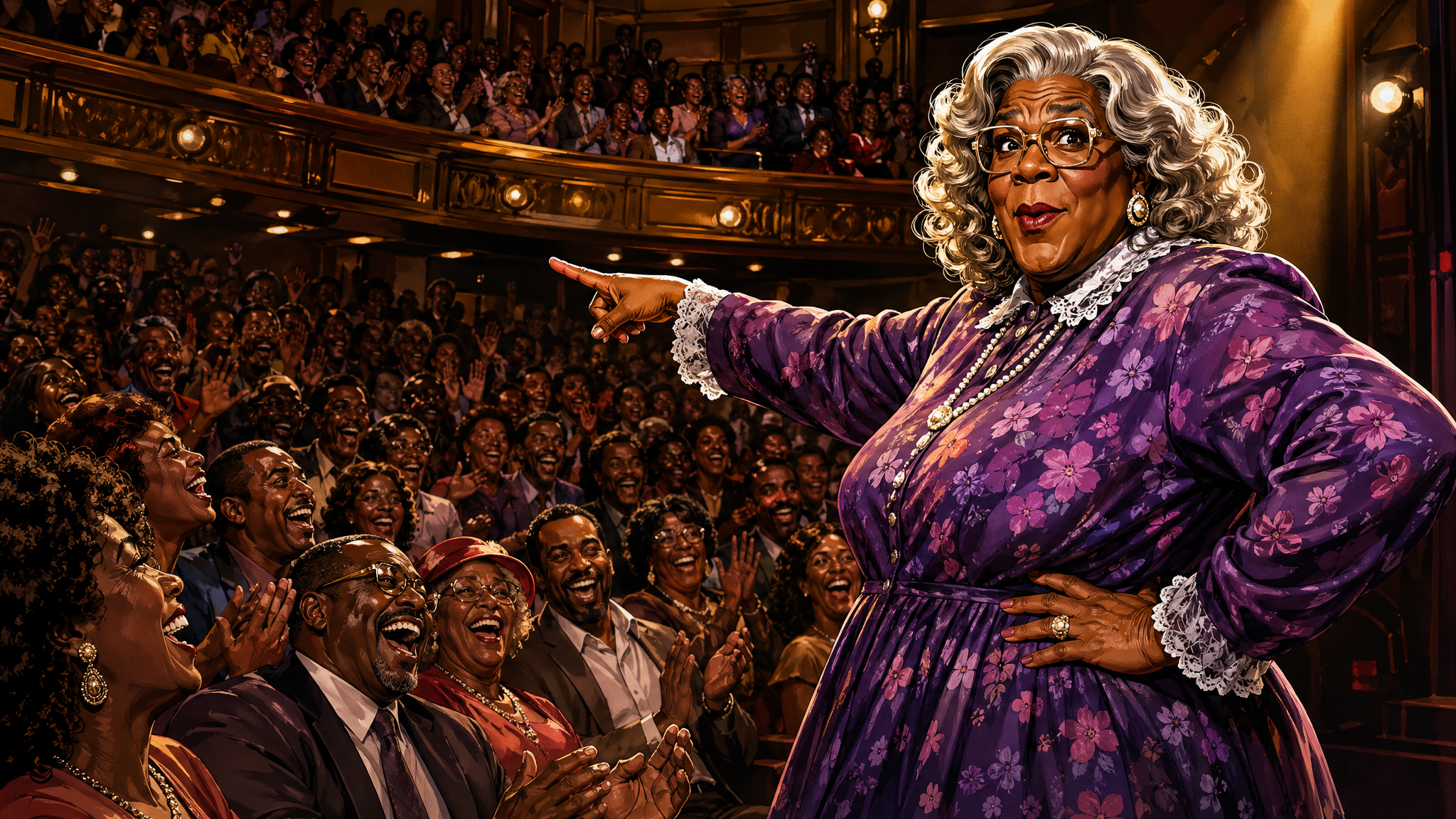
Perry’s breakout character was Mabel “Madea” Simmons — a loud, gun-toting, no-nonsense grandmother played by Perry himself in a fat suit and wig. Madea first appeared in Perry’s stage plays and became an instant audience favorite. She was funny, fierce, and deeply recognizable to the Black churchgoing women who made up Perry’s core audience. She was their grandmother, their aunt, the woman at church who said what everyone was thinking.
Madea was also deeply controversial among Black critics and intellectuals. Spike Lee publicly criticized Perry’s work for reinforcing minstrel stereotypes. Critics accused Perry of recycling the “Mammy” archetype for laughs. Perry responded that his critics were disconnected from the audience they claimed to represent — that ordinary Black people loved Madea because she was authentic, not because they were unsophisticated.
The stage plays featuring Madea — “Diary of a Mad Black Woman,” “Madea’s Family Reunion,” “Madea Goes to Jail,” and others — grossed hundreds of millions on the touring circuit. Perry was filling 5,000-seat theaters in cities across the South and Midwest, selling tickets primarily through church networks, radio advertising, and word of mouth. He was operating an entirely parallel entertainment economy that existed outside Hollywood’s awareness.
Chapter 4: Lionsgate and the Box Office Explosion (2005–2011)
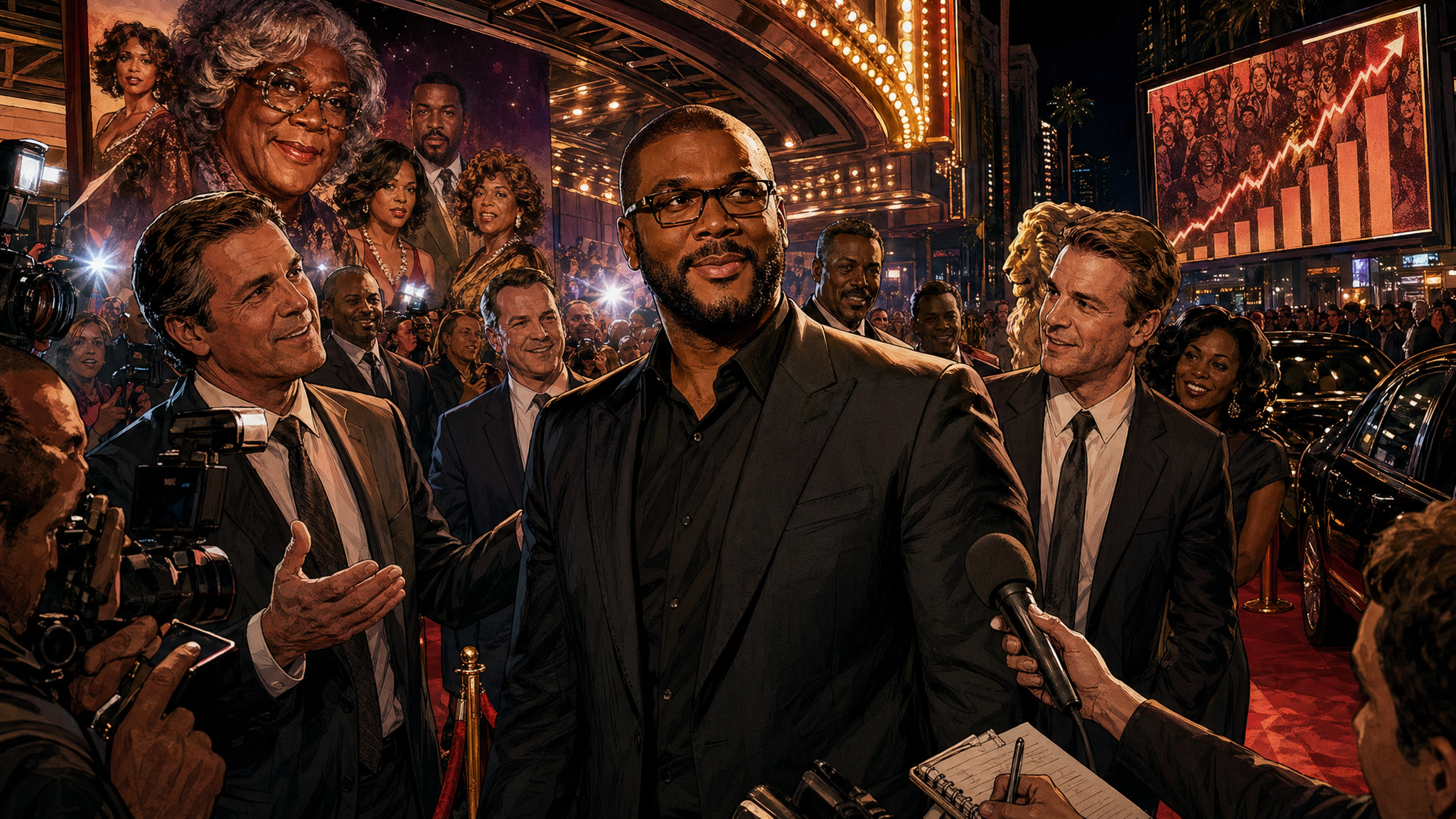
In 2005, Perry made the leap from stage to screen with the film adaptation of “Diary of a Mad Black Woman,” distributed by Lionsgate. Hollywood expected it to fail — the film was made for $5.5 million, had no major stars (by Hollywood standards), and was marketed primarily to an audience that the industry didn’t consider commercially viable.
It opened at number one, grossing $21.9 million in its first weekend. Hollywood was stunned. Perry followed up with hit after hit: “Madea’s Family Reunion” ($63.3 million), “Why Did I Get Married?” ($55.2 million), “Madea Goes to Jail” ($90.5 million). Each film was made for a fraction of what major studios spent, and each was enormously profitable.
Perry’s deal with Lionsgate was unlike anything in Hollywood. He maintained creative control, ownership of his content, and a larger share of profits than was standard for first-time filmmakers. He could do this because his films were essentially pre-sold to an audience that was invisible to Hollywood’s traditional marketing and distribution infrastructure. Perry didn’t need Lionsgate to find his audience — he already had them. He needed Lionsgate for theater access and physical distribution.
Chapter 5: Tyler Perry Studios — Ownership as Strategy (2006–2015)
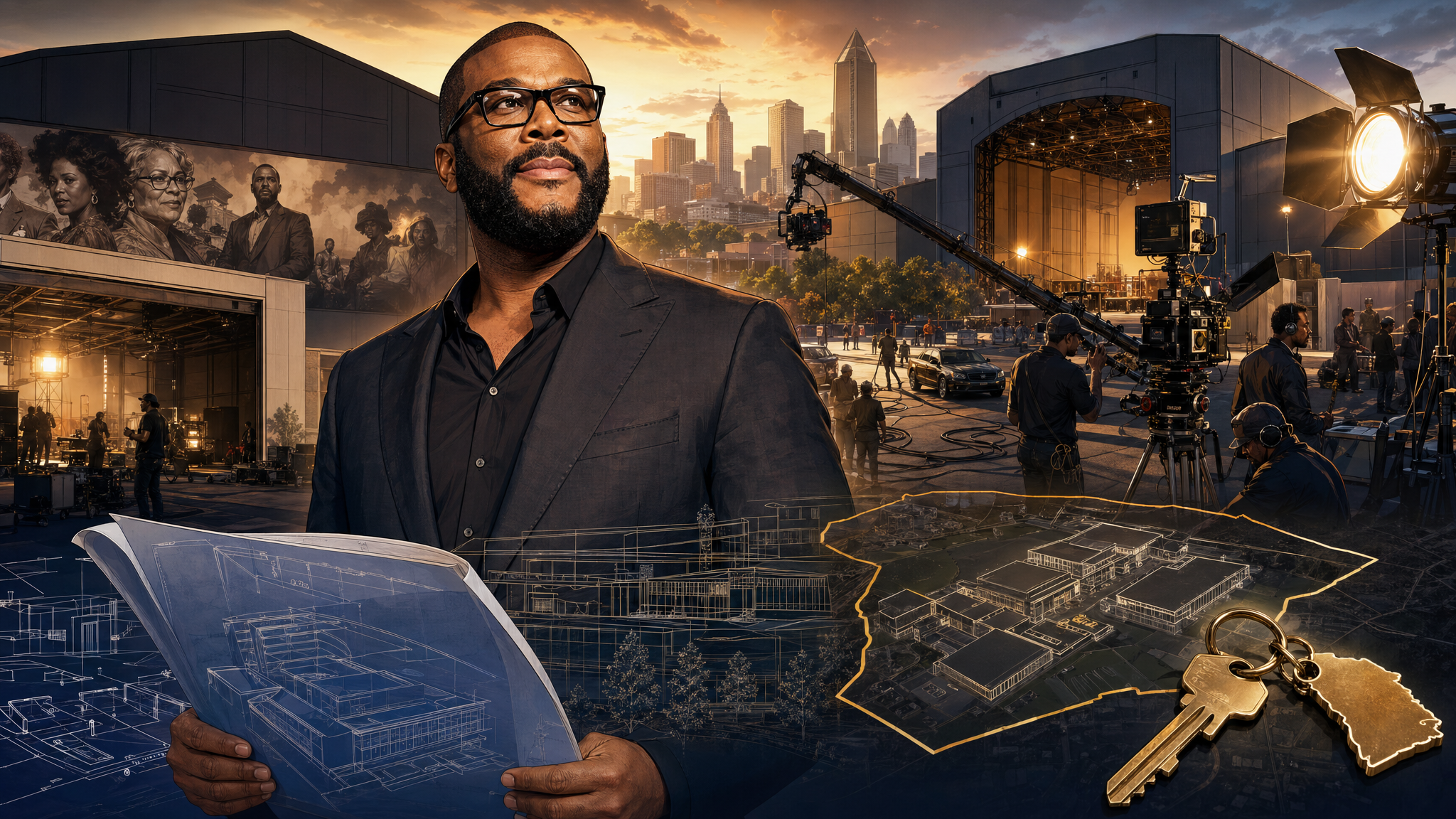
In 2006, Perry opened Tyler Perry Studios in Atlanta — his own production facility. The initial studio, located on a former Delta Air Lines campus, gave Perry something no other Black filmmaker in history had possessed: complete infrastructure independence. He could write, produce, film, and edit content without stepping foot on a Hollywood lot or asking anyone’s permission.
The studio operated at astonishing efficiency. Perry was known for shooting entire seasons of television in days rather than weeks. He wrote scripts himself, directed multiple shows simultaneously, and maintained a production pace that horrified Hollywood’s union-regulated workflows. His television shows — “House of Payne,” “Meet the Browns,” “The Haves and the Have Nots” — were produced on budgets a fraction of what comparable shows cost at major studios.
Critics argued that the speed sacrificed quality. Episodes were sometimes rough around the edges — inconsistent acting, visible set limitations, plots that moved unevenly. Perry’s response was always the same: his audience didn’t care about the things critics cared about. They cared about stories that reflected their lives, characters that looked like them, and narratives that affirmed their faith. He was right — the ratings proved it consistently.
Chapter 6: The New Studio — 330 Acres of History (2015–2019)
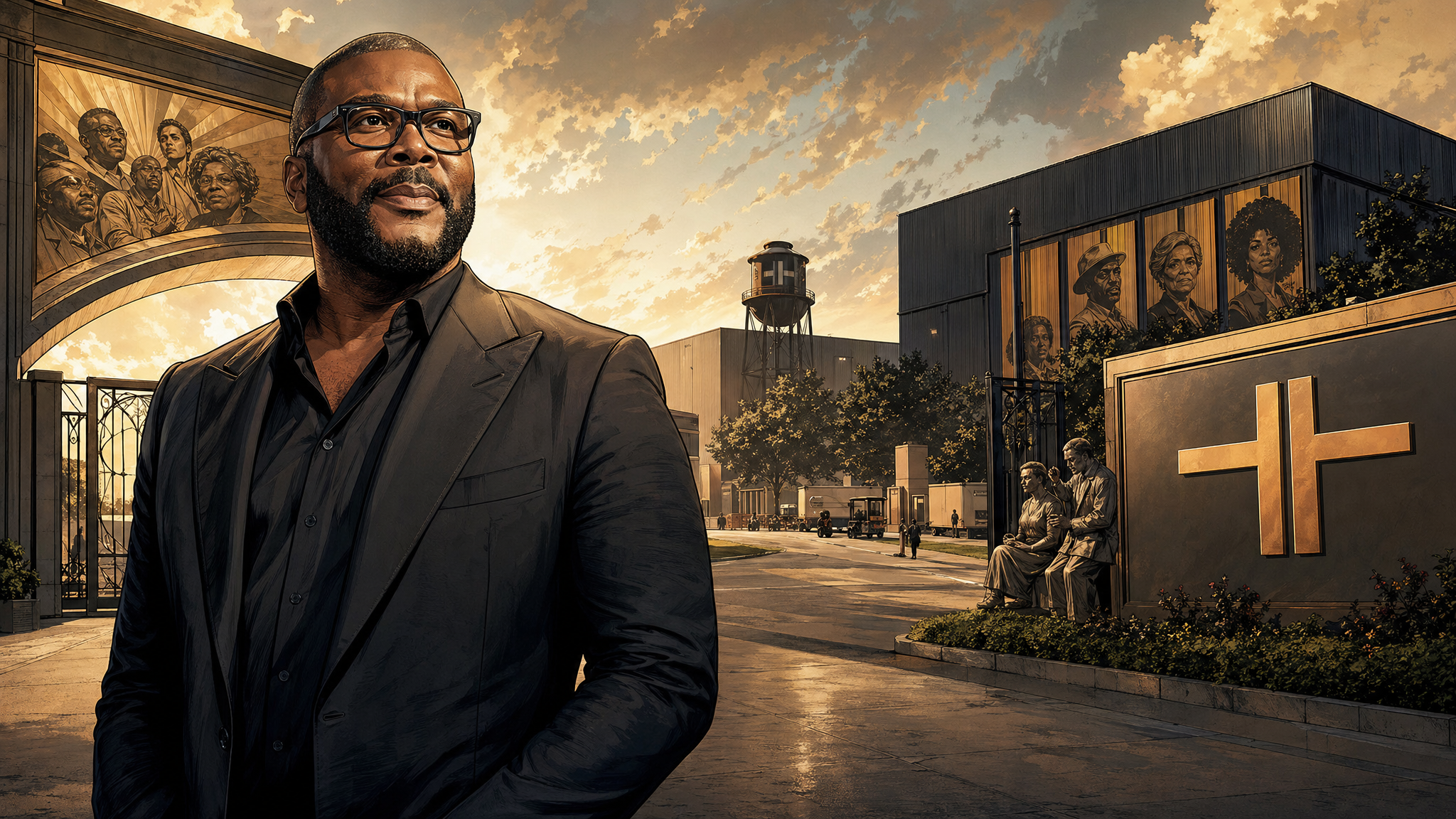
In 2015, Perry purchased a 330-acre property in Atlanta: the former Fort McPherson, a decommissioned US Army base. He spent over $250 million transforming it into the new Tyler Perry Studios — the largest film production studio in the country, larger than any single lot operated by Disney, Warner Bros., or any other major studio.
The studio opened in October 2019 with a star-studded gala attended by Oprah Winfrey, Spike Lee (the two had publicly reconciled), Beyoncé, Jay-Z, and dozens of other luminaries. Each soundstage was named after a pioneering Black entertainer: Diahann Carroll, Cicely Tyson, Sidney Poitier, Denzel Washington, and others. The symbolism was intentional and powerful: Perry was honoring the legacy of Black performers who had fought for recognition in an industry that had marginalized them.
The studio’s location in Atlanta was strategic. Georgia’s generous film tax credits were attracting productions from all over the world, and Atlanta was becoming a rival to Los Angeles and New York as an entertainment production hub. Perry’s studio was perfectly positioned to capture this trend, and it became a sought-after facility for productions beyond Perry’s own.
Chapter 7: The Netflix and BET+ Deals (2019–2023)
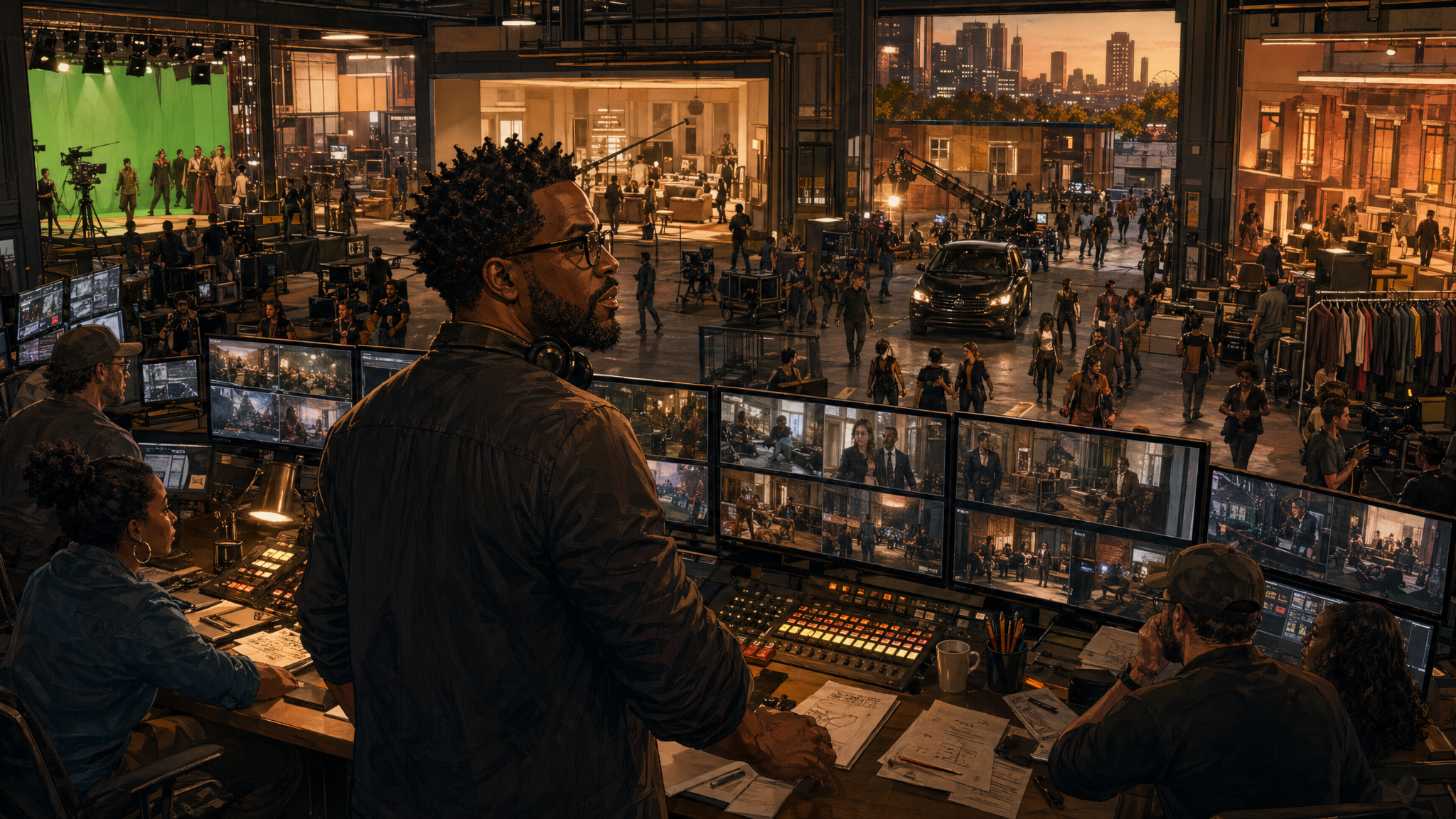
In 2019, Perry signed a multi-year content deal with ViacomCBS (now Paramount Global) to produce content exclusively for BET+, the streaming service for BET. The deal guaranteed Perry an enormous volume of content production and gave BET+ a marquee creator who could drive subscriptions.
Perry’s output for BET+ was staggering. He produced multiple television series simultaneously, maintaining his signature high-volume approach. Shows like “Sistas,” “The Oval,” and “Ruthless” drew consistent viewership and became anchors of BET+‘s content library.
He also signed a deal to produce films for Netflix, broadening his distribution beyond the theatrical and cable television models that had defined his earlier career. The Netflix deal acknowledged what the streaming wars had made clear: content was king, and creators who could reliably produce high volumes of content that audiences actually watched were worth enormous amounts of money. Perry could produce more content, more quickly, than almost any other creator in entertainment.
Chapter 8: Billionaire Status — Forbes Confirms (2020)
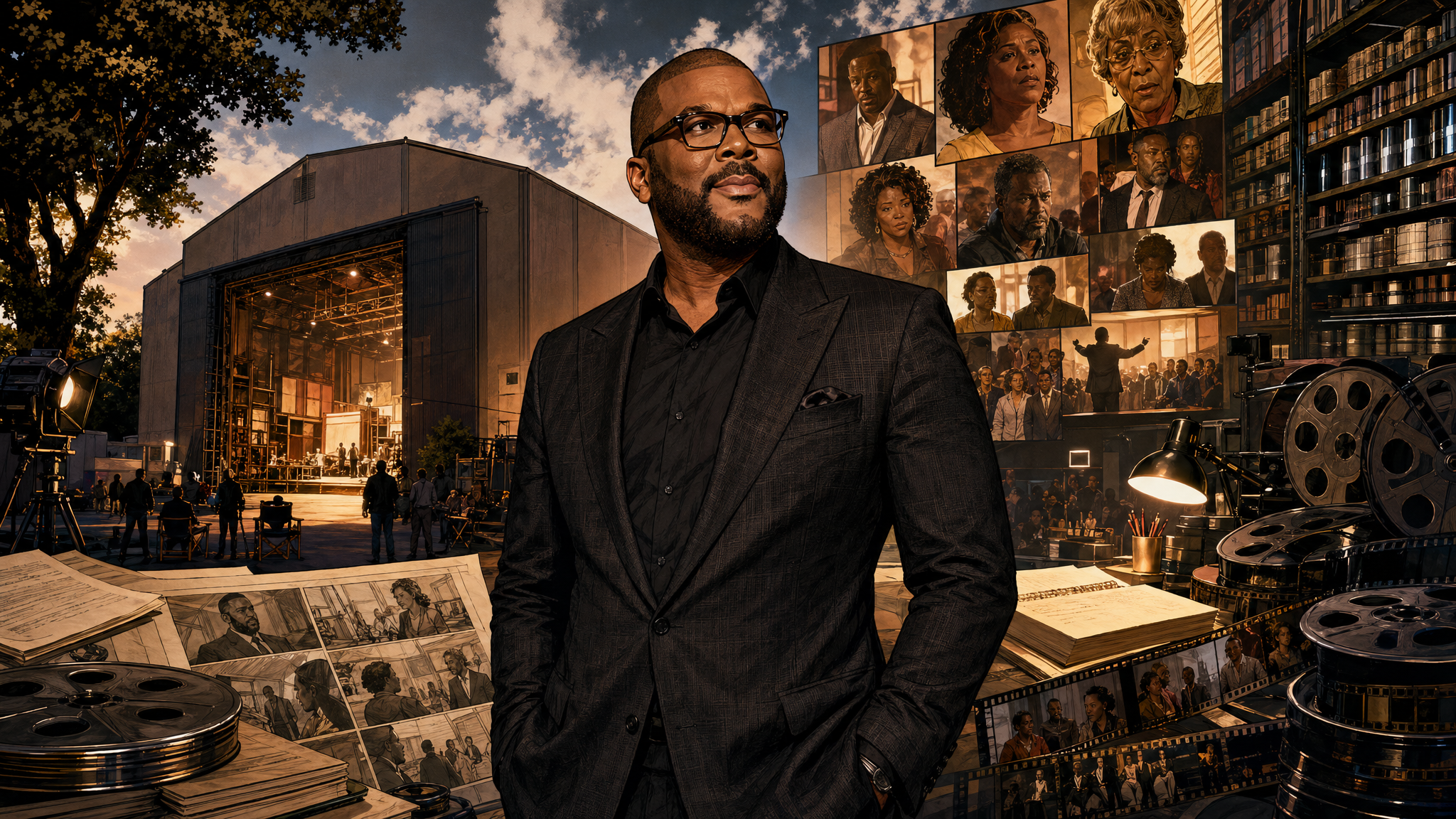
In September 2020, Forbes officially declared Tyler Perry a billionaire, with an estimated net worth of $1 billion. The wealth came from his content library (over 1,200 episodes of television, 22 films, and numerous stage plays), his studio complex, and his ownership stakes in BET+ content.
What made Perry’s billionaire status distinctive was its composition. Unlike most entertainment billionaires — who derived their wealth from corporate stock or real estate — Perry’s wealth came primarily from content he had created and owned. He had never taken his company public. He had no outside investors. He maintained 100% ownership of Tyler Perry Studios and the vast majority of his content library. The wealth was truly his, accumulated through decades of disciplined ownership.
Perry’s path to a billion dollars was fundamentally different from the Silicon Valley model. He didn’t raise venture capital, didn’t seek public market validation, and didn’t rely on network effects or platform monopolies. He built physical infrastructure, created intellectual property, and sold it to audiences who valued it. It was, in its own way, the most traditional form of wealth creation — making things that people want to buy — applied with extraordinary consistency over twenty-five years.
Chapter 9: The Creative Tension — Art vs. Commerce
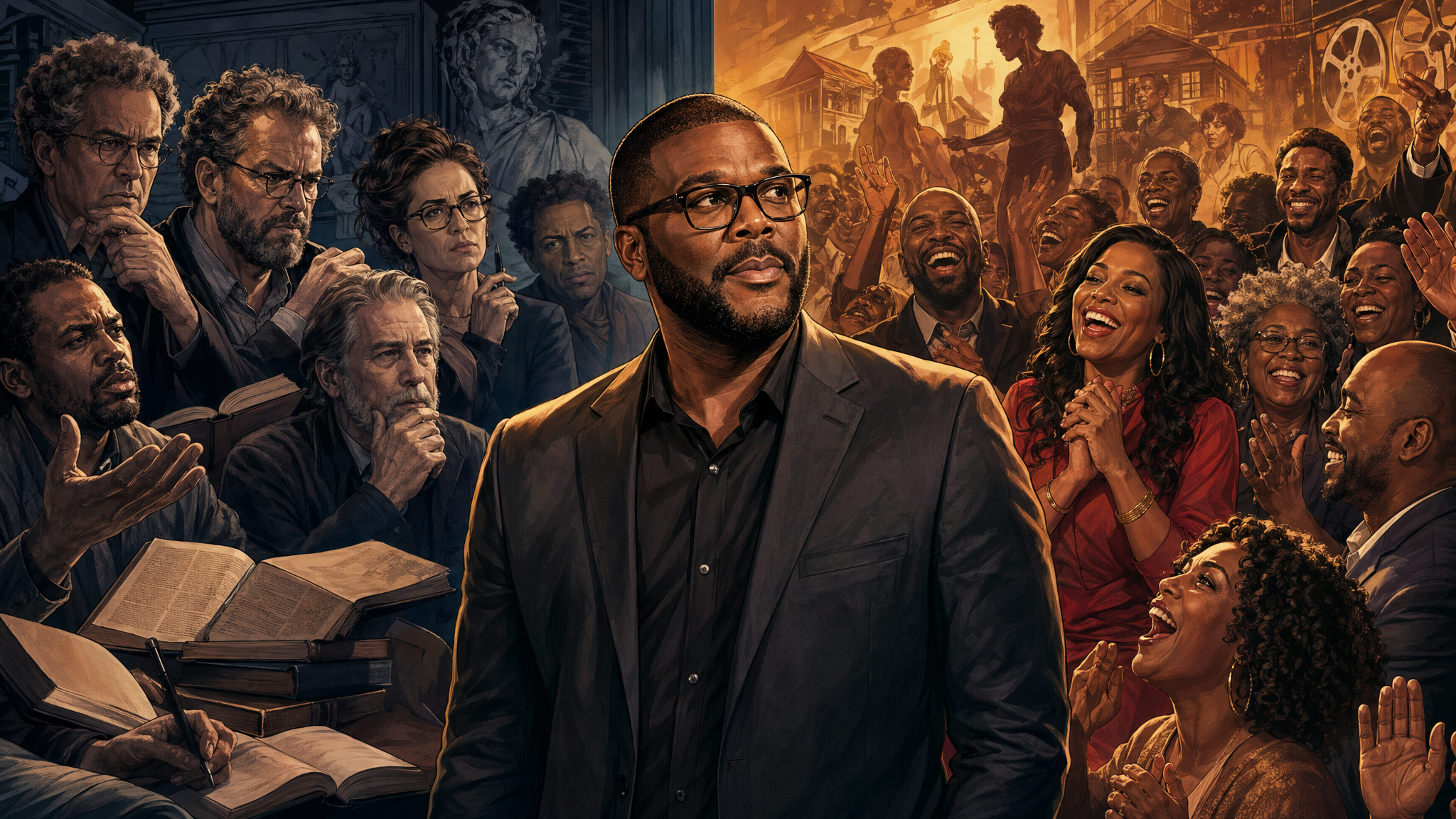
The most persistent criticism of Tyler Perry’s work centered on quality. Respected Black filmmakers and critics argued that Perry’s reliance on stereotypes, slapstick humor, and simplistic moral narratives diminished the representation of Black life on screen. Spike Lee’s criticism was the most famous, but it reflected a broader concern among Black intellectuals that Perry’s success came at a cultural cost.
Perry’s defense was that his critics were elitists who looked down on the tastes of ordinary Black people. His audience — primarily working-class and middle-class Black women — didn’t see stereotypes in Madea. They saw their grandmother. They didn’t see simplistic morality in his faith-based narratives. They saw their values reflected back to them. The disconnect between critics and audience was real and irreconcilable.
The tension pointed to a broader question about representation in media: whose stories count? Whose taste is valid? Perry’s audience had been ignored by Hollywood for decades, and when someone finally served them, they responded with fierce loyalty. Whether the content they loved was artistically meritorious was, for them, beside the point. And their dollars spoke louder than any review.
Chapter 10: Pandemic Production and Innovation (2020)
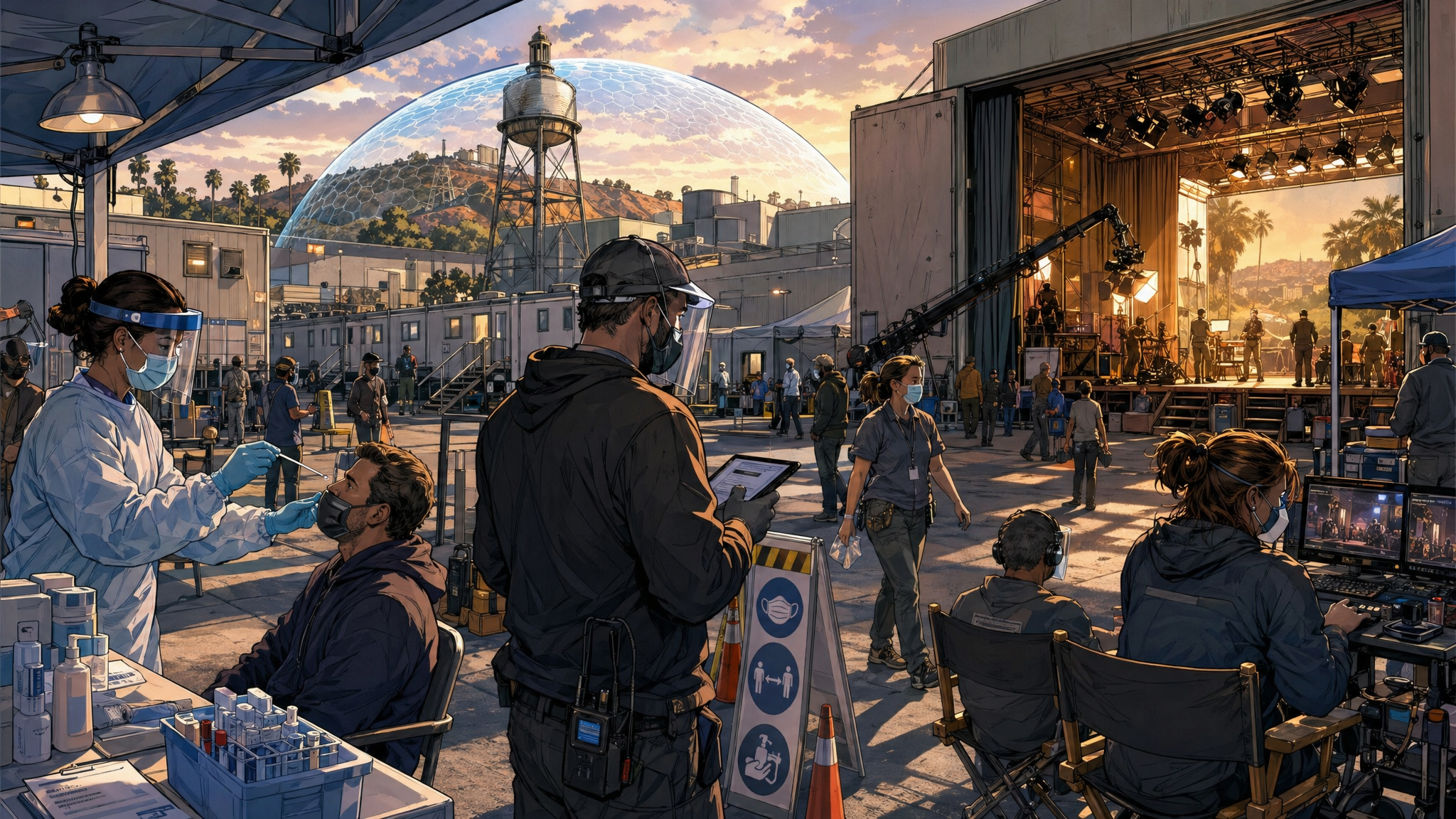
When COVID-19 shut down Hollywood in March 2020, Tyler Perry was one of the first producers to figure out how to restart production safely. He transformed his 330-acre studio into a self-contained production bubble — “Camp Quarantine,” as it became known. Cast and crew lived on the studio lot, were tested regularly, and worked in a controlled environment that minimized the risk of infection.
The approach allowed Perry to resume production months before most Hollywood studios, giving him a significant competitive advantage. While other producers were negotiating insurance policies and debating safety protocols, Perry was shooting new episodes of his BET+ shows and delivering content to a streaming audience that was starved for new programming.
The pandemic production demonstrated the advantages of Perry’s vertically integrated model. Because he owned the studio, controlled the production process, and didn’t need to coordinate with external stakeholders, he could make decisions and execute them faster than any other producer in entertainment. Speed and control — the same qualities that had defined his career from the beginning — proved even more valuable during a crisis.
Chapter 11: AI, Technology, and the Future of Perry Studios

In early 2024, Perry made headlines by pausing an $800 million expansion of Tyler Perry Studios after seeing demonstrations of AI-generated video technology, particularly OpenAI’s Sora. Perry publicly expressed concern that AI would fundamentally transform film and television production, potentially eliminating the need for physical sets, location shoots, and many of the technical roles that his studio employed.
The statement was remarkable for its honesty. Perry was one of the first major entertainment figures to publicly acknowledge that AI could disrupt his own business model. While other producers made vague statements about AI’s potential, Perry was specific: if AI could generate photorealistic environments and characters, the massive physical infrastructure he had built might become obsolete.
The episode revealed Perry’s strategic thinking. He wasn’t a technophobe — he was an pragmatist who recognized that the economics of content production were about to change fundamentally. His willingness to publicly confront this reality, even at the cost of alarming his employees and investors, reflected the same clear-eyed assessment of market conditions that had driven every major decision of his career.
Chapter 12: Legacy — The Man Who Built His Own Hollywood
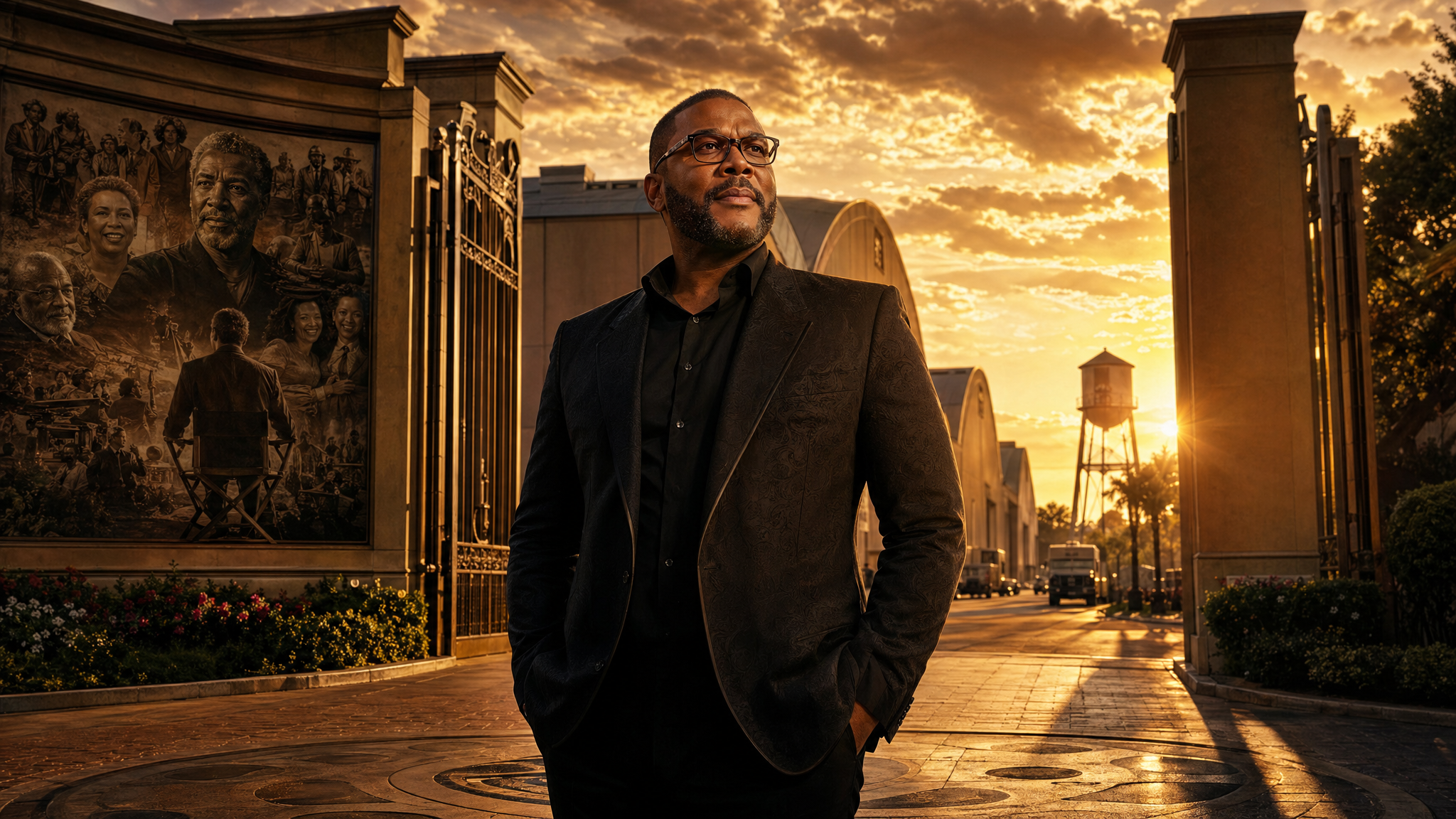
Tyler Perry’s legacy is about ownership. In an industry where Black talent has historically been employed but never empowered — where Black actors, writers, and directors worked on projects controlled by white studios, funded by white investors, and distributed by white-owned platforms — Perry built something that was entirely his own. He owns the studio. He owns the content. He owns the brand. Nobody can fire him, cancel his shows, or take his work away.
This ownership wasn’t just a financial achievement — it was a political statement. Perry demonstrated that it was possible for a Black creator to build a complete entertainment infrastructure without anyone’s permission or approval. He didn’t wait for Hollywood to recognize him. He didn’t lobby for inclusion. He built his own Hollywood and made it more profitable than many of the studios that had ignored him.
His net worth, estimated at over $1 billion, is the most tangible measure of his success. But the cultural impact goes deeper. Perry created a pipeline of jobs for Black actors, writers, directors, and crew members in Atlanta. He proved that content for Black audiences could generate billions in revenue. And he demonstrated that the most powerful position in entertainment isn’t being the biggest star — it’s being the owner.
The homeless playwright who slept in his car and produced plays that nobody came to see built a 330-acre studio, produced more content than most major studios, and became one of the wealthiest people in entertainment. He did it by serving an audience that nobody else would serve, and by never letting anyone else control the work. That’s not just a business story. That’s an American story.
💡 Key Insights
- ▸ Perry's genius was recognizing that the audience Hollywood ignored — Black churchgoing women in the South and Midwest — was massive, loyal, and starved for content that reflected their lives. He didn't need Hollywood's approval because he had their dollars.
- ▸ By owning his studio, his content, and his distribution relationships, Perry maintained creative and financial control that no other Black creator in Hollywood history had achieved. Ownership, not fame, was always the goal.
- ▸ Perry's critics in the Black intelligentsia accused him of reinforcing stereotypes. His audience didn't care. The disconnect revealed a class divide within Black America that Hollywood had never been equipped to understand.