Wang Chuanfu: The Battery Engineer Who Built BYD Into an Electric-Vehicle Powerhouse
Wang Chuanfu built BYD from a rechargeable-battery workshop into a vertically integrated electric-vehicle giant competing across cars, buses, batteries, and chips.
View all stories about this mogul
Wang Chuanfu did not approach the car industry as a stylist or a dealer. He approached it as a battery chemist who believed manufacturing systems could be redesigned around cost, labor, and control of critical components.
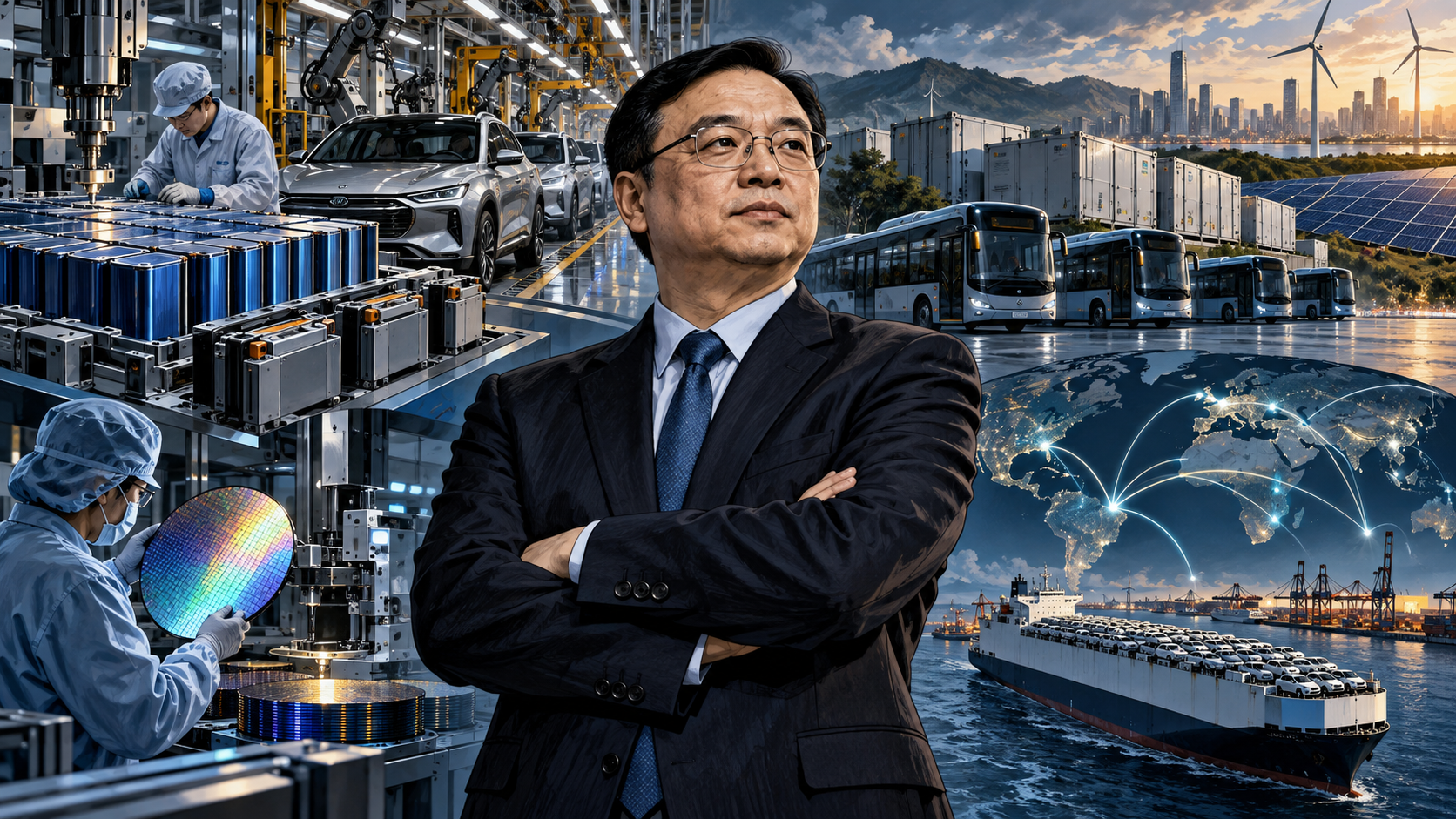
That perspective turned BYD—short for “Build Your Dreams”—from a Shenzhen battery company founded in 1995 into a major producer of electric and plug-in hybrid vehicles. The company expanded into buses, energy storage, electronics manufacturing, and semiconductors. Its ascent reflects China’s industrial scale, but it also reflects Wang’s unusually persistent commitment to vertical integration.
A battery scientist enters manufacturing
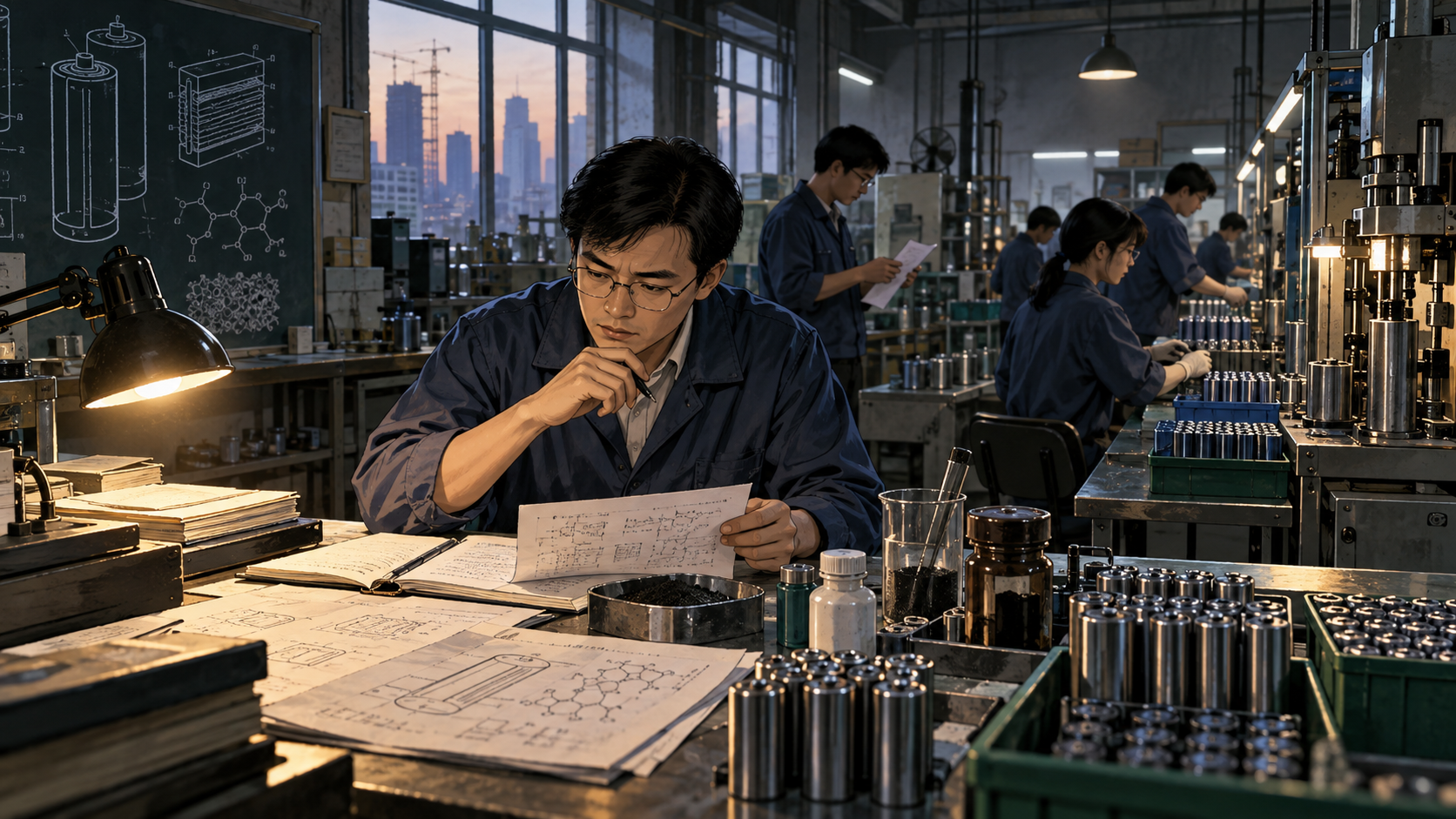
Wang was born in 1966 in Anhui province and lost his parents while young. He studied metallurgy and battery technology, then worked in research before moving to Shenzhen. In 1995 he founded BYD with borrowed capital and a small workforce to make rechargeable batteries.
Japanese producers led the market, using highly automated lines and deep process expertise. BYD found another route. It broke manufacturing into labor-intensive steps that could use China’s workforce while limiting the need for expensive imported automation. The approach was not simply “cheap labor.” It required process engineering precise enough to keep quality stable across many manual operations.
BYD grew in batteries for mobile phones and became a supplier to major electronics brands. It then expanded into contract manufacturing of handsets and components. Those businesses generated cash, production knowledge, and relationships—but Wang wanted a larger market in which batteries could become the central strategic asset.
In 2003 BYD acquired Qinchuan Automobile. The decision looked reckless to observers who saw no reason a battery maker should build cars. Wang saw the vehicle as a future battery platform.
Vertical integration becomes the moat
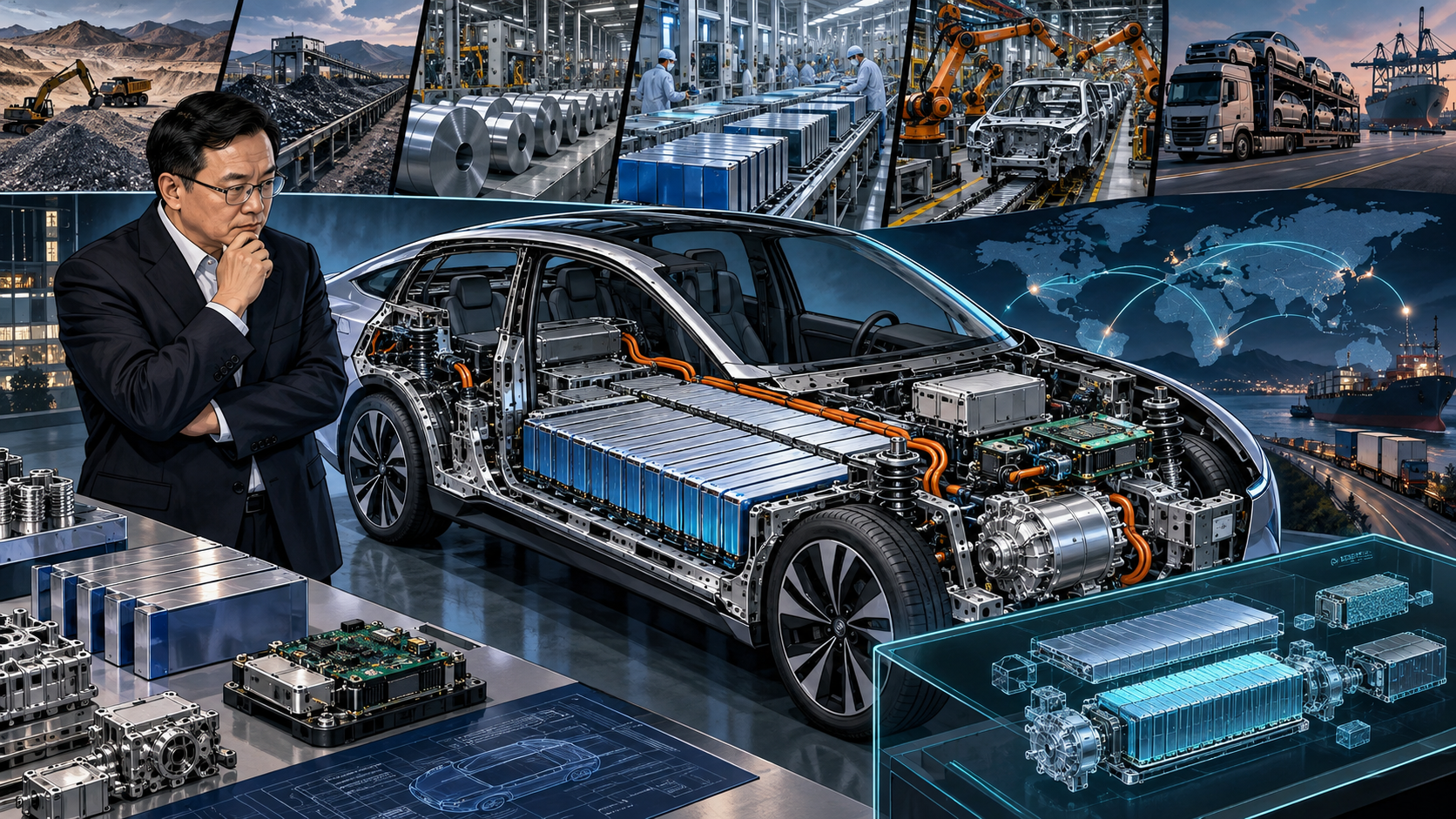
Traditional automakers coordinate large supplier networks. BYD moved toward making a remarkable share of key systems itself: batteries, electric motors, power electronics, vehicle controls, and some semiconductors. Integration gave engineers the ability to trade space, chemistry, software, and cost across component boundaries.
The Blade Battery, introduced in 2020, became a visible expression of that philosophy. Its long, thin lithium-iron-phosphate cells are arranged to improve pack space utilization while emphasizing thermal stability. LFP chemistry generally avoids nickel and cobalt and can offer cost and safety advantages, though chemistry, pack design, software, and manufacturing quality all shape real-world performance.
BYD also developed the DM-i plug-in hybrid system, using a substantial battery and efficient engine to make electric driving practical for customers without reliable public charging. That broadened the market beyond pure battery-electric vehicles.
Berkshire Hathaway Energy invested in BYD in 2008 after Charlie Munger and Li Lu championed Wang. The investment provided international credibility as well as capital. Berkshire later reduced its stake as BYD’s valuation and scale rose, but the relationship became part of the company’s global story.
Scale, price wars, and scrutiny
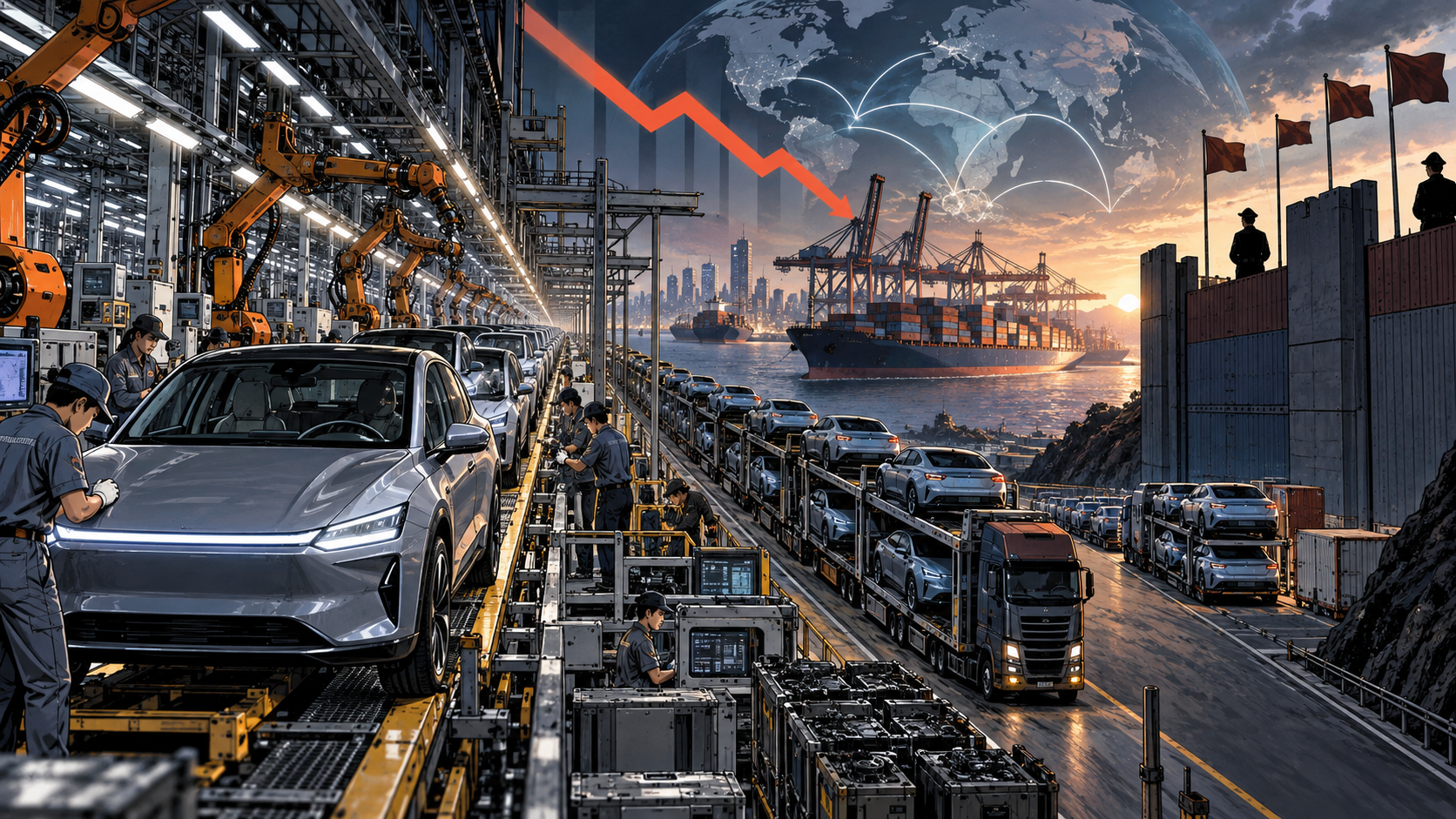
BYD’s growth accelerated as China built charging infrastructure, supported new-energy vehicles, and developed a dense supplier ecosystem. The company stopped producing vehicles powered only by internal-combustion engines in 2022, focusing on battery-electric and plug-in hybrid models.
Scale pushed costs down and enabled aggressive pricing. It also created a harsh competitive environment. Chinese automakers repeatedly cut prices and refreshed models, squeezing suppliers and rivals. Fast expansion risks excess capacity, inventory pressure, uneven dealer economics, and quality problems that can damage a brand faster than low prices can build it.
Global expansion introduced another layer. BYD sells vehicles and operates or plans factories in multiple regions, but governments increasingly examine subsidies, local-content rules, cybersecurity, and the strategic dependence created by Chinese clean-technology supply chains. Tariffs can reshape where the company builds rather than merely whether it exports.
Environmental leadership also deserves nuance. Electric vehicles eliminate tailpipe emissions, but battery mining, factory energy, shipping, and end-of-life recovery still matter. Large factories bring labor and community responsibilities. Vertical integration makes BYD capable of improving more of the chain; it also makes the company accountable for more of it.
The engineer’s empire faces its global test

Wang’s achievement is easy to misread as a single bet on electric cars. BYD was built through adjacent manufacturing capabilities: battery chemistry, process design, electronics assembly, automotive integration, semiconductors, and energy systems. Each layer reduced dependence on outsiders and created another market for the same technical base.
That system is difficult to copy because it requires decades of capital expenditure and operational learning. It is also difficult to manage. A company spanning affordable cars, premium brands, buses, batteries, electronics, and overseas factories can lose focus. Software experience, after-sales service, brand trust, and localization may matter more internationally than the factory advantages that powered the domestic rise.
Wang has often been described through engineering intensity rather than celebrity. That suits the organization: BYD’s story is less about one iconic model than about repeatedly turning internal components into finished products at massive scale.
The balanced verdict is that Wang Chuanfu created one of the strongest industrial challenges to the established auto order. He saw earlier than most that battery economics would reorganize the vehicle, and he built the parts required to act on that belief. The global test is no longer whether BYD can manufacture competitive electric vehicles. It is whether an integrated Chinese production empire can earn durable consumer trust across different regulatory, political, and service environments.