William Tanuwijaya and Tokopedia's Bet on Indonesia's Distributed Merchants
William Tanuwijaya built Tokopedia around a simple promise: let small merchants reach a national market without building stores, payments, and trust from scratch.
View all stories about this mogul
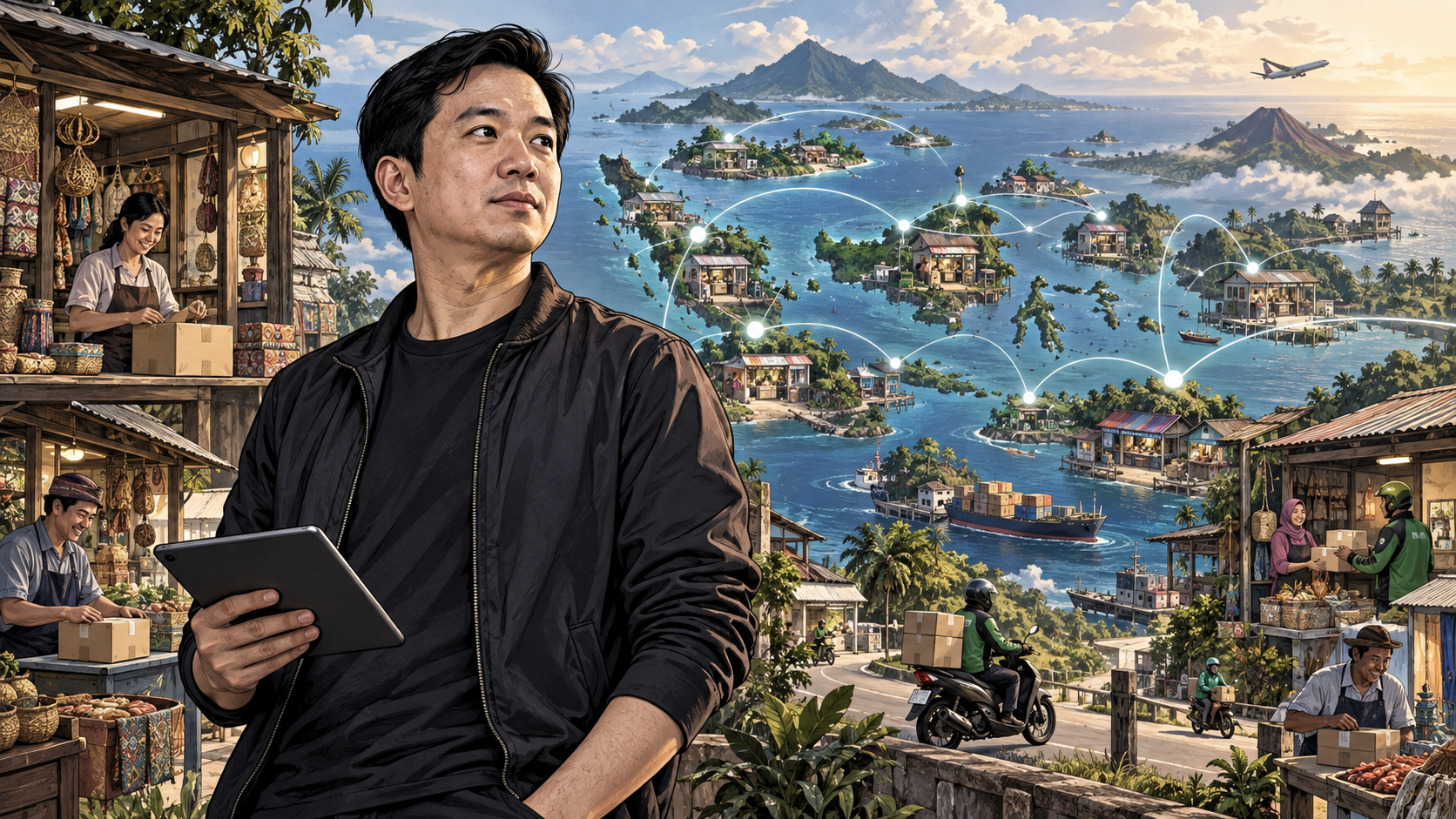
William Tanuwijaya built Tokopedia around a geographic contradiction. Indonesia had millions of entrepreneurs and consumers, but they were spread across an archipelago where trust, payments, and logistics could make a simple transaction difficult. A marketplace could not solve the ocean. It could make the commercial relationship legible enough for other systems to carry it.
Launched in 2009, Tokopedia allowed merchants to open digital storefronts and buyers to compare products without each seller building an independent website. The company became a symbol of Indonesian technology entrepreneurship, merged with Gojek to form GoTo, and later placed its commerce operations into a strategic partnership with TikTok. Each phase changed who controlled demand, distribution, and economics.
Chapter One: Building Trust Before Scale
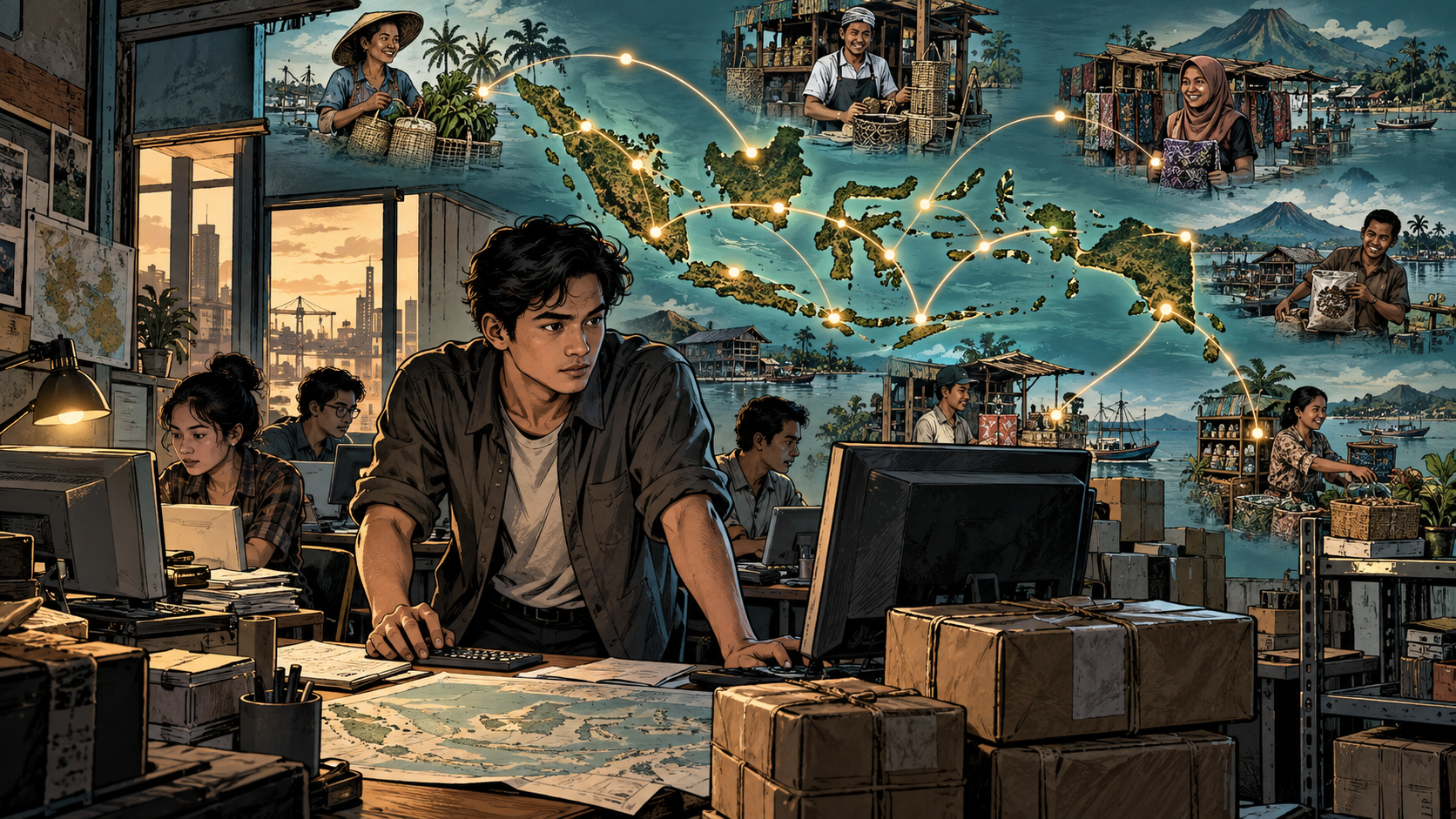
Tanuwijaya grew up in North Sumatra and moved to Jakarta for university. He worked night shifts at an internet café, gaining access to computers and the web at a time when connectivity itself was an advantage. The experience made the internet’s reach tangible, but it also showed that access and opportunity were uneven.
Tokopedia’s founding idea was often described as democratizing commerce. The operating work was less poetic. Buyers needed confidence that goods would arrive. Sellers needed affordable customer acquisition. Payments needed to clear. Product listings needed standards. Disputes required rules.
The marketplace addressed these problems through a shared interface, transaction records, reputation, and payment mechanisms. It did not eliminate fraud or poor quality; it concentrated enough activity for trust tools to improve. Every completed transaction created data that could make the next decision easier.
Early fundraising was difficult because Indonesia’s startup ecosystem was less developed and e-commerce required patient capital. Tanuwijaya’s persistence mattered, but the deeper advantage was timing: smartphone adoption, digital payments, and logistics capacity were beginning to compound.
Chapter Two: The Merchant Network Becomes the Product
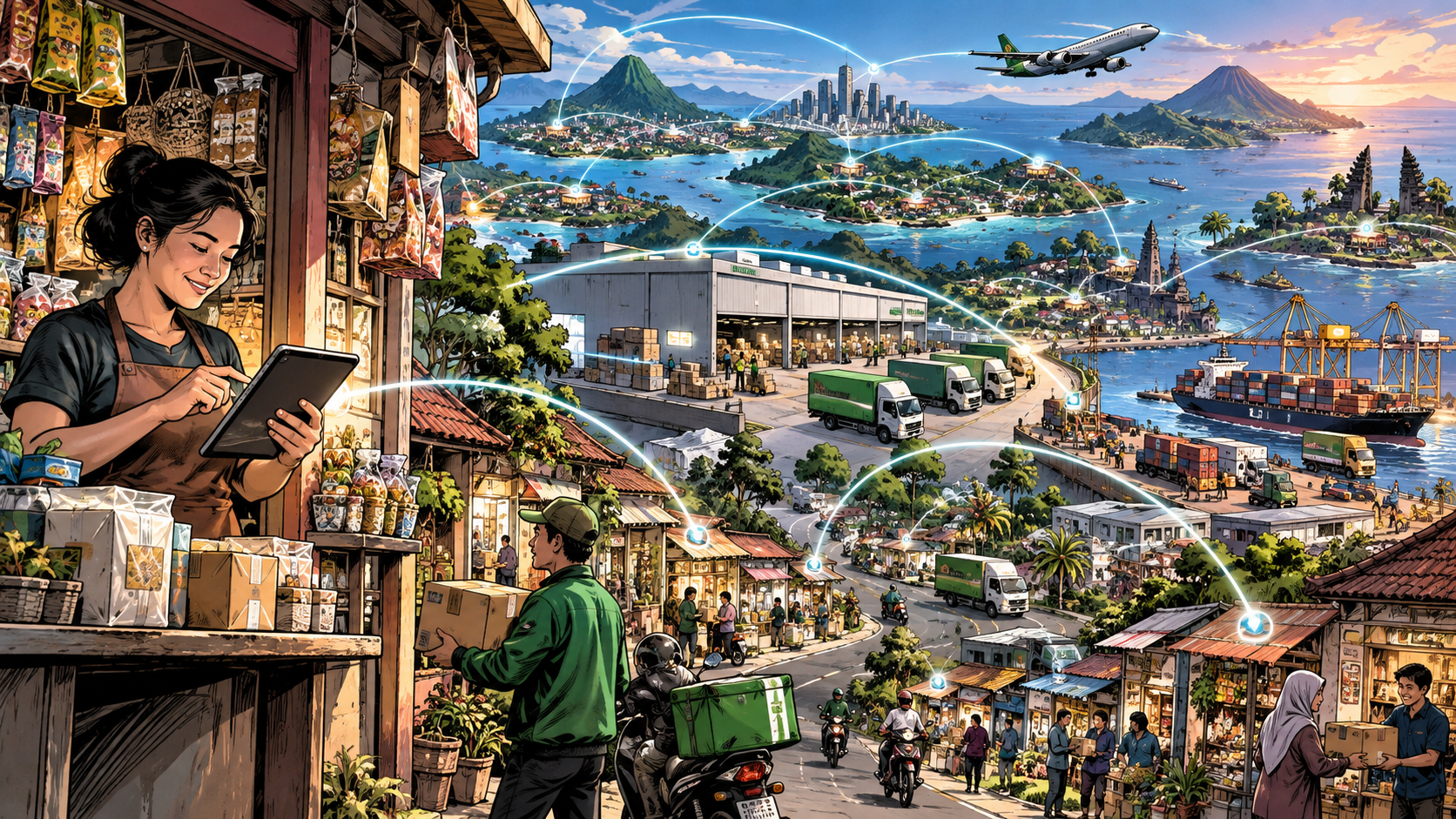
Tokopedia did not primarily buy inventory. It organized third-party sellers. That reduced merchandise risk and expanded selection, but it made quality control and fulfillment less uniform. The platform’s product was therefore not only a catalog. It was the network of merchants plus the rules and services that made the network usable.
Growth created several businesses around the core transaction: advertising, merchant tools, payments, logistics integrations, and financial services. Sellers could pay for visibility; buyers could receive promotions; partners could fulfill orders. Each layer offered monetization but also increased complexity and the temptation to subsidize volume.
Network effects were local and category-specific. More sellers improved selection, which attracted buyers, which attracted more sellers. Yet users could keep multiple shopping apps, and merchants could list the same product on rivals. The defensible advantage came from traffic quality, fulfillment, trust, and seller return on advertising—not registration counts alone.
Indonesia’s diversity required localized execution. Delivery times, payment preferences, product demand, and merchant capability varied. The platform had to serve sophisticated brands and first-time digital sellers without making the interface unusable for either.
Chapter Three: GoTo and the TikTok Bargain

Tokopedia merged with Gojek in 2021 to form GoTo Group. The combination promised a loop between shopping, local delivery, payments, and merchant services. Public listing brought greater access to capital and greater scrutiny of losses, incentives, governance, and the path to profitability.
Then social commerce changed the distribution equation. TikTok could create demand inside entertainment rather than waiting for a user to open a marketplace. Indonesia’s restrictions on social-media platforms directly facilitating transactions forced a restructuring. TikTok and GoTo announced a strategic partnership in which TikTok invested in the combined commerce business and took operational control while GoTo retained an economic interest and ecosystem relationships.
The deal acknowledged a difficult truth: product supply and transaction infrastructure were no longer enough. Attention had become a critical upstream asset. Tokopedia brought merchants and commerce operations; TikTok brought discovery and creator-driven demand.
For founders, the bargain illustrates both strategic flexibility and platform risk. Partnering with a larger attention engine can revive growth and reduce funding burdens. It can also move customer acquisition, product priorities, and governance away from the original founder’s control.
Chapter Four: The Durable Lesson

Tanuwijaya’s achievement was turning fragmented entrepreneurial supply into searchable national inventory. He did not need every merchant to become a technology company. Tokopedia standardized the common layer so merchants could concentrate on products, pricing, and service.
The model’s social value and business value are related but not identical. Helping sellers go online can expand opportunity; it does not guarantee that sellers earn healthy margins after advertising, discounts, fees, and returns. A marketplace should be judged by repeat buyers, reliable fulfillment, merchant economics, and controlled fraud.
The GoTo merger and TikTok partnership show how quickly the source of power can move. At first, the scarce asset was trustworthy online transaction infrastructure. Later, integrated logistics and payments mattered. Then algorithmic attention became decisive. Strategy required recognizing which layer had become the bottleneck.
Tokopedia’s story is neither a simple founder triumph nor a surrender to a foreign platform. It is a record of adaptation in a market where capital, regulation, consumer behavior, and technology changed simultaneously. The balanced verdict credits Tanuwijaya with opening a national digital storefront for Indonesian merchants. The unfinished question is whether the ecosystem can preserve merchant agency and GoTo’s economics while TikTok controls an increasing share of discovery.