Yoshiaki Tsutsumi: How Japan's Richest Man Lost the Crown and the Narrative
The rise and fall of Yoshiaki Tsutsumi is the story of a secretive railway-and-real-estate dynasty, a bubble-era fortune once estimated near $20 billion, and the 2004-2005 securities scandal that turned Japan's richest man into a corporate-governance warning.
View all stories about this mogul
Yoshiaki Tsutsumi: How Japan’s Richest Man Lost the Crown and the Narrative
Yoshiaki Tsutsumi once sat at the top of the world wealth rankings, richer on paper than the American tech founders who would later dominate billionaire culture. His fortune came from railways, hotels, resorts, golf courses, and land at the peak of Japan’s asset bubble. Then the story cracked. In 2004 and 2005, the Seibu empire was hit by a securities scandal, a stock-market delisting, an arrest, a guilty plea, and a suspended prison sentence. The rise and fall of Yoshiaki Tsutsumi became more than the biography of a fallen billionaire. It became a case study in how secrecy can preserve power until it destroys the story holding that power together.
🏔️ Who was Yoshiaki Tsutsumi?
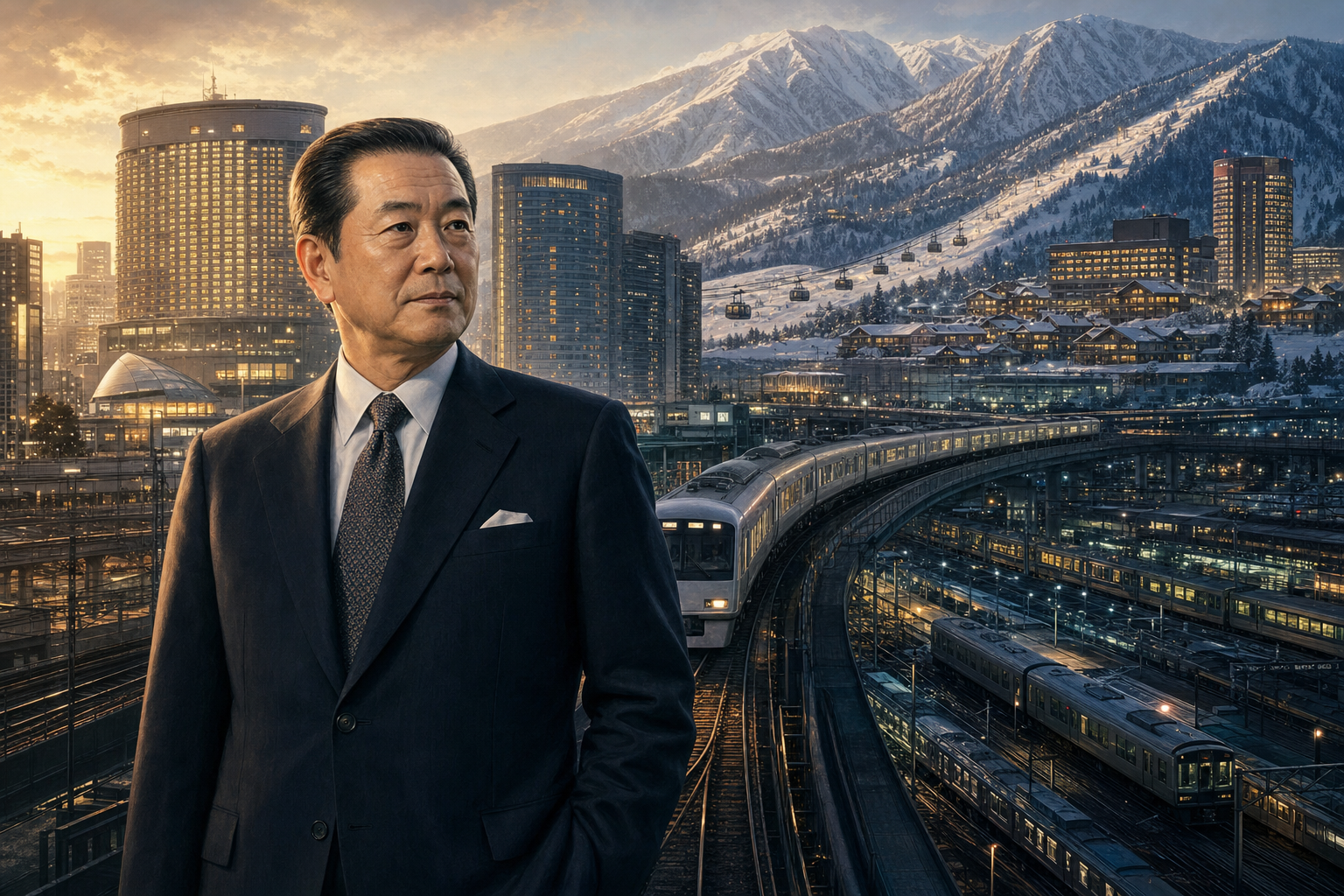
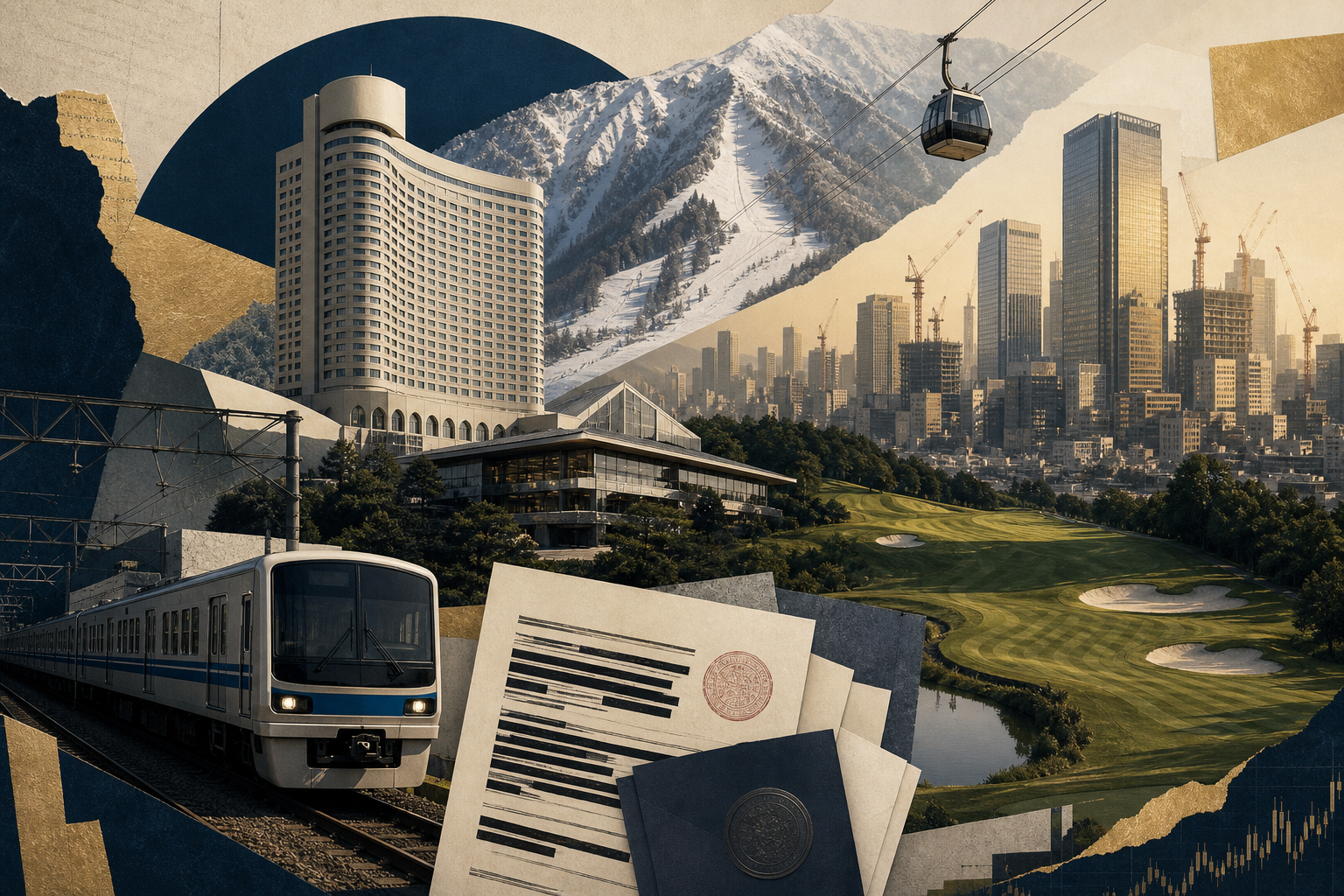
Yoshiaki Tsutsumi was born on May 29, 1934, into one of Japan’s most powerful business families. His father, Yasujiro Tsutsumi, built the foundations of the Seibu group through railways, real estate, and postwar development. The family business touched the physical infrastructure of Japanese life: train lines, hotels, leisure properties, ski resorts, golf courses, and land around transport corridors.
When Yasujiro died in 1964, Yoshiaki inherited control of the core transport-and-property empire. His half-brother Seiji Tsutsumi became associated with the retail and cultural side of the family fortune, including the Saison Group, Seibu department stores, Parco, and brands connected to a more consumer-facing Japan. Yoshiaki’s world was different. It was harder, quieter, more land-heavy, and more hierarchical.
The Seibu name became an empire of movement and destination. The railway brought people out of Tokyo. The hotels gave them somewhere to stay. The resorts and golf courses gave them something to buy into: status, leisure, mountain air, and the promise that Japan’s land values would keep climbing.
That combination made Tsutsumi look less like a normal corporate executive and more like a feudal owner in a modern suit. He was not merely managing businesses. He was controlling a kingdom of assets.
💰 How did Yoshiaki Tsutsumi build his empire?
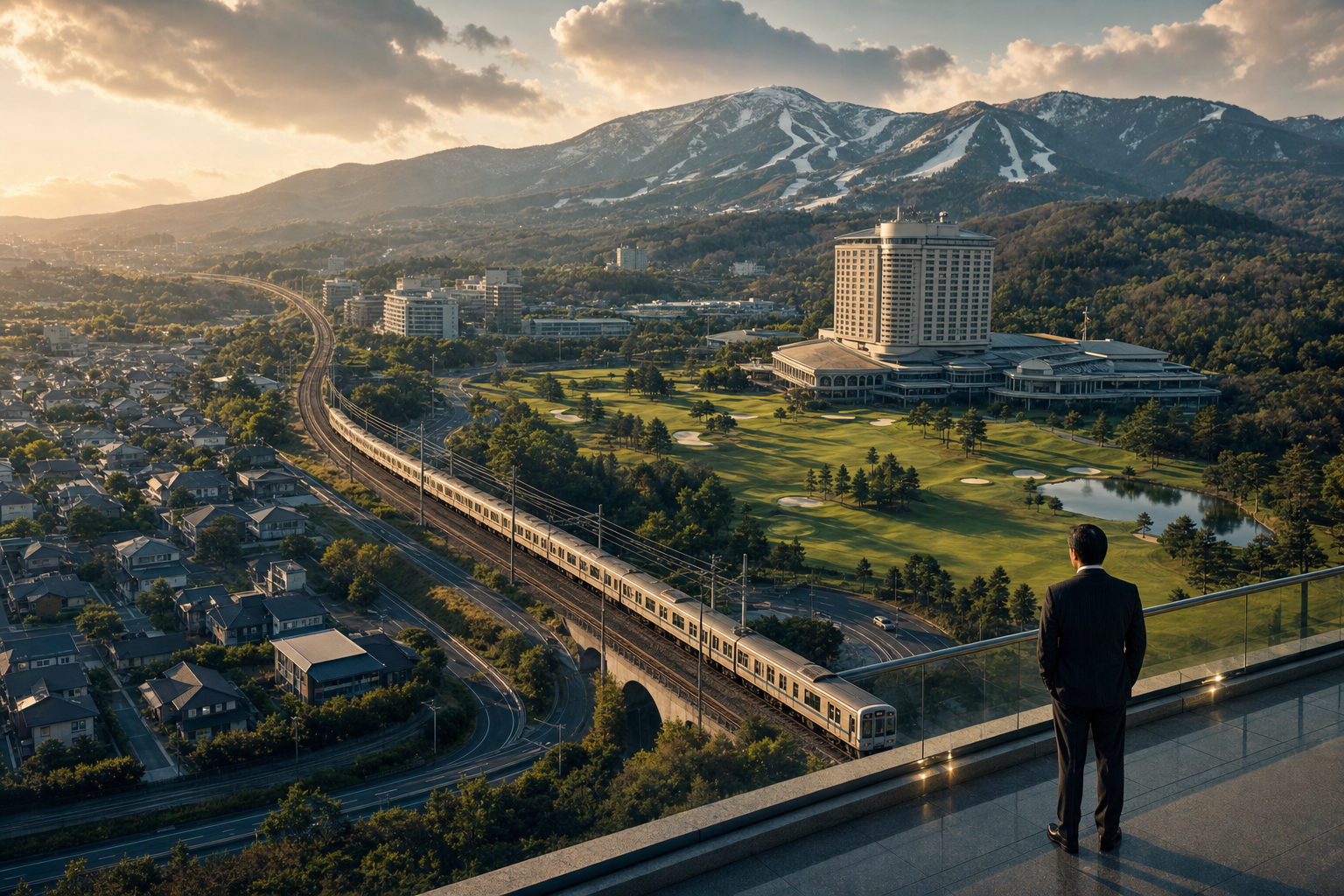
The short answer: he inherited the right platform, expanded it during the right macroeconomic moment, and controlled it through a private-company structure that kept outsiders at a distance.
The longer answer is more interesting.
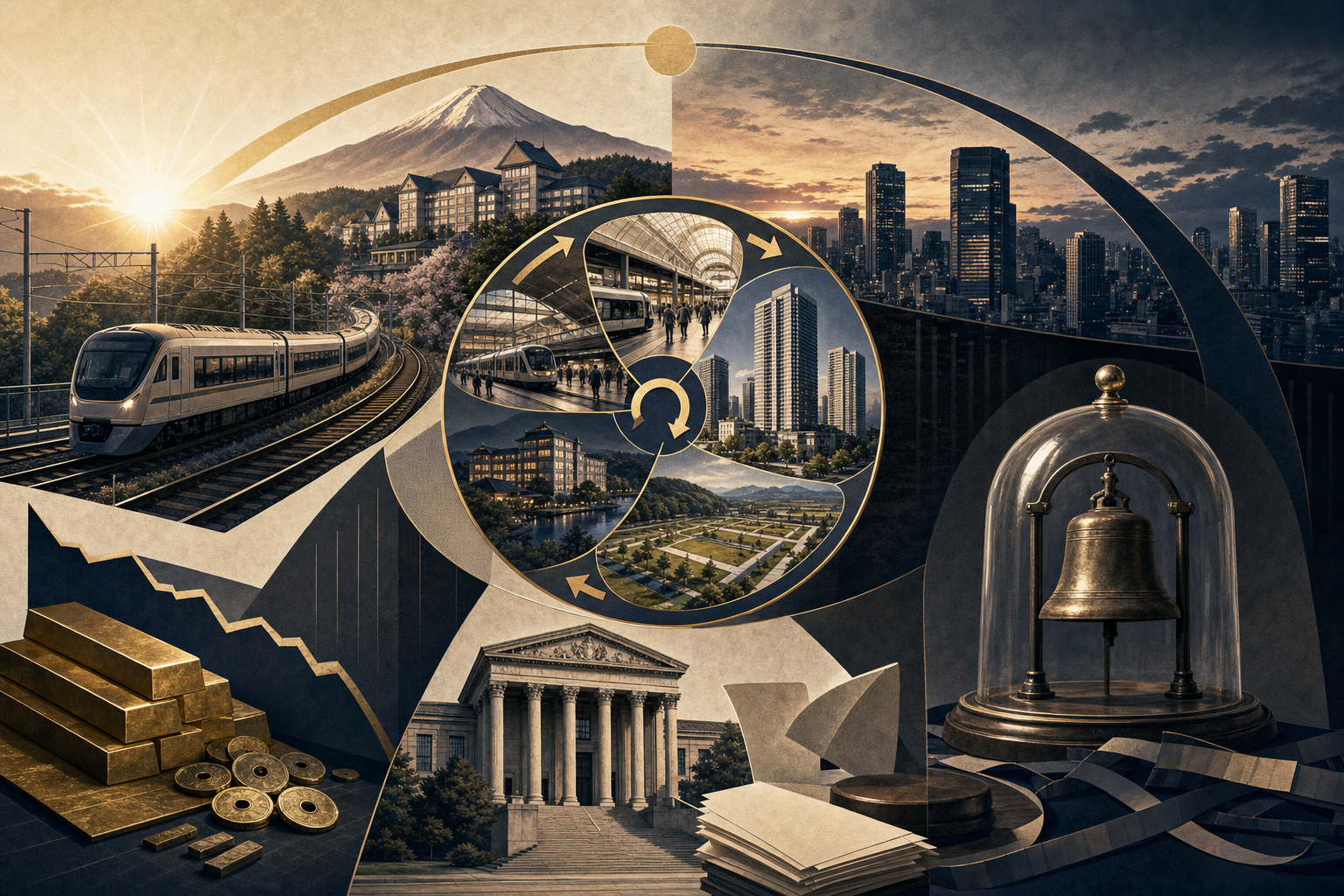
Seibu’s power came from a classic real-estate flywheel. Railways made land more valuable. Land made railways more useful. Hotels and resorts turned destinations into businesses. Golf courses and ski properties turned undeveloped land into prestige assets. In a country where urban and resort land became objects of obsession during the 1980s bubble, this was an extraordinary position.
Tsutsumi’s companies were not built around one simple product. They were built around control of place. A train line, a hotel, a mountain resort, and nearby land could be separate businesses on paper while functioning as one ecosystem in practice. If Japan’s economy expanded, if credit stayed loose, if land prices kept rising, the empire could look unstoppable.
By the late 1980s, that is exactly how it looked.
Forbes identified Tsutsumi as the world’s richest man in 1987. Public estimates put his net worth in the tens of billions of dollars at the height of the Japanese asset bubble, with Forbes later describing his decline from roughly $16 billion to $2.4 billion by the time of his 2005 sentencing. Other summaries of the bubble era commonly cite estimates around $20 billion.
The numbers were staggering, but they were also fragile. Much of the fortune depended on valuations of land and corporate holdings inside an opaque group structure. When land values rose, Tsutsumi looked like a financial genius. When they fell, the same structure became harder to defend.
📌 Key facts about Yoshiaki Tsutsumi
| Question | Answer |
|---|---|
| Full name | Yoshiaki Tsutsumi |
| Born | May 29, 1934 |
| Country | Japan |
| Main empire | Seibu Railway, Kokudo, Prince Hotels, resorts, real estate |
| Peak reputation | Forbes-listed world’s richest man during Japan’s bubble era |
| Peak net worth estimates | Commonly reported around $16 billion to $20 billion in the late 1980s |
| Core scandal | False shareholder records and securities-law violations involving Seibu Railway |
| Arrest | March 3, 2005 |
| Guilty plea | June 2005 |
| Sentence | 30 months in prison, suspended for four years, plus a 5 million yen fine |
| Category | Fall |
🏙️ What made Tsutsumi the richest man in Japan?
The net worth of Yoshiaki Tsutsumi was a product of Japan’s bubble economy. In the 1980s, Japanese asset prices surged. Tokyo real estate became the symbol of an economic order that seemed to be shifting permanently toward Japan. Banks lent aggressively. Land was treated less like a productive asset and more like a one-way store of wealth.
Tsutsumi benefited from the perfect combination: inherited land, transport assets, resort development, and financial opacity.
The Seibu system could turn geography into capital. A railway line was not only a railway line. It was a value-creation machine for the property around it. A resort was not only a resort. It was a signal that remote land had been converted into luxury. A hotel was not only a hotel. It was a marker that a Seibu-controlled destination had entered the national imagination.
This is how Tsutsumi became a symbol of the era. He was not building microchips or selling software. He was monetizing Japan’s belief that land, leisure, and infrastructure would keep compounding upward.
But the same empire had a narrative problem. Unlike later billionaires who performed for television, shareholders, or social media, Tsutsumi projected control by withholding. He was known for secrecy and top-down authority. In the boom years, that secrecy read as discipline. After the crash, it read as concealment.
📈 How did Japan’s bubble make Tsutsumi look untouchable?
Japan’s late-1980s asset bubble inflated the value of land at a pace that made old assumptions look obsolete. If an empire owned railways and land, its paper value could rise dramatically without requiring the same kind of operating growth demanded from a normal company.
That is the key to understanding how Tsutsumi built the crown and why he lost it.
His fortune was not only a pile of cash. It was an estimate based on control, land, shares, and private corporate structures. During the bubble, those estimates rewarded him. After the bubble burst in the early 1990s, they punished him.
Japan’s real estate downturn did not instantly erase the Seibu empire, but it changed the meaning of everything inside it. Debt became more burdensome. Resort assets became less glamorous. Golf courses no longer looked like infinite status machines. Hotels faced competition and lower returns. Land that had once seemed priceless became difficult to value.
A bubble does more than raise prices. It builds a story around those prices. Tsutsumi’s story was that he owned the future of Japanese leisure and land. When the bubble broke, the future became a liability.
🧱 How did Seibu’s structure help hide the problem?
The heart of the later scandal involved shareholder reporting.
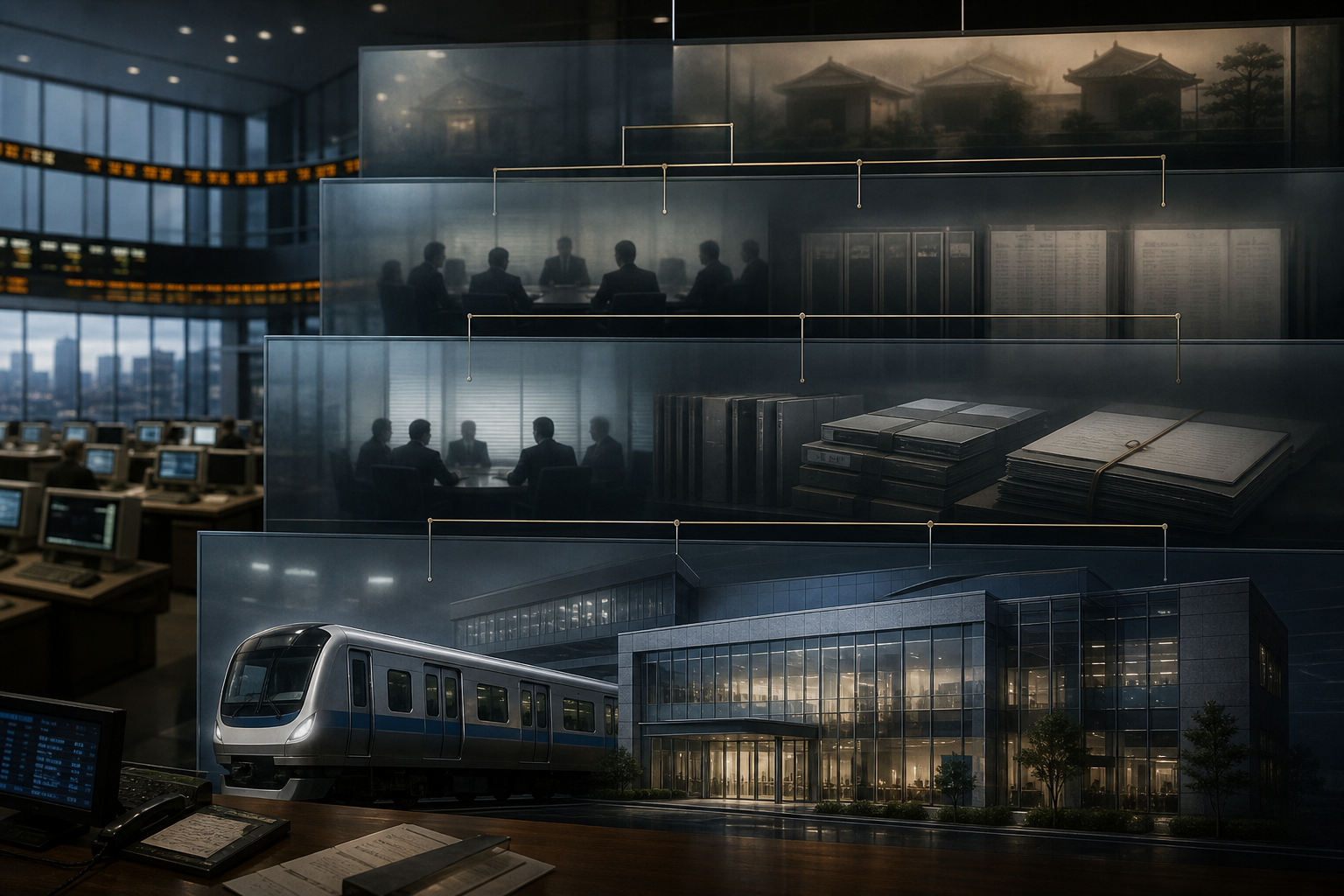
Seibu Railway was publicly listed, but its ownership was dominated by insiders and related parties, especially Kokudo, the private company at the center of Tsutsumi’s control. Tokyo Stock Exchange listing rules placed limits around concentrated ownership. According to reports at the time, Seibu had underreported major-shareholder ratios for decades, helping it appear to meet listing requirements.
This is where the empire’s old strength became its fatal weakness. A family-controlled, private-company structure can move quickly and preserve authority. It can also blur accountability. When the market trusts the patriarch, the structure can seem efficient. When trust disappears, the same structure looks like a machine designed to keep investors in the dark.
In November 2004, the Tokyo Stock Exchange announced that it would delist Seibu Railway. The Japan Times reported that the exchange said Seibu had been falsifying shareholder records for nearly 50 years. Kokudo later moved to unwind transactions involving Seibu Railway shares sold to dozens of firms that reportedly had not known the full ownership problem.
The delisting mattered because it was not just a technical penalty. It was a public judgment. A company that had carried the prestige of the Seibu name was being removed from the exchange because the market could no longer trust its disclosures.
⚖️ What happened to Yoshiaki Tsutsumi in 2005?
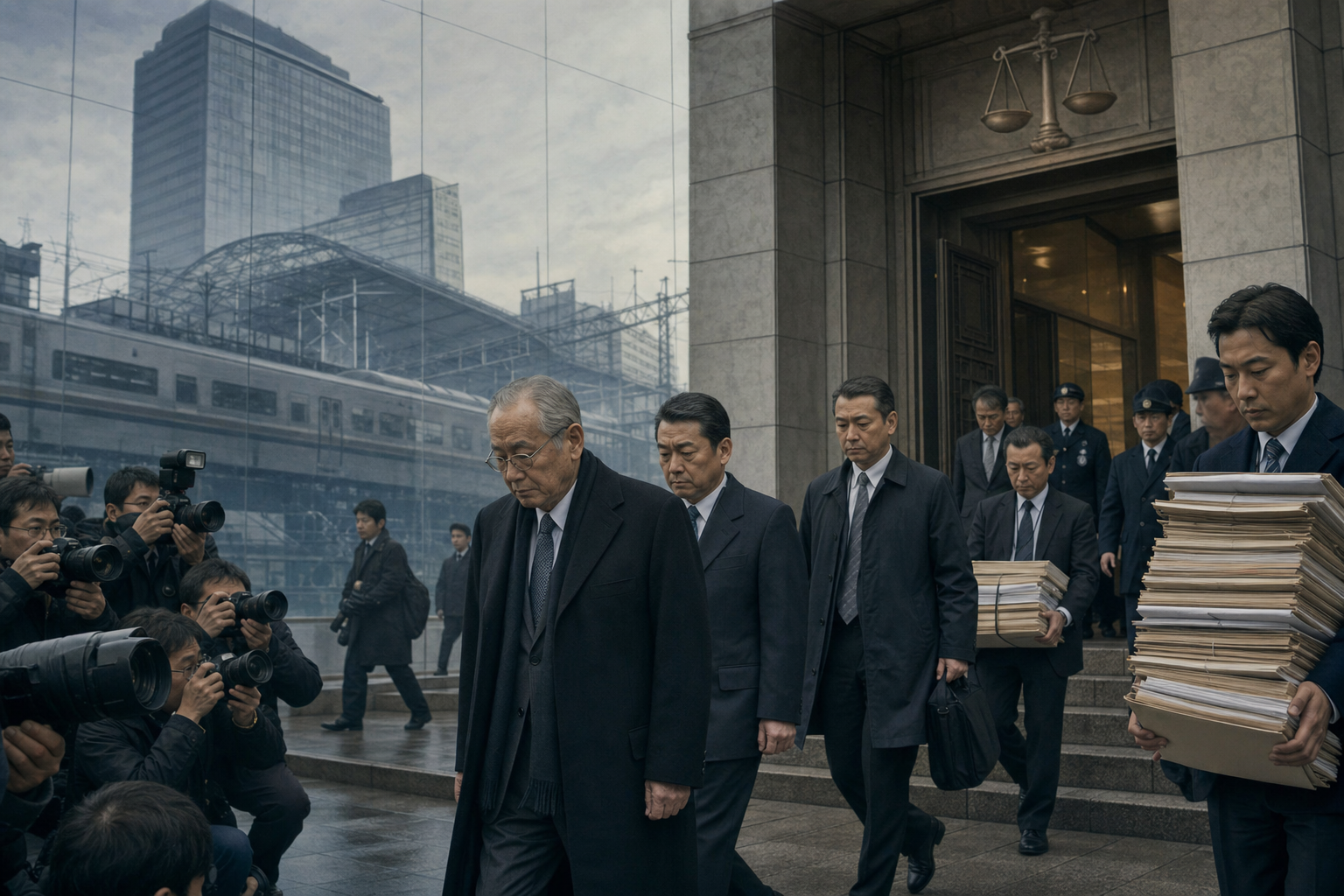
The collapse accelerated in 2005.
On March 3, 2005, Tsutsumi was arrested on suspicion of securities-law violations. The allegations centered on falsified financial reports and insider trading related to Seibu Railway shareholdings and sales. By then he had already stepped down from top posts after the scandal broke.
In June 2005, Tsutsumi pleaded guilty at the Tokyo District Court. The Japan Times reported that he said he would not contest the charges. Forbes reported that he apologized and acknowledged harm to shareholders. The Guardian described the case as a fall for a man who had once ruled a family empire of railways, hotels, golf courses, a baseball team, and real estate.
On October 27, 2005, the Tokyo District Court sentenced him to 30 months in prison, suspended for four years, and fined him 5 million yen. Seibu Railway and Kokudo were also fined. The sentence meant Tsutsumi did not immediately go to prison, but the legal and reputational damage was done.
This was the moment the narrative turned completely. The man who had once represented control became a symbol of control gone wrong.
📉 Timeline: rise and fall of Yoshiaki Tsutsumi
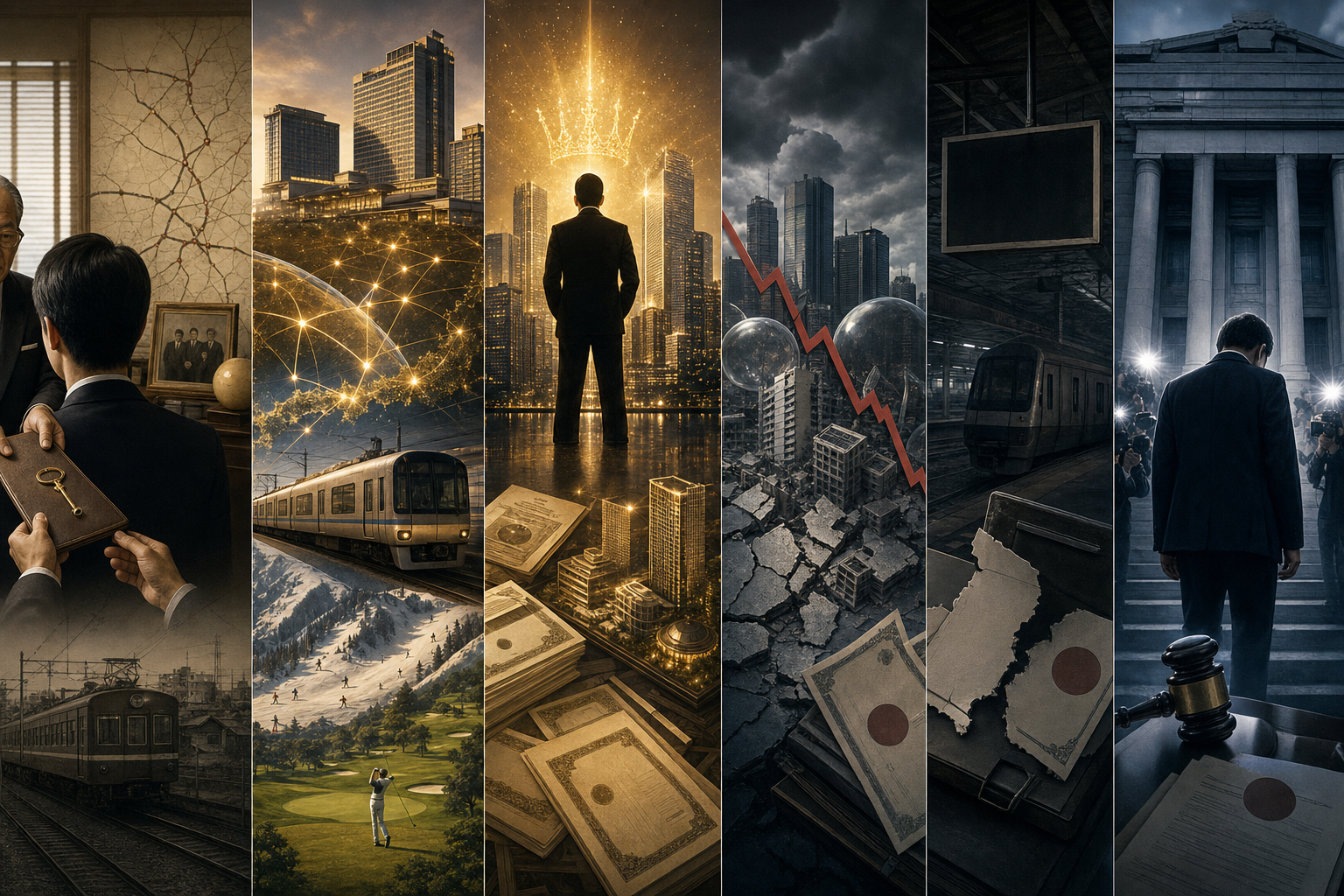
| Year | Event |
|---|---|
| 1934 | Yoshiaki Tsutsumi is born on May 29. |
| 1964 | Yasujiro Tsutsumi dies; Yoshiaki inherits control of the core Seibu/Kokudo empire. |
| 1964 | Tokyo Prince Hotel opens, strengthening the Prince Hotels brand associated with the Seibu group. |
| 1980s | Japan’s asset bubble lifts land and real estate valuations across the country. |
| 1987 | Forbes identifies Tsutsumi as the world’s richest man. |
| 1987-1994 | Tsutsumi is widely reported among the world’s richest people during the bubble and early post-bubble years. |
| Early 1990s | Japan’s bubble bursts; land prices fall and the Seibu empire’s asset-heavy model weakens. |
| 2004 | Seibu Railway admits shareholder-reporting problems; the scandal becomes public. |
| November 2004 | Tokyo Stock Exchange announces Seibu Railway will be delisted. |
| December 2004 | Seibu Railway is delisted from the Tokyo Stock Exchange. |
| March 3, 2005 | Tsutsumi is arrested on suspicion of securities-law violations. |
| June 2005 | Tsutsumi pleads guilty to charges including falsifying financial reports and insider trading. |
| October 27, 2005 | Tsutsumi receives a 30-month prison sentence suspended for four years and a 5 million yen fine. |
| 2007 | Tsutsumi is reported to have fallen off Forbes’ billionaires list. |
🧨 Why did Yoshiaki Tsutsumi lose the crown?
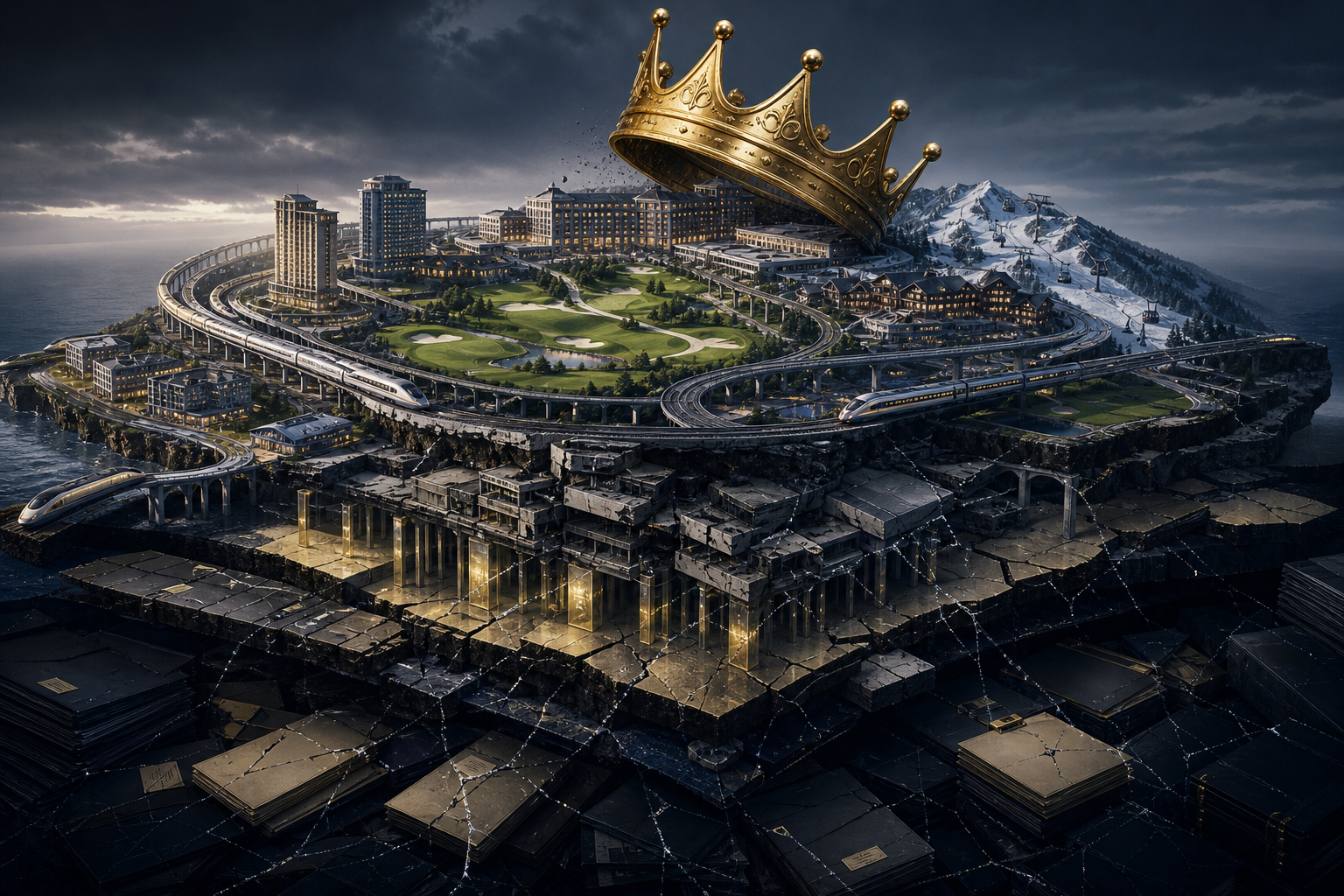
Tsutsumi lost the crown for three connected reasons: asset deflation, governance failure, and narrative collapse.
First came asset deflation. The Japanese land bubble made him one of the richest people in the world. Its collapse reduced the value of the assets that had made him famous. A land-based fortune can look permanent because land itself feels permanent. But the market price of land is not permanent. It is a social agreement shaped by credit, confidence, and expected future returns.
Second came governance failure. The Seibu scandal showed that the empire’s internal structure had not kept pace with the disclosure standards expected of a public company. False shareholder records were not a branding mistake. They attacked the basic premise of market trust: that investors can rely on official filings to understand who controls a company and what risks they are taking.
Third came narrative collapse. Tsutsumi had built his image around authority, secrecy, and command. That persona worked while the empire rose. It did not work once prosecutors, regulators, shareholders, and journalists began asking what had been hidden.
A fall from wealth is painful. A fall from credibility is harder to repair.
👑 How Yoshiaki Tsutsumi built power without becoming a public hero
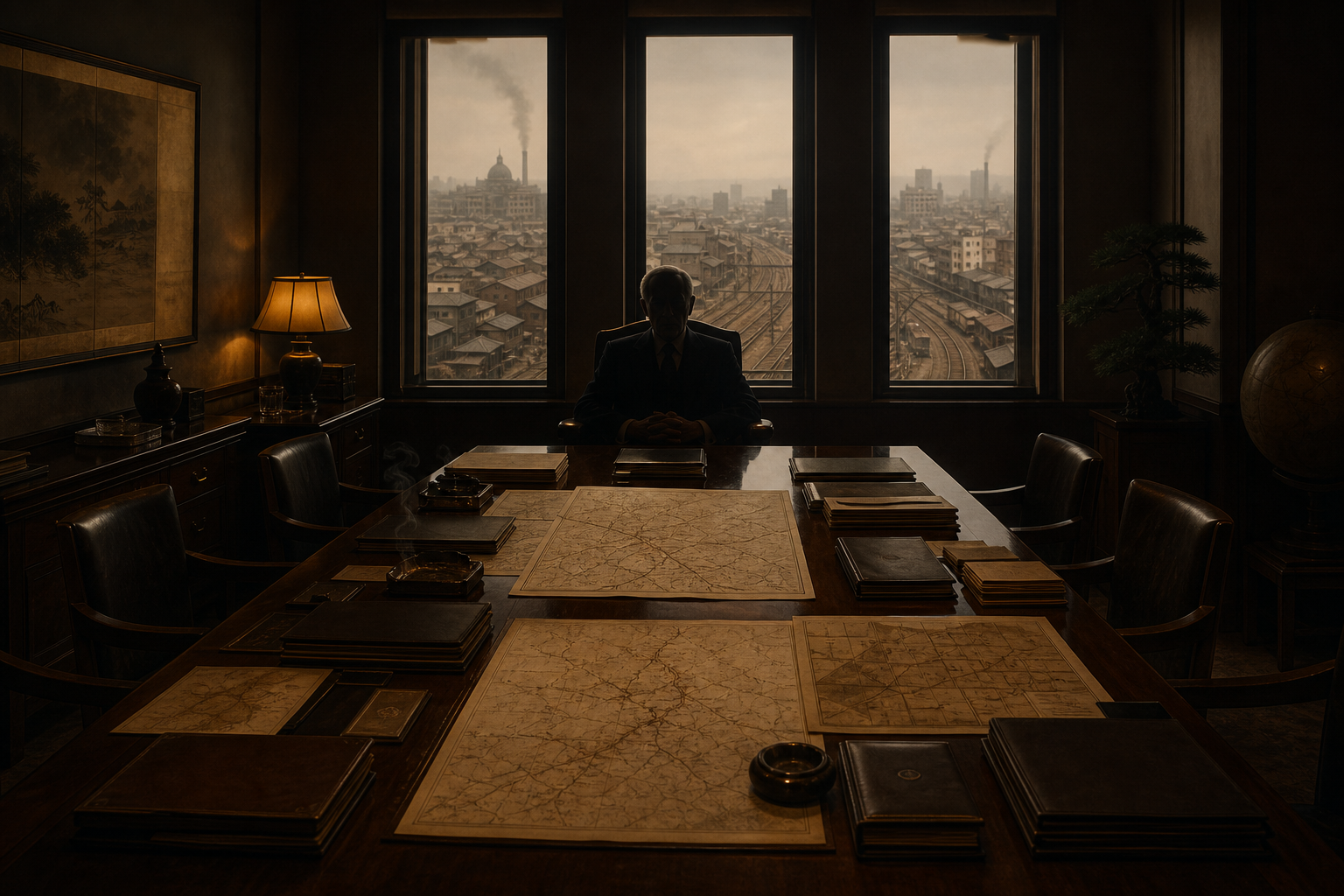
Many modern billionaires build their fortunes and their mythology at the same time. They give interviews, write shareholder letters, appear on stages, cultivate slogans, and turn themselves into consumer brands. Tsutsumi came from an older model. Power did not need to explain itself. It needed to endure.
That older model fit postwar Japan’s family-company capitalism. A patriarch with land, political connections, lenders, and loyal managers could exercise enormous influence without constantly selling himself to the public. Tsutsumi’s empire was visible everywhere, but Tsutsumi himself was not emotionally accessible in the way later founders often try to be.
This made the collapse sharper. When the scandal broke, there was no reservoir of public affection to soften the blow. No founder myth about garages, invention, or democratic disruption. No army of fans arguing that he had changed the world. The public image was mostly control. Once control looked like concealment, the story had nowhere else to go.
That is why the rise and fall of Yoshiaki Tsutsumi still feels modern. It is about more than a Japanese billionaire. It is about the danger of confusing silence with strength.
🏨 What happened to Seibu, Prince Hotels, and the empire?
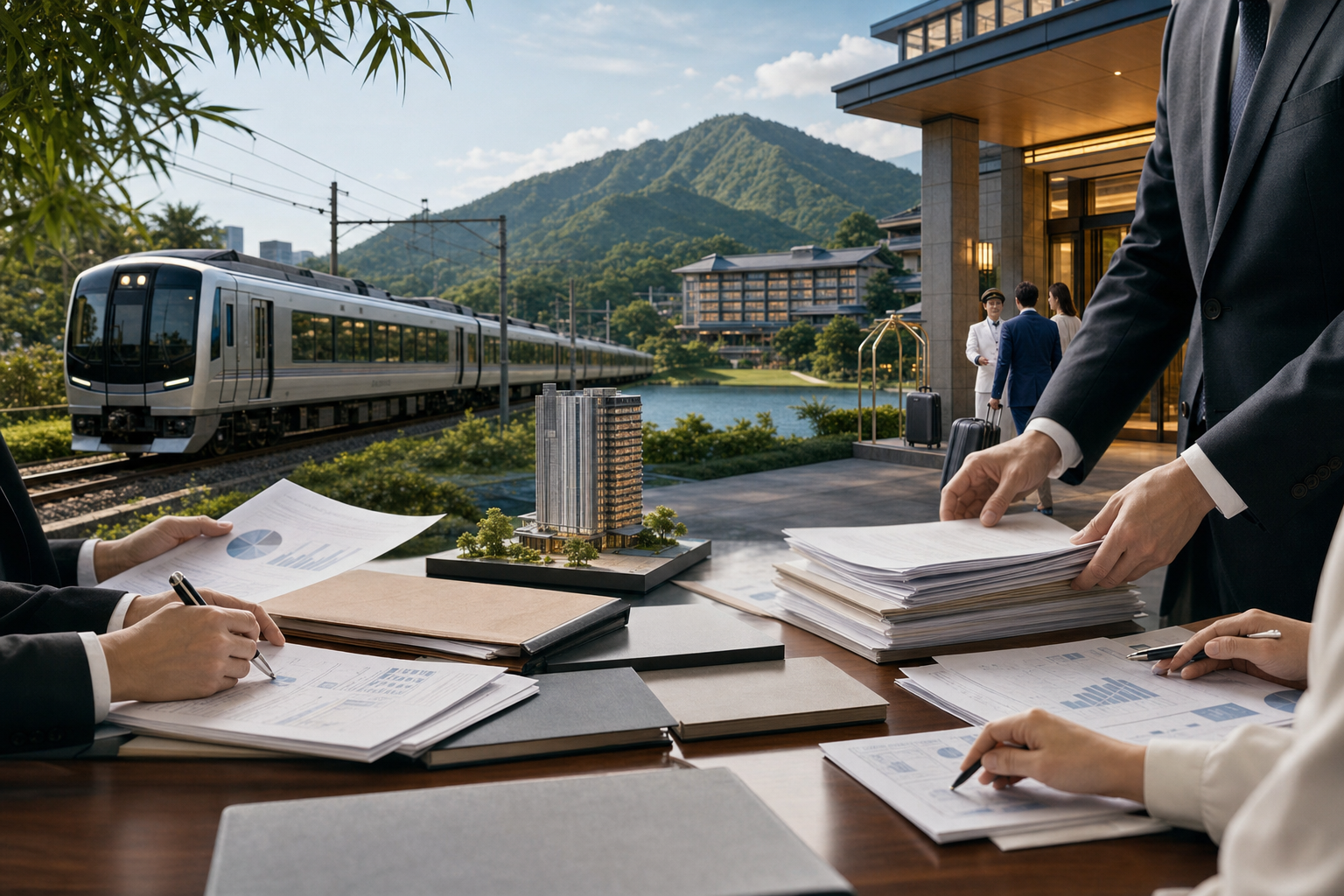
The Seibu name did not disappear. Railways still ran. Hotels still operated. Prince Hotels remained a recognizable brand. The assets were reorganized, governed differently, and carried forward under structures no longer centered on Tsutsumi in the same way.
This is an important distinction. The collapse of Tsutsumi’s narrative was not the total disappearance of every business he controlled. Infrastructure businesses often outlive the people who dominate them. A train line cannot vanish just because a chairman falls. Hotels and resorts can be refinanced, restructured, sold, or professionally managed.
The real change was control. The old model of dynastic command had been discredited. Seibu’s future had to be rebuilt in a market that demanded more transparent governance, cleaner reporting, and less dependence on one man’s authority.
That is the quiet punishment in many corporate scandals. The operating assets survive, but the founder’s legend gets stripped away from them.
🔎 What is Yoshiaki Tsutsumi’s net worth now?
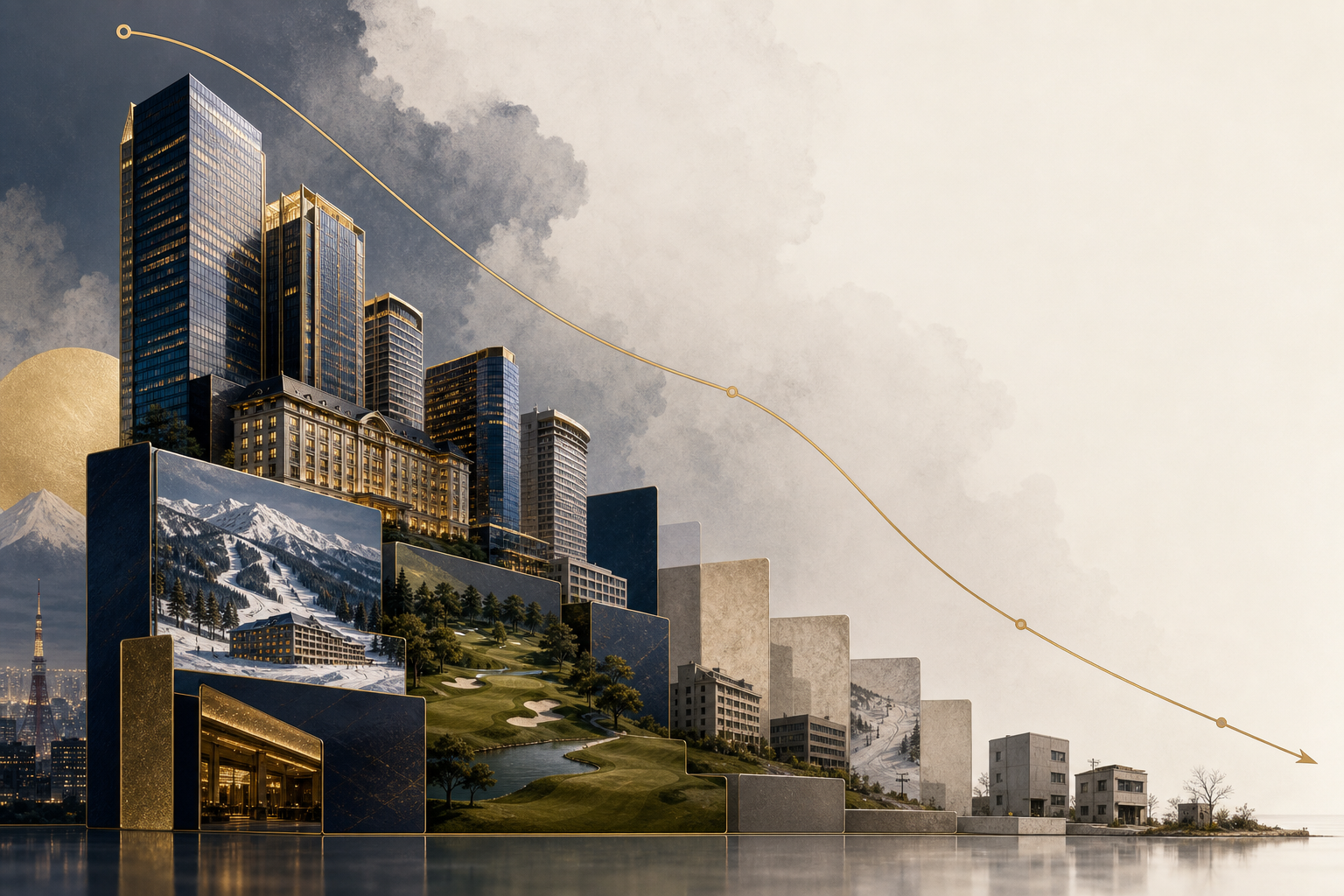
The current net worth of Yoshiaki Tsutsumi is not as clearly tracked as it was during his Forbes-list peak. Public estimates vary, and he has not retained the same status on global billionaire lists that he held in the late 1980s and early 1990s.
What can be stated with confidence is the direction of travel. Forbes described him in 2005 as having fallen from an estimated $16 billion to $2.4 billion over the years as Japan’s real estate market declined. A 2006 Forbes profile listed him far below the top tier and noted that he had “fallen far” after Seibu Railway’s delisting and his arrest. He was later reported to have dropped off Forbes’ billionaires list in 2007.
So the exact modern number matters less than the scale of the reversal. Tsutsumi went from being the richest man in the world to being a former billionaire whose name is now attached more closely to scandal than supremacy.
That is the collapse of the crown.
🧠 What made the Yoshiaki Tsutsumi scandal so damaging?
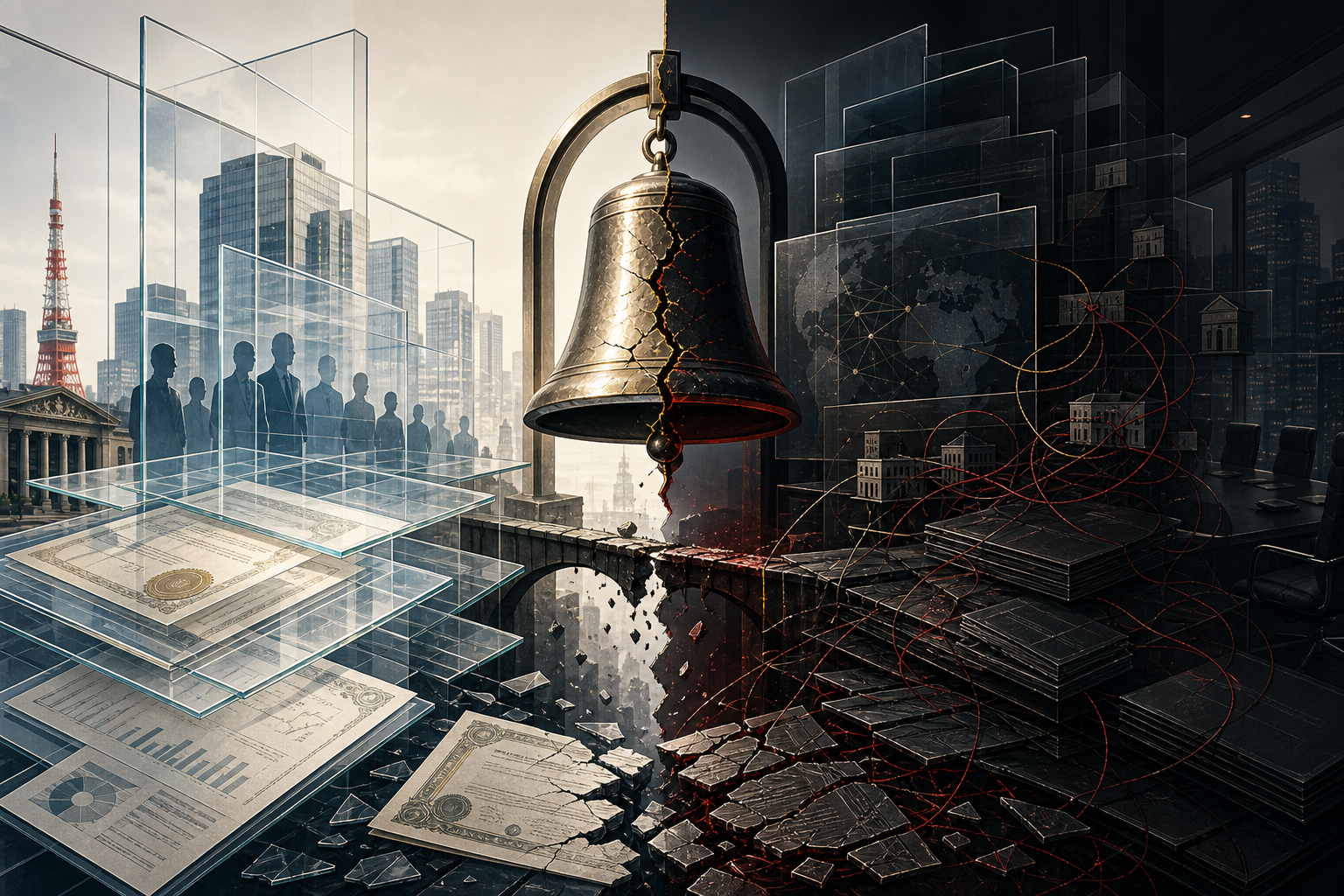
The scandal was damaging because it struck at the difference between ownership and disclosure.
Public markets can tolerate concentrated ownership if it is disclosed. They can tolerate family control if investors understand the structure. They can tolerate falling asset prices if the accounts are credible. What they cannot tolerate is a long-running mismatch between what is reported and what is true.
Seibu’s problem was not simply that insiders owned a lot. It was that the ownership picture presented to the market was allegedly false for years, according to regulators and reporting at the time. That meant investors were not just betting on a weak business or a fallen real estate market. They were betting inside an information environment they did not fully understand.
Once that became clear, the market’s reaction was rational. Trust was repriced. The exchange acted. Prosecutors moved. Shareholders sued. The name that once stood for power became a governance case study.
📚 Biography of Yoshiaki Tsutsumi: the deeper lesson
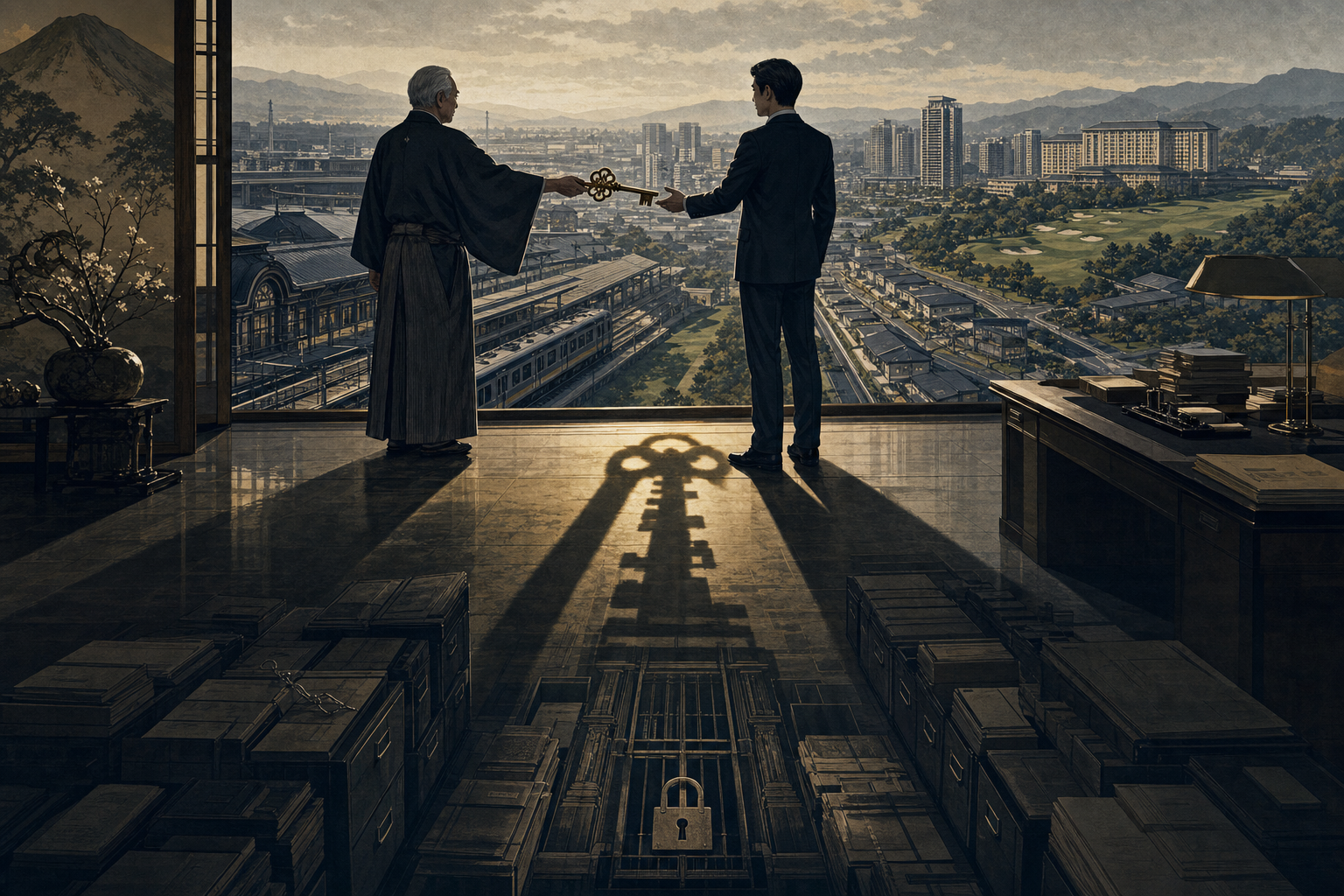
The biography of Yoshiaki Tsutsumi is often framed as a morality tale: world’s richest man becomes disgraced tycoon. That framing is useful, but incomplete.
His story is really about systems that reward opacity until the cycle turns. During a boom, secrecy can look like mystique. Complex ownership can look like strategic control. Aggressive expansion can look like vision. A patriarch’s refusal to explain himself can look like confidence.
During a downturn, every one of those traits reverses meaning.
The land bank becomes overexposure. The complex ownership becomes a governance risk. The quiet command structure becomes a lack of checks and balances. The founder’s mystique becomes a question: what else do we not know?
That is why Tsutsumi’s fall remains relevant to investors, founders, and family businesses. A company can be legally controlled by one person and still owe truthful disclosure to everyone else. A family can own the past, but public markets require a different standard for the future.
🧾 FAQ
What is Yoshiaki Tsutsumi’s net worth?
Yoshiaki Tsutsumi’s current net worth is not consistently tracked by major public billionaire rankings. At his peak in the late 1980s, public estimates commonly placed him around $16 billion to $20 billion. Forbes later reported that his fortune had fallen to about $2.4 billion by 2005, and he was later reported to have dropped off the Forbes billionaires list.
How did Yoshiaki Tsutsumi make his money?
Yoshiaki Tsutsumi made his money through the Seibu empire, including railways, real estate, Prince Hotels, resorts, golf courses, and related land development. His wealth surged during Japan’s 1980s asset bubble because land and property valuations rose dramatically.
What happened to Yoshiaki Tsutsumi?
In 2005, Yoshiaki Tsutsumi was arrested, pleaded guilty to securities-law violations involving falsified financial reports and insider trading, and was sentenced to 30 months in prison suspended for four years. He also received a 5 million yen fine.
Why was Seibu Railway delisted?
The Tokyo Stock Exchange moved to delist Seibu Railway after revelations that the company had falsified shareholder records and underreported major-shareholder ownership ratios. The issue affected investor confidence and listing-rule compliance.
What is the rise and fall of Yoshiaki Tsutsumi about?
The rise and fall of Yoshiaki Tsutsumi is about how Japan’s richest man built an empire from land, railways, hotels, and resorts, then lost wealth and credibility after Japan’s bubble burst and the Seibu securities scandal exposed deep governance failures.
🧩 The final lesson: losing the narrative is losing the empire
Yoshiaki Tsutsumi did not lose everything in a single day. The fall came in stages: first the bubble, then the pressure on assets, then the disclosure scandal, then the delisting, arrest, guilty plea, and sentence.
But the deeper collapse was narrative.
For decades, Tsutsumi’s story was that he was the disciplined heir who understood land, transport, and control better than anyone else. He was the man who turned a family inheritance into one of the most valuable private power structures in Japan. He was the billionaire who made geography pay.
After 2005, the same story was retold with different words. Discipline became secrecy. Control became opacity. Empire became governance failure. The richest man became the cautionary tale.
That is how Yoshiaki Tsutsumi lost the crown and the narrative. Not because the trains stopped running. Not because the hotels vanished. But because the market stopped believing the story that had made his power seem inevitable.
💡 Key Insights
- ▸ Yoshiaki Tsutsumi's empire was built on transport, hotels, resorts, golf courses, and land during Japan's asset bubble.
- ▸ Forbes identified Tsutsumi as the world's richest man in 1987, with estimates commonly reported around $16 billion to $20 billion during the bubble years.
- ▸ The Seibu scandal centered on false shareholder records and underreported ownership stakes that helped preserve Tokyo Stock Exchange listing eligibility.
- ▸ Tsutsumi pleaded guilty in 2005 and was sentenced to 30 months in prison, suspended for four years, plus a 5 million yen fine.
- ▸ His collapse was not only a wealth story; it was a narrative collapse from disciplined patriarch to symbol of opaque family control.
Sources
- Yoshiaki Tsutsumi, The World's Richest People ↗
- Tycoon Tsutsumi Sentenced In Fraud Case ↗
- Japanese Billionaire Tsutsumi Pleads Guilty ↗
- TSE to delist scandal-tainted Seibu Railway ↗
- Kokudo to void Seibu stock transactions ↗
- Tsutsumi accepts guilt as trial starts ↗
- Once the world's richest man, Seibu chief pleads guilty to insider trading ↗
- Tsutsumi Family ↗
- Seibu Group History ↗