Zhang Xin: From Factory Worker to the SOHO China Property Empire
Zhang Xin crossed from factory floors to Wall Street, then helped give Beijing a new architectural identity—before China's property era turned.
View all stories about this mogul
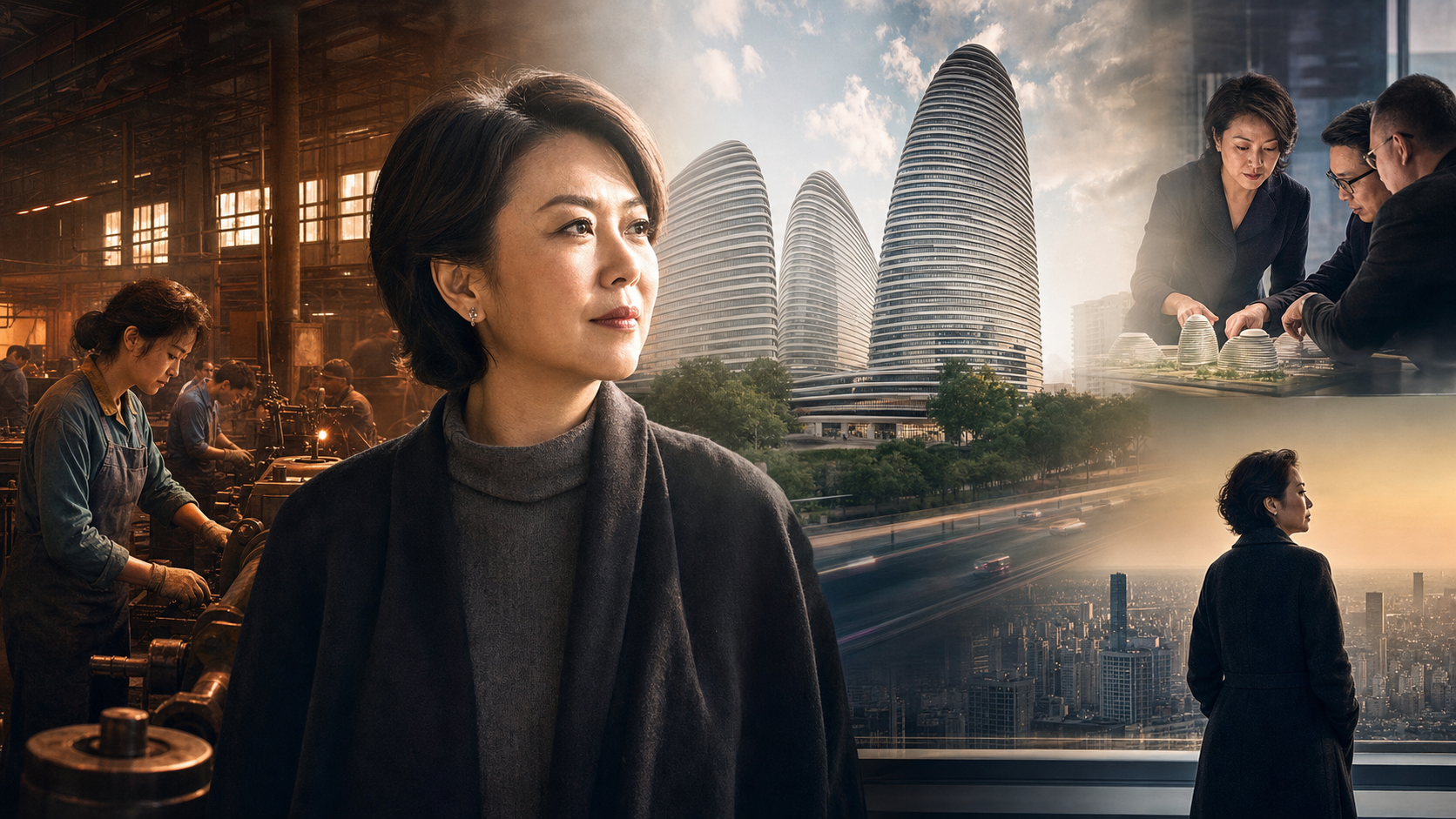
Before Zhang Xin commissioned star architects to reshape Beijing, she spent years on factory lines in Hong Kong saving for an education.
That contrast made her one of the defining entrepreneurs of China’s urban boom. With her husband Pan Shiyi, Zhang built SOHO China into a developer known not merely for square footage, but for buildings designed to be seen, discussed, photographed, and sold as symbols of a modernizing country.
The empire’s later struggles tell an equally important story. Property cycles turn. Political tolerance changes. A brand built during expansion must survive a market that no longer rewards the same risks.
From Factory Floors to Wall Street

Zhang was born in Beijing in 1965 and moved to Hong Kong as a teenager. She worked in factories and saved money to study in Britain, eventually earning degrees in economics and development economics.
Her education opened a door into investment banking. She worked in Hong Kong and New York, gaining exposure to the language of global capital at a moment when China’s own private property market was barely formed.
In the mid-1990s, she returned to Beijing and joined Pan Shiyi in building a real-estate business that would become SOHO China.
The partnership divided strengths in a way investors love to simplify but competitors struggle to copy. Pan was a dealmaker with deep intuition for the local market. Zhang brought international finance, design ambition, and an instinct for brand.
They entered a city changing faster than its visual identity. Beijing needed offices for new private companies, foreign firms, and ambitious professionals. The opportunity was not just to construct buildings. It was to define what modern Chinese commercial life looked like.
Selling Architecture, Not Just Floor Space
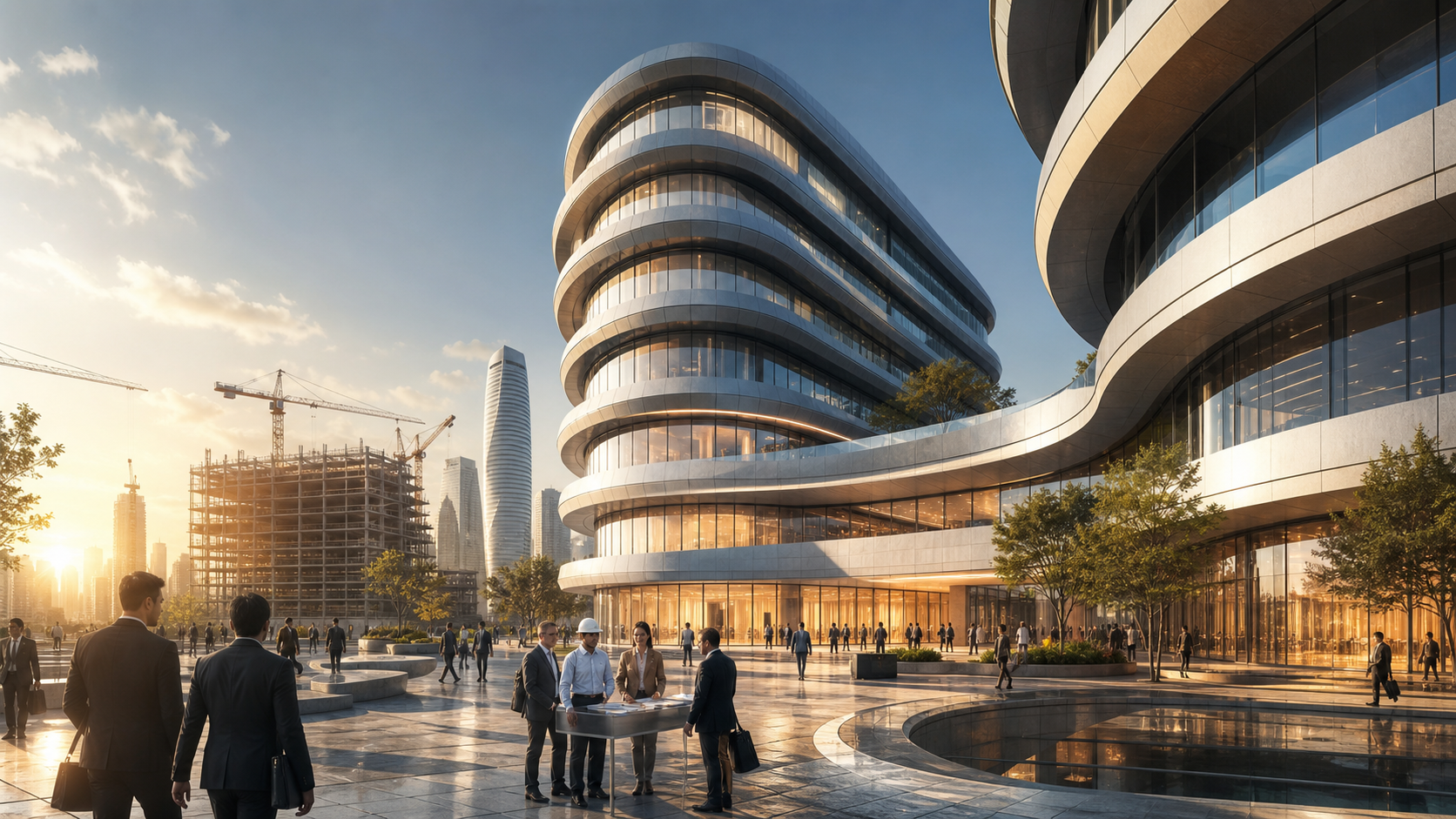
SOHO China’s most distinctive move was treating architecture as marketing.
The company worked with prominent designers and pursued forms that stood apart from repetitive office blocks. Projects such as Jianwai SOHO, Galaxy SOHO, and Wangjing SOHO created strong visual identities. Curves, courtyards, and futuristic silhouettes made the buildings easy to recognize.
That recognition had commercial value. A memorable building could attract tenants, buyers, press coverage, and status-conscious businesses. Zhang became the public face of this design strategy, speaking fluently to both Chinese and international audiences.
SOHO China also benefited from a model tailored to the era: develop commercial projects, divide space into units, and sell those units to individual investors. Rapid urbanization, rising property values, and abundant demand made turnover powerful.
The company’s 2007 listing in Hong Kong arrived near the peak of global enthusiasm for China’s growth. Public capital expanded its reach and elevated Zhang into the small group of internationally visible Chinese women entrepreneurs.
But a sell-and-move-on development model can create uneven incentives. Unit owners may have different priorities. Management becomes fragmented. A building can be architecturally coherent while its ownership is not.
SOHO China later shifted toward holding and leasing more properties, seeking recurring rental income and long-term asset appreciation. That reduced dependence on constant unit sales, but it also tied more capital to the health of China’s office market.
The Turn in China’s Property Era

The conditions that built SOHO China’s rise did not last forever.
China’s property sector accumulated debt, speculative behavior, and political sensitivity. Regulators tightened financing and increased scrutiny. Office demand faced pressure from slower growth, changing work patterns, and oversupply in some markets.
In June 2021, Blackstone announced an offer to acquire a controlling stake in SOHO China in a deal valued at roughly $3 billion. Strategically, it made sense: a global real-estate investor would gain a recognizable portfolio in Beijing and Shanghai, while Zhang and Pan could crystallize value.
The transaction required regulatory clearance. In September 2021, the parties said the conditions could not be met by the deadline and terminated the deal.
The failed sale became a symbol larger than the company. Global capital still wanted Chinese assets, but political and regulatory approval had become a decisive variable that spreadsheets could not discount away.
Zhang and Pan later stepped down from executive leadership roles while retaining their shareholding. It was not the clean billion-dollar exit the proposed acquisition might have delivered. It was a quieter step back from the operating center of the empire.
The buildings remained. So did the complications of owning them in a changed market.
The Real Lesson
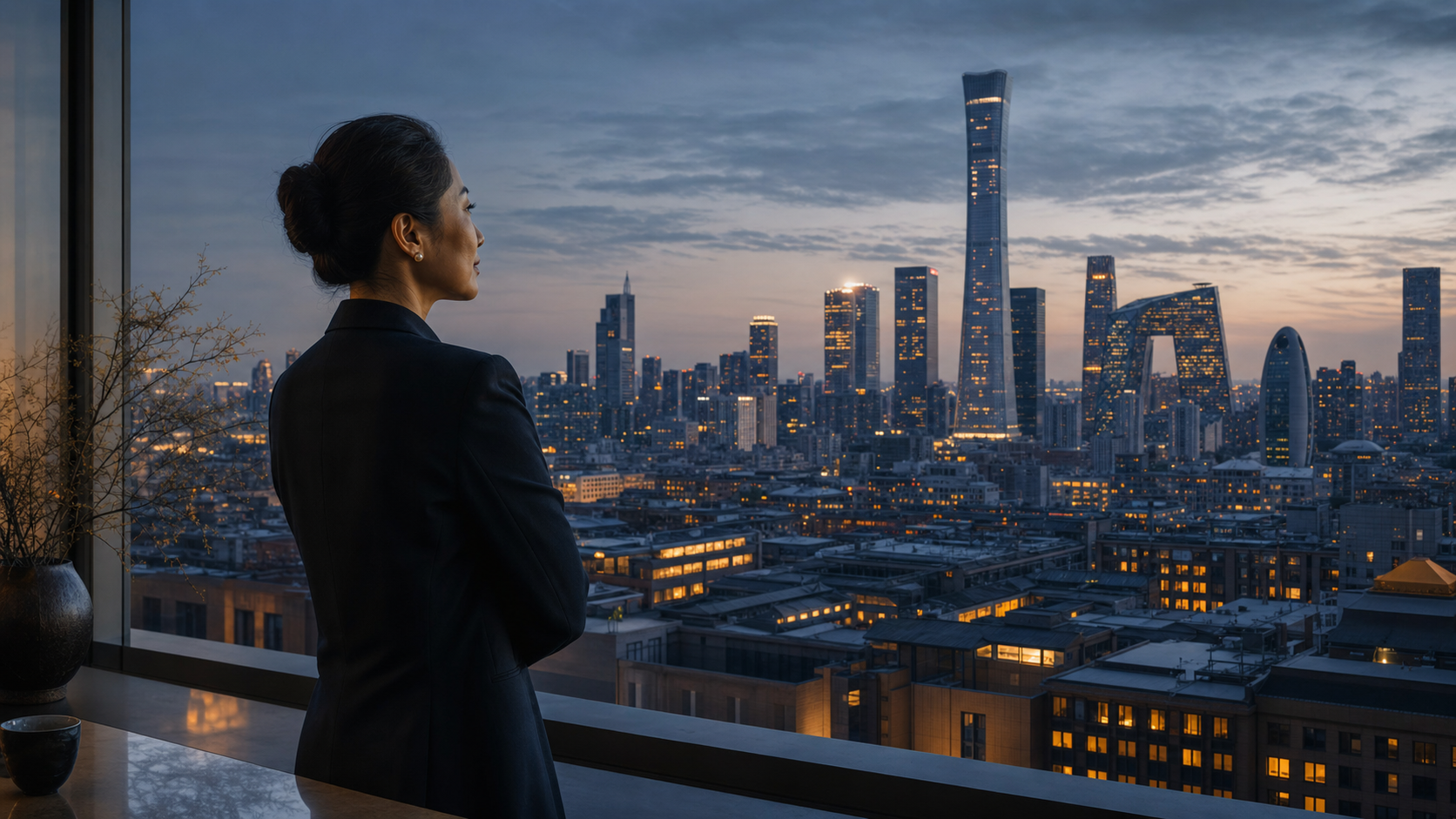
Zhang Xin’s life contains several stories that would each be extraordinary on their own: factory worker, international student, Wall Street banker, billionaire developer, architectural patron.
The business lesson sits in how she combined them.
Finance taught her how capital evaluates opportunity. Migration taught her how identity and aspiration shape demand. Design gave SOHO China differentiation in a market where many competitors sold interchangeable concrete.
Yet differentiation does not repeal the cycle. A beautiful portfolio still faces vacancy, leverage, regulation, and politics. A powerful brand can improve economics, but it cannot guarantee an exit.
Zhang helped create the visual language of a confident urban China. The stalled Blackstone deal and her later withdrawal from management marked the end of a particular era: one in which property, global capital, and personal ambition appeared to rise together without limit.
The skyline endures. The easy assumptions do not.
💡 Key Insights
- ▸ Zhang Xin turned international finance and design fluency into a premium identity for Chinese commercial property.
- ▸ Architecture worked as distribution: memorable buildings earned attention before social media made that tactic obvious.
- ▸ SOHO China's shift from development to holding assets changed both its risk profile and its investor story.
- ▸ The failed Blackstone deal captured the moment global capital met a newly restrictive Chinese property environment.