Anne Beiler: How a Pennsylvania Pretzel Stand Became Auntie Anne's
Anne Beiler started selling pretzels to fund family counseling work, then built Auntie Anne's through a simple product, mall theater, and franchise discipline.

View all stories about this mogul
Auntie Anne’s began not as a grand restaurant thesis but as a way to fund counseling work. Anne Beiler and her husband, Jonas, had lived through profound family grief. Their attempt to support others led Anne to a farmers-market stand in Pennsylvania in 1988.
The product that emerged—a warm, hand-rolled soft pretzel—became a franchise visible in malls, airports, and travel centers around the world.
How did Anne Beiler start with one market stand?
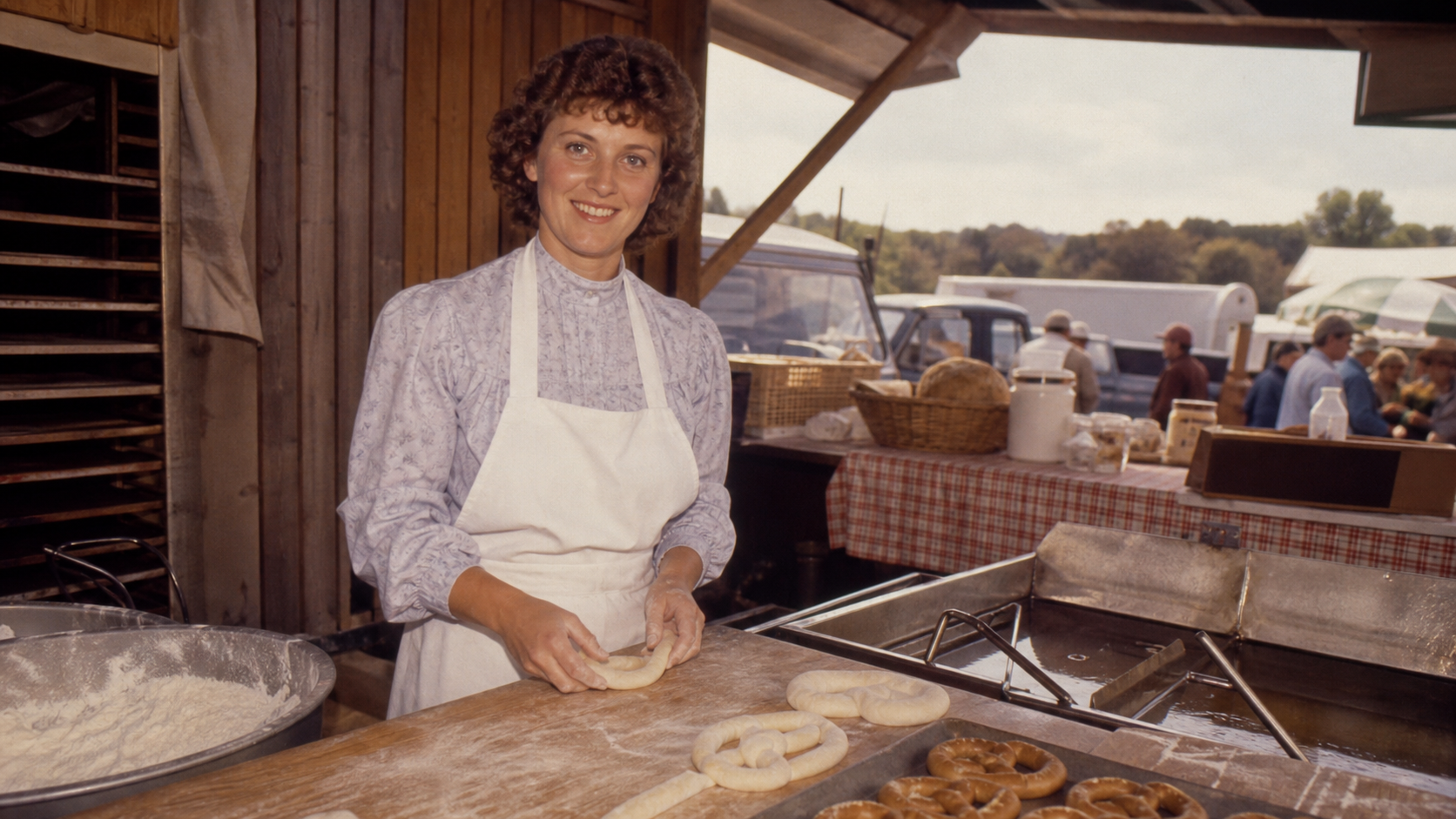
Beiler bought a stand at Downingtown Farmers Market. The original plan involved selling pretzels and other foods to generate money for the community counseling center her husband wanted to build.
The early product needed work. According to the company’s history, an adjusted recipe created the soft, buttery pretzel customers came to recognize. The breakthrough was practical rather than technological: a familiar snack made fresh, served fast, and sold in a place with steady foot traffic.
The founders named the business Auntie Anne’s, turning a personal nickname into a friendly brand. The first stand established a compact format that could be taught and repeated.
| Milestone | Why it mattered |
|---|---|
| 1988 first stand | Product and purpose meet at a farmers market |
| 1989 first franchise | Replication begins quickly |
| 1990s mall expansion | Aroma and live preparation reach dense foot traffic |
| International growth | The small format travels across markets |
| 2010 sale to Focus Brands | The chain enters a larger franchise portfolio |
Why was the pretzel stand built for malls?
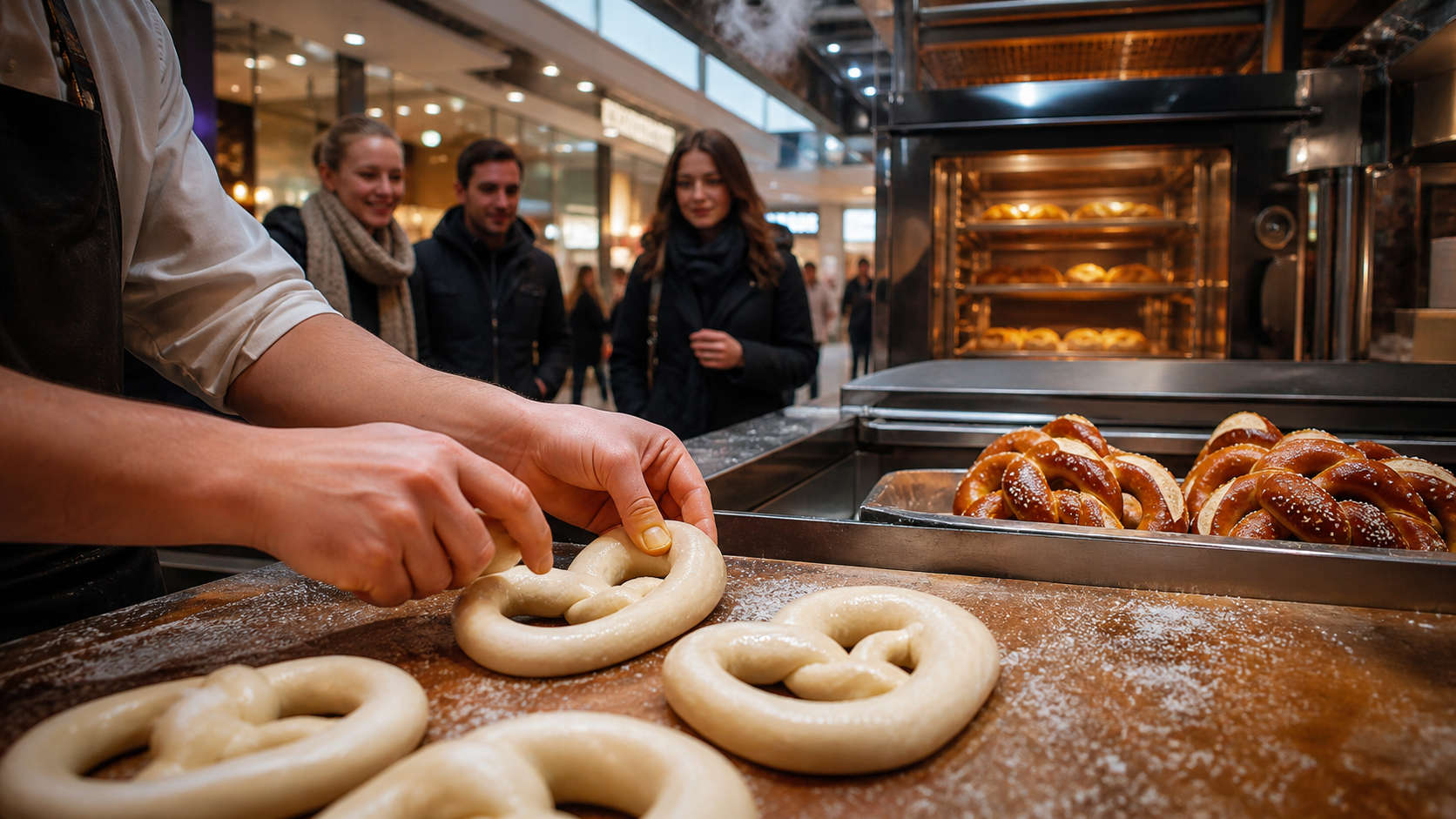
Auntie Anne’s had a product customers could watch being made. Rolling dough, twisting the shape, baking, and brushing the finished pretzel created visible theater. Aroma reached shoppers before conventional advertising could.
The menu was focused, service was fast, and the footprint was smaller than a full restaurant. Those characteristics fit malls, where high rent rewards throughput and impulse purchases.
The brand also occupied a useful space between meal and packaged snack. Customers could share a pretzel, carry it while shopping, or buy one without committing to a restaurant visit.
How did franchising accelerate Auntie Anne’s?
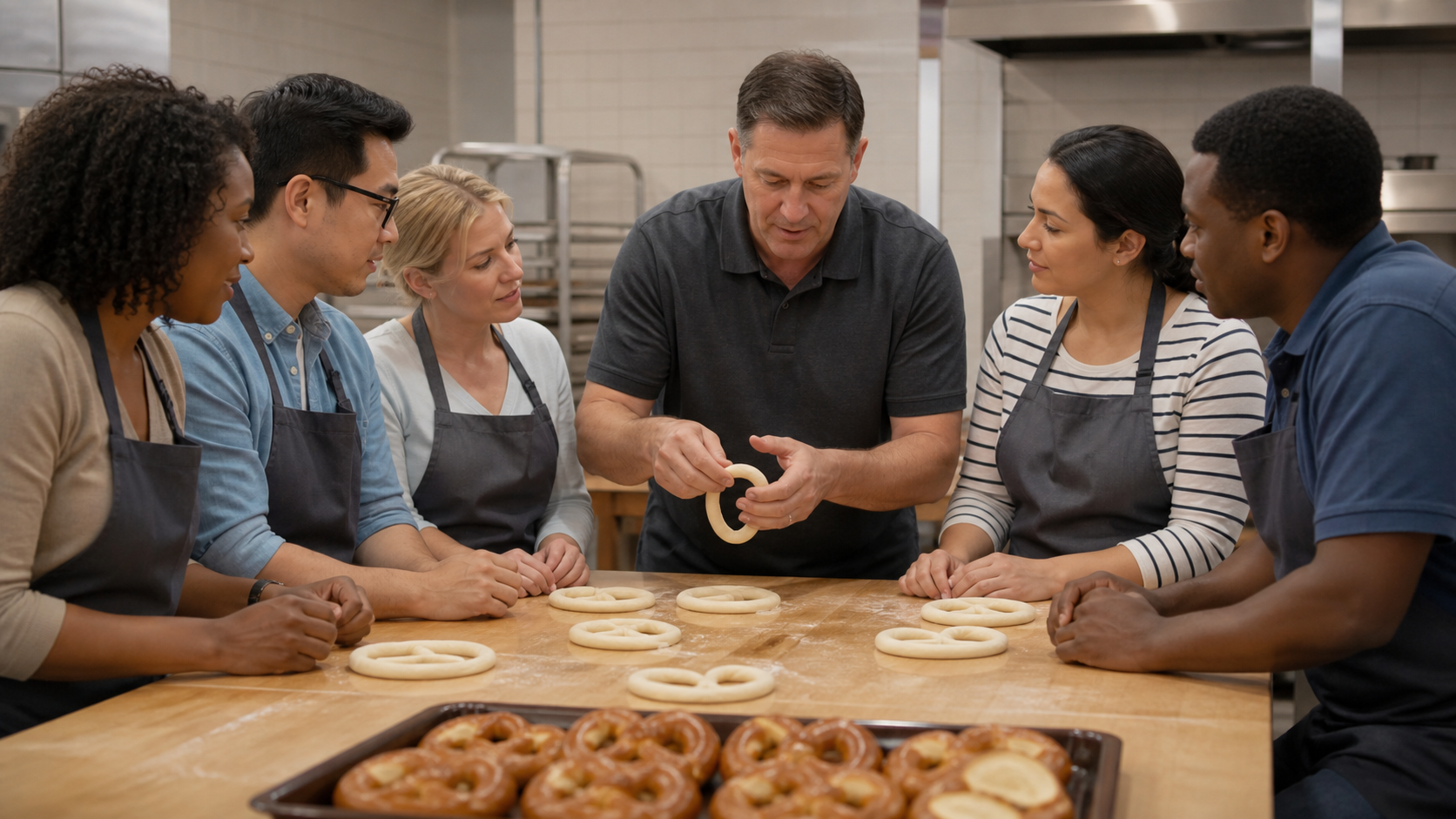
The first franchise opened soon after the original stand. Franchising allowed local operators to provide capital and management while the company supplied brand, recipe, equipment standards, training, and sourcing systems.
Simple does not mean automatic. Dough consistency, proofing, oven conditions, food safety, service speed, and site economics all needed standards. A disappointing pretzel in one airport could damage expectations everywhere.
Rapid growth also tested leadership. Founders move from making a product to selecting partners, documenting routines, resolving conflicts, and protecting culture. Auntie Anne’s expansion depended on turning tacit knowledge into a teachable system.
How did purpose shape Anne Beiler’s leadership?
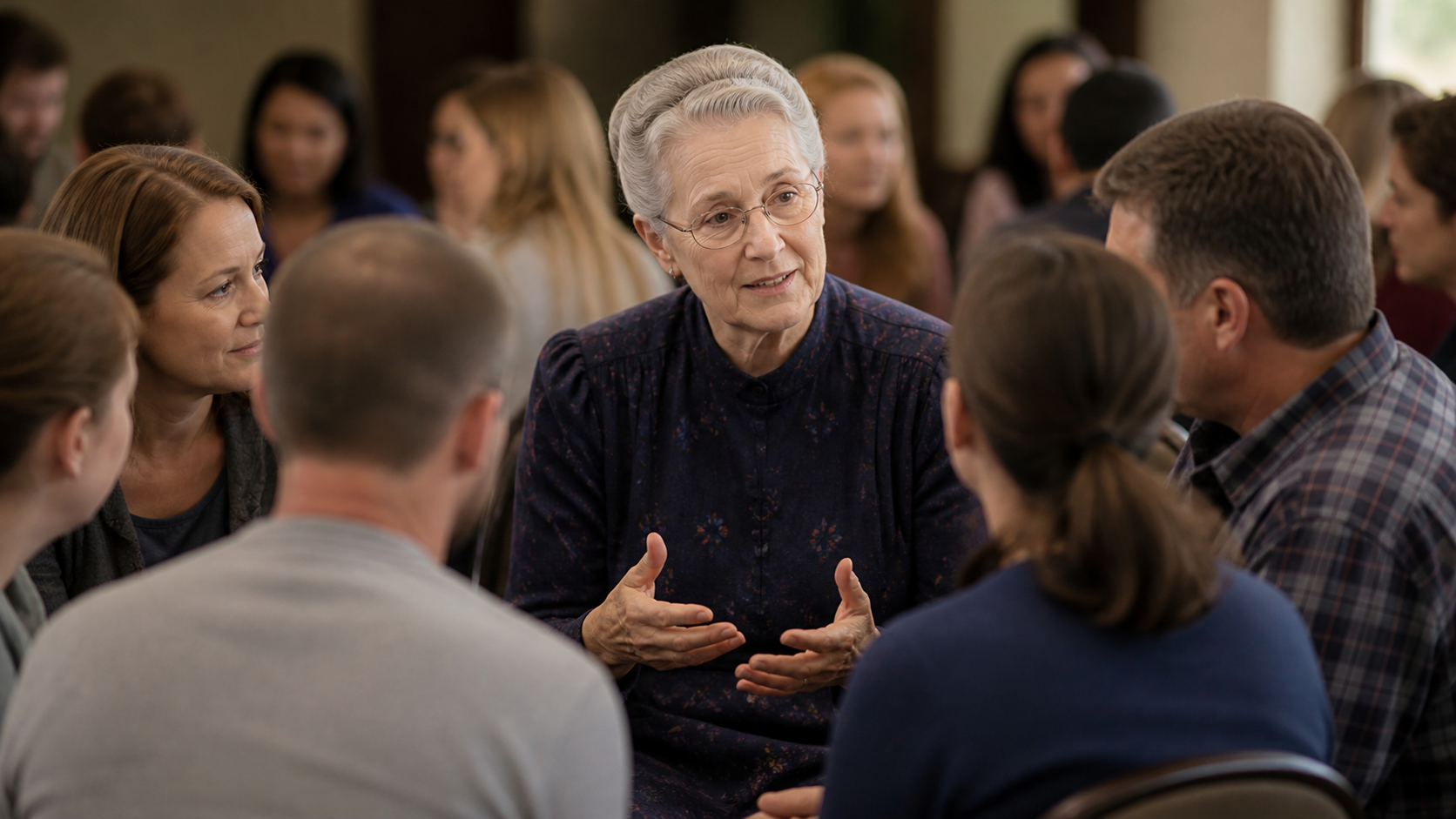
Beiler has written and spoken about grief, abuse, secrecy, and healing. Those experiences made the company’s origin unusually personal. Profit supported a mission, but business success also created a platform from which she could speak about difficult subjects.
Purpose did not remove ordinary franchise pressures. Growth, quality, ownership, and succession still required hard decisions. The company changed over time and was eventually sold, separating the founder’s public work from daily chain operations.
The useful lesson is not that every snack brand needs a social mission. It is that purpose can sustain a founder through unglamorous operating years when it is connected to real choices rather than pasted onto marketing.
What is the real lesson of Auntie Anne’s rise?

Auntie Anne’s combined a sensory product, visible preparation, a compact footprint, and a replicable franchise system. None was revolutionary alone. Together they formed a format suited to high-traffic locations.
Anne Beiler’s story also complicates the standard founder myth. The company was a means before it became an empire. Its scale came from relentless operational repetition around a simple object.
What is Anne Beiler’s net worth?
There is no authoritative public figure. Private-company transactions and personal finances do not support a reliable estimate.
When was Auntie Anne’s founded?
The first stand opened in 1988 at a Pennsylvania farmers market.
Does Anne Beiler still own Auntie Anne’s?
No. The brand changed ownership and became part of the Focus Brands portfolio.
Why did Auntie Anne’s franchise so well?
Its focused menu, compact format, recognizable preparation, training system, and fit with high-foot-traffic locations made replication practical.
💡 Key Insights
- ▸ A sensory product can turn preparation itself into marketing.
- ▸ Franchising scales a simple format only when training and quality controls scale with it.
- ▸ A founder's original purpose can shape a brand even after ownership changes.
- ▸ Small-format retail wins by making every square foot and every minute productive.