MoviePass: The $10-a-Month Ticket to Bankruptcy
One movie a day for $10 a month. The math never made sense. Everyone knew the math never made sense. And yet MoviePass signed up 3 million subscribers, burned through $300 million, and became the most spectacular consumer startup failure of the 2010s. This is the story of the company that tried to disrupt Hollywood by losing money on every single customer.

View all stories about this mogul
🎬 Chapter 1: The Premise
The pitch was irresistible.
One movie a day, in any theater, for $9.95 a month.
Not one movie a month. One movie a day. Thirty movies for the price of one. In any theater. Any showtime. Any movie. You just showed your MoviePass card, picked a movie, and walked in. Someone else paid for the ticket.
The someone else was MoviePass. And MoviePass was paying full price.
Let that sink in. A single movie ticket in a major U.S. city cost $12-15. MoviePass was charging $9.95 per month. If a subscriber saw even one movie per month, MoviePass lost money. If they saw two, MoviePass lost a lot of money. If they saw thirty — as the plan theoretically allowed — MoviePass would lose over $400 per subscriber per month.
The math didn’t work. Everyone could see the math didn’t work. High school students could see the math didn’t work.
Three million people signed up anyway. Because who cares about the math when you’re getting $15 movie tickets for free?
“MoviePass was the business equivalent of standing on a street corner handing out $20 bills and wondering why there was a line. The product-market fit was perfect. The business model was insane.”
But to understand how MoviePass went from a small, niche subscription service to a world-historically bad business, you need to understand the people behind it. And that story starts not in Hollywood but in the fever swamps of penny stock promotion and small-cap financial engineering.
🃏 Chapter 2: The Players
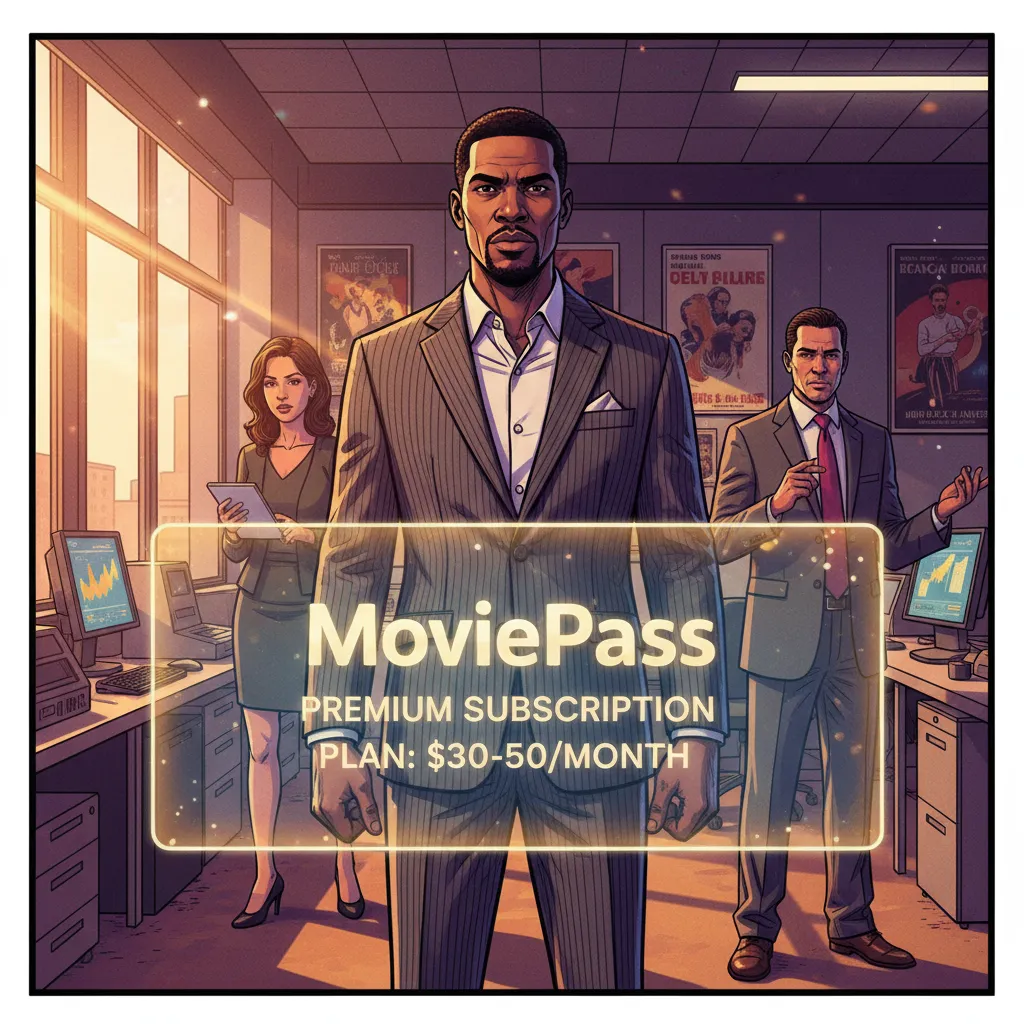
MoviePass was originally founded in 2011 by Stacy Spikes, a former marketing executive in the entertainment industry. Spikes’s original concept was a premium subscription plan priced at $30-50 per month — a price point that could theoretically work as a business. It was a niche service with modest ambitions: give movie lovers a good deal, build a subscriber base, and monetize the data over time.
The original MoviePass grew slowly to a few tens of thousands of subscribers. It was not profitable, but the losses were manageable and the concept had potential.
Then Helios and Matheson Analytics entered the picture.
Helios and Matheson was, on paper, a data analytics company. In practice, it was a shell company controlled by Ted Farnsworth, a Florida-based entrepreneur with a background in small-cap finance and a track record that, shall we say, merited careful examination.
In August 2017, Helios and Matheson acquired a majority stake in MoviePass. The deal came with a new CEO: Mitch Lowe, a former Netflix executive who had been involved in the early days of Redbox, the DVD rental kiosk company.
Lowe had genuine credentials in the entertainment subscription business. Farnsworth had genuine credentials in financial engineering. Together, they were about to attempt the most audacious consumer subsidization scheme since… well, since ever.
“Mitch Lowe knew entertainment. Ted Farnsworth knew finance. Neither of them knew math. Because the math — the very basic, arithmetic-level math — said that their plan was impossible. And they did it anyway.”
The new team’s first move: drop the price from $30 to $9.95 per month. Overnight. With no change to the unlimited movie plan.
The effect was immediate and predictable. Sign-ups exploded. Within months, MoviePass went from 20,000 subscribers to 3 million. The growth curve looked like a rocket launch.
Unfortunately, so did the burn rate.
🔥 Chapter 3: The Burn
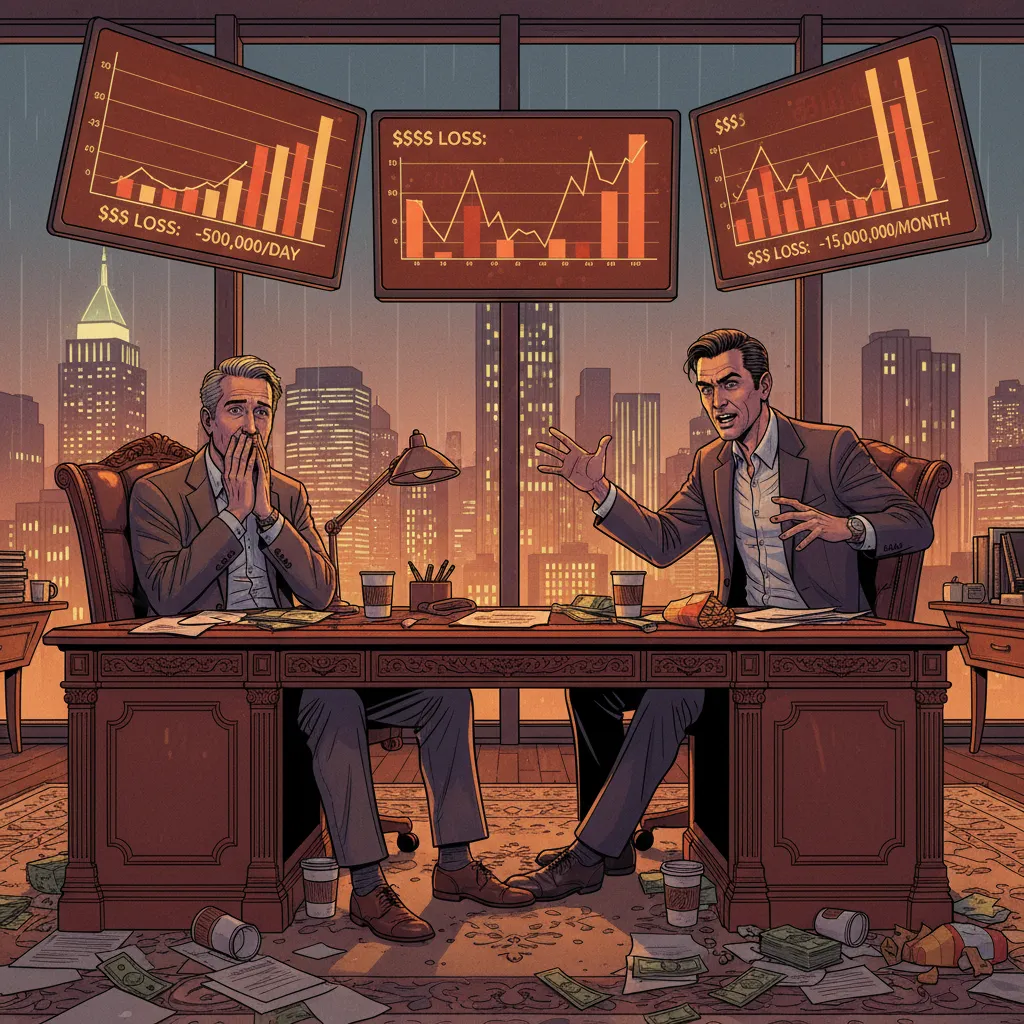
MoviePass was losing money at a rate that defied comprehension.
Each time a subscriber used their card, MoviePass paid the theater full price for the ticket. At $12-15 per ticket, and with active subscribers averaging 1.5-2 movies per month, MoviePass was losing approximately $10-20 per subscriber per month.
With 3 million subscribers, that translated to $30-60 million in monthly losses. $30 million per month. On a service that charged $10.
Helios and Matheson funded these losses by issuing stock. Lots of stock. Helios was a publicly traded company on the NASDAQ, and Farnsworth used this listing to raise capital through continuous stock dilution — issuing new shares to investors who were apparently willing to bet that MoviePass would somehow, eventually, figure out how to make money.
The stock price tells the story. Helios and Matheson shares traded above $30 in October 2017. By July 2018, they had fallen below $1. By September 2018, they were trading at fractions of a penny. The company executed a 250-to-1 reverse stock split to remain listed. The shares promptly fell again.
“Helios and Matheson’s stock chart looks like a ski slope. A very steep, very long, very unforgiving ski slope. With rocks at the bottom.”
Meanwhile, Lowe and Farnsworth maintained — with a straight face — that MoviePass was going to be profitable. The plan, they said, was data monetization. MoviePass would collect data on subscribers’ viewing habits, preferences, and behaviors, and sell this data to movie studios, theaters, and advertisers.
The data story was theoretically interesting but practically worthless. MoviePass’s data wasn’t unique or particularly valuable — studios already had their own data from ticket sales, marketing campaigns, and social media analytics. And the volume of data MoviePass could collect was limited by the simple fact that each subscriber saw, on average, fewer than two movies per month.
The real problem was even more fundamental: data monetization requires time to develop, and MoviePass was burning cash so fast that time was the one thing it didn’t have.
🎪 Chapter 4: The Chaos
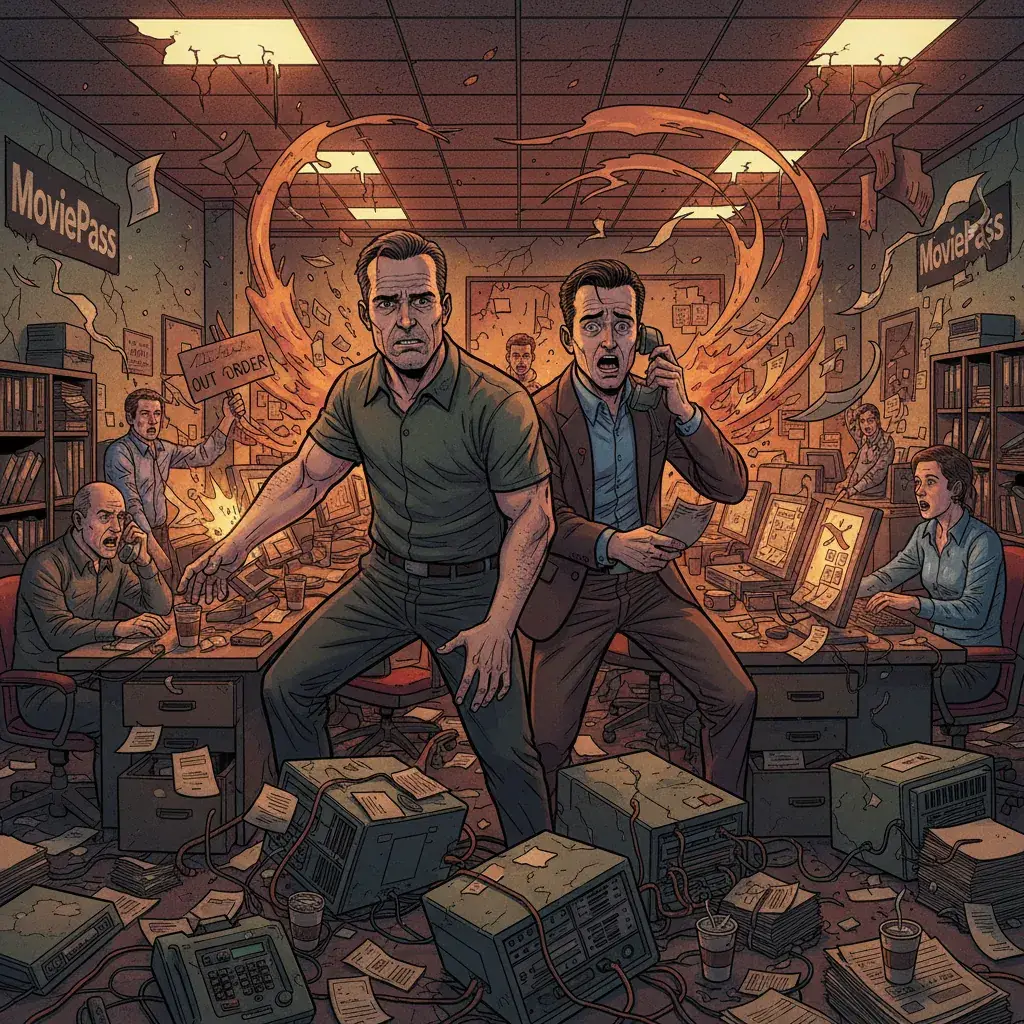
As the money ran out, MoviePass descended into operational chaos.
In the summer of 2018, MoviePass began changing its terms of service almost weekly. One week, subscribers could see any movie, any time. The next week, certain popular movies were “blacked out.” The week after that, subscribers were limited to three movies per month instead of one per day. Then four movies. Then three again.
The app — which subscribers used to check in at theaters — became unreliable. Subscribers reported that movies would mysteriously become “unavailable” just as they arrived at the theater. Popular showings on opening weekends were frequently blocked. The system would go down entirely during peak hours.
Behind the scenes, things were worse. Former employees described a workplace driven by panic, where decisions were made on the fly, engineers were constantly patching a system that was never designed for this scale, and executives were increasingly detached from reality.
“MoviePass in the summer of 2018 was like a ship sinking in slow motion. Everyone on board could see the water rising. The captain was on the deck giving interviews about what a great voyage it was.”
In July 2018, MoviePass literally ran out of money. The company could not pay theaters for subscriber tickets because its bank account was empty. It had to take out an emergency $5 million loan to keep the service running — a loan that covered approximately one week of losses.
The company raised more money through stock issuance, but each new round of dilution drove the stock price lower, making it harder to raise the next round. It was a death spiral of dilution — each fundraise made the next fundraise more expensive and less effective.
By late 2018, MoviePass was limiting subscribers to three movies per month, charging surge pricing on popular films, and generally providing a service that was a shadow of the unlimited plan that had attracted 3 million subscribers. Cancellation rates soared.
💀 Chapter 5: The Autopsy
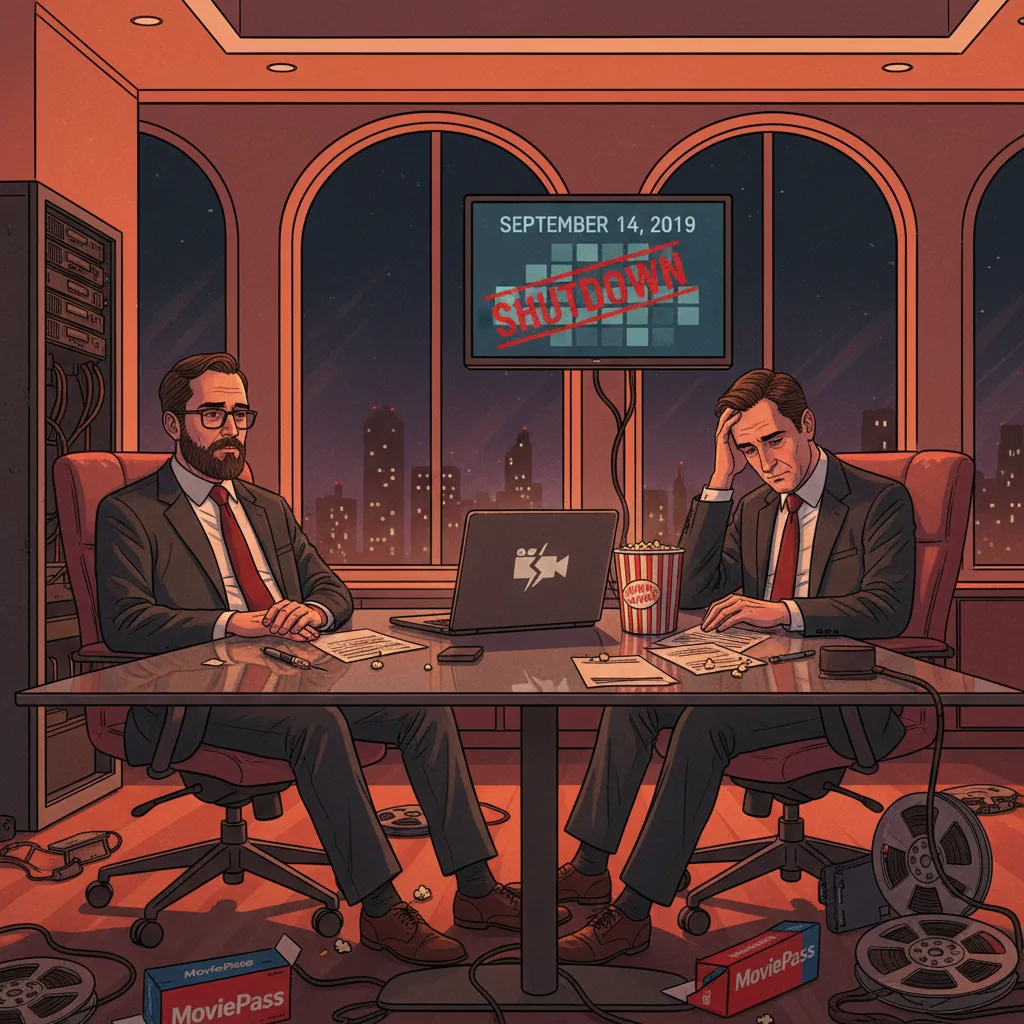
MoviePass shut down on September 14, 2019. The service that had promised unlimited movies for $10 a month had lasted approximately two years since its relaunch under Helios and Matheson.
The financial damage was substantial but concentrated:
- Helios and Matheson’s stock went to effectively zero, wiping out shareholders who had bought into the hype.
- Total losses exceeded $300 million — all subsidizing movie tickets for subscribers who had gotten a spectacular deal.
- Stacy Spikes, the original founder, was pushed out of the company he’d created. (He would later re-acquire the MoviePass brand and attempt a more modest relaunch.)
In 2022, Mitch Lowe and Ted Farnsworth were charged with securities fraud by the federal government. Prosecutors alleged that they had misled investors about MoviePass’s financial condition and manipulated the company’s subscriber data to make the business appear healthier than it was.
Lowe pleaded guilty. Farnsworth went to trial and was convicted in 2023.
“The charges weren’t about the bad business model. Losing money isn’t a crime. The charges were about lying to investors about how much money was being lost, and making it appear that the losses were temporary when they were structural. There’s a difference between a bad bet and a fraud. MoviePass managed to be both.”
The irony of MoviePass’s demise was that its core insight — that consumers wanted subscription-based access to movie theaters — was correct. Within months of MoviePass’s popularity surge, AMC Theatres launched AMC Stubs A-List, a subscription plan that offered three movies per week for $19.95 per month.
A-List was profitable because AMC owned the theaters. AMC didn’t have to pay itself full price for tickets. The marginal cost of an additional subscriber seeing a movie was essentially the cost of the seat (which was often empty anyway) and the concession revenue the subscriber generated.
MoviePass had proven the concept. AMC captured the value. It was the cruelest possible outcome for a startup: being right about the market but wrong about the business model, and watching the incumbent you were trying to disrupt use your idea to make money.
📊 Chapter 6: The Unit Economics of Insanity
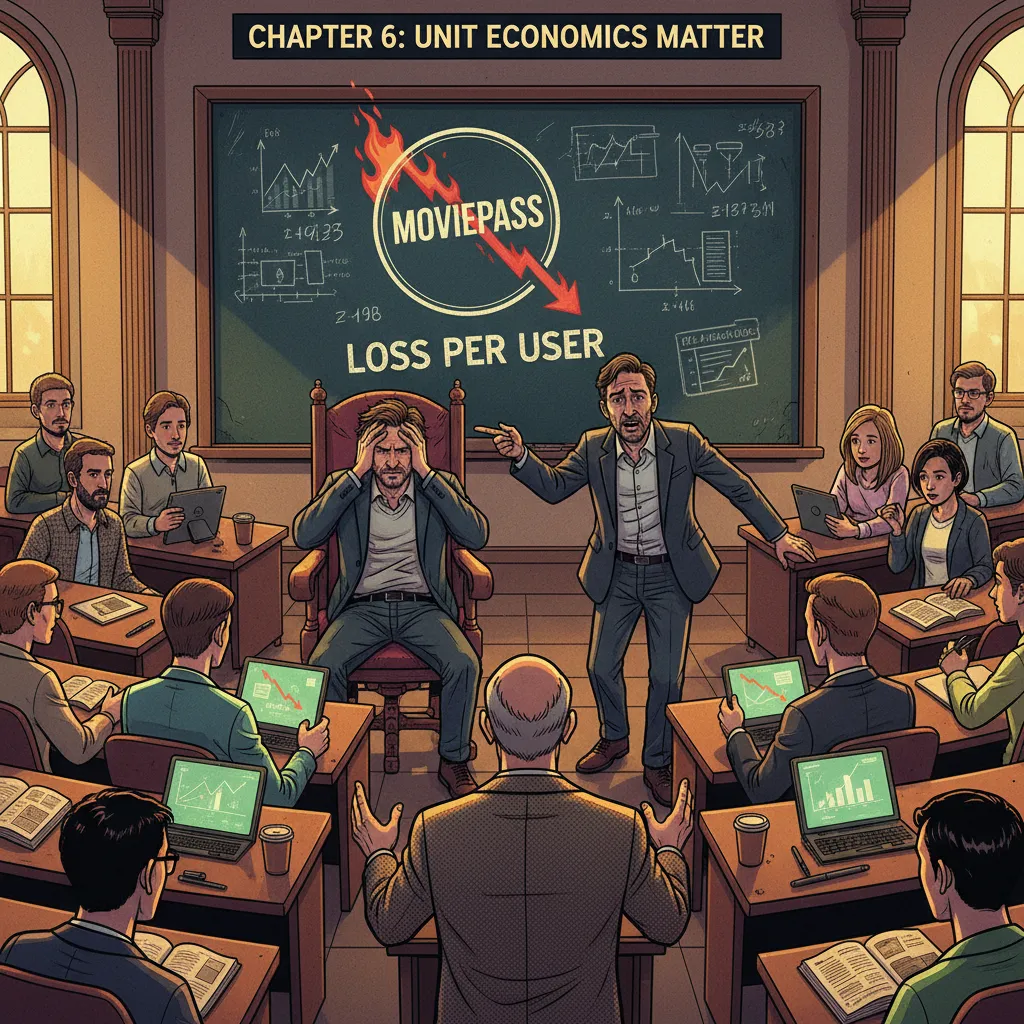
MoviePass’s failure is studied in business schools now — and the core lesson is deceptively simple: unit economics matter.
“Unit economics” refers to the revenue and cost associated with a single unit of your product — in MoviePass’s case, a single subscriber. If the revenue from one subscriber exceeds the cost of serving that subscriber, the unit economics are positive. If the cost exceeds the revenue, the unit economics are negative.
MoviePass’s unit economics were catastrophically negative. And not by a little. By a lot.
Revenue per subscriber: ~$10/month Cost per subscriber: ~$25-40/month (depending on usage) Loss per subscriber: ~$15-30/month
This meant that every subscriber MoviePass added made the company less viable, not more. Growth — the metric that Silicon Valley worships above all others — was actively destroying MoviePass. Each new subscriber was a new cost center with no path to profitability.
“In most businesses, growth is the solution. At MoviePass, growth was the problem. Every new subscriber was another $20 per month in losses. Signing up 3 million subscribers meant losing $60 million a month. The faster they grew, the faster they died.”
The company’s response to this mathematical reality was to invoke the magic words of Silicon Valley: “scale” and “data.”
At scale, they argued, MoviePass could negotiate lower ticket prices with theaters (theaters refused). At scale, the data would become valuable enough to sell (it wasn’t). At scale, MoviePass could offer advertising and promotional deals (nobody was interested in advertising on a platform that was clearly dying).
“Scale” is Silicon Valley’s version of a magical incantation. If you say it enough times, with enough confidence, investors will sometimes believe that the laws of arithmetic can be suspended. MoviePass was the ultimate test of this belief. The laws of arithmetic won.
🎯 Chapter 7: Why People Fell for It
The question isn’t why MoviePass failed. The question is why anyone — investors, executives, analysts — ever believed it could succeed.
The answer lies in a combination of factors that, together, created a reality distortion field powerful enough to override basic math.
Factor 1: The Netflix analogy. MoviePass explicitly compared itself to Netflix. Just as Netflix had disrupted the video rental industry by offering unlimited streaming for a flat monthly fee, MoviePass would disrupt the movie theater industry by offering unlimited theater access. The analogy was seductive but deeply flawed: Netflix’s marginal cost of serving an additional subscriber was essentially zero (the content was already produced and hosted). MoviePass’s marginal cost was $12-15 per ticket.
Factor 2: The data narrative. “Data is the new oil” was the mantra of the 2010s, and MoviePass leaned into it hard. The idea that subscriber data could be monetized to offset ticket costs had just enough plausibility to pass the smell test in a pitch meeting. It did not survive contact with reality.
Factor 3: Growth worship. In the venture capital and tech world of the mid-2010s, growth was the paramount metric. Companies with massive user growth were routinely valued at billions of dollars regardless of profitability. MoviePass’s explosive growth — from 20,000 to 3 million subscribers in months — looked, from a distance, like a success story. Up close, it was a subsidy program.
Factor 4: Willful ignorance. Some investors and executives understood the math. They invested anyway, hoping to ride the hype, sell before the crash, or be acquired by a larger company before the money ran out. This is the greater fool theory in its purest form: buy something you know is overvalued because you think someone else will buy it from you at an even higher price.
“MoviePass succeeded in one thing: it proved that if you sell dollar bills for fifty cents, you’ll have no shortage of customers. The business innovation was nonexistent. The marketing was genius. And the math was inevitable.”
🎬 Chapter 8: The Aftermath
The MoviePass story had a few epilogues worth noting.
Stacy Spikes re-acquired the MoviePass brand after Helios and Matheson’s bankruptcy and relaunched it in 2022 with a different model — a credit-based system where subscribers earned credits that could be redeemed for tickets. The relaunch was modest and didn’t generate anything close to the original hype. But it was, at least, designed to not lose money on every transaction.
AMC Stubs A-List continued to thrive, proving that the subscription model for movie-going worked — when operated by a company that owned the theaters. By 2025, A-List had over 10 million subscribers and was a significant contributor to AMC’s revenue.
Mitch Lowe was sentenced to prison following his guilty plea. Ted Farnsworth was convicted and also faced prison time. Their story became a cautionary tale about the intersection of startup culture and securities fraud.
The movie theater industry, which MoviePass had claimed to be disrupting, survived largely unchanged. Theaters still sold tickets at full price. Concessions still had absurd margins. And the theatrical window — the period between a movie’s theater release and its availability for home viewing — continued to be the primary battleground between studios and exhibitors.
MoviePass disrupted nothing. It subsidized everything. And then it disappeared.
🏆 Chapter 9: The Lessons
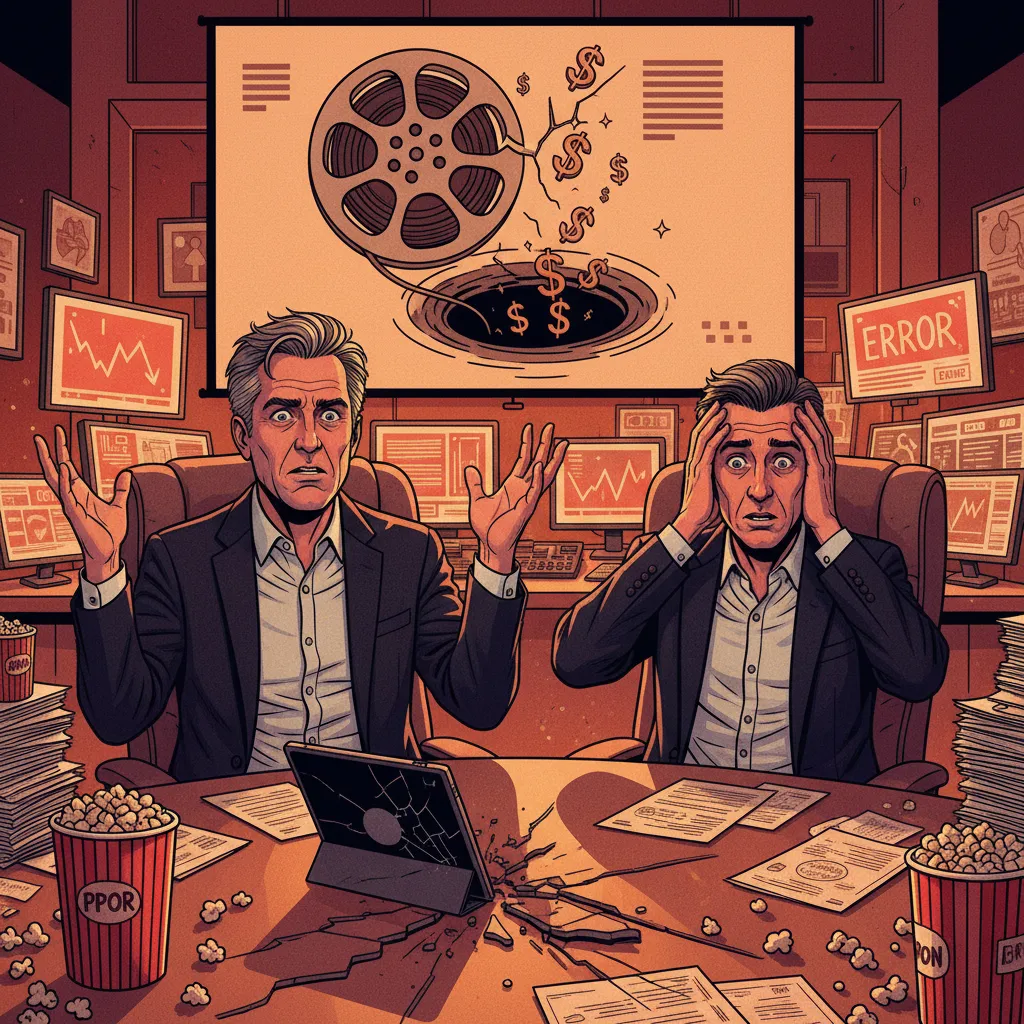
MoviePass’s spectacular failure offers some of the clearest business lessons of the past decade.
Lesson 1: If the unit economics don’t work, nothing else matters.
Not growth. Not brand. Not data. Not partnerships. If you lose money on every customer, adding more customers makes the problem worse, not better. This is not a sophisticated insight. It is first-grade arithmetic.
Lesson 2: Disruption requires a structural advantage, not just a lower price.
Netflix disrupted video rental because its marginal cost of serving a subscriber was near zero. Uber disrupted taxis because it had a more efficient matching algorithm and didn’t need to own vehicles. MoviePass had no structural advantage — it was paying the same retail price for tickets that individual consumers paid. Lower prices without lower costs isn’t disruption. It’s charity.
Lesson 3: If the incumbent can easily replicate your offering, you’re toast.
AMC launched A-List within months of MoviePass’s popularity spike. AMC could offer a similar subscription at a profitable price point because it owned the theaters. MoviePass had no defense against this.
Lesson 4: “Data monetization” is not a business model. It’s an excuse.
Whenever a company says “we’ll monetize the data,” ask: what data, sold to whom, at what price, and is it enough to cover the losses? If the answers are vague, the business model is a fantasy.
Lesson 5: Silicon Valley’s tolerance for losses has limits.
MoviePass tested the outer boundary of how much money a company could lose while maintaining investor confidence. The answer, it turned out, was about $300 million over two years. Which is a lot. But not infinite.
“MoviePass will be remembered as the company that proved you can’t build a sustainable business by paying customers to use your product. It seems like an obvious lesson. And yet, somehow, a lot of very smart people needed to lose $300 million to learn it.”
Rest in peace, MoviePass. You were too good to last. Because you were never a real deal at all.
MoviePass (original version) ceased operations in September 2019. Helios and Matheson Analytics filed for bankruptcy. Mitch Lowe and Ted Farnsworth were convicted of securities fraud. MoviePass was relaunched under Stacy Spikes in 2022 with a modified business model.
📈 Chapter 10: The Data Gambit (2018)
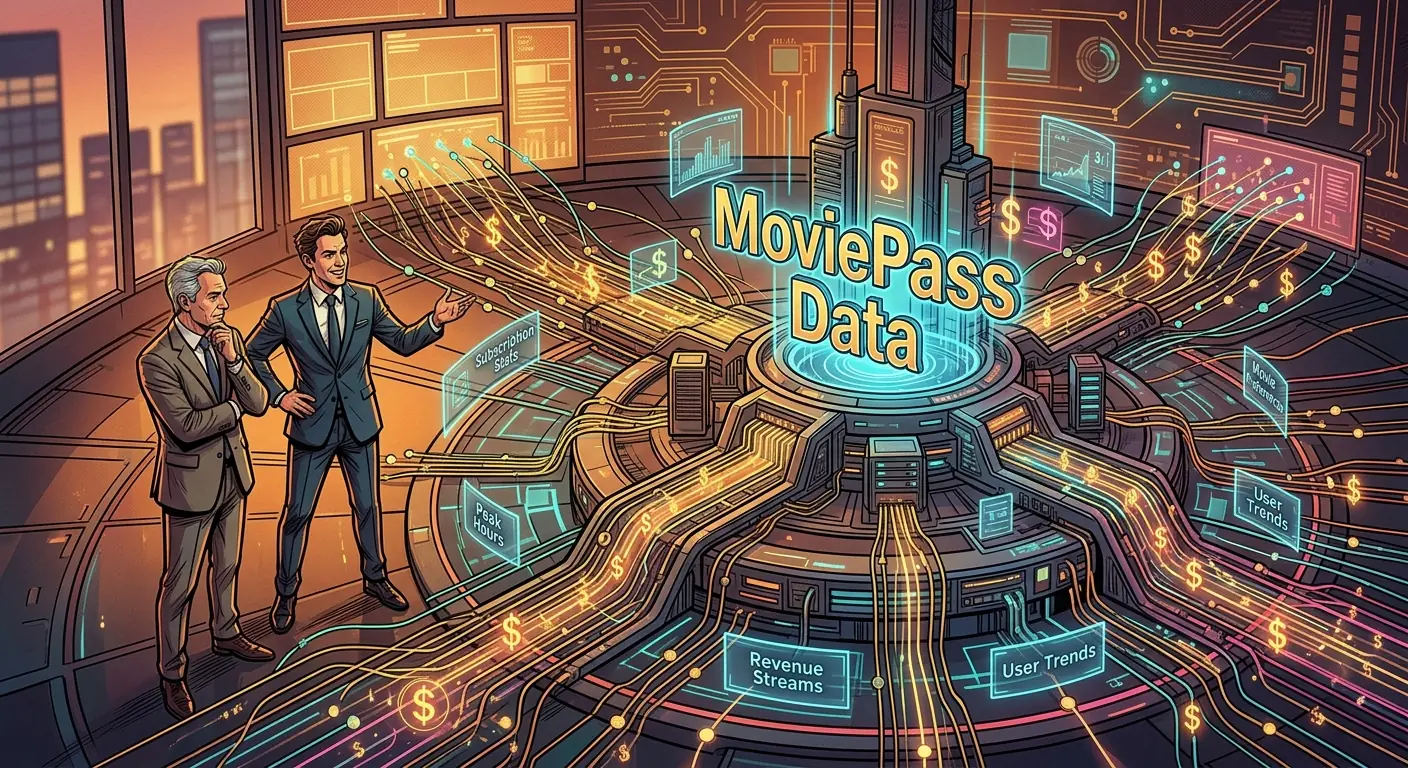
So, the math didn’t work. Everyone knew the math didn’t work. But here’s the kicker: for a brief, shining moment, Mitch Lowe and Ted Farnsworth actually had a plan. A ludicrous, deeply flawed plan, but a plan nonetheless! It wasn’t just about handing out free movie tickets until the money ran out. Oh no, that would be far too simple. Their big, audacious, possibly delusional play was all about data.
Ted Farnsworth, ever the visionary (or perhaps just a guy who knew how to talk a big game to investors), saw MoviePass as a giant data vacuum cleaner. He genuinely believed that by collecting enough information on millions of moviegoers – what they watched, where, when, with whom, and even where they grabbed a bite afterward – MoviePass could become an indispensable marketing and analytics powerhouse. Forget the $9.95 ticket price; that was just the bait. The real treasure, he argued, was the “trillions of data points” they were supposedly collecting. This wasn’t just a movie subscription; it was a “big data play” wrapped in a deeply unsustainable consumer offer. The idea was to monetize this treasure trove by selling insights to studios, distributors, and even local businesses. “We basically know everything about the customer,” Farnsworth infamously boasted in an interview. Which, if you’re a privacy advocate, likely sent shivers down your spine.
### The “Negotiating Leverage” That Wasn’t
The data wasn’t just for selling to third parties; it was also MoviePass’s supposed trump card in negotiations with theater chains. The company believed that by delivering millions of paying customers to their seats, they’d gain immense leverage. They’d demand a cut of concession sales (where theaters make their real money), or even a share of the ticket revenue. Imagine the pitch: “Look, AMC, we’re sending you 3 million people! Give us 20% of the popcorn sales, or we take our ball (and our subscribers) home!” It sounded good on paper, in a very aggressive, slightly unhinged way.
The problem? Theater chains, particularly the big ones like AMC, Regal, and Cinemark, weren’t buying it. They were seeing increased attendance from MoviePass users, but they also saw MoviePass as a massive headache and a race to the bottom for ticket prices. They already had their own loyalty programs and didn’t want a third party dictating terms or, worse, devaluing their core product. Most theaters simply treated MoviePass as another bulk purchaser, accepting their custom credit card like any other. They had no incentive to share revenue when MoviePass was already subsidizing their customers’ visits at full price. It was a classic “who needs who more?” standoff, and MoviePass, despite its subscriber numbers, was bleeding cash far too fast to win. Their leverage was purely theoretical, based on a business model that was actively imploding.
### The Uncomfortable Truth About “Big Data”
The dream of a data empire quickly turned into a nightmare. While MoviePass was collecting data, the quality and utility of that data were questionable. Was it really “trillions of data points” or just a lot of transaction logs? More importantly, how would they monetize it? The grand vision of selling hyper-targeted ads or insights never truly materialized in a meaningful way. The company dabbled in film distribution itself, launching MoviePass Ventures and acquiring rights to films like “Gotti” (yes, that “Gotti,” the one with a 0% score on Rotten Tomatoes), hoping to use their subscriber base to guarantee audience turnout. It was another desperate attempt to pivot, to find some way to make money beyond just burning through investor cash.
But even this was predicated on the idea that MoviePass could force its users to see specific movies, which, it turns out, people don’t much appreciate. The entire data gambit, from demanding cuts from theaters to distributing terrible movies, was built on a fundamental misunderstanding of consumer behavior and the market power MoviePass thought it had. It was a classic case of Silicon Valley hubris meeting Hollywood reality, with a tragic splash of financial desperation. The “big data play” became just another line item in the growing list of “things that didn’t save MoviePass.”
⚔️ Chapter 11: The Competitors Strike Back (2018-2019)

MoviePass’s meteoric rise, however brief and self-destructive, had an undeniable ripple effect across the entire cinema industry. While legacy theater chains initially dismissed MoviePass as a fly-by-night operation, the sheer subscriber growth forced them to sit up and take notice. When 3 million people flocked to MoviePass, it wasn’t just a novelty; it was a clear signal that consumers were hungry for a more affordable, flexible way to go to the movies. And if MoviePass was going to burn itself to the ground providing it, well, the big boys certainly weren’t going to stand idly by.
The first major player to enter the fray was AMC Theatres, the largest cinema chain in the U.S. In June 2018, just as MoviePass was starting to show serious cracks, AMC launched Stubs A-List. For $19.95 to $23.95 a month (depending on location), subscribers could see up to three movies a week, including premium formats like IMAX and Dolby Cinema, and they could book tickets in advance without any MoviePass-esque shenanigans. This wasn’t a loss leader; this was a carefully calculated, sustainable business model. AMC was leveraging its existing infrastructure, its direct relationship with customers, and its control over the premium experience. It was a direct, well-aimed punch at MoviePass, and it landed hard. AMC’s CEO, Adam Aron, famously called MoviePass a “small, struggling, irrelevant company” and predicted A-List would “crush” them. He wasn’t wrong.
### The “MoviePass Effect” and Industry Transformation
The success of AMC A-List quickly demonstrated that a movie subscription model could work, provided it was priced correctly and integrated with the theater’s own operations. This was the ultimate irony: MoviePass, in its chaotic, unsustainable blaze, had inadvertently validated the very concept it was failing to execute. It had done the market research, absorbed the losses, and proved consumer demand. Other chains soon followed suit. Cinemark launched its Cinemark Movie Club in December 2017 (though less ambitious, offering one ticket a month for $8.99 plus discounts), and Regal Cinemas eventually introduced Regal Unlimited in July 2019, offering unlimited movies for a monthly fee of $18-$23.50, depending on the plan.
Suddenly, the industry was awash in subscription options. This “MoviePass Effect” fundamentally changed how people thought about going to the movies. It shifted consumer expectations, establishing a new baseline for value. No longer was it just about paying per ticket; now, a monthly subscription felt like a legitimate, even superior, way to consume cinema. It was a significant, albeit unplanned, paradigm shift driven by MoviePass’s kamikaze mission. The incumbents, initially wary, ultimately adapted and thrived by offering a better version of what MoviePass had promised.
### From Rivalry to Legacy: Paving the Way for Profit
The rivalry wasn’t really a fair fight. MoviePass was a third-party intermediary, constantly battling theaters for terms and struggling with basic logistics. The theater chains, on the other hand, were the theaters. They controlled the inventory, the concessions, and the customer experience. They could offer perks that MoviePass couldn’t, like discounted food or members-only screenings. While MoviePass was desperately trying to manage a credit card system and absorb massive losses, AMC, Cinemark, and Regal were building direct, profitable relationships with their most loyal customers.
By early 2019, AMC A-List alone had surpassed 800,000 subscribers, generating significant revenue and, crucially, profit. MoviePass, meanwhile, was spiraling towards its inevitable demise. The lasting legacy of MoviePass, beyond its spectacular failure, is arguably this: it forced a stagnant industry to innovate. It dragged reluctant cinema chains into the 21st century of subscription services, proving that a well-executed model could actually boost attendance and engagement. MoviePass might have died, but its ghost lives on in every successful A-List and Unlimited subscription, a bizarre testament to how a terrible business model can sometimes spark a positive revolution.
📉 Chapter 12: The Descent into Madness (2018-2019)
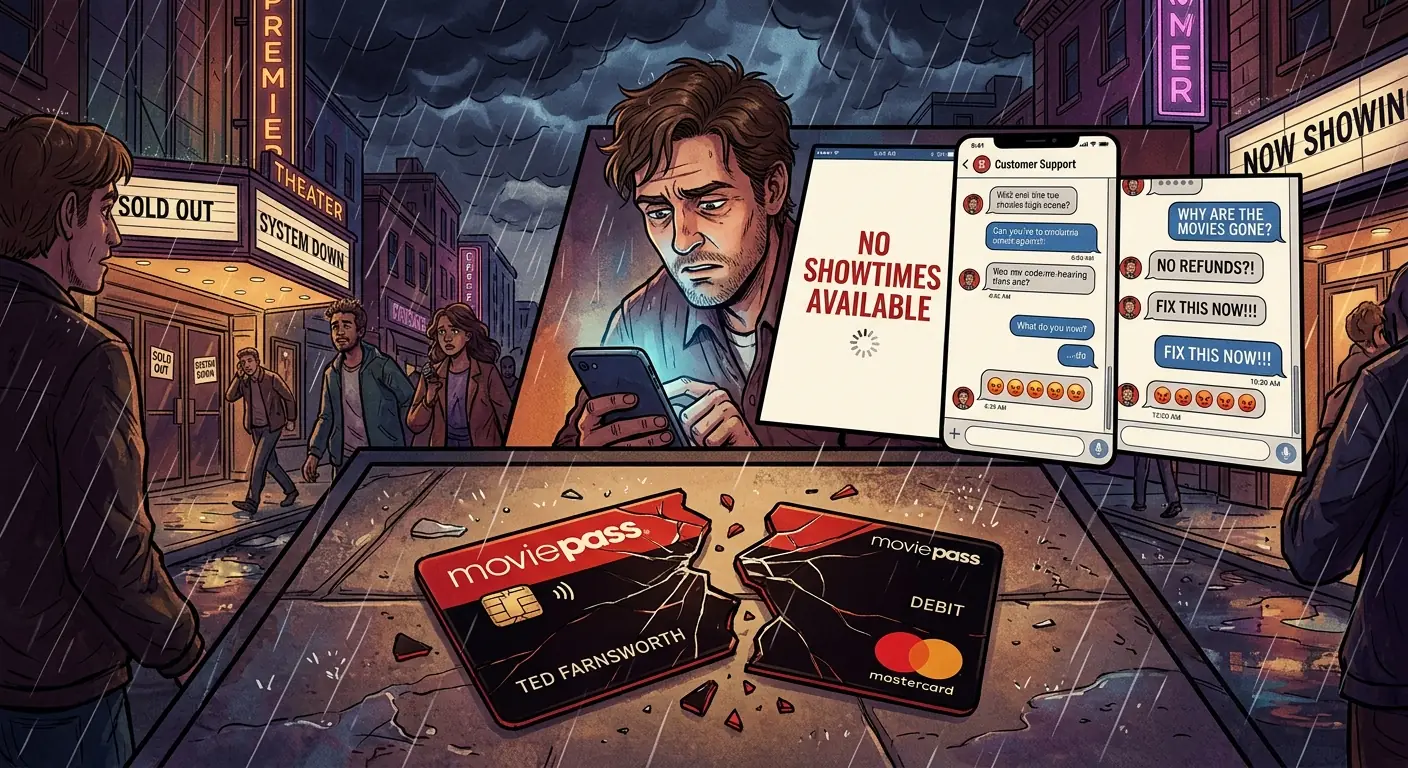
If the early days of MoviePass were a thrilling, if unsustainable, joyride, 2018 marked its rapid descent into outright farce, then tragedy. As the company’s cash burn accelerated to an unfathomable degree – at one point reportedly losing $21.7 million in a single month in April 2018 – the desperation became palpable. The grand promises of “one movie a day for $9.95” quickly dissolved into a bewildering array of restrictions, technical glitches, and outright user manipulation. It was less a subscription service and more a game of “Whack-A-Mole” against your own customers.
The first cracks appeared with “peak pricing” in July 2018, where users would be charged an additional fee for popular movies or showtimes. This was quickly followed by limitations on which movies were available, often removing major new releases from the app entirely. Then came the infamous “redacted showtimes,” where users would open the app only to find no showtimes available for any movie, at any theater, at any time – a phantom bug that magically disappeared once the daily budget for tickets was exhausted. MoviePass even started requiring users to take photos of their physical tickets for verification, a cumbersome process that felt like a desperate attempt to catch fraud, or simply to annoy people enough to stop using the service.
### Operational Fiascos and User Fury
The operational side of MoviePass was collapsing under its own weight. Customer service became a mythical beast, rarely seen and almost never helpful. Users reported waiting weeks for new MoviePass cards to arrive, or even for replacements. The app itself, once a beacon of simplicity, became a minefield of errors, forced updates, and disappearing features. The company was trying to stem the bleeding by making the service so inconvenient that people would voluntarily stop using it, or at least use it less. It was a strategy akin to trying to put out a house fire with a leaky garden hose while simultaneously annoying the firefighters.
Perhaps the most egregious incident occurred in July 2018, when MoviePass temporarily ran out of money to pay for tickets. For several hours, users across the country found their MoviePass cards declined at theaters. It was a public, humiliating admission of financial insolvency. The company had to take out an emergency loan of $5 million just to keep the service running for a few more days. This wasn’t just a “glitch”; it was a fundamental failure of the business, sending the stock of its parent company, Helios and Matheson, into a nosedive, plummeting from over $20 in July 2018 to mere pennies by the end of the year. The initial $35 reverse stock split to avoid delisting in July 2018 was a band-aid on a gaping wound, later followed by a 1-for-250 reverse split in October 2018, effectively rendering the stock worthless for most investors.
### The “Changing Your Password” Controversy
In a truly bizarre move, MoviePass admitted in August 2018 that it had intentionally interfered with a small percentage of its “high-usage” subscribers’ accounts by changing their passwords to prevent them from using the service. Ted Farnsworth later described these users as “abusers” of the system, implying they were seeing too many movies. This was a stunning admission of outright malice towards paying customers. Imagine subscribing to a service, and the company actively prevents you from using it because you’re using it too much. It was an unprecedented level of anti-customer behavior, a desperate, unethical gambit to reduce costs.
This period was a masterclass in how not to run a subscription business. MoviePass alienated its most loyal customers, destroyed its credibility, and proved that a company built on an impossible promise will eventually resort to impossible tactics to survive. The descent was swift, messy, and ultimately, self-inflicted. By the time MoviePass officially pulled the plug on its unlimited plan in September 2019, the public had largely moved on, numb to the drama, and exhausted by the constant stream of restrictions. The madness had run its course.
👻 Chapter 13: The Second Act & Enduring Legacy (2020-Present)
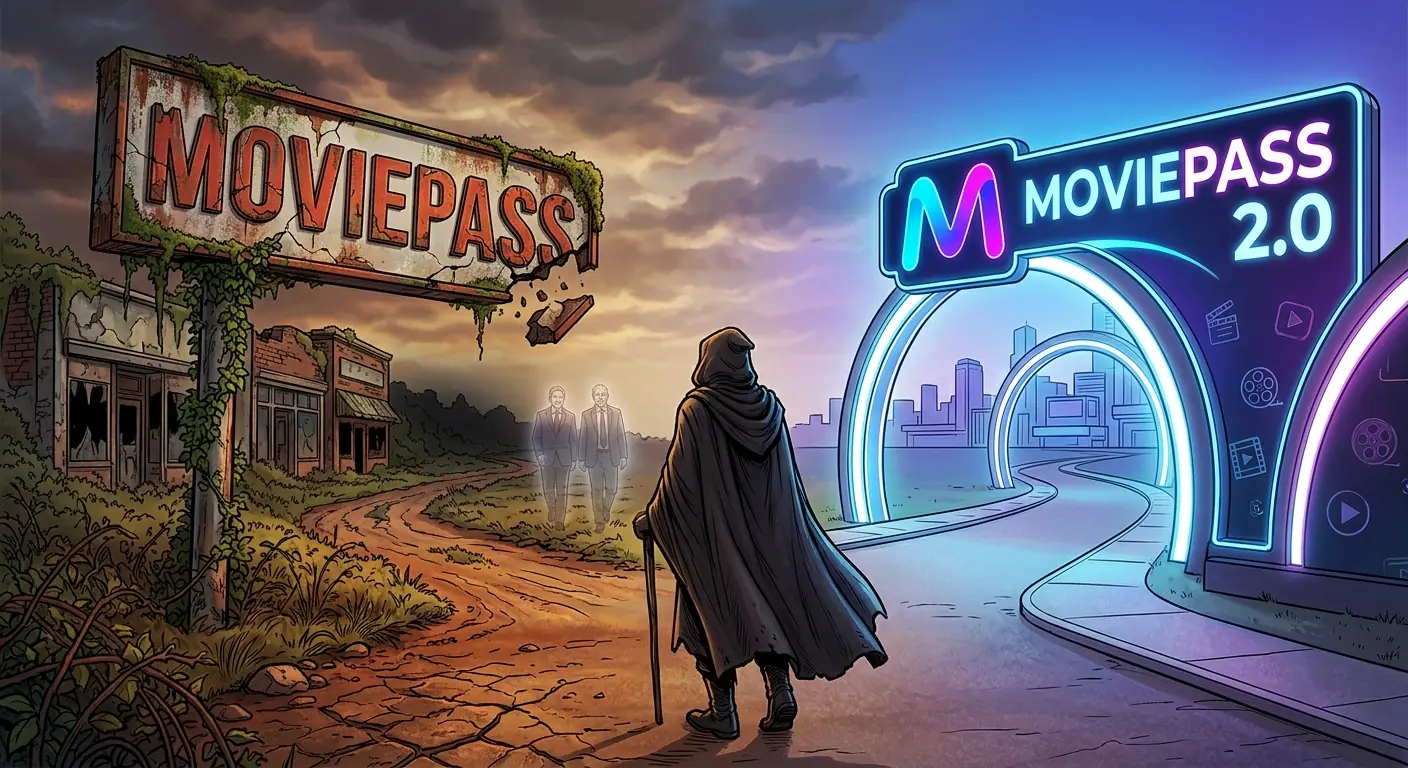
The curtain officially fell on MoviePass 1.0 in September 2019, when the service ceased operations after burning through an estimated $500 million. Helios and Matheson Analytics, its parent company, filed for bankruptcy in January 2020. The story seemed over: a spectacular flameout, a cautionary tale for the ages. But like a horror movie villain who just won’t stay dead, MoviePass had a surprising, if quiet, second act. The rights to the MoviePass name and assets were eventually reacquired by none other than Stacy Spikes, the original founder who had been pushed out when Helios and Matheson took over.
Spikes, having watched his creation spiral into oblivion from the sidelines, announced in November 2021 that he was relaunching MoviePass. The new iteration, MoviePass 2.0, officially rolled out in September 2022, aiming for a sustainable, tiered pricing model rather than the “all-you-can-eat-for-peanuts” disaster of its predecessor. Plans range from $10 to $30 a month, offering a set number of credits that can be redeemed for tickets, with varying credit values based on movie popularity or showtime. It’s a far more conservative, sensible approach – exactly what the original MoviePass should have been. The irony is not lost: the founder, who believed in a sustainable model from the start, had to witness its destruction before he could rebuild it correctly. It’s a testament to the enduring appeal of the basic premise, if not the original execution.
### Where Are They Now?
As for the architects of the MoviePass implosion? Mitch Lowe, the CEO during the chaotic growth phase, largely faded from the public eye post-MoviePass. His legacy is now inextricably linked to this monumental failure, despite his earlier successes with Netflix and Redbox. It’s a brutal reminder that even seasoned executives can get swept up in the hype and make profoundly bad business decisions.
Ted Farnsworth, the financial maestro behind Helios and Matheson, faced more direct legal repercussions. In September 2023, he and MoviePass board member J. Mitchell Lowe (not the CEO Mitch Lowe, but another board member) were indicted on federal fraud charges by the U.S. Justice Department. The charges allege that they misled investors about MoviePass’s financial health and its data collection capabilities. Farnsworth separately settled with the SEC in 2023 on charges of misleading investors, agreeing to pay a $100,000 civil penalty and a 10-year ban from serving as an officer or director of a public company. It’s a decidedly less glamorous post-MoviePass career than he likely envisioned. The saga of MoviePass, for some, ended not with a whimper, but with legal action.
### The Indelible Mark on the Industry
Despite its catastrophic failure, MoviePass left an undeniable, and surprisingly positive, legacy on the movie industry. It forced a paradigm shift, proving the viability of the subscription model for theatrical exhibition. Before MoviePass, the idea of a flat-fee movie subscription was niche, unproven, or dismissed by major chains. Post-MoviePass, it became an industry standard, with AMC A-List, Regal Unlimited, and Cinemark Movie Club thriving where MoviePass failed. These services, built on sustainable pricing and direct theater relationships, demonstrate that the core idea was sound; it was the execution that was fatally flawed.
MoviePass also, albeit briefly, brought millions of people back to theaters, particularly younger demographics, reminding Hollywood that value and convenience are powerful motivators. It changed consumer expectations, cementing the idea that going to the movies shouldn’t always break the bank. Its story is a complex tapestry of hubris, innovation, financial recklessness, and accidental industry transformation. It was a terrible business model that, against all odds, left an indelible mark, proving that sometimes, even the biggest failures can pave the way for future successes. The ghost of MoviePass, the $10-a-month ticket to bankruptcy, continues to haunt and inspire the cinema landscape.
💡 Key Insights
- ▸ MoviePass's business model was essentially a negative-margin subscription — paying $12-15 per ticket to theaters while charging subscribers $10 per month. The company's thesis was that data collected from subscribers would be valuable enough to offset the losses. This is the 'lose money on every unit but make it up in volume/data' fallacy taken to its most extreme conclusion. The lesson: no amount of data monetization can overcome a business model where you literally pay customers to use your product.
- ▸ MoviePass succeeded in proving market demand for subscription-based movie-going. AMC launched AMC Stubs A-List within months of MoviePass's popularity spike, and it became highly profitable. MoviePass did the expensive, risky work of validating the concept, and the incumbents — who controlled the actual theaters — captured the value. The lesson: if your business model requires cooperation from an industry that can easily replicate your offering, you're building a proof of concept, not a company.