Carlos Ghosn: From Auto King to International Fugitive
He saved Nissan from bankruptcy, ran three car companies on three continents, and was hailed as the greatest executive in automotive history. Then Japan arrested him. What happened next was the most audacious corporate escape in modern history — hidden in a box on a private jet.

View all stories about this mogul
🌍 Chapter 1: The Man from Everywhere
Carlos Ghosn doesn’t belong to any one country. He belongs to all of them and none of them simultaneously.
Born on March 9, 1954, in Porto Velho, Brazil, to Lebanese parents, raised in Beirut, educated in Paris, Ghosn was a citizen of everywhere before globalization made that fashionable. His father, Jorge, was a Lebanese businessman who had emigrated to Brazil. His mother, Rose, took Carlos and his siblings back to Beirut when Carlos was six.
In Beirut, Ghosn attended a Jesuit school where he learned French, Arabic, and the kind of rigorous intellectual discipline that Jesuits have been imposing on reluctant teenagers for five centuries. He was a strong student, disciplined and focused, but not the kind of prodigy whose classmates predicted greatness.
He went to Paris for university, attending two of France’s most prestigious grandes ecoles: Ecole Polytechnique and Ecole des Mines de Paris. This was the educational equivalent of attending MIT and Harvard Business School simultaneously.
“I was Brazilian by birth, Lebanese by blood, French by education, and global by instinct. I never felt I belonged to any single culture. That was my greatest strength and, eventually, my greatest vulnerability.”
Ghosn graduated and joined Michelin, the French tire company, in 1978. Over the next 18 years at Michelin, he would rise from junior engineer to running the company’s South American and then North American operations. At each stop, he did the same thing: cut costs, improve efficiency, and deliver results that exceeded expectations. He wasn’t flashy. He wasn’t political. He was just relentlessly, boringly effective.
By the time he left Michelin for Renault in 1996, Ghosn had earned a nickname: “Le Cost Killer.” It was meant as a compliment. It would eventually become something else entirely.
🏭 Chapter 2: The Renault Warm-Up
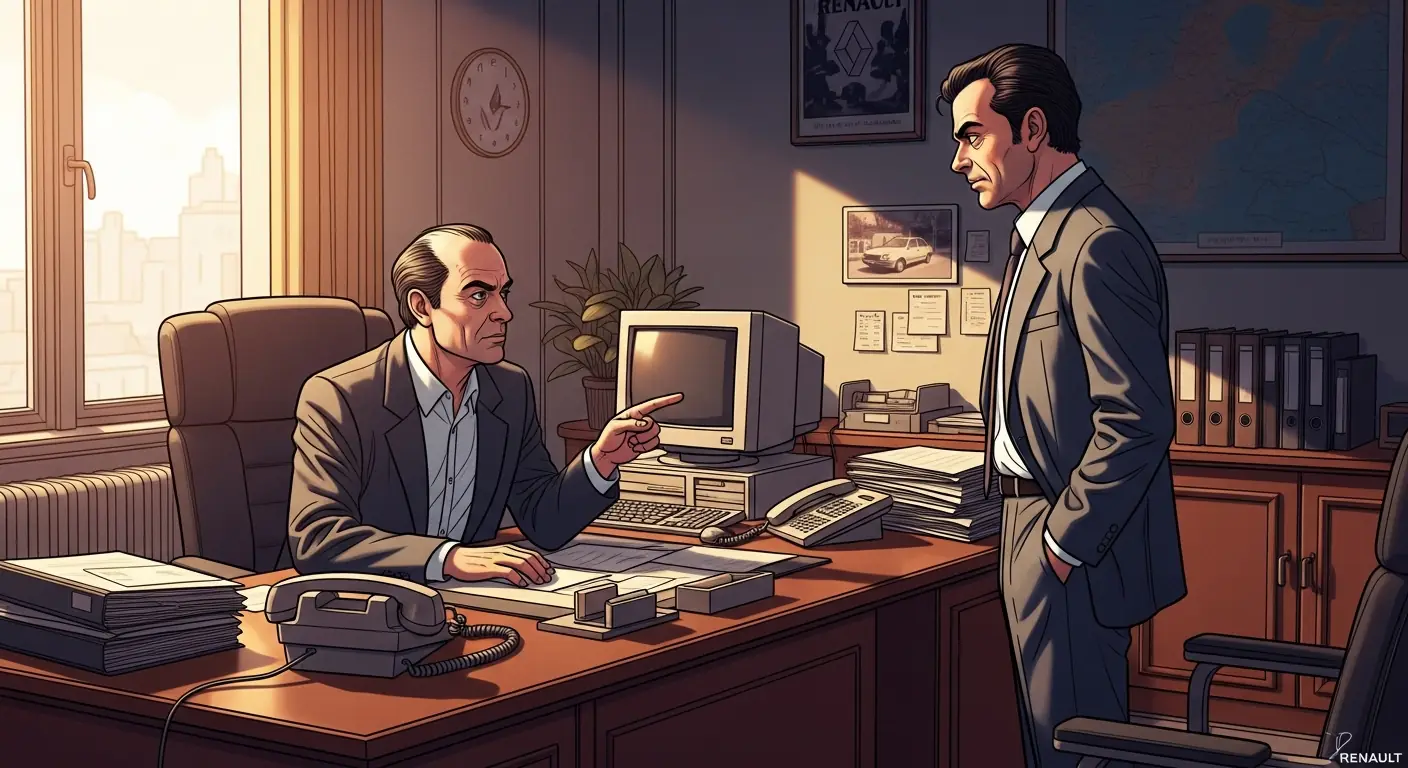
Renault in 1996 was a company in trouble. The French automaker had been nationalized, privatized, and nearly bankrupted. Renault’s CEO, Louis Schweitzer, hired Ghosn as executive vice president in charge of cost-cutting.
Ghosn dove in with his characteristic intensity. He closed factories. He eliminated positions. He renegotiated supplier contracts. Within two years, Renault was profitable again.
Then Schweitzer made his big play. In 1999, Renault bought a 36.8% stake in Nissan Motor Company for $5.4 billion. Nissan was in desperate shape — $20 billion in debt, eight years of declining market share, factories running at 50% capacity, and a corporate culture described as “the most resistant to change in all of Japan.”
Schweitzer needed someone to go to Tokyo and fix it. He sent Carlos Ghosn.
“When I arrived in Tokyo, people told me it was impossible. They said a foreigner could never change a Japanese company. I listened politely and then I got to work.”
🇯🇵 Chapter 3: The Nissan Miracle
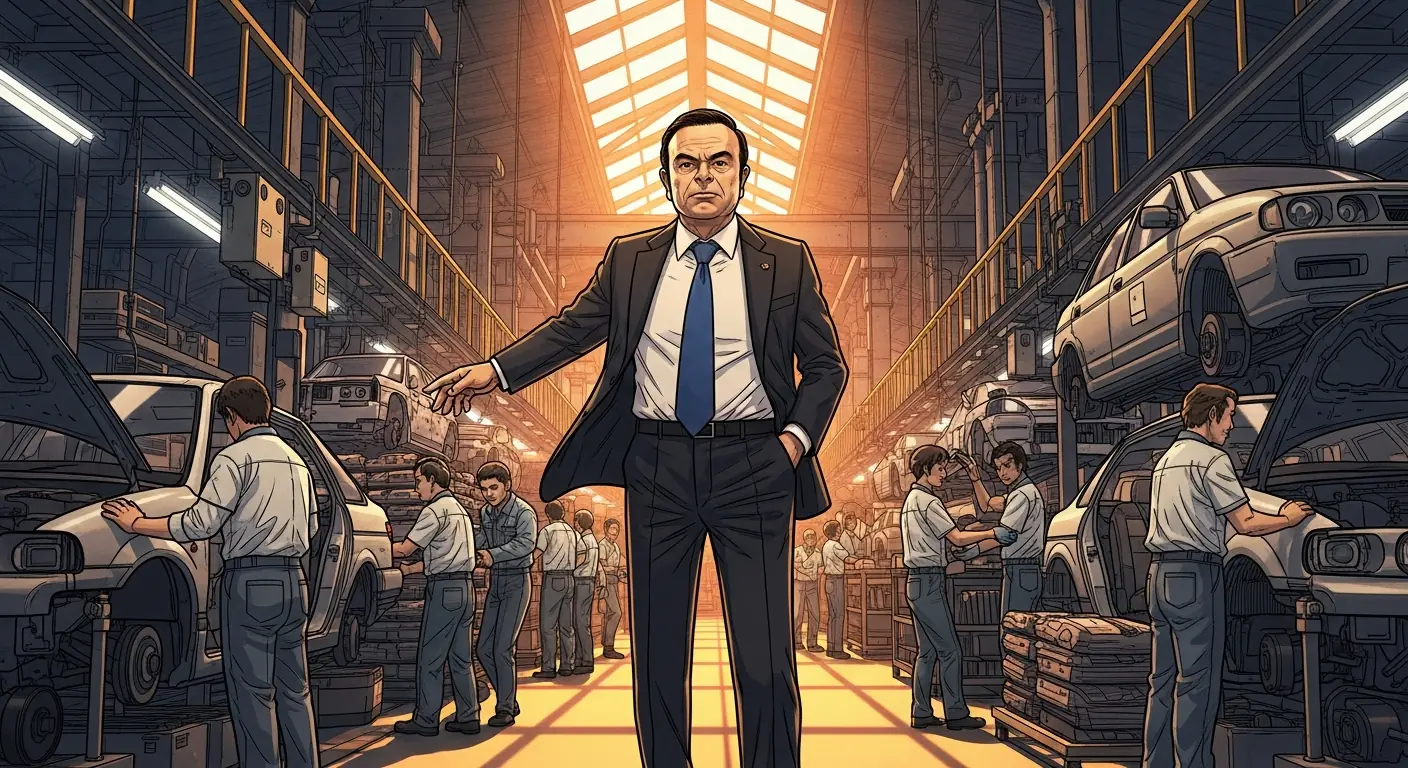
What Ghosn did at Nissan between 1999 and 2005 is widely considered the greatest corporate turnaround in automotive history.
He arrived in Tokyo in March 1999 as Nissan’s new Chief Operating Officer. Within six months, he unveiled the “Nissan Revival Plan.” It was brutal. Five factory closures. 21,000 jobs eliminated. The keiretsu cross-shareholding system dismantled. Purchasing costs slashed by 20%.
In Japan, these actions were shocking. Japanese corporate culture valued lifetime employment, consensus, and the preservation of business relationships above all else. Closing factories and firing workers were seen as moral failures.
Ghosn didn’t care. Nissan was going bankrupt. If he didn’t cut, there would be no jobs to protect.
“I was called a barbarian. A destroyer. But I understood something more important than culture: math. Nissan was losing money, and the math said that without drastic action, there would be no Nissan.”
The results were extraordinary. Nissan returned to profitability in fiscal year 2000 — one year ahead of schedule. Operating profit margins reached 11% by 2004. The stock price tripled. Debt was eliminated. New models became global hits.
Ghosn was hailed as a savior. He became a cultural icon in Japan — the subject of a manga series. He was promoted to CEO of Nissan while simultaneously serving as president of Renault. He was running two car companies on two continents, flying between Paris and Tokyo every two weeks.
In 2016, he added a third crown: chairman of Mitsubishi Motors, after Nissan purchased a controlling stake. Carlos Ghosn was now running three car companies in three countries.
👑 Chapter 4: The Emperor of Auto
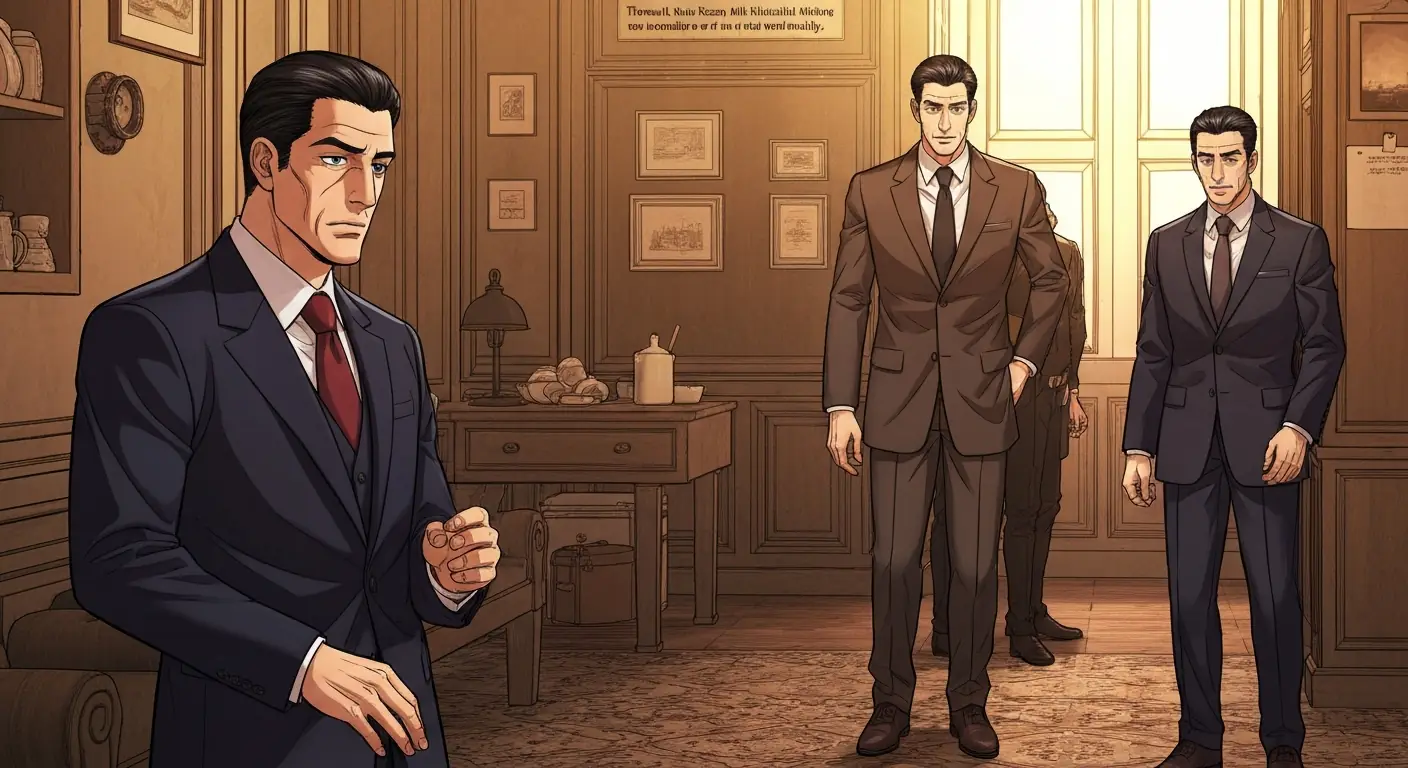
The Renault-Nissan-Mitsubishi Alliance sold over 10 million vehicles per year. Ghosn presided over it with the authority of an emperor. His schedule was inhuman — 150,000 miles of air travel annually. His compensation — $15-20 million combined — was astronomical by Japanese standards.
But it wasn’t the disclosed compensation that would become the problem. It was the undisclosed arrangements that Ghosn’s enemies were quietly documenting.
Beginning around 2017, a group of Nissan executives — led by Hari Nada and Hiroto Saikawa — began a secret investigation into Ghosn’s finances. They cooperated with Japanese prosecutors, providing evidence in exchange for immunity.
The official story: Ghosn had been underreporting his compensation by approximately $80 million over eight years and using corporate funds for personal purposes.
The unofficial story: Ghosn was planning a deeper Renault-Nissan integration — potentially a full merger — that would have reduced Nissan’s independence. Japanese executives used the financial allegations as a weapon to stop the merger.
“They didn’t arrest me because I committed a crime. They arrested me because I was going to merge Nissan with Renault, and certain people at Nissan would rather destroy me than let that happen.”
The truth was probably a combination of both. Ghosn almost certainly engaged in ethically questionable financial arrangements. And Nissan executives almost certainly used those arrangements as a pretext for a power grab motivated by corporate nationalism.
⛓️ Chapter 5: The Arrest
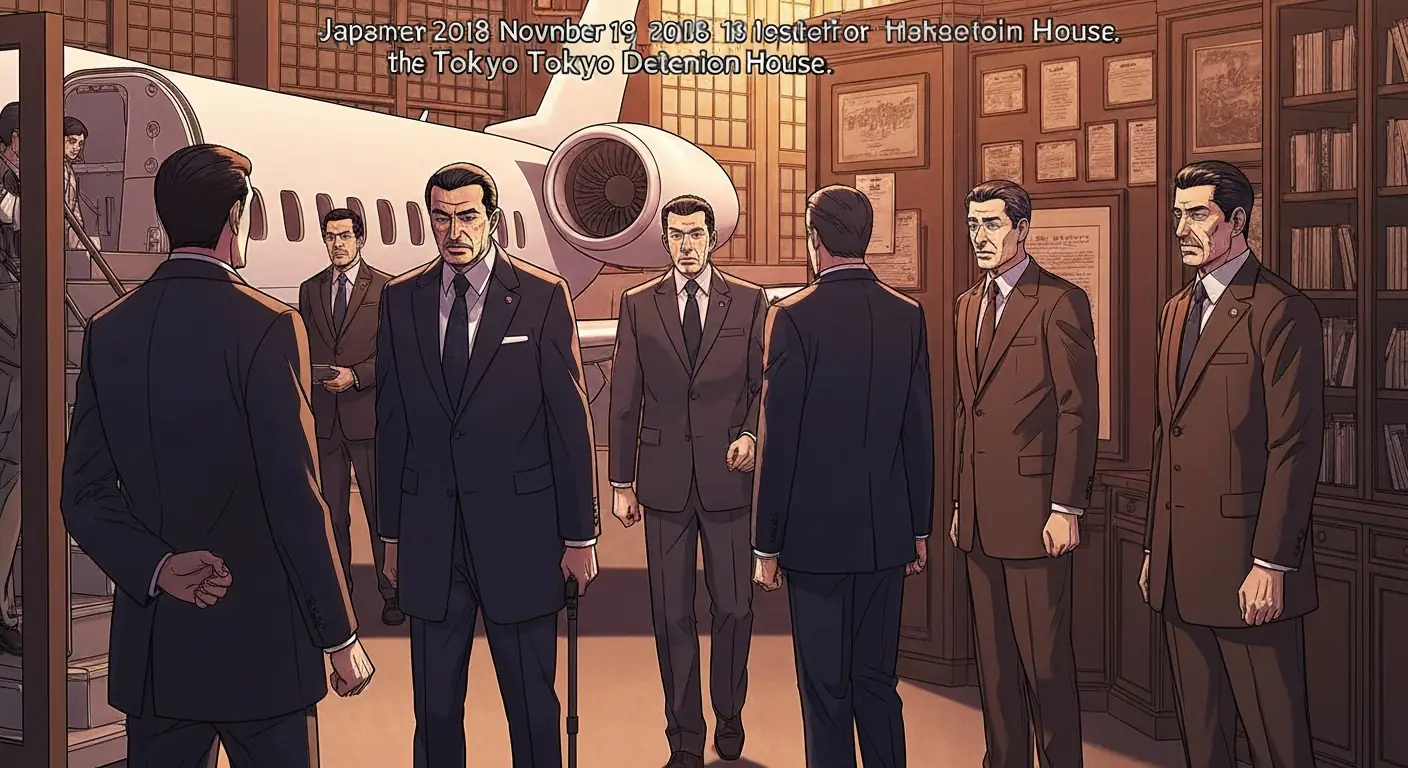
On November 19, 2018, Japanese prosecutors boarded Ghosn’s private jet at Haneda Airport. They presented him with an arrest warrant and escorted him to the Tokyo Detention House.
Carlos Ghosn — chairman of three automakers, one of the most powerful executives in the world — was prisoner number 5789.
Japan’s criminal justice system operates under rules that bear little resemblance to the Western model. Prosecutors can hold suspects for up to 23 days without bail. Interrogations are conducted without lawyers present. The conviction rate exceeds 99.4%.
Ghosn was held in a small cell — approximately 5 square meters — with a thin mattress and a fluorescent light that never turned off. He was interrogated for up to eight hours daily by prosecutors who pressed him to confess.
“They interrogated me for eight hours a day, every day, without a lawyer present. They told me my life was over. They told me to confess. I refused.”
After 130 days in detention — including two separate arrests on different charges — Ghosn was released on bail in April 2019. The conditions were strict: remain in Japan, surrender his passport, submit to electronic monitoring.
He was a prisoner in a country that he had once ruled.
📦 Chapter 6: The Great Escape
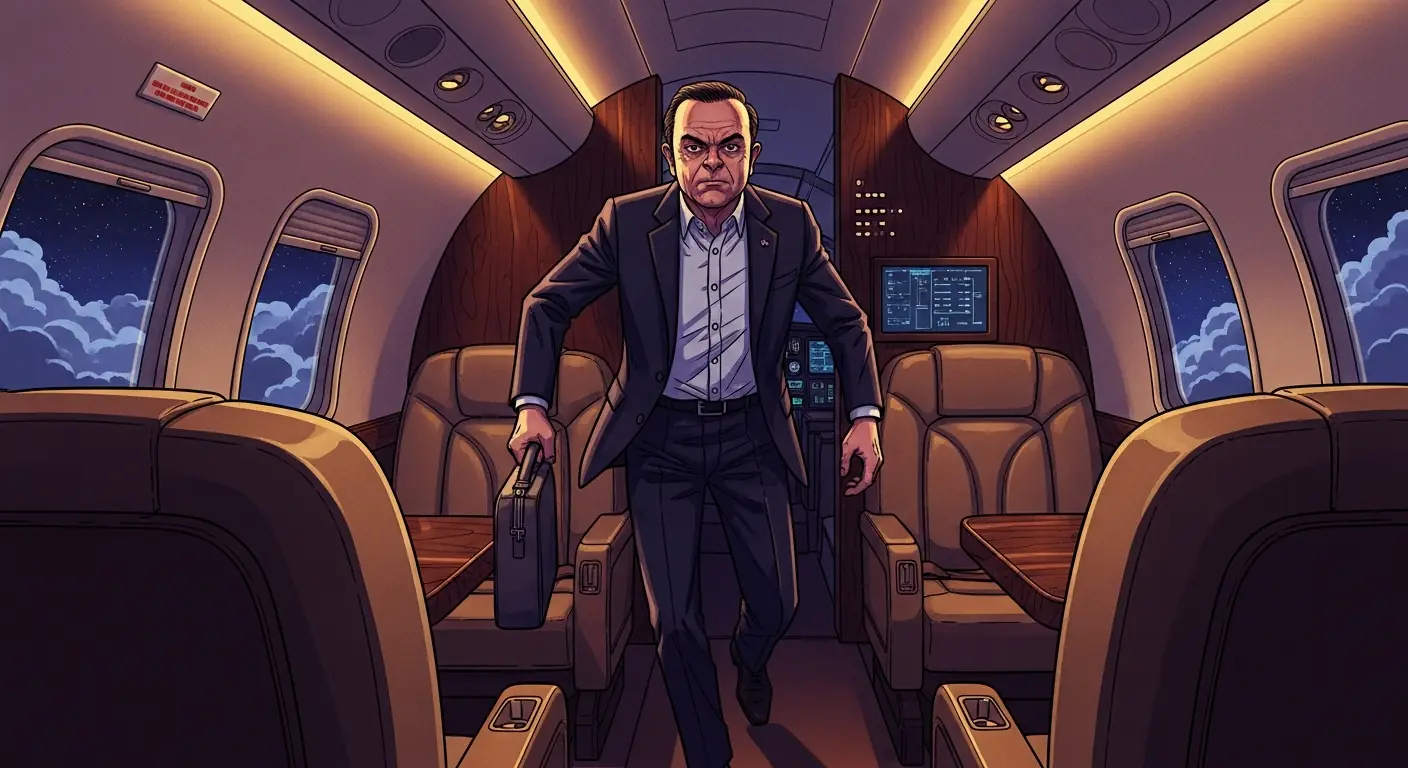
On December 29, 2019, Carlos Ghosn vanished.
Working with a former Green Beret named Michael Taylor and his son Peter, Ghosn orchestrated an escape that exploited a gap in Japanese airport security: x-ray machines at Kansai International Airport couldn’t scan the large audio equipment cases used for concerts.
On the evening of December 29, the Taylors brought a large black box to Ghosn’s apartment. Ghosn climbed inside. Air holes were drilled in the bottom, invisible from outside.
They took the Shinkansen to Osaka, drove to Kansai Airport, and loaded the box onto a private jet. Japanese security checked some luggage but didn’t inspect the large equipment cases — too big for the scanner. The jet flew to Istanbul, where Ghosn transferred to another jet bound for Beirut, Lebanon. No extradition treaty with Japan.
Carlos Ghosn was free.
“I did not flee justice. I fled injustice. I fled a rigged system that was designed to break me.”
The escape was a global sensation. Japan was humiliated. Interpol issued a Red Notice. The Taylors were eventually arrested, extradited to Japan, and convicted. Ghosn, safe in Beirut, held a press conference laying out his conspiracy case.
🇱🇧 Chapter 7: Exile in Beirut
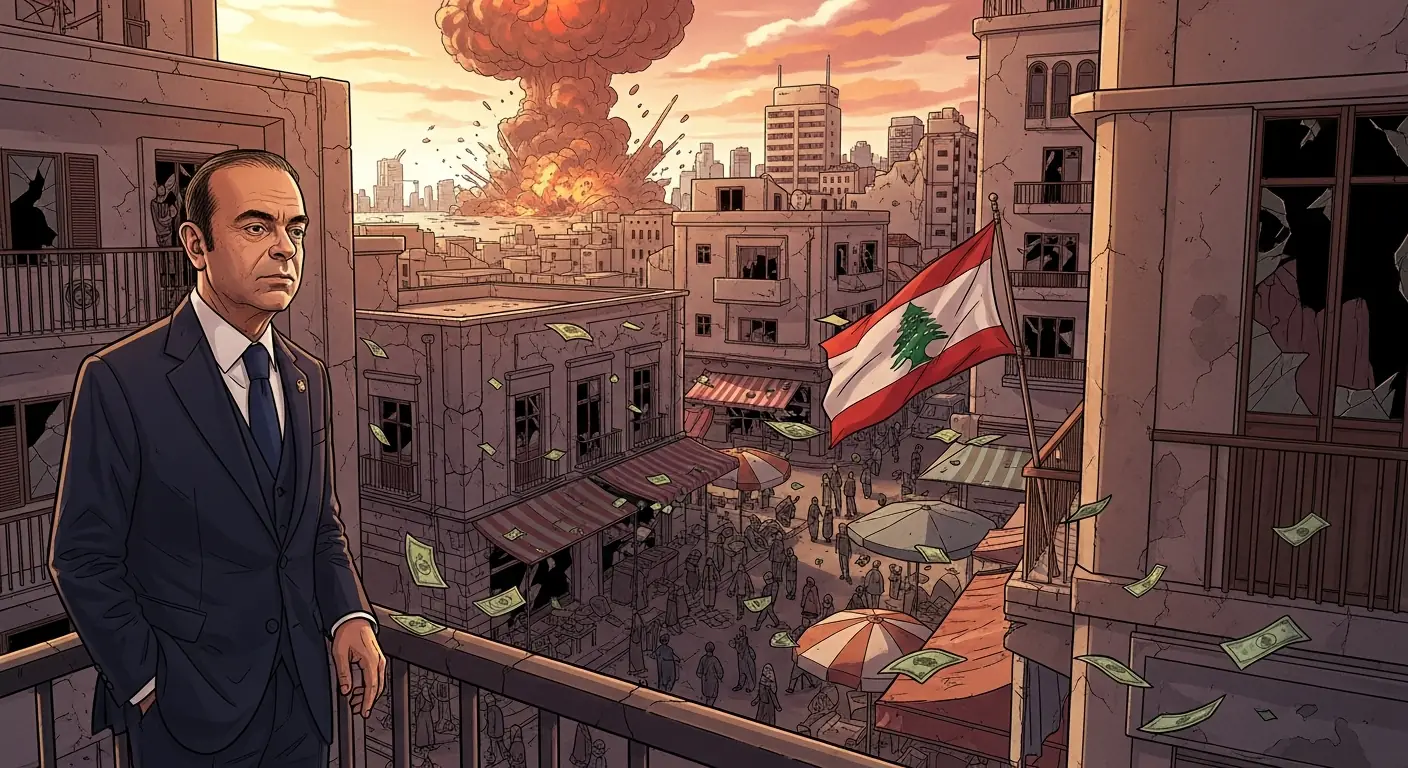
Ghosn arrived in Lebanon in January 2020. Within months, the country was devastated by the Beirut port explosion and a total economic collapse. The currency lost 90% of its value. Banks froze deposits.
Ghosn, with international assets, was insulated from the worst of it. But his life was a far cry from the globetrotting luxury of his previous existence. The Interpol Red Notice made him a wanted man virtually everywhere outside Lebanon.
He spent his exile writing, consulting, and giving interviews. He launched a TV show. He wrote a memoir — Broken Alliances. His argument never changed: the charges were fabricated by Nissan insiders to prevent the Renault merger.
Meanwhile, Nissan collapsed. Saikawa, who had orchestrated Ghosn’s ouster, was forced to resign after his own improper compensation was revealed. Financial performance deteriorated. The alliance with Renault was severely damaged. The company that Ghosn had saved was fighting for survival again.
“Look at what happened after I left. Nissan is losing money again. The alliance is broken. The people who orchestrated my removal destroyed more value than any crime I was accused of committing.”
⚖️ Chapter 8: The Unresolvable Questions
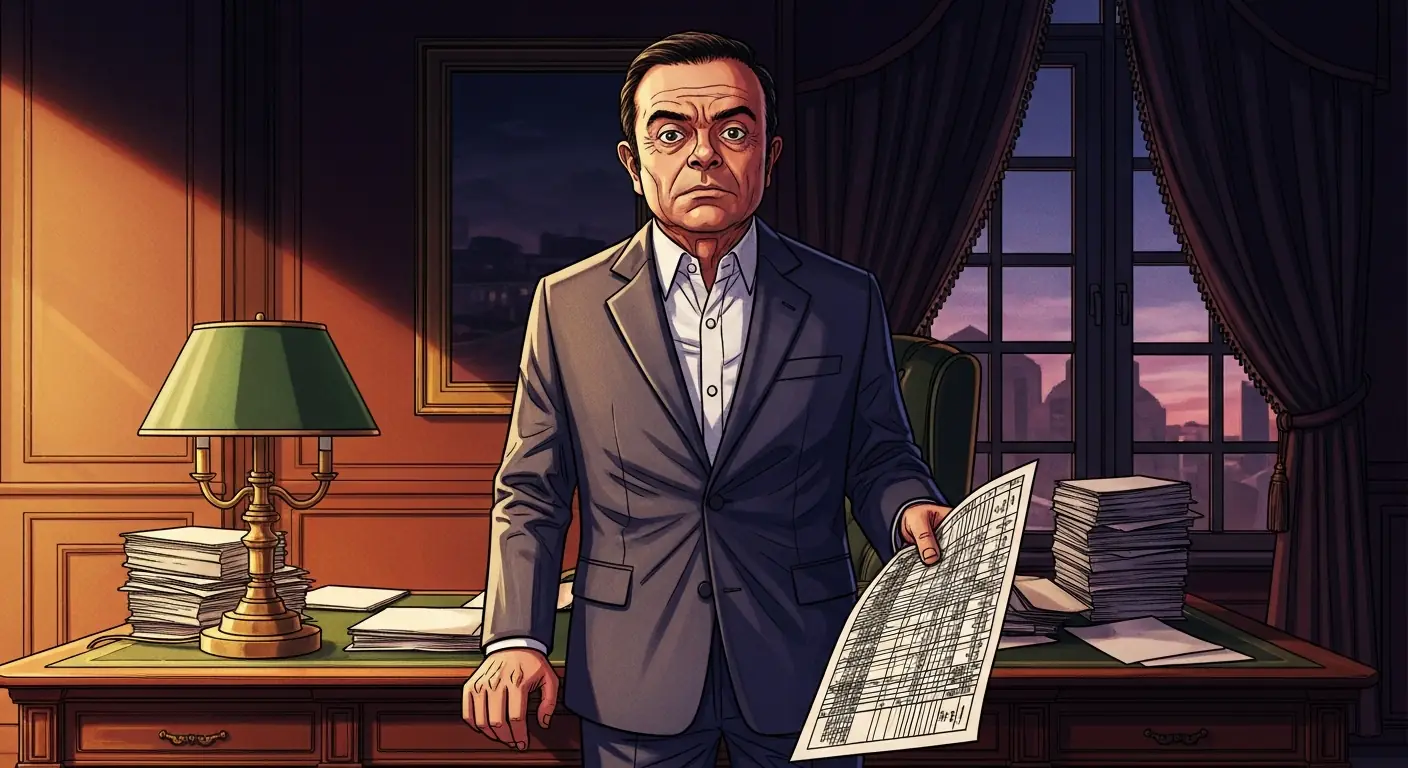
Was Ghosn guilty? Probably of something. The financial arrangements were, at minimum, opaque.
Was he treated fairly? Almost certainly not by Western standards. The detention conditions, the absence of lawyers, the 99.4% conviction rate all suggest a system designed to produce convictions rather than discover truth.
Was the prosecution politically motivated? Almost certainly, at least in part.
Was the escape justified? This is the hardest question. The Taylors’ imprisonment adds a moral complication Ghosn’s defenders rarely address.
“The Ghosn case is not about one man. It’s about what happens when corporate power, government power, and cultural power intersect in a system with no transparency, no accountability, and no mercy.”
🏛️ Chapter 9: The Fugitive’s Legacy
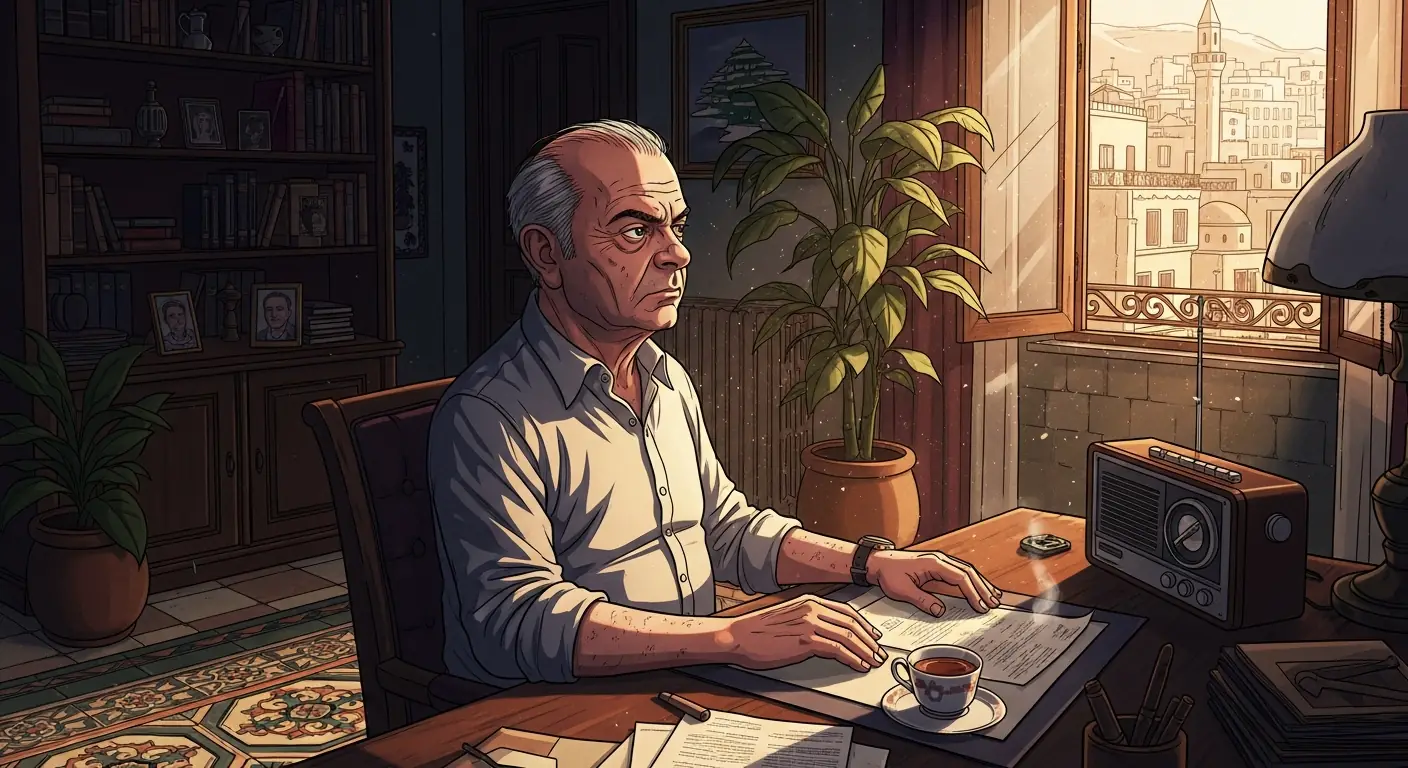
Carlos Ghosn turned 72 in 2026. He remained in Beirut, still wanted by Japan, still maintaining his innocence.
His legacy is a paradox. At Nissan, he is simultaneously the greatest CEO the company ever had and its greatest villain. He saved the company from bankruptcy and then — depending on your narrative — either robbed it blind or was framed by insiders.
In the automotive industry, he is studied as both a turnaround genius and a governance cautionary tale. In Japan, the case triggered conversations about criminal justice reform. In the broader world, he became a symbol of the collision between globalization and national sovereignty.
The Ghosn Lessons:
-
Cultural context cannot be ignored. Turnarounds that override cultural values may succeed financially but create enemies who will strike when the opportunity arises.
-
Concentrated power creates vulnerability. Running three companies meant no one could overrule Ghosn — and no one could check him.
-
The legal system is a weapon. In corporate power struggles, the law can be used offensively. Understanding the legal environment you operate in is as important as understanding the business environment.
-
Alliances need structural trust. The Renault-Nissan Alliance worked when Ghosn held it together personally. Without structural trust between the partners, it collapsed the moment he was removed.
“I don’t regret anything. I regret what was done to me. I regret what was done to the people who helped me. But I chose freedom over a system designed to destroy me. And I would make that choice again.”
Whether he’s a victim or a villain depends on which story you believe. And the fact that both stories are plausible is the most damning commentary of all.
Carlos Ghosn remains in Lebanon as of 2026. Japan continues to seek his extradition. The criminal charges remain pending. Ghosn denies all charges and maintains that his prosecution was politically motivated.
👑 Chapter 10: The Alliance’s Grand Ambition (2005-2016)
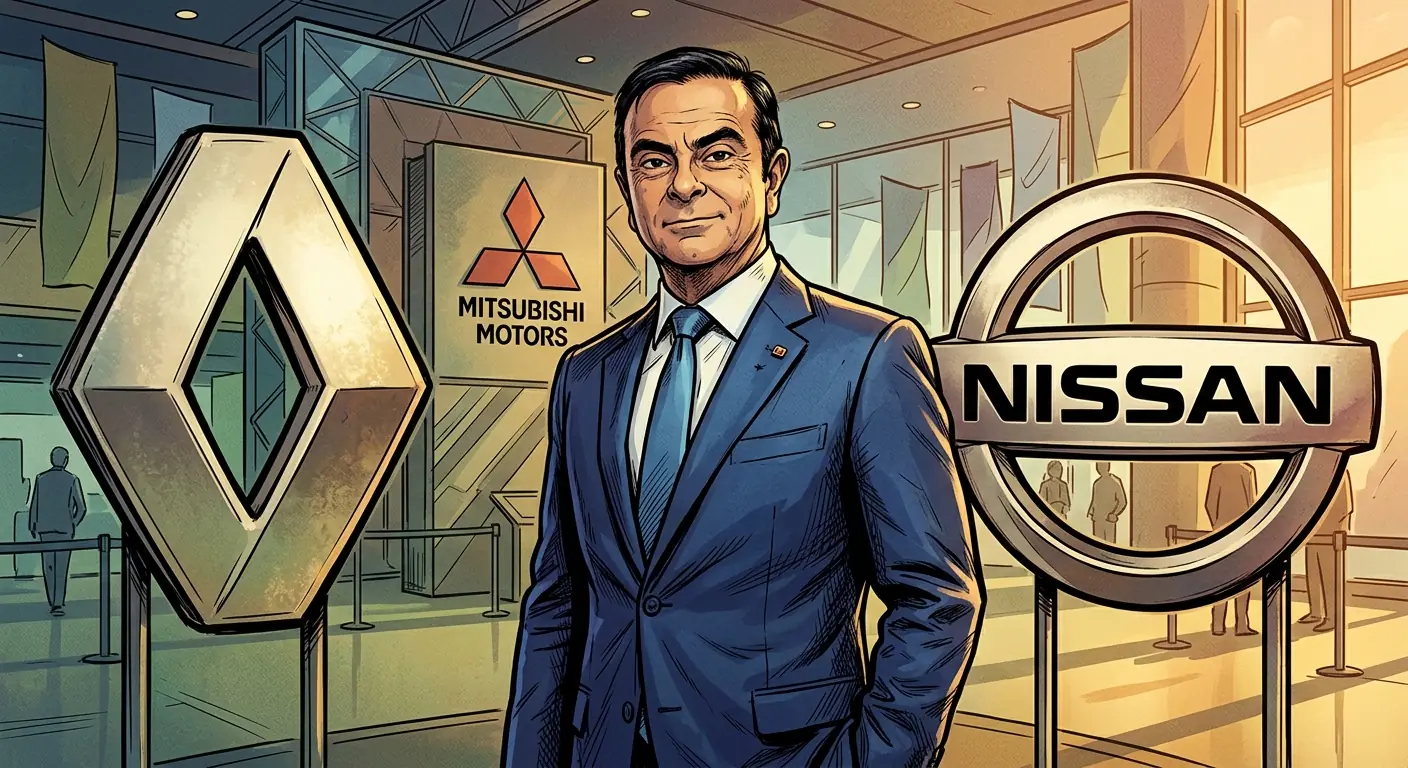
After engineering the Nissan miracle, Carlos Ghosn was no longer just “Le Cost Killer.” He was “Super Ghosn,” the automotive titan who could walk on water – or at least, through balance sheets deep in red ink and emerge with profits. His reward? An unprecedented dual role that would make any CEO green with envy: in 2005, he became CEO of Nissan, and a year later, in 2006, he added CEO of Renault to his overflowing plate. That’s right, he was running two massive, publicly traded, globally competitive automakers simultaneously. Forget work-life balance; Ghosn was aiming for world domination, one spreadsheet at a time.
The Dual Crown: CEO of Two Giants
Managing one multinational corporation is a Herculean task. Running two, with distinct national identities, corporate cultures, and market demands, sounds like a recipe for a stress-induced meltdown. But Ghosn, with his polyglot background and seemingly limitless energy, thrived. He became a human shuttle, flying between Paris and Tokyo, often spending more time in the air than on the ground. The logic was simple (to him, anyway): by having one man at the helm of both, the Renault-Nissan Alliance could achieve greater synergies, share technology, streamline purchasing, and truly become a global powerhouse. And for a time, it worked. The Alliance grew, its combined sales volume consistently placing it among the top automotive groups in the world. By 2017, just before his fall, the Alliance, which now included Mitsubishi, sold 10.6 million vehicles, claiming the title of the world’s largest automaker by volume. Take that, Volkswagen!
A Third Pillar: Bringing Mitsubishi into the Fold
Ghosn wasn’t content with just two companies. Like a corporate Pokémon trainer, he had to catch ‘em all. In 2016, Mitsubishi Motors found itself in a rather sticky situation – a fuel economy scandal had tanked its reputation and its stock price. Seeing an opportunity to expand the Alliance’s footprint, particularly in Southeast Asia, Ghosn swooped in. Renault-Nissan acquired a 34% controlling stake in Mitsubishi for 237 billion yen (approximately $2.3 billion USD at the time), making it the third pillar of the newly minted Renault-Nissan-Mitsubishi Alliance. Ghosn became the Chairman of Mitsubishi’s board, effectively overseeing three global automakers. It was an astonishing display of corporate ambition and a testament to his seemingly unshakeable authority. He truly was the Emperor of Auto, presiding over an empire that spanned continents and cultures. What could possibly go wrong?
Cracks in the Foundation: The Looming Power Struggle
Turns out, quite a lot. While Ghosn was busy collecting corporate crowns, the seeds of his eventual downfall were already being sown. The Alliance was a complex beast, held together primarily by Ghosn’s formidable will and personal relationships. But beneath the surface, tensions simmered. Renault held a 43.4% voting stake in Nissan, while Nissan held a 15% non-voting stake in Renault. This imbalance of power, often resented by the more profitable Nissan, meant that French interests often held sway. As Ghosn aged, and succession planning became a whispered topic, questions arose about the future of the Alliance without its indispensable architect. Was it truly a partnership, or an empire ruled by one man? The French government, a significant shareholder in Renault, certainly had its own ideas about preserving French control. This delicate dance of corporate governance, national pride, and personal ambition would ultimately prove to be Ghosn’s Achilles’ heel, transforming him from an unassailable emperor into a vulnerable target.
💰 Chapter 11: The Golden Handcuffs: Compensation & Scrutiny (2010s)
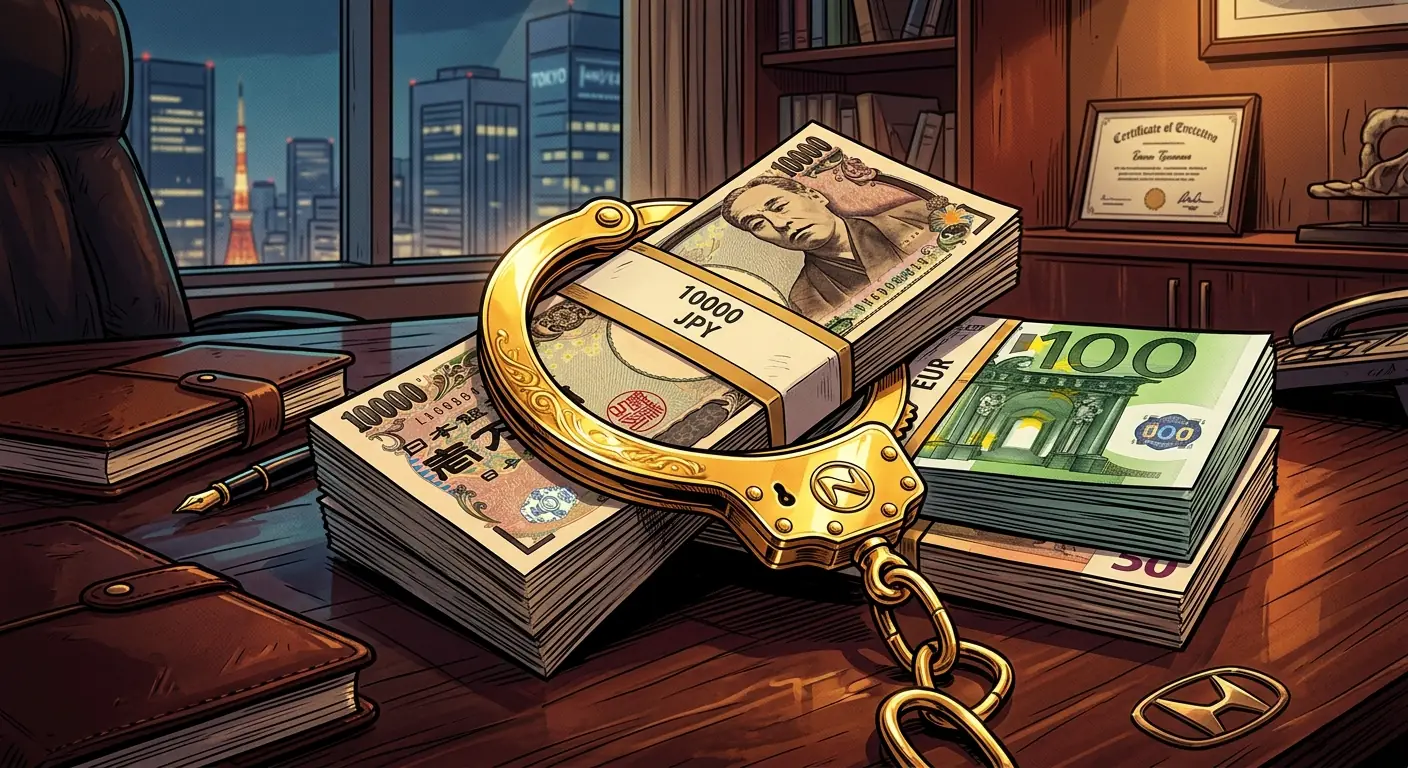
As Carlos Ghosn’s star rose, so did his paycheck. And then it kept rising. And rising. For a man who built his reputation as “Le Cost Killer,” the irony wasn’t lost on many when his own compensation became a significant talking point, eventually morphing into a major flashpoint. In the wake of the 2008 financial crisis, executive pay became a global political hot potato, and Ghosn, straddling three continents and multiple corporate boards, was an irresistible target for scrutiny. It wasn’t just about the numbers; it was about the perception of a global elite increasingly detached from the everyday realities of their employees.
The CEO’s Paycheck: A Rising Tally
Let’s talk numbers, because that’s where the real drama began. For years, Ghosn’s compensation was a source of fascination and, increasingly, friction. In Japan, executive pay is often significantly lower than in the West, and transparency less common. But as a CEO of a global alliance, Ghosn’s paychecks were a complicated mosaic. In 2016, for instance, he earned approximately 1.1 billion yen (around $10 million USD) from Nissan and another 7.25 million euros (around $8 million USD) from Renault. Add in his pay from Mitsubishi after its acquisition, and you’re looking at an astronomical sum for a single executive. While not unheard of in the US, it raised eyebrows in Japan and, frankly, caused some serious resentment within the ranks of Nissan, whose profits often outstripped Renault’s. The issue wasn’t just the sheer amount, but the allegation that he was actively concealing parts of it, deferring millions of dollars in compensation that were not properly reported to shareholders or tax authorities. This “under-reporting” would become a central pillar of the Japanese prosecutors’ case against him.
Perks of the Throne: Company Funds and Personal Indulgences
Beyond the reported salary, there were the perks. Oh, the perks. As CEO of an empire, Ghosn apparently enjoyed a lifestyle befitting royalty, allegedly funded, in part, by company resources. We’re talking about multi-million dollar homes in Paris, Amsterdam, Rio de Janeiro, and Beirut, purchased and renovated by an obscure Dutch subsidiary of Nissan, RNBV (Renault-Nissan B.V.). These residences, ostensibly for “business purposes,” were allegedly used by Ghosn and his family. Then there was the infamous wedding party at the Palace of Versailles in 2016, reportedly a lavish affair partly paid for by Renault as part of a sponsorship deal for the palace. While Renault insisted the event was a legitimate corporate function, the optics of a CEO celebrating his marriage in such opulent style, with company funds, were dreadful. These aren’t just minor improprieties; they paint a picture of a leader who believed the rules applied to everyone else, but not to him.
Whispers in the Boardroom: The Governance Gauntlet
The scrutiny wasn’t just external; it was internal. For years leading up to his arrest, whispers and concerns about Ghosn’s compensation and use of company assets circulated within Nissan’s executive ranks. Key figures like Hari Nada, a senior vice president, and Toshiaki Onuma, an executive in charge of the CEO’s office, became whistleblowers, feeding information to prosecutors. They alleged that the corporate governance structure, especially at Nissan, was too weak to challenge Ghosn directly. His enormous power and influence meant that dissenting voices were often silenced or ignored. The board, composed of many Ghosn loyalists, seemed unwilling or unable to rein him in. It was a classic tale of unchecked power corrupting, not just the individual, but the very system designed to hold him accountable. The golden handcuffs that once symbolized his value to the Alliance eventually became the literal symbols of his undoing.
💥 Chapter 12: The Ghosn Doctrine: Globalism & Ruthlessness (Career-Long Perspective)
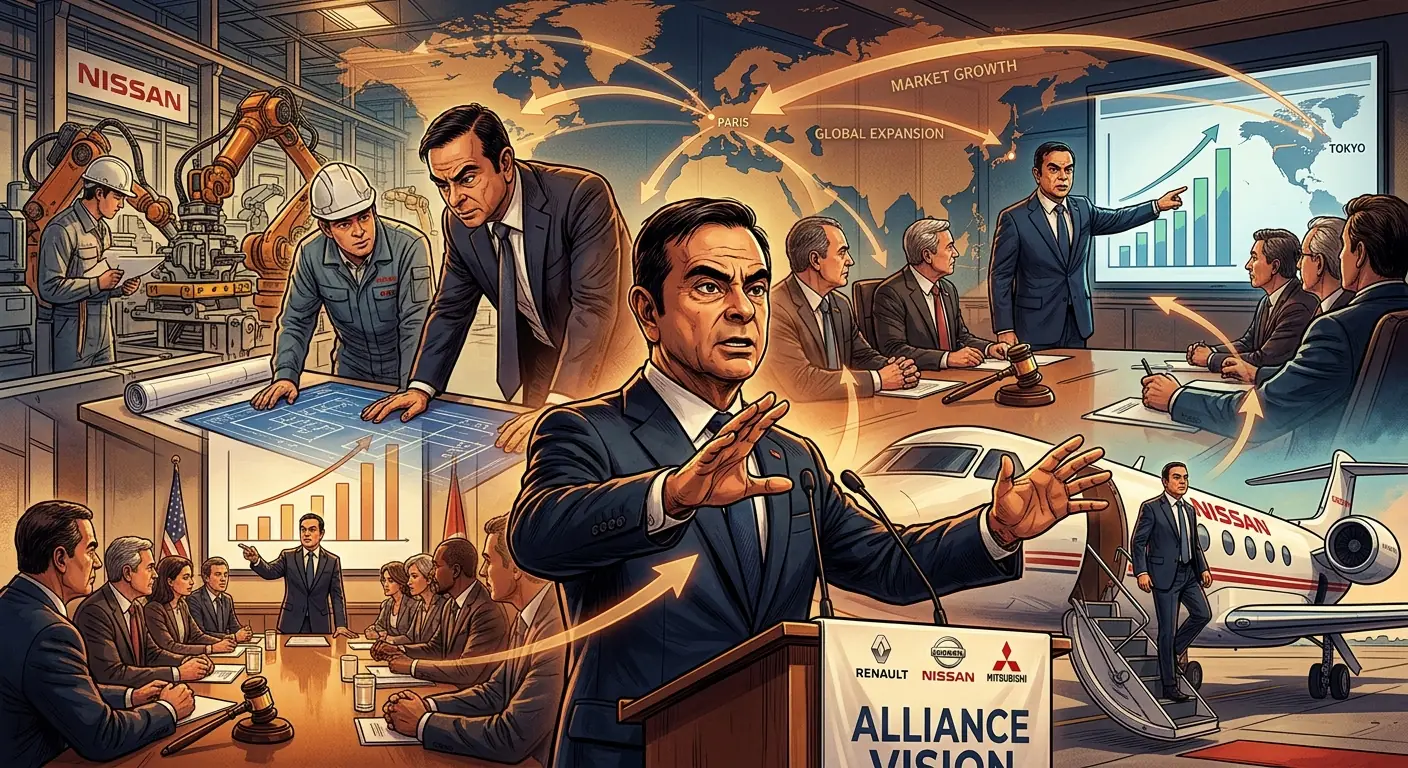
Carlos Ghosn wasn’t just a CEO; he was a force of nature, a paradigm shift in the automotive industry. His management philosophy, honed over decades, was a brutal symphony of global ambition, relentless cost-cutting, and an almost surgical precision in execution. It was a doctrine that defied traditional corporate norms, particularly in Japan, and fundamentally reshaped how multinational auto companies operated. While “Le Cost Killer” was his first moniker, it barely scratched the surface of a man who believed in a singular, universal truth: efficiency above all else.
Le Cost Killer, Reimagined: Beyond the Nickname
The “Cost Killer” nickname, earned at Michelin and cemented at Renault, truly blossomed into a full-blown philosophy at Nissan. But it wasn’t just about slashing budgets; it was about global standardization, platform sharing, and cross-functional teams. Ghosn famously implemented Cross-Functional Teams (CFTs) at Nissan, breaking down entrenched departmental silos and forcing engineers, designers, and marketers to collaborate directly on specific challenges. This wasn’t just about saving money in the short term; it was about building a more agile, responsive, and globally integrated company. He championed the idea of common parts across different models and even different brands within the Alliance, a practice that saved billions and became an industry benchmark. Think of it: one steering column, slightly tweaked, for a Nissan sedan, a Renault hatchback, and a Mitsubishi SUV. Pure genius, if you ignore the potential for corporate identity crises! This approach, while initially painful, ultimately made Nissan (and later the Alliance) incredibly competitive on a global scale.
Building a Global Behemoth: The Alliance Strategy
Ghosn’s most enduring legacy, perhaps, is the Renault-Nissan-Mitsubishi Alliance. This wasn’t just a loose partnership; it was a complex, interwoven structure designed to leverage the strengths of each company while minimizing redundancies. His vision was to create a truly global automotive entity that could compete with giants like Toyota and Volkswagen by combining scale with agility. He pushed for shared R&D, joint purchasing, and common manufacturing platforms, creating economies of scale that few individual companies could match. He understood that in a consolidating industry, size mattered, but smart size mattered more. He was a pioneer in advocating for a “leader-follower” strategy within the Alliance, where one company would take the lead in a specific technology or market, and others would follow, rather than everyone duplicating efforts. This wasn’t just management; it was a geopolitical strategy applied to business, navigating national interests and corporate egos to forge a singular, powerful entity.
The Human Cost: A Legacy of Efficiency and Disruption
But Ghosn’s ruthless efficiency came at a cost, both literally and figuratively. His willingness to close factories, eliminate jobs (like the 21,000 at Nissan), and dismantle traditional business relationships (like the keiretsu) earned him admiration in some quarters and deep animosity in others. He was seen by many as the ultimate symbol of Anglo-American capitalism imposing its will on more consensus-driven cultures. While his methods undeniably saved companies from ruin, they also left a trail of disruption and resentment. His story is a powerful illustration of the paradox of transformational leadership: the very qualities that enable immense success – relentless drive, disregard for tradition, singular focus – can also create the conditions for a spectacular downfall. He changed the auto industry by proving that speed, global integration, and a willingness to break sacred cows could save failing companies. But in doing so, he also arguably created a blueprint for a kind of corporate power that, when unchecked, could ultimately consume its creator.
⚖️ Chapter 13: The Unending Legal Labyrinth (2020-Present)
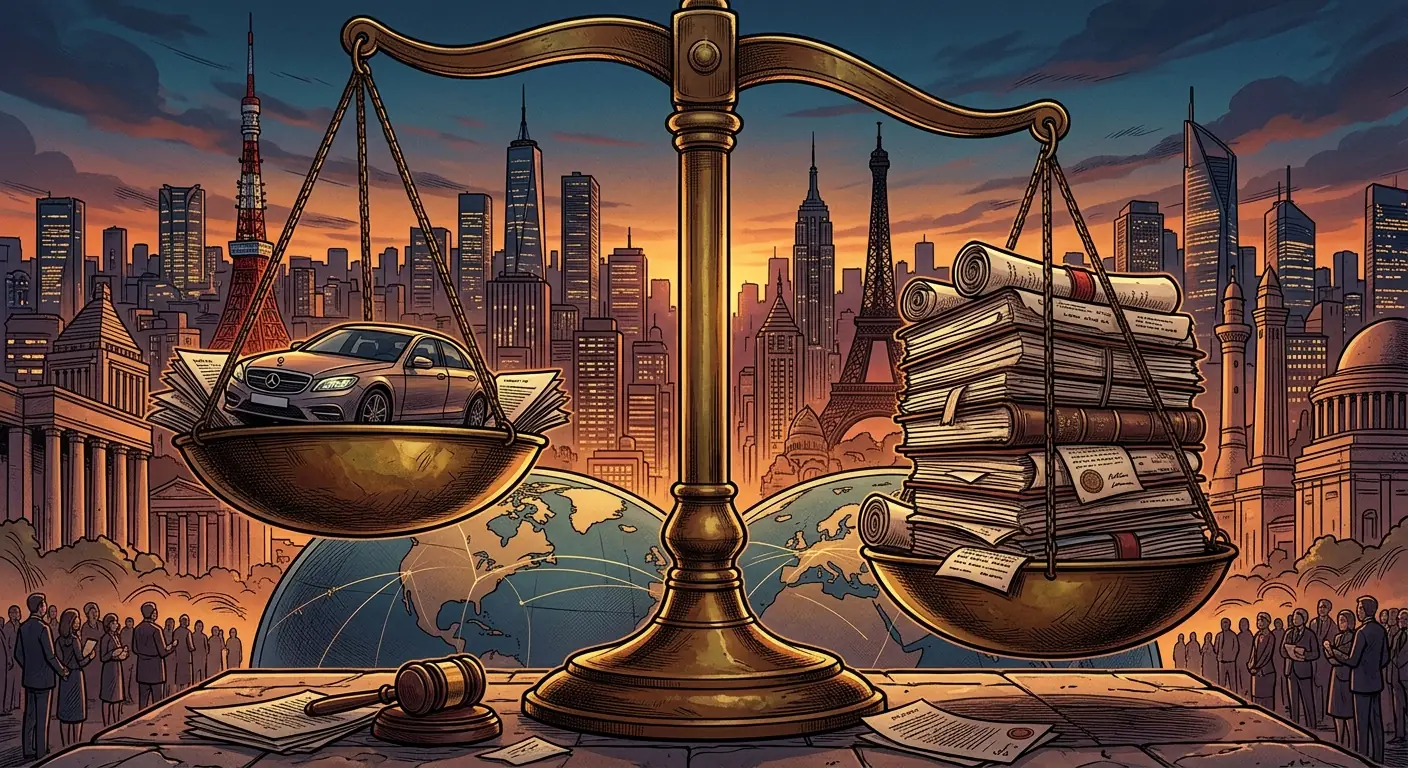
So, Carlos Ghosn is in Beirut, presumably sipping arak by the pool, right? Well, not exactly. While his audacious escape from Japan in December 2019 made him a free man in Lebanon (which has no extradition treaty with Japan for its own citizens), it certainly didn’t make him a free man from legal troubles. In fact, his flight merely globalized his problems, turning a Japanese criminal case into a sprawling, international legal labyrinth involving multiple countries, Interpol red notices, and a tangled web of accusations. The “unresolvable questions” from Chapter 8 have only multiplied, evolving into active legal skirmishes across continents.
From Tokyo to Paris: The French Front
While Japan desperately wants him back, France, where Ghosn also holds citizenship, has launched its own investigations. French prosecutors are looking into allegations of financial misconduct that relate to his time at Renault, specifically focusing on misappropriation of corporate assets and money laundering. This includes scrutiny of the aforementioned lavish Versailles wedding in 2016 (where Renault supposedly footed part of the bill) and suspicious payments made through RNBV, the Dutch subsidiary of the Alliance, which allegedly funneled company funds for Ghosn’s personal use, including those multi-million dollar residences. In May 2021, French magistrates even issued an international arrest warrant for Ghosn, meaning he could be arrested if he travels to any country that has an extradition treaty with France. So, while Beirut offers him sanctuary, it also effectively confines him to Lebanon, unless he fancies a brief, involuntary stay in a French prison. It’s a gilded cage, to be sure, but a cage nonetheless.
The American Connection: The Taylors’ Fate
Ghosn’s escape was a Hollywood-level operation, and like any good blockbuster, it involved a colorful cast of characters. Among them were former U.S. Army Special Forces veteran Michael Taylor and his son, Peter Taylor, who were instrumental in sneaking Ghosn out of Japan in a musical instrument case. Japan, understandably furious, sought their extradition from the United States. After a protracted legal battle, the Taylors were indeed extradited to Japan in March 2021. They pleaded guilty to assisting Ghosn’s escape and, in July 2021, were sentenced to two years and 20 months in prison, respectively. Their fate serves as a stark warning to anyone considering aiding international fugitives and underscores Japan’s unwavering resolve to pursue justice, even if the primary target remains out of reach. It also highlights the intricate geopolitical dance when a high-profile case crosses borders.
A Fugitive’s Future: Legal Battles, Legacy, and Lingering Questions
So, what’s next for Carlos Ghosn? He continues to vehemently deny all charges, portraying himself as the victim of a corporate coup and a flawed Japanese justice system. From Beirut, he actively engages with media, publishes books, and attempts to clear his name, even launching a $1 billion lawsuit against Nissan in Lebanon for wrongful termination and reputational damage. While he may never face a Japanese court, the legal cloud over him is unlikely to dissipate. His passport issues, the Interpol red notice, and the French warrants mean his globetrotting days are largely over. His legacy remains a deeply polarizing one: a brilliant, ruthless visionary who saved companies but who also, allegedly, succumbed to hubris and greed. The Ghosn saga isn’t just a story about business, crime, or escape; it’s a living, breathing case study in international law, corporate governance, and the very definition of executive accountability in a globalized world. The final chapter of Carlos Ghosn’s legal odyssey is far from written, and honestly, we’re still grabbing popcorn.
💡 Key Insights
- ▸ Ghosn's story illustrates the fundamental tension in cross-cultural corporate alliances. His success at Nissan came from imposing Western-style cost-cutting on a Japanese corporate culture that valued consensus and lifetime employment. This worked brilliantly for the balance sheet but created resentment that festered for two decades. The lesson: corporate turnarounds that ignore cultural context may deliver short-term results but plant the seeds of long-term rebellion.
- ▸ The Ghosn case reveals how 'hostage justice' systems can be weaponized in corporate power struggles. Japan's criminal justice system — with a 99.4% conviction rate and the practice of holding suspects for weeks without bail — gave Ghosn's internal enemies at Nissan a devastatingly effective weapon. When legal systems become tools of corporate politics, the rules of business change completely.