Berry Gordy: How Motown Engineered a Hit Factory Without Erasing the Soul
Berry Gordy applied assembly-line discipline to songs, artists, and distribution, building Motown into a cultural institution whose system was both its advantage and its tension.
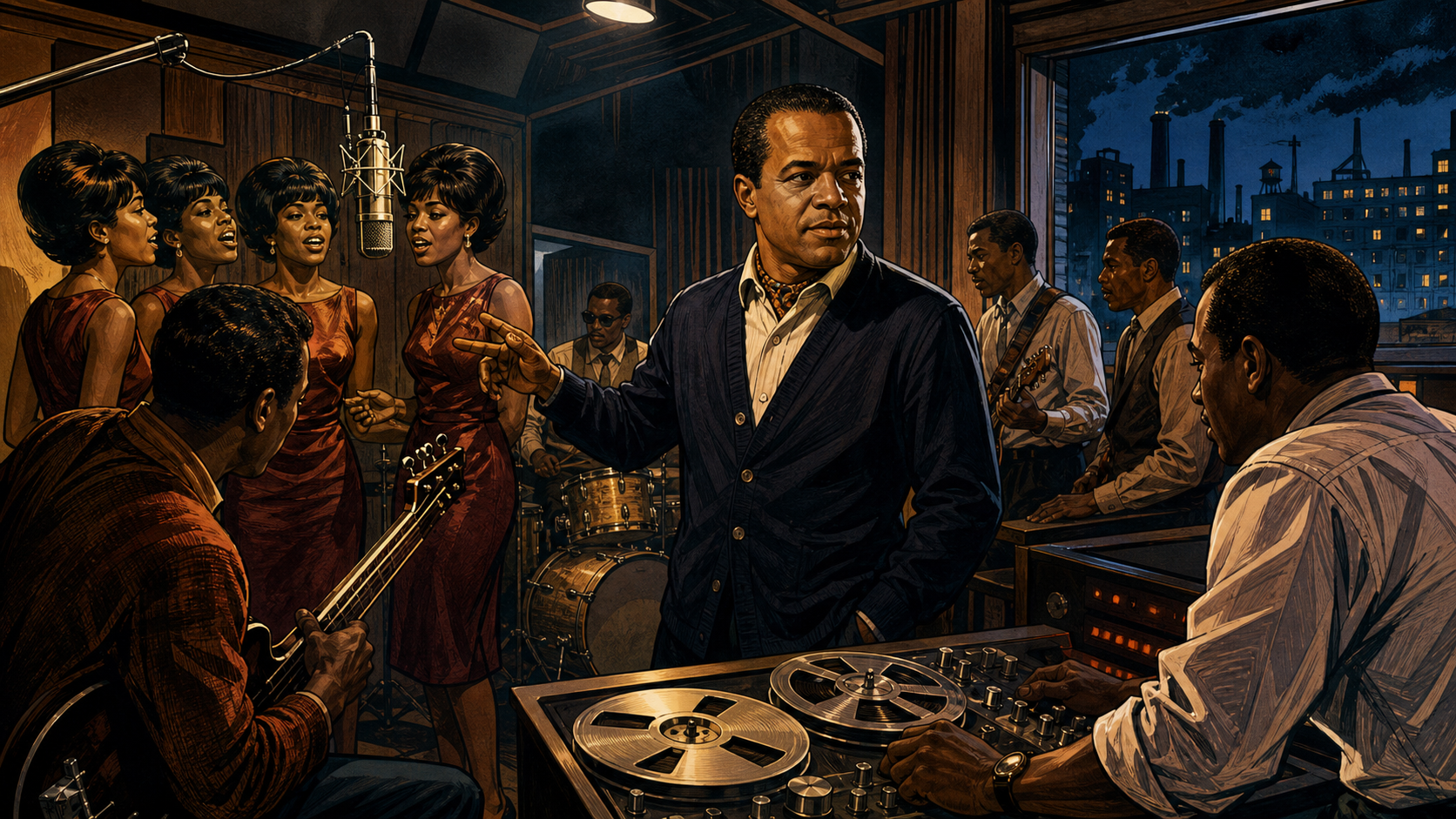
View all stories about this mogul
Berry Gordy built Motown by combining two forces that are usually treated as opposites: industrial process and emotional immediacy. The records sounded spontaneous, but the company behind them recruited, wrote, arranged, rehearsed, reviewed, marketed, and distributed with remarkable discipline.
Gordy’s famous inspiration from Detroit automobile production was not a plan to make identical songs. It was a plan to create a dependable path by which raw talent could become a finished product ready for a national market.
That system helped Black artists cross segregated radio and retail boundaries at extraordinary scale. It also created tensions over creative control, credit, contracts, and the authority of the founder who designed the machine.
How did Berry Gordy turn $800 into an integrated music company?
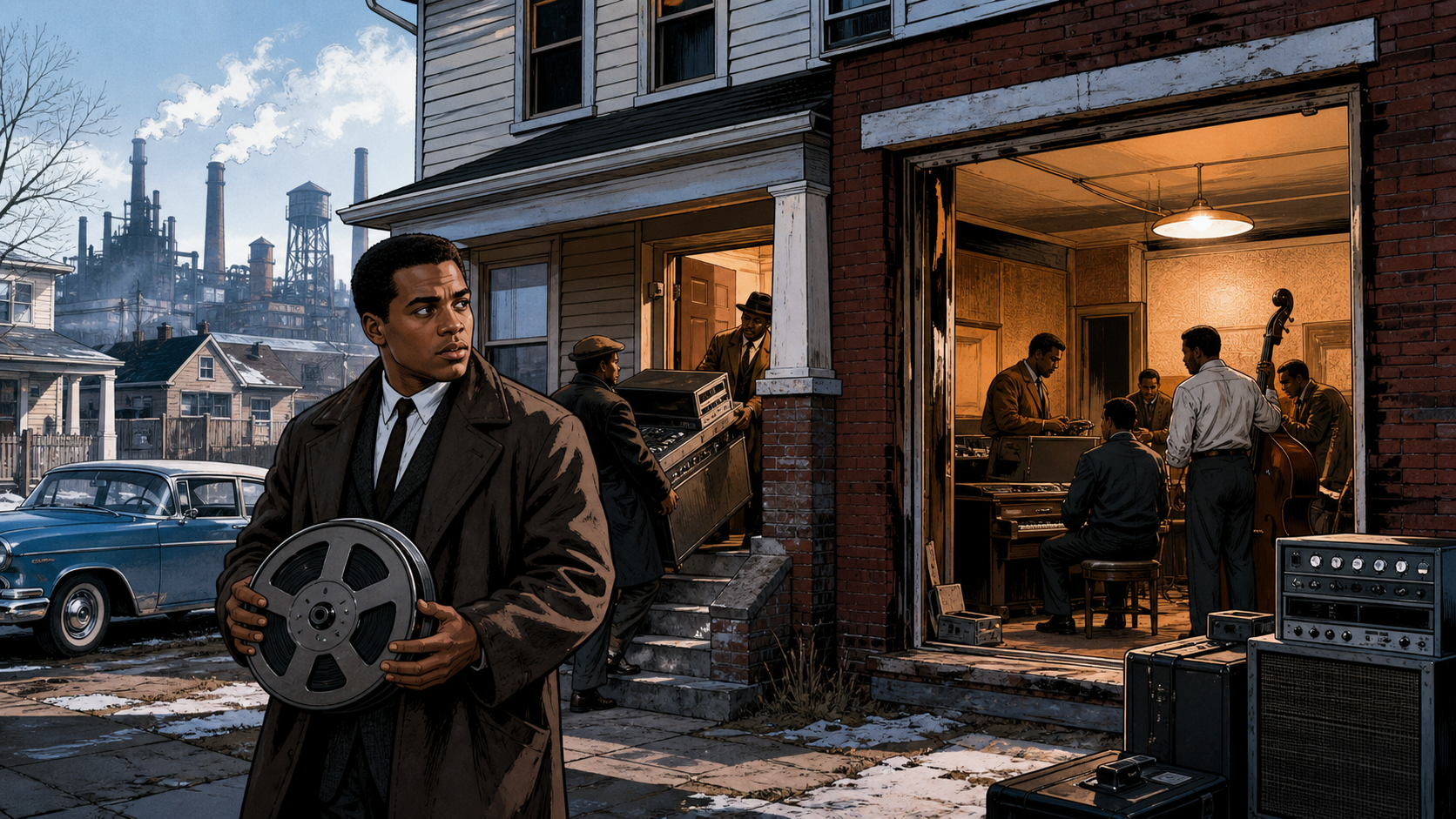
Gordy was born in Detroit in 1929. He boxed professionally, served in the United States Army, worked at Ford’s Lincoln-Mercury plant, and pursued songwriting. The factory experience later became a useful metaphor: a car entered as metal and left as a finished object; could a young performer enter one door and emerge prepared for the world’s biggest stages?
After writing songs and observing how labels controlled the economics, Gordy borrowed $800 from his family savings fund. He established Tamla Records in 1959 and incorporated Motown Record Corporation in 1960. The house at 2648 West Grand Boulevard became Hitsville U.S.A.—studio, offices, and creative headquarters in one compact place.
Integration solved a market-access problem. Motown developed performers, employed songwriters and producers, used a core group of studio musicians later celebrated as the Funk Brothers, managed publishing, and built promotion and distribution capabilities. Each layer gave the company more control over whether a promising song actually reached listeners.
The model created dense feedback. Writers could hear arrangements quickly. Producers knew the voices available. Artists could record repeatedly in Studio A. The company accumulated tacit knowledge about drums, bass, tambourine, vocal blend, and arrangements that cut through small radios.
Motown was therefore not simply a label that found stars. It was a learning system located in a building where specialists repeatedly transformed ideas together.
Why did quality control make creativity more repeatable?
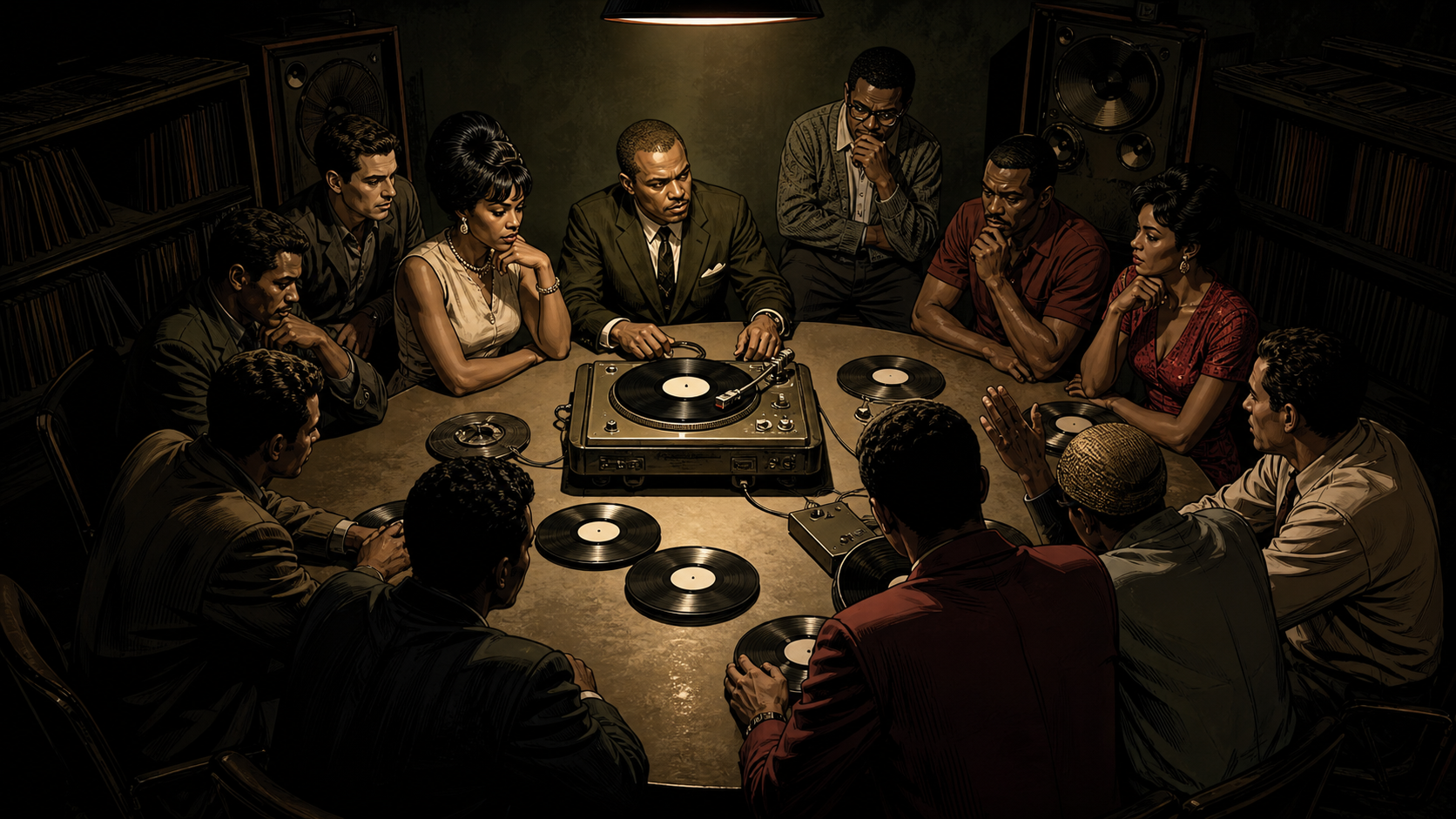
Motown’s quality-control meetings became legendary. Songs were played and debated against a demanding question: would someone spend scarce money on this record rather than another? Material could be revised, reassigned, or rejected even after significant work.
The process resembled a portfolio rather than a single genius bet. Multiple writer-producer teams generated songs, artists recorded alternatives, and review narrowed the field. Competition produced volume; a shared audience standard focused judgment.
Artist development extended beyond recording. Performers learned choreography, stagecraft, interview technique, dress, and etiquette. For Black artists entering venues and television programs shaped by racism, preparation was both brand strategy and protective armor.
The results included the Supremes, the Temptations, the Four Tops, Marvin Gaye, Stevie Wonder, Martha and the Vandellas, Smokey Robinson and the Miracles, and the Jackson 5. Motown records reached broad audiences without concealing their roots in Black musical traditions.
But systems create power imbalances. Writers, musicians, and performers did not always share equally in ownership, visibility, or decision-making. Some artists wanted more control over subject matter and sound. Marvin Gaye’s struggle to release What’s Going On illustrated that a quality-control system optimized for proven hits could resist the work that would redefine quality.
The management lesson is not that committees create art. It is that abundant creative inputs, rapid production, and clear review can improve the odds—provided the institution still recognizes when an exceptional voice must break its rules.
What happened when the Motown system outgrew Detroit?

Motown moved its headquarters to Los Angeles in 1972 as Gordy expanded toward film and television. The move opened opportunities, including productions such as Lady Sings the Blues, but weakened the geographic concentration that had made Hitsville unusually productive.
The Detroit system depended on more than procedures. It depended on people encountering one another, a studio operating at all hours, shared musical language, and a founder close enough to arbitrate decisions. Moving the formal company did not automatically transplant that social infrastructure.
Musical tastes and artist expectations were changing too. Established stars sought autonomy, new competitors emerged, and the economics of the recording industry became more corporate. Motown remained important, but the compact hit factory was no longer the same machine.
Gordy sold Motown Records to MCA and Boston Ventures in 1988. The sale monetized a catalog and brand that had become part of American culture, while separating the institution from its founder’s direct control.
His legacy is larger than a list of number-one records. Gordy demonstrated that creative talent excluded by existing gatekeepers could build its own infrastructure, standards, and route to a mass audience. He also showed that operational discipline can amplify culture without fully containing it.
The Motown sound endured because the factory never produced mere units. At its best, the system created the conditions for distinct voices to reach millions—and then learned from the listeners who answered back.
💡 Key Insights
- ▸ A creative company can standardize selection and development without standardizing every creator's voice.
- ▸ Vertical integration gives excluded talent a route to market, but it also concentrates power inside the institution.
- ▸ Frequent, candid review can improve output when the audience test is clear and the pipeline keeps generating alternatives.
- ▸ Cultural businesses often face a hard transition when the founder's operating system becomes inseparable from the company.