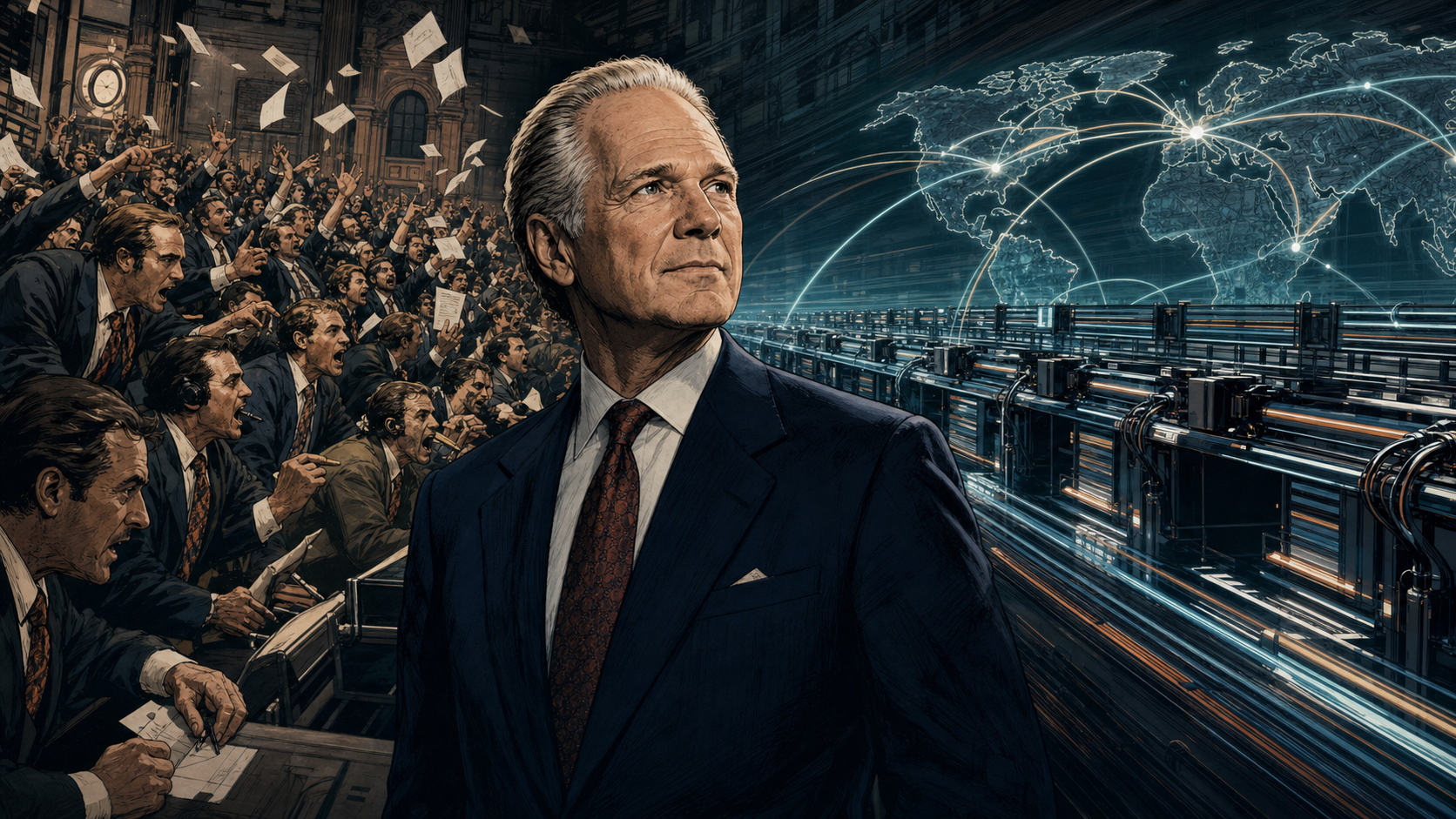
David Neeleman: The Airline Founder Who Kept Rebuilding the Passenger Experience
David Neeleman repeatedly paired low fares with a better cabin, proving that airline invention is possible—and that operations eventually collect every debt.

View all stories about this mogul
David Neeleman has spent his career making the same improbable argument in different countries: flying can be cheaper without feeling cheap.
That proposition helped shape Morris Air, influenced WestJet, launched JetBlue in New York, built Azul in Brazil, and later produced Breeze Airways. Each company entered a difficult market with a slightly different version of the same operating idea—simple fares, technology-enabled distribution, productive assets, and a cabin experience customers could describe to friends.
The repetition makes Neeleman look like a serial magician. Airlines are less forgiving than magic. Aircraft leases continue through recessions, weather disrupts tightly planned networks, labor and fuel costs move quickly, and one bad day can strand thousands of people. Neeleman’s career is therefore both a case for entrepreneurial pattern recognition and a warning that a compelling front-end experience cannot outrun operational complexity.
How did Neeleman turn low fares into a product instead of a punishment?
Neeleman’s early airline education came through Morris Air, the Utah-based carrier he co-founded. Morris used a simplified model and direct distribution before online booking became ordinary. Southwest acquired the airline in the 1990s, giving Neeleman a close view of the most durable low-cost system in the United States.
He later helped the founders of WestJet as the Canadian challenger developed. The lessons were portable: a focused fleet reduces training and maintenance complexity; high utilization spreads ownership costs; direct sales lower distribution expense; and an engaged workforce can turn an operational model into a recognizable culture.
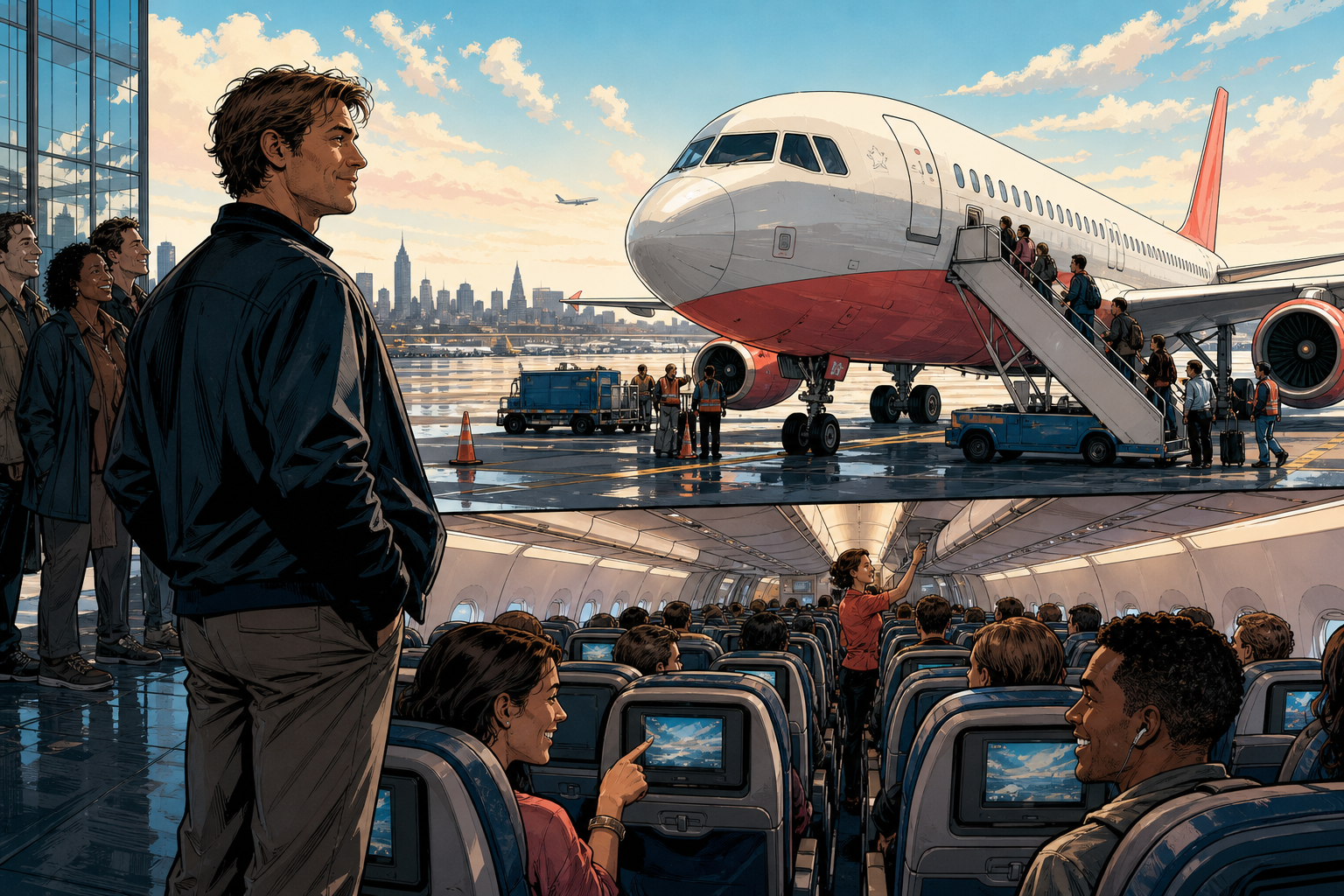
JetBlue, which began flying in 2000, added a more theatrical proposition. It paired relatively low fares with new aircraft, seatback television, assigned seating, and a service personality that did not apologize for being a discount carrier. The company chose New York’s John F. Kennedy International Airport as a base and targeted routes where travelers felt poorly served.
This was not generosity detached from economics. JetBlue selected amenities that were visible to customers and repeatable across the fleet. A clean cabin and live television produced more brand value than an expensive collection of services people barely noticed. Direct booking and a modern technology stack were meant to help pay for the distinction.
The formula generated attention because it broke a stale category trade-off. Traditional airlines often carried complicated networks and cost structures; bare-bones challengers asked customers to surrender comfort. JetBlue offered a third story: operational simplicity could finance a friendlier product.
But a product advantage in aviation is easy to copy. Competitors can add screens, legroom tiers, or better snacks. The harder moat is a system that delivers the promise through growth, irregular operations, and economic cycles.
Why did the 2007 meltdown expose the hidden cost of the brand promise?

In February 2007, an ice storm at JFK triggered a prolonged operational breakdown. Flights sat for hours, crews and aircraft fell out of position, and cancellations cascaded. JetBlue’s customer-friendly identity intensified the disappointment: the airline had taught passengers to expect something better.
Neeleman responded publicly and promoted a customer bill of rights. The response was unusually direct, but communication could not erase the operational lesson. A lean system may look efficient in normal conditions while lacking the recovery capacity, crew systems, and decision rules needed when the network breaks.
JetBlue’s board replaced Neeleman as chief executive in 2007; he later left the company. Founder charisma had created strategic permission, recruited employees, and sold the original experience. At scale, the company needed a different emphasis on process, reliability, and financial discipline.
That transition illustrates a recurring founder problem. The qualities that create a challenger—speed, conviction, impatience with category rules—can become risks when thousands of interconnected operations require consistency. The founder may still see the customer problem clearly while underestimating the institutional work required to solve it every day.
The episode did not invalidate JetBlue’s model. It clarified the full product. An airline does not sell a comfortable seat alone; it sells the probability of arriving, and a credible recovery when that probability fails.
What did Azul and Breeze prove about the limits of serial reinvention?

Neeleman next focused on Brazil, launching Azul in 2008. The market offered a different opportunity: a large country, significant distances, and many city pairs with limited nonstop service. Azul built a broad domestic network and used aircraft suited to thinner routes as well as larger markets.
The strategic insight was network design. Instead of fighting only for the busiest trunk routes, a challenger could connect underserved cities and create demand by making a trip practical. Local knowledge, aircraft choice, and route economics mattered more than copying JetBlue’s exact cabin.
Years later, Breeze launched in the United States around another map of underserved city pairs. Its “nice, new and nonstop” positioning emphasized direct flights that larger carriers often did not offer. Technology and flexible fare bundles supported the pitch, while Airbus A220 aircraft became central to longer routes.
The pattern is compelling: find customers forced into an inconvenient connection, design a simpler network around them, and use service details to make the challenger memorable. Yet each new airline also restarts the capital cycle. Aircraft, maintenance, labor, airport access, safety, and demand forecasting do not become easy because the founder has solved them before.
External shocks amplify that truth. Fuel spikes, recessions, pandemics, and supply constraints can overwhelm a clever route thesis. Growth can weaken punctuality and consume cash. A route with little nonstop competition may also have little demand.
Neeleman’s unusual achievement is not that every airline became an effortless compounding machine. It is that he repeatedly identified where passengers had accepted bad trade-offs and persuaded capital and employees to challenge them.
The real lesson is that category reinvention begins with a customer frustration but survives through operational depth. Neeleman could repeatedly imagine a better flight; the enduring work was building an airline capable of delivering it when weather, scale, and economics stopped cooperating.
💡 Key Insights
- ▸ A low-cost operator can differentiate through selected amenities if the operating model funds them.
- ▸ Airline brand promises are credible only when disruption systems work under peak stress.
- ▸ Founder pattern recognition travels across markets, but aircraft economics remain local and unforgiving.
- ▸ Repeated reinvention can create valuable challengers without guaranteeing durable industry profits.