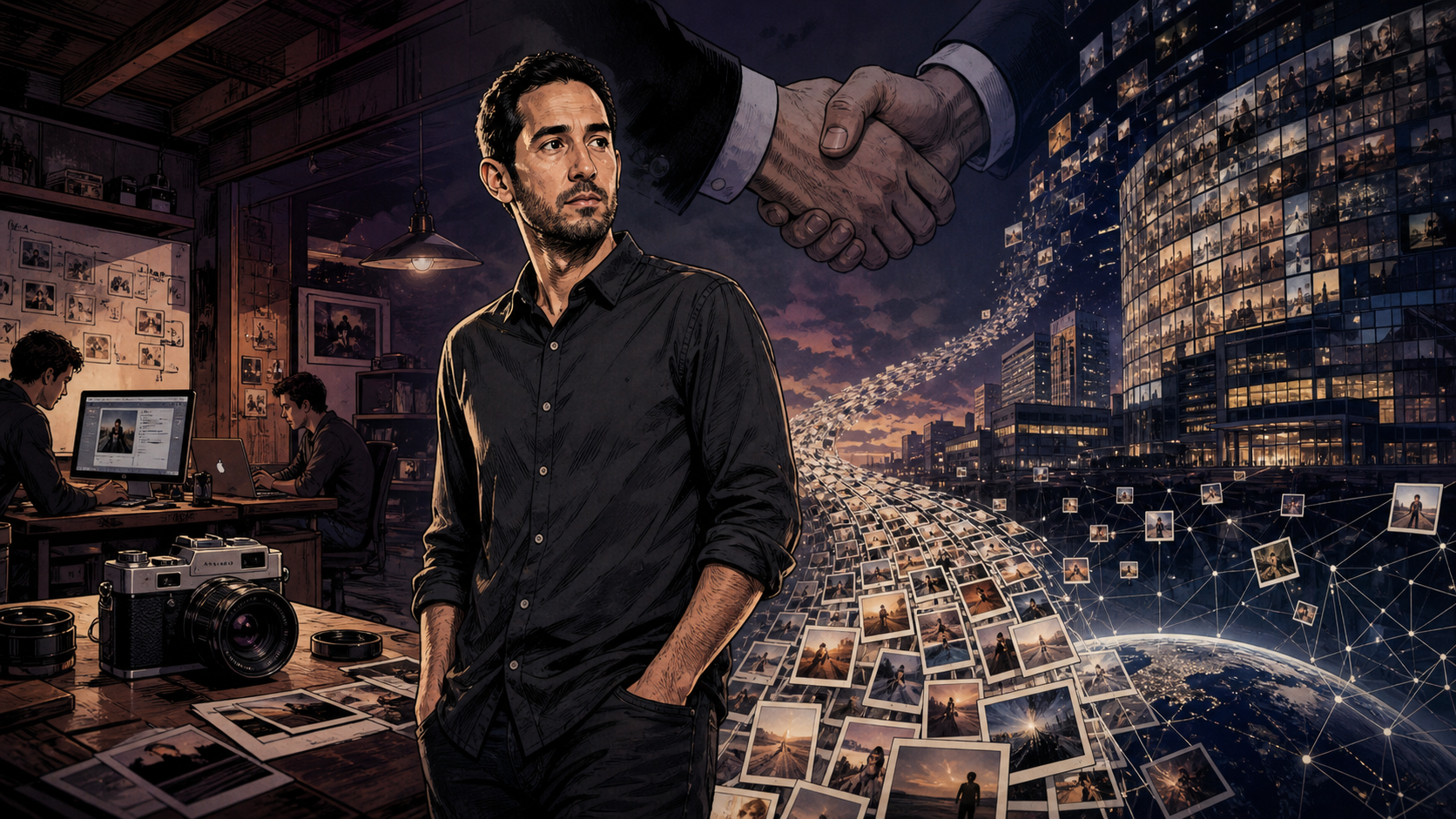
Brian Chesky: How a Broke Art Student Rented Airbeds in His Apartment and Built a $90 Billion Hotel Killer
Three designers with $25,000 in credit card debt started renting airbeds to strangers during a design conference. Fifteen years later, their company was bigger than Marriott, Hilton, and Hyatt combined.

View all stories about this mogul
In October 2007, two broke industrial designers in San Francisco realized they couldn’t make rent. Brian Chesky and Joe Gebbia had just moved into a three-bedroom apartment on Rausch Street in the SoMa neighborhood. Their old roommates had left. Rent was $1,150 a month. Chesky had $1,000 in his bank account. Gebbia had a little more. Neither had a full-time job.
That same week, San Francisco was hosting the annual conference of the Industrial Designers Society of America. Every hotel in the city was sold out. Conference attendees were complaining on message boards that they couldn’t find anywhere to stay.
Gebbia sent Chesky a half-joking email: what if they blew up three airbeds in their apartment and rented them out to the stranded designers? They could call it “Air Bed and Breakfast.” They’d even serve cereal in the morning.
Chesky, who was sleeping on a mattress on the floor with no sheets, wrote back: “I’m in.”
They threw up a simple WordPress site. Three strangers booked it. Chesky gave them a tour of San Francisco, made coffee, and walked them to the conference each morning. At the end of the week, the three roommates handed Chesky and Gebbia $80 each — $240 in total. Brian Chesky had just earned his first dollar as an entrepreneur, and it was for something so absurd that when he later told his parents about it, his father worried aloud that his son had wasted his expensive art school education.
Fifteen years later, the company that grew out of that airbed weekend would be worth nearly $100 billion, have disrupted the global hotel industry, and make Brian Chesky one of the most influential design-driven founders of the century.
🎨 Chapter 1: The Kid Who Drew Obsessively
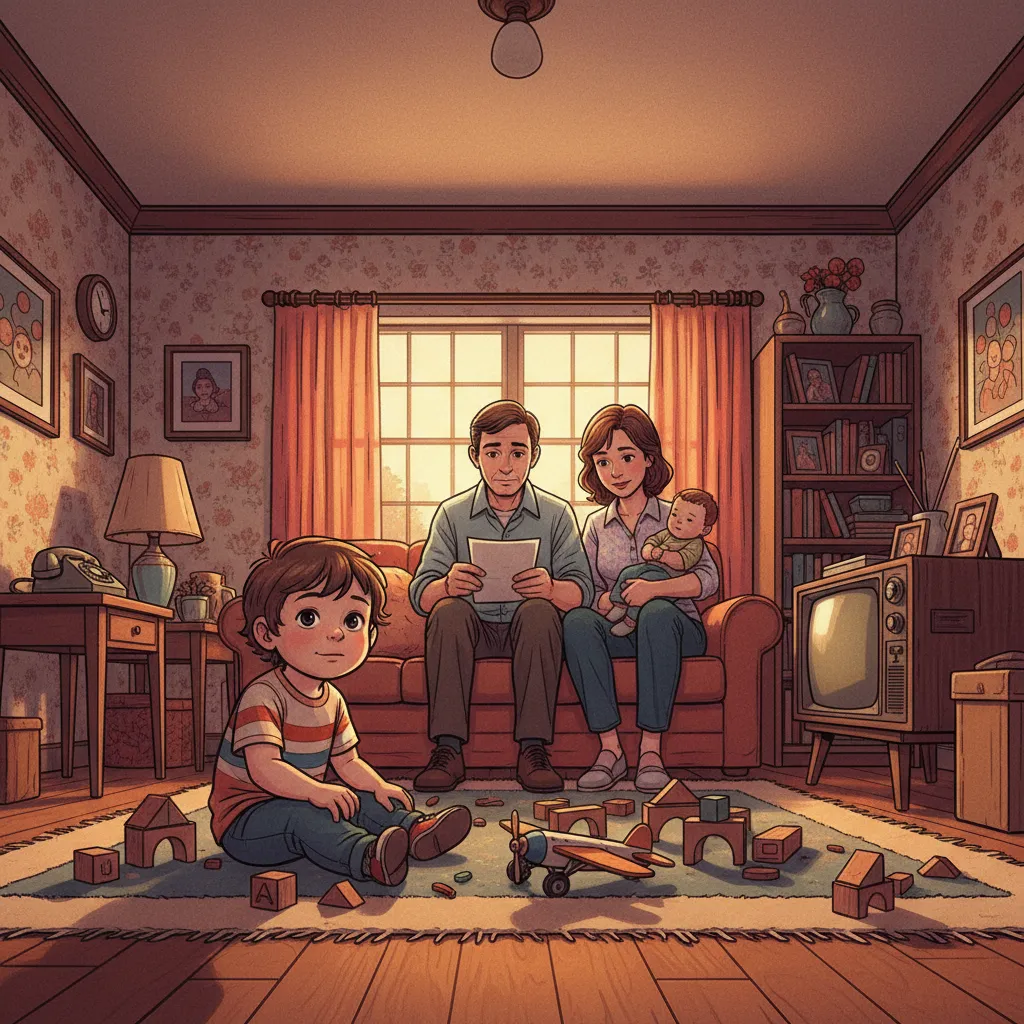
Brian Chesky was born on August 29, 1981, in Niskayuna, New York, a small suburb near Albany. His parents were both social workers. His younger sister, Allison, would later join Airbnb as an employee. From the age of three, Brian was obsessed with drawing. He filled sketchbook after sketchbook. He copied Disney characters frame by frame from VHS tapes. He spent entire weekends designing imaginary superheroes and fictional cars.
His parents, somewhat anxiously, enrolled him in art classes. They drove him to drawing lessons. They encouraged him, even as they privately worried that their son was pursuing a career path with no clear economic future.
In high school, Brian was a competitive bodybuilder — an unusual hobby for an artistic teenager — and an obsessive student of product design. He spent hours studying the aesthetics of Nike sneakers, Apple computers, and BMW car interiors. He decided early that he wanted to become an industrial designer. His parents reluctantly supported the plan.
He enrolled at the Rhode Island School of Design (RISD) in 1999. It was there he met Joe Gebbia — a fellow industrial design student who would become his closest friend and eventual co-founder. The two spent their college years building weird prototypes, entering design competitions, and dreaming about starting companies.
💸 Chapter 2: The Los Angeles Years
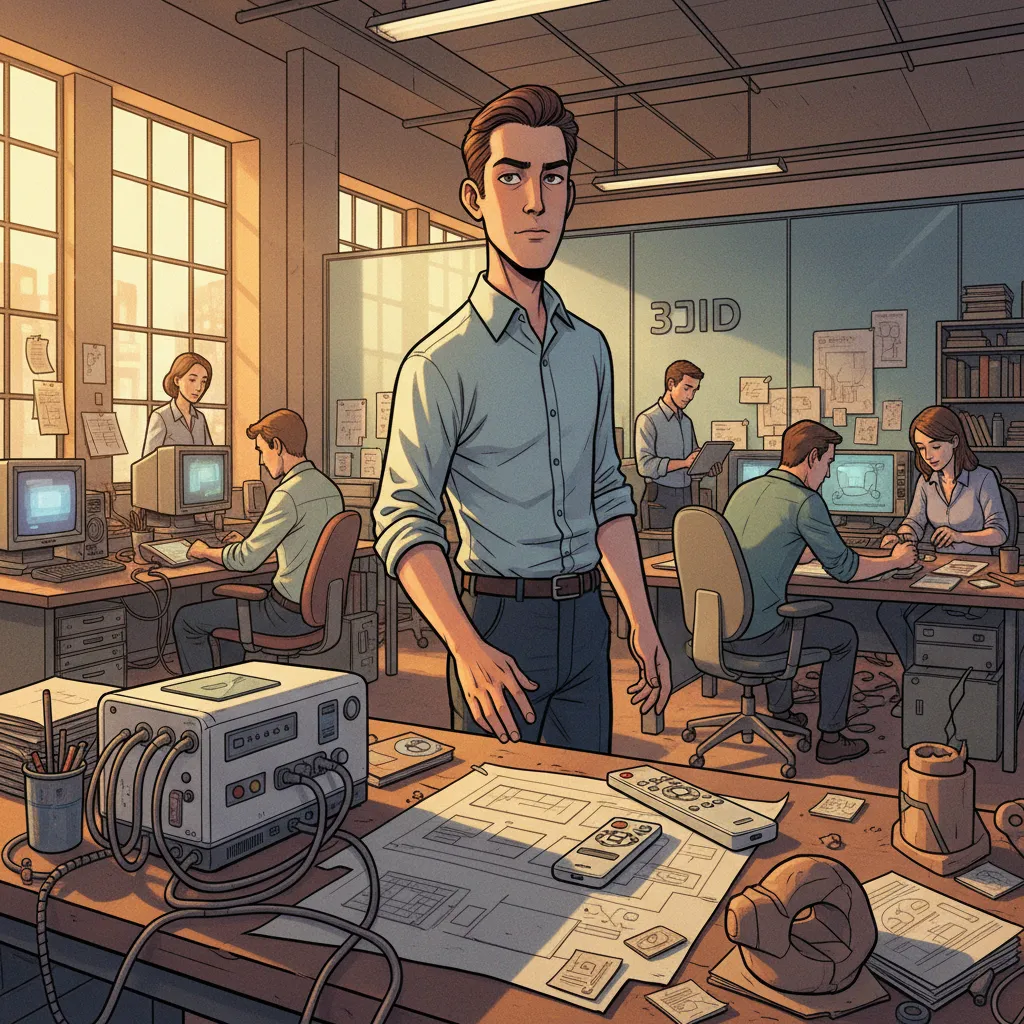
After graduating from RISD in 2004, Chesky took a conventional industrial design job at 3DID, a small firm in Los Angeles. He designed medical devices, consumer electronics, and corporate office products. It paid decently. It was boring.
He grew miserable. The work was technically interesting but spiritually dead. Chesky wanted to build something he actually believed in, and nothing he was asked to design at 3DID qualified. He spent his evenings reading biographies of Walt Disney and Steve Jobs, highlighting passages about creative courage, and wondering why his own life looked so cautious.
In September 2007, Joe Gebbia called from San Francisco. Gebbia had started a small online venture selling cushion-top seat pads for college students and was looking for a roommate. Chesky quit his job, loaded his car, and drove north. He arrived in San Francisco with no plan, almost no savings, and a vague hope that being near Gebbia would finally jolt him into doing something meaningful.
Two months later, their rent came due. Neither of them had the money. The idea for Air Bed and Breakfast was born out of pure financial desperation.
🥣 Chapter 3: Obama O’s and Cap’n McCain’s
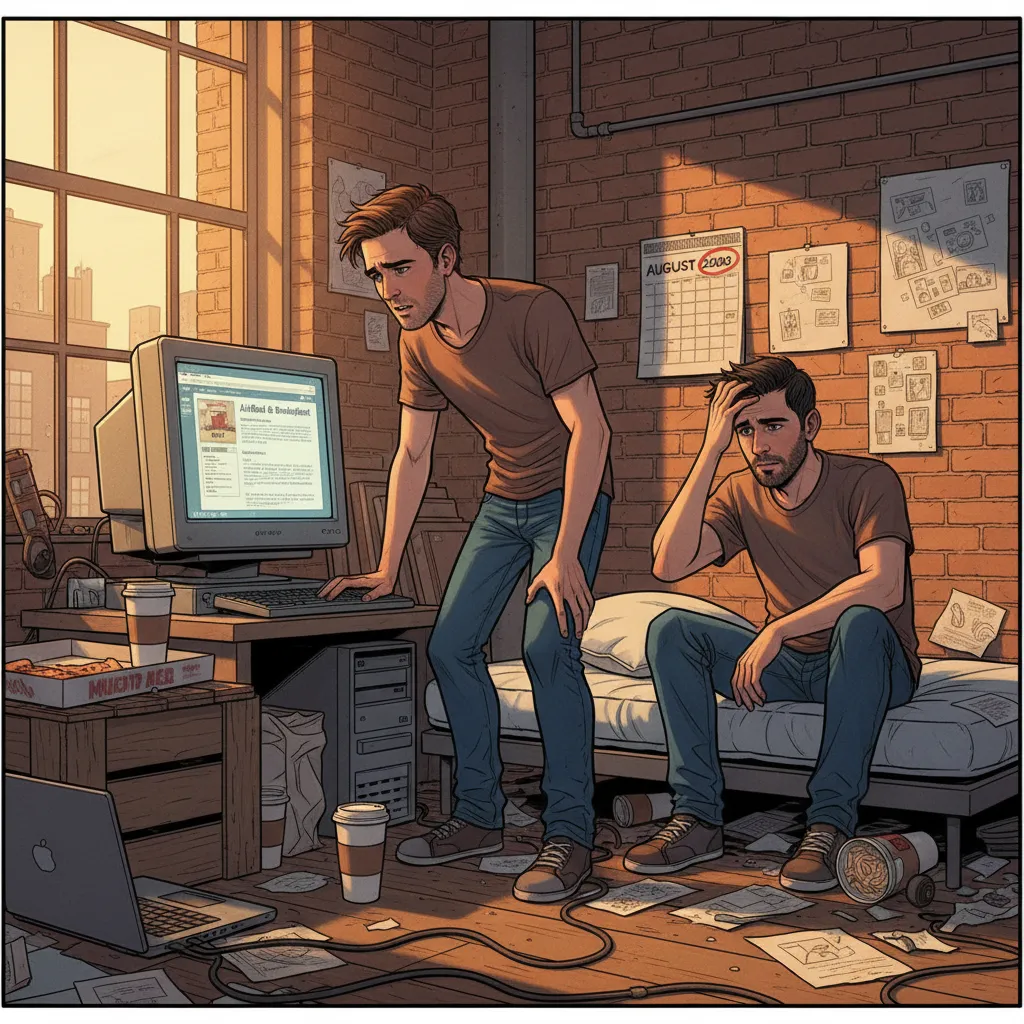
The airbed weekend worked. Chesky and Gebbia each made $240. But turning a one-off experiment into a real company proved agonizingly difficult. They launched a proper version of the site in August 2008, renamed Airbedandbreakfast.com, and invited their college friend Nathan Blecharczyk to join as the technical co-founder.
The launch was a failure. Almost nobody signed up. Most of the tech press ignored them entirely. Investors they pitched were dismissive. One venture capitalist famously told Chesky that the idea was “not a business I want to invest in” — a rejection Chesky later kept framed on his office wall.
The founders were running out of cash. They racked up personal credit card debt that would eventually total around $25,000. They couldn’t pay rent consistently. They couldn’t pay themselves at all.
In a moment of pure entrepreneurial desperation, Chesky and Gebbia hit on an absurd idea. It was August 2008 — the height of the Obama vs. McCain presidential campaign. Political-themed everything was selling. So the founders bought bulk cereal, designed custom cardboard boxes, and launched two novelty cereal brands: Obama O’s (“The Breakfast of Change”) and Cap’n McCain’s (“A Maverick in Every Bite”). They hand-assembled roughly 1,000 boxes in their apartment and sold them for $40 each.
The cereal made them about $30,000 in cash. It was enough to keep the company alive. Years later, Chesky would say that the cereal-making weekend was the moment he understood what being a founder actually meant: it meant doing whatever absurd, undignified, exhausting thing the situation demanded, and doing it without complaint.
🌟 Chapter 4: Y Combinator and Paul Graham
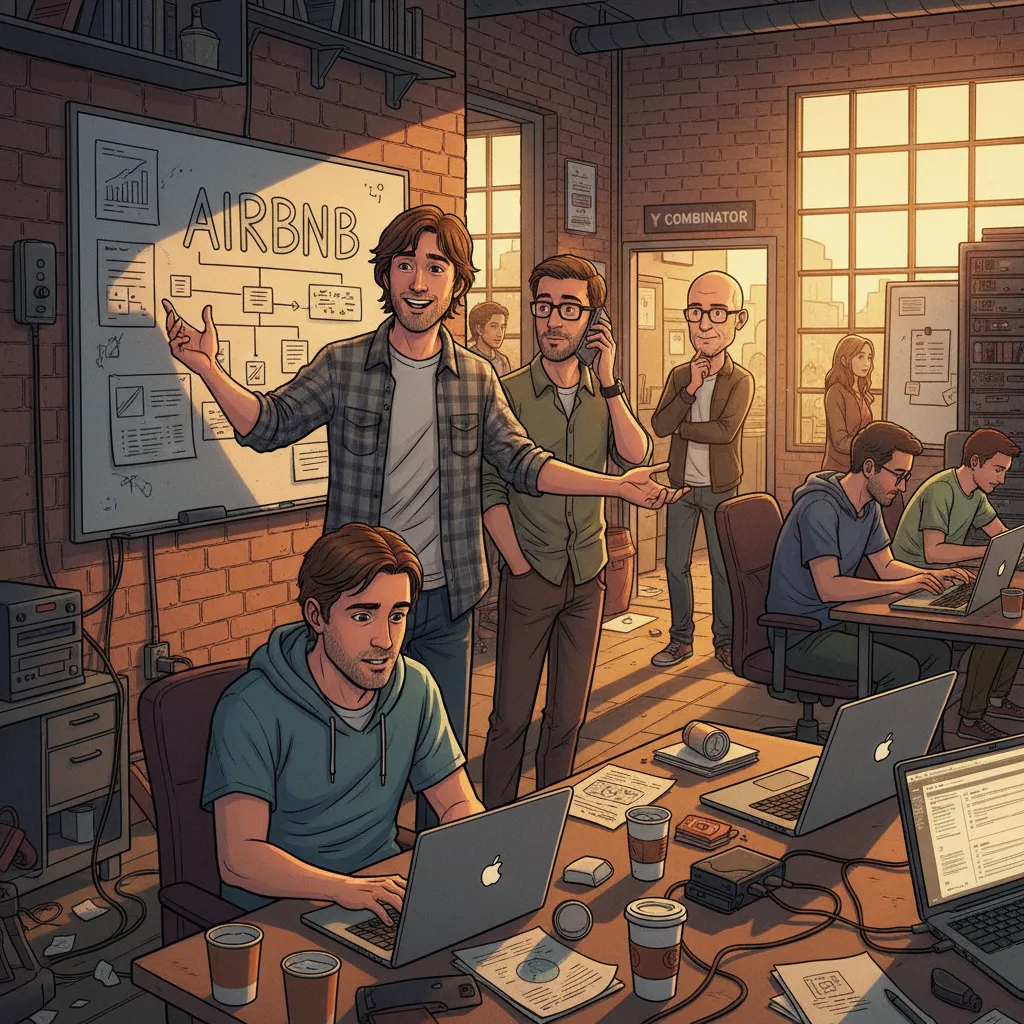
In January 2009, Airbnb was accepted into the winter batch of Y Combinator, the legendary Silicon Valley startup accelerator run by Paul Graham. The founders moved to Mountain View and began working out of YC’s offices under Graham’s direct mentorship.
Graham gave them the single most famous piece of advice in Airbnb’s history: “Do things that don’t scale.” The three founders, he said, should stop trying to build a perfect automated platform and instead fly to their biggest market — New York City — and meet every single one of their hosts in person. Take photos of their apartments with a professional camera. Ask them what they needed. Fix things one host at a time.
Chesky and Gebbia flew to New York the next weekend. They knocked on doors. They photographed living rooms. They learned that many hosts had no idea how to describe their apartments, price them, or make them appealing to travelers. Professional photography alone doubled the bookings of the apartments they visited. Unscalable effort was generating data that would eventually power every part of the company.
Y Combinator Demo Day in March 2009 was a turning point. Airbnb pitched and finally attracted real investor interest. Sequoia Capital’s Greg McAdoo led a $600,000 seed round. The company moved out of YC with money in the bank for the first time, a clear hypothesis for growth, and a product that was finally starting to work.
📈 Chapter 5: The Hockey Stick
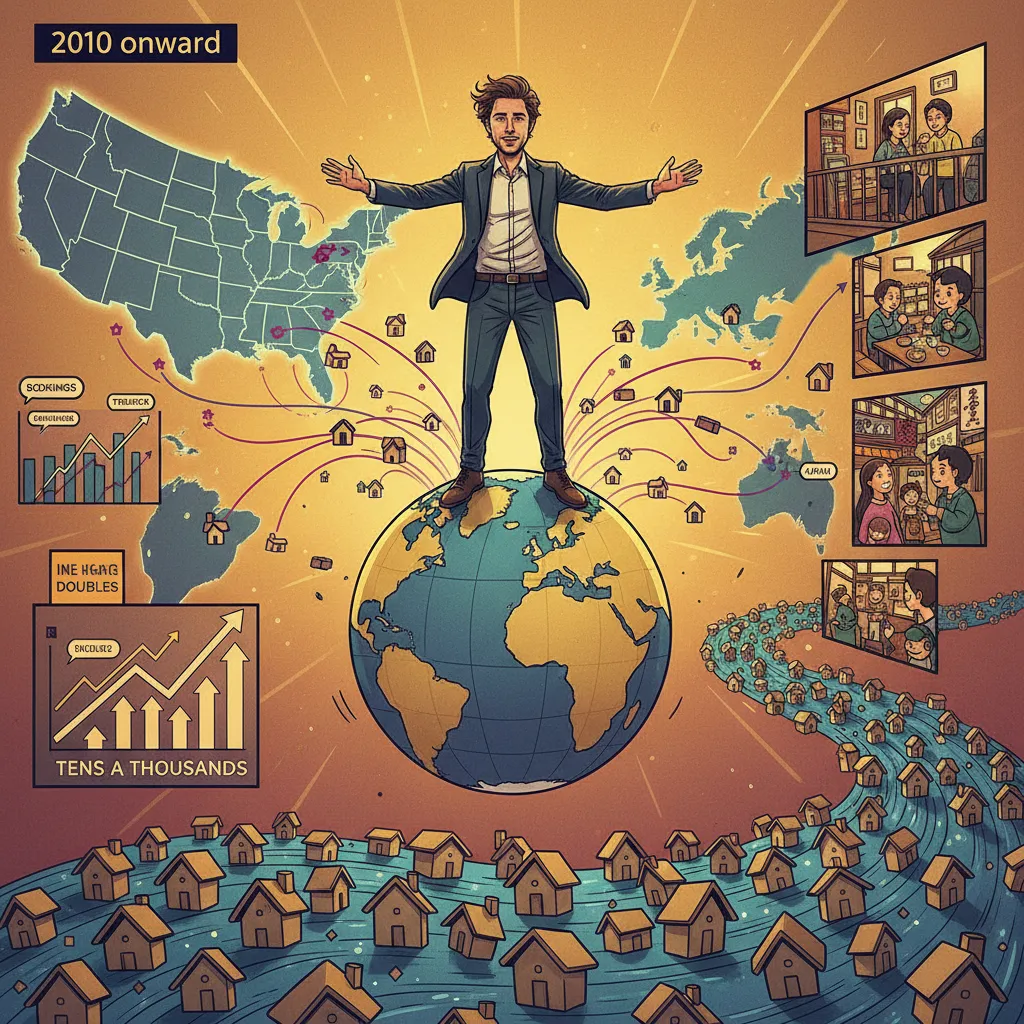
From 2010 onward, Airbnb grew exponentially. Bookings doubled, then tripled, then doubled again. The company expanded from the U.S. to Europe, Latin America, and Asia. Listings grew from tens of thousands to hundreds of thousands to millions.
The growth attracted bigger investors. In 2011, Airbnb raised a $112 million Series B led by Andreessen Horowitz, valuing the company at over $1 billion. It was, at the time, one of the fastest-ever paths to unicorn status. By 2015, Airbnb was valued at $25 billion — more than Marriott International, then the world’s second-largest hotel chain.
Brian Chesky became a celebrity founder. He gave talks at Stanford. He appeared on magazine covers. He was profiled as the friendly, design-obsessed, slightly nerdy anti-Travis-Kalanick of the sharing economy. Where Uber was all elbows and aggression, Airbnb was all warmth and community.
It was, to some extent, a myth. Airbnb had its own share of ugly moments — discrimination lawsuits, regulatory battles, tragic incidents at properties. But Chesky’s personal story and his public demeanor helped the company maintain a friendlier brand than most of its tech-industry peers.
🏛️ Chapter 6: The City Wars
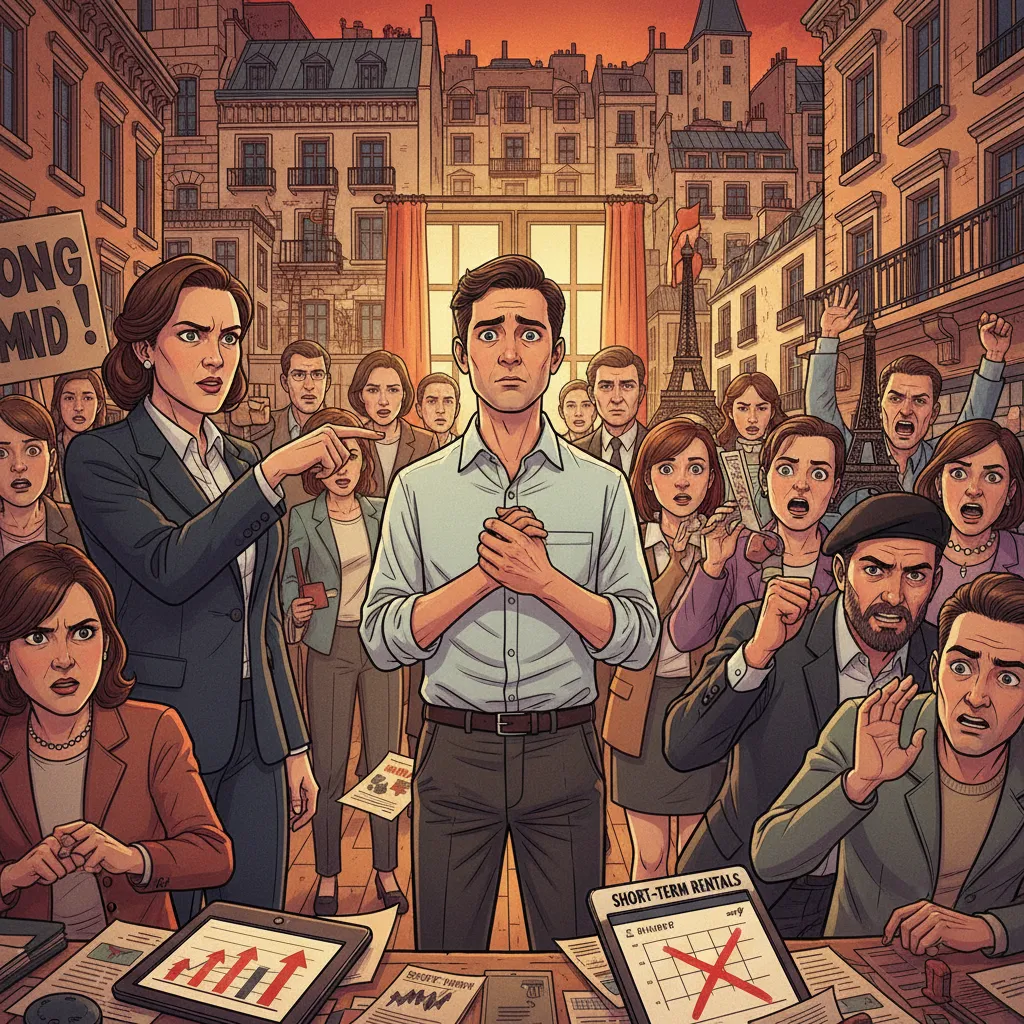
As Airbnb grew, cities started fighting back. Short-term rentals were taking housing units off the long-term rental market, driving up rents, and angering residents. Regulators in New York, Paris, Barcelona, Amsterdam, San Francisco, and dozens of other cities began passing strict laws limiting or banning Airbnb-style rentals.
Chesky found himself running a company that was essentially in constant low-grade warfare with local governments around the world. Airbnb hired lobbyists, mobilized hosts for political campaigns, and sued city governments repeatedly. The company spent hundreds of millions of dollars on legal and regulatory battles.
Some cities won. Others lost. Barcelona limited Airbnb listings dramatically. New York required strict host registration that effectively eliminated short-term rentals in the city. Paris imposed a 120-day-per-year cap. San Francisco forced its own hometown company into compliance with new registration rules.
The regulatory wars taught Chesky a hard lesson about scale. At a certain size, you are no longer a startup disrupting an industry. You are a quasi-governmental entity that must negotiate with actual governments, and the negotiations will never end.
🦠 Chapter 7: The Pandemic Collapse
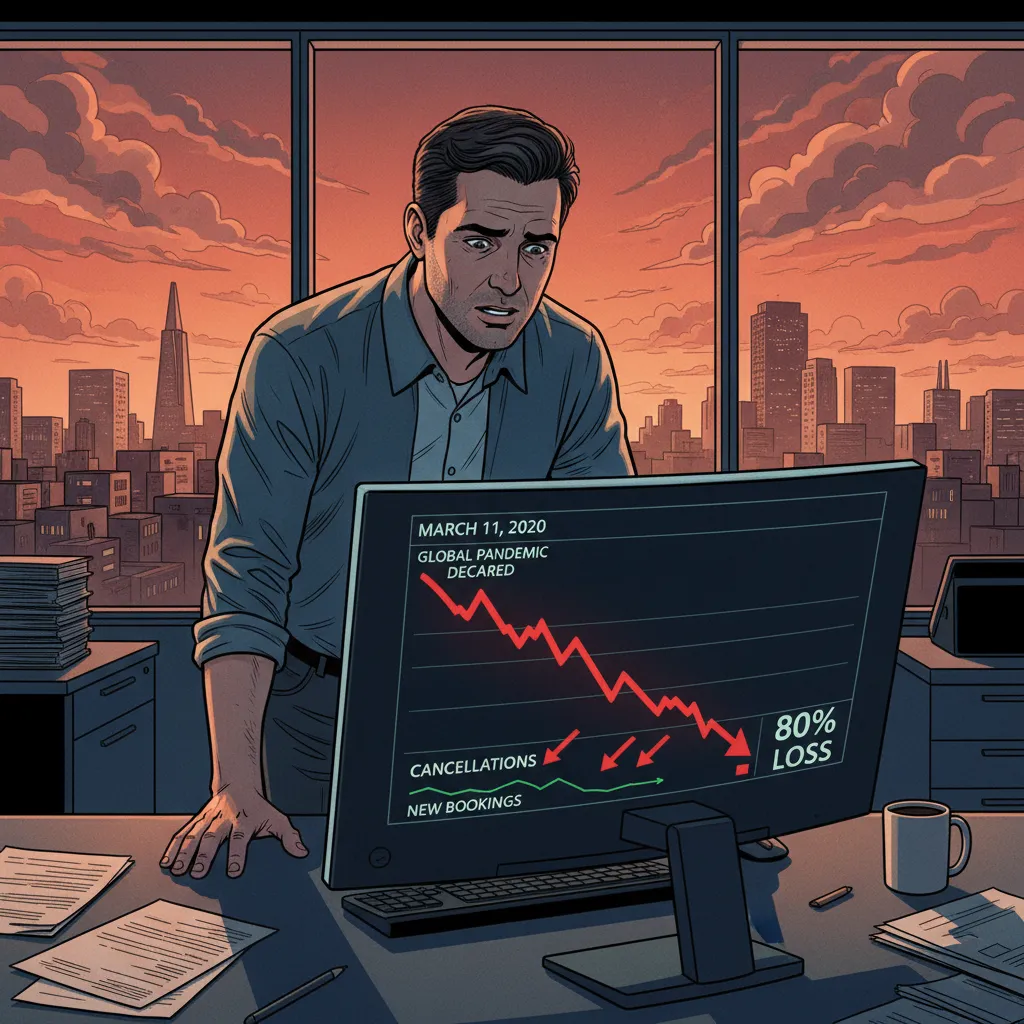
On March 11, 2020, the World Health Organization declared COVID-19 a global pandemic. Within days, Airbnb’s booking revenue collapsed by roughly 80%. Cancellations outpaced new bookings. The company’s cash reserves, which had felt enormous weeks earlier, suddenly looked fragile.
Chesky faced the hardest decisions of his career in a compressed span of weeks. He raised $2 billion in emergency debt from Silver Lake and Sixth Street Partners at harsh terms. He postponed Airbnb’s planned IPO indefinitely. And on May 5, 2020, he laid off 1,900 employees — roughly 25% of the company.
The layoff announcement became legendary in corporate America. Chesky wrote a long, deeply personal letter to all Airbnb employees in which he took full personal responsibility for the situation, explained exactly what mistakes the company had made, and then outlined an unusually generous severance package: 14 weeks of base pay plus one additional week for every year of service, a full year of health insurance, equity vesting acceleration, and — most unusually — a public alumni directory and personal reference service from senior Airbnb leadership for anyone who wanted help finding their next job.
The letter went viral. HR leaders around the world held it up as an example of how to lay people off with dignity. Chesky absorbed some of the pain personally and openly. Business schools immediately began teaching the layoff as a case study.
💎 Chapter 8: The IPO Miracle
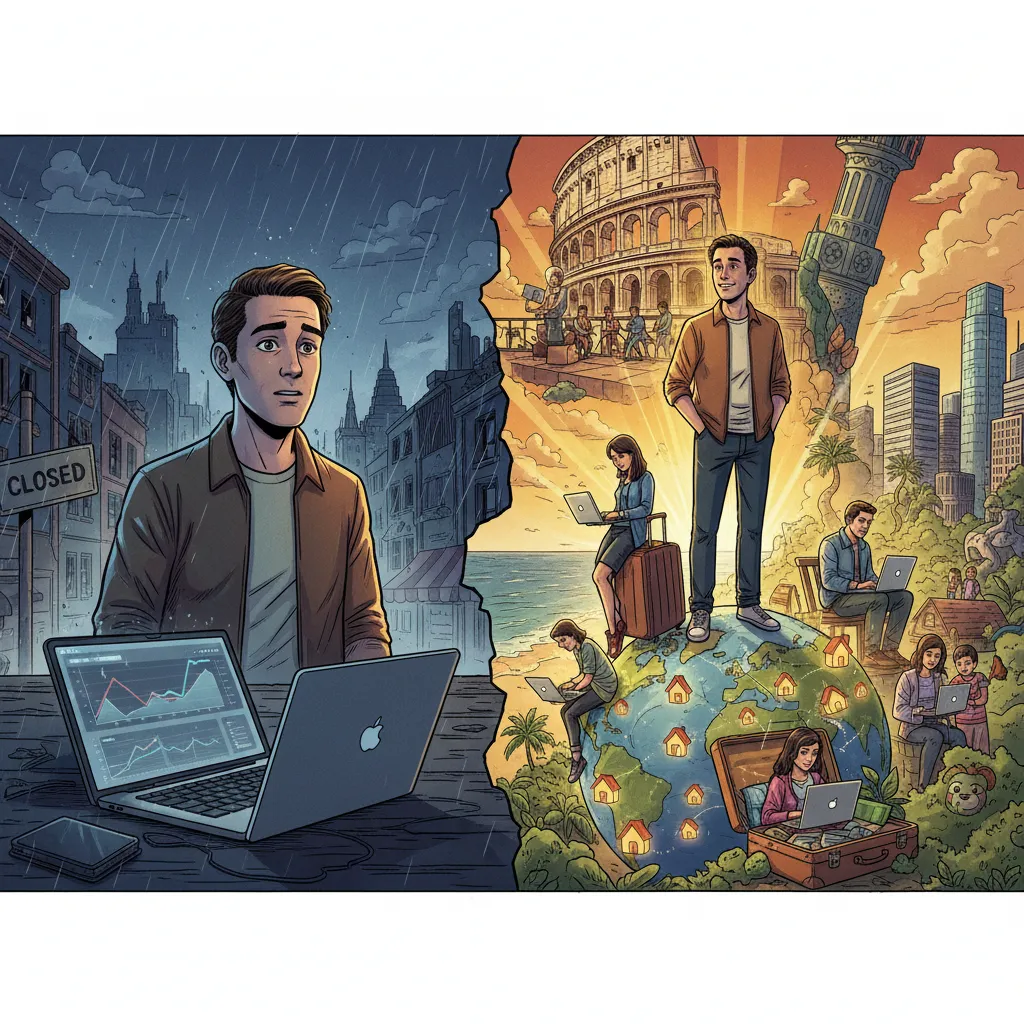
Then something remarkable happened. As COVID-19 reshaped the world, people discovered that remote work allowed them to live in different places. Airbnb’s business didn’t die — it transformed. Instead of short weekend trips, people started booking month-long stays in small towns, beach houses, and mountain cabins. Airbnb’s listings in rural areas exploded. Bookings for stays of 28 nights or longer became one of the fastest-growing segments of the business.
By the summer of 2020, Airbnb’s revenue was recovering. By the fall, it was growing again. On December 10, 2020, Airbnb went public on the Nasdaq. The IPO was priced at $68 per share. The stock opened at $146 — more than double the IPO price — and closed the first day at $144.71, valuing Airbnb at roughly $100 billion.
It was one of the most successful IPOs of the year. Chesky, Gebbia, and Blecharczyk all became multi-billionaires on paper. The three founders who had once eaten cereal they’d designed themselves were now running one of the most valuable consumer technology companies in the world.
Chesky later said that the emotional contrast between the layoffs in May and the IPO in December was almost too much to process. “In one year,” he told a magazine, “we had the worst moment of our company and the best moment of our company.”
🧑💼 Chapter 9: Founder Mode
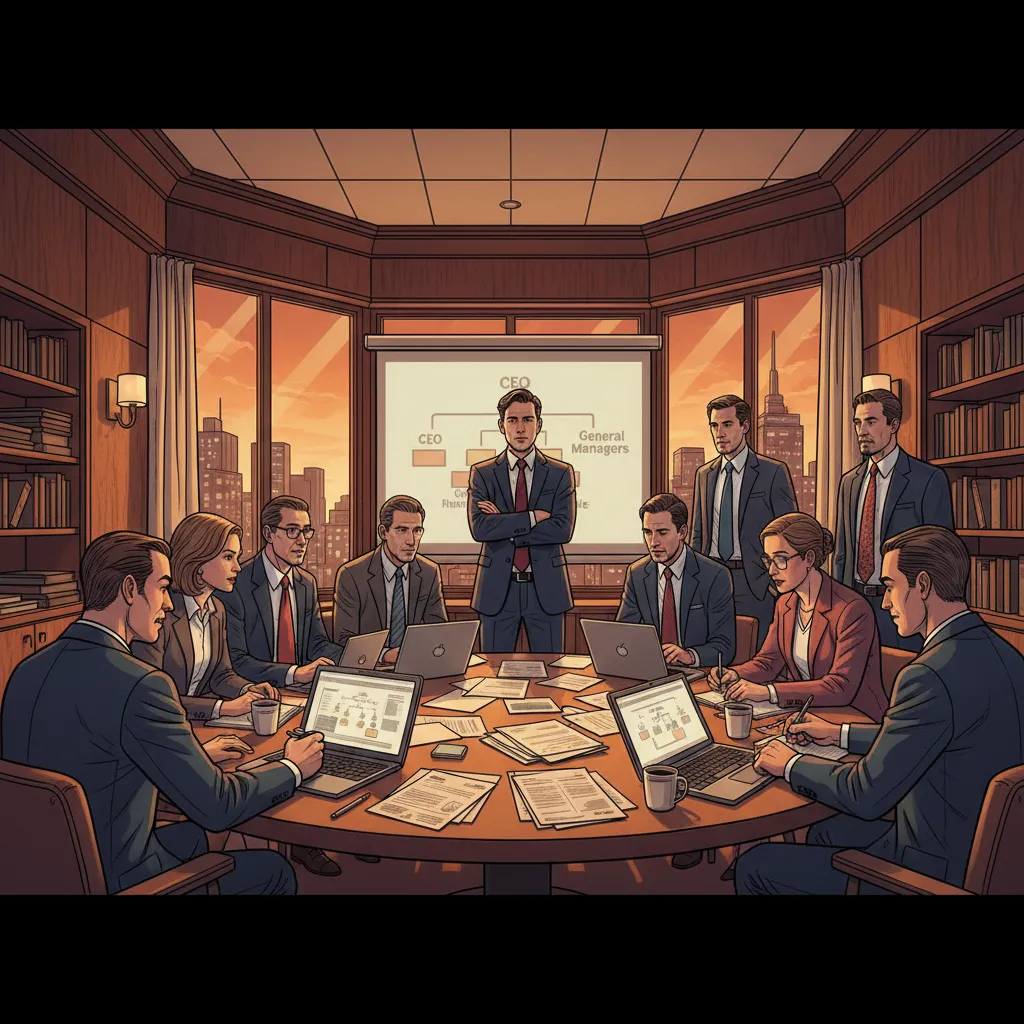
After the IPO, Chesky began openly questioning the conventional wisdom about how to run a large tech company. For years, the standard advice for CEOs had been to hire strong general managers, delegate aggressively, and avoid micromanaging product details. Chesky decided to do the opposite.
He eliminated most traditional general manager roles at Airbnb. He ran the company in what he later described as a “Steve Jobs-style” top-down product mode, with himself personally driving design reviews, brand decisions, and product roadmaps. He cut reports, compressed layers, and sat in on small-team meetings that most CEOs would delegate.
The approach became famous in 2024 when Paul Graham published an essay called “Founder Mode” describing Chesky’s leadership style and arguing that it represented a valid and underappreciated alternative to the traditional “manager mode” playbook. The essay went viral. Within weeks, founders around Silicon Valley were publicly adopting — or claiming to adopt — Founder Mode. Some of them made it work. Some of them crashed their companies into walls. Chesky became, somewhat unexpectedly, the patron saint of a new management philosophy.
✨ Chapter 10: Reinventing the Product
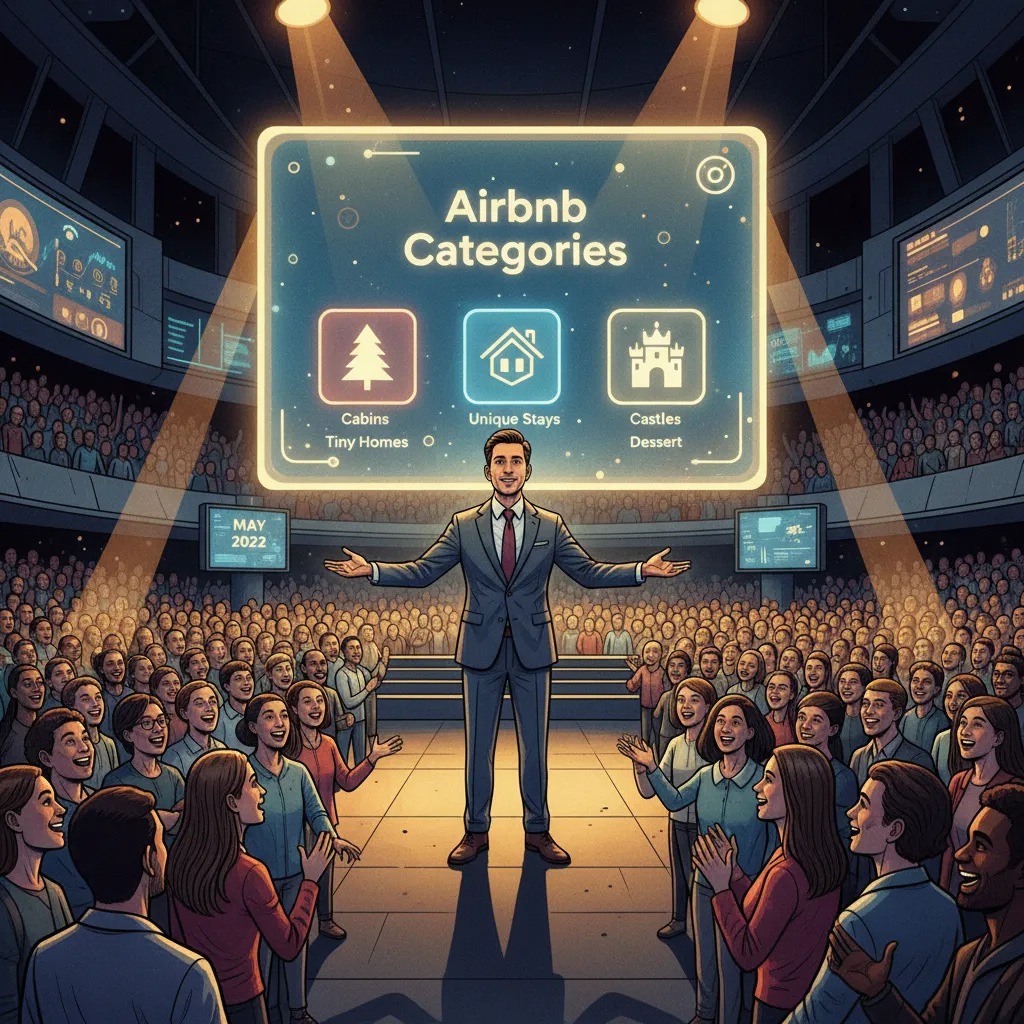
In May 2022, Chesky announced the biggest product overhaul in Airbnb’s history. He called it “Airbnb Categories” — a redesign of the entire app around curated property types (cabins, tiny homes, castles, treehouses, vineyards) rather than traditional destination-based search.
The redesign was a Chesky-driven decision from top to bottom. He had reportedly worked on the new app personally, flying the entire Airbnb product team into his house for multi-day whiteboard sessions. The bet was that travelers didn’t actually know where they wanted to go — they wanted to be inspired by unusual properties, then pick a date and book.
The launch worked. Bookings for unique property types grew rapidly. Airbnb’s brand sharpened around the idea that it offered something no hotel could: the ability to sleep in a treehouse, a lighthouse, or a retired Boeing 747 for a weekend.
Chesky followed up with “Icons” — a product line of absurdly aspirational one-time experiences like spending a night in the Barbie Dreamhouse, in Prince’s Purple Rain house, or inside the Ferrari Museum. Critics rolled their eyes. Travelers loved it. Icons generated enormous press coverage and reinforced Airbnb’s brand as the platform for experiences money usually can’t buy.
💼 Chapter 11: A CEO Between Worlds
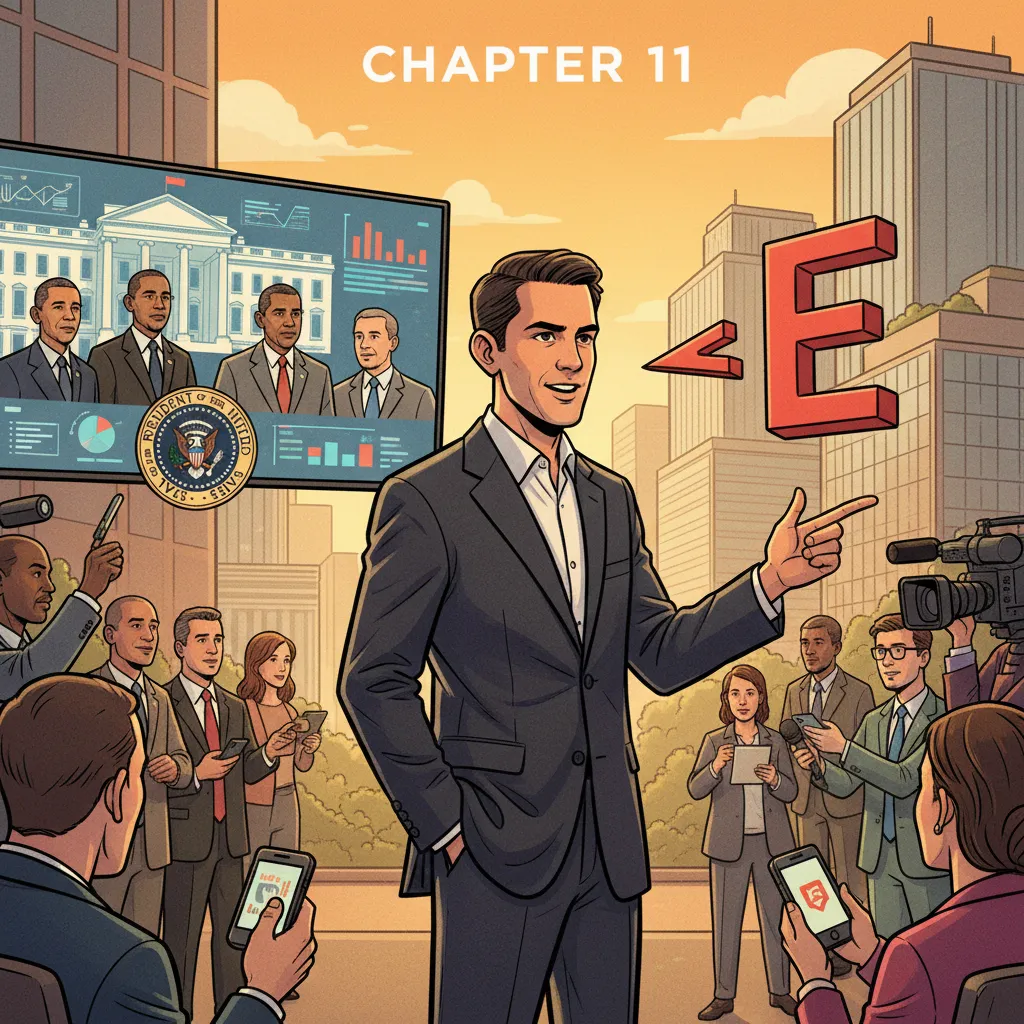
By 2025, Brian Chesky had become one of the most public CEOs in Silicon Valley — and a surprisingly influential one. He advised the Obama White House on pandemic response. He publicly disagreed with Elon Musk and Mark Zuckerberg on corporate management philosophy. He spoke at design schools, at fashion weeks, at business conferences, and at small private founder dinners around the world.
He was also increasingly involved in public discussions about AI, ethics, and the future of work. He positioned Airbnb as a careful user of AI rather than a breathless evangelist, integrating large language models into customer service, trust and safety, and host onboarding while avoiding dramatic public AI pivots.
Chesky’s personal brand — calm, thoughtful, design-obsessed, self-critical — stood in sharp contrast to the louder founders of his generation. He became the go-to case study for a different archetype of tech CEO: someone who could run a public company with the aesthetic sensibility of a product designer without losing either the operational discipline or the business judgment required to keep a $90 billion company growing.
🌅 Chapter 12: The Ledger
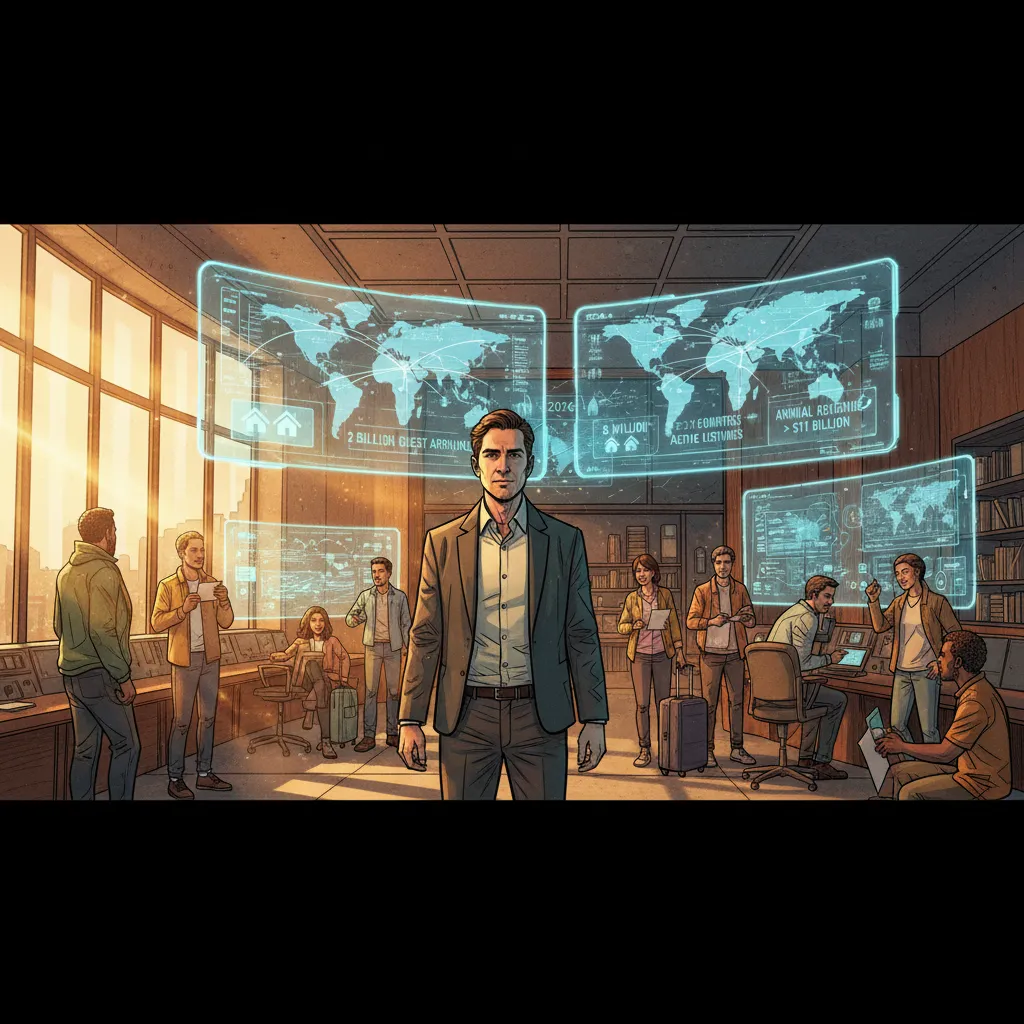
As of early 2026, Airbnb has hosted over 2 billion guest arrivals in more than 220 countries and regions. The company has roughly 8 million active listings. Its annual revenue exceeds $11 billion. Its market capitalization is approximately $90 billion. Brian Chesky’s personal net worth is estimated at around $11 billion.
He has pledged, via the Giving Pledge, to donate the majority of his wealth during his lifetime. He has publicly stated that he does not want his children — or any future children — to inherit a dynasty. He still lives in a modest house in the Hollywood Hills of Los Angeles. He still flies commercial for most trips, though he does occasionally charter private for specific work itineraries. He still draws in sketchbooks on weekends.
The three broke roommates who once inflated airbeds in a Rausch Street apartment have, collectively, created one of the most influential consumer technology companies of their generation. The company they built has disrupted an industry that most business school graduates believed was impossible to disrupt. The hotel oligopoly that ran the lodging world in 2007 has been permanently changed by three designers who could barely afford rent.
Brian Chesky is now 44 years old. He has said, many times, that he doesn’t know what the next fifteen years of his life will look like. He only knows that he intends to keep building, keep drawing, and keep asking the same question he asked himself on that first airbed weekend in 2007: what is the most absurd, most beautiful, most stubbornly unreasonable thing he could try to create next?
💡 Key Insights
- ▸ Chesky's 'do things that don't scale' philosophy — flying to New York, knocking on hosts' doors, photographing their apartments personally — is the most important founder lesson of the 2010s. Unscalable early effort creates the data you need to eventually scale.
- ▸ The decision to hire every early engineer personally and reject anyone who wasn't obsessively mission-aligned is why Airbnb survived the COVID-19 collapse. Culture is not decoration — it is your disaster insurance.
- ▸ The design-first founder archetype that Chesky pioneered — neither an engineer nor an MBA but an industrial designer with a cinematic eye — became the template for a wave of later founders including Figma's Dylan Field and Linear's Karri Saarinen.
- ▸ Airbnb's 2020 pandemic pivot — cutting 25% of staff in a single announcement with full severance, health care, equity, and personal references — became a master class in how to lay people off without destroying your employer brand.
- ▸ Chesky's post-IPO move to an almost-Jobsian 'Founder Mode' leadership style — skipping intermediate layers, driving product details personally, eliminating traditional general managers — is currently the most copied management philosophy in Silicon Valley.