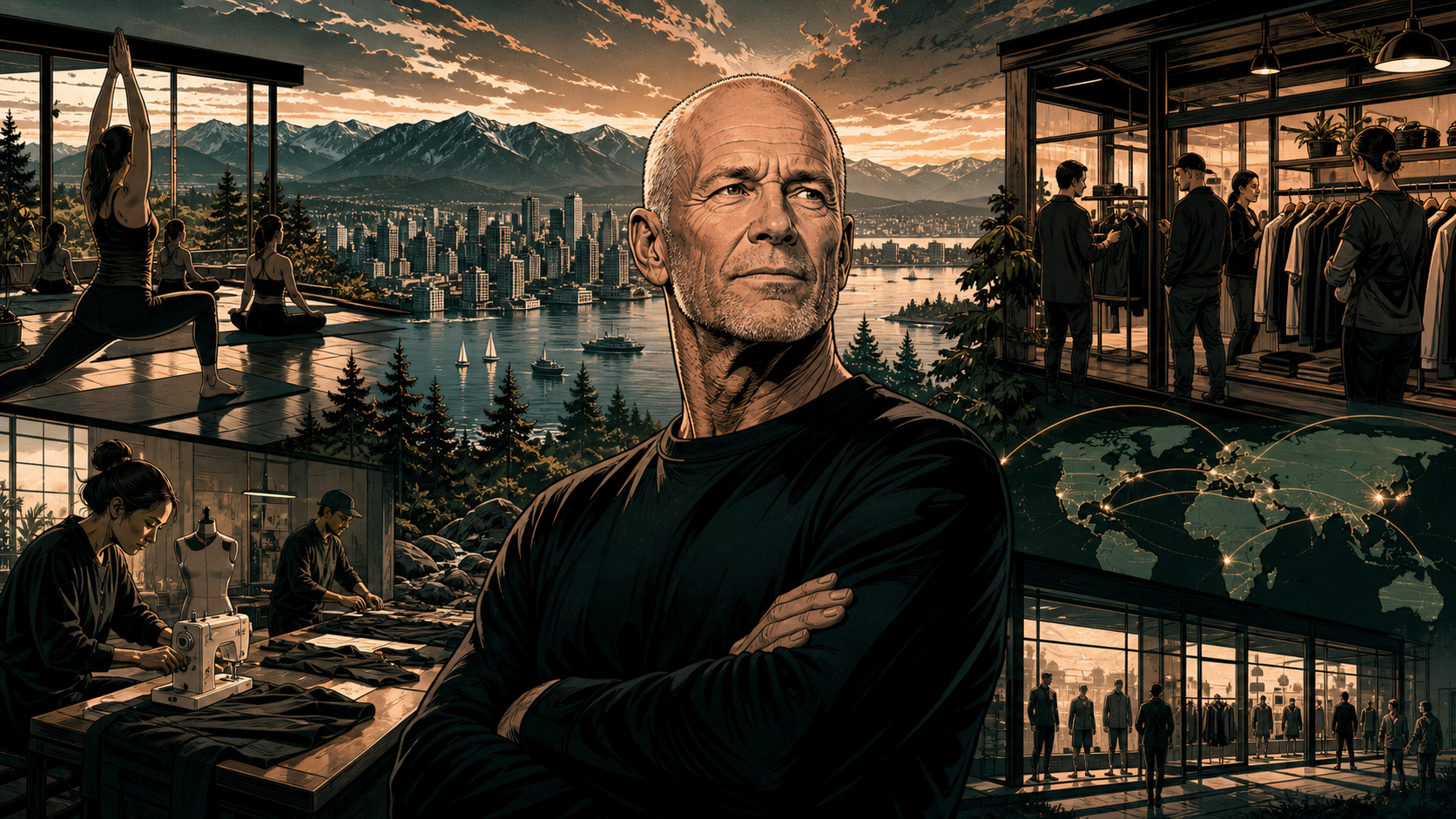
Brunello Cucinelli: Building Luxury Around Humanistic Capitalism
Brunello Cucinelli turned colorful cashmere into a global luxury house while making restored villages, craftsmanship, and human dignity part of the operating model.
View all stories about this mogul
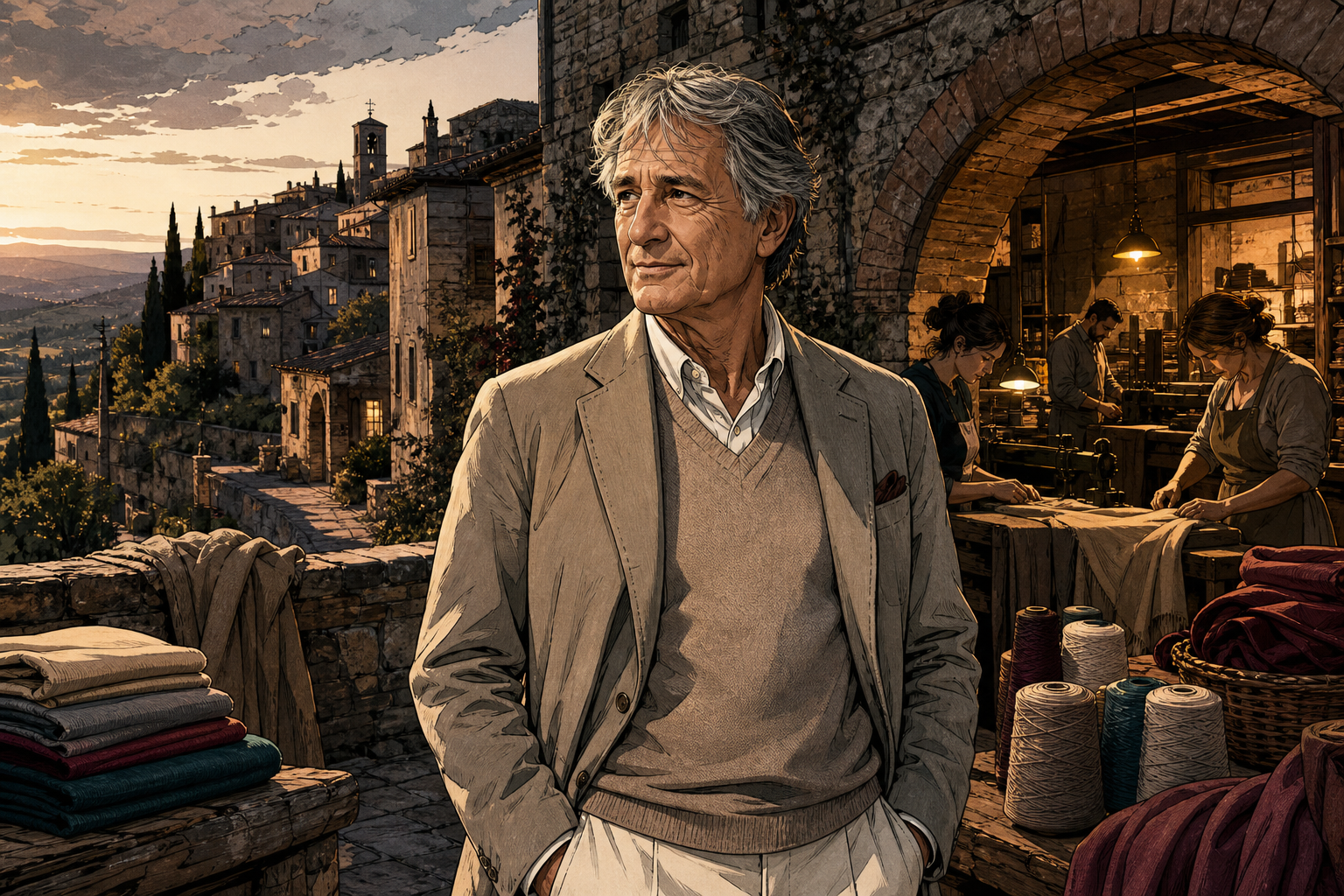
Brunello Cucinelli did not build a luxury company by chasing the loudest logo. He built one by making restraint, place, and dignity visible in every part of the business.
The Italian entrepreneur’s rise began with a simple product insight: cashmere could be colorful, contemporary, and casual rather than confined to conservative wardrobes. The larger achievement came later. Cucinelli connected that product to the restored Umbrian village of Solomeo, a network of specialist makers, disciplined distribution, and a philosophy he calls humanistic capitalism.
That philosophy can sound romantic. The business test is whether it creates an organization capable of designing, producing, and selling expensive goods across cycles. Cucinelli’s career shows how an ideal becomes commercially powerful when it is translated into choices about inventory, workplaces, growth, and control.
How did colorful cashmere become Brunello Cucinelli’s opening?
Cucinelli was born in 1953 near Perugia and grew up in a farming family. He has often described watching his father return from factory work diminished by harsh treatment. The memory became central to his belief that work should support human dignity rather than consume it.
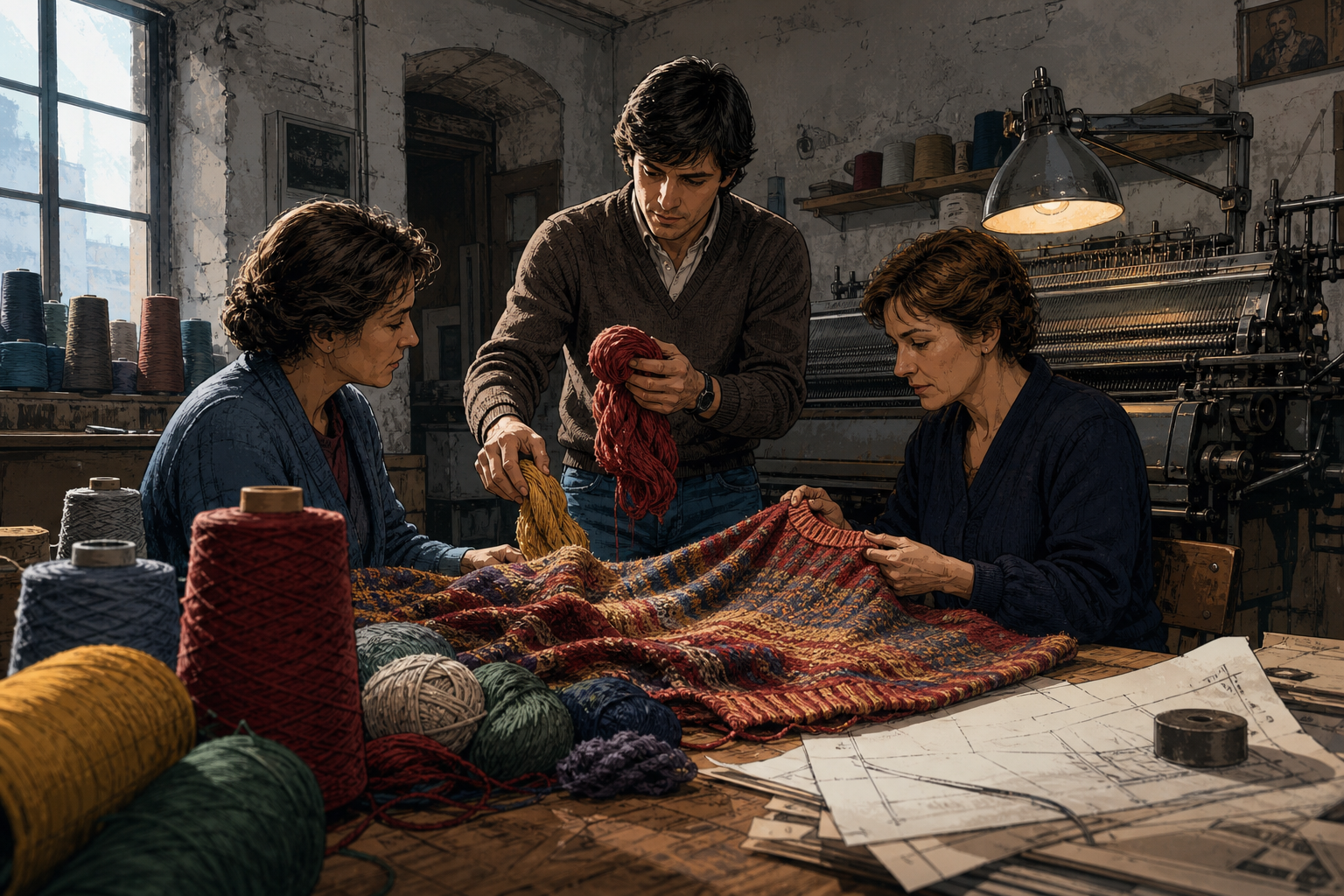
After leaving engineering studies, he looked for a business opportunity in apparel. In 1978, he began producing women’s cashmere sweaters in vivid colors. Cashmere already carried associations of softness and wealth, but much of the market was traditional in cut and palette. Color gave Cucinelli a recognizable wedge without requiring him to invent a new material.
The choice was strategically elegant. A small company could not compete with mass manufacturers on volume, but it could use a precious material to justify care, scarcity, and a higher price. The product was easy to explain and visually distinct. It also connected naturally with Italian knitting expertise.
Early export demand helped validate the idea beyond the domestic market. Cucinelli gradually expanded from knitwear into a complete wardrobe defined by muted luxury, soft tailoring, and materials that rewarded touch. The brand did not depend on a monogram visible across a room. It trained customers to recognize proportion, color, and fabric.
That approach imposed discipline. Quiet products must be excellent because branding cannot cover mediocre construction. It also created a coherent customer promise: comfort without carelessness and status without spectacle.
Why did Solomeo become part of the business model?
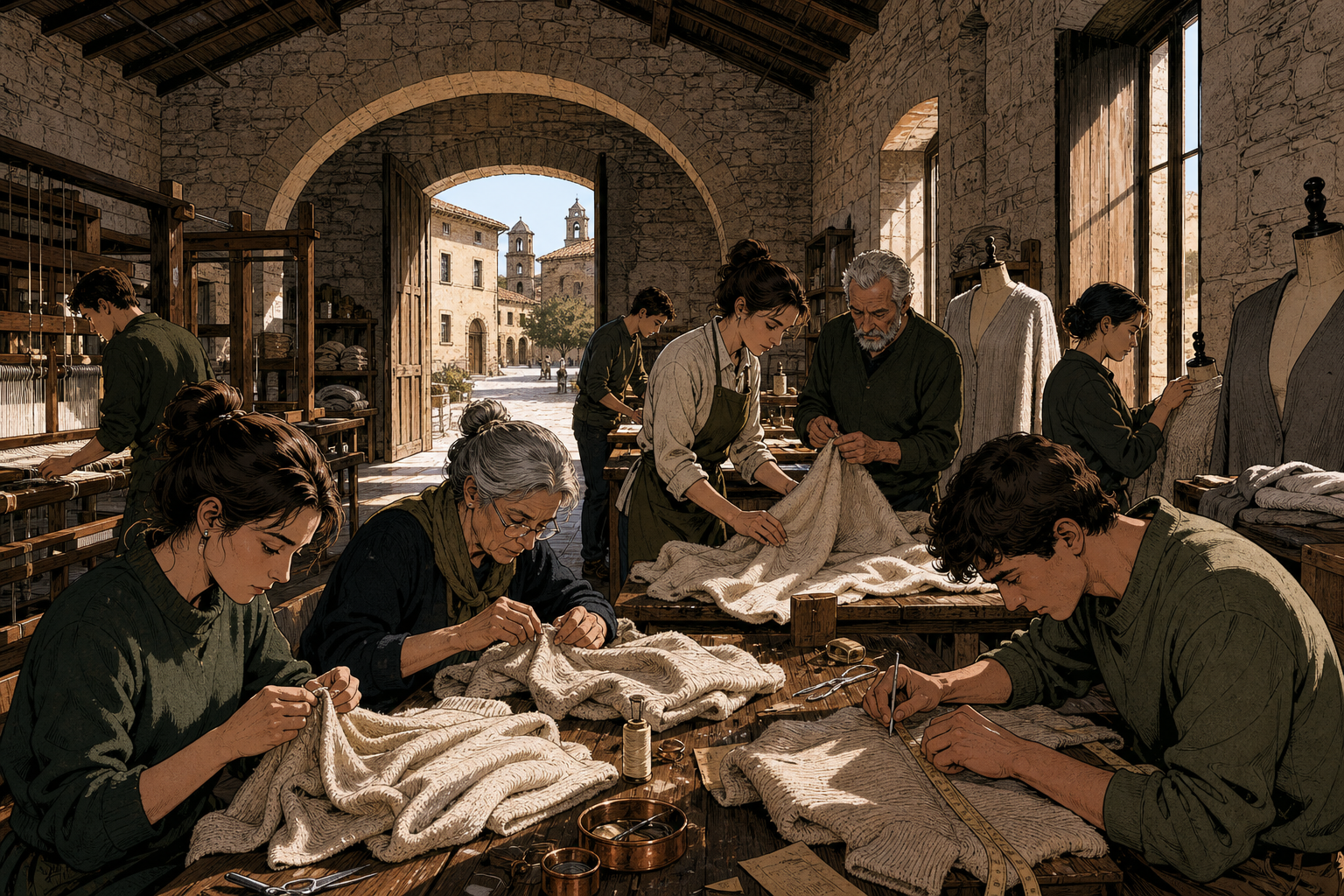
In the 1980s, Cucinelli moved the company’s center to Solomeo, a medieval hamlet near Perugia. He restored buildings, later supported a theater and library, and treated the village as both headquarters and an expression of the company’s values. Solomeo became more than a picturesque backdrop for campaigns. It linked brand identity with an actual place where design, administration, training, and craft could meet.
Place can be a competitive advantage in luxury. Customers are buying provenance as well as function, and employees are participating in a culture rather than occupying a generic office park. A restored village made Cucinelli’s message tangible: beauty, continuity, and stewardship were not limited to clothes.
The company describes workdays and relationships through the language of dignity, fair compensation, and balance. These claims deserve the same scrutiny as any employer’s. Yet the strategic principle is durable: culture becomes credible only when operating choices carry a cost. Restoring buildings, training craftspeople, limiting indiscriminate expansion, and maintaining a premium supply network require capital and patience.
Craft also solves a practical luxury problem. Specialized production depends on skills that can disappear when orders become volatile or younger workers see no future in the trade. Supporting a regional ecosystem and a school of arts and crafts helps preserve the capabilities the product requires.
Solomeo therefore functions at three levels. It is a production and talent cluster, a brand narrative customers can visit, and a governance reminder. Decisions made there are measured against a story the founder has repeated for decades. That consistency raises expectations, but it also makes short-term compromises more visible.
Can humanistic capitalism survive global luxury scale?
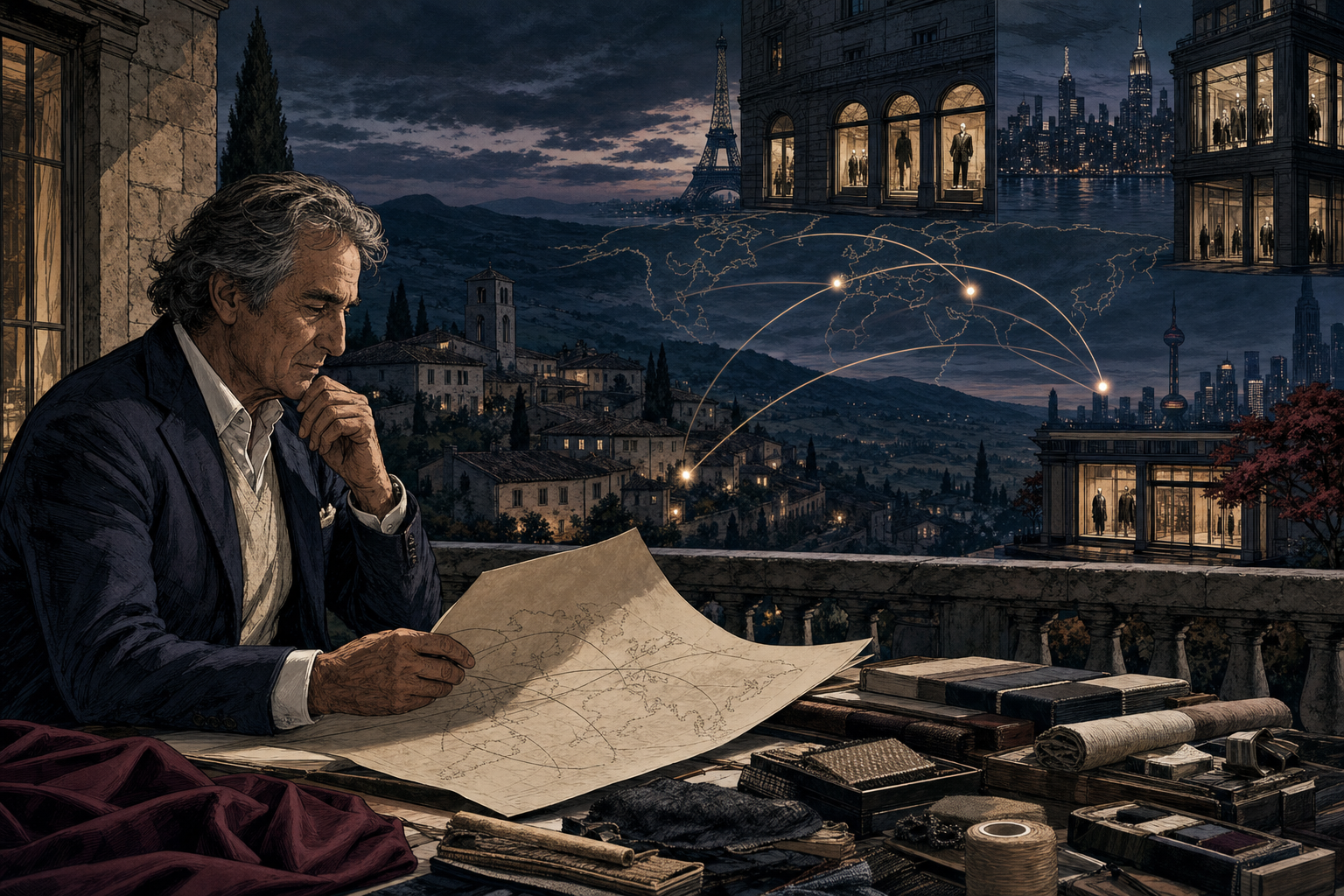
Brunello Cucinelli listed shares in Milan in 2012, gaining access to public capital while the founder retained strong influence. The company expanded boutiques, wholesale relationships, menswear, and lifestyle categories. Growth brought the brand into direct competition with far larger luxury groups that could spend more on property, marketing, data, and supply chains.
Cucinelli’s answer has been controlled positioning. Luxury loses power when too much inventory is pushed into discount channels. The company emphasizes full-price selling, selective distribution, and measured production. This protects the relationship between scarcity and desirability, though it requires accurate demand planning and the willingness to forgo easy volume.
Digital commerce introduced another test. The brand needed convenience and global reach without turning an intimate product into an endless online catalog. Its challenge resembles Solomeo’s: use modern infrastructure without allowing the infrastructure to dictate identity.
Succession is the hardest question for any philosophy attached closely to a founder. Cucinelli has involved family members and executives while discussing governance intended to preserve the company beyond him. But values cannot be protected by quotations alone. Future leaders will have to make unpopular decisions—about prices, wages, suppliers, investors, and growth—that reveal which principles are structural.
The lesson of Cucinelli is not that every company should buy a village or quote ancient philosophers. It is that differentiation becomes durable when it reaches beyond advertising. Product design, supply chain, workplace, capital allocation, and distribution all reinforce the same idea.
Colorful cashmere opened the door. Solomeo made the brand legible. Discipline turned the story into a global business. Humanistic capitalism will earn its name only if the organization continues to honor that architecture when the humanist who designed it is no longer in the room.
💡 Key Insights
- ▸ A premium brand becomes harder to copy when product, place, and management philosophy tell the same story.
- ▸ Scarcity works only when distribution discipline is matched by genuine craft and service.
- ▸ Long-term investment in a community can become operating infrastructure rather than corporate decoration.
- ▸ Founder philosophy creates value only when it survives contact with wages, schedules, suppliers, and succession.