Chip Wilson and Lululemon: Product Insight, Community, and Founder Risk
Chip Wilson saw technical apparel as identity before the category exploded. Lululemon's rise shows both the power and danger of founder-led conviction.
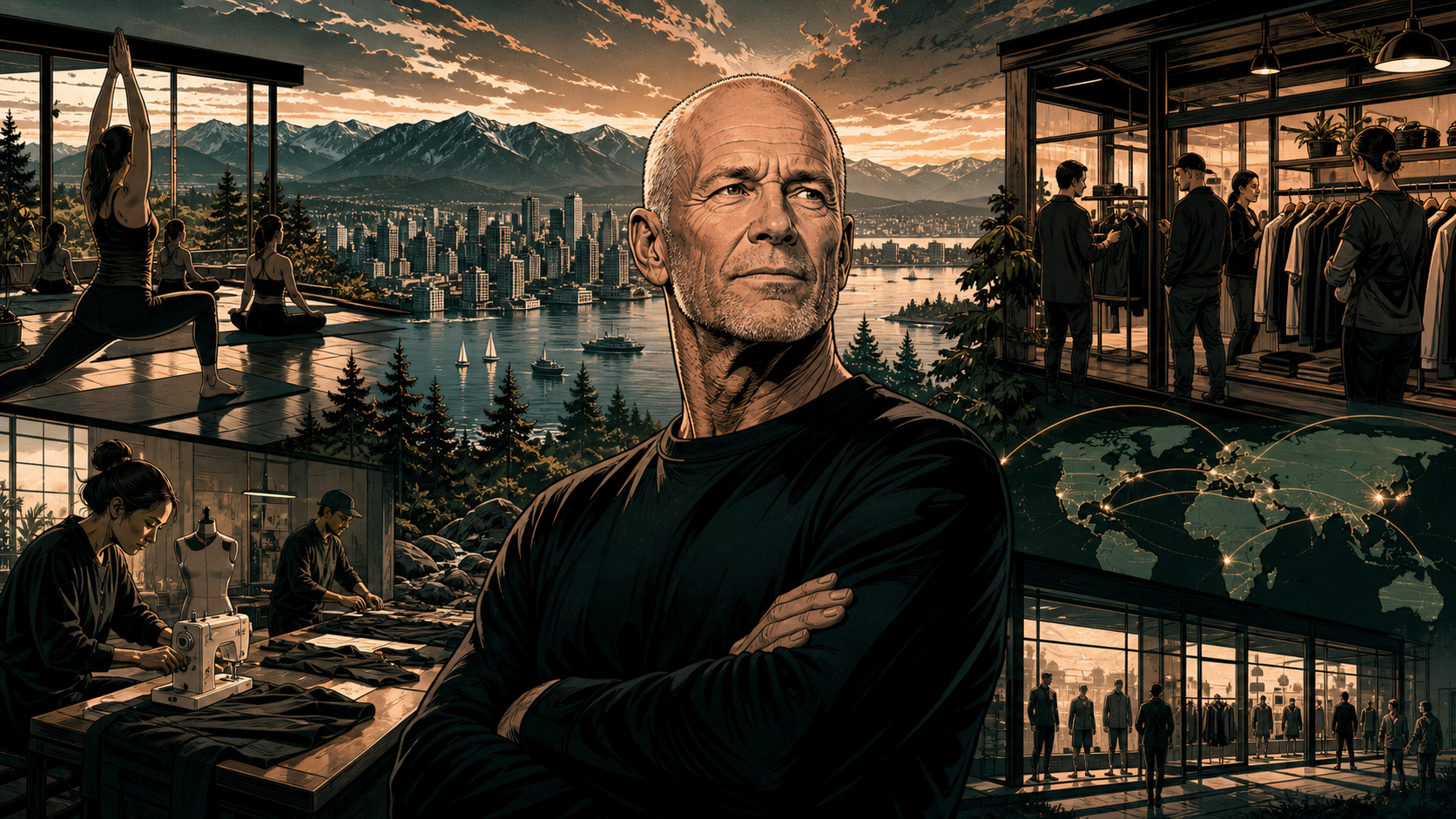
View all stories about this mogul
Chip Wilson did not invent yoga, leggings, or technical fabric. He recognized before most retailers that performance clothing could become a daily identity.
Lululemon’s rise came from an unusually tight loop between product, local community, and premium retail. It also became a case study in how the temperament that creates a category can later threaten the institution built around it.
From Surf and Snow to a Fabric Thesis

Before Lululemon, Wilson built Westbeach around surf, skate, and snowboard apparel. Those markets taught him that active customers notice construction details mainstream fashion overlooks: stretch, seams, moisture, durability, and how a garment moves under stress.
After selling Westbeach, Wilson saw yoga participation growing and found the available clothing inadequate for repeated studio use. The initial insight was narrow. Yoga practitioners needed garments that moved, stayed in place, and felt appropriate beyond the class.
That specificity mattered. Many founders begin with a giant addressable market and a generic product. Wilson began with an opinionated user and a product problem he could observe in person. Technical fabric and fit justified a premium price, while the silhouette carried social meaning outside the studio.
The first Vancouver store opened in 1998. It was not designed as a neutral rack of goods. The location blended retail with space for classes and conversation. That made the store a laboratory. Customers and instructors supplied immediate feedback, while staff learned to explain why one construction choice performed differently from another.
Community Became the Distribution System

Lululemon’s ambassador model placed respected local instructors near the center of the brand. Those relationships created trust more efficiently than mass advertising could have in the early years. Instructors demonstrated the product under real conditions and connected the store to a recurring community.
The stores were cultural nodes as much as sales floors. Scarcity, local events, knowledgeable staff, and distinctive fabrics made the purchase feel participatory. The company was selling technical performance, but also a disciplined, aspirational lifestyle.
This model produced a powerful feedback loop. Community improved product; product strengthened word of mouth; premium margins funded better stores and expansion. As athleisure became mainstream, Lululemon had already trained customers to see leggings as a category worth paying for.
Scale introduced strain. Product quality had to remain consistent across factories and markets. A 2013 recall of overly sheer pants damaged trust and exposed operational weaknesses. Wilson’s public comments during the crisis intensified the backlash and contributed to his departure as chairman.
The episode showed the other side of founder-led positioning. Strong beliefs make a brand legible. Poorly governed expression can make customers feel blamed for the company’s failure.
The Real Lesson

Wilson’s durable contribution was category architecture. He connected technical product design, premium pricing, direct retail, and community before “athleisure” became an obvious global market. The system proved larger than its founder.
That last point matters. A company gains institutional value when the product engine, customer trust, and operating culture can survive leadership conflict. Founder mythology should not substitute for governance.
Lululemon’s story offers two lessons at once. Listen closely enough to a specific community to see a market others dismiss. Then build controls strong enough that the founder’s certainty cannot become the brand’s single point of failure.
💡 Key Insights
- ▸ Category creation starts with a specific unmet use case, not a broad demographic.
- ▸ Community can function as research, distribution, and brand identity at once.
- ▸ Premium pricing needs visible product performance and cultural meaning.
- ▸ Founder candor becomes a liability when it outruns governance and empathy.