James Jannard: How Oakley and RED Turned Obsession Into Two Category Revolutions
James Jannard built Oakley from motorcycle grips, sold a sports icon, then challenged cinema cameras with RED—two empires powered by design obsession.

View all stories about this mogul
James Jannard built two companies that looked as if they had arrived from the future—and began both by obsessing over tactile details established players treated as settled.
Oakley turned a better motorcycle grip into a global eyewear language. RED later promised digital cinema resolution at a price that unsettled a protected professional market. The products were different; the operating instinct was the same: find an enthusiast who feels underserved, overbuild the object, and make the design impossible to confuse with anyone else’s.
How did a motorcycle grip become Oakley?
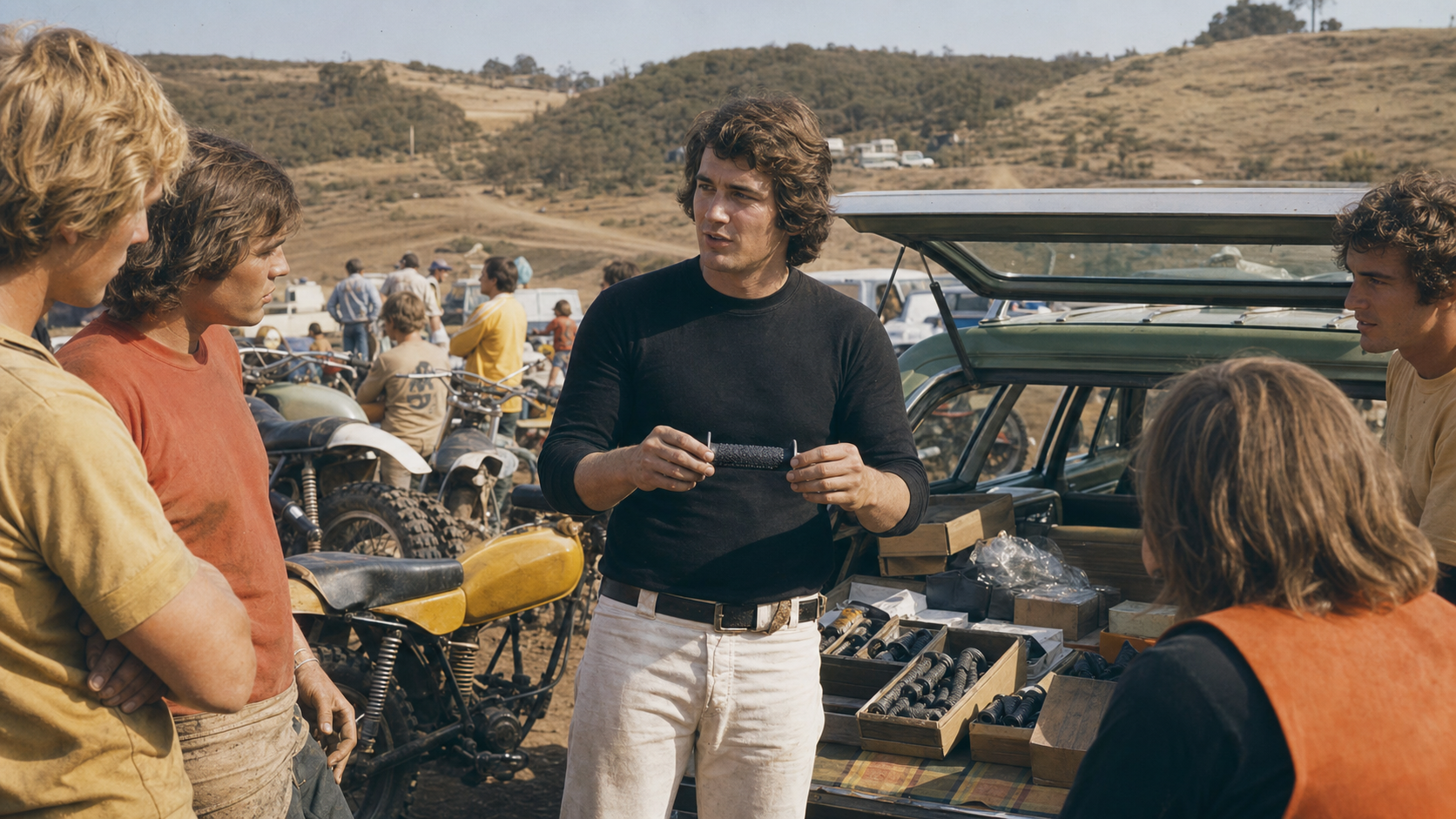
Jannard founded Oakley in 1975 and reportedly began with a small investment, selling motorcycle grips from his car. His proprietary rubber compound and patterned surface attacked a precise problem: control when hands were wet or sweaty. Motocross riders were demanding customers and credible distributors of reputation.
The company expanded into goggles, then sunglasses. Oakley’s wraparound shapes, bright colors, and sculpted frames made technical claims visible. Materials and lens performance mattered, but so did the feeling that the products belonged to athletes, machines, and speed rather than traditional fashion.
That visual system created pricing power. Customers were not buying interchangeable lenses; they were joining a recognizable performance culture. Athlete endorsements and presence in cycling, skiing, motorsport, and action sports turned the product into equipment and identity at once.
Oakley went public in 1995. Luxottica acquired the company in 2007 in a deal valued at roughly $2.1 billion, closing one founder chapter while giving the brand access to a vast eyewear distribution network.
Why did RED unsettle the cinema-camera establishment?
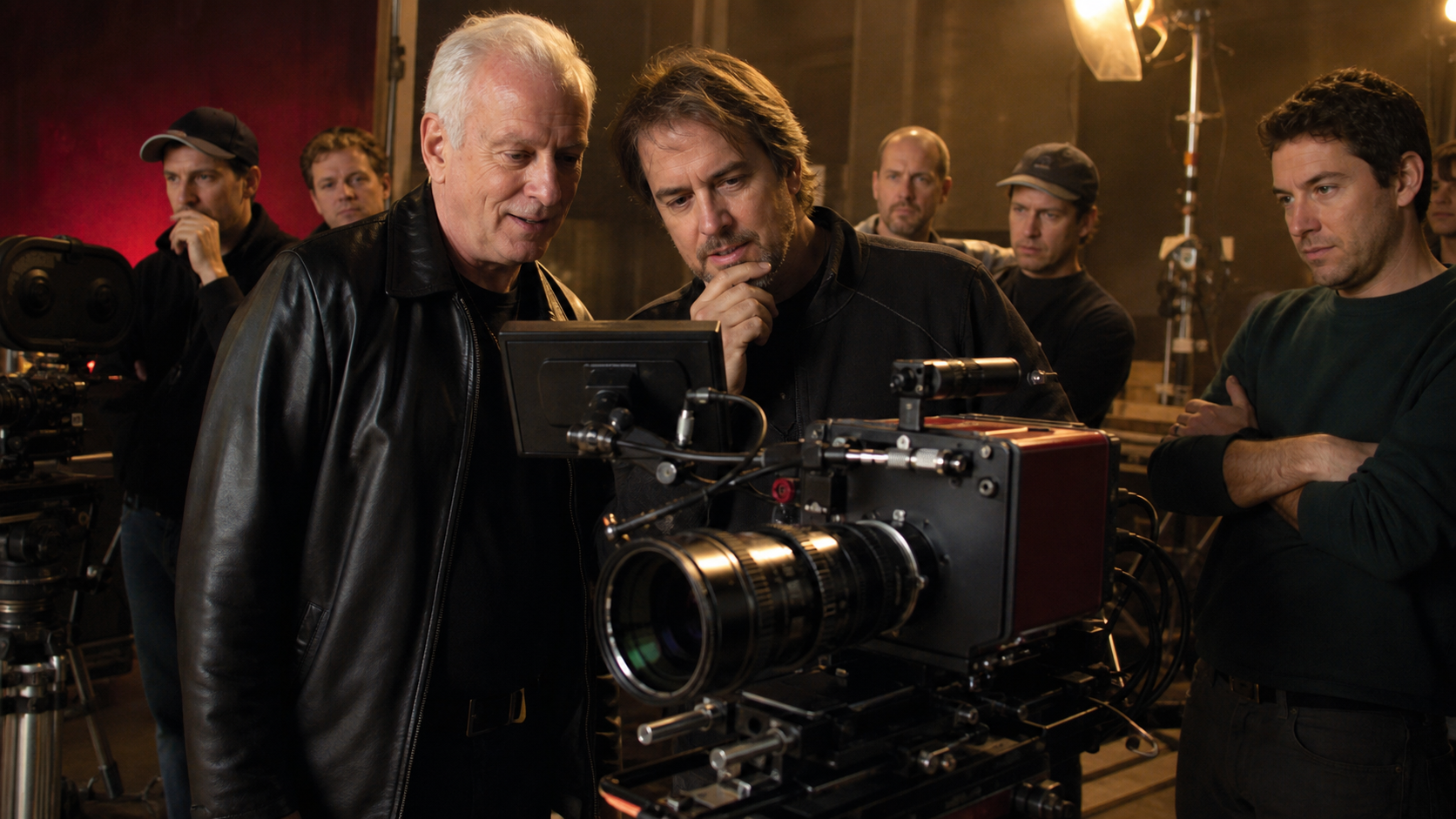
After Oakley, Jannard did not choose a quiet retirement. He targeted cinema cameras, a market dominated by expensive systems, rental economics, and the prestige of film. RED announced a modular digital camera capable of recording 4K images, with the RED ONE beginning shipments in 2007.
The proposition was explosive: cinematic resolution, digital workflow, and a comparatively accessible body price. Early RED ownership could be demanding. Workflows evolved, delivery timelines moved, and modular accessories raised the complete-system cost. But the camera changed expectations. Resolution and raw capture became central competitive weapons, and independent productions gained access to images previously associated with much larger budgets.
Jannard used online forums and direct communication to build a community before all the hardware was ready. Customers became believers, testers, critics, and salespeople. The same intensity that built momentum also made the brand unusually dependent on founder voice and bold promises.
What connects Oakley, RED, and the end of the founder era?
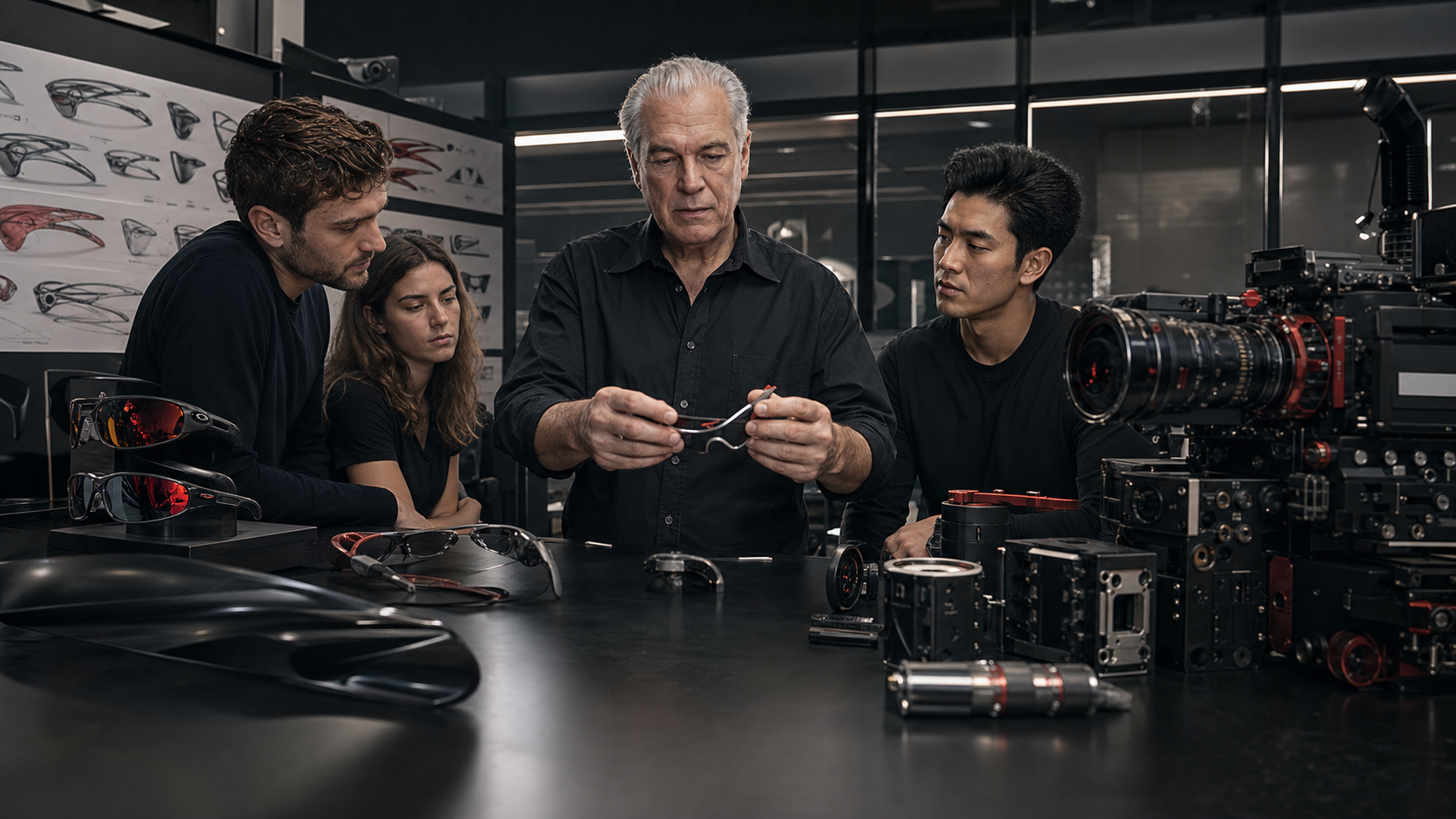
Both companies transformed engineering into a visual tribe. Oakley frames advertised performance from across a room. RED’s modular bodies, sensor language, and resolution numbers made cinema technology feel like a movement. In each case, Jannard found users whose expertise made them unusually sensitive to product compromises.
The strategy was not conventional market research. It was founder-led conviction disciplined by demanding communities. That combination can discover opportunities spreadsheets miss, but it can also overreach. Jannard’s later Hydrogen One smartphone, built around a novel display concept, failed to repeat the pattern.
Jannard retired from RED in 2019. Nikon completed its acquisition of RED in 2024, bringing the insurgent cinema brand inside a major imaging company. The real legacy is not flawless prediction. It is proof that one founder could reset two mature categories by making technical obsession culturally magnetic.
💡 Key Insights
- ▸ A distinctive design language can make technical performance visible before a customer tests it.
- ▸ Jannard repeatedly entered categories where enthusiasts hated the compromises accepted by incumbents.
- ▸ Aggressive specifications can create demand before a complete production system exists.
- ▸ Founder mythology accelerates a brand but can also make communication and succession harder.