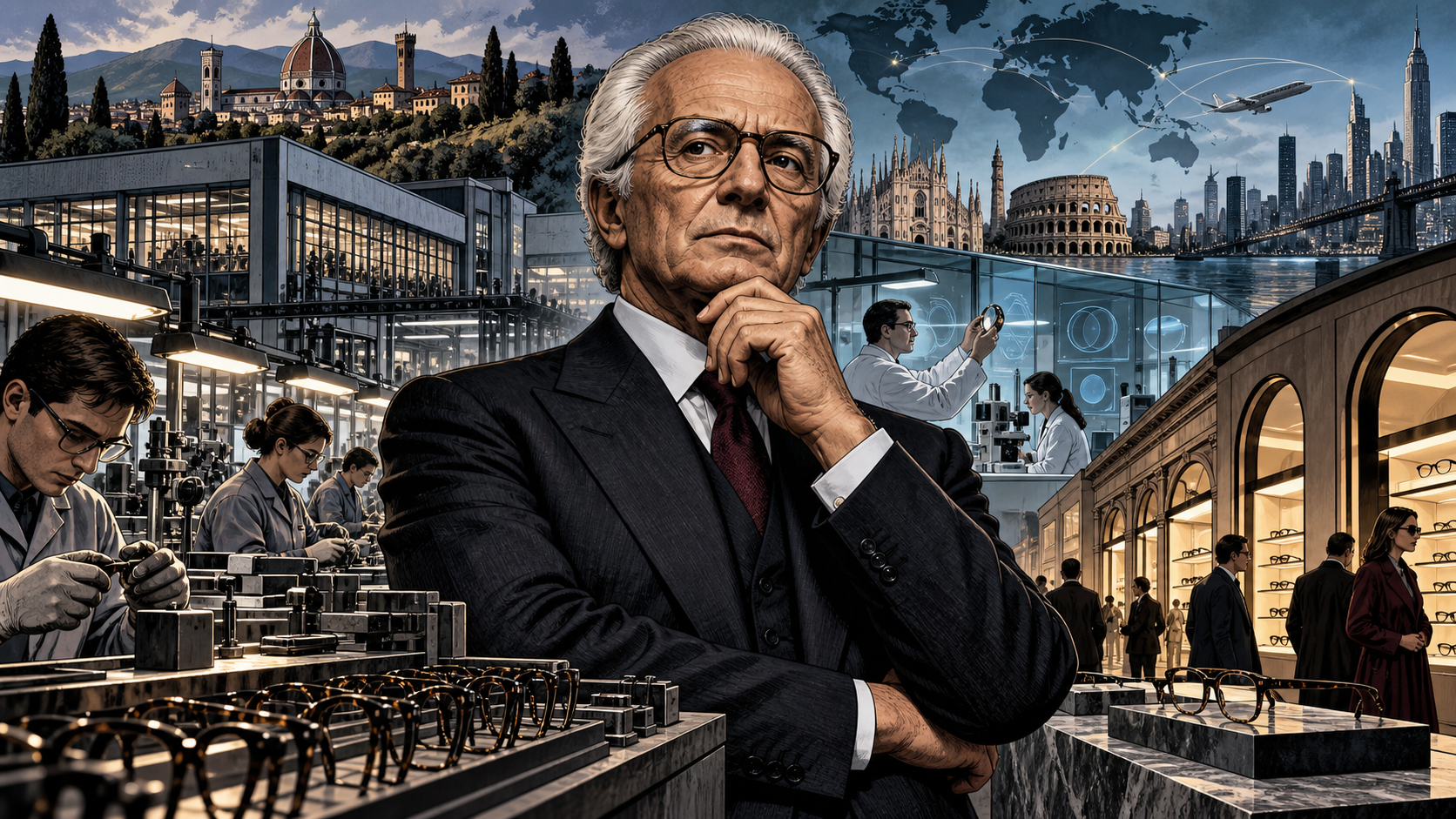
Jorge Paulo Lemann: The Deal Machine That Built AB InBev
Jorge Paulo Lemann turned a Brazilian investment partnership into a global consumer empire through meritocracy, relentless cost control, and enormous acquisitions.

View all stories about this mogul
Jorge Paulo Lemann built one of the world’s most influential corporate playbooks around a blunt idea: talented people, demanding targets, and owner-like incentives could remove waste from sleepy businesses and turn the savings into fuel for the next acquisition.
With longtime partners Marcel Telles and Carlos Alberto Sicupira, Lemann applied that philosophy first in Brazilian finance, then beer, and eventually global packaged food. The brewing campaign produced AB InBev, home to brands including Budweiser, Stella Artois, and Corona outside the United States. It also revealed the limits of a system that can measure cost more easily than creativity, brand health, or consumer change.
Banco Garantia and the partnership model
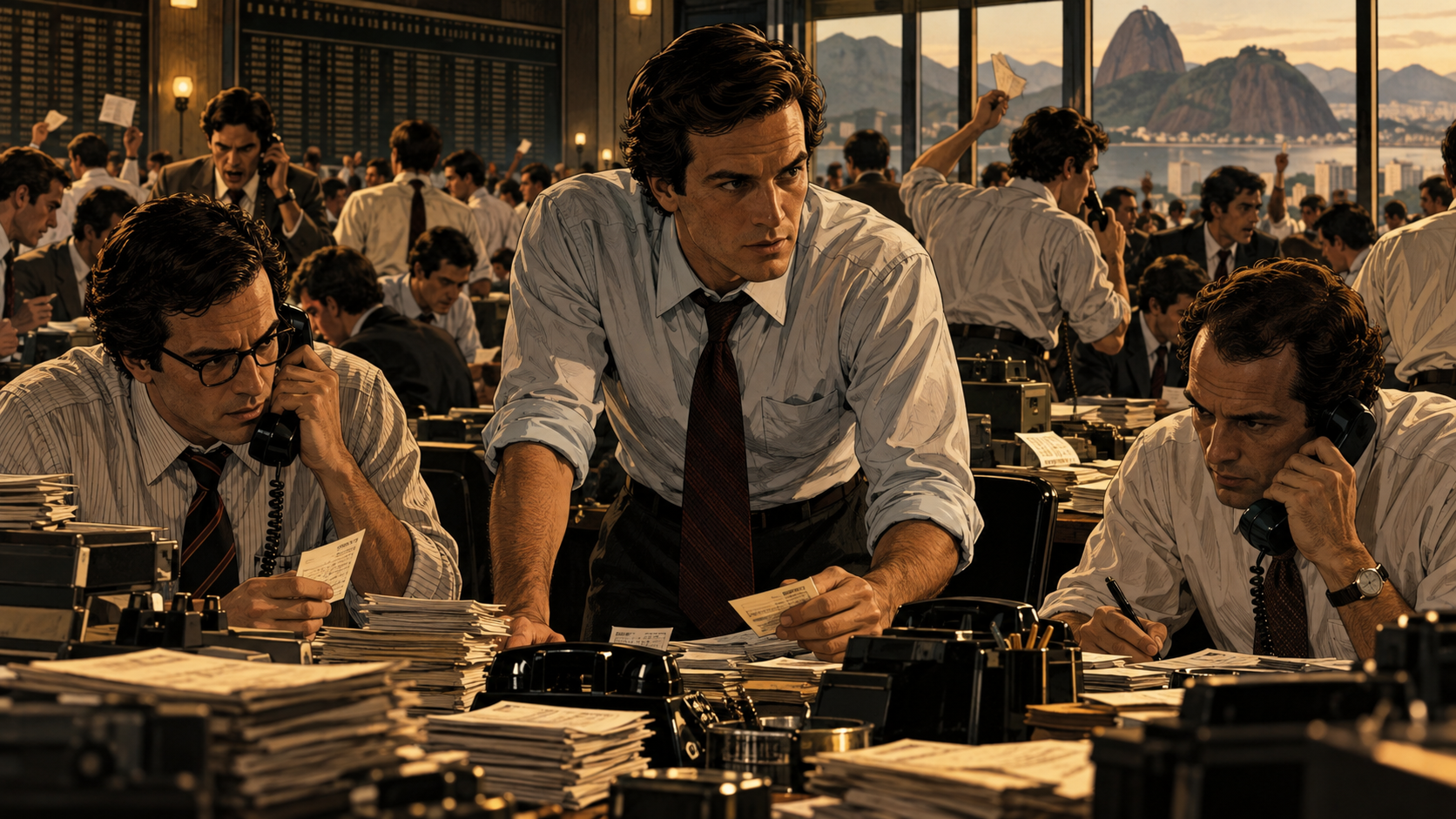
Lemann was born in Rio de Janeiro in 1939, studied economics at Harvard, and competed as a tennis player. After early jobs and an unsuccessful financial venture, he acquired a stake in the brokerage that became Banco Garantia in the early 1970s.
Garantia borrowed elements from aggressive Wall Street partnerships: small teams, large individual responsibility, performance-linked rewards, and rapid promotion for people judged to have exceptional potential. Hierarchy mattered less than measurable output—at least in the internal story the firm told about itself.
The culture created wealthy partners and a network of executives who later moved into operating companies. It could also be unforgiving. “Meritocracy” depends on who defines merit, which metrics receive weight, and whether short-term delivery overshadows institutional risk. Garantia was ultimately sold to Credit Suisse First Boston in 1998 after losses and pressure during emerging-market turmoil.
The banking setback did not end the partnership. By then Lemann, Telles, and Sicupira had built a separate operating laboratory in Brazilian brewing.
Turning beer into a global consolidation engine

The partners gained control of Brazilian brewer Brahma in 1989. They installed performance targets, cut layers of management, standardized budgeting, and offered meaningful upside to managers who delivered. In 1999 Brahma combined with Antarctica to form Ambev, creating a dominant Latin American brewer.
Ambev merged with Belgium’s Interbrew in 2004, forming InBev. Four years later InBev acquired Anheuser-Busch for roughly $52 billion, putting an outsider-led cost culture inside one of America’s most symbolic companies. The combined group became Anheuser-Busch InBev.
The formula relied on scale economics. Beer is heavy, distribution-intensive, and supported by marketing budgets. A larger brewer can negotiate inputs, optimize breweries and logistics, share procurement, and concentrate advertising behind major brands. Predictable cash generation can service acquisition debt, and cost savings can raise margins quickly.
The 2016 purchase of SABMiller for more than $100 billion represented the model’s peak ambition. It expanded AB InBev’s reach, particularly in growth markets, but loaded the balance sheet with debt. Integration targets were concrete; the future taste of drinkers was not.
When zero-based budgeting met changing consumers

Lemann’s broader investment platform, 3G Capital, carried the operating system into Burger King and Heinz. The 2015 merger of Kraft and Heinz, backed by 3G and Berkshire Hathaway, appeared to create another durable cash machine. Cost reductions came quickly, but revenue growth and brand investment proved more difficult. Kraft Heinz later recorded enormous impairments, and Berkshire’s Warren Buffett acknowledged that the companies had paid too much.
The episode exposed a structural weakness. Removing duplicate expense is finite. Consumer brands require repeated spending on product development, distribution, design, and advertising. A spreadsheet can show the immediate gain from cutting a team; it cannot measure every future product the team will fail to create.
AB InBev faced its own version of the problem. Drinkers shifted toward craft beer, spirits, ready-to-drink products, and moderation. Mature markets offered less volume growth. High debt after SABMiller reduced flexibility. The company invested in premium brands, non-alcoholic products, digital distribution, and debt reduction, but those moves required a different rhythm from acquisition-led expansion.
Cost discipline was not the villain by itself. Large organizations accumulate waste, and clear accountability can improve execution. The danger was turning one successful instrument into a complete theory of business.
The power and boundary of the 3G system

Lemann’s most durable creation may be the partnership rather than any single company. He, Telles, and Sicupira stayed aligned across decades, developed executives internally, and maintained a long time horizon even while demanding annual results. Their alumni carried the system through multiple industries and geographies.
The model also changed global dealmaking. It showed that a buyer from Brazil could acquire institutions once assumed to be permanent national champions. It made culture, incentives, and zero-based budgeting central parts of acquisition pitches rather than post-deal administration.
But an empire built by deals must eventually prove it can grow without another deal. AB InBev’s brands need cultural relevance, local adaptation, and product innovation as much as procurement efficiency. Kraft Heinz showed that famous labels are not annuities if management underinvests in their future.
The final judgment is neither that Lemann perfected management nor that cost control failed. He built an extraordinarily effective system for concentrating ownership, identifying ambitious managers, integrating operations, and paying down acquisition bets. Its blind spot appeared when consumer attention moved faster than the budget process. The lesson is powerful because it is incomplete: discipline can finance reinvention, but it cannot substitute for reinvention.