Richard Branson: The Dyslexic Dropout Who Built 400 Companies and Tried to Fly to Space
From a student magazine to airlines, music, trains, mobile phones, and rocket ships — Richard Branson turned his personality into a brand and his brand into an empire. Not all of it worked.
View all stories about this mogul
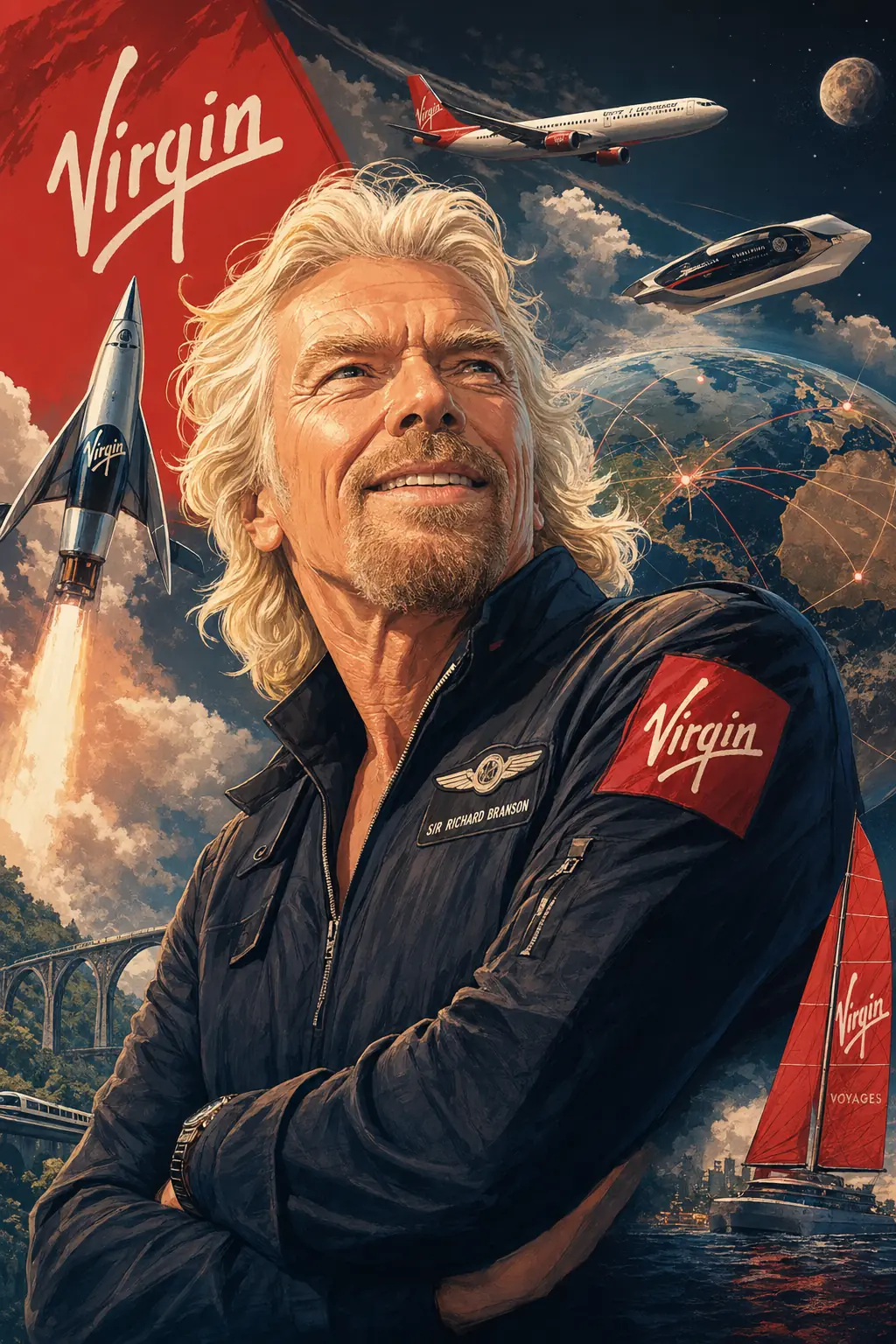
Richard Branson has started over 400 companies under the Virgin brand. Airlines, record labels, mobile networks, trains, gyms, hotels, space tourism, cola, vodka, bridal wear, and — briefly — a line of condoms. Most of them lost money. Some of them changed industries. A few of them became genuinely great businesses. And through it all, Branson maintained an image as the world’s most fun billionaire — the guy who kite-surfs with naked supermodels on his private island, who tries to cross the Atlantic in a balloon, who drives a tank through Times Square, and who went to space at seventy years old. Whether this image reflects the real Branson or is the greatest sustained marketing campaign in business history is the question at the heart of his story.
Chapter 1: The Dyslexic Rebel (1950–1967)

Richard Charles Nicholas Branson was born on July 18, 1950, in Blackheath, London. His father, Ted, was a barrister; his mother, Eve, was a former dancer and flight attendant. The family was upper-middle class but not wealthy. What they were, by all accounts, was adventurous. Eve Branson once drove a car through a demolition derby while pregnant and spent years promoting charities in various extreme fashions.
Branson was severely dyslexic, which made school a nightmare. He struggled with reading, couldn’t follow conventional lessons, and was consistently frustrated by an education system that had no idea how to accommodate his learning style. His headmaster reportedly told him he would either end up in prison or become a millionaire. This quote has been repeated so many times it may be apocryphal, but it captures something real about Branson’s trajectory.
At sixteen, Branson dropped out of school and started a student magazine called Student. The magazine was ambitious — it featured interviews with notable figures and tackled serious political and cultural topics. It wasn’t successful commercially, but it taught Branson two things: how to sell advertising and how to get famous people to pay attention to him. Both skills would prove more valuable than anything he could have learned in a classroom.
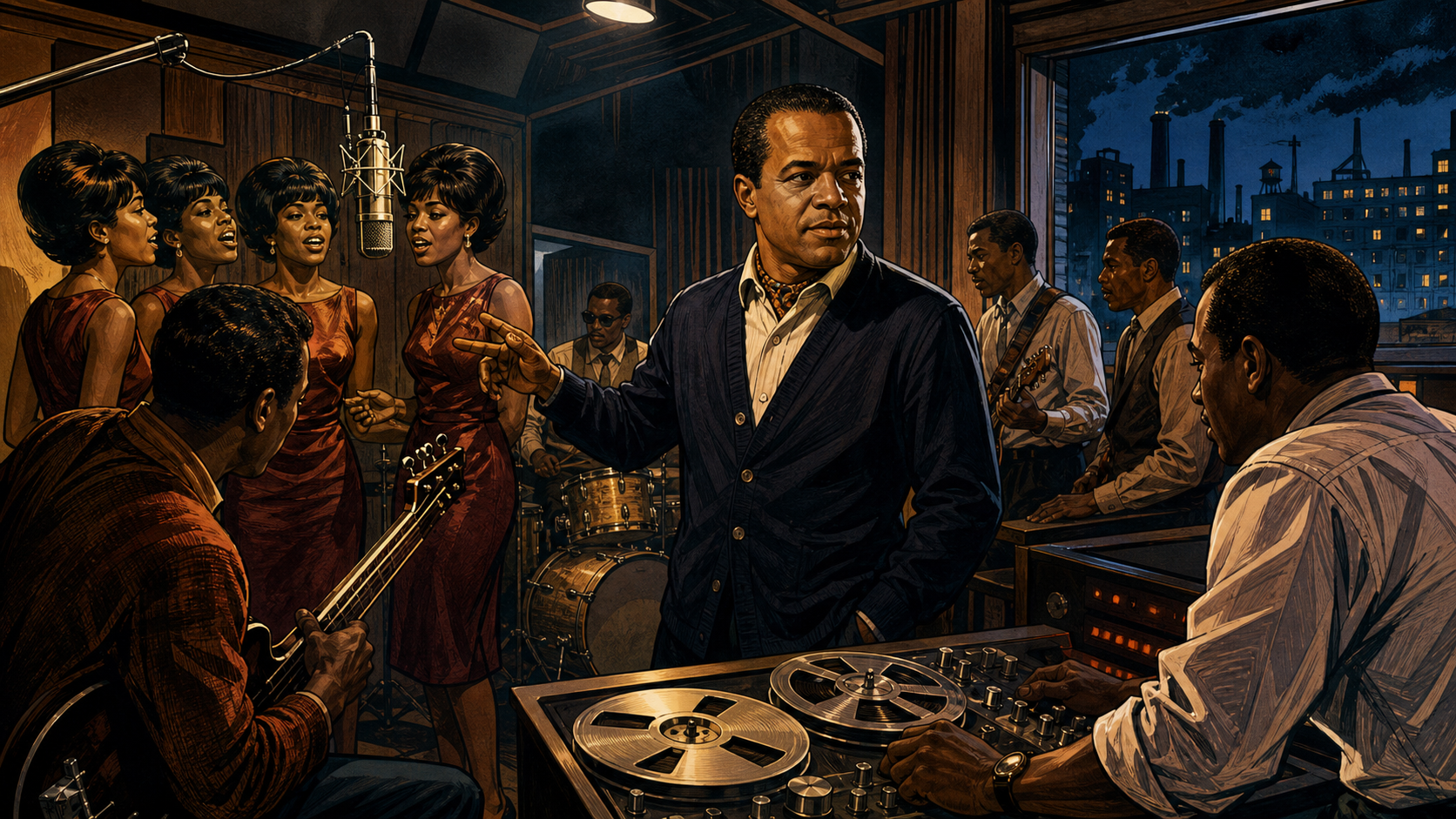
Chapter 2: Virgin Records — The Mail-Order Revolution (1970–1977)

The magazine’s advertising business led to an insight: students wanted to buy records cheaply. In 1970, Branson launched a mail-order record business, selling discounted albums via advertisements in Student. The business took off — offering records at below retail prices through mail order was a simple arbitrage that the established record stores hadn’t bothered to pursue.
He named the business Virgin — because, as he later explained, they were all virgins at business. The name was memorable, slightly naughty, and completely unlike the corporate names that dominated British business. It would become one of the most recognizable brands in the world.
In 1971, Branson opened a record shop on Oxford Street in London. Then he built a recording studio. Then, in 1973, he signed a largely unknown artist named Mike Oldfield, whose album Tubular Bells became a massive hit — selling over 15 million copies worldwide and providing the theme music for The Exorcist. The royalties from Tubular Bells funded Virgin Records’ expansion, and over the next decade, Virgin signed the Sex Pistols, Culture Club, Phil Collins, and other major acts.
Chapter 3: Virgin Atlantic — Picking a Fight With British Airways (1984–1999)
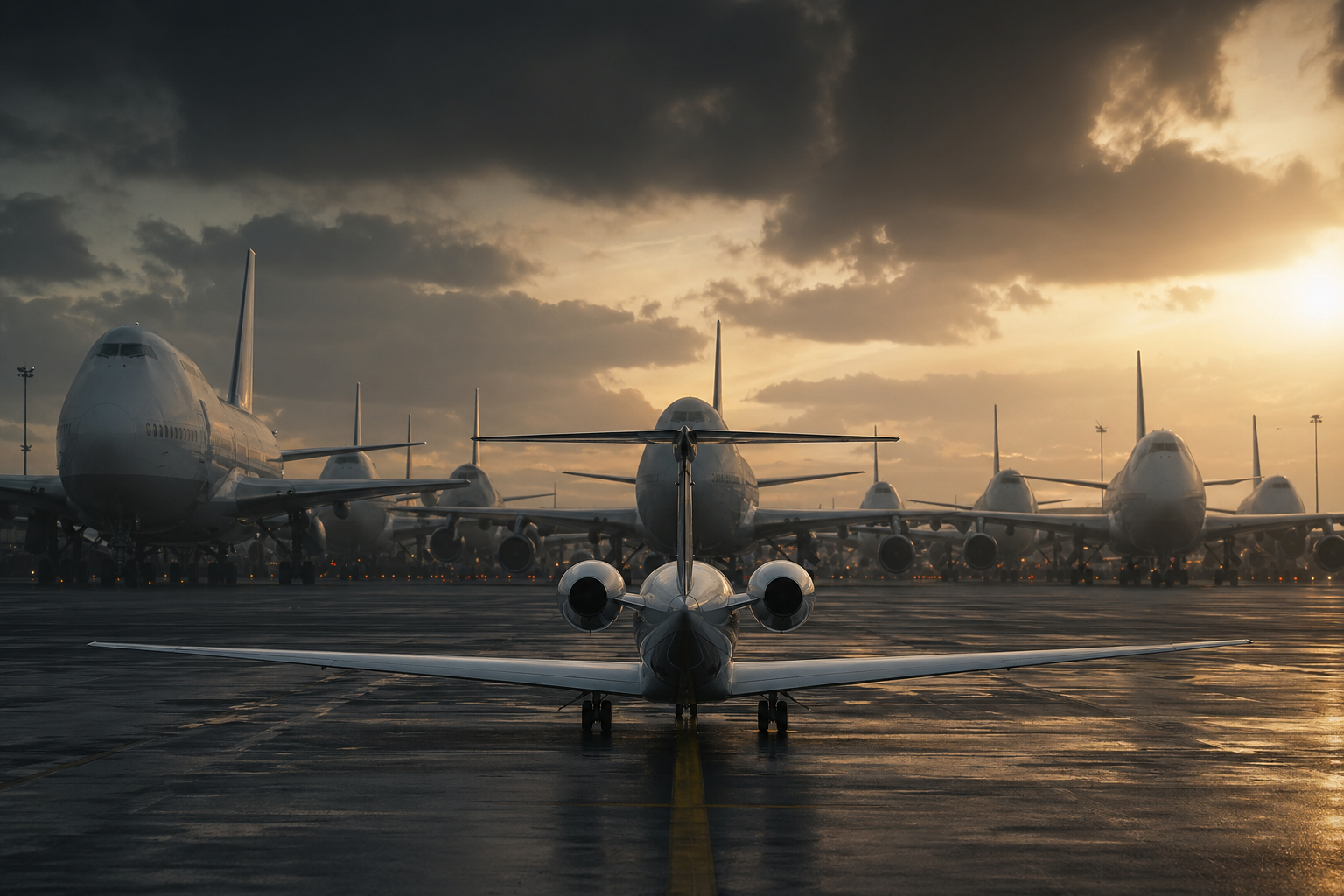
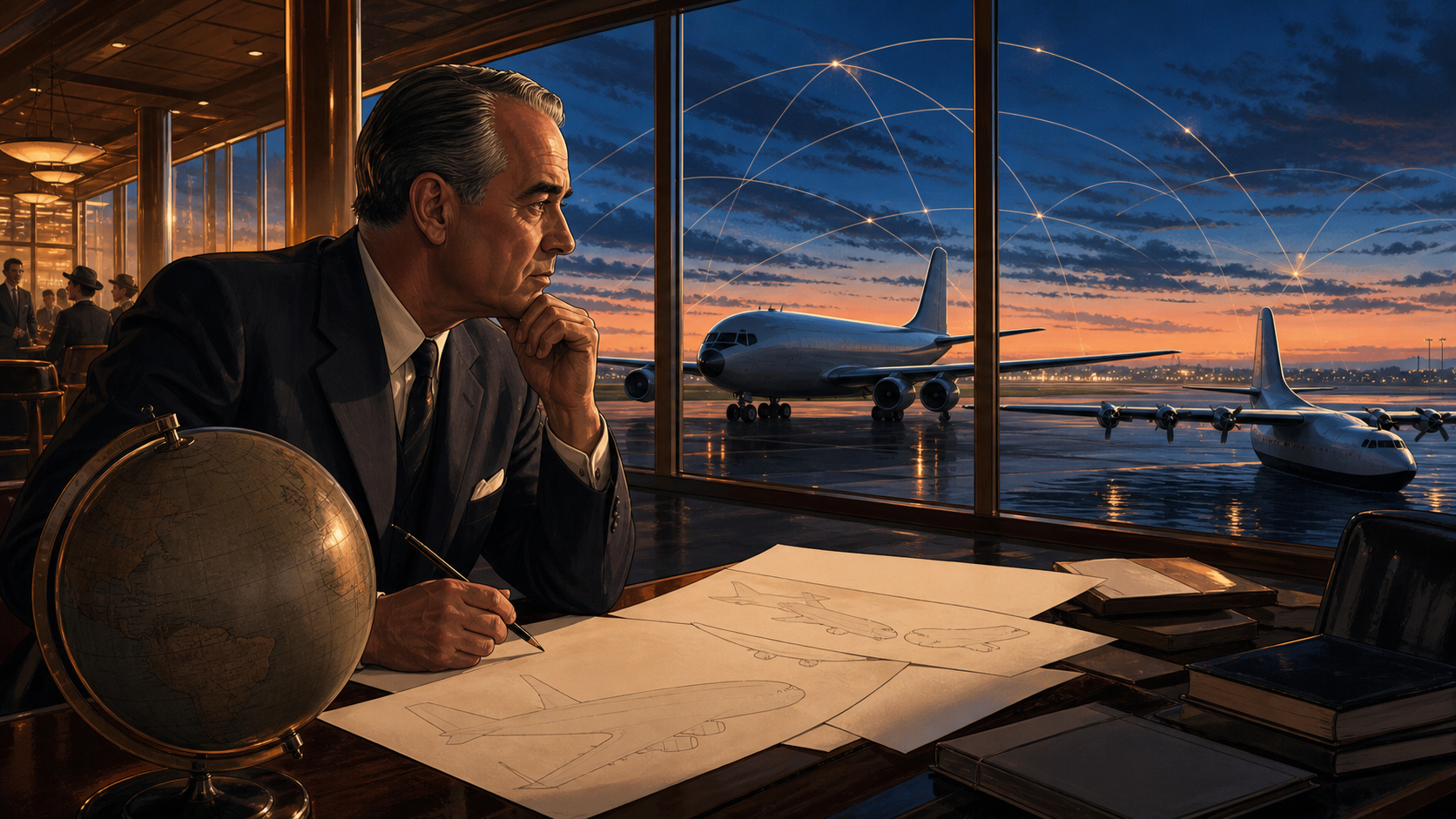
In 1984, Branson made a move that everyone around him considered insane: he started an airline. Virgin Atlantic launched with a single route — London to Newark — and a single leased Boeing 747. The aviation industry was dominated by established carriers with decades of experience, vast fleets, and deep pockets. A music industry entrepreneur starting an airline was, by any rational assessment, suicidal.
Branson’s approach was characteristically irreverent. Virgin Atlantic offered amenities that other airlines charged extra for — in-flight entertainment, free drinks in economy, comfortable seating. The service was marketed as fun and customer-friendly, in deliberate contrast to the staid, corporate atmosphere of British Airways. Branson himself became the airline’s most visible marketing asset, showing up for inaugural flights in costume, pulling stunts, and generating press coverage that money couldn’t buy.
British Airways fought back. In what became known as the “dirty tricks” campaign, BA allegedly used anticompetitive tactics against Virgin Atlantic — including accessing Virgin’s computer systems, poaching customers, and planting negative stories in the press. Branson sued. BA settled in 1993, paying Branson and Virgin Atlantic £610,000 in damages and £3 million in legal costs. The settlement was a vindication and generated massive positive publicity for Virgin.
Chapter 4: Selling the Music — The Painful Decision (1992)

The airline was expensive to run, and by the early 1990s, Branson needed cash. In 1992, he made the most painful decision of his career: selling Virgin Records to Thorn EMI for approximately £500 million. Branson reportedly cried when the deal closed. The record label was his first love — the business that had launched his empire and made him famous.
The sale provided the capital to fund Virgin Atlantic’s expansion and other Virgin ventures. It also taught Branson a lesson about the difference between emotional attachment and strategic necessity. He loved Virgin Records, but the airline had more growth potential and needed more capital. A sentimental leader would have kept the record label and let the airline die. Branson chose growth over nostalgia.
The money from the Virgin Records sale funded a decade of expansion. Branson launched Virgin Cola (which failed to dent Coca-Cola’s dominance), Virgin Trains (which became a major UK rail operator despite persistent complaints), Virgin Mobile (which became one of the first mobile virtual network operators), and dozens of other ventures. Some succeeded. Many failed. But the Virgin brand gained recognition with every launch.
Chapter 5: The Brand as Business Model (1990s–2000s)
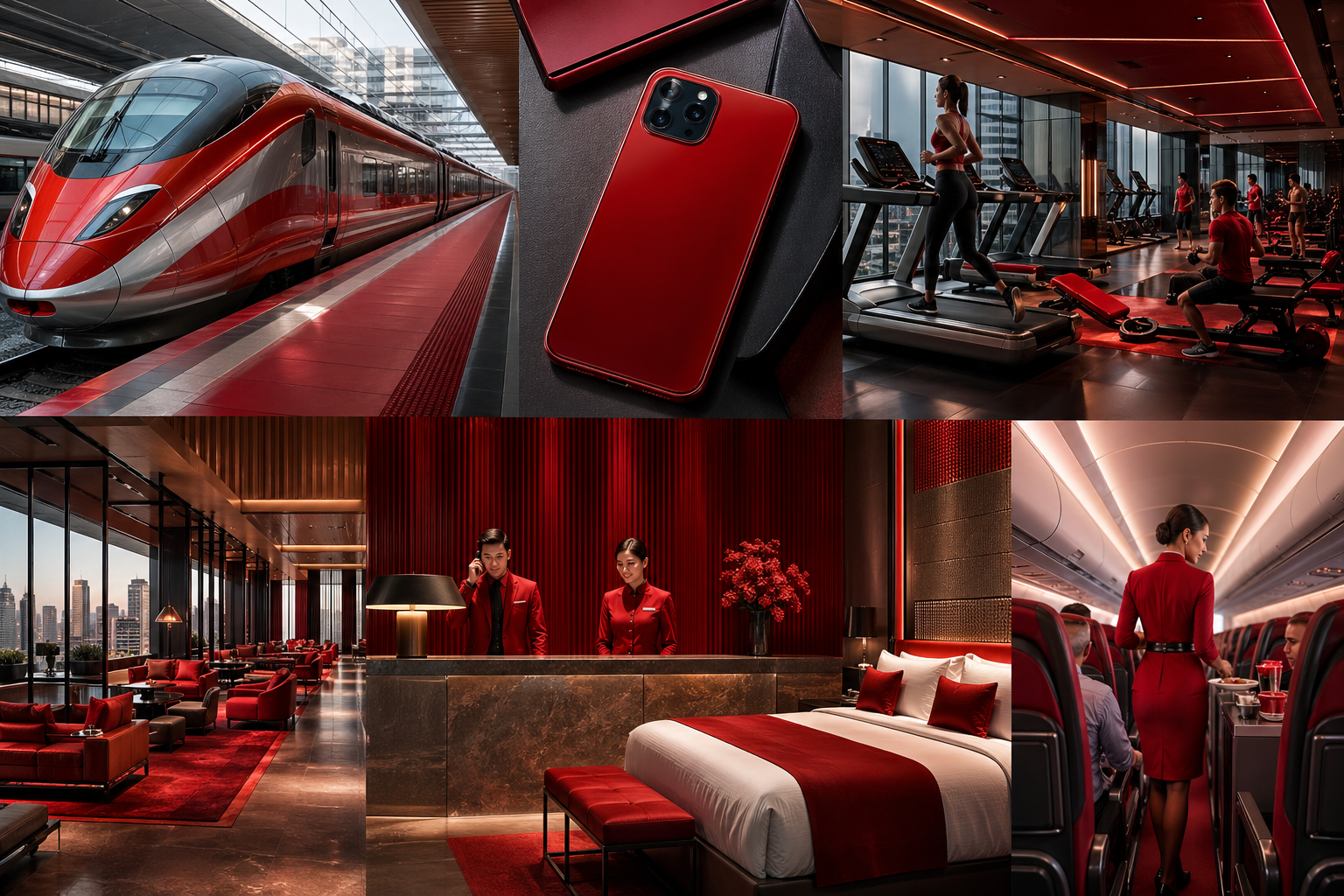
Branson’s most innovative business concept wasn’t any single company — it was the Virgin brand itself. He developed a model where the Virgin name and brand values (customer advocacy, irreverence, quality, value) could be applied to almost any industry, particularly industries where incumbents provided poor customer service.
In practice, this meant Virgin operated as both a holding company and a brand licensing operation. Some Virgin businesses were wholly owned by Branson. Others were joint ventures. Still others were licensing arrangements where an independent company paid for the right to use the Virgin name. This model minimized Branson’s capital risk while maximizing the brand’s reach.
The model had its critics. Some Virgin-branded businesses — Virgin Cola, Virgin Vodka, Virgin Brides — were clearly stretching the brand too thin. Others — Virgin Mobile, Virgin Money, Virgin Active — were genuine businesses that used the brand effectively to differentiate in competitive markets. The overall record was mixed, but the brand survived every failure intact. Branson had built something remarkably resilient: a brand that could fail in specific categories without damaging its overall reputation.
Chapter 6: The Balloon Crossings and Death-Defying Stunts (1985–2004)
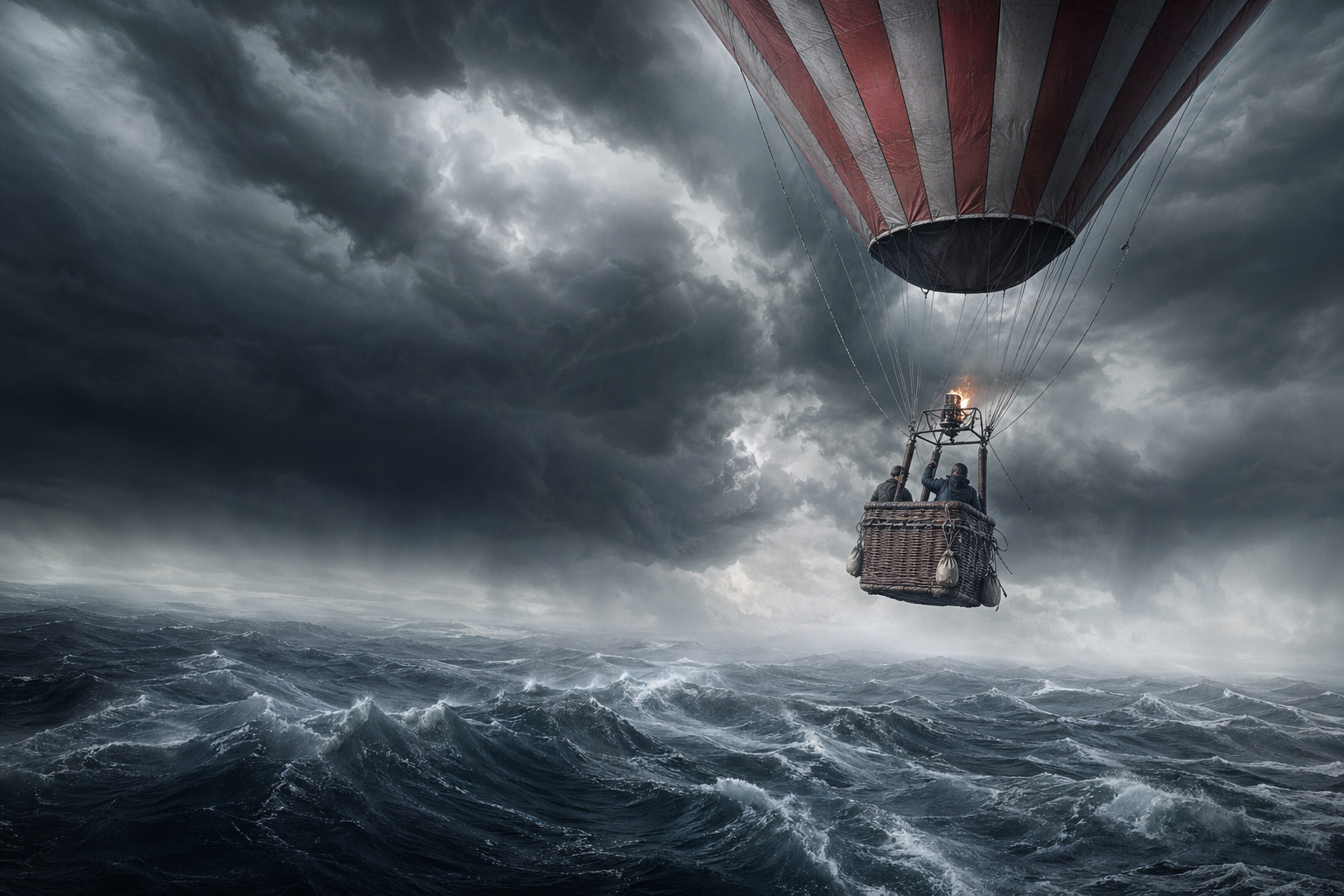
Branson’s personal brand was inseparable from adventure. In 1987, he crossed the Atlantic in a hot air balloon — the first person to do so. The attempt nearly killed him; the balloon descended dangerously and had to ditch in the Irish Sea. In 1991, he crossed the Pacific by balloon, setting distance and speed records. In 1995 and 1997, he attempted to circumnavigate the globe by balloon and failed both times.
He broke the Atlantic crossing speed record in a powerboat. He kite-surfed across the English Channel. He dressed in a wedding dress for a Virgin Brides promotion. He drove a tank through Times Square for Virgin Cola. He was photographed with supermodels on Necker Island — his private Caribbean island — so frequently that the photos became a genre unto themselves.
Every stunt generated publicity. Every publicity hit was worth millions in advertising equivalent. Branson’s personal brand of adventure, fun, and rule-breaking was the most effective marketing tool the Virgin empire possessed. Critics called it shallow; Branson called it strategy. The reality was probably both.
Chapter 7: Virgin Galactic — Selling Space to Billionaires (2004–2021)
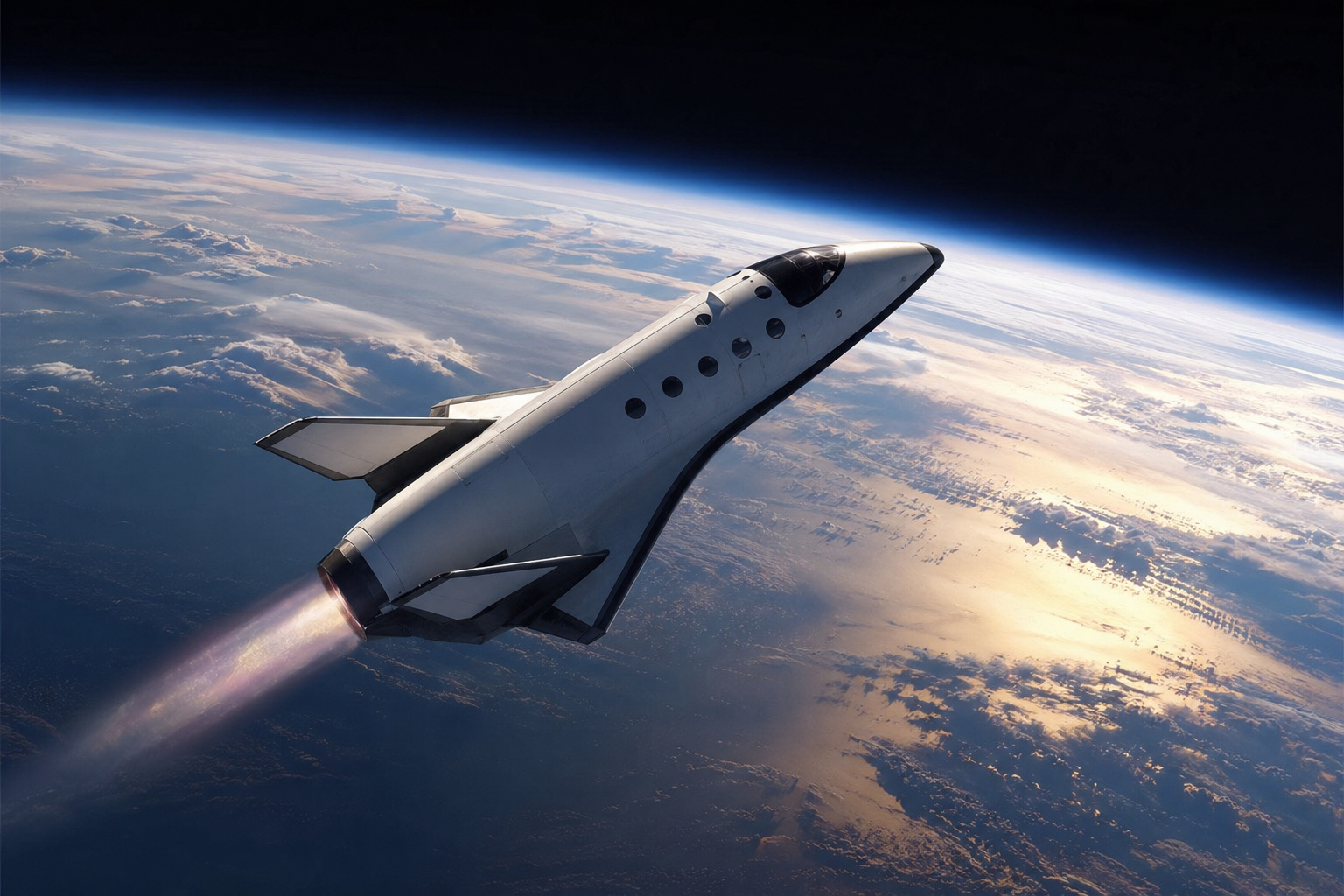
In 2004, Branson founded Virgin Galactic with the goal of making commercial space tourism a reality. The company would develop a spaceplane that could carry paying passengers to the edge of space — providing a few minutes of weightlessness and a view of the Earth’s curvature — for $250,000 per ticket.
The timeline was ambitious. Branson initially suggested commercial flights would begin by 2007. They didn’t. The development of the SpaceShipTwo vehicle was plagued by technical challenges and, tragically, a fatal accident in 2014 when the VSS Enterprise broke apart during a test flight, killing co-pilot Michael Alsbury and seriously injuring pilot Peter Siebold.
Virgin Galactic went public through a SPAC merger in 2019, valuing the company at approximately $2.3 billion. On July 11, 2021, Branson flew to space aboard the VSS Unity — beating Jeff Bezos’ Blue Origin flight by nine days. The flight was a personal triumph and a massive publicity event, but the business remained challenging. By 2025, Virgin Galactic had conducted limited commercial flights and was still far from profitability.
Chapter 8: The Financial Reality Behind the Brand (2000–2020)

The public perception of Branson as a carefree billionaire adventurer masked a more complicated financial reality. The Virgin Group’s structure was opaque — a web of holding companies, joint ventures, and licensing agreements spread across tax-efficient jurisdictions. Branson’s personal net worth was difficult to calculate because it depended on the valuation of privately held, illiquid assets.
Several Virgin businesses were financial disappointments. Virgin Cola was crushed by Coca-Cola. Virgin Cars (online car sales) closed quickly. Virgin Express (a European airline) was eventually sold. Virgin Megastores — the retail chain — collapsed in the face of digital music sales. For every Virgin Mobile or Virgin Atlantic, there was a Virgin venture that quietly disappeared.
Branson also faced criticism for the Virgin Group’s corporate structure. Many Virgin businesses were registered in the British Virgin Islands, leading to accusations of tax avoidance. Branson’s residence on Necker Island — outside the UK tax system — added to these concerns. He responded that the structure was legal and that Virgin companies paid taxes in every jurisdiction where they operated. The response was technically correct but didn’t satisfy critics who felt that a billionaire who presented himself as a man of the people should be subject to the same tax system.
Chapter 9: COVID and the Airline Crisis (2020–2022)
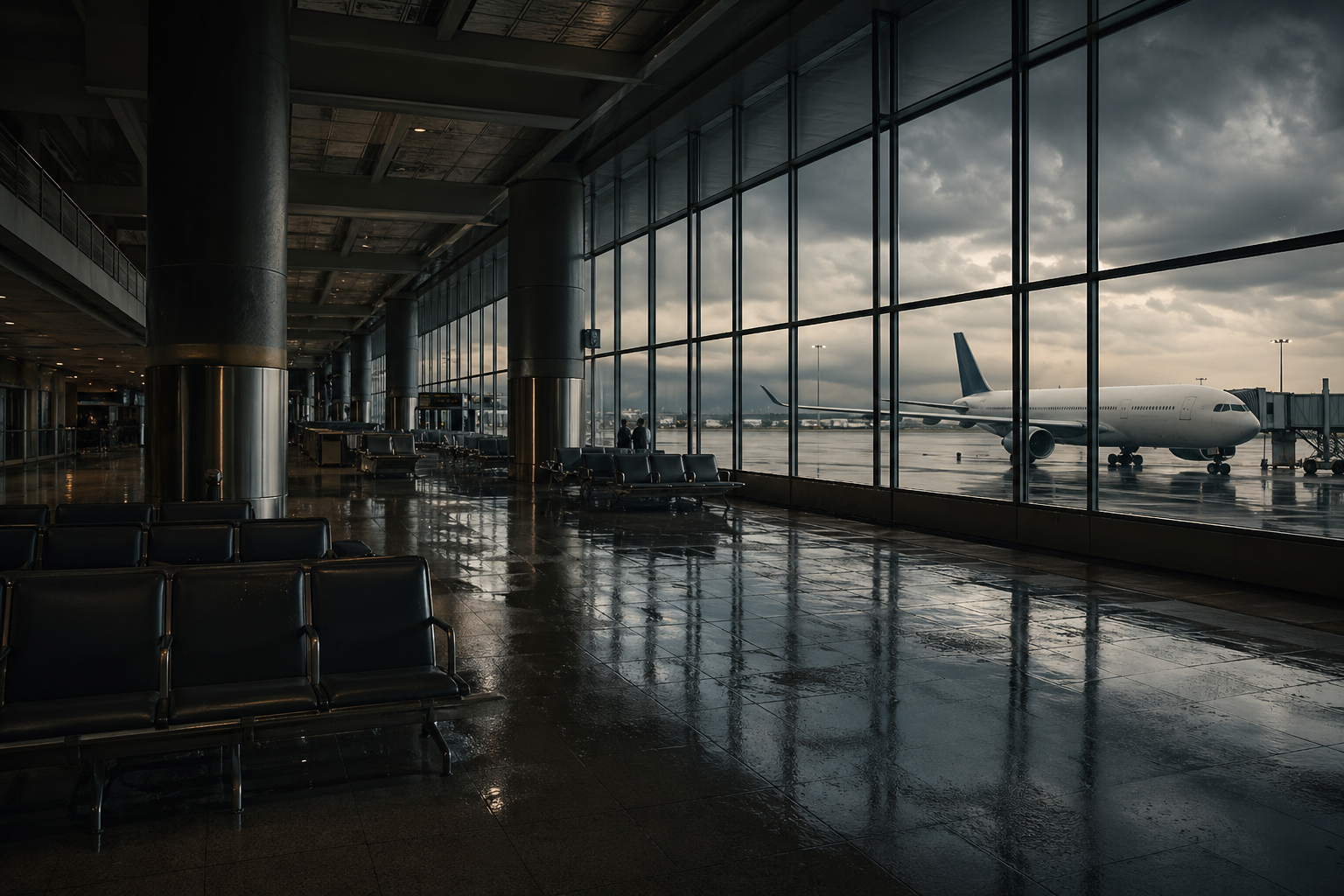
The COVID-19 pandemic hit Virgin Atlantic like a wrecking ball. International air travel collapsed by over 90%. The airline, which had been struggling financially even before the pandemic, was forced to cut routes, lay off staff, and seek emergency funding. Branson asked the UK government for a £500 million bailout — and was publicly pilloried for it.
Critics pointed to Branson’s personal wealth, his Caribbean island, and his non-UK tax residency. Why should British taxpayers bail out a billionaire’s airline? Branson argued that Virgin Atlantic employed thousands of British workers and that the bailout would protect jobs, not enrich him personally. The government declined the request.
Virgin Atlantic eventually secured a £1.2 billion private rescue package that included shareholder contributions, deferred payments, and new financing. The airline survived — barely — and gradually rebuilt as travel recovered. But the pandemic exposed the fragility of Branson’s business model: Virgin Atlantic was capital-intensive, highly leveraged, and vulnerable to external shocks. The fun-loving brand couldn’t protect against a global pandemic.
Chapter 10: Necker Island — The Billionaire’s Paradise

Branson purchased Necker Island — a 74-acre private island in the British Virgin Islands — in 1979 for approximately $180,000, reportedly negotiating the price down from $6 million by convincing the owner he was less wealthy than he was. He transformed it into a luxury retreat that could be rented for approximately $80,000 per night.
Necker Island became the physical embodiment of the Branson brand — paradise, adventure, and exclusivity combined. It hosted celebrities, business leaders, and politicians. Barack Obama kite-surfed there after leaving office. Princess Diana visited. Kate Winslet was there when lightning struck the main house, causing a fire that destroyed the original Great House in 2011.
The island also served as Branson’s primary residence and, critics argued, his primary tax shelter. By living in the BVI, Branson was outside the UK tax system. The arrangement was legal but symbolically damaging for someone who portrayed himself as a champion of British business and British workers.
Chapter 11: The Philanthropist and Climate Advocate (2006–2025)
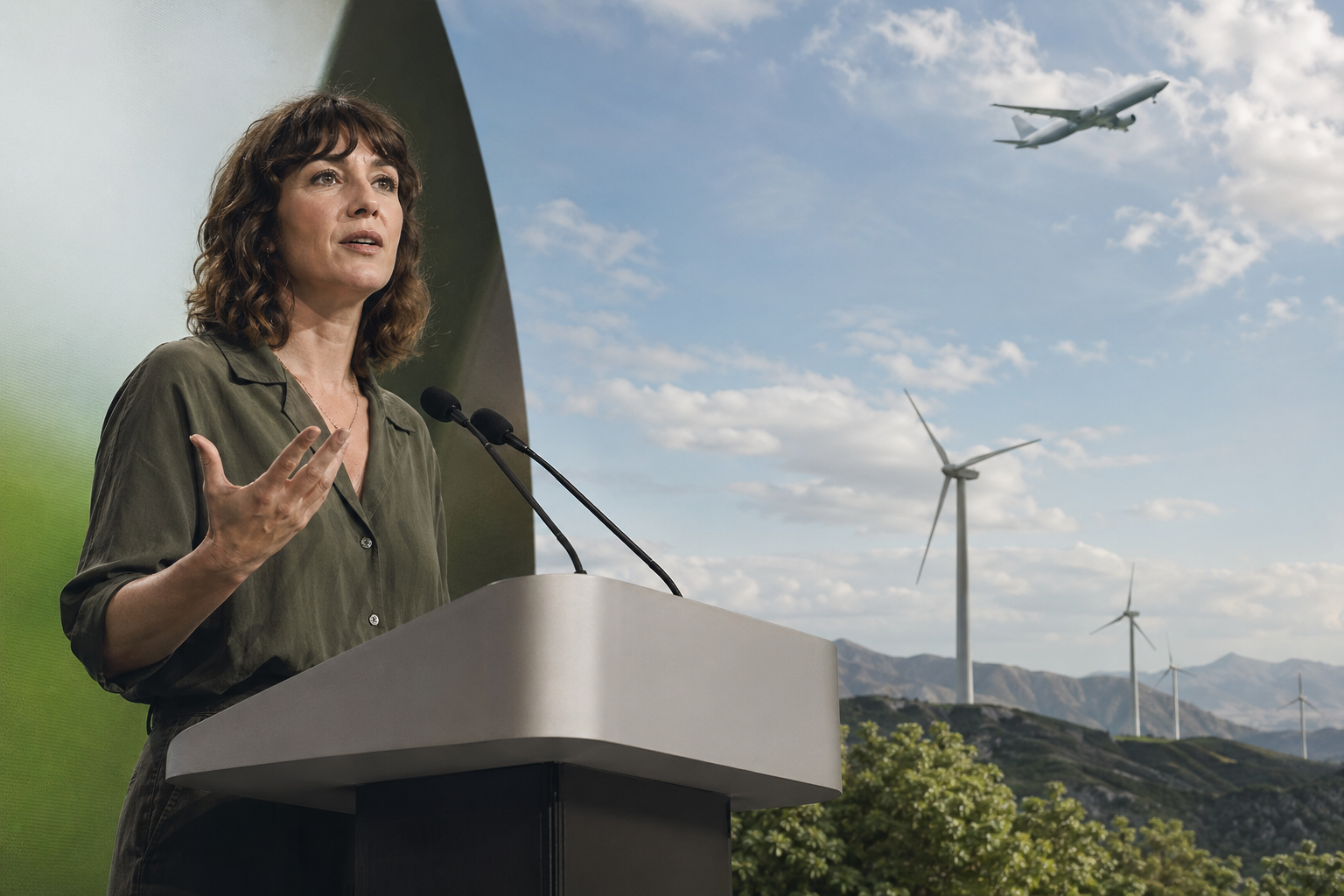
Branson positioned himself as a leading voice on climate change and philanthropy, pledging in 2006 to invest $3 billion in renewable energy through his Virgin Unite foundation and other initiatives. He co-founded The Elders — a group of former world leaders including Nelson Mandela and Desmond Tutu — dedicated to peace and human rights.
His climate advocacy was complicated by the obvious tension of owning airlines and launching a space tourism company — two of the most carbon-intensive activities imaginable. Branson acknowledged the contradiction and argued that the solution was investing in sustainable aviation fuel and carbon offset technologies, not abandoning air travel.
The $3 billion clean energy pledge was criticized when, years later, the full amount had not materialized. Branson said the investments were ongoing and that the pledge was a long-term commitment, not a short-term promise. Whether the philanthropy was genuine or performative — or, as is probably the case, some of both — it reflected Branson’s understanding that in the modern era, a billionaire’s brand requires a social conscience.
Chapter 12: Legacy — The Showman and the Empire
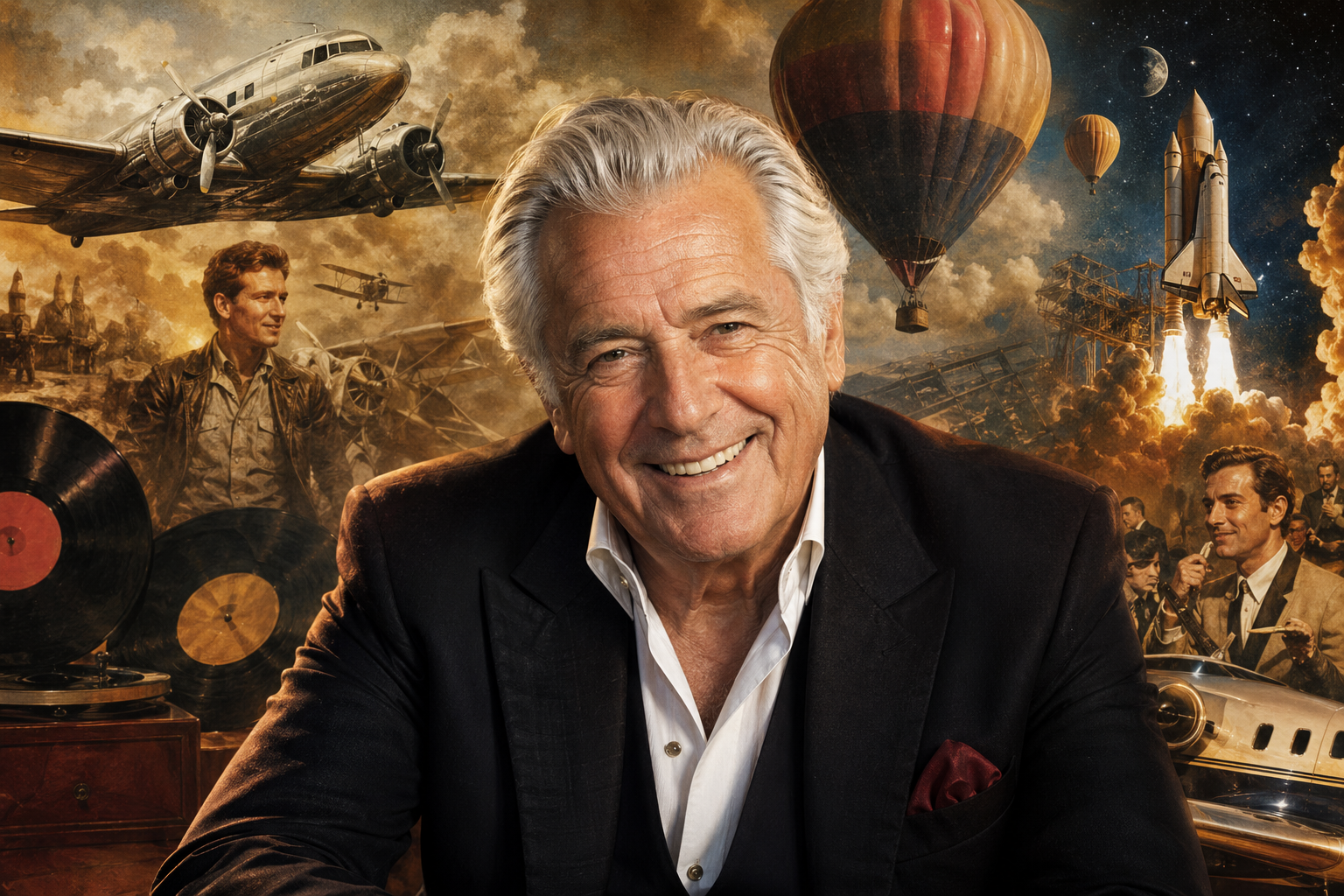
Richard Branson’s legacy is the brand. Not any single company, not any particular product, not any specific business innovation — the brand itself. Virgin is recognized globally, associated with positive values, and has survived failures that would have destroyed most corporate names. That durability is Branson’s real achievement.
His net worth, estimated at $3–4 billion, is modest by the standards of his contemporaries. Jeff Bezos, Elon Musk, and other tech billionaires have fortunes ten to fifty times larger. Branson’s wealth is limited by the same brand-licensing model that protects it: when you license your brand rather than build and own companies outright, you capture a fraction of the value.
But legacy isn’t measured in net worth alone. Branson changed how people think about airlines, about branding, and about what a billionaire can be. He proved that a business empire could be built on personality and customer advocacy rather than on technology or financial engineering. He showed that dyslexia, lack of formal education, and unconventional thinking could be assets rather than liabilities. And he did it all while looking like he was having the time of his life — which, whether genuine or performed, is a legacy in itself.
💡 Key Insights
- ▸ Branson's genius is brand arbitrage: he takes the Virgin brand — built on customer advocacy and irreverent fun — and applies it to industries with poor customer service. The brand is the product; the product is secondary.
- ▸ Virgin's diversification strategy looks chaotic but follows a logic: enter industries dominated by complacent incumbents, disrupt with better customer experience, and either build a business or license the brand. It works more often than it should.
- ▸ Branson's public persona — the adventure-seeking, rules-breaking billionaire — is itself a business asset. Every balloon crossing, every kite-surfing photo, every space flight is marketing for the Virgin brand, paid for by the publicity it generates.