Kylie Jenner: The Youngest 'Self-Made' Billionaire Who Broke the Internet — and the Definition
A lip kit, 300 million followers, and a Forbes cover that sparked a war over what 'self-made' really means. The Kylie Jenner business story, unfiltered.
View all stories about this mogul
Kylie Jenner: The Youngest “Self-Made” Billionaire Who Broke the Internet — and the Definition
In 2019, Forbes declared 21-year-old Kylie Jenner the youngest self-made billionaire in history. The internet exploded. Critics called it absurd — how could someone born into the Kardashian-Jenner dynasty be “self-made”? Supporters argued she had built a real business. Then Forbes reversed course, accusing her family of inflating financial numbers. The truth, as always, is messier than either side admits. This is the story of how a teenager with lip insecurity, a famous last name, and 300 million social media followers built — and possibly embellished — a cosmetics empire.
👶 Chapter 1: Born Into the Machine

Kylie Kristen Jenner was born on August 10, 1997, in Los Angeles, California. She was the second daughter of Kris Jenner and Caitlyn Jenner (then known as Bruce Jenner, the 1976 Olympic decathlon champion). She was also, crucially, the youngest of six siblings in the Kardashian-Jenner blended family.
By the time Kylie was born, the Kardashian-Jenner family was already wealthy. Kris Jenner had been married to Robert Kardashian, one of O.J. Simpson’s defense attorneys, before marrying Bruce Jenner. The family lived in Calabasas, California, in a multimillion-dollar home. Money was not a problem.
But fame was about to become the family business.
In October 2007, when Kylie was 10 years old, Keeping Up with the Kardashians premiered on E! Entertainment Television. The reality show, conceived and managed by the indefatigable Kris Jenner, turned the family into global celebrities. Kylie grew up on camera — literally. Millions of viewers watched her go from a child to a teenager to a young adult.
This is the fundamental fact that makes the “self-made” debate so contentious. By the time Kylie launched her first business venture, she already had something most entrepreneurs spend years and millions trying to build: an audience. Not a small audience. A massive, engaged, demographically perfect audience of young women who watched her every move, copied her style, and hung on her every social media post.
By 2015, Kylie had accumulated over 40 million Instagram followers. She hadn’t built a product yet. She hadn’t founded a company. But she had something potentially more valuable than both: attention at scale.
💋 Chapter 2: The Lip Kit That Started an Empire
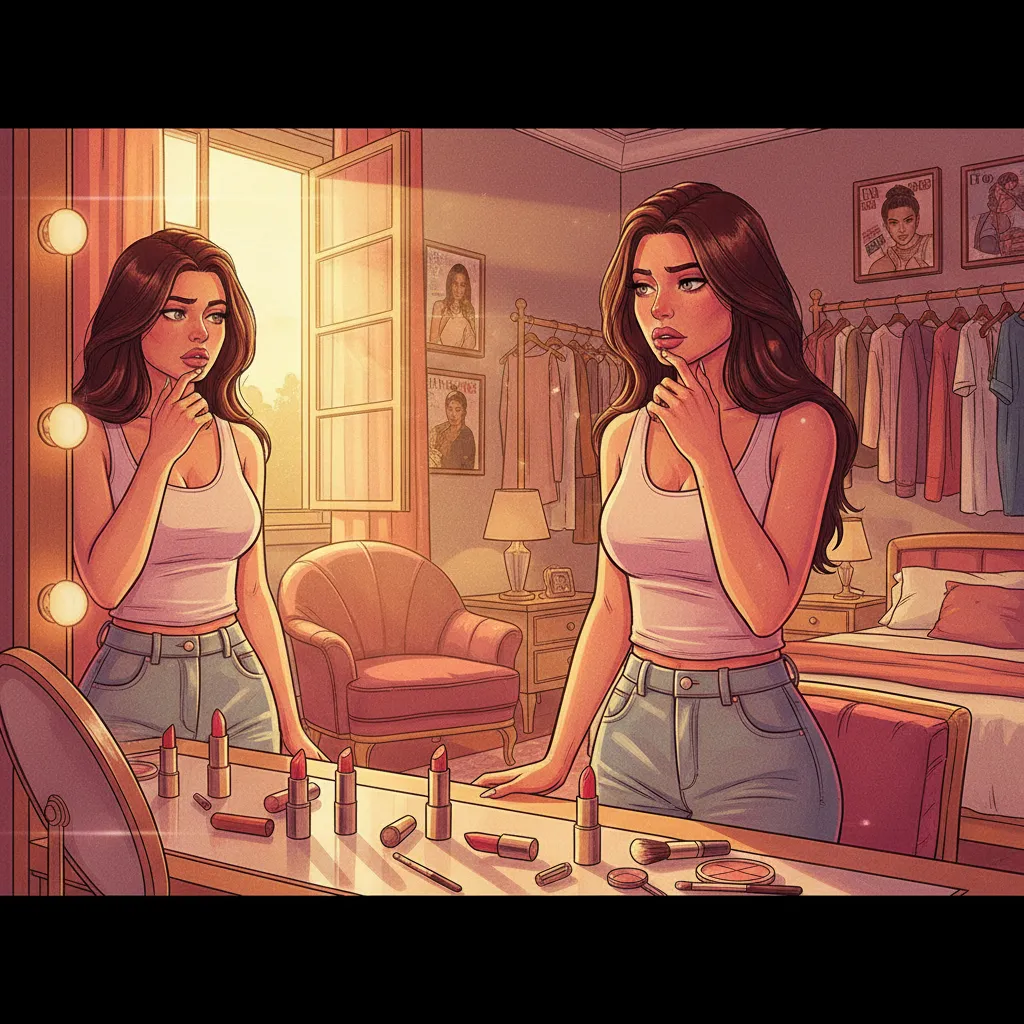
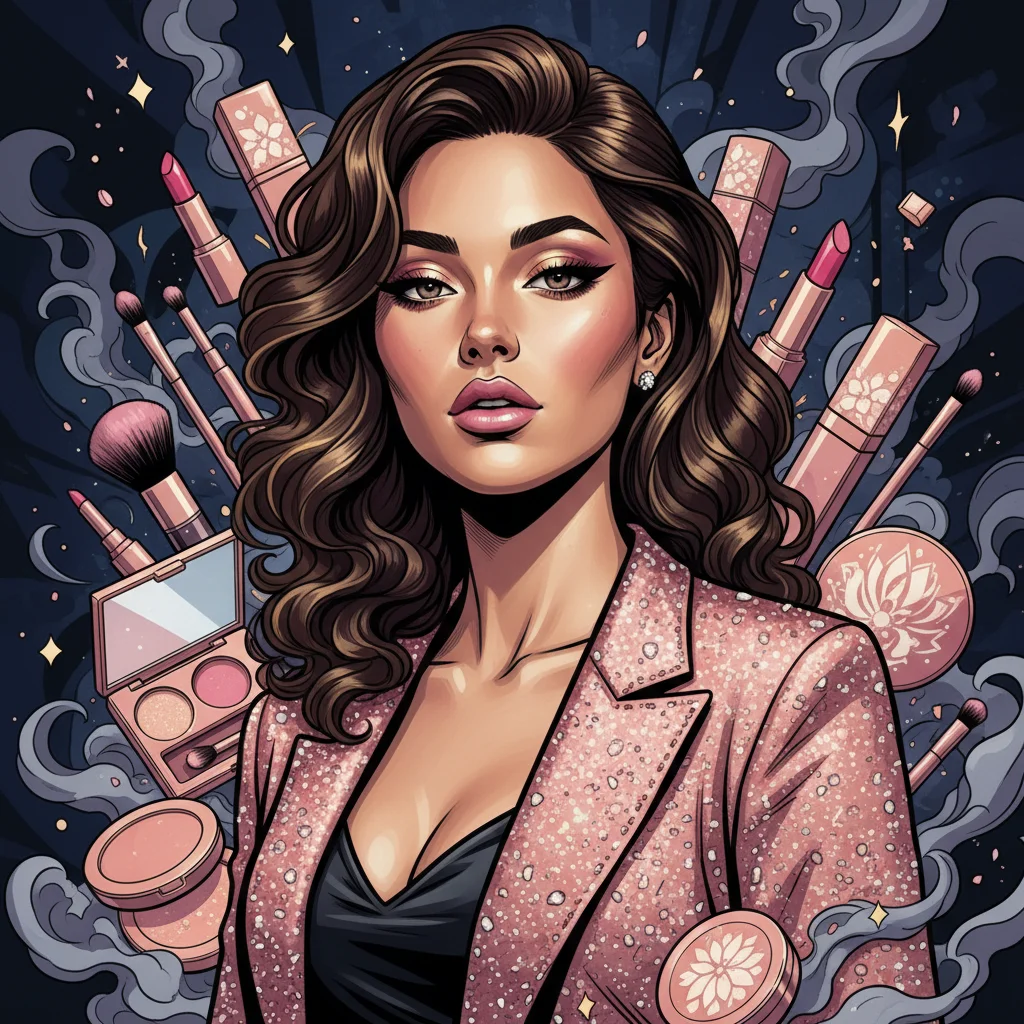
The origin story of Kylie Cosmetics is rooted in an insecurity. Kylie has spoken publicly about feeling self-conscious about her lips as a teenager. In 2015, she admitted to getting lip fillers — a revelation that became a media sensation and, ironically, a marketing goldmine.
Suddenly, everyone was talking about Kylie Jenner’s lips. The “Kylie Jenner Lip Challenge” went viral on social media, with teenagers using shot glasses and bottles to suction their lips to make them appear fuller. The conversation was inescapable.
Kylie — or more precisely, Kylie and her mother’s business team — saw an opportunity.
In November 2015, Kylie launched the “Kylie Lip Kit” — a set containing a liquid lipstick and matching lip liner — through her personal website. The initial run of 15,000 units, priced at $29 each, sold out in less than 60 seconds.
Sixty. Seconds.
The product was manufactured by Seed Beauty, an Oxnard, California-based company that specialized in quick-turn cosmetics production. Kylie Cosmetics didn’t own factories or research labs. The operation was remarkably lean: Seed Beauty handled formulation, manufacturing, and fulfillment. Kylie provided the brand, the marketing (her social media accounts), and the distribution channel (her website).
The economics were extraordinary. With minimal overhead, no retail stores, no traditional advertising budget, and manufacturing handled by a third party, Kylie Cosmetics was essentially a marketing operation with cosmetics attached. And the marketing was free — or rather, it was built on an audience that had been assembled over a decade of reality television.
In its first full year (2016), Kylie Cosmetics reportedly generated approximately $307 million in revenue. The company expanded from lip kits to a full range of cosmetics: eyeshadow palettes, blushes, highlighters, skincare products, and fragrances.
The beauty industry took notice. Here was a 19-year-old who, with a team of fewer than a dozen full-time employees, was outselling established brands with thousands of employees and century-long histories.
📱 Chapter 3: Social Media as a Business Platform
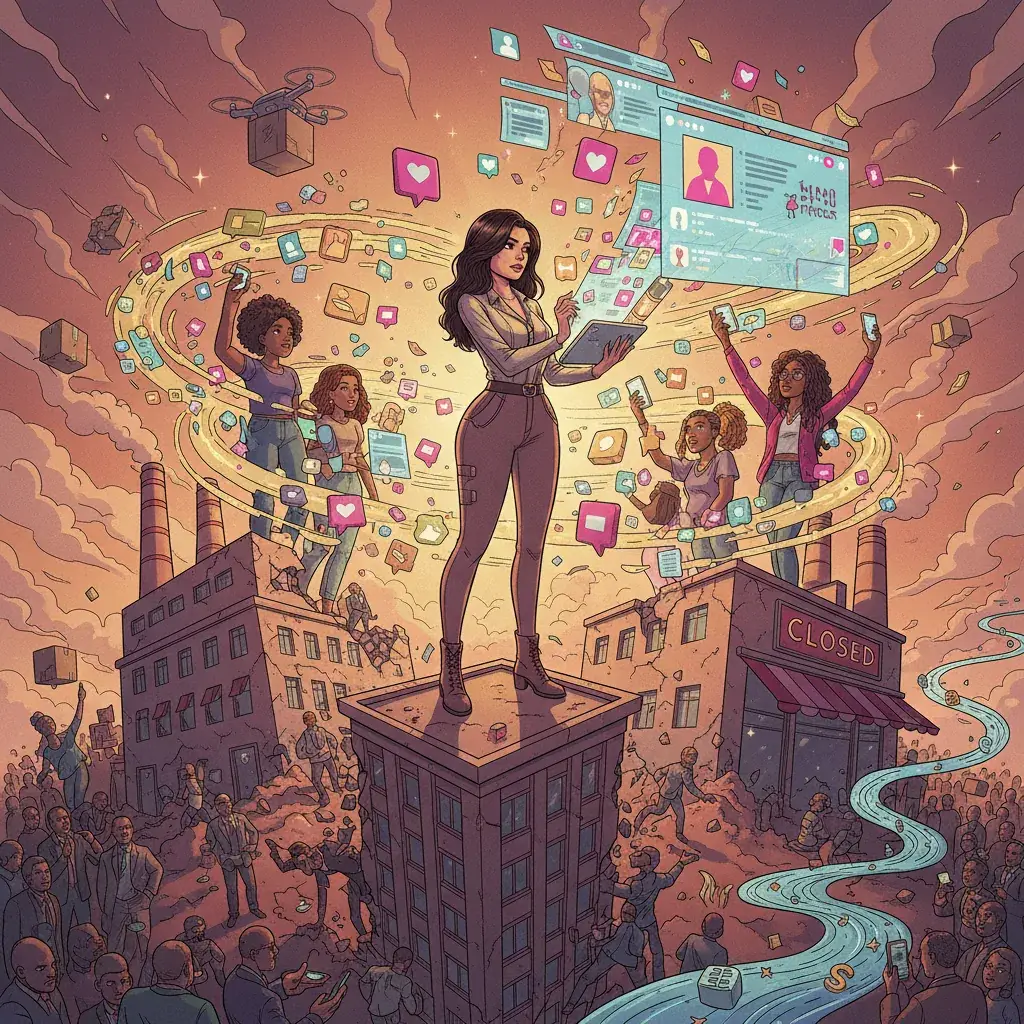
Kylie Jenner’s true innovation wasn’t cosmetics. It was the realization that social media could replace almost every traditional business function.
Consider what a traditional cosmetics company needs:
- Market research — Kylie got instant feedback from millions of followers
- Advertising — Kylie’s Instagram posts, Snapchat stories, and YouTube videos reached more people than any TV commercial
- Retail distribution — Kylie sold direct to consumer through her website
- Public relations — Every Kylie post was covered by dozens of media outlets for free
- Customer relationship management — Kylie’s social media was a direct line to her customers
By 2018, Kylie had over 110 million Instagram followers. Each post about Kylie Cosmetics was, in effect, a free advertisement reaching more people than a Super Bowl commercial (which costs $5 million for 30 seconds). The estimated advertising value of Kylie’s social media posts was over $1 million each.
This is what made Kylie Cosmetics so profitable. Traditional cosmetics companies spend 20-30% of revenue on marketing and advertising. Kylie Cosmetics spent virtually nothing — because Kylie herself was the marketing.
But Kylie’s social media strategy went beyond just posting product photos. She created a sense of intimacy and accessibility that traditional brands couldn’t replicate. Her followers felt like they knew her. They had watched her grow up on television. They followed her daily life on social media. When she recommended a lip color, it felt like a friend’s recommendation, not a corporate advertisement.
This parasocial relationship — the illusion of friendship between a celebrity and their audience — was the engine that powered Kylie Cosmetics. It was authentic in the sense that Kylie genuinely used her own products. It was artificial in the sense that it was carefully curated and monetized at every turn.
The result was a brand with almost zero customer acquisition cost and fanatical customer loyalty. It was, by any measure, a brilliant business model.
💵 Chapter 4: The Forbes Cover and the Billion-Dollar Question
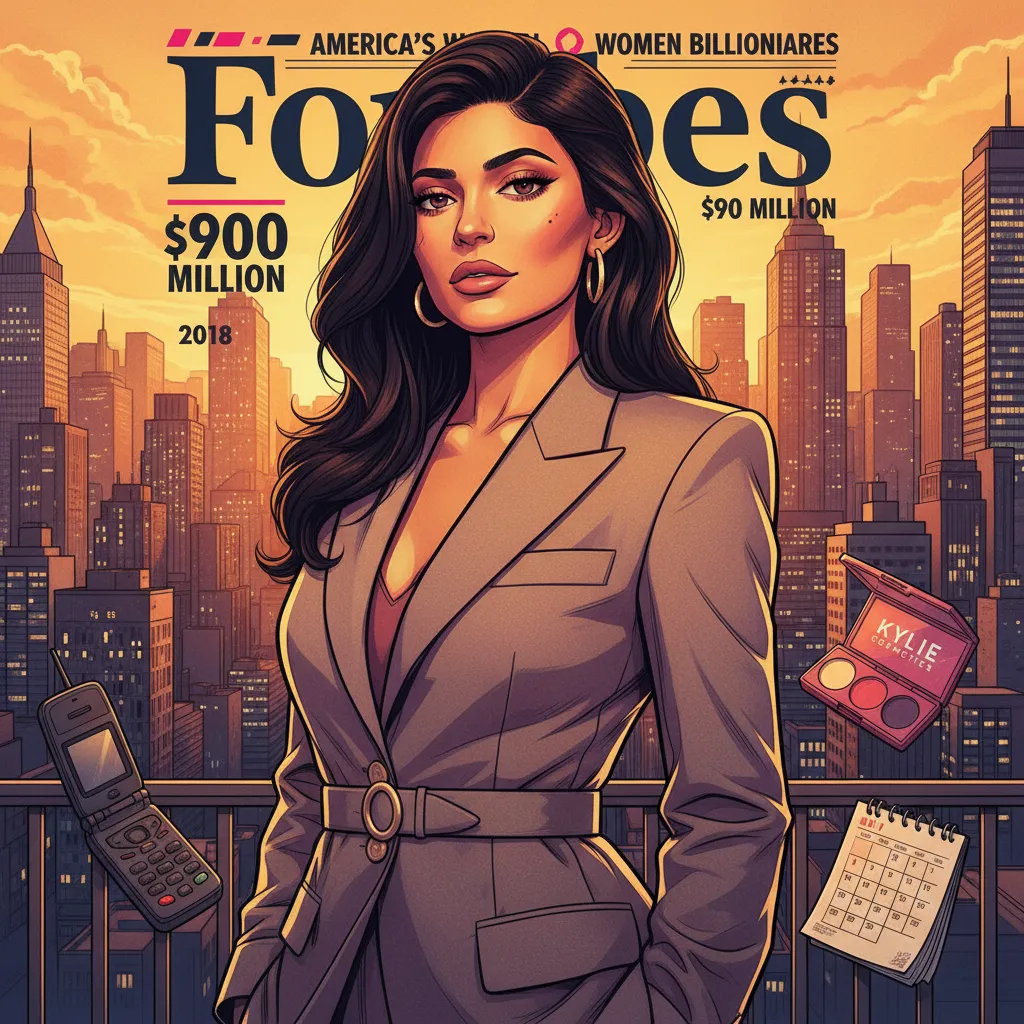
In July 2018, Forbes put Kylie Jenner on its cover with the headline: “America’s Women Billionaires.” The article valued Kylie Cosmetics at $900 million and estimated Kylie’s personal net worth at $900 million. Forbes projected she would become the youngest self-made billionaire in history by age 21, surpassing Mark Zuckerberg (who reached billionaire status at 23).
The internet lost its mind.
The backlash was immediate and intense. The phrase “self-made” became a flashpoint. Dictionary.com tweeted the definition of “self-made”: “having succeeded in life unaided.” Celebrities, business commentators, and ordinary people debated whether someone born into extreme wealth and fame could legitimately be called self-made.
The arguments against:
- Kylie was born into one of the most famous families in America
- She had access to millions of dollars in resources from birth
- Her audience was built through a family reality show, not her own entrepreneurship
- The manufacturing, logistics, and business strategy were handled by others
The arguments in favor:
- Kylie’s siblings had the same platform and didn’t build billion-dollar companies
- She identified a market opportunity and executed on it
- She made specific business decisions (direct-to-consumer, social media marketing) that were innovative
- Forbes’s definition of “self-made” explicitly excludes only those who inherited their wealth
Forbes defended its use of “self-made,” noting that its list had always included people who started businesses with advantages — including venture capital funding from wealthy families. Kylie hadn’t inherited a cosmetics company. She had built one.
In March 2019, Forbes officially declared Kylie Jenner the world’s youngest self-made billionaire at age 21. Her net worth was estimated at $1 billion, based primarily on her ownership stake in Kylie Cosmetics.
🏷️ Chapter 5: The Coty Deal and the Unraveling
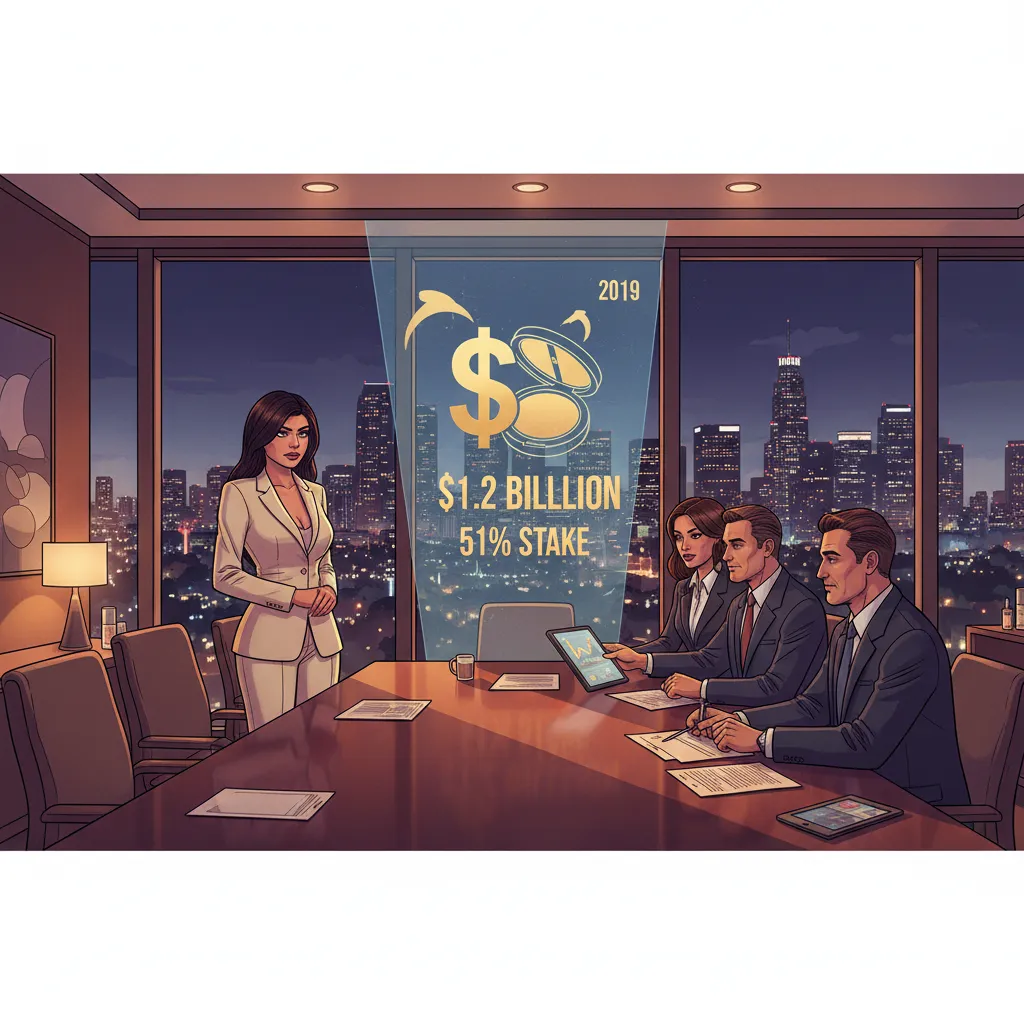
In November 2019, cosmetics giant Coty Inc. announced it would acquire a 51% stake in Kylie Cosmetics for $600 million. This valued the entire company at approximately $1.2 billion.
The deal was significant for several reasons. First, it provided a real, market-based valuation for Kylie Cosmetics — $1.2 billion from a major public company willing to put real money on the table. Second, it gave Kylie $600 million in cash (before taxes) for selling just over half her company. Third, it signaled that Kylie was ready to hand off operational control to a professional beauty conglomerate.
But the Coty deal also planted the seeds of a controversy that would erupt six months later.
In May 2020, Forbes published a bombshell article titled “Inside Kylie Jenner’s Web of Lies — and Why She’s No Longer a Billionaire.” The article accused Kylie’s team of providing inflated revenue figures and misleading financial information to boost her apparent net worth.
According to Forbes, tax returns filed by Kylie Cosmetics as part of the Coty deal revealed that the company’s revenue was “significantly smaller” than the figures Kylie’s team had provided to the magazine. Forbes reported that Kylie Cosmetics had revenues of approximately $125 million in 2018 — far below the $360 million figure her team had claimed.
Forbes stripped Kylie of her billionaire status. Kylie’s team denied the allegations, calling the article “absolutely false.”
The truth likely lies somewhere in the middle. Kylie Cosmetics was a real business generating real revenue — likely in the hundreds of millions. But the specific numbers that had been presented to Forbes appear to have been inflated, and the $900 million valuation that Forbes had used for its original cover story was based on those inflated figures.
Coty itself later wrote down the value of its Kylie Cosmetics stake, acknowledging that the brand’s revenue had declined. By 2021, Coty valued its 51% stake at roughly $300 million — implying a total company value of about $600 million, or half the original deal price.
📊 Chapter 6: The Business Behind the Brand
Setting aside the Forbes controversy, what is the actual business reality of Kylie Cosmetics?
The company pioneered a model that has since been replicated by dozens of celebrity brands: asset-light, social-media-first, direct-to-consumer cosmetics. The model works when three conditions are met:
- A massive, engaged social media following that eliminates traditional marketing costs
- A reliable manufacturing partner (Seed Beauty, later Coty) that handles production
- A direct-to-consumer website that captures full retail margins
Under Coty’s ownership, Kylie Cosmetics expanded into retail distribution through Ulta Beauty stores — a departure from the original online-only model. The brand also expanded internationally and launched adjacent lines including Kylie Skin and Kylie Baby.
Revenue figures post-Coty acquisition have been mixed. The cosmetics market is fiercely competitive, and the direct-to-consumer beauty landscape became dramatically more crowded in the years following Kylie’s success. Competitors including Fenty Beauty (Rihanna), Rare Beauty (Selena Gomez), HAUS Labs (Lady Gaga), and dozens of influencer-led brands entered the market.
By 2025, Kylie Cosmetics remained a significant brand in the beauty industry, but it was no longer the phenomenon it had been in 2016-2018. The novelty had faded, competition had intensified, and Kylie’s own social media engagement — while still enormous — had matured into something more predictable.
Kylie’s personal net worth in 2026 is estimated at approximately $600-700 million. Not a billion, but still an extraordinary fortune for someone who is 28 years old.
🌐 Chapter 7: The Template She Created
Regardless of where one falls on the “self-made” debate, Kylie Jenner’s impact on business is undeniable. She created a template that fundamentally changed how celebrity brands operate.
Before Kylie, celebrity brands were typically licensing deals. A celebrity would lend their name to a product manufactured and marketed by a major company in exchange for royalties. Think Jessica Simpson shoes or Britney Spears perfume. The celebrity was a billboard, not a business owner.
Kylie flipped this model. She (with her mother’s guidance) owned the brand, controlled the marketing, and captured the majority of the economics. The manufacturing was outsourced, but the value — the brand equity, the customer relationship, the social media platform — was owned.
This model has since been replicated across industries:
- Rihanna launched Fenty Beauty with LVMH, generating $550 million in its first year
- Selena Gomez launched Rare Beauty, valued at over $2 billion by 2024
- Kim Kardashian launched SKIMS shapewear, valued at $4 billion
- MrBeast built a snack empire (Feastables) leveraging his YouTube audience
- Emma Chamberlain launched Chamberlain Coffee
The common thread: a massive social media following converted into a capital-light consumer brand. Kylie didn’t invent celebrity entrepreneurship, but she proved that in the social media age, the celebrity IS the business — not just the face of it.
🎭 Chapter 8: The Verdict
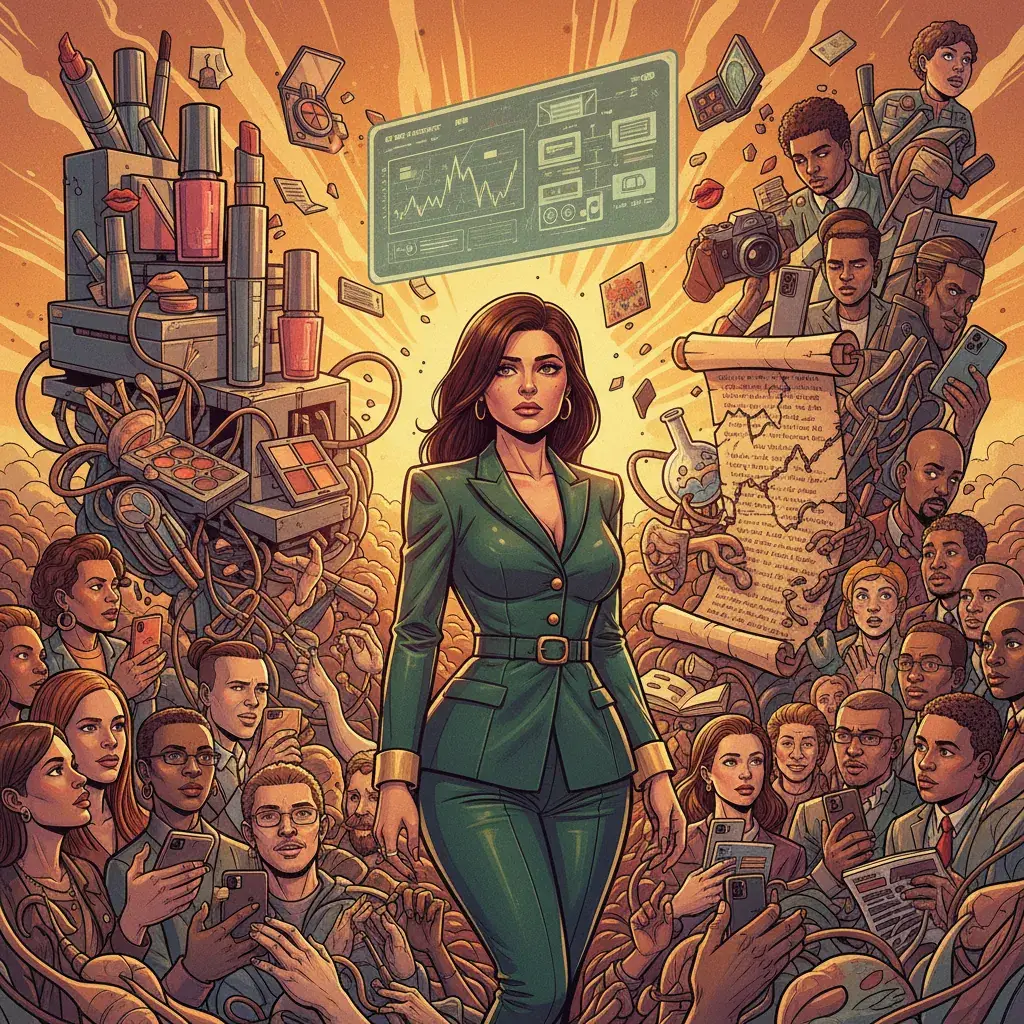
Kylie Jenner’s business story resists simple narratives.
She is not the “self-made billionaire” that Forbes originally proclaimed. She was born with advantages — fame, wealth, connections, a built-in audience — that virtually no other entrepreneur in history has enjoyed. The financial figures presented to support the billionaire claim appear to have been inflated. The Coty deal, while real, valued the company at significantly less than the $900 million-to-$1 billion range that generated the headlines.
But she is also not a fraud. Kylie Cosmetics was a real business that generated hundreds of millions in revenue and genuine profits. The direct-to-consumer, social-media-first model she pioneered was genuinely innovative. Her ability to convert attention into commerce was extraordinary. And the fact remains that her siblings — who had access to the same platform and advantages — did not build anything comparable until years later.
The real lesson of Kylie Jenner’s story isn’t about whether she’s self-made. It’s about the changing nature of business itself. In the 21st century, attention is the scarcest and most valuable resource. Those who command it — whether through reality TV, social media, YouTube, or TikTok — have a business advantage that transcends traditional metrics like capital, experience, or expertise.
Kylie Jenner understood this intuitively. She may not have built Oracle or Carnegie Steel. But she built something that neither Larry Ellison nor Andrew Carnegie ever could: a brand that was inseparable from her own identity, marketed through a platform she controlled, reaching an audience that felt like they knew her personally.
In the attention economy, that might be the most valuable asset of all.
Kylie Jenner is 28 years old, worth an estimated $600-700 million, and still posting. The lip kits that sold out in 60 seconds launched a new era of celebrity business. Whether you call her self-made or not, one thing is certain: she changed the game.
💖 Chapter 9: Love, Loss, and the Lens (2014-Present)
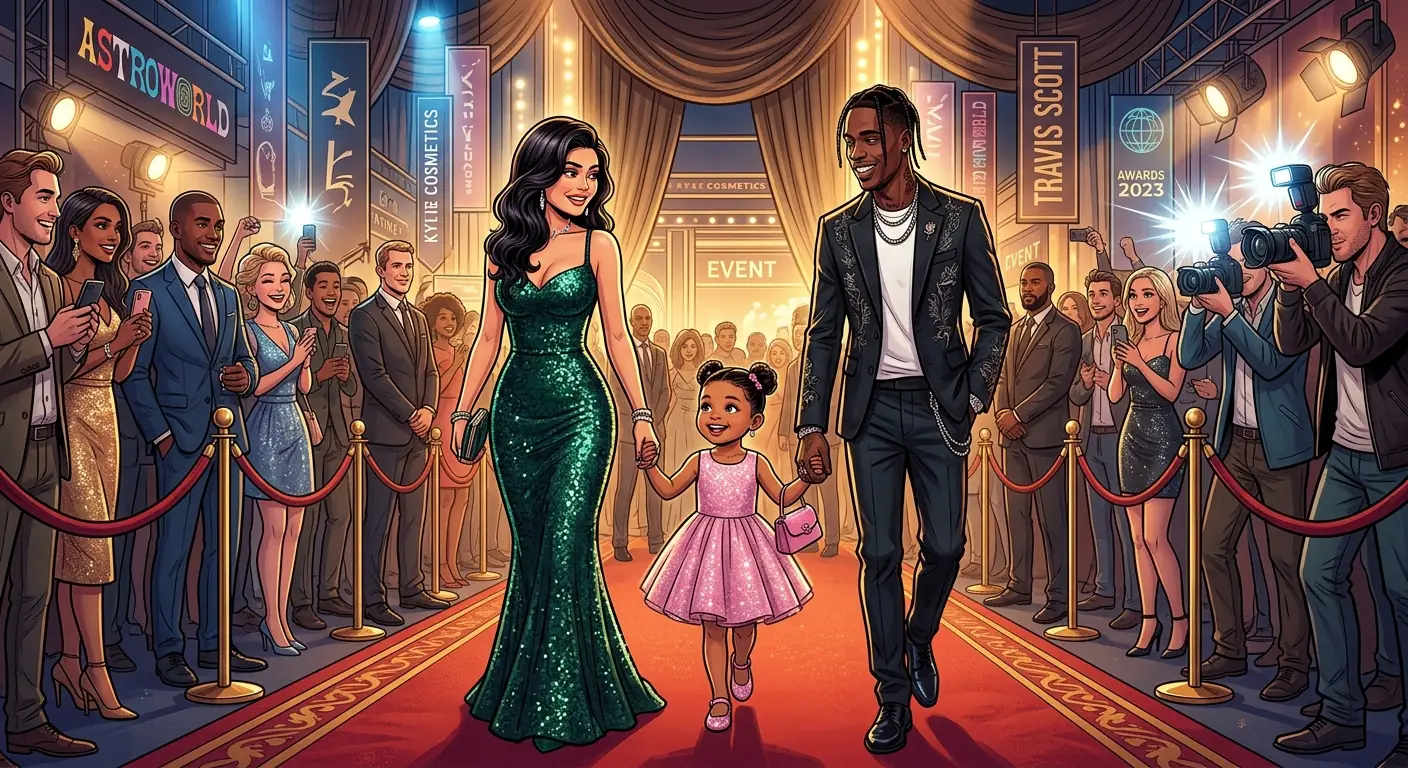
Beyond the boardroom battles and the beauty empire, Kylie Jenner’s personal life has always been a central, often volatile, part of her public persona. Remember, she grew up on TV. Her relationships, friendships, and especially her journey into motherhood, weren’t just private milestones; they were often prime-time storylines and social media sensations, inextricably linked to her brand.
Teenage Romance in the Spotlight
Before Travis Scott, there was Tyga. Their relationship, which reportedly began around 2014 when Kylie was just 17 and Tyga was 24, was a paparazzi magnet and a constant fixture on Keeping Up with the Kardashians. The age gap raised eyebrows, but the drama kept viewers glued. For Kylie, this wasn’t just a high-school romance; it was a masterclass in navigating public scrutiny. Every date, every gift, every rumored breakup was dissected by millions. Her social media, already a powerful tool for her burgeoning brand, also became a very public diary of her love life. While it certainly garnered attention, it also highlighted the unique pressure she faced, growing up with literally no privacy. It was a chaotic, often criticized period, but it undeniably kept her name in headlines, proving that even “bad” press could fuel the machine.
Motherhood and Brand Evolution
Perhaps the most significant turning point in Kylie’s personal life, and a massive shift for her brand, was the birth of her daughter, Stormi Webster, on February 1, 2018. The pregnancy itself was a masterclass in media manipulation (or just extreme privacy, depending on your view). For months, while the rumor mill churned, Kylie remained conspicuously out of the public eye, only confirming her pregnancy after Stormi was born with an emotional YouTube video titled “To Our Daughter.” This single video, a stark contrast to her usual highly-produced content, broke records and offered a rare, intimate glimpse into her world. It was a strategic move, or perhaps just a genuine desire for privacy, that paid off handsomely. Suddenly, the “self-made billionaire” narrative gained a new, softer edge. The brand expanded, quite naturally, into “Kylie Baby,” a line of skincare and hair products for infants, launched in September 2021. Motherhood didn’t slow her down; it gave her a new demographic to conquer, a new narrative arc, and undoubtedly, a new level of empathy from her audience. It also, somewhat ironically, humanized her in a way that all the luxury cars and private jets never could.
The Pressure Cooker of Fame
Living life under such intense scrutiny comes with a hefty price tag. Kylie has frequently spoken about the mental health challenges of growing up famous. In a 2020 interview with Vogue Australia, she admitted, “I’ve been on TV since I was 9 years old. I don’t know what it’s like to not have people talking about me.” This constant spotlight, while enabling her business, has undoubtedly shaped her character and her approach to privacy. Her on-again, off-again relationship with Travis Scott, the father of her two children (son Aire Webster was born on February 2, 2022), has been a rollercoaster played out in headlines and Instagram posts. Each reconciliation, each separation, is analyzed by millions, adding layers of complexity to her public identity. It’s a testament to her resilience, or perhaps her incredible ability to compartmentalize, that she’s managed to build an empire while navigating a personal life that most of us wouldn’t wish on our worst enemies. She truly grew up in a gilded cage, where every emotion, every decision, became fodder for public consumption.
👗 Chapter 10: Beyond the Lip Kit – The Diversification Dilemma (2015-Present)
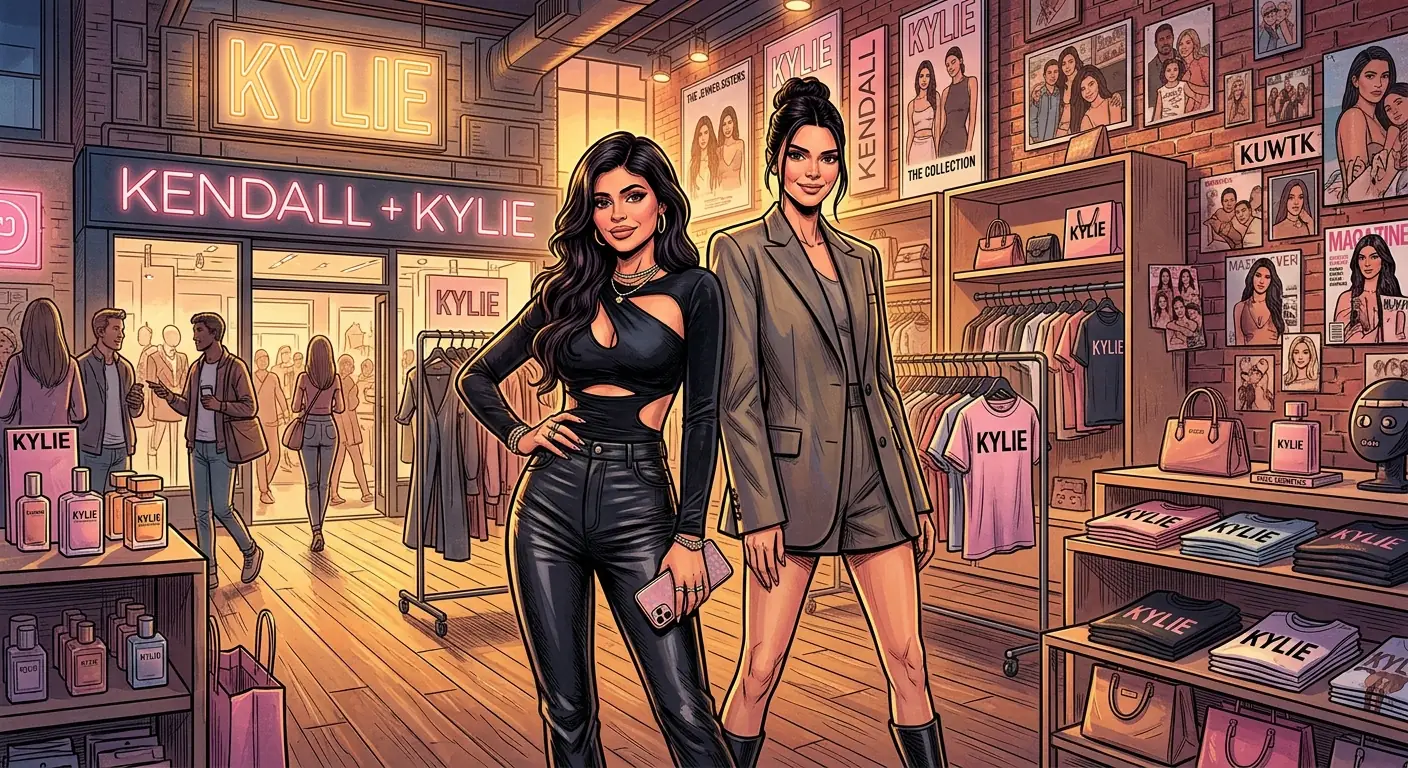
The incredible success of Kylie Cosmetics wasn’t just a flash in the pan; it was a blueprint. A blueprint for how a social media powerhouse could parlay personal influence into tangible products. But even the savviest entrepreneurs know that putting all your eggs in one basket, even if that basket is filled with highly profitable lip kits, is a risky game. Kylie, along with her ever-present momager Kris Jenner, understood this implicitly, leading to a relentless pursuit of diversification. Some ventures soared, others, well, let’s just say they provided valuable learning experiences.
From Lips to Lifestyles
Kylie’s initial foray beyond cosmetics was into the world of fashion, often leveraging her relationship with her supermodel sister, Kendall Jenner. The “Kendall + Kylie” brand, launched in 2015, aimed to capture their distinctive, trend-setting style. It started with collaborations for retailers like PacSun and Topshop, offering moderately priced clothing and accessories. This was a smart move: tapping into the sisters’ combined following to sell apparel that reflected their on-screen personas. It proved that their influence wasn’t limited to beauty; their entire aesthetic was a commodity. The brand eventually evolved into a standalone label, retailing at department stores like Nordstrom and Saks Fifth Avenue, boasting a broader range of contemporary women’s wear. While perhaps not as explosively profitable as Kylie Cosmetics, it solidified their status as fashion moguls in their own right, even if the creative control was often debated.
The Kendall + Kylie Clothing Line: A Mixed Bag
The “Kendall + Kylie” clothing line, much like any fashion venture, has had its share of ups and downs. It allowed them to branch into categories like swimwear, handbags, and even eyewear, attempting to create a full lifestyle brand. However, it wasn’t without controversy. In 2017, they faced significant backlash for releasing a line of vintage t-shirts featuring images of iconic musicians like Tupac Shakur and The Notorious B.I.G., overlaid with their own faces. Critics quickly slammed the designs as disrespectful and culturally insensitive, forcing the sisters to pull the shirts and issue an apology. “We deeply apologize to anyone that has been upset and/or offended, especially to the families of the artists,” they stated, acknowledging that “the designs were not well thought out.” This incident highlighted the perils of rapid diversification without careful cultural consideration, a lesson that many influencer-led brands have learned the hard way. It showed that while their names could sell anything, they couldn’t always sell everything without scrutiny.
Baby Steps into New Markets
The biggest, and most natural, diversification for Kylie post-Stormi’s birth was “Kylie Baby.” Launched in September 2021, this line focused on gentle, hypoallergenic skincare and hair products for infants and toddlers. It was a brilliant move, capitalizing directly on her new identity as a mother, which resonated deeply with her audience. The packaging was pastel, the marketing leaned heavily into her adorable children, and the product line was strategically positioned as premium yet accessible. This venture demonstrated a clear understanding of market trends and her own evolving personal brand. Similarly, her 2022 launch of “Kylie Swim,” a swimwear line, aimed to corner another segment of the fashion market. While “Kylie Swim” reportedly faced some quality control issues upon launch, leading to customer complaints about thin fabric and poor stitching, it underscored her relentless drive to expand her empire. The strategy was clear: if Kylie wears it, uses it, or makes it, her fans will want it. The challenge, as always, was maintaining quality and avoiding the pitfalls of overextension in a saturated market.
💀 Chapter 11: The Dark Side of Influence – Scandals and Setbacks (2016-Present)
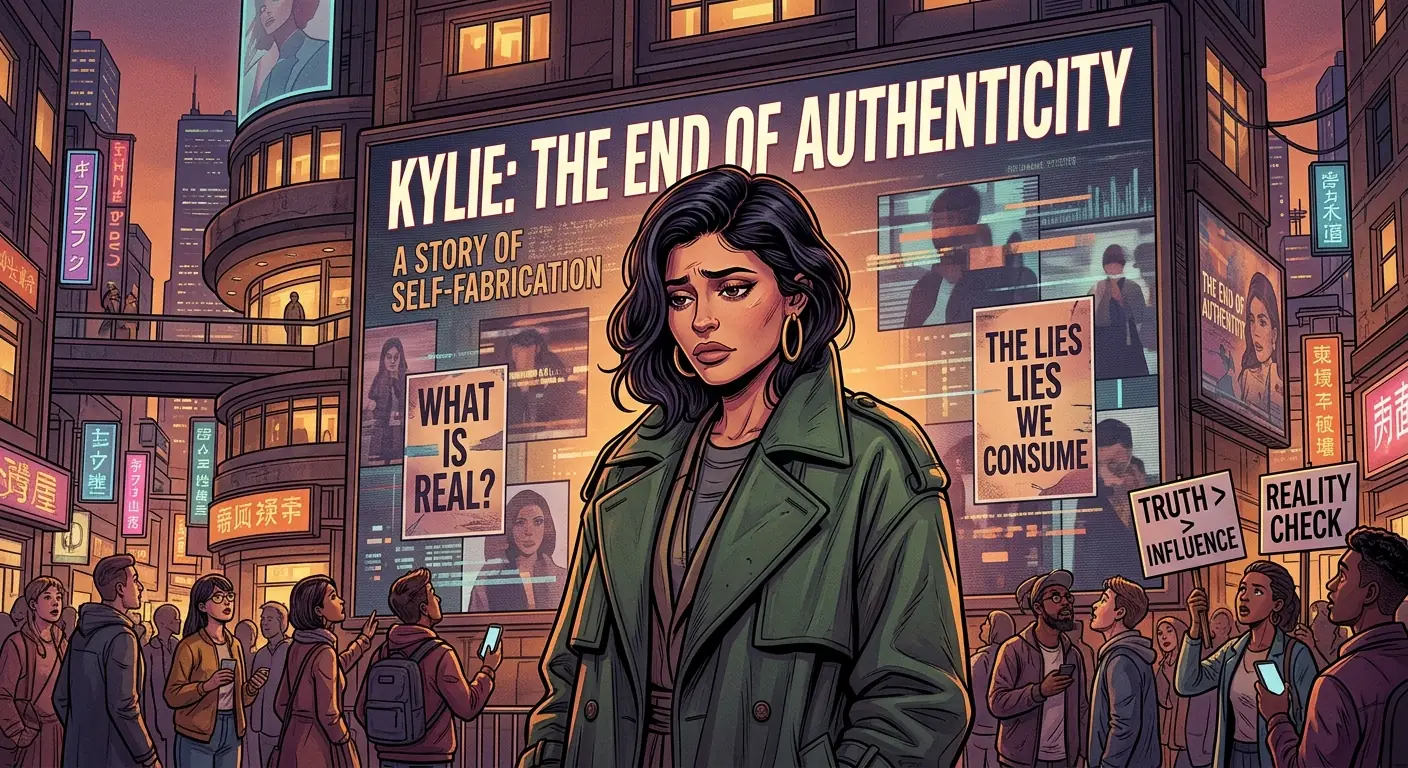
While the Forbes “self-made” debate and the Coty deal were high-stakes financial dramas, Kylie’s journey hasn’t been without its fair share of more visceral, often culturally charged, controversies. From accusations of cultural appropriation to product quality complaints, the constant glare of the spotlight means every misstep is amplified, dissected, and often, used as a weapon by critics. These moments, while challenging, also reveal the complex tightrope walk of being an uber-influencer.
Cultural Appropriation Accusations
One of the most persistent criticisms leveled against Kylie, and indeed the entire Kardashian-Jenner clan, has been cultural appropriation. This often manifests in their adoption of styles, hairstyles, and aesthetics originating from Black culture, without proper acknowledgment or context. For instance, in 2015 and 2016, Kylie frequently sported cornrows and other traditionally Black hairstyles, often receiving praise for being “edgy” or “trendy,” while Black women wearing the same styles often face professional and social discrimination. Actress Amandla Stenberg famously called out Kylie on Instagram in 2015, writing, ”> When you appropriate Black culture and fail to use your platform to help Black Americans by directing attention toward your wigs instead of police brutality or racism #whitegirlsdoitbetter.” This criticism encapsulated a broader frustration: the ability of white celebrities to profit from and popularize aspects of Black culture, while the originators remain marginalized. These accusations often sparked fierce debate, highlighting the complex intersection of fashion, race, and influence in the digital age.
Product Controversies and Backlash
Even the golden goose, Kylie Cosmetics, wasn’t immune to public backlash regarding product quality. While the initial Lip Kits were a smash hit, as the brand expanded, so did the scrutiny. In 2016, customers began complaining about the brand’s lip gloss wands, alleging they were frayed and defective. Viral social media posts showed bristles falling out, leading to widespread disappointment. Kylie Cosmetics was quick to respond, with Kylie herself tweeting, ”> I’m so upset about the lip glosses being a problem, I am on it!” The company promised to replace faulty products and improve quality control, but the incident served as a stark reminder that even with a massive following, product integrity is paramount. Later, in 2017, Kylie Jenner was accused of copying the packaging and marketing for her camouflage-themed collection from an independent brand, “PluggedNYC,” further fueling accusations of plagiarism and lack of originality, though no legal action was taken. These episodes demonstrated that the shine of celebrity influence could only carry a product so far; eventually, the product itself had to deliver.
Beyond the Gloss: Ethical Questions
Beyond specific product issues, broader ethical questions have hovered over Kylie’s empire. The environmental impact of fast fashion and disposable beauty products, for instance, is a growing concern that her brands, like many in the industry, have yet to fully address. There have also been questions about labor practices, particularly regarding the manufacturing of her fashion lines, though no specific allegations have been widely substantiated against her directly. These deeper ethical quandaries are often overshadowed by the sensationalism of celebrity news, but they represent a more fundamental challenge for influencer-led brands in an increasingly conscious consumer landscape. The relentless pursuit of profit and expansion, while admirable in a business sense, often bumps up against the values of sustainability, fair labor, and cultural respect. For Kylie, whose brand is so intimately tied to her personal image, these controversies are not just business problems; they are personal attacks on her carefully curated persona, requiring constant damage control and strategic re-evaluation.
🤝 Chapter 12: Philanthropy, Activism, and the Public Persona (2016-Present)
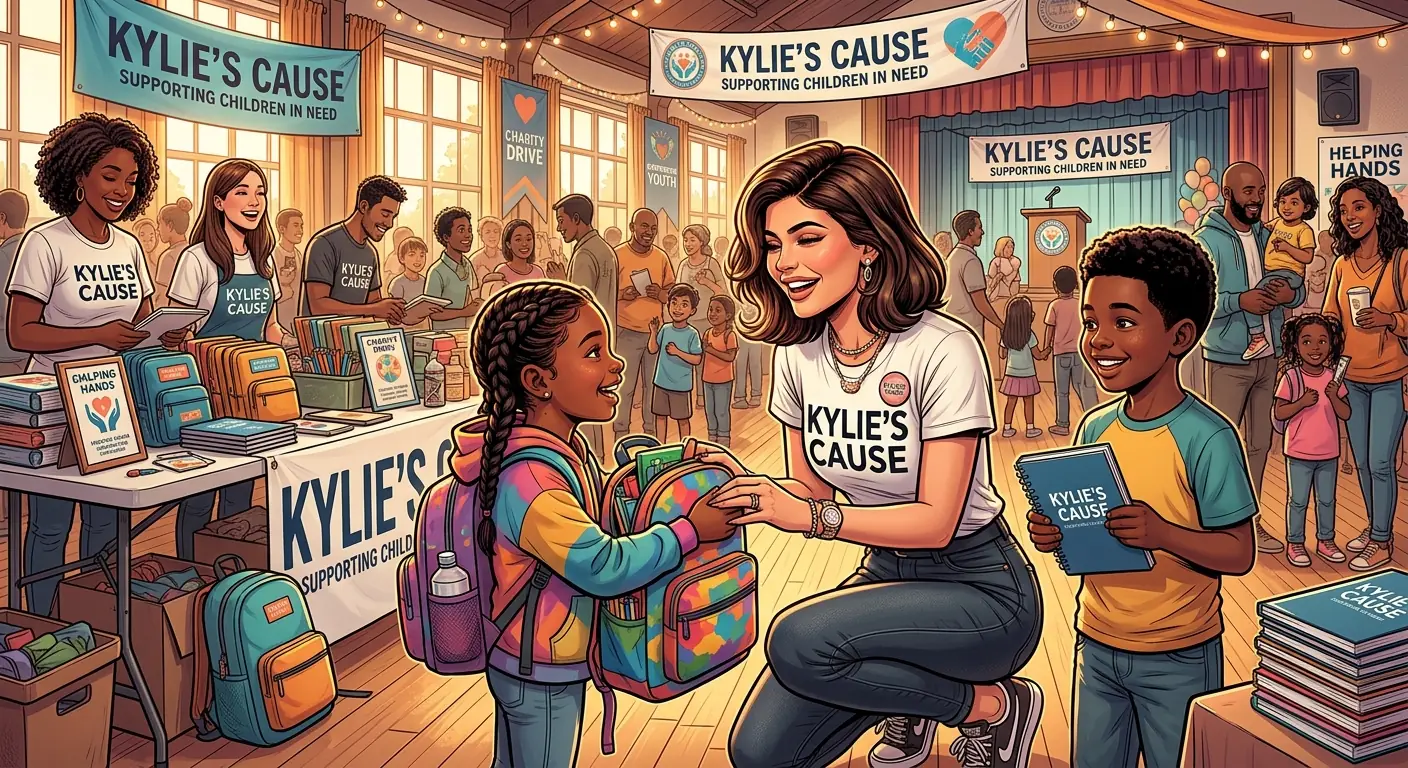
In the dazzling, often superficial world of celebrity, genuine philanthropy can be a powerful tool for reputation management, a sincere expression of compassion, or a calculated strategic move. For Kylie Jenner, navigating the waters of giving back has been a complex endeavor, often met with skepticism, especially given the controversies surrounding her wealth. Yet, she has, at various points, engaged in charitable efforts, attempting to reshape her image from purely profit-driven mogul to a socially conscious public figure.
Giving Back (or Looking Like It)
Kylie’s philanthropic efforts have often been low-key, or announced after the fact, which has sometimes led to accusations of “performative” giving. One notable instance came during the COVID-19 pandemic in 2020, when she reportedly donated $1 million to help provide protective gear for healthcare workers. Her personal obstetrician, Dr. Thais Alibadi, publicly thanked Kylie, stating, ”> I am speechless, my eyes are filled with tears… Kylie Jenner, thank you for your generous donation.” This act was widely praised, coming at a critical time when medical supplies were scarce. In other instances, a portion of sales from specific Kylie Cosmetics collections has been donated to various charities, such as the “Smile Train” organization, which provides corrective surgery for children with cleft palates. However, the exact amounts and consistency of these donations have sometimes been vague, leading critics to question the true impact versus the positive publicity generated. It’s a tricky balance: give too little, and you’re branded as greedy; give too much, and you’re accused of doing it for show.
Navigating Social Issues
As a young, influential figure with a massive platform, Kylie has faced increasing pressure to speak out on social and political issues, particularly those impacting her diverse fanbase. While her sisters, notably Kim Kardashian, have become more vocal on topics like prison reform, Kylie has generally maintained a more guarded public stance. However, during the Black Lives Matter movement in 2020, following the murder of George Floyd, Kylie did use her Instagram to express her support, urging her 200 million+ followers (at the time) to educate themselves and register to vote. She posted, ”> I’ve been feeling sick and heart broken all day. I’m exhausted, fed up, and tired of the hate and violence.” While some praised her for using her platform, others criticized the timing or perceived lack of consistent engagement on such crucial issues, contrasting it with her rapid adoption of certain cultural styles. This highlights the double-edged sword of influence: silence can be deafening, but even speaking up can be seen as insufficient or insincere by a demanding public.
The Evolution of Public Persona
Kylie’s journey through philanthropy and activism reflects a broader evolution in how celebrities are expected to engage with the world. It’s no longer enough to just sell products; there’s an unspoken expectation to be a “good” person, a responsible global citizen. For Kylie, whose brand is so intrinsically tied to aspirational wealth and glamour, integrating genuine social impact is a continuous challenge. Her recent ventures, like “Kylie Baby,” which focuses on gentle, clean products, subtly align with a more conscious consumer base, hinting at a shift towards more ethically minded branding. The sheer scale of her influence means that even small acts of charity or statements of support reach millions, potentially inspiring action. But it also means that her every move is scrutinized for authenticity. Ultimately, her philanthropic efforts, whether grand gestures or quiet donations, are part of the ongoing narrative of Kylie Jenner – a young woman learning to wield immense power, both commercially and culturally, in a world that demands more than just a pretty face and a perfect pout.
🔮 Chapter 13: The Enduring “Kylie Effect” and Legacy (2020-Present)
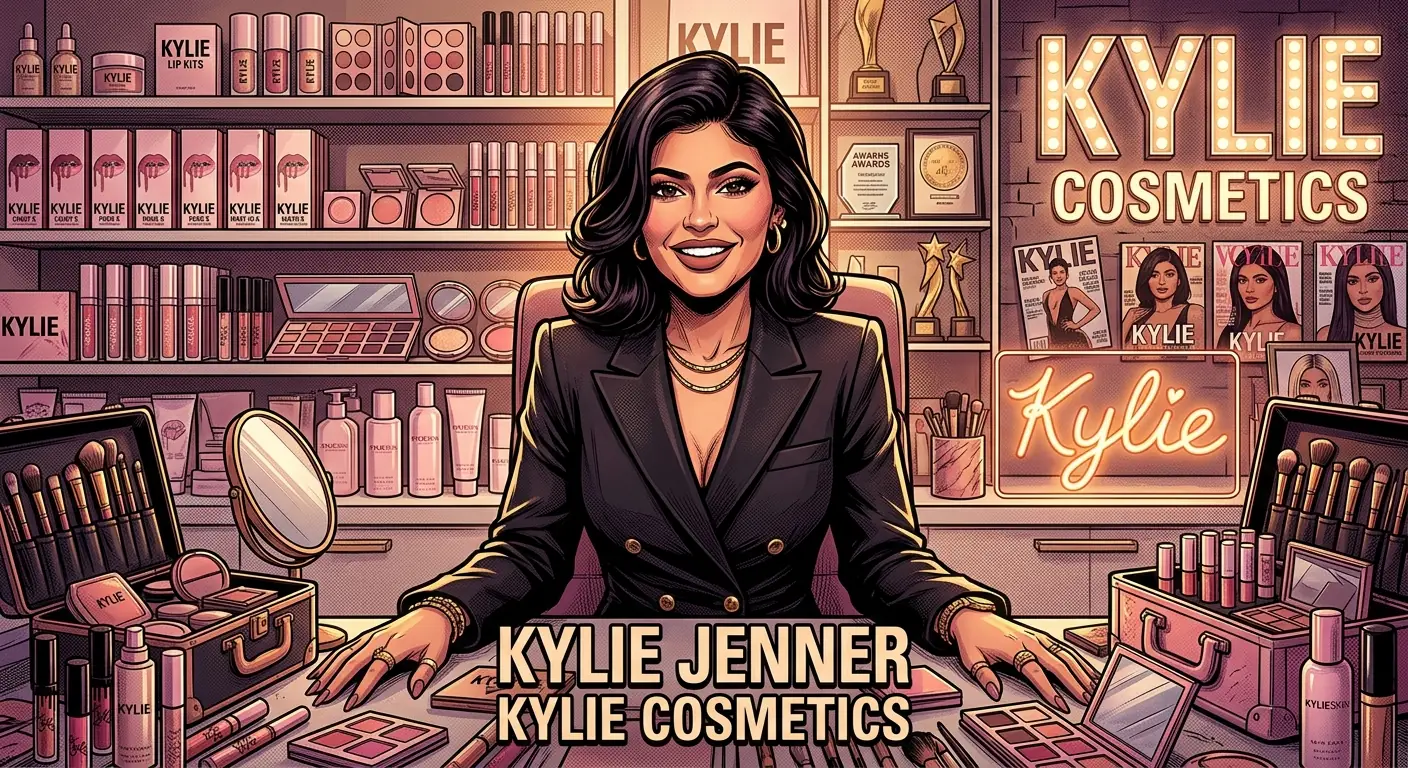
After the dust settled on the Forbes controversy and the lucrative Coty deal, what remains of the Kylie Jenner empire, and what is her lasting legacy? It’s clear that her status as a “self-made billionaire” was fleeting, perhaps even a mirage, but her impact on business, marketing, and the very definition of celebrity entrepreneurship is undeniably real and continues to reverberate across industries. She didn’t just sell makeup; she sold a blueprint for instant brand creation.
Post-Coty: Rebuilding and Refocusing
Following the 2020 Forbes retraction and the $600 million sale of a majority stake in Kylie Cosmetics to Coty Inc. in 2019, Kylie’s role shifted significantly. She remained the face, the creative director, and a minority owner, but the operational control largely moved to Coty. This period has seen a refocusing and, arguably, a professionalization of the brand. Kylie Cosmetics products became more widely available, moving into brick-and-mortar retailers like Ulta Beauty, which was a strategic shift from its initial direct-to-consumer model. This expansion aimed to reach a broader audience beyond her immediate social media following, leveraging Coty’s global distribution network. However, it also meant losing some of the exclusivity and scarcity that initially fueled the brand’s hype. The challenge post-Coty has been to maintain the “Kylie magic” while operating within a larger corporate structure, a transition that many founder-led brands struggle with. It’s a delicate dance between maintaining authenticity and scaling for mass market appeal.
New Ventures and Brand Evolution
Despite the corporate shift with Coty, Kylie hasn’t stopped innovating or expanding her personal brand. As mentioned earlier, “Kylie Baby” launched in 2021, a natural extension of her motherhood journey. This venture, along with “Kylie Swim,” showcases her continued ambition to diversify and capture new market segments. These newer ventures indicate a strategic move away from being solely a beauty mogul to a broader lifestyle entrepreneur. She’s building an ecosystem of products around “Kylie Jenner” the person, rather than just “Kylie Cosmetics” the brand. This strategy is about creating a more resilient, multi-faceted business that isn’t entirely dependent on the cyclical trends of the beauty industry. It also allows her to maintain a higher degree of creative and financial control over these new lines, potentially learning from the Coty experience. The narrative is evolving: from “lip kit queen” to “lifestyle impresario.”
The Enduring Legacy of the “Kylie Effect”
Kylie Jenner’s true legacy isn’t the billionaire title, but the “Kylie Effect”—the undeniable impact she had on modern marketing and entrepreneurship. She proved, definitively, that a personal brand, cultivated and amplified through social media, could bypass traditional advertising and retail channels to create a multi-million-dollar business almost overnight. She democratized access to entrepreneurship in a way, showing that you didn’t need a Madison Avenue ad agency or venture capital to launch a product; you just needed an audience, authenticity (or the perception of it), and a product people wanted. Her model inspired countless influencers to launch their own lines, from beauty to fashion to wellness. She reshaped how brands engage with consumers, making direct interaction and instant feedback the norm. The lessons from Kylie’s journey are profound: personal branding is paramount, social media is the ultimate sales channel, and scarcity drives demand. While the “self-made” label remains contentious, no one can deny that Kylie Jenner fundamentally altered the landscape of celebrity, business, and how we understand influence in the digital age. She may not be a billionaire by Forbes’ updated standards, but she certainly broke the internet, and then some.
💡 Key Insights
- ▸ Social media followers are the new retail real estate — Kylie proved you don't need stores to build a cosmetics empire.
- ▸ The definition of 'self-made' has become the most contested term in modern business vocabulary.
- ▸ Celebrity brands succeed when the celebrity IS the marketing channel, eliminating traditional advertising costs.
- ▸ Outsourcing manufacturing while controlling brand and distribution is the modern playbook for capital-light businesses.
- ▸ Inflated valuations and uncritical media coverage can create billionaire myths that don't survive scrutiny.
Sources
- Forbes - Kylie Jenner Billionaire Cover Story ↗
- Forbes - Inside Kylie Jenner's Web of Lies ↗
- The Wall Street Journal - Coty Acquires Kylie Cosmetics Stake ↗
- Bloomberg Businessweek - Kardashian Inc. ↗
- The New York Times - Kylie Cosmetics and the Influencer Economy ↗
- Business of Fashion - Kylie Cosmetics Analysis ↗