Bob Iger: The Man Who Bought Pixar, Marvel, and Star Wars — Then Couldn't Let Go of Disney
He transformed Disney from an aging entertainment company into the most powerful media empire on Earth through $20 billion in acquisitions. Then he retired, watched his successor struggle, and came back for more.
View all stories about this mogul
Bob Iger’s Disney career is the story of a man who couldn’t stay retired. In his first fifteen years as CEO, he transformed the Walt Disney Company from a struggling entertainment conglomerate into the most dominant media empire on Earth, spending over $85 billion to acquire Pixar, Marvel, Lucasfilm, and 21st Century Fox. Then he retired in 2020, handed the company to his handpicked successor Bob Chapek, watched it stumble through the pandemic and a series of missteps, and came back in 2022 to fix it. The second act has been harder than the first — streaming economics are brutal, the theatrical business is fragile, and the cultural landscape has shifted. But Iger remains the most important executive in entertainment, running the company that defines American popular culture.
Chapter 1: Long Island to ABC (1951–1995)
Robert Allen Iger was born on February 10, 1951, in New York City and raised in Oceanside, Long Island. His father was a Navy veteran who held various jobs, including advertising executive and college professor. The family was middle class — not struggling but not comfortable. Iger has described a childhood marked by his father’s career frustrations and periodic depression, which instilled in young Bob both empathy and an intense drive to succeed.
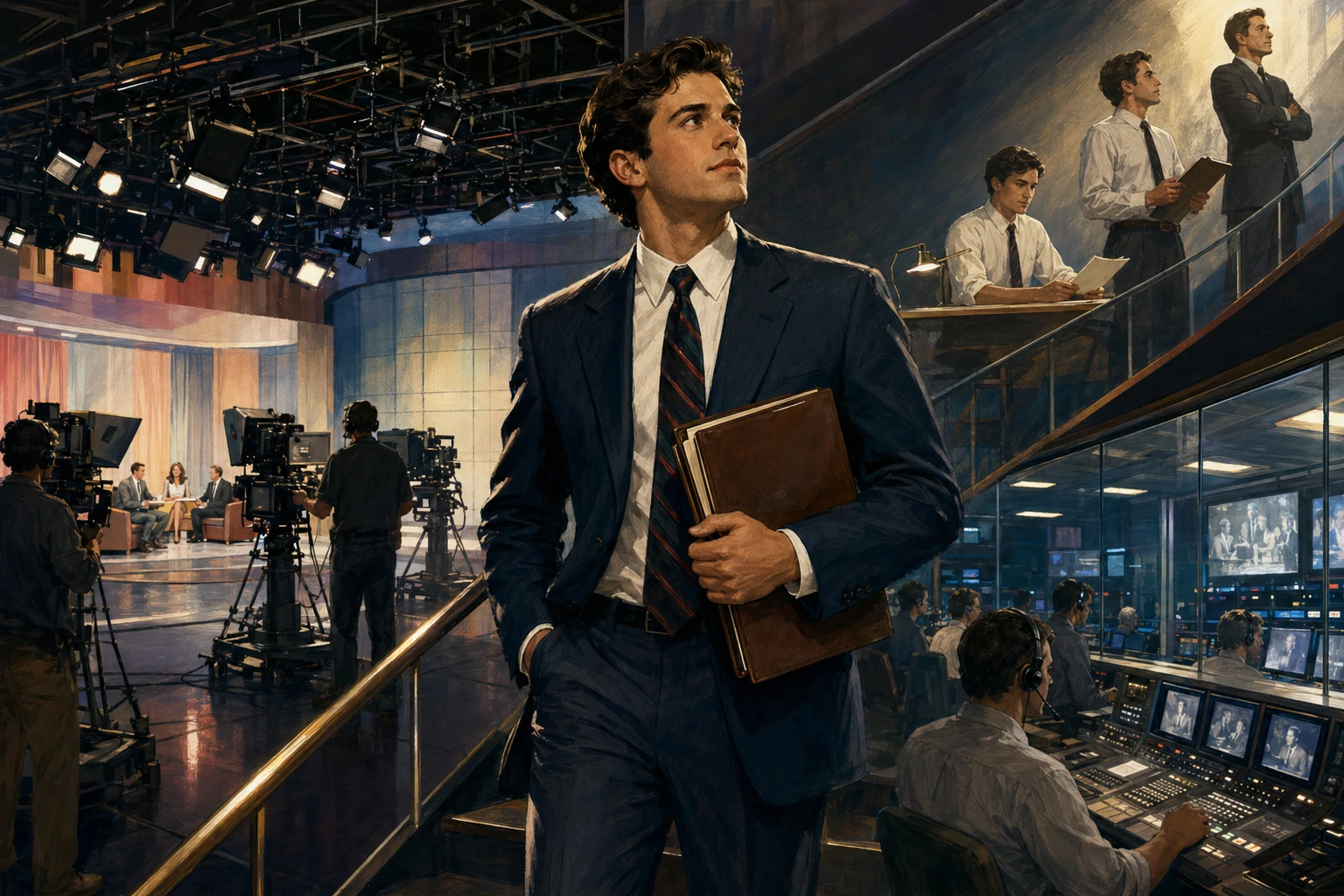
He attended Ithaca College, a solid but unspectacular school in upstate New York, where he studied television and radio. After graduating in 1973, he joined ABC Television as a studio supervisor — essentially the lowest rung on the entertainment ladder. His first day on the job, he helped prop up a broken set for a talk show. It was not a glamorous start.
Over the next twenty-two years, Iger rose through ABC’s ranks with steady, unglamorous competence. He worked in sports programming, overseeing coverage of the Olympics and Wide World of Sports. He moved into entertainment programming. He became president of ABC Entertainment, then president of ABC Television. At each level, he demonstrated the same qualities: strategic thinking, emotional intelligence, and the ability to make people want to work for him.
Chapter 2: The Michael Eisner Shadow (1996–2005)
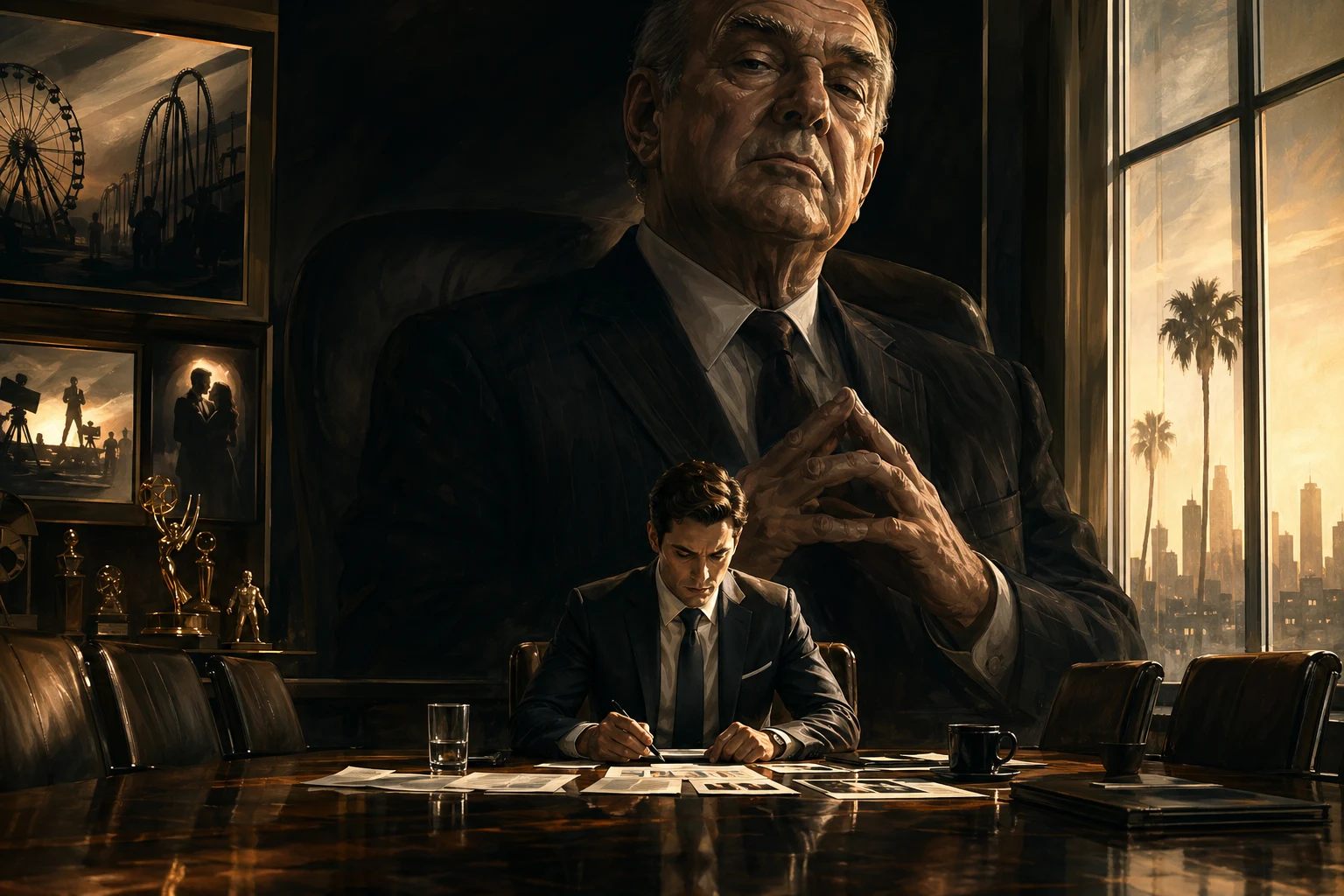
When Disney acquired ABC in 1996 for $19 billion, Iger came with the deal. Michael Eisner, Disney’s CEO, was a towering, domineering figure who controlled every aspect of the company. Iger served as president and COO — the number two — and spent nine years living in Eisner’s shadow.
The Eisner era at Disney was marked by both success and dysfunction. The company’s theme parks and animated films generated enormous revenue, but Eisner’s management style — autocratic, volatile, and increasingly paranoid — drove away key creative talent. Jeffrey Katzenberg, who had run Disney’s animation studio during its Renaissance (The Little Mermaid, Beauty and the Beast, The Lion King), left in a bitter dispute and founded DreamWorks with Steven Spielberg and David Geffen. The departure was catastrophic for Disney’s animation division.
Iger learned from Eisner’s mistakes. He saw that creative talent — the animators, directors, and producers who made Disney’s content — was the company’s most valuable and most fragile asset. Managing creative people required a different approach than managing operations or finance. It required listening, trust, and a willingness to let talented people do their work without micromanagement. When Iger finally got his chance to lead, this philosophy would define his tenure.
Chapter 3: Becoming CEO — The Pixar Decision (2005–2006)
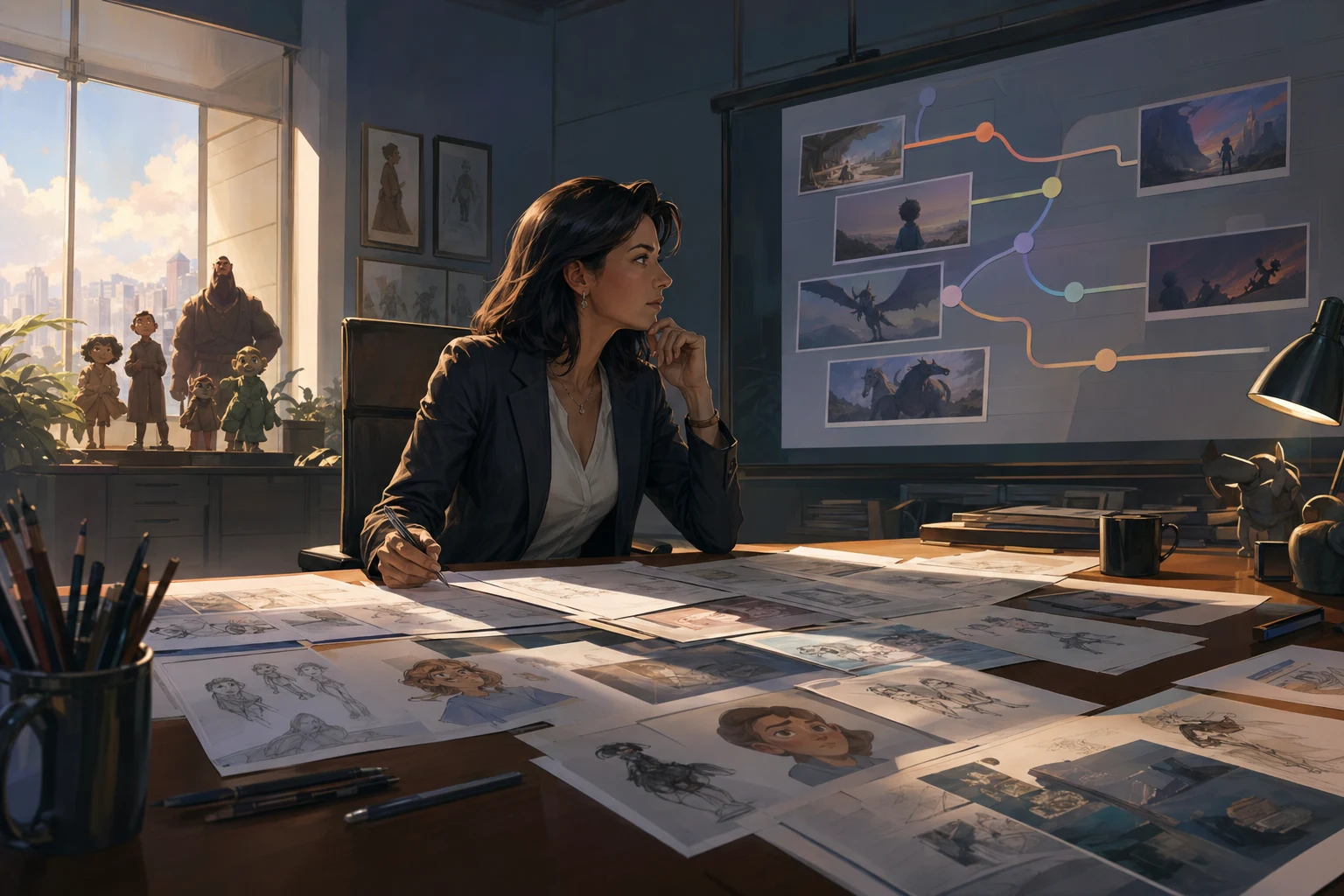
Iger became CEO of Disney on October 1, 2005, after Eisner’s departure following a shareholder revolt. His first challenge was Disney’s broken animation division. The studio that had created the greatest animated films in history was producing flops. Meanwhile, Pixar — the Steve Jobs-led studio that Disney distributed — was producing hit after hit (Toy Story, Finding Nemo, The Incredibles) and was threatening to end its distribution deal with Disney.
Iger made a decision that defined his entire tenure: he would acquire Pixar rather than try to fix Disney Animation internally. The move required convincing Steve Jobs — who was Pixar’s majority shareholder and Disney’s fiercest critic — to sell. Iger flew to Jobs’ home and made his pitch personally. He was honest about Disney Animation’s problems, respectful of Pixar’s culture, and committed to preserving Pixar’s creative independence.
In January 2006, Disney acquired Pixar for $7.4 billion in stock. Jobs became Disney’s largest individual shareholder and joined the board. John Lasseter and Ed Catmull, Pixar’s creative leaders, were put in charge of both Pixar and Disney Animation. The acquisition saved Disney’s animation franchise and established Iger’s reputation as an executive who could make transformative deals by treating creative people with respect.
Chapter 4: Marvel — The $4 Billion Bet on Superheroes (2009)
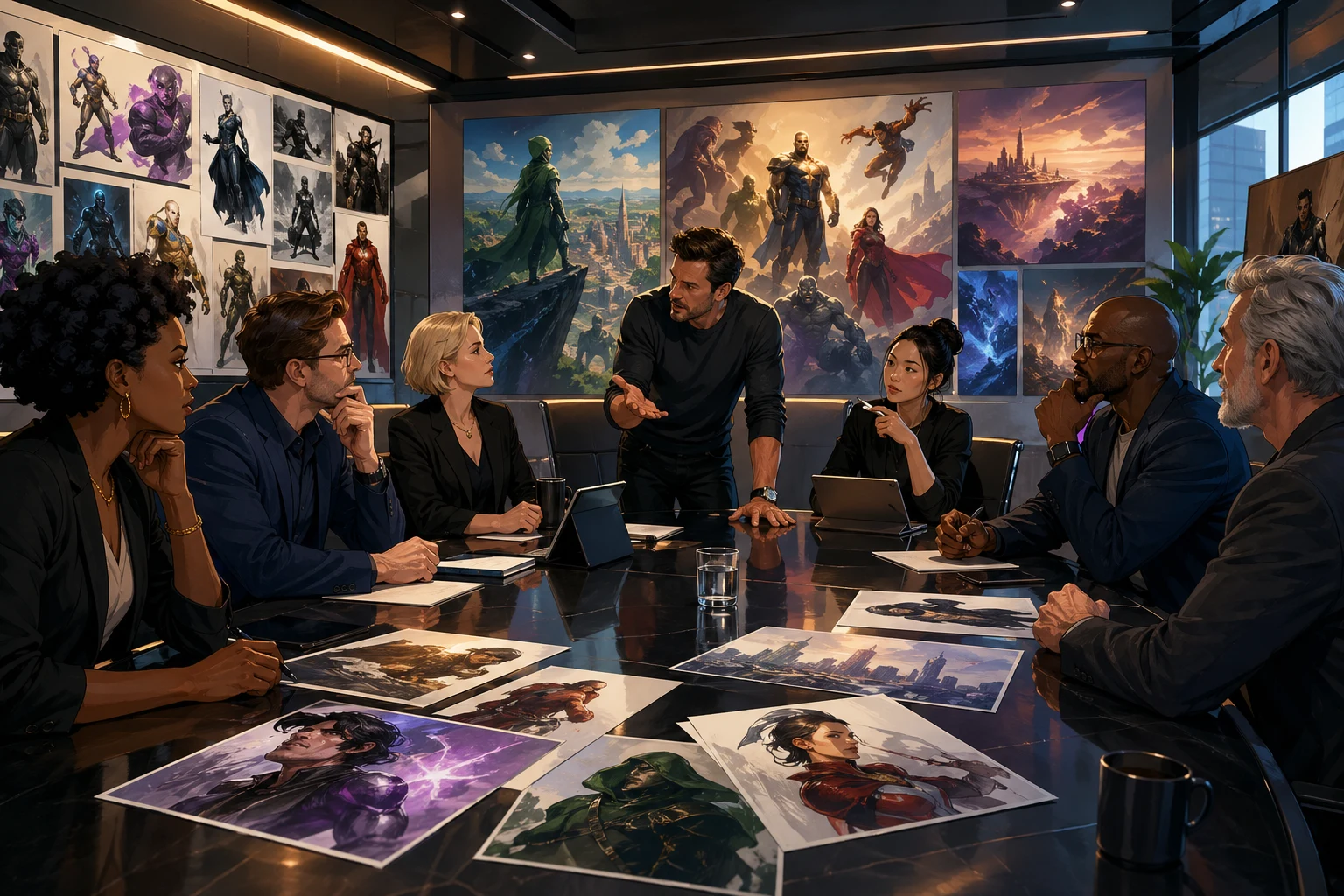
Iger’s second major acquisition was even bolder. In August 2009, Disney announced the purchase of Marvel Entertainment for $4 billion. Marvel owned over 5,000 characters — Iron Man, Spider-Man, the X-Men, Captain America, Thor — that represented one of the most valuable intellectual property libraries in entertainment.
The deal was controversial. Some Disney shareholders questioned whether superheroes fit with Disney’s family-friendly brand. The $4 billion price seemed high for a company that had been bankrupt in 1996. And the Marvel Cinematic Universe was only two films old — Iron Man and The Incredible Hulk had performed well, but the ambitious plan to build an interconnected universe of films was unproven.
The results silenced every critic. The MCU became the most successful film franchise in history, generating over $30 billion in global box office revenue by 2025. Avengers: Endgame alone grossed $2.8 billion, becoming the highest-grossing film of all time (before being passed by Avatar’s re-release). The Marvel acquisition generated returns that were extraordinary even by Iger’s standards — $4 billion invested, tens of billions in value created.
Chapter 5: Lucasfilm — Buying the Force (2012)
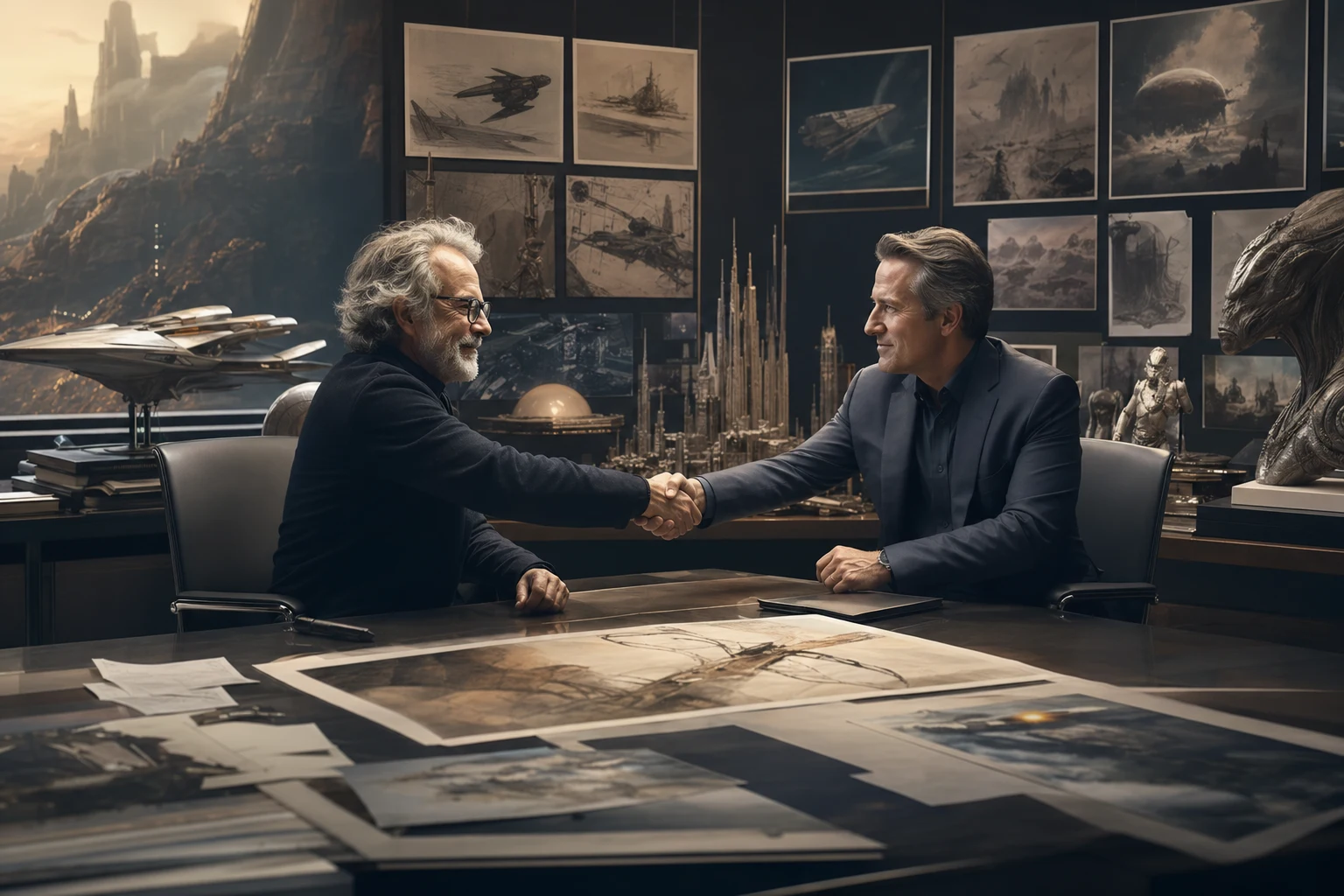
In October 2012, Disney acquired Lucasfilm — George Lucas’ production company and the owner of the Star Wars and Indiana Jones franchises — for $4.05 billion. Lucas, who had created Star Wars in 1977 and built it into one of the most valuable entertainment properties in history, was ready to retire and wanted to entrust his creation to a company that would continue it with care.
Iger’s pitch to Lucas echoed his approach to Jobs: respect the creator, preserve the culture, and commit to quality. Lucas accepted. The acquisition gave Disney ownership of the Star Wars franchise, one of the most emotionally resonant and commercially powerful brands in entertainment history.
The new Star Wars films under Disney were commercially successful but creatively divisive. The Force Awakens (2015) grossed over $2 billion worldwide. But subsequent films — The Last Jedi and The Rise of Skywalker — divided fans and critics. The challenge of continuing a beloved franchise while satisfying an intensely loyal (and sometimes toxic) fanbase proved more difficult than the acquisition itself. Still, the Star Wars brand generated billions through films, theme parks, merchandising, and Disney+ content.
Chapter 6: The 21st Century Fox Mega-Deal (2017–2019)

Iger’s final and largest acquisition was 21st Century Fox’s entertainment assets, purchased for approximately $71.3 billion in 2019. The deal gave Disney control of the 20th Century Fox film and television studios, FX Networks, National Geographic, and Fox’s stake in Hulu and Star India. It was the largest entertainment acquisition in history and consolidated Disney’s position as the dominant media company on Earth.
The Fox acquisition was driven by a strategic imperative: content. Iger saw that the entertainment industry was shifting from a distribution-driven model (where controlling cable channels and movie theaters was the key to success) to a content-driven model (where owning the content itself — the films, shows, and characters that people wanted to watch — was the only sustainable advantage). By acquiring Fox, Disney accumulated the largest library of content in entertainment.
The deal also eliminated a major competitor and gave Disney the content library it needed to launch Disney+, its streaming service. The connection between the Fox acquisition and the streaming launch was not coincidental — Iger understood that Disney needed a massive content library to compete with Netflix, and Fox’s library was the missing piece.
Chapter 7: Disney+ — The Streaming Gamble (2019–2022)

Disney+ launched on November 12, 2019, priced at $6.99 per month — roughly half the cost of Netflix. The service offered the combined libraries of Disney, Pixar, Marvel, Star Wars, National Geographic, and (eventually) Fox content. The value proposition was overwhelming. Disney+ gained 10 million subscribers on its first day and exceeded 100 million within sixteen months — faster than any streaming service in history.
The launch was Iger’s strategic masterpiece. He had spent fifteen years acquiring content, and Disney+ was the platform that brought it all together. But the economics of streaming were brutally different from Disney’s traditional business model. In the old model, Disney made films for theaters, sold them on DVD, and licensed them to cable channels — generating multiple revenue streams from the same content. In the streaming model, content went directly to Disney+, cannibalizing theatrical and licensing revenue.
Disney+ was losing billions annually — approximately $4 billion in fiscal year 2022. The subscriber growth was impressive, but the path to profitability was unclear. Iger had built the platform that the future demanded, but making it financially sustainable would become the defining challenge of his second tenure.
Chapter 8: The Chapek Disaster and the Return (2020–2022)
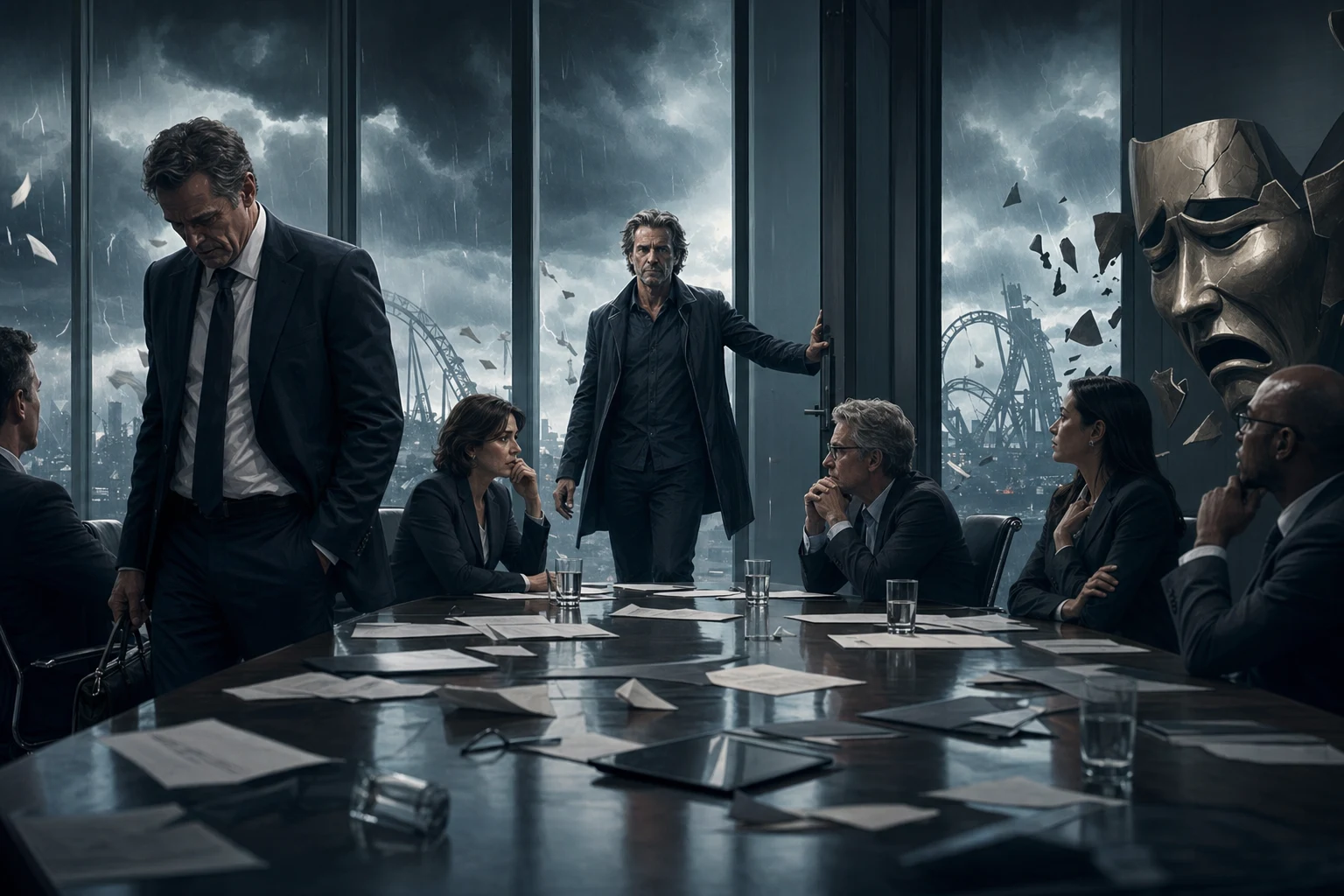
In February 2020, Iger stepped down as CEO, handing the role to Bob Chapek, his chosen successor. Iger stayed on as executive chairman, but Chapek was in charge. The timing was terrible — the COVID pandemic hit weeks later, closing Disney’s theme parks, shuttering movie theaters, and disrupting every aspect of the business.
Chapek’s tenure was marked by poor communication, strategic missteps, and deteriorating relationships with creative talent. He clashed publicly with Florida Governor Ron DeSantis over the state’s “Don’t Say Gay” legislation, creating a political firestorm that threatened Disney’s theme park operations. He restructured Disney’s content distribution in ways that angered filmmakers. He raised prices at theme parks while reducing the quality of the guest experience. Employee and creative morale collapsed.
On November 20, 2022, Disney’s board fired Chapek and brought Iger back as CEO. The return was dramatic — Iger had been retired for barely two years. The board’s decision was an admission that the succession plan had failed and that Disney needed its most capable leader during a period of unprecedented disruption.
Chapter 9: The Second Tenure — Harder Than the First (2022–2025)

Iger’s return was met with relief from Disney employees, creative partners, and investors. The stock price jumped on the news. But the challenges facing Iger 2.0 were fundamentally different from those he had solved in his first tenure. The acquisition playbook that had defined his first era was no longer viable — Disney was already massive, and regulatory scrutiny made further mega-deals difficult.
Instead, Iger focused on cost cutting, operational efficiency, and making streaming profitable. He laid off 7,000 employees, restructured Disney’s business segments, and refocused the company on quality over quantity in content production. He navigated a bitter proxy fight with activist investor Nelson Peltz, who sought board seats and challenged Iger’s strategic direction.
The streaming business slowly improved. Disney+ reached profitability milestones that had been elusive under Chapek. The theme parks continued to generate enormous revenue. But the theatrical film business was struggling — several high-profile releases underperformed, and the audience for mid-budget films had evaporated in the streaming era. Iger was managing a company in transition, and the destination remained uncertain.
Chapter 10: The Succession Question (Redux)
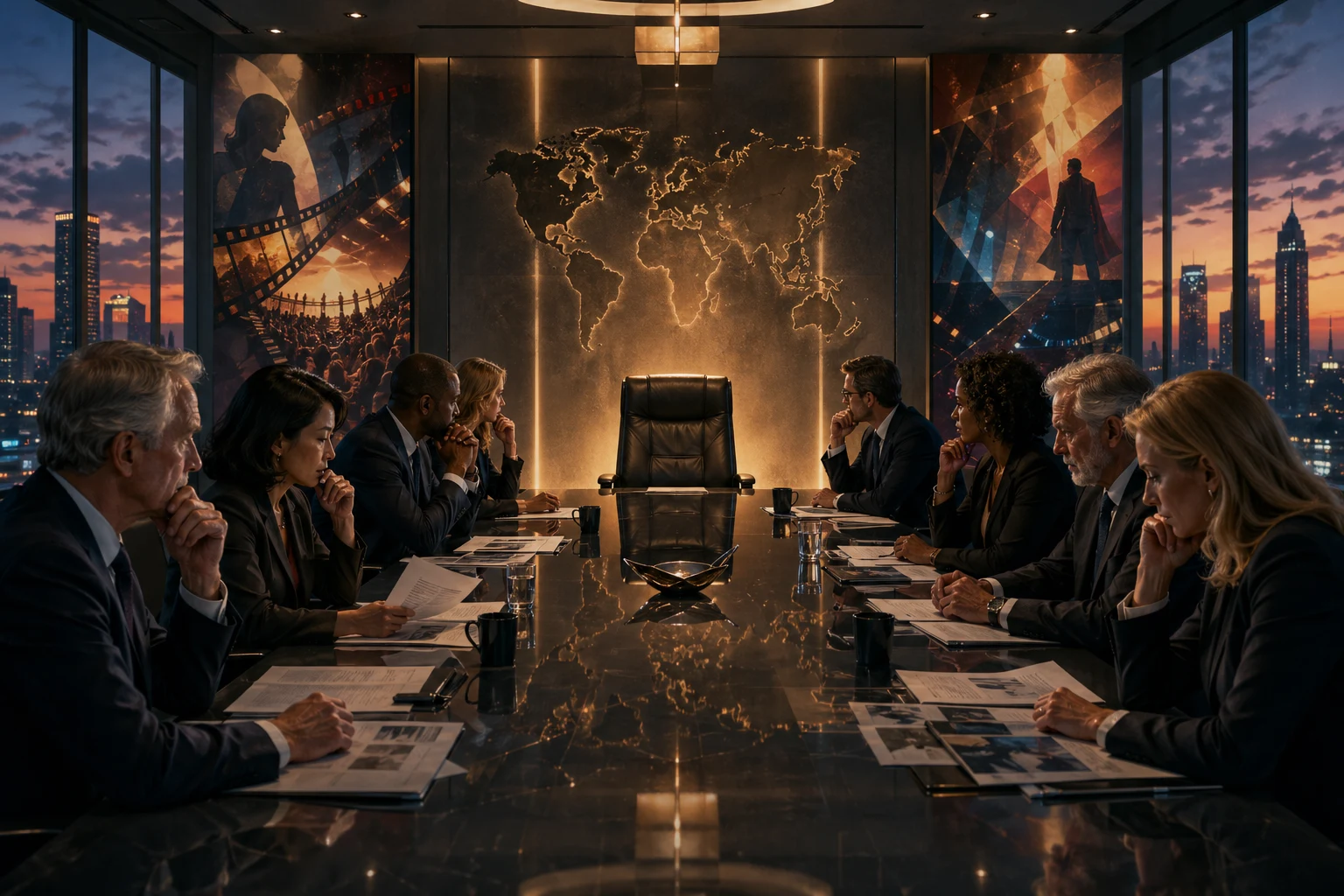
The biggest unresolved question of Iger’s second tenure was the same one that had plagued his first: who comes next? The Chapek experiment had failed spectacularly, and the board’s willingness to bring Iger back suggested that no internal candidate was considered ready.
Iger committed to identifying and developing a successor during his second tenure, with a planned departure in 2026. The candidates included Dana Walden (head of Disney Entertainment), Josh D’Amaro (head of Disney Experiences), and several external possibilities. Each had strengths but also significant gaps.
The succession challenge revealed a structural vulnerability at Disney — and at many founder/visionary-led companies. Iger’s combination of strategic vision, creative empathy, dealmaking skill, and political savvy was rare. Finding someone who possessed all of these qualities was perhaps impossible. The more realistic goal was finding someone who possessed enough of them to keep Disney on course until the next generation of leadership emerged.
Chapter 11: The Acquisition Legacy

Iger’s four major acquisitions — Pixar ($7.4B), Marvel ($4B), Lucasfilm ($4.05B), and 21st Century Fox ($71.3B) — totaled approximately $86 billion and collectively transformed Disney from an aging entertainment company into a global content juggernaut. The intellectual property acquired through these deals now generates the majority of Disney’s content revenue.
The common thread was irreplaceability. Pixar’s animation talent, Marvel’s character library, Star Wars’ cultural significance, and Fox’s content catalogue were all assets that could not be created from scratch. Iger understood that in entertainment, the most valuable things are the things that already exist and that audiences already love. Building new franchises is possible but uncertain; buying proven ones is expensive but reliable.
The acquisitions also demonstrated Iger’s ability to manage creative relationships. In each deal, he convinced legendary founders — Jobs, Stan Lee, Lucas — that Disney would be a worthy steward of their creations. This required genuine respect for the creative process and a willingness to give acquired teams the autonomy they needed to do their best work. It was a skill that looked easy but that few corporate executives possess.
Chapter 12: Legacy — The Last Mogul
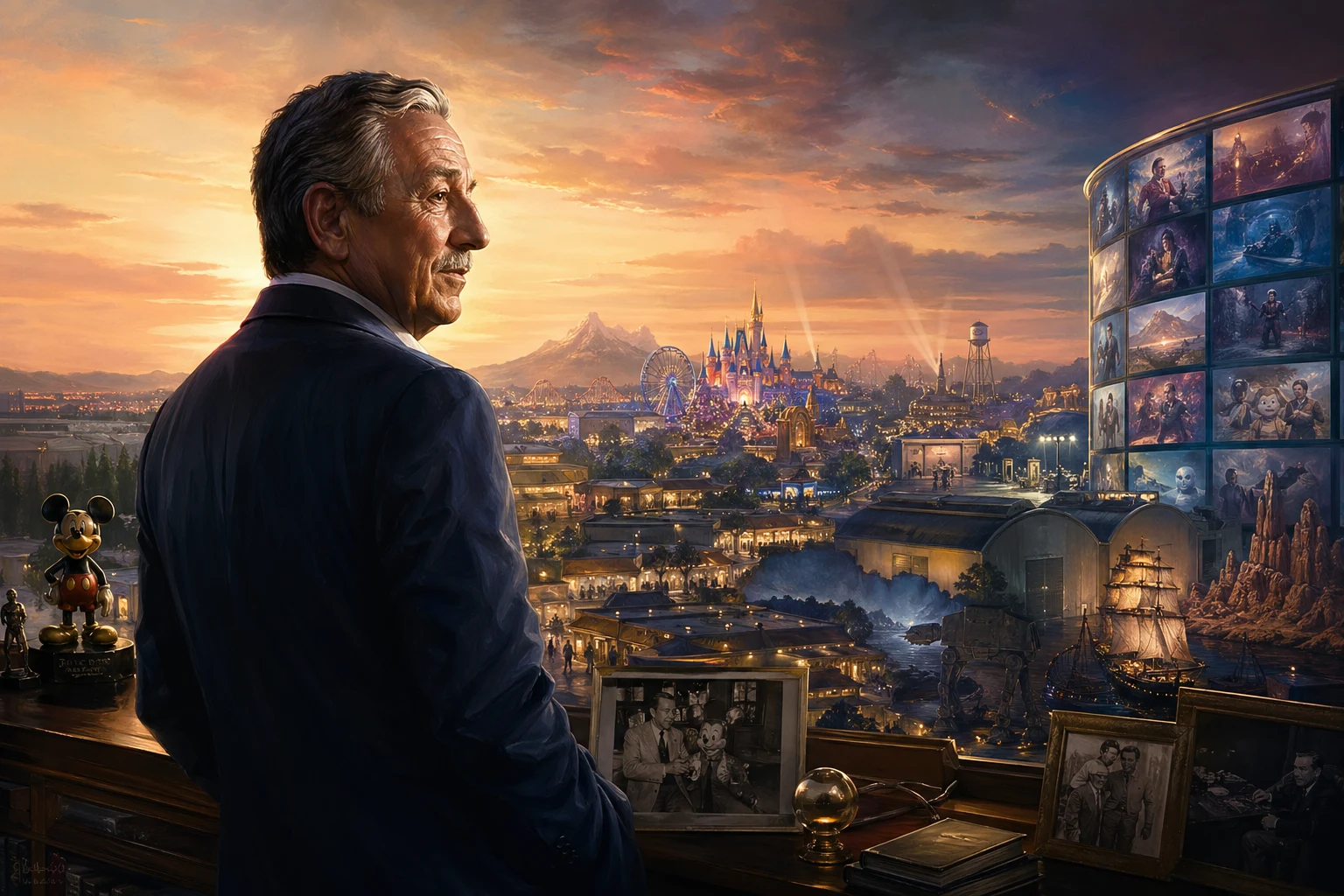
Bob Iger’s legacy is the Disney we know today. The Marvel Cinematic Universe, the Star Wars franchise, Pixar’s continued excellence, Disney+, and the company’s global theme park empire all bear his fingerprints. He took a company that was struggling to remain relevant in the twenty-first century and made it the most powerful entertainment enterprise on Earth.
His net worth, estimated at approximately $500 million, is modest relative to his impact. Tech billionaires build platforms; Iger built a cultural institution. The characters, stories, and experiences that Disney creates under the umbrella of Iger’s acquisitions shape the imaginations of billions of people. That influence is impossible to quantify but undeniable.
The question that will define how history judges Iger is whether the empire he built can sustain itself without him. He returned once because his successor failed. Can the next successor succeed? Can Disney navigate the transition from theatrical to streaming without destroying the economic model that funded its creative ambitions? Can the company continue to produce the quality content that justifies its premium brand?
Bob Iger built the most impressive entertainment empire since Walt Disney himself. Whether it endures depends on whether the institution he created is stronger than the man who created it. That’s the test every great builder eventually faces — and it’s the one that will determine whether Iger’s legacy is a chapter or the whole book.
💡 Key Insights
- ▸ Iger's acquisition strategy was the most successful in entertainment history: Pixar ($7.4B), Marvel ($4B), Lucasfilm ($4B), and 21st Century Fox ($71.3B) each proved transformative. The common thread was buying irreplaceable intellectual property.
- ▸ His return to Disney in 2022 after a two-year absence revealed the fundamental weakness of succession planning at founder/visionary-led companies: the board chose a successor who lacked the strategic vision the role required.
- ▸ Disney+ was simultaneously Iger's boldest strategic bet and the source of his greatest challenge. The streaming service disrupted Disney's own profitable business model, and the path to streaming profitability proved far harder than the launch suggested.