Tim Cook: The Quiet Operator Who Turned Apple Into the World's Most Valuable Company
He wasn't a visionary. He wasn't a designer. He was a supply chain genius from Alabama who took Steve Jobs' creation and doubled its value — while critics said he couldn't innovate.
View all stories about this mogul
The hardest job in business is following a legend. When Steve Jobs died on October 5, 2011, Tim Cook inherited the most valuable company on Earth and a legacy that seemed impossible to continue. Jobs was the visionary, the showman, the taste-maker who had single-handedly rescued Apple from bankruptcy and turned it into the most admired brand in the world. Cook was… the supply chain guy. The operations nerd. The man who made sure factories produced iPhones on time. Nobody expected him to be anything more than a competent caretaker.
Instead, Tim Cook took Apple from a market cap of $350 billion to over $3 trillion. He more than doubled revenue, created entirely new business categories, and built a services empire worth more than most standalone companies. He did it all without a single product that captured the public imagination the way the iPhone or iPod did. His genius wasn’t invention — it was optimization.
Chapter 1: Robertsdale, Alabama (1960–1982)

Timothy Donald Cook was born on November 1, 1960, in Mobile, Alabama, and raised in the small town of Robertsdale. His father worked at a shipyard; his mother was a homemaker. Robertsdale was rural, conservative, and about as far from Silicon Valley as you could get — both geographically and culturally. There were no tech entrepreneurs in Robertsdale. There were farmers, factory workers, and small business owners.
Cook was a quiet, studious kid who excelled in school without being flashy about it. He was the kind of student who got straight A’s but didn’t make a big deal about it. He was also deeply private — a trait that would define his entire life and career. In a region and era where social conformity was expected, Cook learned early to keep his inner life to himself.
He attended Auburn University, where he studied industrial engineering — a discipline focused on optimizing complex systems, processes, and organizations. It was the perfect foundation for the career ahead. Industrial engineering isn’t about inventing things; it’s about making things work better. Faster production. Lower costs. Fewer defects. Greater efficiency. Cook graduated in 1982 as the top student in his class.
Chapter 2: IBM and Compaq — The Operations Apprenticeship (1982–1998)
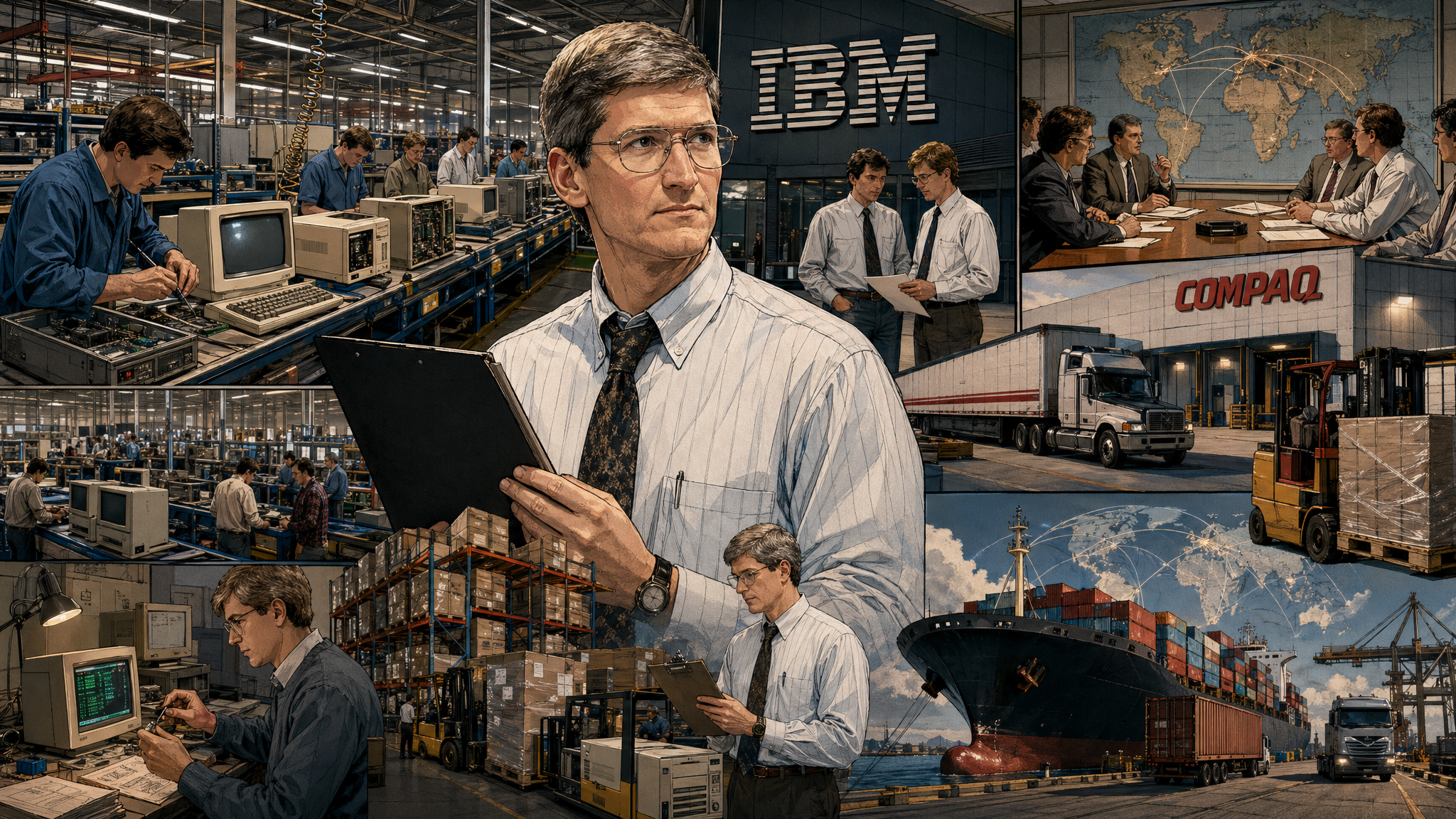
Cook spent twelve years at IBM, rising through the manufacturing and operations ranks. At IBM, he learned how a massive technology company builds and distributes products at global scale. He managed factories, optimized supply chains, and developed a deep understanding of how to move raw materials through production facilities and into customers’ hands with minimum waste and maximum speed.
He then moved to Intelligent Electronics, a computer reseller, before joining Compaq in 1997 as VP of corporate materials. Compaq was the world’s largest PC maker at the time, and Cook’s job was to manage the procurement and delivery of components for millions of computers. He was good at it — very good — but he was also restless. Compaq was a commodity PC business competing on price. Cook wanted to work on products that people actually cared about.
In early 1998, Steve Jobs called. Apple was in the early stages of its comeback — Jobs had returned as CEO in 1997 and was rebuilding the company from the ground up. Apple’s supply chain was a disaster: the company had months of unsold inventory sitting in warehouses, components were ordered haphazardly, and production timelines were unreliable. Jobs needed someone who could fix the plumbing while he focused on the products. Cook flew to Cupertino for an interview, and within five minutes of talking to Jobs, he knew he was going to take the job. Something about Jobs’ vision and intensity was irresistible.
Chapter 3: Fixing Apple’s Supply Chain (1998–2007)
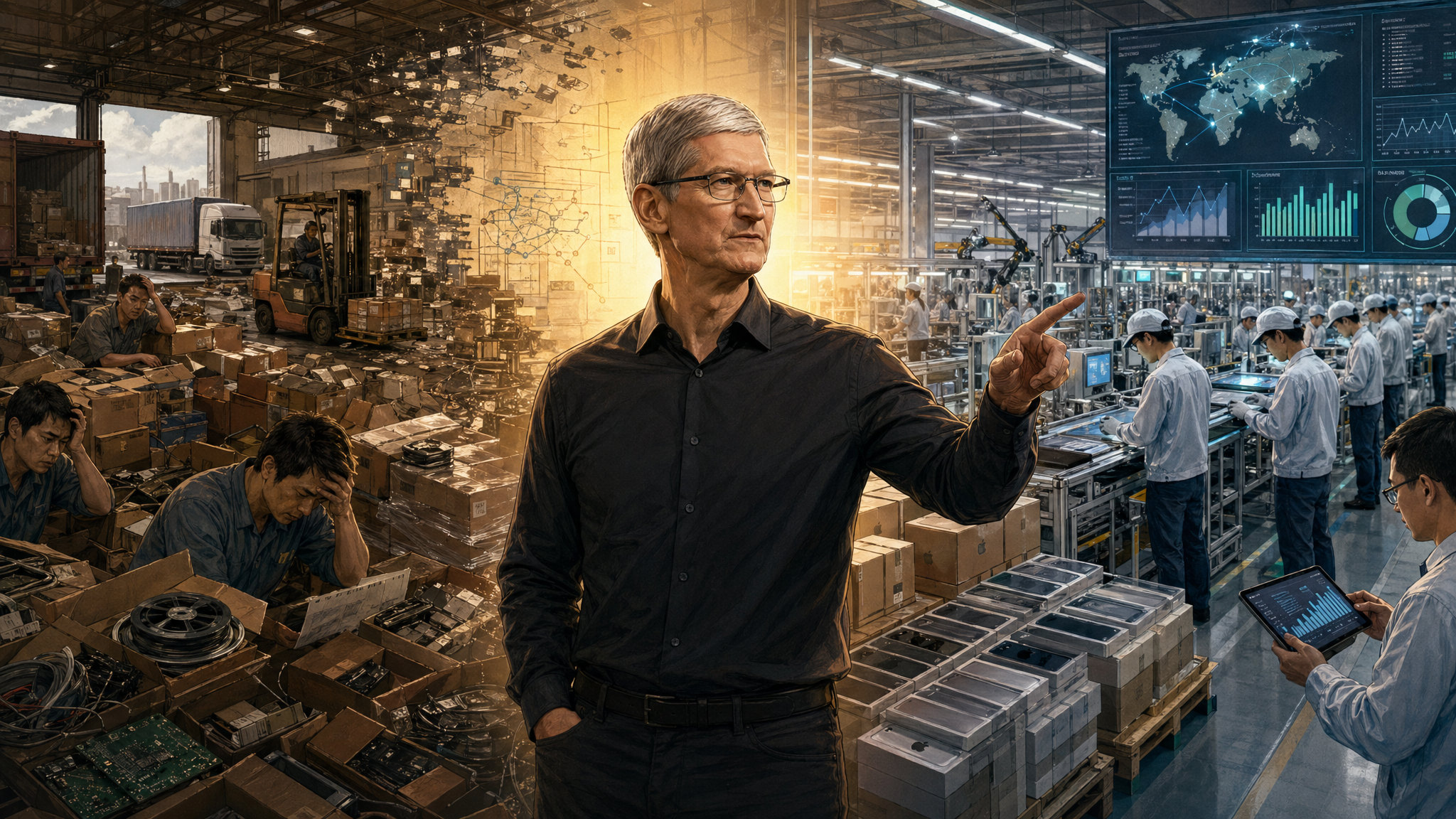
Cook joined Apple as SVP of worldwide operations, and he immediately began dismantling the chaos. Within his first year, he reduced Apple’s inventory from months to days. He closed warehouses. He negotiated aggressive contracts with component suppliers. He built relationships with contract manufacturers in China — particularly Foxconn — that would become the backbone of Apple’s production capability.
His approach was methodical and data-driven. He held Monday morning meetings where every supply chain metric was reviewed in excruciating detail. Team members who didn’t know their numbers learned quickly to start knowing them. Cook was polite but relentless. He would sit silently during meetings — an uncomfortable silence that forced people to fill it with either answers or admissions that they didn’t have answers. Those who couldn’t perform were quickly reassigned.
The results were dramatic. Apple’s gross margins improved significantly. Products shipped on time. The company could execute product launches at a scale that competitors couldn’t match. When the iPod became a hit, Cook’s supply chain ensured that Apple could meet demand without the inventory bloat that plagued competitors. When the iPhone launched in 2007, Cook’s operations machine was ready to produce millions of units with a precision that astonished the industry.
Chapter 4: The Heir Apparent (2007–2011)
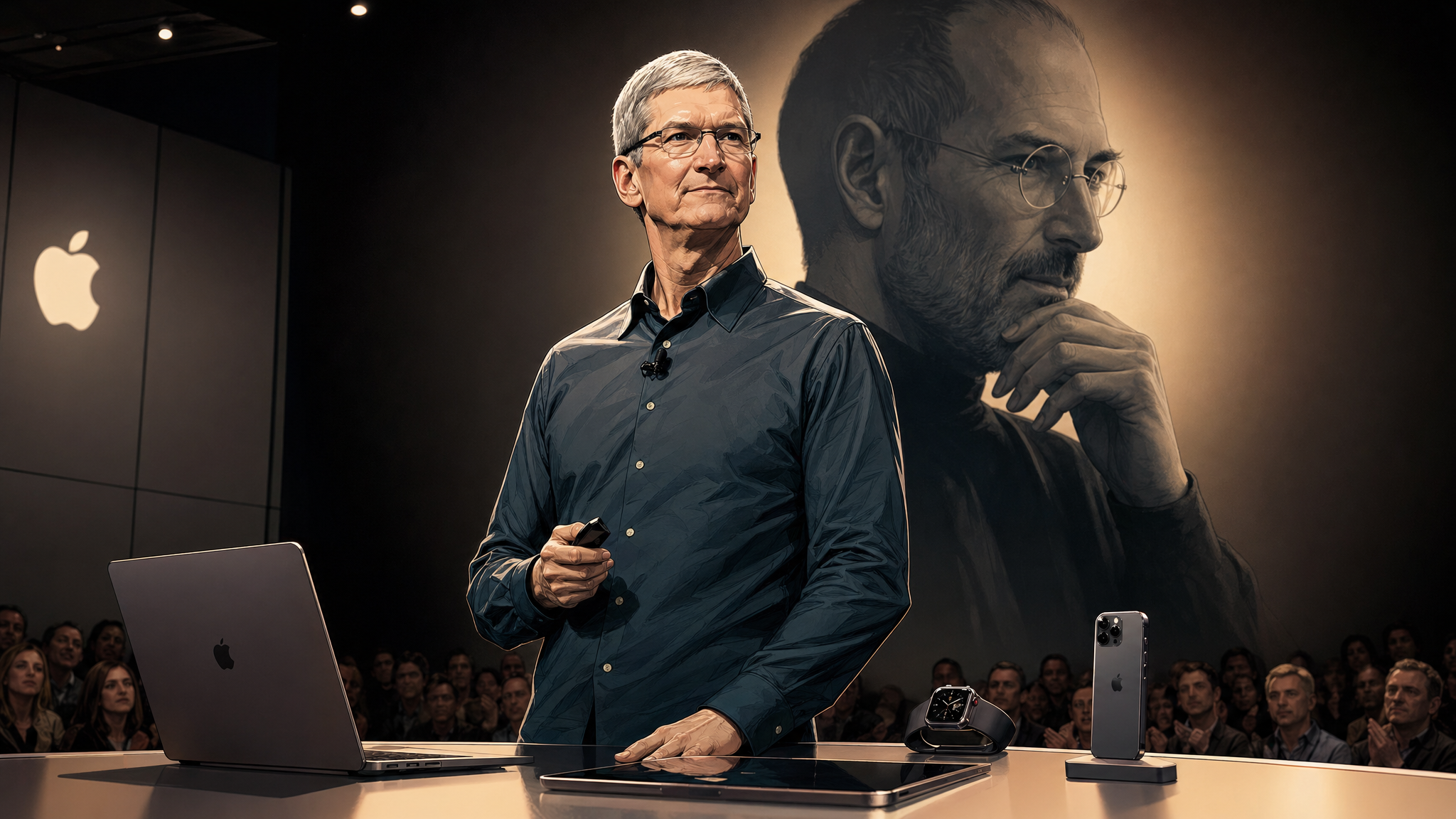
As Apple’s products became more successful, Cook’s role expanded. He was named COO in 2007 and began handling more of Apple’s day-to-day operations as Jobs focused on product development and, increasingly, on his health. When Jobs took medical leaves in 2004, 2009, and 2011, Cook ran the company in his absence. Each time, Apple performed well — the stock didn’t crash, product launches went smoothly, and the company’s operations hummed along.
These stints as acting CEO were, in retrospect, auditions. The board was watching. Investors were watching. And Cook was proving that Apple could function at a high level without Jobs at the helm — a proposition that many people considered impossible. The cult of personality around Jobs was so intense that the conventional wisdom held that Apple without Jobs was like Disney without Walt: technically the same company, but missing its soul.
On August 24, 2011, Steve Jobs formally resigned as CEO and recommended Tim Cook as his successor. The board approved unanimously. Six weeks later, Jobs was dead. Cook was now responsible for a company with $100 billion in annual revenue, 60,000 employees, and the weight of the tech world’s expectations on his shoulders.
Chapter 5: The Early Cook Era — Proving the Skeptics Wrong (2011–2014)
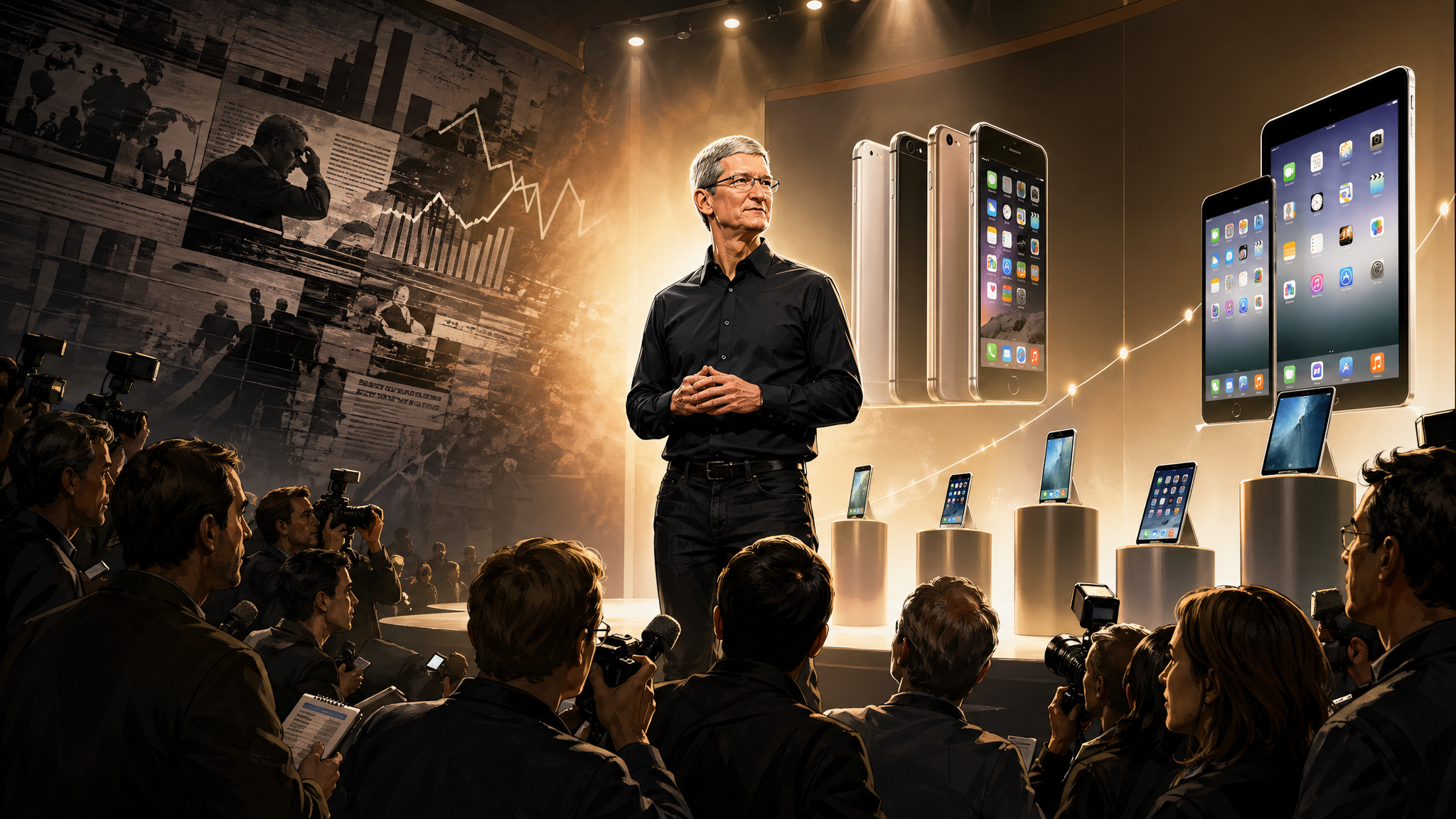
The criticism started immediately. Cook wasn’t creative enough. Cook wasn’t visionary enough. Cook didn’t have Jobs’ taste, Jobs’ showmanship, Jobs’ ability to conjure entirely new product categories from nothing. The tech press was relentless. Every product launch was compared to what Jobs would have done. Every keynote was measured against Jobs’ legendary presentations. Cook couldn’t win the comparison, so he stopped trying.
Instead, he focused on what he could do. He expanded Apple’s product lines methodically. The iPhone got bigger (the iPhone 5 broke from Jobs’ preference for smaller screens), then much bigger (the iPhone 6 Plus). The iPad got a smaller version (the iPad Mini). The Mac lineup was refreshed with better displays and faster processors. None of these moves were revolutionary. All of them were profitable.
Cook also made a move that Jobs had resisted: he started paying dividends and buying back stock. Jobs had famously hoarded cash, building Apple’s reserves to over $100 billion with no clear plan for the money. Cook returned billions to shareholders through dividends and the largest stock buyback program in corporate history. Wall Street loved it. The stock price climbed steadily, validating Cook’s approach even as critics called it uninspired.
Chapter 6: Apple Watch and the Wearables Bet (2014–2020)

The Apple Watch, announced in September 2014 and launched in April 2015, was Tim Cook’s first major new product category — and the first test of whether Apple could innovate without Steve Jobs. The initial reaction was mixed. The first-generation watch was slow, its apps were clunky, and its value proposition was unclear. Reviewers struggled to explain why anyone needed a $350 computer on their wrist.
Cook didn’t panic. He played the long game. Each generation of Apple Watch got faster, thinner, and more capable. More importantly, Cook pivoted the watch’s positioning from a luxury fashion accessory (the first-generation marketing emphasized gold editions and fashion partnerships) to a health and fitness device. Heart rate monitoring, ECG capabilities, fall detection, blood oxygen measurement — the Apple Watch became a medical device that happened to tell time.
The strategy worked brilliantly. By 2020, Apple’s Wearables division — which included Apple Watch, AirPods, and accessories — was generating over $30 billion in annual revenue. If it were a standalone company, Apple Wearables would be a Fortune 100 company. Cook had created an entirely new product category that was bigger than most people realized, and he had done it through iteration rather than revolution.
Chapter 7: The Services Revolution (2016–2023)
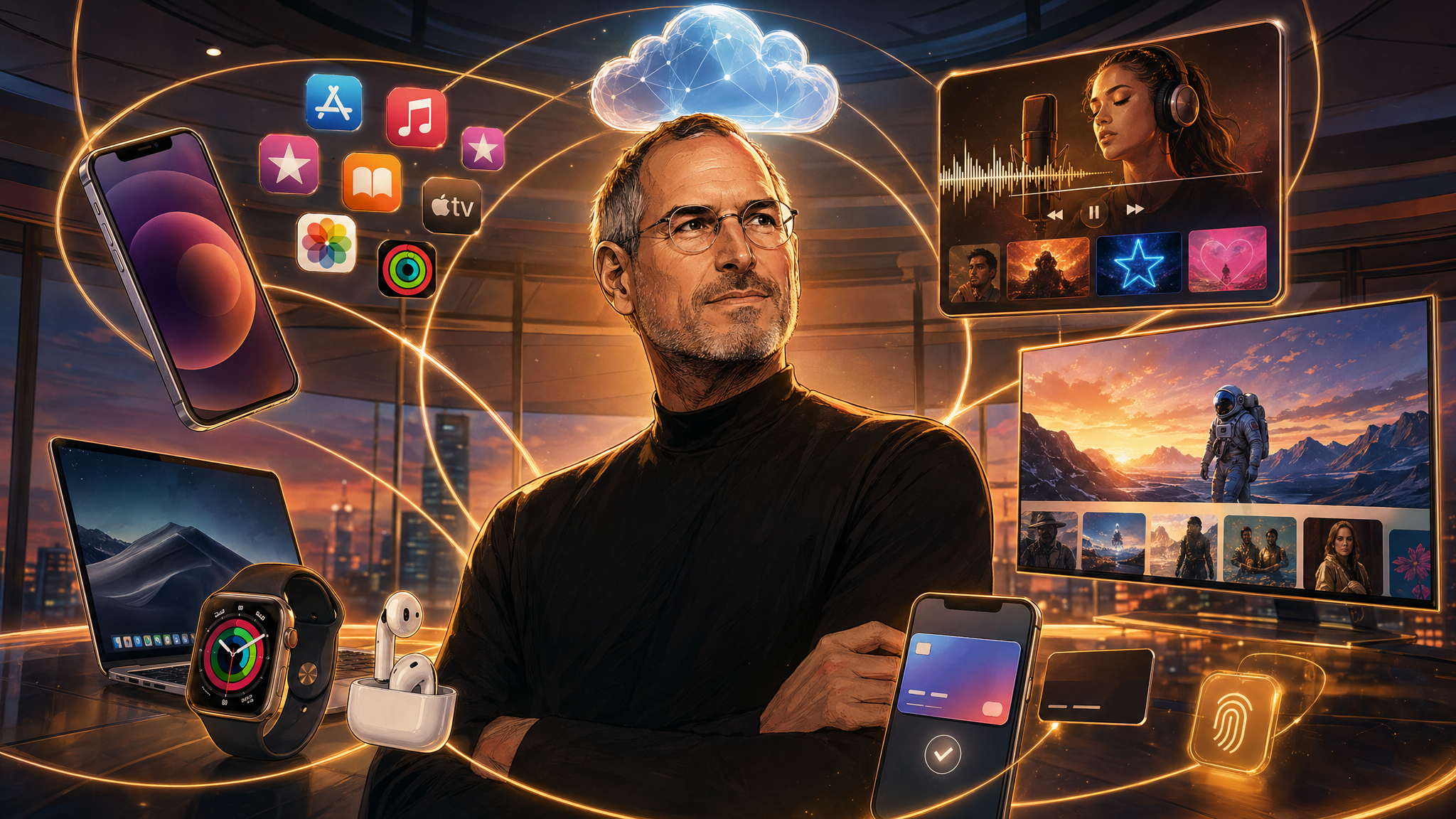
Cook’s most transformative strategic initiative was the pivot to services. Apple had always generated some revenue from iTunes and the App Store, but Cook recognized that with over a billion active Apple devices in the world, the company was sitting on an enormous platform for recurring revenue. He set out to build an ecosystem of services that would make Apple devices more valuable and Apple’s revenue more predictable.
The expansion was methodical. Apple Music launched in 2015. Apple Pay expanded globally. iCloud storage became a significant revenue source. Apple News+ launched in 2019. Apple TV+ — Apple’s streaming service — debuted in 2019 with original content. Apple Arcade offered gaming subscriptions. Apple Fitness+ targeted the health-conscious. Apple Card, in partnership with Goldman Sachs, entered financial services.
By 2023, Apple’s Services segment was generating over $85 billion in annual revenue with gross margins exceeding 70% — far higher than hardware margins. The services business alone was larger than all but a handful of companies in the world. Cook had fundamentally changed Apple’s business model from one dependent on periodic hardware upgrade cycles to one built on continuous, recurring revenue from a massive installed base. It was, arguably, the most important strategic shift in Apple’s history since the iPhone.
Chapter 8: The China Tightrope (2012–2025)
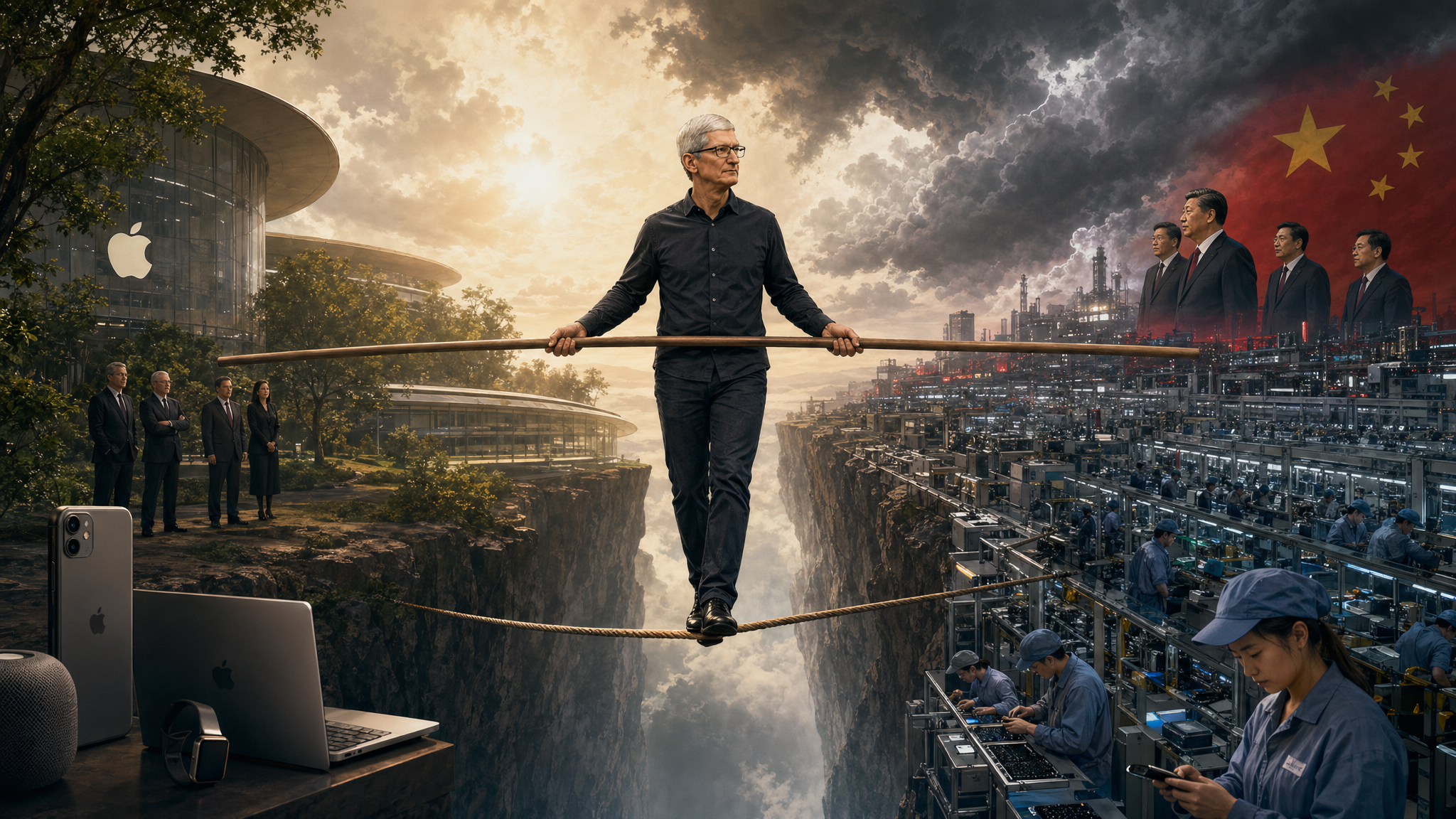
No issue tested Cook’s diplomatic skills more than China. Apple’s relationship with China was simultaneously its greatest opportunity and its greatest vulnerability. China was Apple’s second-largest market, responsible for roughly 20% of revenue. More importantly, nearly all of Apple’s products were assembled in China, primarily by Foxconn and other contract manufacturers.
Cook cultivated deep relationships with Chinese officials and business leaders. He visited China regularly, met with government leaders, and positioned Apple as a good corporate citizen. When the Chinese government demanded that iCloud data for Chinese users be stored on servers managed by a state-owned company, Apple complied — drawing criticism from privacy advocates who noted the contrast with Apple’s fierce defense of user privacy in the United States.
The geopolitical tensions between the US and China created impossible dilemmas. US politicians pressured Apple to move manufacturing out of China; Chinese officials pressured Apple to resist US sanctions and maintain its Chinese operations. Cook navigated this tightrope with remarkable skill, quietly diversifying manufacturing to India and Vietnam while maintaining Apple’s massive Chinese business. But the fundamental vulnerability remained: Apple’s supply chain was dependent on a country that its home country increasingly viewed as a strategic adversary.
Chapter 9: Privacy as a Product (2018–2024)
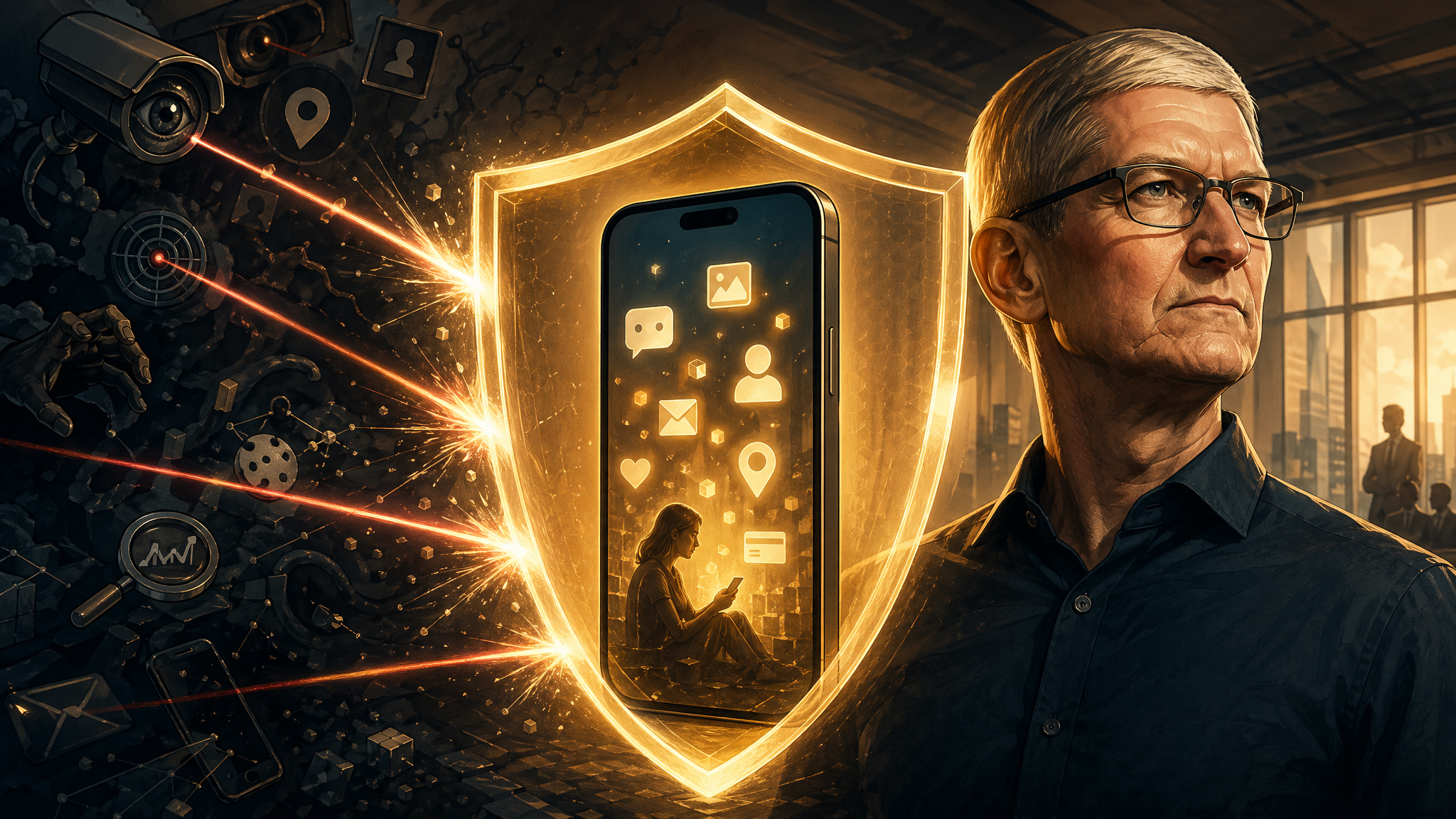
In an era when most tech companies treated user data as a resource to be harvested, Cook positioned Apple as the champion of privacy. “If the service is free, you’re the product,” became an unofficial Apple slogan. The company introduced App Tracking Transparency in iOS 14.5, requiring apps to ask permission before tracking users across other apps and websites. The move devastated Facebook’s advertising business — Meta estimated it cost them $10 billion in annual revenue — and earned Cook the lasting enmity of Mark Zuckerberg.
Cook’s privacy stance was both principled and strategic. Apple made money selling hardware and services, not advertising. It could afford to protect user privacy because privacy didn’t threaten its business model — it enhanced it. By positioning privacy as a feature, Cook gave consumers a reason to choose Apple over Android and gave Apple a moral high ground that was also a competitive moat.
The privacy push extended to hardware. Apple designed its own silicon — the M-series chips for Macs and the A-series for iPhones — with privacy and security features built into the architecture. The company’s Secure Enclave technology protected biometric data. iMessage used end-to-end encryption. Safari blocked third-party cookies by default. Each feature reinforced the narrative that Apple was the company that cared about your privacy, while its competitors were the companies that profited from your data.
Chapter 10: Apple Silicon — The Mac’s Rebirth (2020–2023)
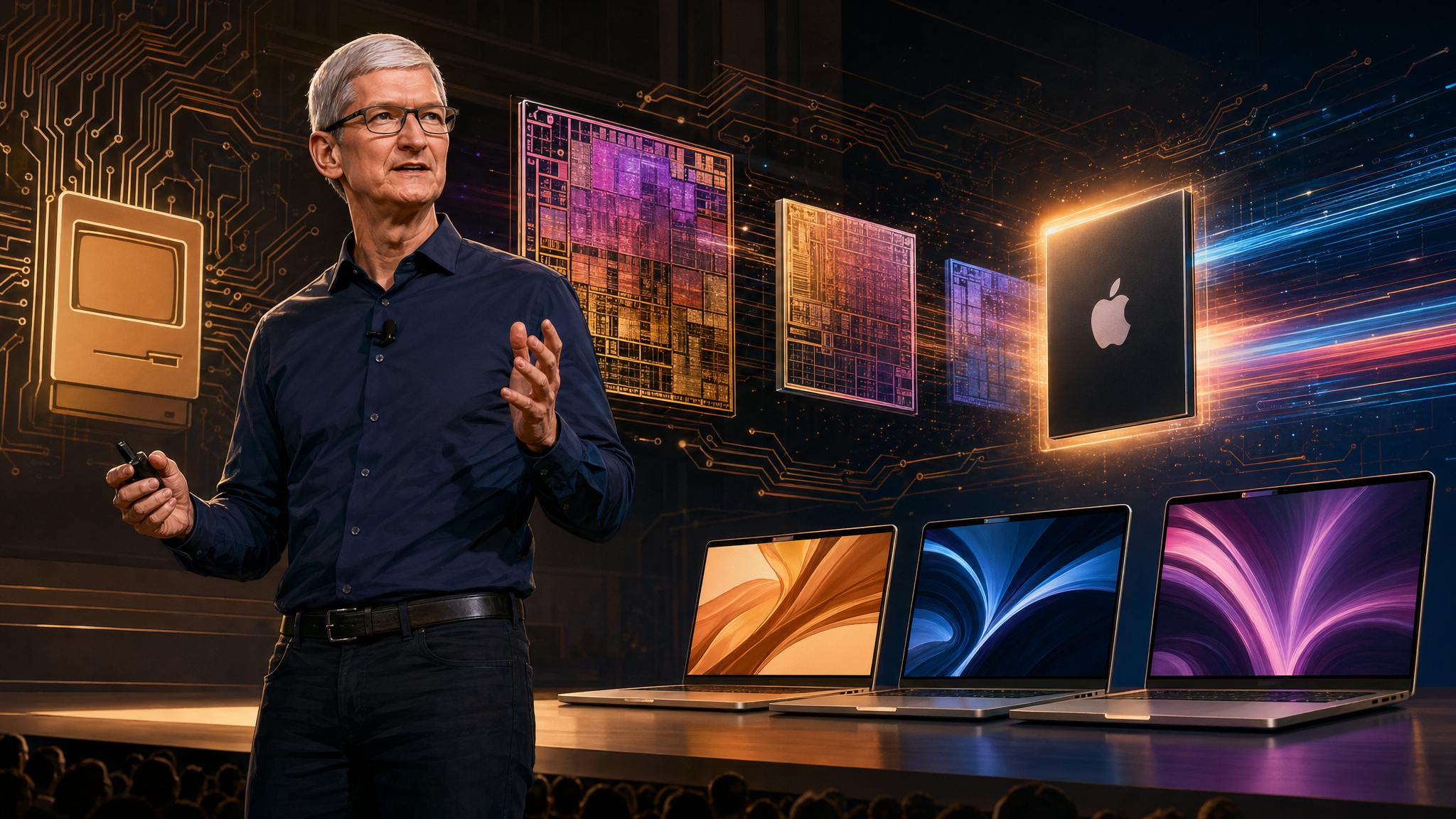
In June 2020, Cook announced that Apple would transition the Mac from Intel processors to Apple’s own custom ARM-based chips. It was the most significant architectural change in the Mac’s history, and many observers predicted disaster. Software compatibility would break. Performance would suffer. Developers would revolt.
Instead, the transition was astonishingly smooth. The first M1 chip, launched in November 2020, delivered performance that embarrassed Intel’s best laptop processors while consuming a fraction of the power. A MacBook Air with an M1 chip was faster than most Intel-based MacBook Pros while lasting 18 hours on a single charge. The tech press was stunned. Apple had done something that was supposed to be impossible: switched processor architectures without breaking anything.
The M-series chips got better with each generation. The M1 Pro, M1 Max, and M1 Ultra served professional users. The M2 and M3 generations pushed performance further. By 2023, Apple Silicon had revitalized the entire Mac lineup, driving the strongest Mac sales in years and proving that Apple’s chip design team — built through the 2008 acquisition of PA Semi — was one of the most valuable assets in the technology industry.
Chapter 11: The Vision Pro Gamble (2023–2025)
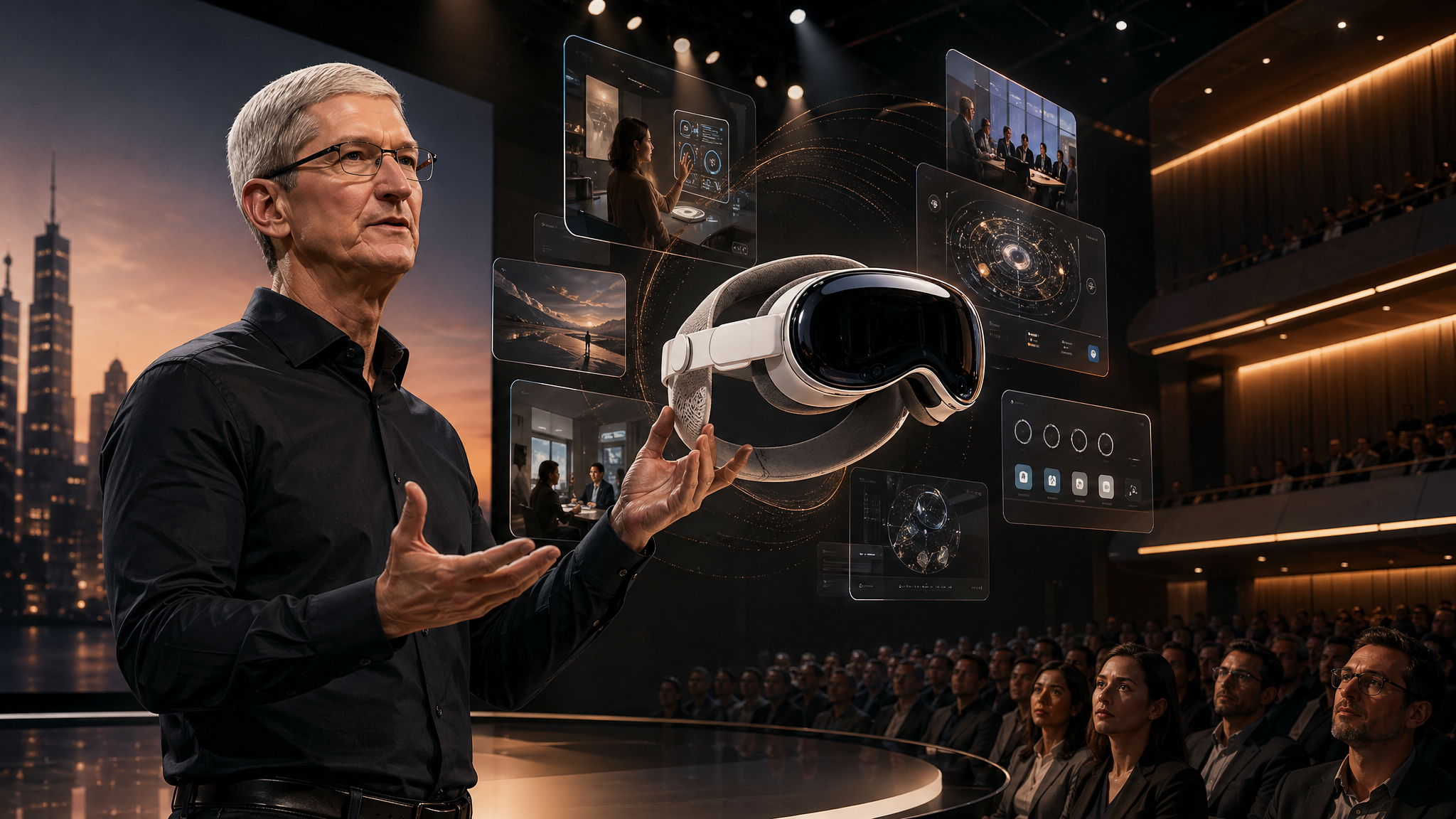
In June 2023, Cook unveiled Apple Vision Pro, the company’s mixed reality headset. Priced at $3,499, it was Apple’s most expensive consumer product and its biggest bet since the iPhone. The device was technically impressive — reviewers praised its display quality, eye tracking, and hand gesture interface — but its high price, limited content library, and the awkwardness of wearing a computer on your face raised questions about its market potential.
Vision Pro was Cook’s attempt to answer the “what’s next after the iPhone” question that had haunted Apple since Jobs’ death. Cook believed that spatial computing — blending digital content with the physical world — would eventually be as transformative as the smartphone. But “eventually” was doing a lot of work in that sentence. Early sales were modest, and the developer ecosystem grew slowly.
Cook was betting that Vision Pro would follow the same trajectory as Apple Watch: a first generation that was underwhelming, followed by years of iteration that would eventually make the product indispensable. Whether that bet would pay off remained uncertain. But the willingness to make it — to invest billions in a product category that might not pay off for a decade — showed that Cook was playing a longer game than his critics gave him credit for.
Chapter 12: Legacy — The Greatest Operator in Tech History
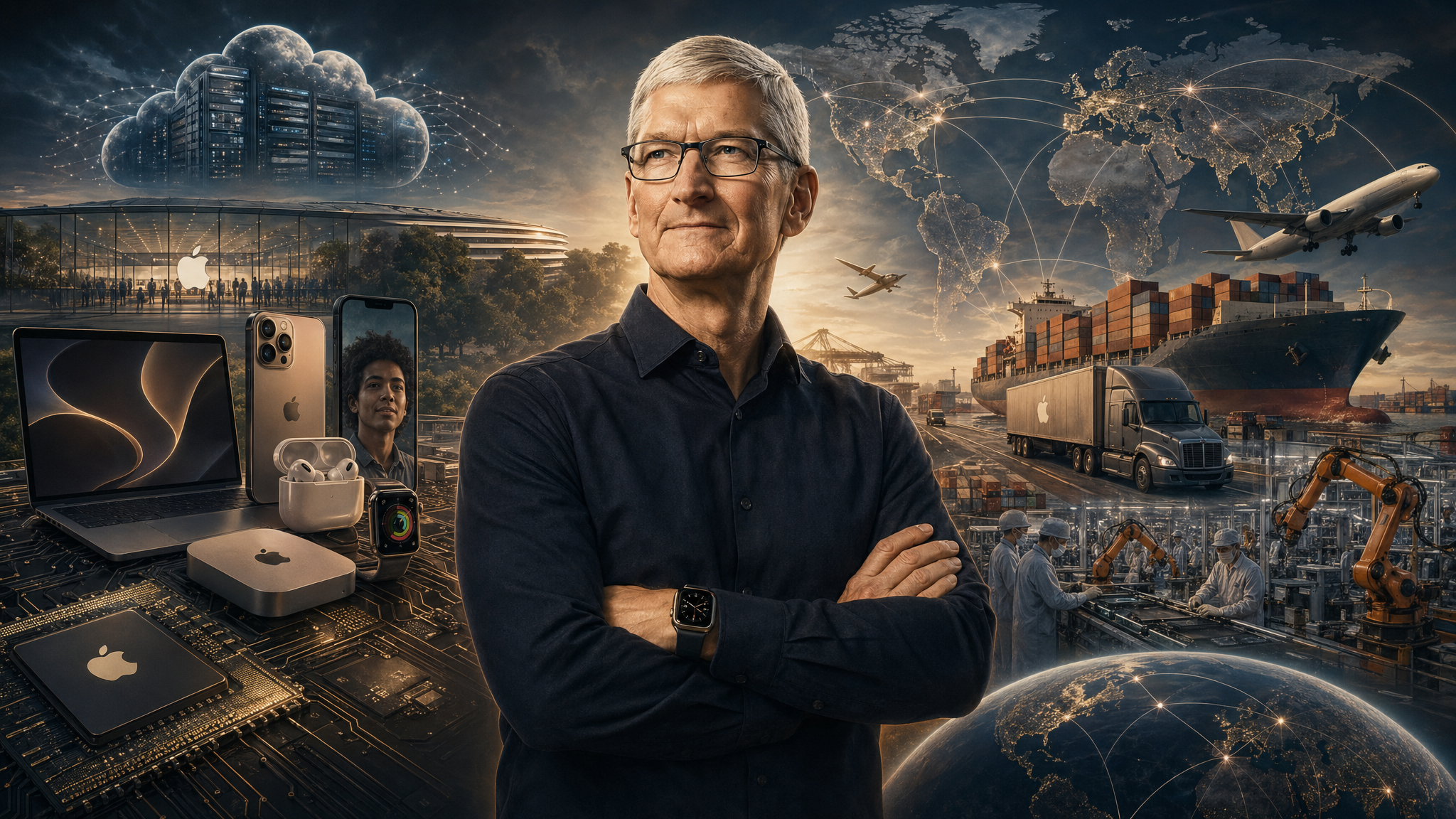
Tim Cook’s legacy will not be defined by a single product or a single moment. It will be defined by the extraordinary scale of what he accomplished through competence rather than charisma. Under his leadership, Apple grew from a $350 billion company to a $3+ trillion company. Revenue more than doubled. The services business became an empire unto itself. Apple Silicon reinvented the Mac. The supply chain became the most efficient in the world.
He did all of this while navigating geopolitical minefields, fighting antitrust battles on multiple continents, and enduring constant comparisons to a predecessor whose shadow would have paralyzed a lesser leader. He came out as gay in a public letter in 2014, becoming the first openly gay CEO of a Fortune 500 company. He used Apple’s influence to advocate for privacy, environmental sustainability, and accessibility. He wasn’t just running a company; he was modeling what corporate leadership could look like when stripped of ego and anchored in values.
The criticism that Cook isn’t innovative enough misses the point. Innovation isn’t just about inventing new things — it’s about making existing things work at a level that nobody thought possible. Tim Cook made Apple work at a level that nobody thought possible. The kid from Robertsdale, Alabama, who studied how to optimize systems ended up optimizing the most valuable company on Earth. That’s not a consolation prize. That’s the whole prize.
💡 Key Insights
- ▸ Cook proved that the successor to a legendary founder doesn't need to replicate the founder's style. He built a different kind of greatness — operational, ethical, and relentlessly focused on execution.
- ▸ Apple's Services revenue — App Store, Apple Music, iCloud, Apple TV+ — grew from nearly nothing to over $85 billion annually under Cook. He transformed Apple from a hardware company into a hardware-plus-services ecosystem.
- ▸ Cook's decision to come out as gay in 2014 made him the first openly gay CEO of a Fortune 500 company. The move was both personally brave and strategically astute — it reinforced Apple's brand as progressive and inclusive.