Dennis Kozlowski: The Tyco CEO Who Threw a $2 Million Birthday Party With Company Money
He turned Tyco into a $100 billion conglomerate, then got caught spending company funds on a $6,000 shower curtain, a $2 million Sardinian birthday bash, and $400 million in unauthorized bonuses.
View all stories about this mogul
Dennis Kozlowski was the CEO of Tyco International, a $100 billion conglomerate that made everything from fire alarms to medical devices. He was celebrated as one of the most effective executives in America — a blue-collar kid from Newark who had risen through the ranks and built an industrial empire through relentless acquisition. Then prosecutors revealed that he had looted the company of over $400 million, spent $2 million of Tyco’s money on a birthday party for his wife in Sardinia (featuring an ice sculpture of Michelangelo’s David that dispensed vodka from a certain anatomical feature), installed a $6,000 shower curtain in his company-funded Manhattan apartment, and treated the corporate treasury as his personal checking account. The shower curtain became the most famous household item in corporate crime history.
Chapter 1: Newark Tough — The Making of a Street Fighter (1946–1975)
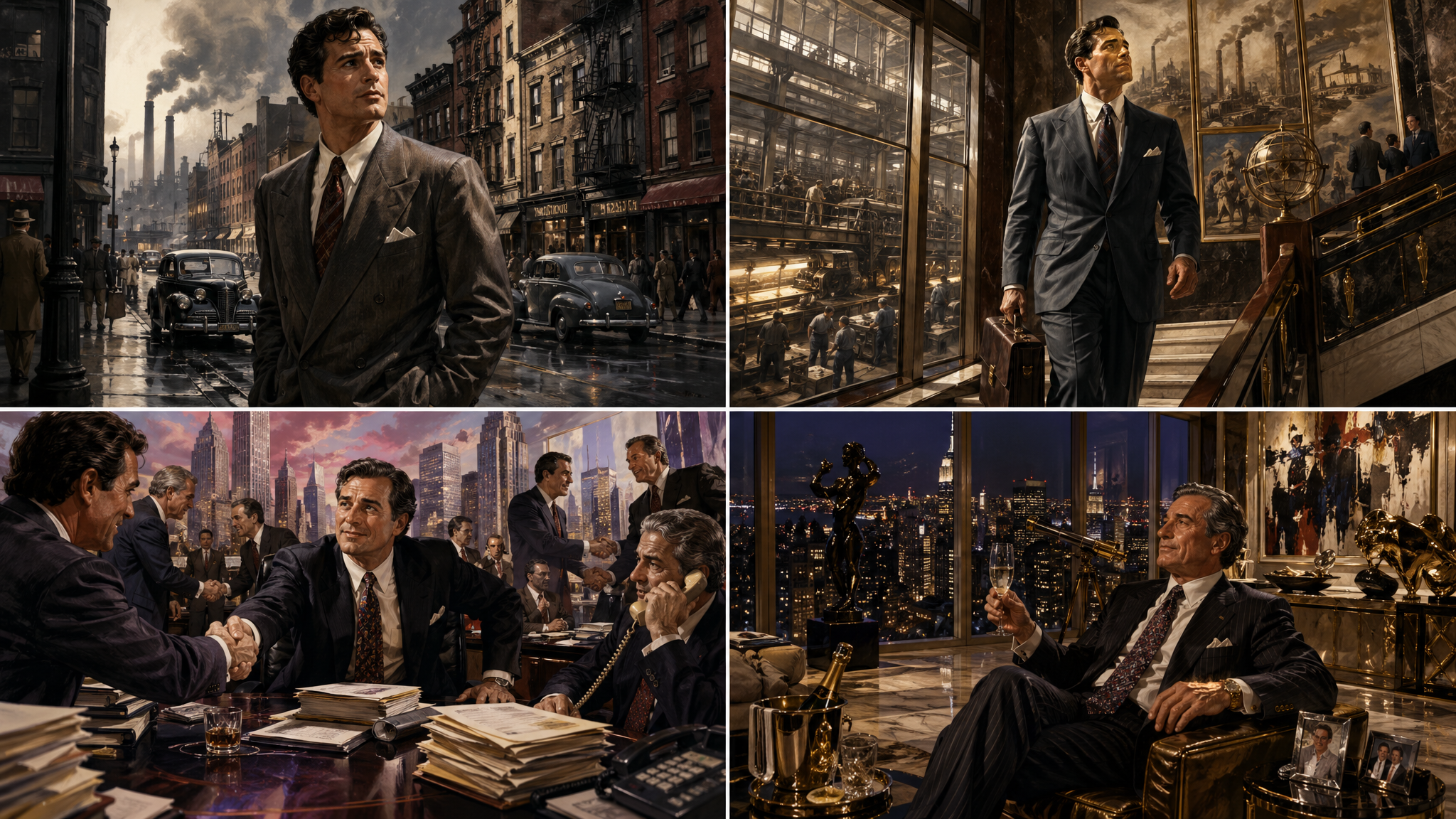
Leo Dennis Kozlowski was born on November 17, 1946, in Newark, New Jersey. His father was a police detective; his mother was a school crossing guard. Newark in the 1950s and 1960s was a tough, working-class city — the kind of place where you learned to fight, to hustle, and to never show weakness. Kozlowski absorbed all three lessons.
He was a decent student but not a standout. He attended Seton Hall University, a Catholic school in South Orange, New Jersey, and earned a degree in accounting. He wasn’t passionate about accounting — he was passionate about business, about deals, about the game of making money. Accounting was just the entry point, the language you needed to speak to get into the rooms where decisions were made.
After college, Kozlowski went to work at Nashua Corporation and then Tyco Laboratories, a small conglomerate based in New Hampshire that made a hodgepodge of products. He joined Tyco in 1975 as an assistant controller — about as unglamorous a position as exists in corporate America. But Kozlowski had ambition that far exceeded his title, and Tyco was small enough that a talented, aggressive executive could rise fast.
Chapter 2: Climbing the Tyco Ladder (1975–1992)
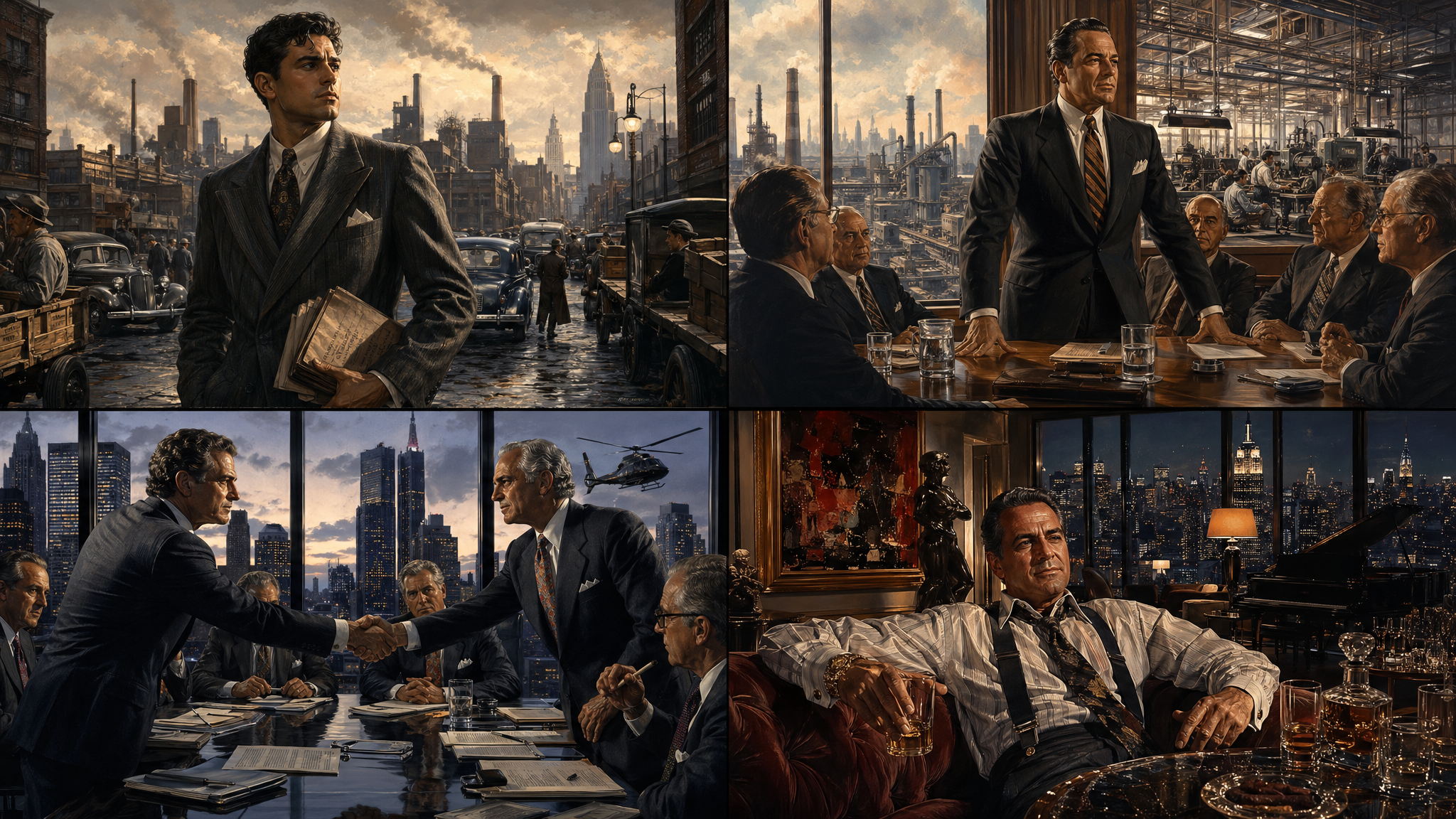
Kozlowski rose through Tyco’s ranks with remarkable speed. He moved from accounting to operations, running increasingly large divisions. His management style was direct, demanding, and effective. He set aggressive targets, held people accountable, and delivered results. By 1989, he was president of Tyco. By 1992, he was CEO.
Tyco under Kozlowski’s predecessors had been a modest company with a few hundred million in revenue. Kozlowski had a bigger vision. He would transform Tyco into a diversified industrial conglomerate — a modern General Electric — by acquiring companies at reasonable prices, cutting costs aggressively, and extracting maximum value from each acquisition.
The strategy required two skills that Kozlowski had in abundance: the ability to identify undervalued companies and the ability to cut costs without mercy. He was a dealmaker who could evaluate a target, negotiate a price, close the transaction, and eliminate redundant overhead within months. It wasn’t creative or innovative — it was industrial efficiency applied with ruthless precision. And for a decade, it worked spectacularly.
Chapter 3: The Acquisition Machine (1992–2001)
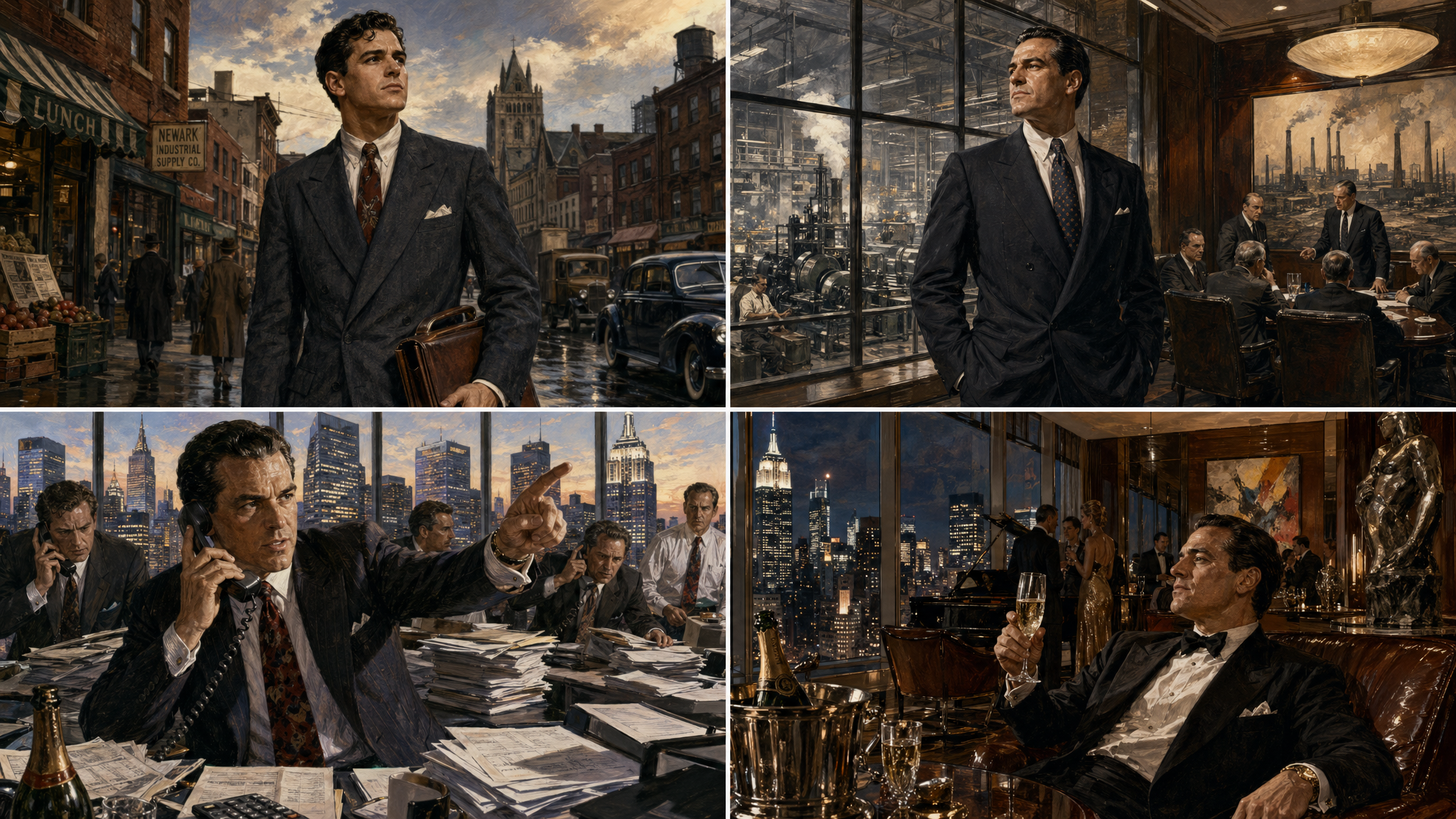
Between 1992 and 2001, Kozlowski transformed Tyco through a series of increasingly large acquisitions. He bought ADT (security systems), Raychem (electronics), US Surgical (medical devices), and dozens of smaller companies. Each acquisition followed the same playbook: buy the company, eliminate duplicate costs, integrate the operations, and move on to the next target.
The results were impressive by any financial measure. Tyco’s revenue grew from $3 billion to over $36 billion. The stock price increased twenty-fold. Kozlowski was named one of the top CEOs in America by multiple business publications. BusinessWeek called him “the most aggressive CEO in America.” He was on the cover of magazines, invited to exclusive conferences, and treated as a peer by the most powerful executives in corporate America.
Wall Street loved the Tyco model. The company consistently beat earnings expectations, generated strong cash flow, and grew relentlessly. Analysts competed to set higher price targets. The stock was a core holding in growth-oriented portfolios. Nobody was asking too many questions about how the numbers were being achieved — partly because the numbers were genuinely impressive, and partly because asking questions about a stock that was making everyone money is bad for business.
Chapter 4: The Imperial Lifestyle (1997–2002)
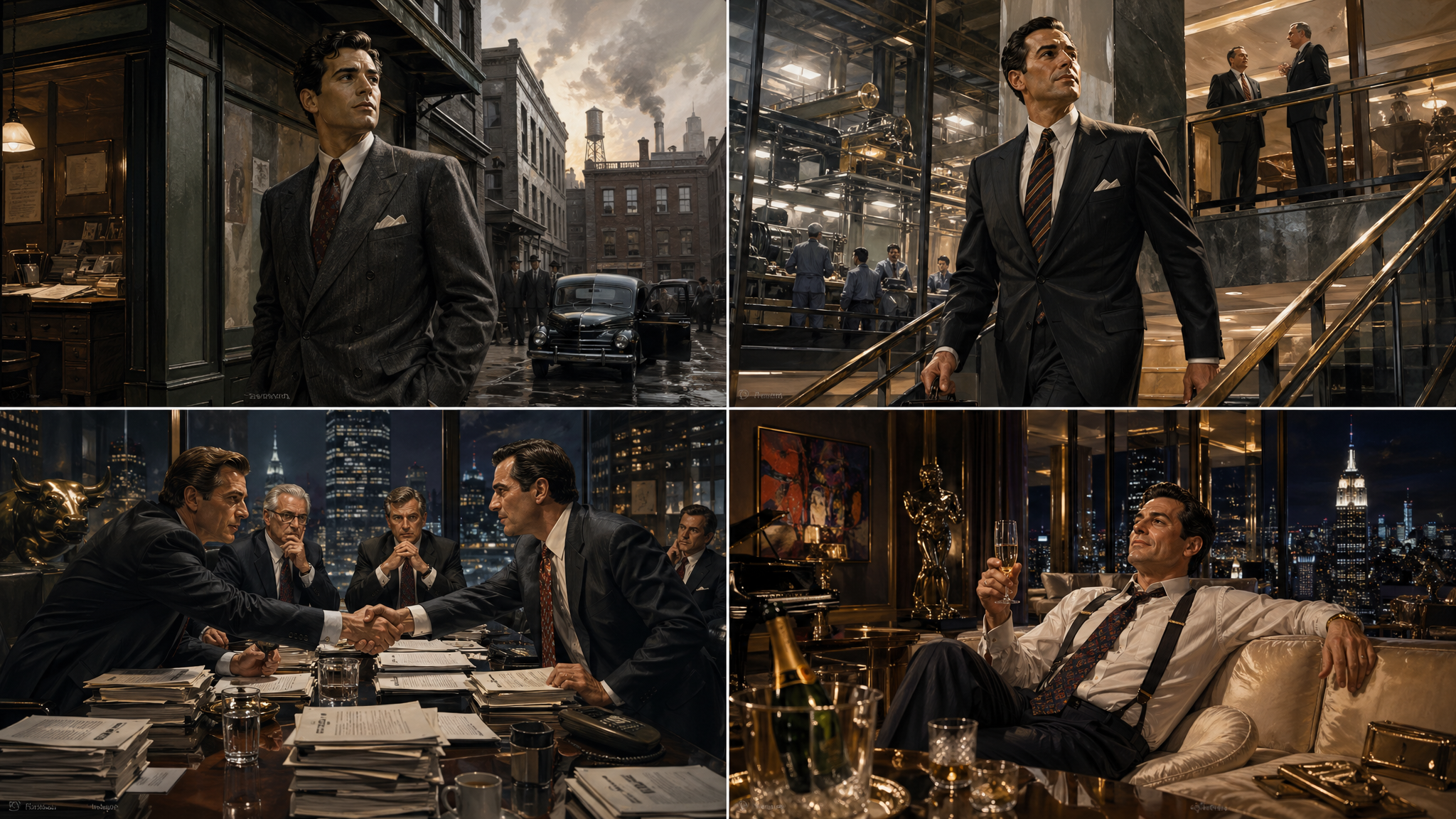
As Tyco grew, so did Kozlowski’s lifestyle — funded increasingly by the company. Tyco purchased a $16.8 million apartment on Fifth Avenue in Manhattan for Kozlowski’s use. The apartment was furnished with company funds: $6,000 for a shower curtain, $15,000 for a dog-shaped umbrella stand, $2,200 for a wastebasket, $5,960 for two sets of sheets. The total renovation cost exceeded $11 million.
Tyco also funded a second apartment for Kozlowski in Manhattan, luxury homes in other locations, and artwork including a Monet and a Renoir valued at millions. The company provided a loan program that allowed Kozlowski and other executives to borrow tens of millions of dollars at below-market rates — loans that were then forgiven, effectively converting them into compensation.
The most infamous expenditure was a birthday party for Kozlowski’s second wife, Karen, held in June 2001 on the Italian island of Sardinia. The party cost approximately $2 million, half of which was charged to Tyco. The entertainment included a performance by Jimmy Buffett (cost: $250,000), elaborate themed decorations, and the now-legendary ice sculpture of Michelangelo’s David urinating vodka. The party was videotaped, and the tape would later become Exhibit A in the prosecution’s case.
Chapter 5: The Governance Vacuum (1992–2002)
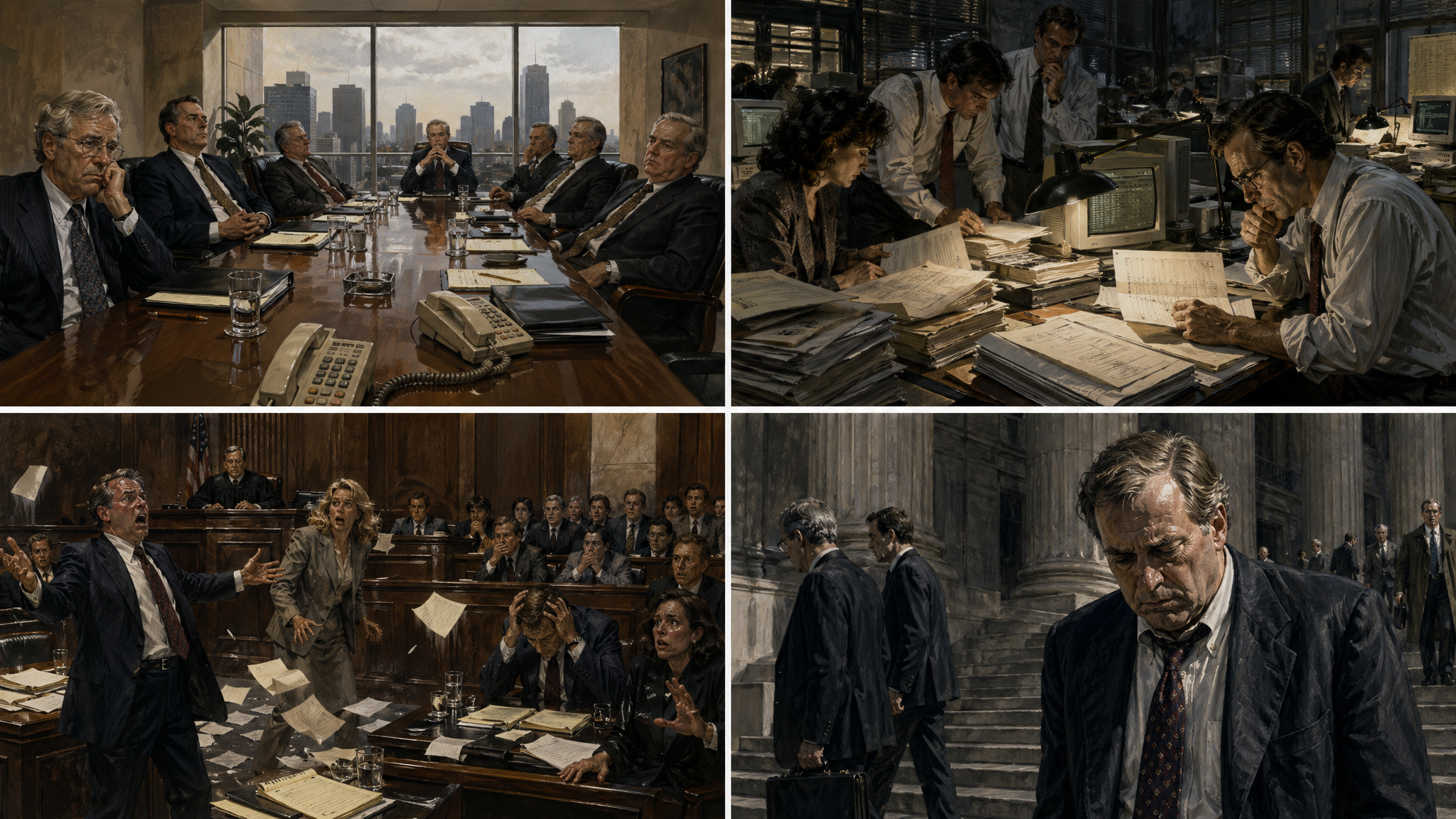
How did Kozlowski get away with it? The answer lies in Tyco’s corporate governance — or lack thereof. Tyco’s board of directors was, by most accounts, passive and deferential. Directors approved executive compensation packages without meaningful scrutiny. The loan forgiveness program, which funneled hundreds of millions to executives, was authorized by the board’s compensation committee with minimal review.
Kozlowski hand-picked many of the directors and cultivated personal relationships with them. Board meetings were described as brief and consensual — not the kind of rigorous, challenging sessions that effective governance requires. The lead independent director, Frank Walsh, would later plead guilty to receiving a $20 million fee for helping arrange Tyco’s acquisition of CIT Group — a fee that was not disclosed to shareholders.
The auditors at PricewaterhouseCoopers provided clean audit opinions throughout the period of the alleged misconduct. Whether they missed the problems or chose not to see them is a question that was never fully resolved. The entire governance ecosystem — board, auditors, compensation consultants — failed to provide the checks and balances that are supposed to prevent exactly this kind of executive self-dealing.
Chapter 6: The Unraveling — Tax Evasion Leads to Everything (2002)
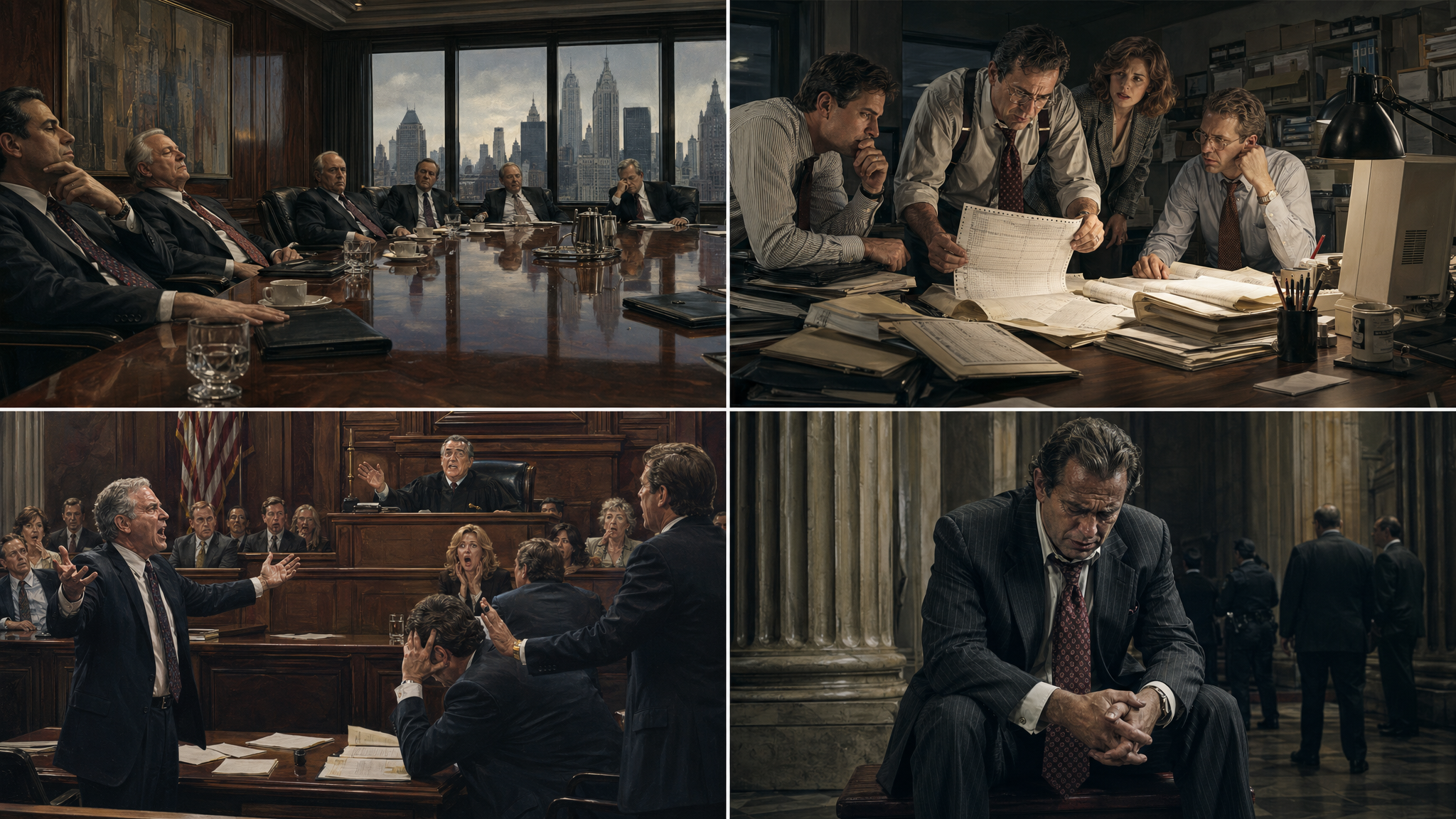
Kozlowski’s downfall began not with a corporate investigation but with a personal one. In January 2002, the Manhattan District Attorney’s office discovered that Kozlowski had evaded over $1 million in New York state sales tax on artwork purchases. The scheme was petty for a man of his wealth: he had paintings shipped to New Hampshire (which has no sales tax) but actually delivered to his New York apartment.
The sales tax investigation led prosecutors to look more closely at Kozlowski’s finances, which led them to Tyco’s corporate accounts, which revealed the full scope of the self-dealing. In June 2002, Kozlowski was indicted on charges of enterprise corruption, grand larceny, securities fraud, and other offenses. CFO Mark Swartz was indicted alongside him.
Kozlowski was forced to resign as CEO. Tyco’s stock, which had already been declining amid broader market turmoil and questions about the company’s accounting practices, collapsed further. At its low point, Tyco’s market capitalization fell by over $80 billion from its peak. Investors, employees, and retirees who held Tyco stock saw their wealth evaporate.
Chapter 7: The First Trial — A Juror’s Gesture Spoils Everything (2003–2004)
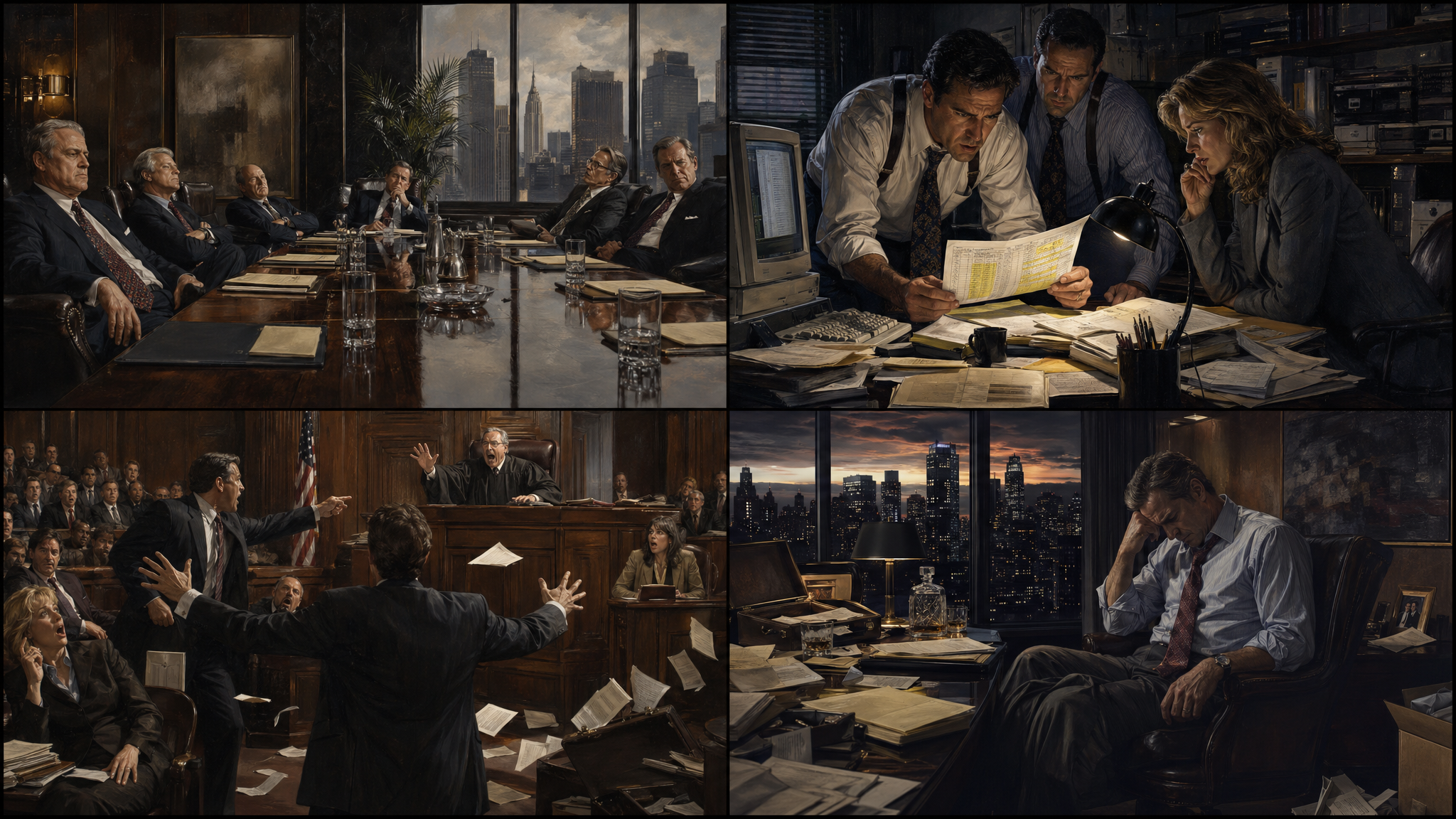
Kozlowski’s first trial began in October 2003 and lasted six months. The prosecution presented evidence of over $400 million in unauthorized compensation and self-dealing. The defense argued that Tyco’s board had approved the compensation and that Kozlowski believed he was entitled to the money.
The trial was dramatic and heavily covered. Prosecutors played the videotape of the Sardinia birthday party, which became a media sensation. Images of the vodka-dispensing ice sculpture and the lavishly decorated venue crystallized the prosecution’s narrative: this was a man who thought he was above the rules.
But the trial ended in a mistrial in April 2004. During deliberations, a juror who appeared to favor acquittal was identified by the media. She reportedly made an “OK” gesture toward the defense table, which was captured by a courtroom sketch artist and published. She received a threatening letter, and the judge declared a mistrial. Six months of testimony, thousands of pages of evidence, and millions of dollars in legal costs — all for nothing. The case would have to be tried again.
Chapter 8: The Second Trial and Conviction (2005)
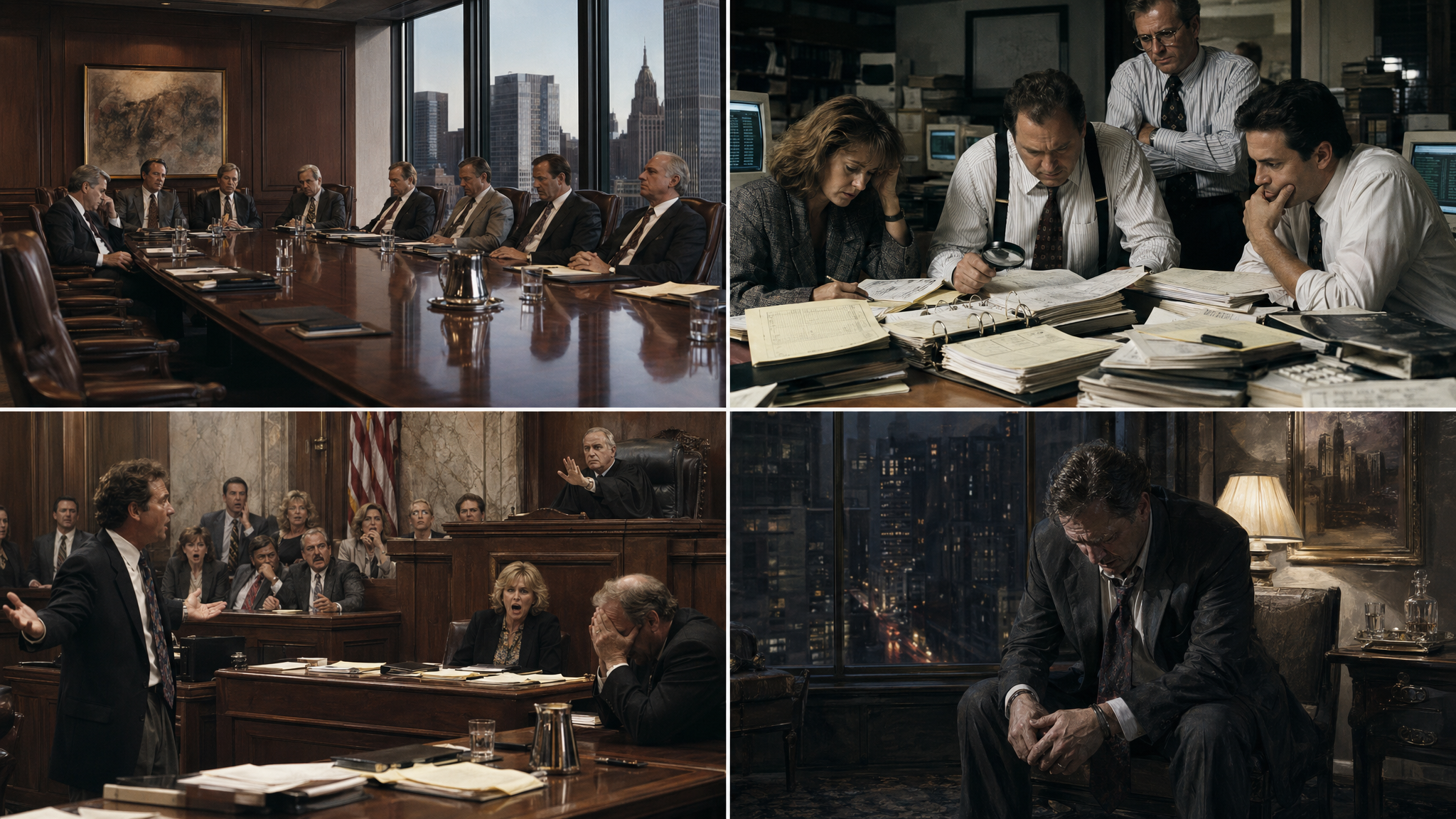
The retrial began in January 2005, and this time there would be no mistrial. The prosecution refined its case, focusing less on the Sardinia party (which risked making Kozlowski sympathetic as someone being punished for bad taste rather than actual crime) and more on the financial mechanics of the theft. Prosecutors demonstrated that Kozlowski and Swartz had taken hundreds of millions in unauthorized bonuses, loans that were forgiven without board approval, and stock manipulation.
On June 17, 2005, the jury convicted Kozlowski on 22 of 23 counts, including grand larceny, conspiracy, securities fraud, and falsifying business records. Mark Swartz was convicted on similar charges. The verdicts came just three months after Bernie Ebbers was convicted in the WorldCom case, making it a devastating season for corporate criminals.
Kozlowski was sentenced to eight and one-third to twenty-five years in state prison. The sentence was severe — comparable to sentences for violent crimes — and reflected both the scale of the theft and the judge’s evident disgust at the conduct. Kozlowski was ordered to pay $70 million in fines and $97 million in restitution.
Chapter 9: Prison and Reflection (2005–2014)

Kozlowski entered the New York state prison system in September 2005. He served his time at the Mid-State Correctional Facility in Marcy, New York — a medium-security prison that was a long way from Fifth Avenue penthouses and Sardinian villas.
In prison, Kozlowski reportedly became a model inmate. He taught classes to fellow prisoners, participated in educational programs, and maintained a low profile. Visitors described a man who was reflective about his past but who maintained that the trial had been unfair and that the board had approved his compensation. It was a position that contained enough ambiguity to be maddening: the board had approved many things, but had they approved everything? Had they understood the full scope of what they were approving? The jury’s verdict suggested they hadn’t.
Kozlowski was paroled in January 2014 after serving approximately eight and a half years. He was sixty-seven years old. He re-emerged into a corporate landscape that had been fundamentally reshaped by the scandals of his era — Sarbanes-Oxley, increased board independence, executive compensation reform, and heightened scrutiny of corporate governance. The excesses that defined the pre-2002 era were, if not eliminated, at least harder to get away with.
Chapter 10: Tyco After Kozlowski (2002–2016)

Tyco survived Kozlowski’s departure, but it was a different company. Ed Breen, who replaced Kozlowski as CEO, immediately began cleaning house. He replaced the entire board of directors, fired the senior management team, and brought in new auditors. The message was clear: the Kozlowski era was over.
Breen’s turnaround was methodical. He settled shareholder lawsuits for $3 billion — one of the largest corporate settlements in history. He unwound Tyco’s conglomerate structure, spinning off the company into three separate entities: Tyco International (fire and security), Covidien (healthcare), and Tyco Electronics (later TE Connectivity). Each company was more focused and easier for investors to understand and value.
The breakup was a tacit acknowledgment that the conglomerate model Kozlowski had built was inherently opaque — too complex for outside investors or directors to monitor effectively. By simplifying the structure, Breen made it harder for any future executive to hide the kind of self-dealing that Kozlowski had perpetrated. The individual companies performed well after the separation, suggesting that the underlying businesses had always been sound — it was the governance that was broken.
Chapter 11: The Shower Curtain’s Shadow — Cultural Impact

Kozlowski’s case became a cultural touchstone for corporate excess in ways that more financially significant frauds did not. Enron’s fraud was larger. WorldCom’s fraud was larger. But the shower curtain, the vodka-dispensing ice sculpture, and the $2 million birthday party were visceral in a way that accounting restatements never are. People could understand a $6,000 shower curtain. They couldn’t understand a $3.8 billion earnings restatement.
The cultural impact went beyond courtroom drama. Kozlowski’s case influenced corporate governance reform more than any single piece of legislation. Boards of directors that had been passive became — at least temporarily — more engaged. Executive compensation practices were scrutinized more carefully. The concept of the “imperial CEO” — the all-powerful executive who treated the company as a personal fiefdom — became toxic.
Business schools incorporated the Kozlowski case into their ethics curricula. It became the go-to example of what happens when corporate governance breaks down and executive hubris goes unchecked. The case taught a generation of MBA students that the most dangerous moment in a CEO’s career is when they start believing their own press and when no one around them has the power or inclination to say no.
Chapter 12: Legacy — The Cost of Unchecked Power

Dennis Kozlowski’s story is ultimately about what happens when a talented executive operates without constraints. He was genuinely good at his job — the acquisition strategy that built Tyco was real, the value creation was real, and the operational skills were real. But somewhere along the way, Kozlowski stopped distinguishing between the company’s money and his own. The line blurred gradually, then disappeared entirely.
The $400 million in unauthorized compensation was not the impulsive act of a desperate man. It was the cumulative result of years of small transgressions, each one slightly larger than the last, each one rationalized as the natural reward for the value he was creating. The $6,000 shower curtain didn’t happen in isolation — it happened because every previous act of self-dealing had gone unchallenged.
Kozlowski’s net worth was estimated at over $500 million at its peak. After fines, restitution, and legal fees, he emerged from prison a dramatically diminished figure — financially and otherwise. The conglomerate he built was dismantled. The reputation he cultivated was destroyed. The lifestyle he funded with other people’s money became evidence in his own prosecution. The kid from Newark who fought his way to the top of corporate America ended up in a medium-security prison in upstate New York, teaching accounting to inmates. It is, in its own dark way, a very American story.
💡 Key Insights
- ▸ Kozlowski's downfall was triggered not by the fraud itself but by his lifestyle. The $6,000 shower curtain and the Sardinian birthday party became symbols of executive excess that jurors — and the public — couldn't forgive.
- ▸ Tyco's board failed catastrophically. Directors approved hundreds of millions in compensation without meaningful oversight, rubber-stamping whatever management requested. The Kozlowski case is a textbook example of governance failure.
- ▸ The line between aggressive compensation and outright theft is thinner than corporate America likes to admit. Kozlowski's defense — that the board approved everything — had enough truth in it to be uncomfortable.