Peter Thiel: The Contrarian Who Bet Against the Future Everyone Else Believed In
PayPal co-founder, Facebook's first investor, Palantir's architect, and Silicon Valley's most feared political operator. Peter Thiel doesn't follow trends — he destroys them.
View all stories about this mogul
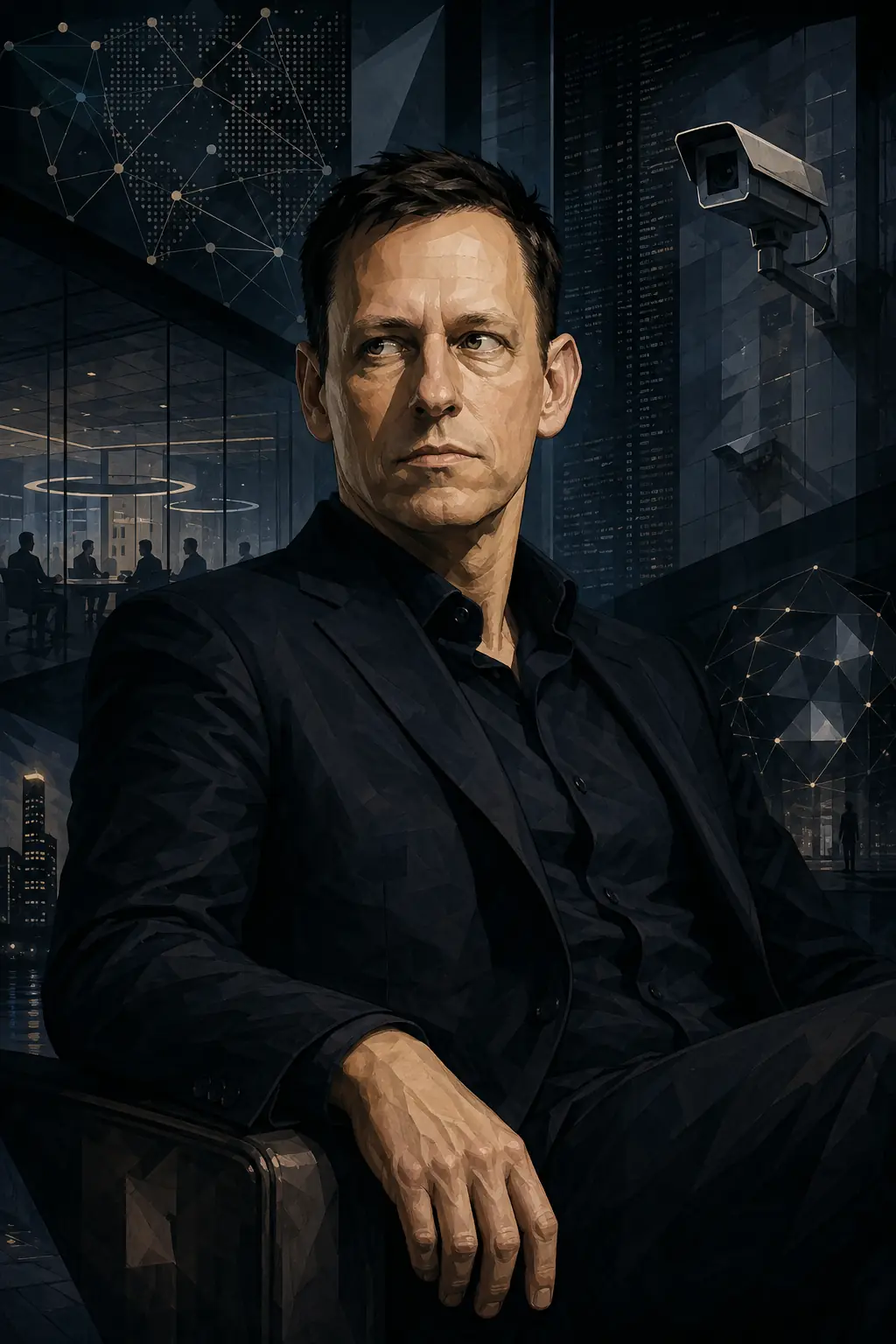
Peter Thiel is the most dangerous mind in Silicon Valley. Not dangerous in the criminal sense — dangerous in the intellectual sense. He thinks differently from virtually everyone around him, bets against consensus with enormous conviction, and has been right often enough to accumulate billions of dollars and enormous political power. He co-founded PayPal, made the first outside investment in Facebook, built a surveillance company that governments depend on, secretly funded the lawsuit that destroyed Gawker Media, and helped elect Donald Trump. He is, depending on your perspective, either a visionary who sees truths others are afraid to acknowledge, or a brilliant nihilist who uses his intelligence to accumulate power without moral guardrails.
Chapter 1: The Immigrant Chess Player (1967–1989)

Peter Andreas Thiel was born on October 11, 1967, in Frankfurt, Germany. His family immigrated to the United States when he was a year old, eventually settling in Foster City, California, after stops in Cleveland and several countries in Africa where his father worked as a mining engineer. The constant moving gave young Peter an outsider’s perspective that would define his worldview: he learned to observe social systems rather than be absorbed by them.
Thiel was a chess prodigy. By age twelve, he was one of the highest-rated under-13 players in the country. Chess taught him something that most people learn much later, if ever: that the best move is often the one nobody else is considering. The obvious move is usually the mediocre one. The brilliant move looks wrong to everyone until the moment it wins the game. This principle would guide every major decision of his career.
He attended Stanford University, where he studied philosophy and then law. At Stanford, Thiel co-founded The Stanford Review, a conservative newspaper that delighted in provoking the university’s liberal establishment. He was already a contrarian, already drawn to positions that made people uncomfortable. He graduated from Stanford Law School, clerked for a federal judge, and took a job at the prestigious law firm Sullivan & Cromwell in New York. He lasted seven months and three days. He counted them. Corporate law, he realized, was a prestige-driven treadmill where the most talented people spent their lives fighting over incremental advantages in a zero-sum game. He wanted to build something.
Chapter 2: The PayPal Wars (1998–2002)

In 1998, Thiel co-founded Confinity with Max Levchin, a young Ukrainian-born cryptography expert. The original idea was to beam money between PalmPilots — a concept that was simultaneously brilliant and absurd given the state of mobile technology in 1998. The pivot to email-based payments was what saved the company. PayPal, as the product became known, allowed anyone with an email address to send money to anyone else with an email address. Simple. Revolutionary.
Then things got wild. Confinity merged with X.com, a competing financial services startup founded by Elon Musk. The merger was a shotgun wedding driven by mutual fear — each company was terrified the other would win. The combined entity, renamed PayPal, became a pressure cooker of ego, ambition, and genuine talent. Thiel and Musk clashed repeatedly over strategy and technology. In a boardroom coup in 2000, Thiel replaced Musk as CEO while Musk was literally on an airplane for his honeymoon.
PayPal went public in February 2002, and eBay acquired it for $1.5 billion in October. Thiel made approximately $55 million. More importantly, he had forged relationships with the group that would become the PayPal Mafia — Musk, Reid Hoffman, David Sacks, Max Levchin, Chad Hurley, Steve Chen, and others who would go on to create or fund some of the most valuable companies in history.
Chapter 3: The Facebook Bet That Changed Everything (2004)
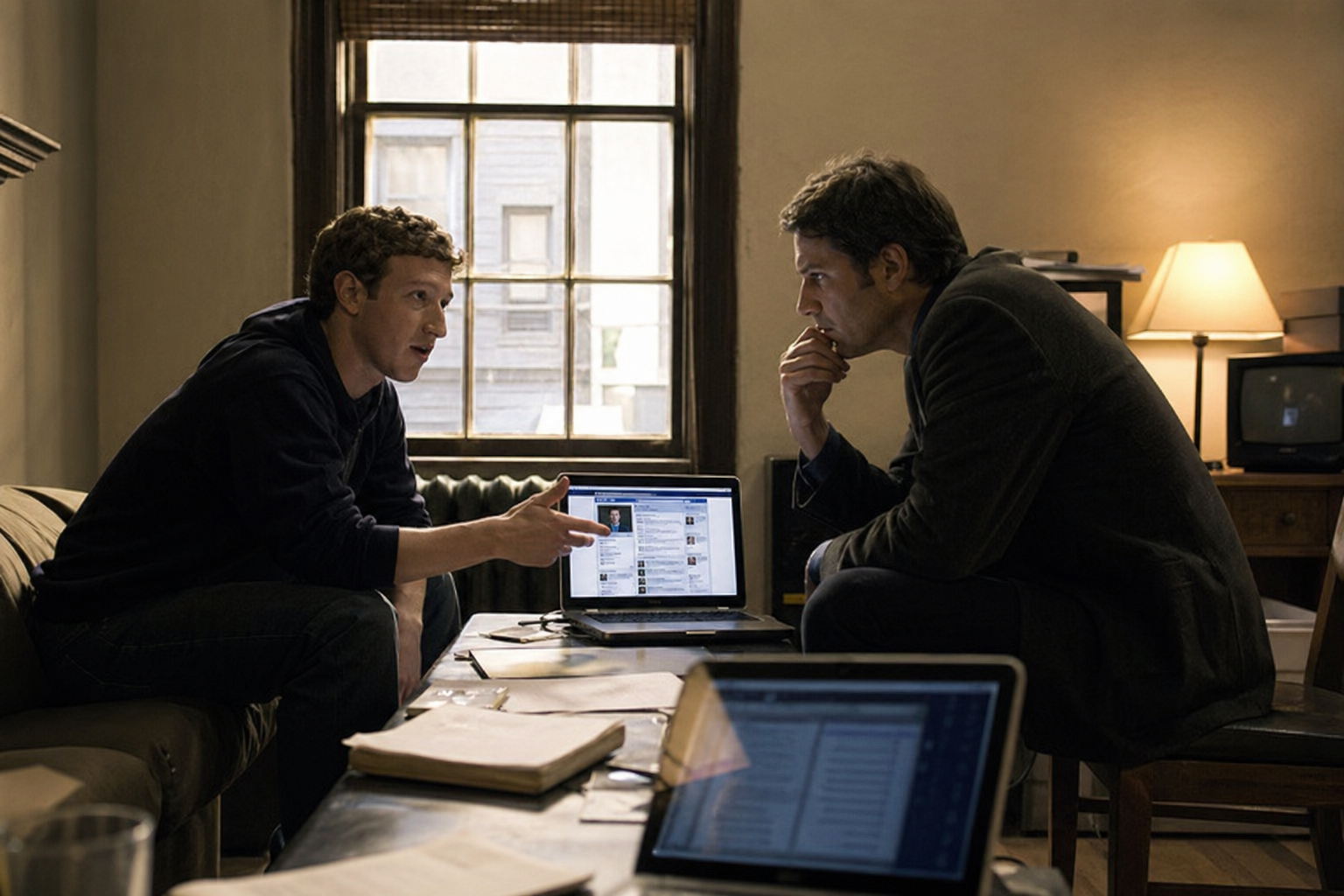
In the summer of 2004, a mutual friend introduced Thiel to a nineteen-year-old Harvard dropout named Mark Zuckerberg. Zuckerberg had built a social network called TheFacebook that was spreading through college campuses like a virus. He needed money. Thiel listened to the pitch, asked a few questions, and wrote a check for $500,000 for approximately 10% of the company. It was the first outside investment in Facebook.
That $500,000 would eventually be worth over $1 billion. Thiel sold most of his shares in 2012 after Facebook’s IPO, making it one of the most profitable angel investments in venture capital history. But the money was almost secondary to the insight the investment revealed about Thiel’s thinking.
Most investors in 2004 thought social networking was a fad. Friendster had already peaked and was declining. MySpace was growing but seemed like a niche for teenagers and bands. The consensus view was that people wouldn’t put their real identities online. Thiel saw the opposite: he believed that identity was moving online whether people wanted it to or not, and that the company which owned the real identity graph — not anonymous handles, but real names, real photos, real connections — would become one of the most powerful entities on Earth. He was right.
Chapter 4: Palantir — Building the All-Seeing Eye (2003–2015)

While the Facebook investment gets the headlines, Palantir Technologies might be Thiel’s most consequential creation. Founded in 2003 and named after the all-seeing stones in Tolkien’s Lord of the Rings, Palantir built data analysis software for intelligence agencies, military organizations, and law enforcement. Its tools could integrate vast, disparate datasets and surface patterns that human analysts would miss.
The company’s first major client was the CIA, through its venture capital arm In-Q-Tel. Palantir’s software was reportedly used in the operation that located Osama bin Laden. It was used to track terrorist financing networks, identify IED supply chains in Iraq and Afghanistan, and detect fraud in financial markets. The software was extraordinarily powerful and, critics argued, extraordinarily dangerous.
Palantir’s early years were brutal. The company burned through cash, struggled to find customers beyond the intelligence community, and was perpetually on the verge of collapse. Thiel personally kept it alive with infusions of his own money when other investors lost faith. He believed that data analysis was the future of both national security and commerce, and he was willing to bet his fortune on it. By 2015, Palantir was valued at $20 billion, though it wouldn’t go public until 2020.
Chapter 5: Zero to One — The Philosophy of Monopoly (2014)

In 2014, Thiel published “Zero to One,” based on notes from a course he taught at Stanford. The book became a manifesto for a generation of founders and one of the most influential business books of the decade. Its central argument was radical: competition is for losers.
Thiel argued that the most successful companies don’t compete — they create monopolies by building something so fundamentally new that no competition exists. Google didn’t build a better Yahoo; it built a different thing entirely. Facebook didn’t build a better MySpace; it built a real identity network. The goal, Thiel wrote, is not to be slightly better than competitors but to be so different that the concept of competition doesn’t apply.
He also argued that the world needed more “zero to one” innovation — creating genuinely new things — and less “one to n” innovation — copying things that already exist with minor improvements. He was particularly critical of what he saw as Silicon Valley’s descent into trivial consumer apps. The world needed flying cars, he famously quipped, and instead it got 140 characters. The book was polarizing. Admirers called it a rare work of genuine strategic insight. Critics called it the intellectual justification for monopolistic behavior dressed up in philosophical language.
Chapter 6: The Gawker War — Revenge Served Cold (2007–2016)

In 2007, Gawker Media’s Valleywag blog published an article outing Peter Thiel as gay. Thiel was furious — not because being gay was shameful, he later said, but because the decision to come out should have been his to make. He began looking for ways to strike back. What he found was a strategy so patient, so calculated, and so devastating that it would become a case study in how billionaires can weaponize the legal system.
Thiel didn’t sue Gawker himself. Instead, he secretly funded lawsuits by other people who had been wronged by the media company. The most significant was Hulk Hogan’s lawsuit over a sex tape that Gawker had published. Thiel reportedly spent over $10 million funding Hogan’s legal team — assembling an all-star group of lawyers whose only job was to destroy Gawker.
In March 2016, a Florida jury awarded Hogan $140 million in damages. Gawker couldn’t pay. The company filed for bankruptcy and was sold off in pieces. Nick Denton, Gawker’s founder, was personally ruined. When Thiel’s role was revealed, the reaction was split. Free speech advocates were horrified: a billionaire had used his wealth to destroy a media organization. Others argued that Gawker had been a bully that invaded people’s privacy with impunity and finally faced consequences.
Chapter 7: The Trump Alliance — Silicon Valley’s Renegade (2016–2020)
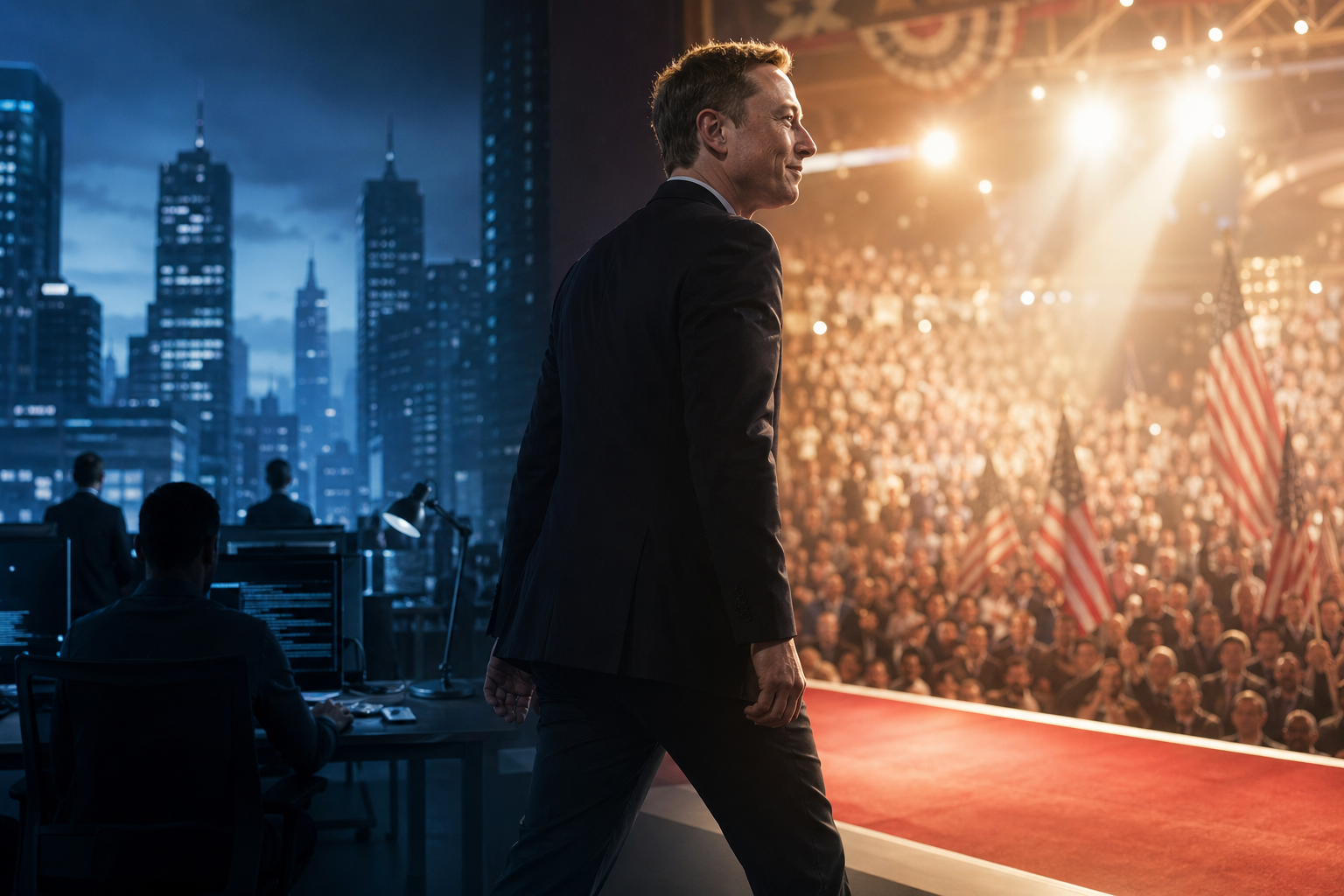
In July 2016, Peter Thiel walked onto the stage of the Republican National Convention and endorsed Donald Trump for president. The tech industry reacted as if he had announced he was joining a cult. In a world where Silicon Valley leaned overwhelmingly Democratic, where diversity and inclusion were the reigning values, and where Trump was seen as an existential threat, Thiel’s endorsement was an act of extraordinary defiance.
But Thiel had his reasons. He believed that the American political establishment — both parties — had failed. That globalization had hollowed out the middle class. That immigration policy was incoherent. That political correctness was stifling honest discourse. He didn’t agree with everything Trump said, he later explained, but he took Trump seriously while others only took him literally. It was, characteristically, a contrarian bet.
Thiel donated $1.25 million to Trump’s campaign and served on the transition team after Trump’s victory. He reportedly had significant influence on technology and defense appointments. But his relationship with the Trump administration was complicated. Thiel wanted policy changes — deregulation, immigration reform, a tougher stance on China — and found that the administration was chaotic, undisciplined, and often unable to execute even the policies it believed in.
Chapter 8: Founders Fund and the Venture Empire (2005–2023)

Thiel’s venture capital firm, Founders Fund, became one of the most successful and iconoclastic investors in Silicon Valley. The firm’s motto, reportedly painted on a wall in its office, was: “We wanted flying cars; instead we got 140 characters.” It was a deliberate provocation aimed at the venture capital establishment, which Thiel believed had become too focused on incremental consumer apps and not focused enough on transformative technology.
Founders Fund invested in SpaceX, Palantir, Airbnb, Spotify, Stripe, Lyft, and dozens of other companies that would become worth billions. The firm also made bets on more speculative ventures: life extension research, seasteading (building floating cities in international waters), and artificial intelligence. Not all of them worked. But the ones that did — particularly SpaceX and Palantir — validated Thiel’s core thesis: the biggest returns come from investments that most people think are crazy.
The firm’s most controversial investment philosophy was its willingness to back founders who were, by conventional standards, difficult or dangerous. Thiel believed that the most transformative founders were often the least manageable — that the traits that made someone a nightmare to work with were often the same traits that let them see possibilities others couldn’t. This philosophy produced spectacular wins and spectacular failures in roughly equal measure.
Chapter 9: The Roth IRA Controversy — Tax-Free Billions (2021)

In June 2021, ProPublica published a bombshell investigation revealing that Thiel had amassed approximately $5 billion in a Roth IRA — a type of retirement account that’s supposed to be a modest tax shelter for middle-class savers, not a vehicle for sheltering billions. Thiel had reportedly put his PayPal founder shares — purchased for pennies — into the Roth IRA in 1999, then invested in Facebook and other companies through the account. Because Roth IRA gains are tax-free, Thiel could potentially withdraw billions without paying a dollar in taxes.
The revelation ignited a firestorm. Democrats in Congress cited it as evidence that the tax code was broken. Thiel’s defenders argued that everything he did was legal — which appeared to be true. The Roth IRA was designed with contribution limits, but there was no explicit limit on how much the investments inside could grow. Thiel had simply exploited a loophole with extraordinary effectiveness.
It was a perfect encapsulation of Thiel’s relationship with systems: he understood their rules better than anyone, found the gaps nobody else noticed, and exploited them without apology. Whether that made him a genius or a parasite depended entirely on your perspective. Congress eventually proposed legislation to cap mega-Roth accounts, though as of 2025, no comprehensive reform had passed.
Chapter 10: Palantir Goes Public — The Surveillance Debate (2020–2024)
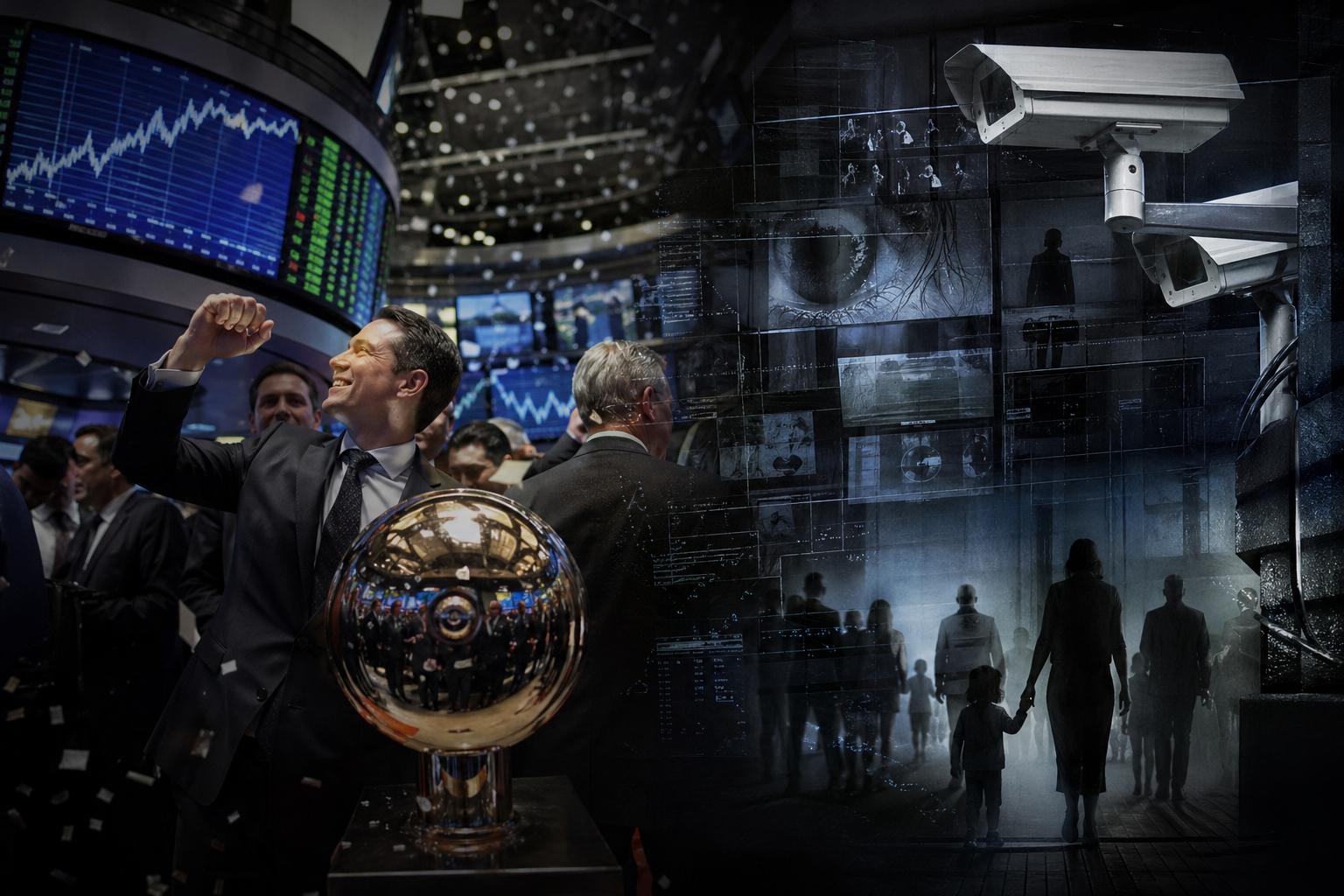
Palantir finally went public in September 2020 via direct listing, valuing the company at approximately $22 billion. For Thiel, it was vindication after seventeen years of skeptics saying the company would never make it. For critics, it was a nightmarish milestone: a surveillance technology company with deep ties to intelligence agencies and law enforcement was now publicly traded and accountable primarily to shareholders who wanted growth.
Palantir’s stock became a phenomenon among retail investors, particularly on Reddit’s WallStreetBets. The company’s mystique — its CIA connections, its Tolkien name, its secretive culture — made it irresistible to a generation of investors who saw it as the real-life equivalent of a sci-fi surveillance company. The stock was wildly volatile, swinging from $10 to $45 and back as retail enthusiasm waxed and waned.
The substantive debate about Palantir was more serious. Civil liberties organizations argued that the company’s technology enabled mass surveillance, predictive policing, and immigration enforcement in ways that violated civil rights. Palantir countered that its software was a tool — like a hammer or a database — and that how governments used it was a policy question, not a technology question. Thiel, characteristically, was unapologetic. He argued that privacy absolutism was naïve, that data analysis saves lives, and that people who opposed Palantir were essentially arguing that intelligence agencies should be less effective.
Chapter 11: The Political Kingmaker (2022–2025)
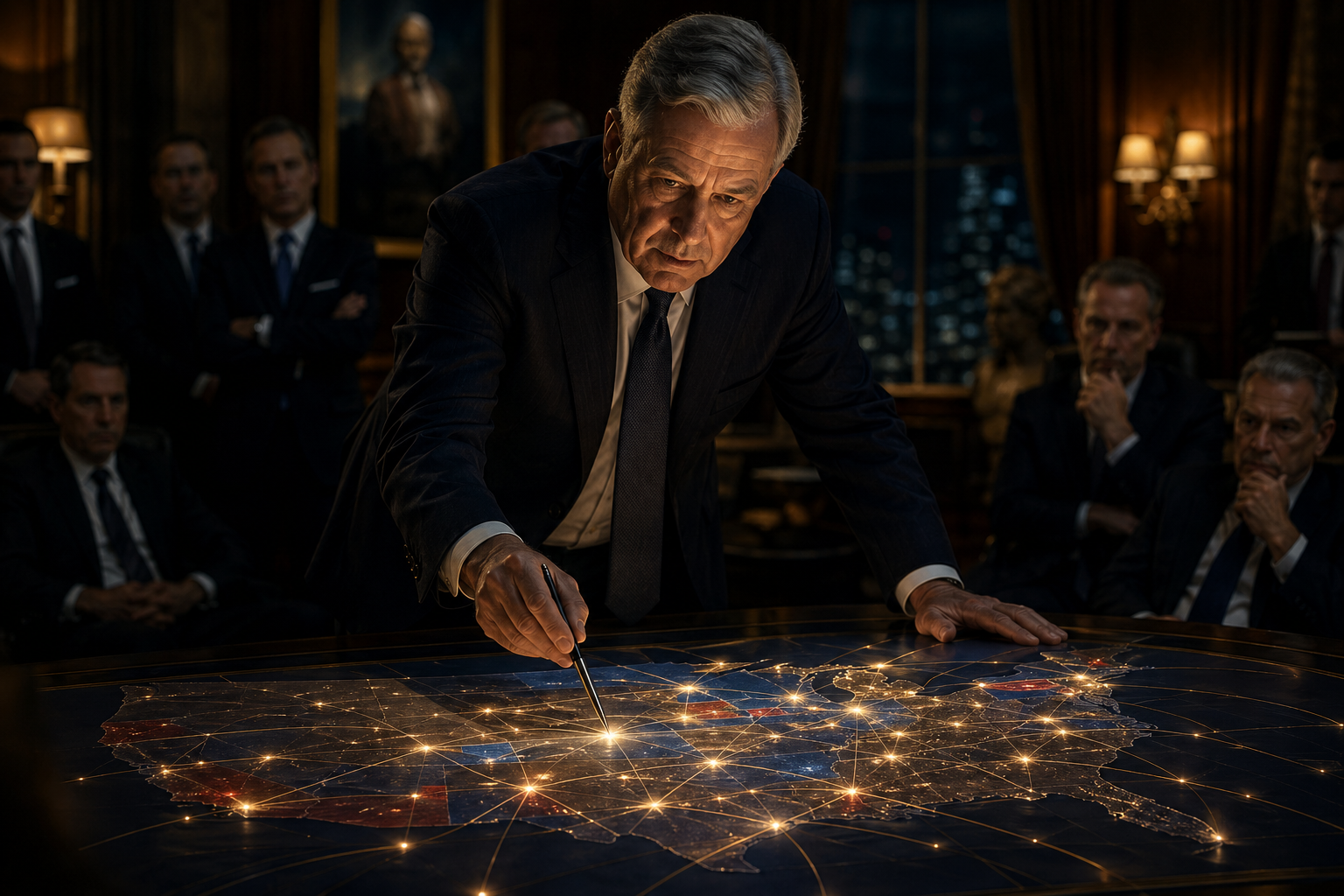
Thiel’s political influence reached its peak in the 2022 midterm elections, when he poured over $30 million into supporting Republican candidates aligned with his worldview. His most significant bets were J.D. Vance, a former Thiel Capital employee running for Senate in Ohio, and Blake Masters, a former Thiel protégé running for Senate in Arizona. Vance won; Masters lost.
Vance’s victory was particularly significant. Thiel had essentially created a senator — funding Vance’s campaign, lending him credibility, and connecting him to donors. When Vance was selected as Donald Trump’s running mate for the 2024 presidential election, Thiel’s fingerprints were all over one of the most powerful positions in American politics. A venture capitalist had cultivated a protégé, funded his political career, and placed him a heartbeat from the presidency.
The implications were profound. Thiel had demonstrated that Silicon Valley’s wealth could be converted into political power more efficiently than almost any other form of capital. A few hundred million dollars, strategically deployed, could reshape the political landscape. Whether this was democracy working as intended — wealthy citizens exercising their right to participate — or democracy being captured by oligarchic interests was the defining question of Thiel’s political legacy.
Chapter 12: Legacy — The Contrarian’s Verdict
Peter Thiel’s net worth, estimated at $10–12 billion as of 2025, is almost beside the point. His true currency is influence — intellectual, financial, and political. He has shaped how a generation thinks about competition, monopoly, technology, and politics. His ideas are embedded in the DNA of Silicon Valley whether people acknowledge it or not.
The contradictions are real. He preaches contrarianism but surrounds himself with loyalists. He champions individual freedom but builds surveillance technology. He criticizes political correctness but uses lawsuits to silence media he doesn’t like. He argues that innovation has stagnated but invests in incremental improvements alongside moonshots. He is, in the most literal sense, a man who contains multitudes.
What’s undeniable is that Thiel sees things others don’t. He saw that PayPal could replace banks before banks noticed. He saw that Facebook would own identity before anyone used the term “social graph.” He saw that data analysis would become the backbone of national security before most governments had chief technology officers. He saw that a populist political movement was brewing before the political establishment took it seriously.
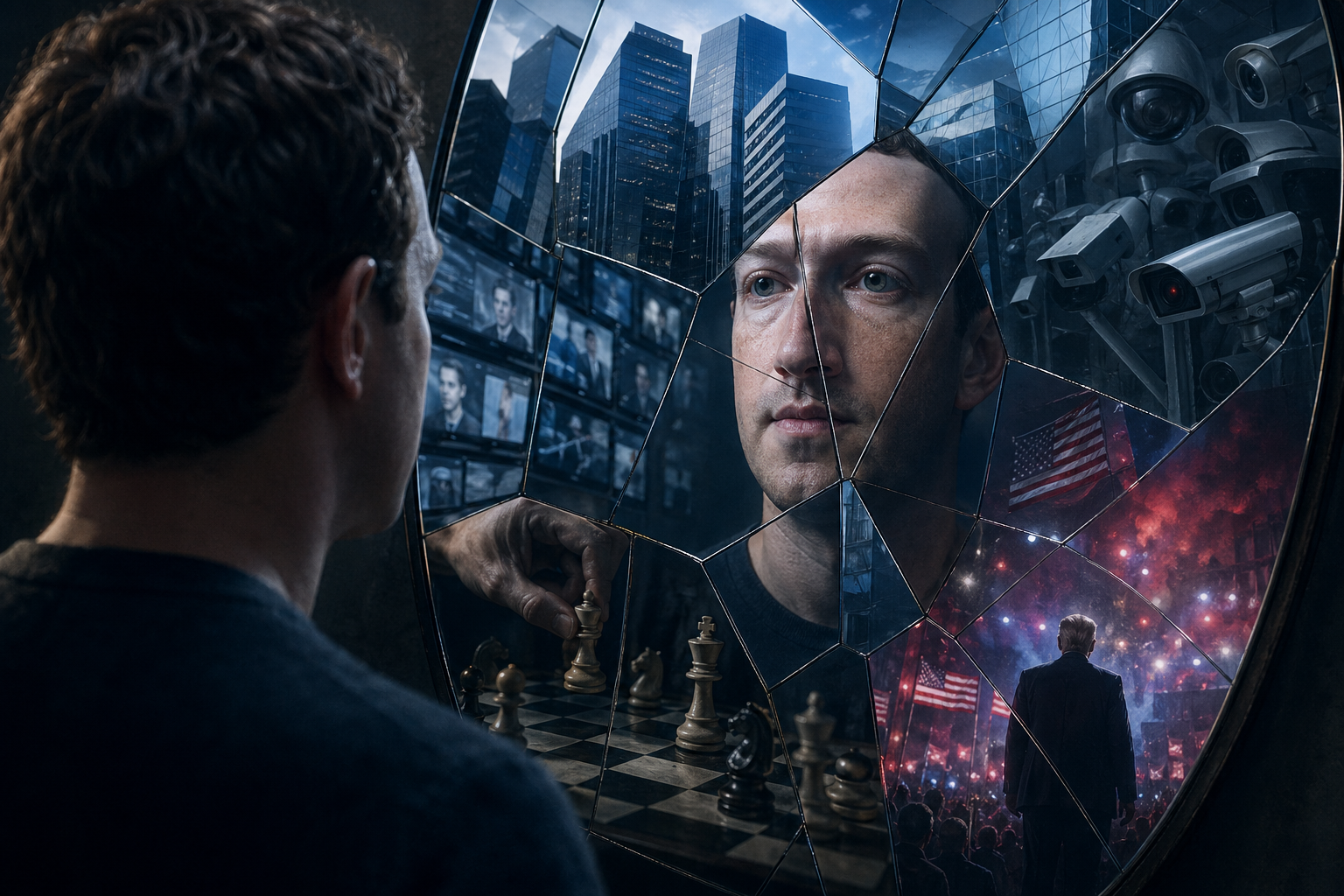
Peter Thiel is not a comfortable figure. He’s not meant to be. He is Silicon Valley’s mirror, reflecting back the industry’s ambitions, contradictions, and moral compromises with unflinching clarity. Whether you admire him or despise him, you cannot ignore him. And that, for a man who has built his entire life around the power of contrarian thinking, might be the most fitting legacy of all.
💡 Key Insights
- ▸ Thiel's core philosophy — that competition is for losers and monopoly is the goal — inverted decades of business school orthodoxy. His success proved that the most profitable companies are those that escape competition entirely.
- ▸ The Gawker lawsuit revealed that billionaires can weaponize the legal system to destroy media organizations. Thiel spent $10 million on litigation the way others spend on advertising — as a strategic investment with a calculated return.
- ▸ Thiel's political journey from libertarian outsider to Republican kingmaker shows how Silicon Valley's wealth can be converted into political power with terrifying efficiency.