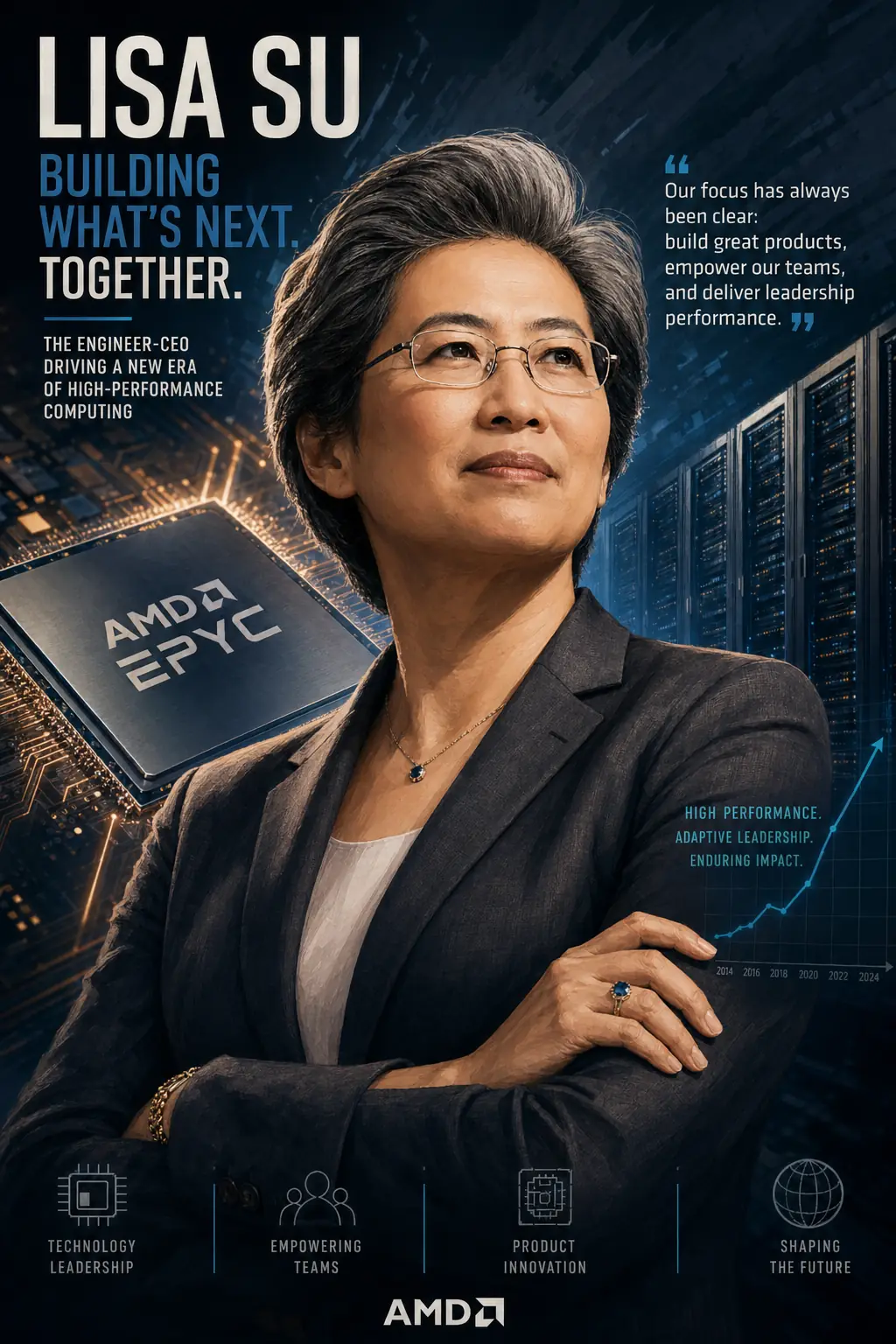
Lisa Su: The Engineer Who Saved AMD From the Brink and Took On Intel
When she became CEO, AMD was a dying company trading at $2 a share. A decade later, it was worth $200 billion. This is how one engineer rewrote the rules of the semiconductor industry.
View all stories about this mogul
In 2014, when Lisa Su became CEO of Advanced Micro Devices, the company was a mess. The stock was trading around $2. Revenue was falling. The company was burning cash. Intel, AMD’s eternal rival, had a market share in PC processors north of 80% and was openly dismissive of AMD as a serious competitor. Wall Street analysts were debating not whether AMD would fail, but when. The smart money was betting on bankruptcy within five years.
A decade later, AMD had a market capitalization exceeding $200 billion. Its processors were in PlayStation and Xbox consoles, data centers for Microsoft and Google, and the laptops of millions of users who had specifically chosen AMD over Intel. Lisa Su had pulled off what many considered the greatest corporate turnaround in semiconductor history. And she did it the hard way: by building better products.
Chapter 1: From Tainan to MIT (1969–1994)

Lisa Tzwu-Fang Su was born on November 7, 1969, in Tainan, Taiwan. Her father was a statistician; her mother was an accountant. The family immigrated to New York City when Lisa was three years old. From an early age, she showed an unusual fascination with how things worked. While other children played with toys, Lisa took them apart. She didn’t just want to play with a remote-controlled car — she wanted to understand the circuit board inside it.
Her parents, practical and education-focused like many immigrant families, encouraged her interest in math and science. By high school, she knew she wanted to be an engineer — specifically, an electrical engineer. She enrolled at the Massachusetts Institute of Technology and dove into semiconductor physics, the study of the materials and processes that make computer chips possible.
At MIT, Su didn’t just earn her bachelor’s degree — she stayed for her master’s and PhD, all in electrical engineering. Her doctoral research focused on silicon-on-insulator technology, a manufacturing technique that would become critical for advanced chip design. She published papers, built prototypes, and impressed her professors with a combination of theoretical rigor and practical intuition that was rare even at MIT. When she graduated in 1994 with her PhD, she had her pick of employers.
Chapter 2: The IBM Years — Learning the Corporate Game (1994–2007)
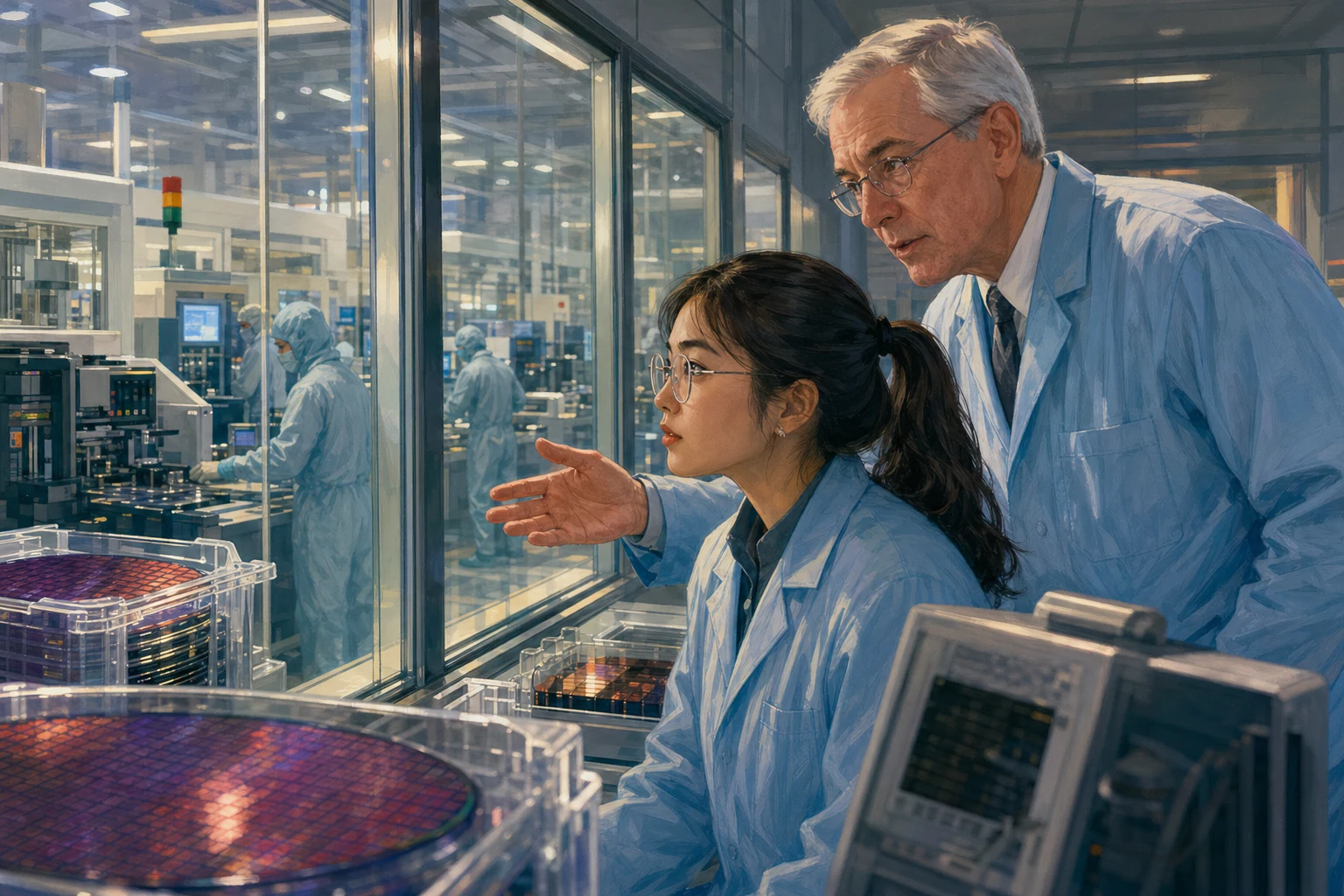
Su chose IBM, which in the 1990s was still one of the most important technology companies in the world. She joined IBM’s semiconductor research and development division, where she worked on increasingly advanced chip technologies. Her projects included copper interconnect technology — a breakthrough that replaced aluminum wiring in chips with copper, enabling faster and more efficient processors.
IBM was massive, bureaucratic, and political. Navigating it required not just technical brilliance but organizational intelligence — the ability to build alliances, manage up, and get resources allocated to your projects in a company with thousands of competing priorities. Su thrived. She rose through the ranks, eventually becoming VP of IBM’s semiconductor R&D center, managing hundreds of engineers and a budget in the hundreds of millions.
But IBM’s strategic direction was shifting away from hardware and toward services and software. The semiconductor division, once the company’s crown jewel, was being treated as a cost center rather than a growth engine. Su could see that her ambitions would eventually be constrained by IBM’s priorities. She needed a company that was betting its future on chips, not retreating from them.
Chapter 3: Freescale and the Road to AMD (2007–2012)
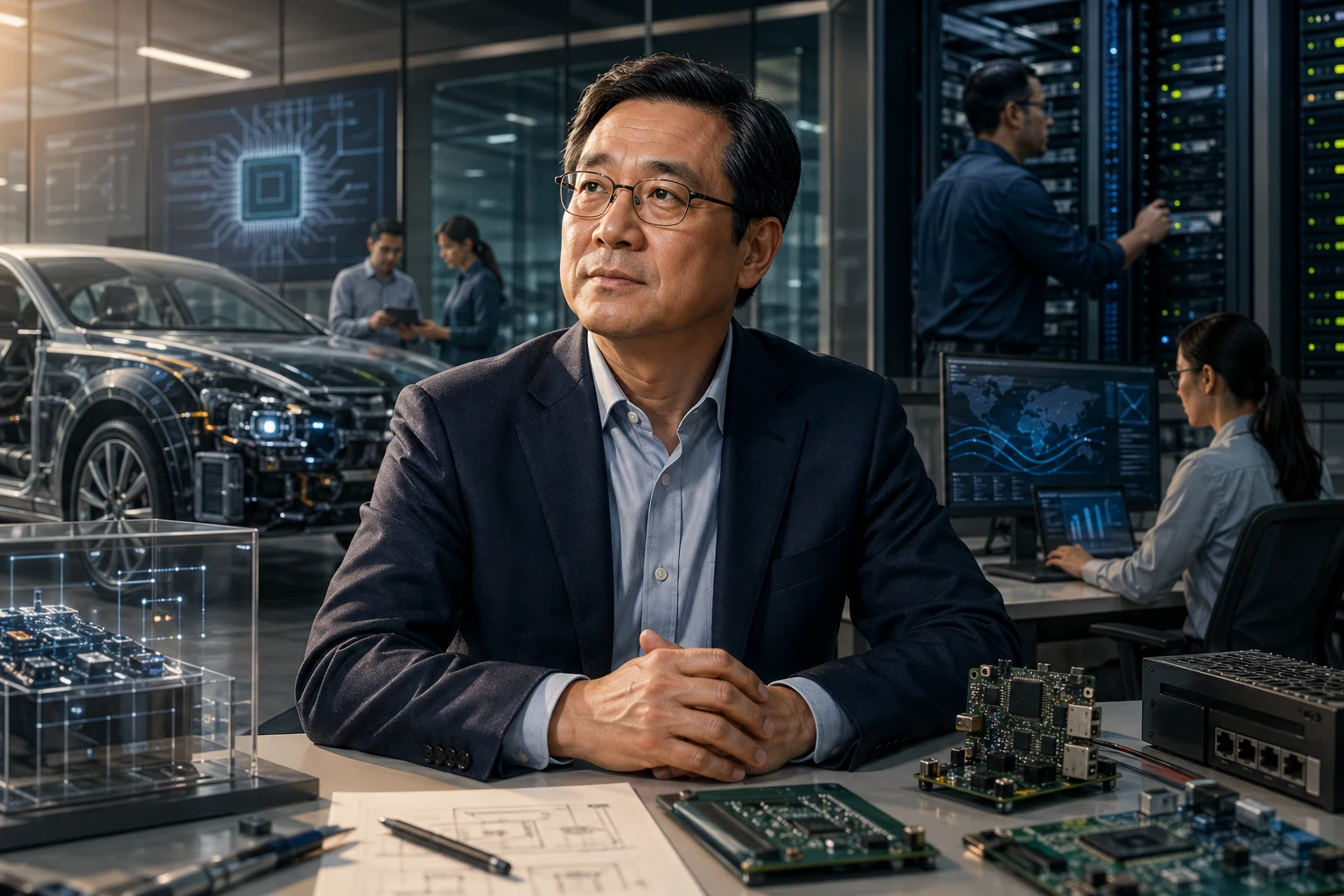
Su left IBM in 2007 for Freescale Semiconductor, a former Motorola division that made chips for automotive, networking, and industrial applications. As CTO and SVP, she oversaw the company’s technology strategy during a turbulent period — Freescale had been taken private in a leveraged buyout and was struggling under a mountain of debt.
The Freescale experience gave Su something IBM couldn’t: exposure to a company fighting for survival. At IBM, failure meant a disappointing quarter. At Freescale, failure meant the company ceased to exist. The urgency was clarifying. Su learned to make decisions faster, prioritize more ruthlessly, and communicate more directly. She would need all of these skills at her next job.
In 2012, AMD recruited Su as senior vice president and general manager of its global business units. AMD was in trouble. The company had made a disastrous bet on the Bulldozer processor architecture, which was supposed to compete with Intel’s best chips but instead delivered disappointing performance and high power consumption. Revenue was declining. The stock price was in freefall. Morale was terrible. Su arrived and immediately began assessing what was broken — which was, essentially, everything.
Chapter 4: Becoming CEO — Inheriting a Disaster (2014)
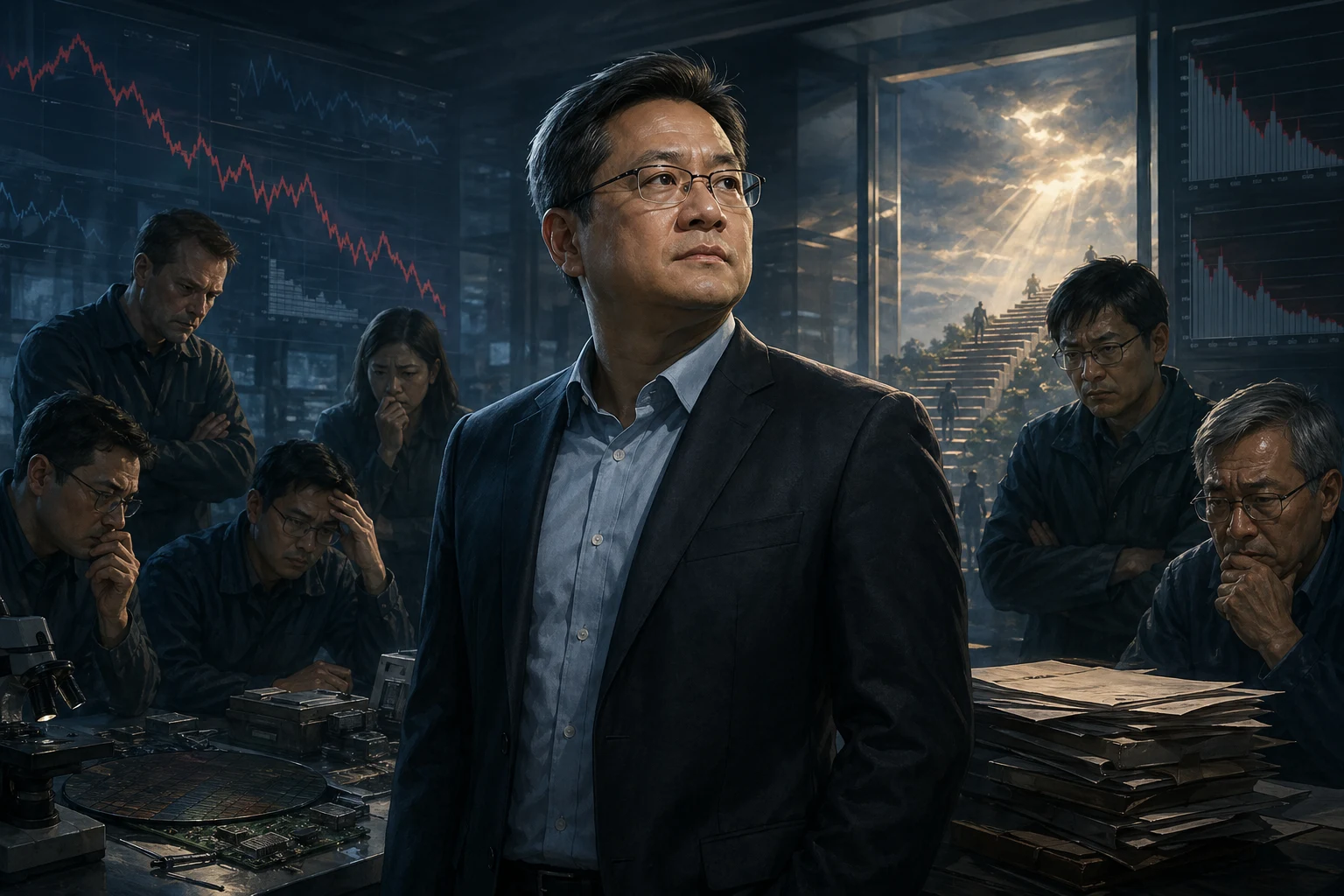
On October 8, 2014, Lisa Su was named president and CEO of AMD. She was forty-four years old and inheriting a company that many considered beyond saving. AMD had reported a net loss of $403 million in 2014. Its processor technology was at least two years behind Intel’s. Its graphics cards were competitive but not enough to sustain the company. Its server business — the highest-margin segment — had been reduced to less than 1% market share.
Su’s first major strategic decision was to focus. AMD had been trying to compete with Intel across too many markets simultaneously, spreading its limited resources thin. Su identified three priority areas: high-performance PC processors, server processors for data centers, and semi-custom chips for gaming consoles. Everything else was secondary.
Her second major decision was to bet the company on a new processor architecture called Zen. AMD’s existing architectures were uncompetitive, and incremental improvements wouldn’t close the gap with Intel. Zen was a clean-sheet design led by Jim Keller, a legendary chip architect Su had helped recruit back to AMD. The project would take years to bear fruit, and if it failed, AMD was finished. Su committed to Zen and told her team there was no Plan B.
Chapter 5: The Zen Architecture — AMD’s Hail Mary (2015–2017)

Developing Zen was a high-wire act. AMD didn’t have the resources for a second attempt. The chip had to be right the first time — a rarity in an industry where designs typically go through multiple iterations before reaching competitive performance levels. Jim Keller and his team set an ambitious target: 40% improvement in instructions per clock (IPC) over the previous generation. For context, Intel typically achieved 5–10% IPC improvements per generation. Forty percent was audacious.
Su made a critical parallel decision: AMD would manufacture Zen chips at TSMC and GlobalFoundries using the most advanced process nodes available, rather than relying on AMD’s own (increasingly outdated) fabrication capabilities. This was controversial within the company — AMD had historically been a vertically integrated chipmaker, designing and manufacturing its own chips. But Su recognized that TSMC’s manufacturing technology was superior and that trying to compete with Intel on both design and manufacturing was a fight AMD couldn’t win.
The gamble paid off. When the first Zen-based processors — branded as Ryzen — launched in March 2017, they delivered performance that shocked the industry. The IPC improvement wasn’t 40%; it was 52%. Ryzen chips offered performance comparable to Intel’s best desktop processors at significantly lower prices. Tech reviewers were stunned. PC enthusiasts, who had spent years watching Intel raise prices without meaningful competition, suddenly had a real alternative. AMD’s stock price doubled within months of the Ryzen launch.
Chapter 6: The Console Coup — PlayStation and Xbox (2013–2020)
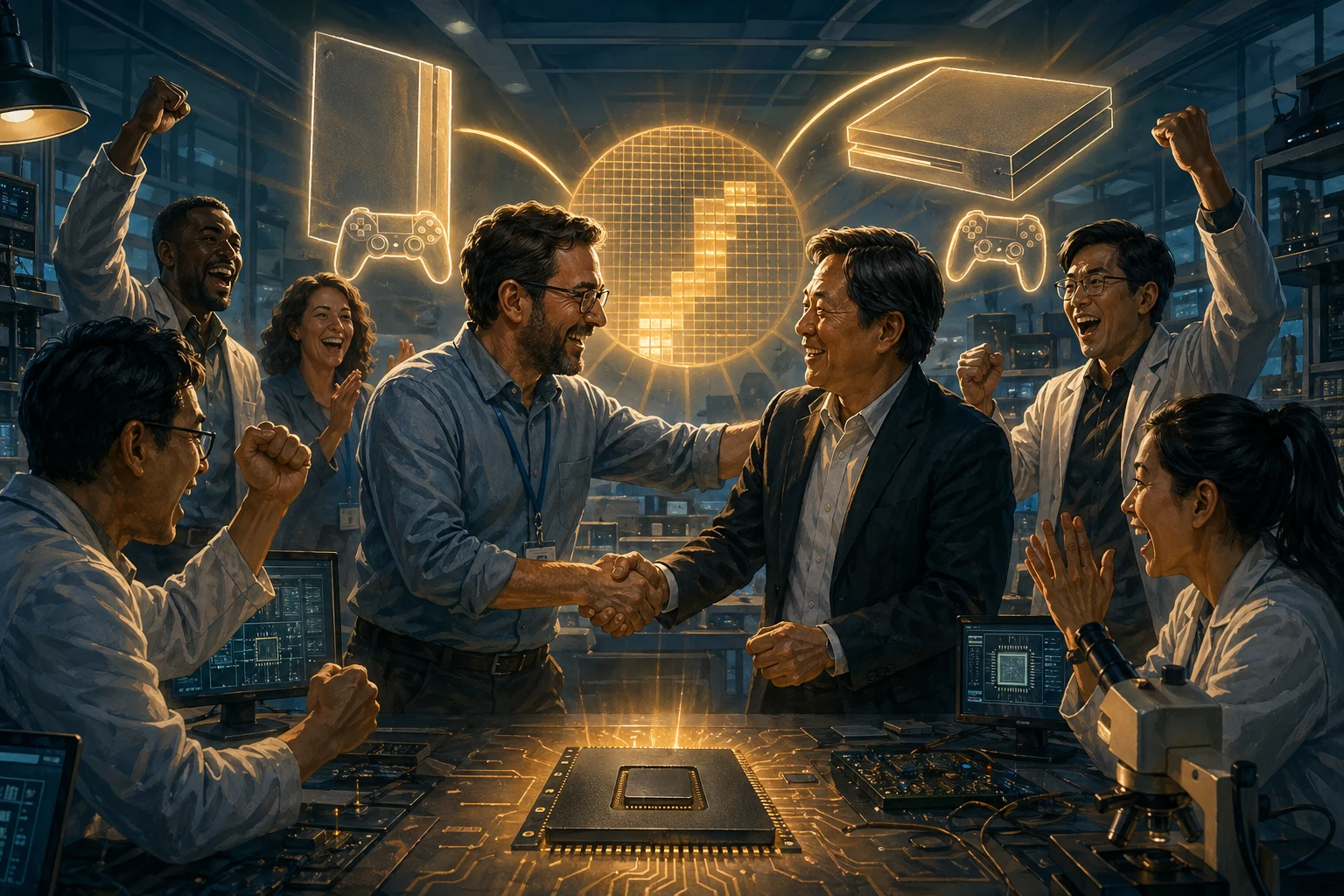
While the Zen story gets the most attention, Su’s semi-custom chip business was equally important to AMD’s survival. In 2013, both Sony and Microsoft chose AMD to provide the processors for their next-generation gaming consoles — the PlayStation 4 and Xbox One. The deals were crucial: they provided billions of dollars in guaranteed revenue that kept AMD alive during its darkest years.
Su negotiated the renewal of these relationships for the next generation. When the PlayStation 5 and Xbox Series X launched in 2020, both contained AMD processors and AMD graphics chips. The deals were worth billions and came with a benefit beyond revenue: they validated AMD’s technology. If Sony and Microsoft — two of the most demanding hardware companies on Earth — trusted AMD to power their flagship products, it sent a powerful signal to the rest of the market.
The console business also gave AMD engineering experience with custom chip design at massive scale. The lessons learned from building highly optimized chips for specific workloads — gaming, streaming, media processing — informed AMD’s approach to its commercial and enterprise products. Su had turned what many considered a low-margin, commodity business into a strategic asset.
Chapter 7: The Data Center Assault — Taking Intel’s Crown Jewel (2017–2022)

The data center market was Intel’s fortress. For nearly two decades, Intel’s Xeon processors had dominated server computing with over 95% market share. The margins were enormous — server chips sold for thousands of dollars each — and the switching costs were high. Enterprise customers had built their entire infrastructure around Intel’s architecture. Dislodging Intel from data centers seemed impossible.
Su didn’t try to dislodge Intel in one move. She executed a methodical, multi-year strategy. First, AMD launched its EPYC server processors, based on the Zen architecture, and targeted the most price-sensitive customers — cloud providers like Amazon, Microsoft, and Google who purchased processors by the millions and cared intensely about performance per dollar. AMD offered more cores, better efficiency, and lower prices than Intel’s comparable products.
Then Su played the long game. Each generation of EPYC improved significantly over the last. By 2022, AMD’s third-generation EPYC processors were outperforming Intel’s best server chips in many workloads while consuming less power. Major cloud providers began shifting significant portions of their infrastructure to AMD. Amazon’s AWS launched AMD-based instances. Microsoft Azure followed. Google Cloud followed. Intel’s data center market share, which had been a near-monopoly, began eroding meaningfully for the first time in decades.
Chapter 8: Intel’s Stumbles — The Rival Self-Destructs (2018–2023)
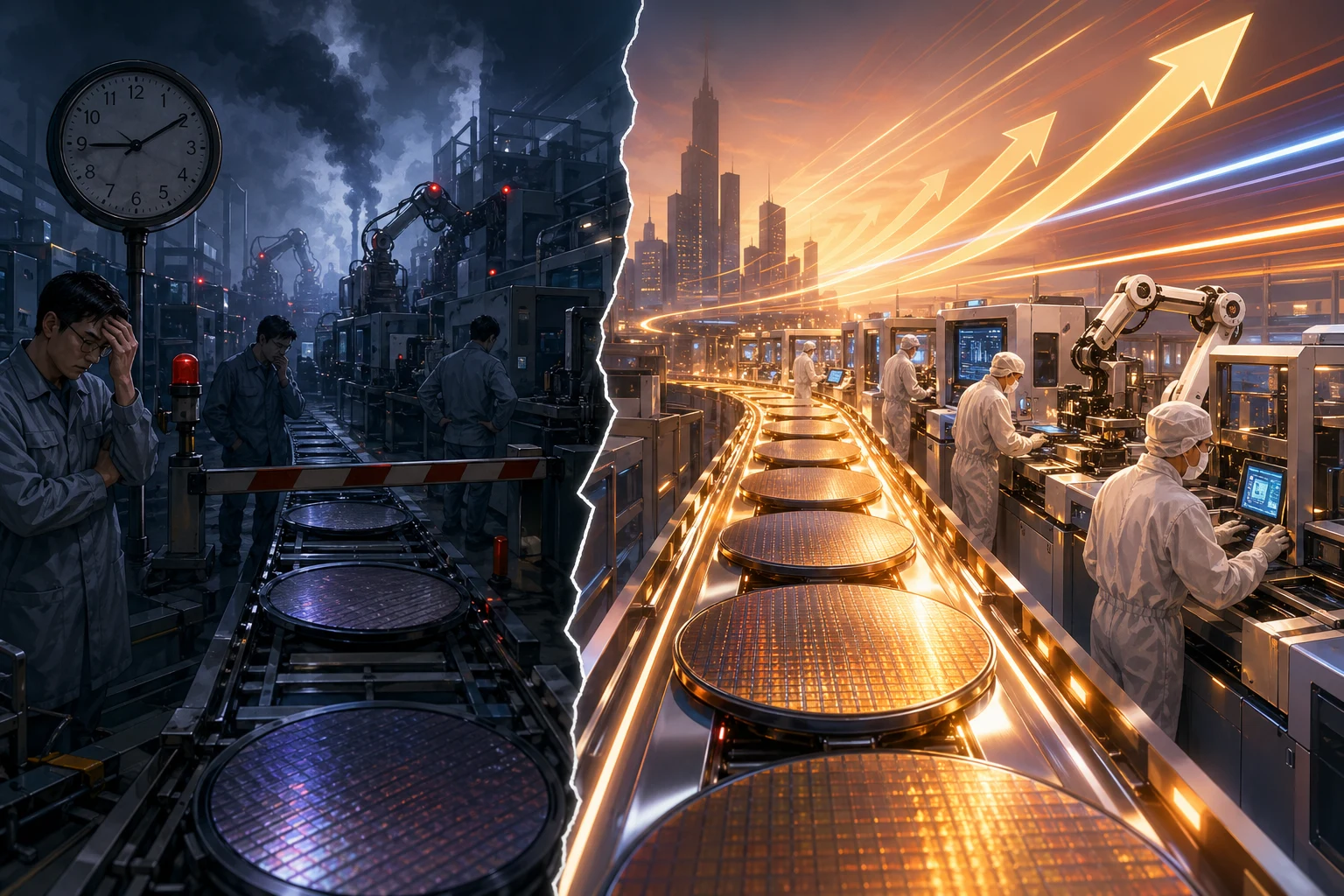
Su’s turnaround was aided by something she couldn’t have planned: Intel’s self-inflicted collapse. Intel, which had been the gold standard of semiconductor manufacturing for decades, stumbled badly on its transition to smaller process nodes. Its 10-nanometer technology was years late. Its 7-nanometer program was a disaster. By 2020, Intel was manufacturing chips on technology that was a full generation behind TSMC — the foundry that AMD was using.
The implications were devastating for Intel. TSMC’s manufacturing advantage meant that AMD’s chips were physically smaller, more power-efficient, and cheaper to produce than Intel’s. For the first time in AMD’s history, it had a structural advantage over Intel in the most fundamental metric in semiconductor competition: manufacturing technology.
Intel cycled through CEOs — Bob Swan, Pat Gelsinger — as it tried to regain its manufacturing edge. Gelsinger, who took over in 2021, launched an ambitious plan to catch up to TSMC by 2025. But the damage was done. AMD had used the window of Intel’s weakness to establish itself as a credible alternative in every major market. Customers who had been reluctant to bet on AMD when Intel was the safe choice now saw AMD as the performance leader. Su had turned a rival’s stumble into a permanent shift in the competitive landscape.
Chapter 9: The Xilinx Acquisition — Betting on AI (2020–2022)
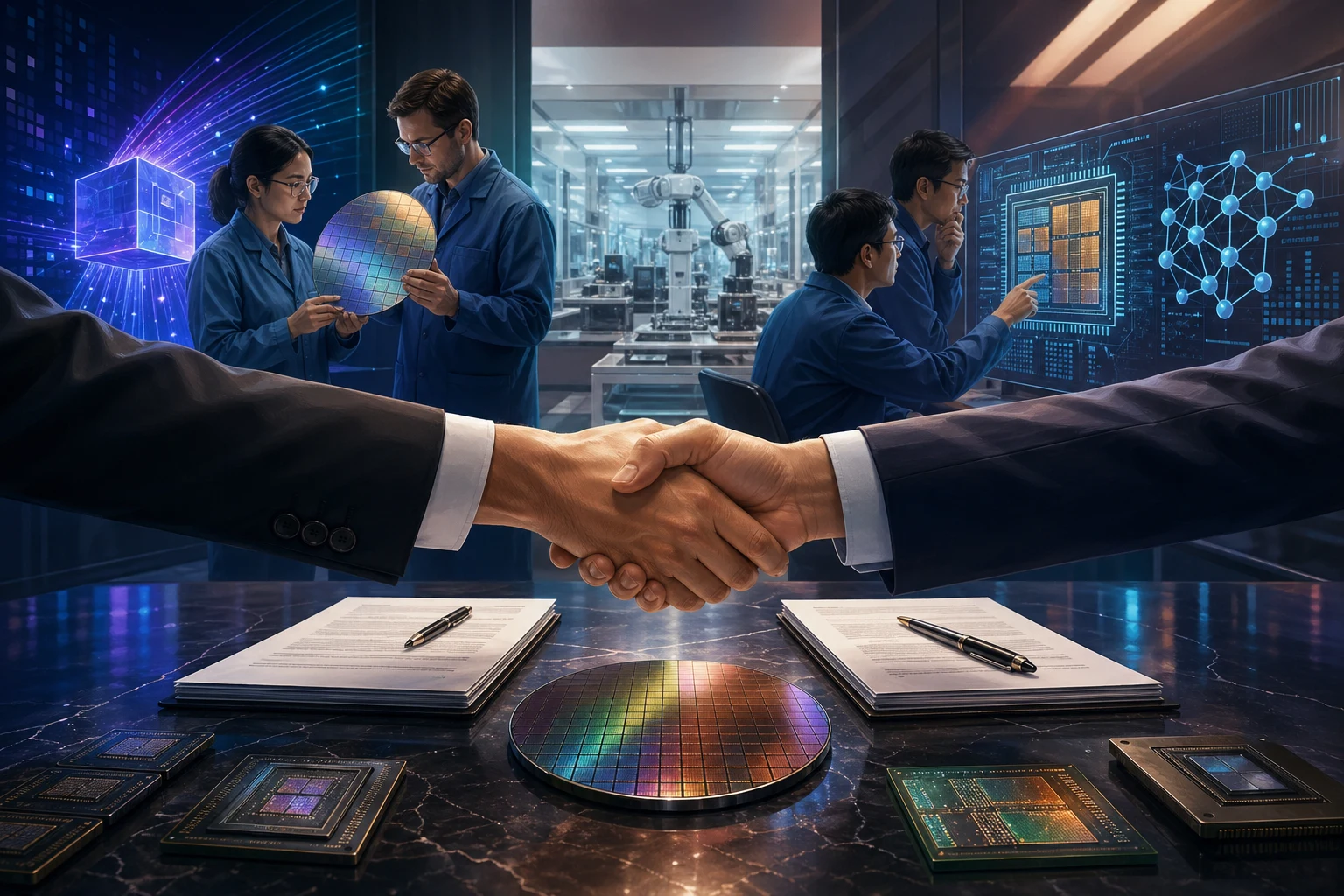
In October 2020, AMD announced it would acquire Xilinx, a leading maker of field-programmable gate arrays (FPGAs), for $35 billion. It was the largest acquisition in semiconductor history at the time and signaled Su’s vision for AMD’s future: the company wouldn’t just make CPUs and GPUs. It would become a comprehensive computing platform that could serve any workload, from gaming to data centers to artificial intelligence.
FPGAs are chips that can be reprogrammed after manufacturing to perform specific tasks — making them ideal for AI inference, telecommunications, automotive, and other applications where flexibility matters. By combining Xilinx’s FPGA technology with AMD’s CPUs and GPUs, Su was creating a product portfolio that no competitor could match in breadth.
The deal closed in February 2022, and integration began immediately. Su put Victor Peng, Xilinx’s former CEO, in charge of a new adaptive computing group. The acquisition’s success would depend on AMD’s ability to combine these disparate technologies into integrated solutions that customers valued more than the individual components. Early signs were positive, with AMD winning design wins in AI, telecommunications, and automotive applications.
Chapter 10: The AI Arms Race — Fighting for the Future (2023–2025)
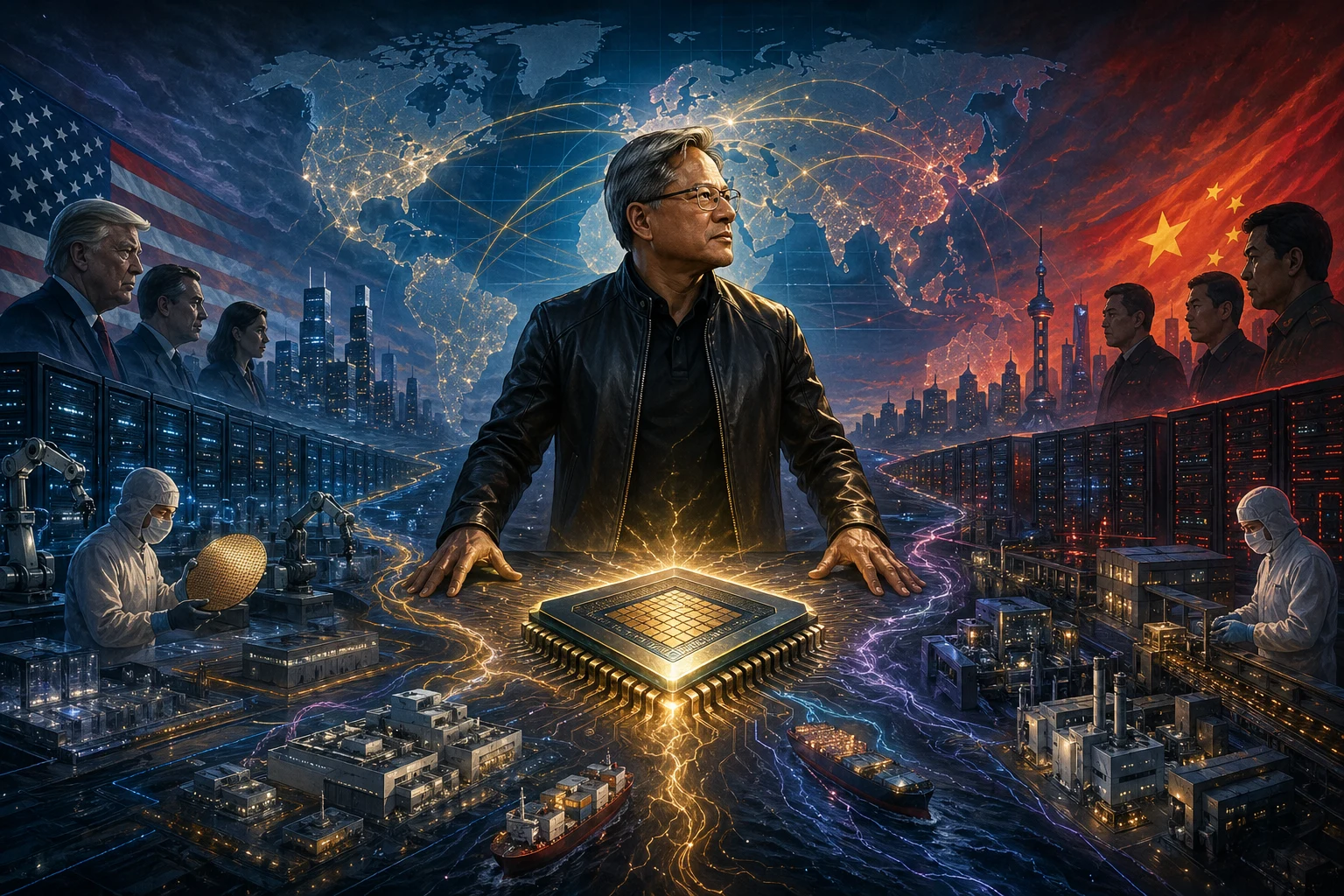
The explosion of generative AI in 2023 — driven by OpenAI’s ChatGPT and the subsequent frenzy — created both an enormous opportunity and an existential challenge for AMD. NVIDIA, led by Jensen Huang, had established a near-monopoly on AI training hardware with its GPU accelerators. Companies were spending billions on NVIDIA’s chips, and demand far exceeded supply. AMD needed to capture a share of this market or risk being left behind.
Su responded with the MI300 series, AMD’s most advanced AI accelerator. The chip was designed specifically for large-scale AI training and inference workloads, combining GPU and CPU capabilities in a single package. When it launched in late 2023, it was the most complex chip AMD had ever built — and reviews were positive. Microsoft, Meta, and Oracle announced they would use MI300 chips in their data centers.
But NVIDIA’s lead was substantial. Jensen Huang had spent a decade building an ecosystem — hardware, software (CUDA), developer tools, and customer relationships — that made switching to AMD painful even when AMD’s hardware was competitive. Su acknowledged the challenge but argued that no monopoly lasts forever. AMD’s strategy was to offer competitive hardware at lower prices and to invest in software tools that made it easier for developers to write code for AMD’s chips. By 2025, AMD had captured roughly 10–15% of the AI accelerator market — a small share, but one worth billions of dollars annually.
Chapter 11: The Engineer’s Approach — Su’s Leadership Style
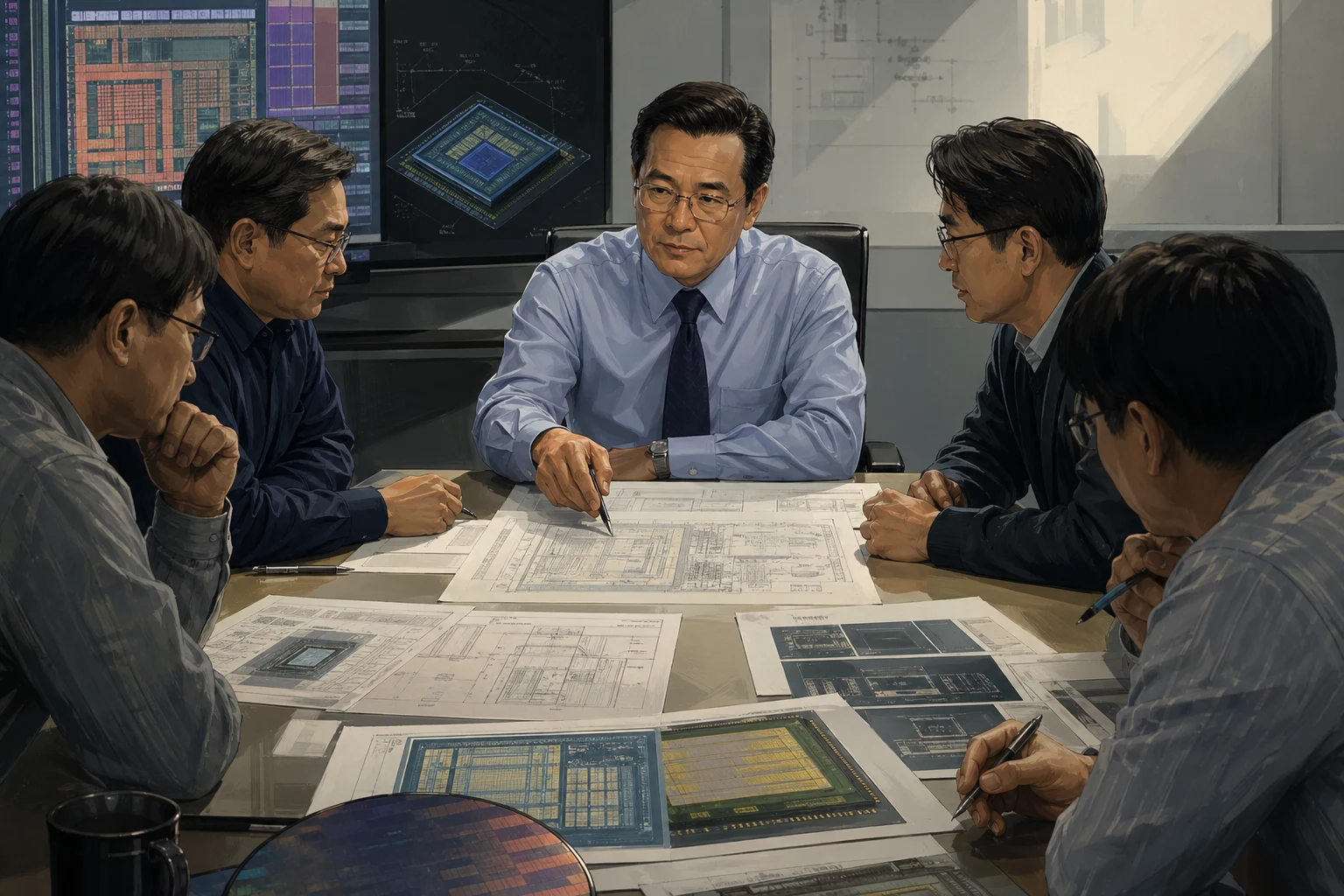
Lisa Su’s leadership style is radically different from the tech CEO archetype. She doesn’t give rousing speeches about changing the world. She doesn’t tweet provocatively. She doesn’t make bold predictions about the future of humanity. She talks about product roadmaps, execution milestones, and customer requirements. In an industry addicted to charisma and spectacle, Su’s quiet competence is almost subversive.
Her approach is rooted in her engineering training. She begins with data, not narrative. When she became CEO, she didn’t announce a grand vision — she spent her first months meeting with customers, reviewing product plans, and identifying the specific technical and organizational problems that needed to be solved. Her strategic plans are detailed, measurable, and grounded in what AMD can actually build and ship, not what sounds good in a keynote presentation.
Employees describe a leader who is demanding but fair, who remembers the details of projects she reviewed months ago, and who has an unusual ability to translate between technical engineering discussions and business strategy. She expects her teams to commit to aggressive timelines and then holds them accountable — but she also fights for the resources they need to succeed. The combination of technical credibility and organizational effectiveness is rare at the CEO level, and it has been central to AMD’s turnaround.
Chapter 12: Legacy — The Turnaround That Rewrote the Playbook
Lisa Su’s transformation of AMD is one of the great business turnaround stories. She took a company that was trading at $2 a share and losing hundreds of millions of dollars a year and turned it into a $200+ billion enterprise that competes credibly with Intel and NVIDIA in the most important semiconductor markets on Earth. She did it without hype, without theatrics, and without a single viral moment — just relentless execution over a decade.
The financial results speak for themselves: AMD’s revenue grew from $5.5 billion in 2014 to over $23 billion by 2024. The stock price went from $2 to over $150. But the impact goes beyond numbers. Su proved that a dying company can be saved by an engineer who focuses on product excellence rather than financial engineering. In an era when many CEOs are professional managers who could run any company, Su is a domain expert who could run only a chip company — and that specificity is precisely what makes her great.
Her legacy extends beyond AMD. She has become one of the most prominent examples of a woman leading a major technology company, and she has done so without making her gender a central part of her narrative. She is an engineer who happens to be a woman, not a woman who happens to be an engineer. The distinction matters because it reflects how she sees herself and how she wants to be evaluated: on the quality of the products she ships and the returns she delivers, not on the symbolism of her position. In that metric, her record is extraordinary.
💡 Key Insights
- ▸ Lisa Su's turnaround of AMD is a masterclass in strategic focus. She didn't try to do everything — she identified the three product lines that mattered (PC, server, gaming) and executed relentlessly on each.
- ▸ Su proved that the CEO-as-celebrity model isn't the only path. While competitors grabbed headlines with bold pronouncements, she quietly shipped better products on schedule — and the market rewarded execution over showmanship.
- ▸ AMD's partnership with TSMC was the most consequential strategic decision Su made. By outsourcing manufacturing to the world's best chipmaker, she turned AMD's weakness (no leading-edge fabs) into an advantage.