Dr. Dre: How a Compton Producer Turned Headphones Into a $3 Billion Exit
He revolutionized hip-hop twice, then built a headphone brand so powerful that Apple paid $3 billion for it. The story of how Dr. Dre became the richest man in hip-hop history.
View all stories about this mogul
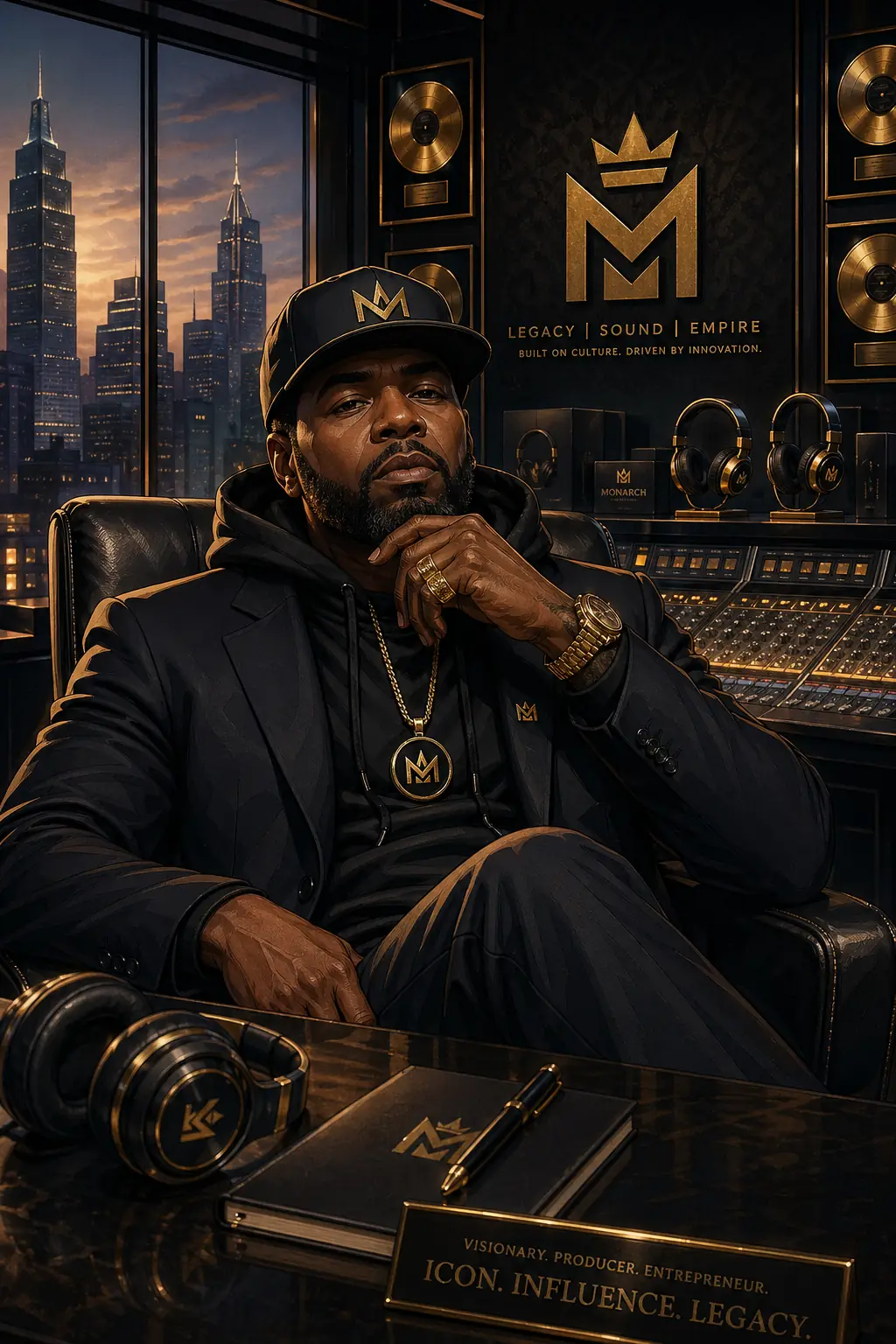
In May 2014, Apple paid $3 billion for Beats Electronics — a headphone company co-founded by a rapper from Compton. It was the largest acquisition in Apple’s history, and it made Dr. Dre the first hip-hop billionaire (briefly, before taxes and fees reduced his net worth below that threshold). The deal stunned the tech industry, which couldn’t understand why Apple would pay a premium for a headphone brand that audiophiles dismissed as all bass and no substance. But Apple wasn’t buying headphones. They were buying cultural authority. And nobody in America had more cultural authority than Andre Romelle Young.
Chapter 1: Compton — The Making of a Sound (1965–1986)
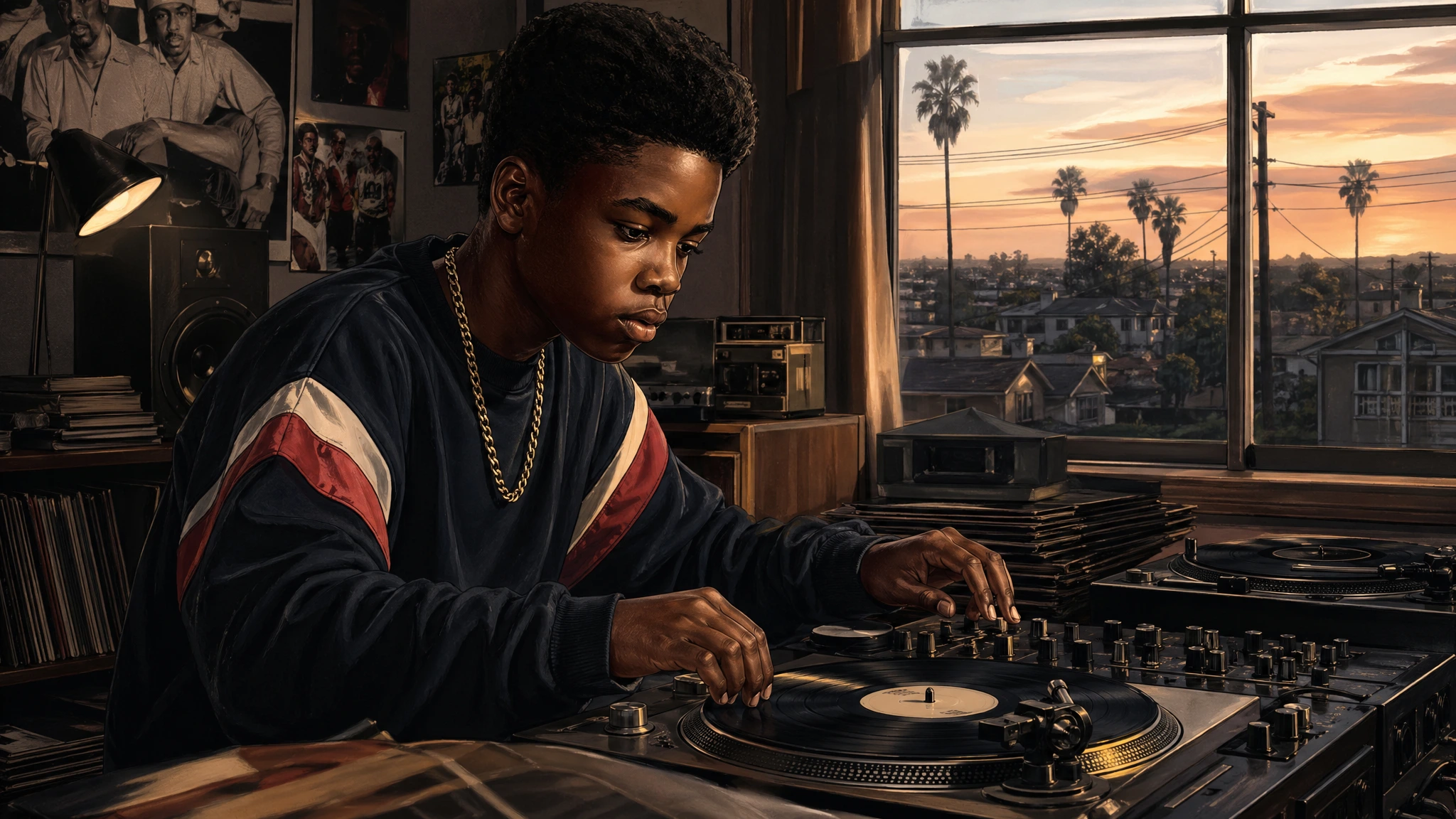
Andre Romelle Young was born on February 18, 1965, in Compton, California. His mother, Verna, was a teenager when he was born. His father was largely absent. Compton in the 1970s and 1980s was a place of crushing poverty, gang violence, and limited opportunity. The Crips and Bloods controlled neighborhoods. The crack epidemic was devastating communities. The average life expectancy for a young Black man in Compton was tragically short.
Dre found music. Specifically, he found DJing and production — the art of manipulating sound, layering samples, and creating beats that could make a room move. He was obsessed with the technical side of music from an early age, spending hours studying how records were made, how bass frequencies worked, and how drum patterns affected the body. While his peers were being recruited by gangs, Dre was in makeshift studios, learning his craft.
He started DJing at a nightclub called Eve After Dark while still a teenager, then joined a group called World Class Wreckin’ Cru, which performed electro-funk and wore sequined outfits. The group had modest success, but Dre was already thinking bigger. He wanted to make music that sounded like the streets he came from — raw, aggressive, unapologetic. He met a group of like-minded artists who shared that vision. They called themselves Niggaz Wit Attitudes.
Chapter 2: N.W.A. and the Birth of Gangsta Rap (1986–1991)
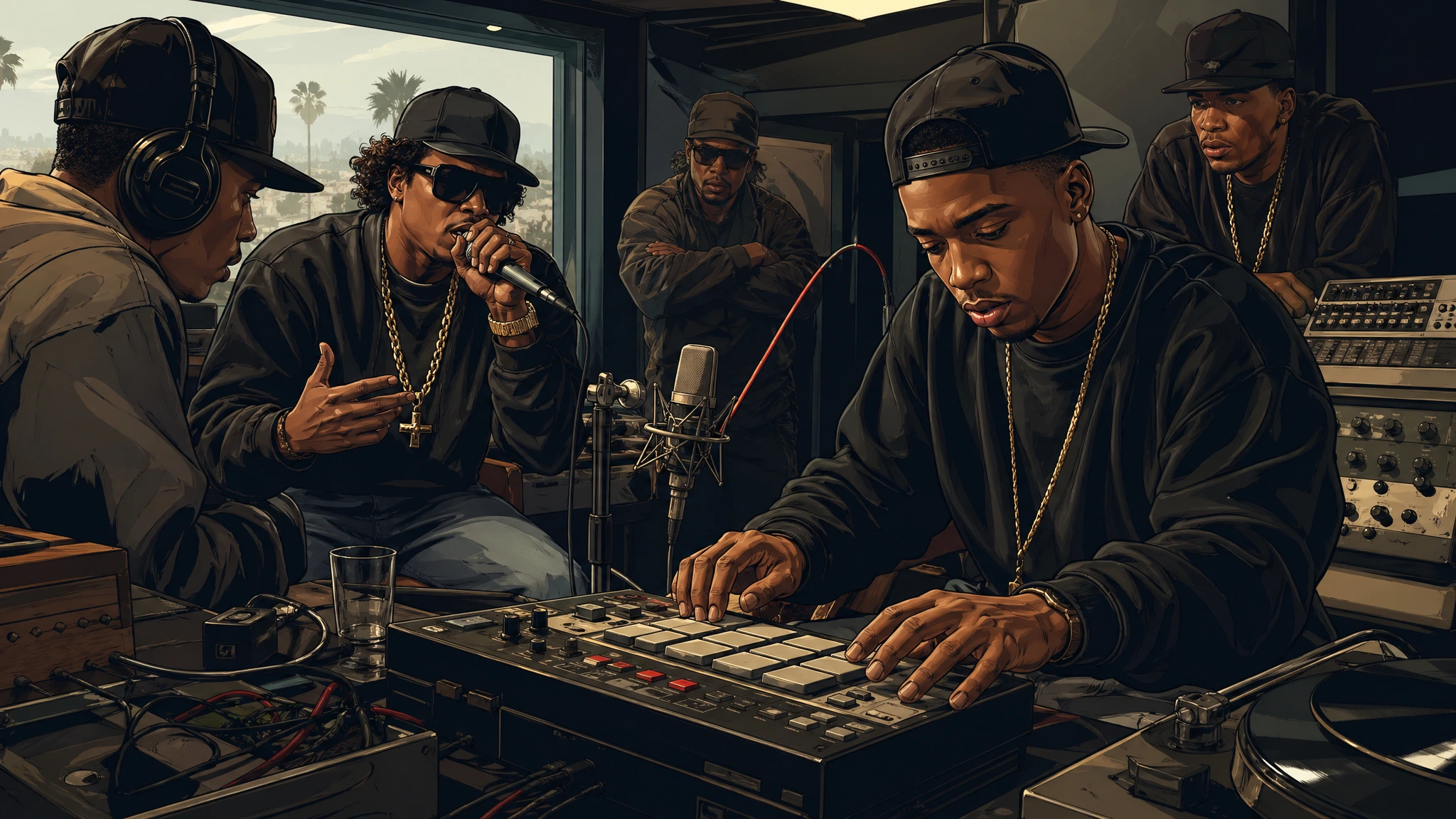
N.W.A. — consisting of Dre, Ice Cube, Eazy-E, MC Ren, and DJ Yella — released “Straight Outta Compton” in 1988, and American culture was never the same. The album was a sonic and lyrical assault: Dre’s production was hard, funky, and cinematic, and the lyrics depicted life in Compton with a brutal honesty that mainstream America had never heard. The FBI sent the group a letter warning them about the song “F*** tha Police.” Radio stations refused to play the album. It sold over three million copies without significant radio airplay.
Dre’s production on “Straight Outta Compton” was revolutionary. He combined funk samples with hard-hitting drum machines, creating a sound that was simultaneously musical and menacing. He had an ear for sonic texture that set him apart from every other hip-hop producer of his era. While others were making beats, Dre was scoring films — creating complete sonic landscapes that told stories through sound.
N.W.A. made Dre famous, but the group’s internal dynamics were toxic. Money disputes, ego clashes, and allegations of exploitation by the group’s manager, Jerry Heller, led to a bitter breakup. Ice Cube left first, releasing a scathing solo album. Dre eventually left Ruthless Records — Eazy-E’s label — in a dispute that turned personally vicious. The breakup was ugly, public, and would result in one of the most commercially successful revenge moves in music history.
Chapter 3: Death Row and “The Chronic” (1991–1996)
Dre co-founded Death Row Records with Marion “Suge” Knight, a former football player and bodyguard whose management style relied heavily on physical intimidation. Death Row was Dre’s chance to have creative control and a meaningful ownership stake in his work — two things he felt he’d been denied at Ruthless.
In 1992, Dre released “The Chronic,” his debut solo album. It was a masterpiece. The album essentially invented G-funk — a subgenre of hip-hop characterized by smooth synthesizer melodies, deep bass, and a laid-back groove that sounded like cruising through Los Angeles on a warm night. “Nuthin’ but a ‘G’ Thang,” the album’s lead single, became one of the biggest hits of 1993.
“The Chronic” sold over six million copies and established Dre as the most important producer in hip-hop. It also introduced the world to a young rapper named Snoop Doggy Dogg, whose debut album “Doggystyle” — produced entirely by Dre — debuted at number one and sold over 800,000 copies in its first week. Dre had proven something that would define his career: his greatest talent wasn’t making his own music — it was finding and developing other artists.
Chapter 4: Leaving Death Row — The Dangerous Exit (1996)
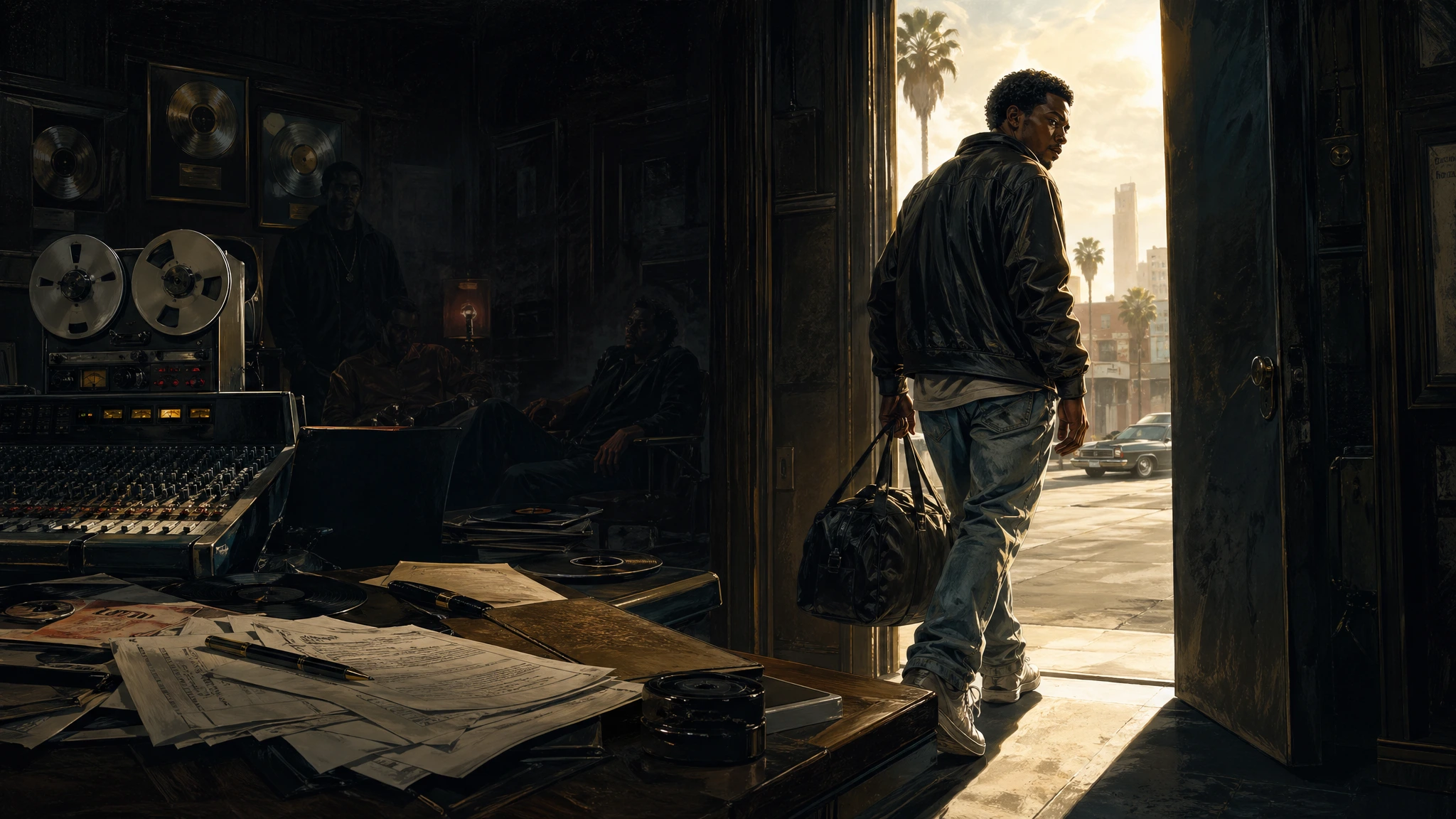
By 1996, Dre had grown increasingly uncomfortable at Death Row. The label’s association with gang culture, the escalating East Coast-West Coast feud, and Suge Knight’s violent management style made Dre fear for his safety. He made the extraordinary decision to walk away from Death Row — and from his ownership stake in one of the most profitable labels in hip-hop history.
Leaving Death Row was dangerous. Knight did not take departures well. Dre later described the decision as the most difficult of his life — walking away from millions of dollars and a catalog of hit records because the environment had become untenable. He left behind his master recordings, his royalties, and his share of the label.
Six months after Dre’s departure, Tupac Shakur — Death Row’s biggest star — was murdered in Las Vegas. Six months after that, the Notorious B.I.G. was murdered in Los Angeles. Knight was eventually imprisoned for assault. Death Row Records collapsed. Dre’s decision to leave, which had looked financially foolish at the time, had quite possibly saved his life.
Chapter 5: Aftermath Entertainment and Eminem (1996–2003)
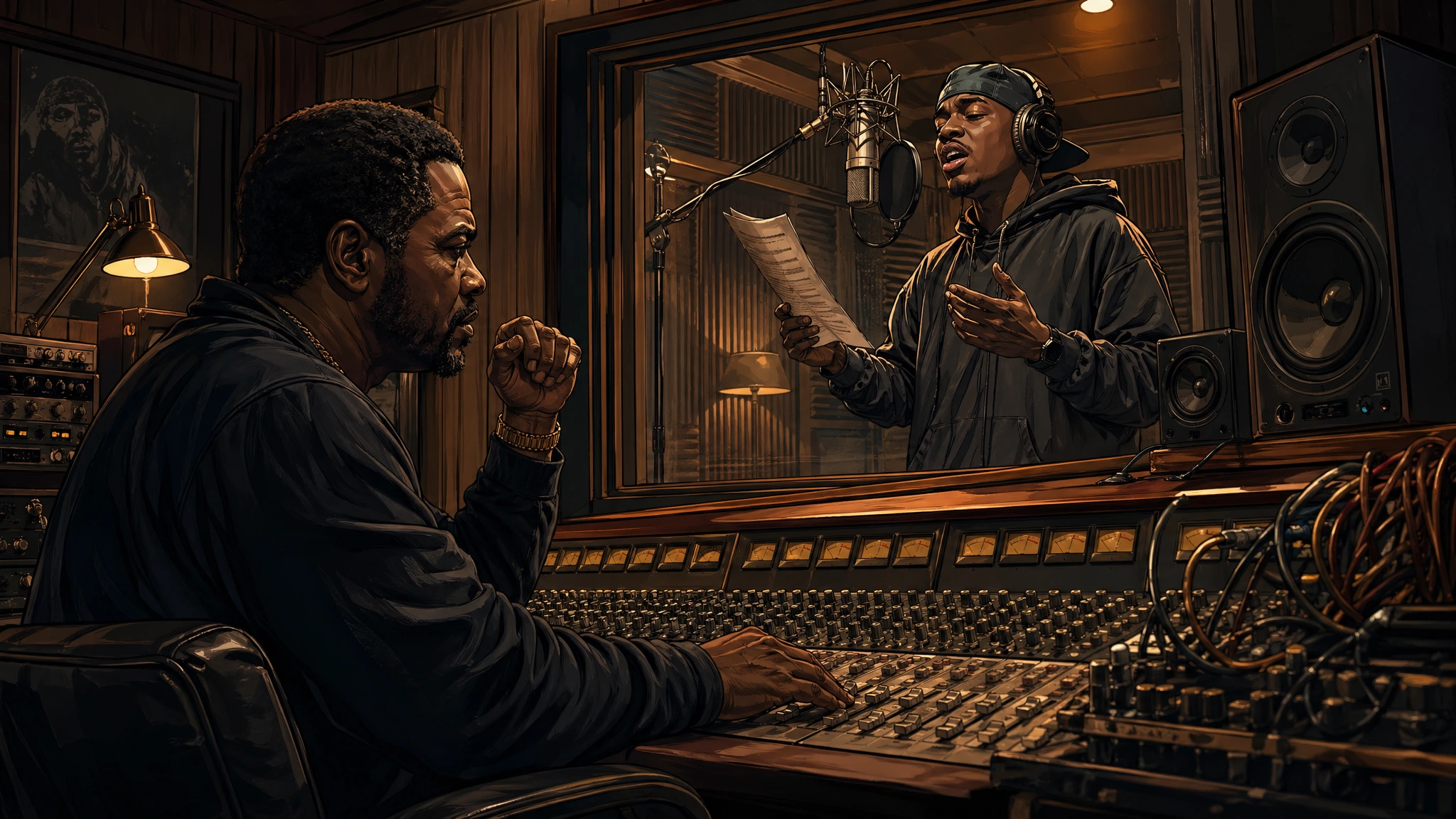
Dre founded Aftermath Entertainment in 1996 as a joint venture with Interscope Records, giving him the creative freedom and financial participation he’d always wanted. The early years were difficult — Aftermath’s first releases underperformed, and critics suggested that Dre had lost his touch.
Then, in 1998, a white rapper from Detroit sent Dre a demo tape. Eminem was technically dazzling, lyrically outrageous, and completely unlike anything in mainstream hip-hop. Dre recognized the talent immediately and signed him. “The Slim Shady LP” (1999) was a massive hit. “The Marshall Mathers LP” (2000) was even bigger, selling over 1.76 million copies in its first week — one of the fastest-selling albums in history.
Dre’s relationship with Eminem was transformative for both. Dre’s production provided the sonic foundation for Eminem’s lyrical pyrotechnics. Eminem’s success revitalized Dre’s reputation as the greatest talent scout in hip-hop. Through Aftermath, Dre would also develop 50 Cent, Kendrick Lamar, and other artists who became global superstars. Each artist’s success compounded Dre’s stature and financial position.
Chapter 6: “2001” — The Last Great Album (1999)
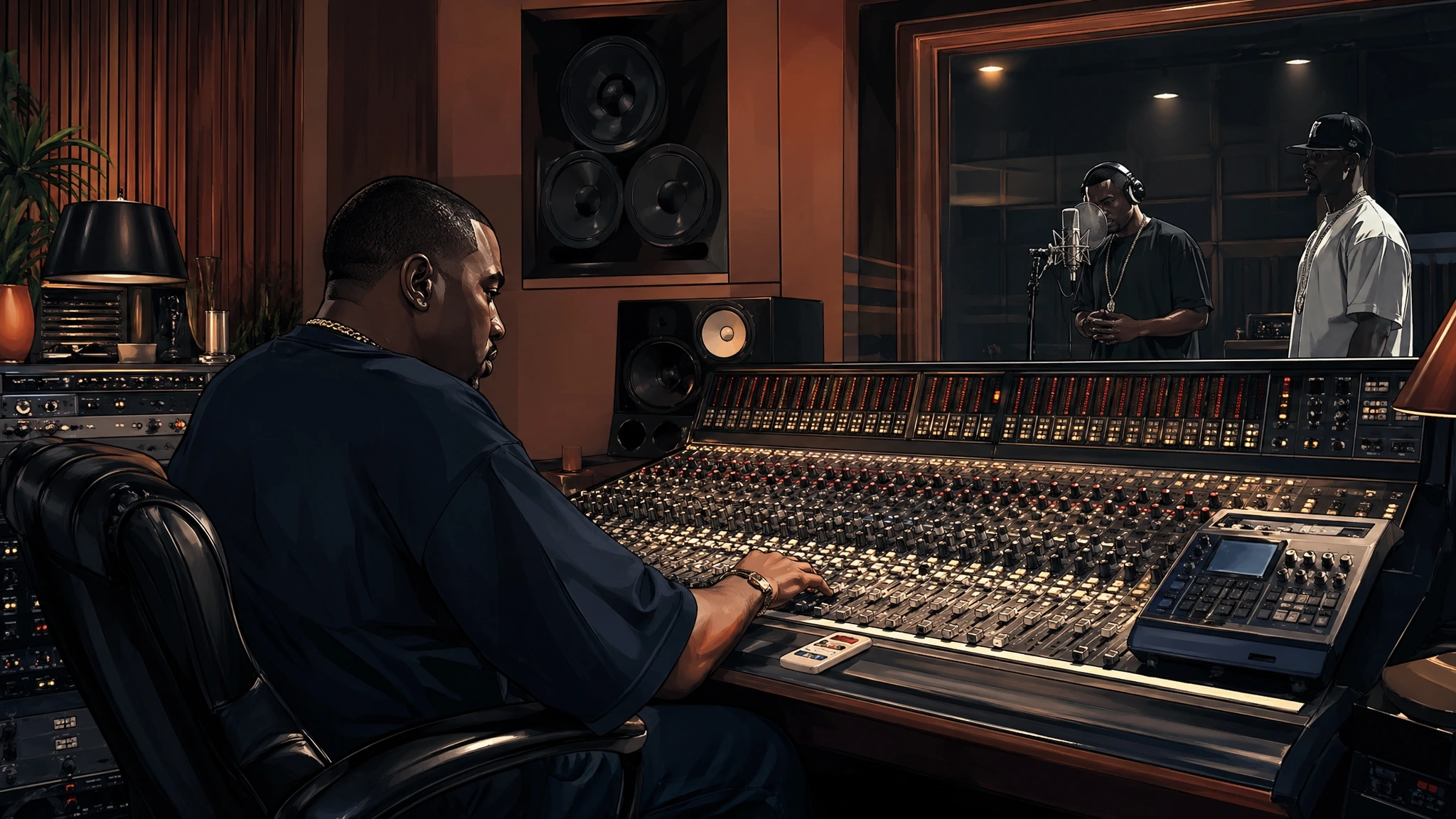
In November 1999, Dre released “2001” (originally titled “The Chronic 2001”), his second solo album. It was a return to form — lush, cinematic production featuring collaborations with Eminem, Snoop Dogg, and others. The album debuted at number two on the Billboard 200 and eventually sold over eight million copies in the US alone.
“2001” contained some of Dre’s most iconic productions: “Still D.R.E.,” “Forgot About Dre,” “The Next Episode.” The beats were simultaneously complex and accessible — layered arrangements that sounded effortless but required extraordinary musical knowledge and technical skill to create. “2001” cemented Dre’s reputation as the greatest hip-hop producer of all time.
It was also, effectively, Dre’s last album. Although he teased a follow-up called “Detox” for over a decade, it was never released. Instead, he released “Compton” in 2015 as a companion piece to the N.W.A. biopic “Straight Outta Compton.” But by then, Dre had redirected his creative energy toward something entirely different: consumer electronics.
Chapter 7: Jimmy Iovine and the Birth of Beats (2006–2008)
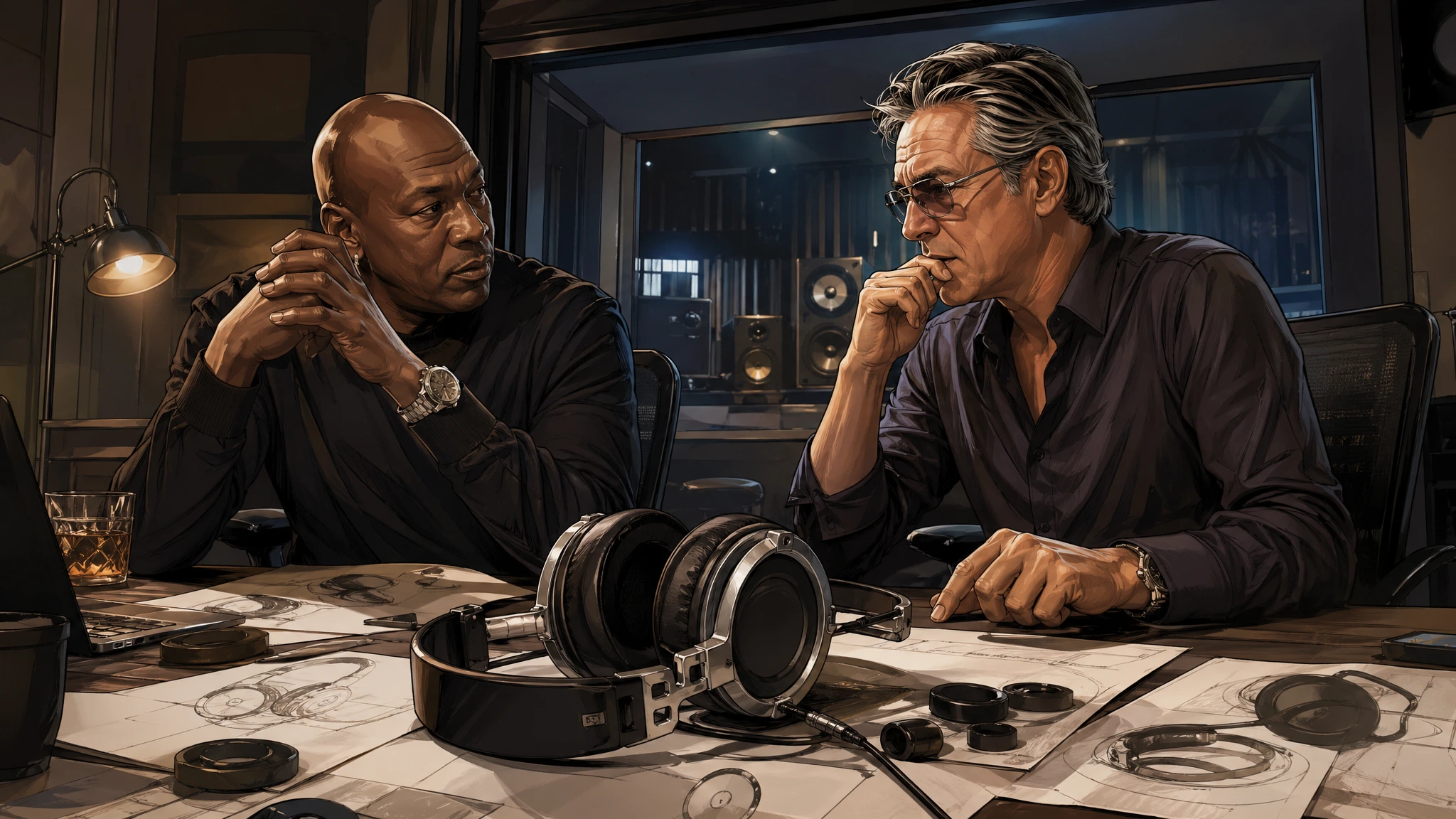
The Beats story begins with a friendship. Jimmy Iovine — the legendary music executive who had co-founded Interscope Records and worked with everyone from Bruce Springsteen to U2 — was Dre’s business partner at Aftermath. Iovine and Dre shared a frustration: people were listening to music through terrible earbuds — the free white earphones that came with iPods. The music industry had spent millions on production quality that was being destroyed by cheap playback equipment.
Iovine had the idea of creating a premium headphone brand. Dre had the cultural credibility to make it cool. They founded Beats Electronics in 2006 and spent two years developing the product. The first Beats by Dre headphones — the Studio model — launched in 2008 at $299. They were expensive, oversized, and bass-heavy. Audiophiles dismissed them.
Consumers loved them. The oversized design wasn’t a flaw — it was the point. Beats headphones were visible. They were a fashion statement. Wearing Beats told the world something about your taste, your cultural awareness, your willingness to invest in quality (or at least the appearance of quality). Dre and Iovine understood something that the established headphone industry didn’t: in consumer electronics, brand and design matter more than specifications.
Chapter 8: Making Headphones Cool — The Marketing Genius (2008–2012)
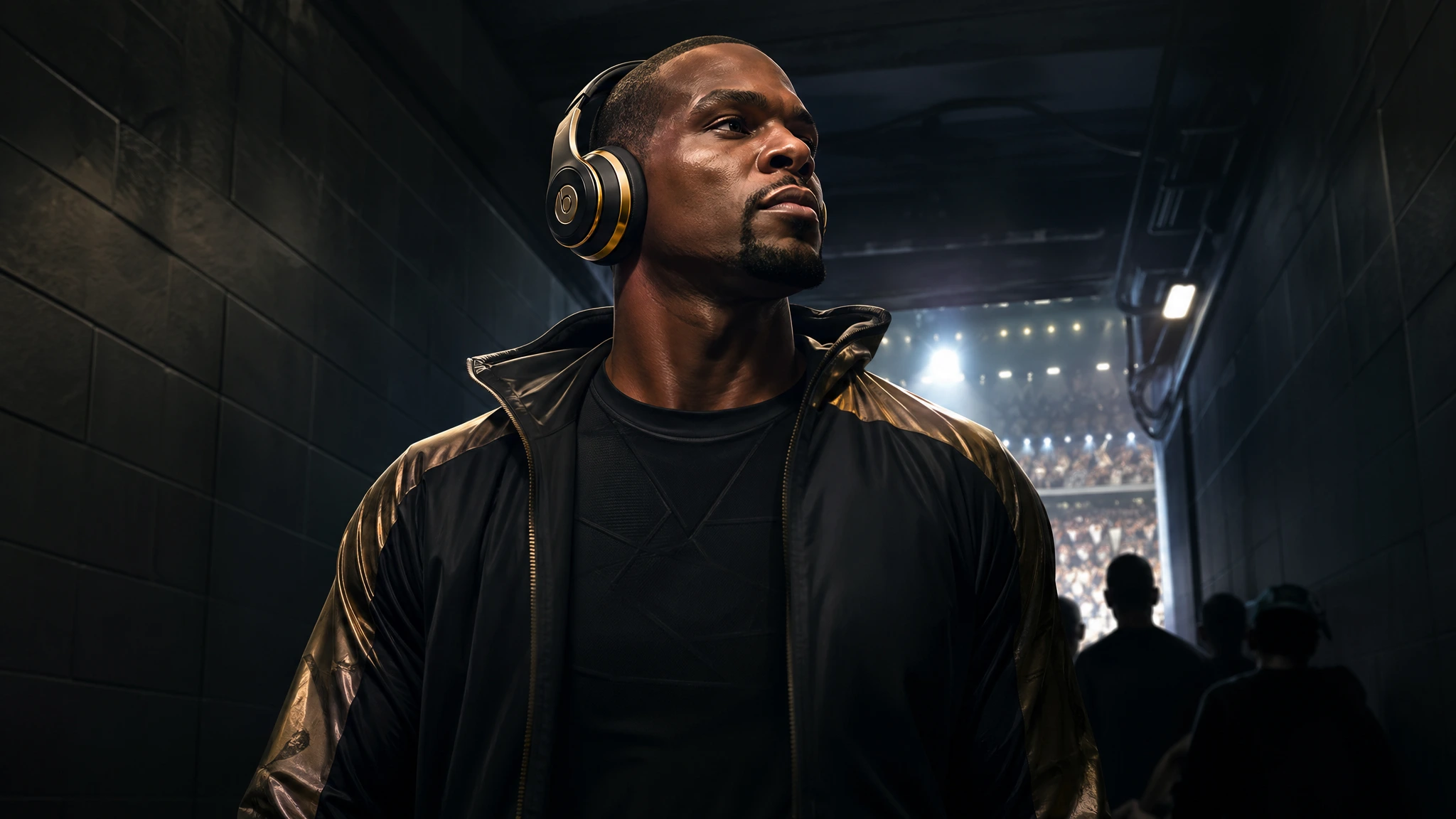
Beats’ marketing strategy was unlike anything the headphone industry had seen. Instead of advertising in tech magazines and emphasizing frequency response curves, Beats placed its products on celebrities, athletes, and musicians. LeBron James wore Beats to press conferences. Lady Gaga designed a custom edition. Athletes wore them arriving at stadiums, creating millions of dollars in free exposure.
The 2012 Olympics were a turning point. Beats sent custom headphones to athletes from multiple countries. The headphones became ubiquitous in pre-competition footage — swimmers, sprinters, and gymnasts all wearing the distinctive “b” logo. The IOC actually tried to ban non-sponsor headphone brands from the Olympic Village, which only generated more publicity for Beats.
By 2012, Beats controlled approximately 60% of the premium headphone market. Revenue exceeded $1 billion. The company had achieved something that no headphone brand had ever done: made headphones aspirational. A product category that had been invisible — a utilitarian accessory that nobody thought about — had been transformed into a status symbol.
Chapter 9: HTC, Carlyle, and the Road to Apple (2011–2014)

Beats’ rapid growth attracted investment interest. In 2011, HTC purchased a 50.1% stake in Beats for $309 million. The partnership was intended to integrate Beats audio technology into HTC smartphones, but the strategic fit was poor, and HTC eventually sold back most of its stake.
In 2013, the Carlyle Group — a private equity giant — acquired a minority stake that valued Beats at approximately $1 billion. The Carlyle investment provided capital for expansion and validated Beats’ value in the eyes of potential acquirers.
In early 2014, Beats launched Beats Music, a subscription streaming service that competed with Spotify and Pandora. The service had a distinctive interface and curated playlists but struggled to gain subscribers in a crowded market. Ironically, it was the streaming service — not the headphones — that most interested Apple.
In May 2014, Apple announced the acquisition of Beats Electronics for $3 billion — $2.6 billion in cash and $400 million in stock. It was the largest acquisition in Apple’s history. Dre reportedly celebrated prematurely, posting a video declaring himself “the first billionaire in hip-hop” before the deal had closed. The video went viral and reportedly annoyed Apple, which preferred to announce deals on its own terms.
Chapter 10: The Apple Era — Beats Evolves (2014–2025)
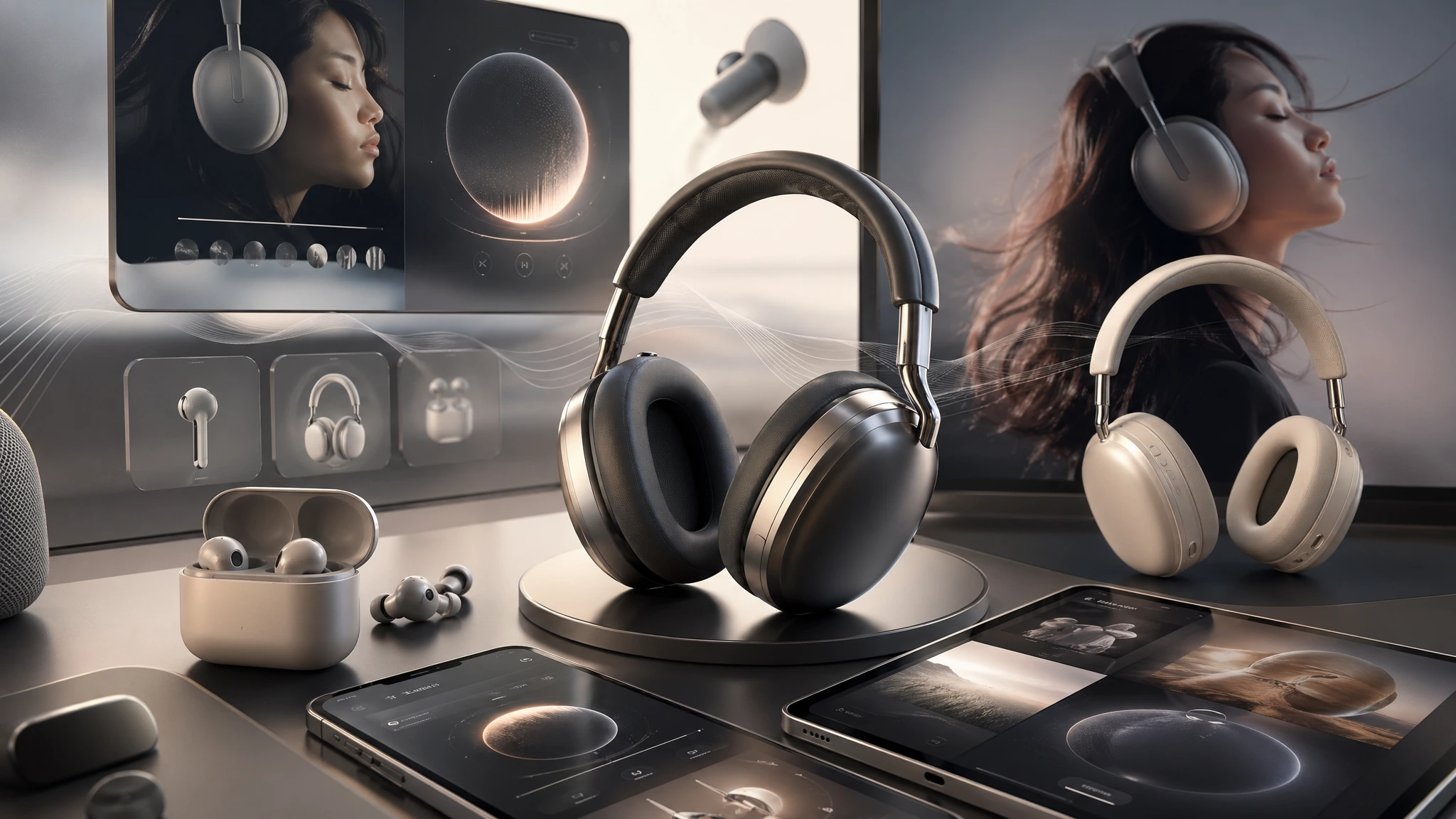
Under Apple’s ownership, Beats underwent a transformation. Beats Music was absorbed into Apple Music, which launched in 2015 and quickly became one of the largest music streaming services in the world. The streaming service — which Iovine and his team helped design — was arguably the most valuable component of the Beats acquisition.
The hardware continued to evolve. Apple’s engineering resources improved Beats’ audio quality, noise cancellation, and integration with the Apple ecosystem. Products like the Beats Fit Pro and Beats Studio Buds became popular alternatives to Apple’s own AirPods, serving a different market segment that preferred the Beats brand aesthetic.
Dre and Iovine transitioned to advisory roles at Apple. Iovine became deeply involved in Apple Music’s strategy, while Dre focused on creative direction and brand partnerships. Both received substantial Apple stock as part of the acquisition, which appreciated significantly over the following decade. Dre’s post-deal net worth was estimated at $800 million to $1 billion, making him one of the wealthiest figures in entertainment history.
Chapter 11: The Compton Legacy and Cultural Impact
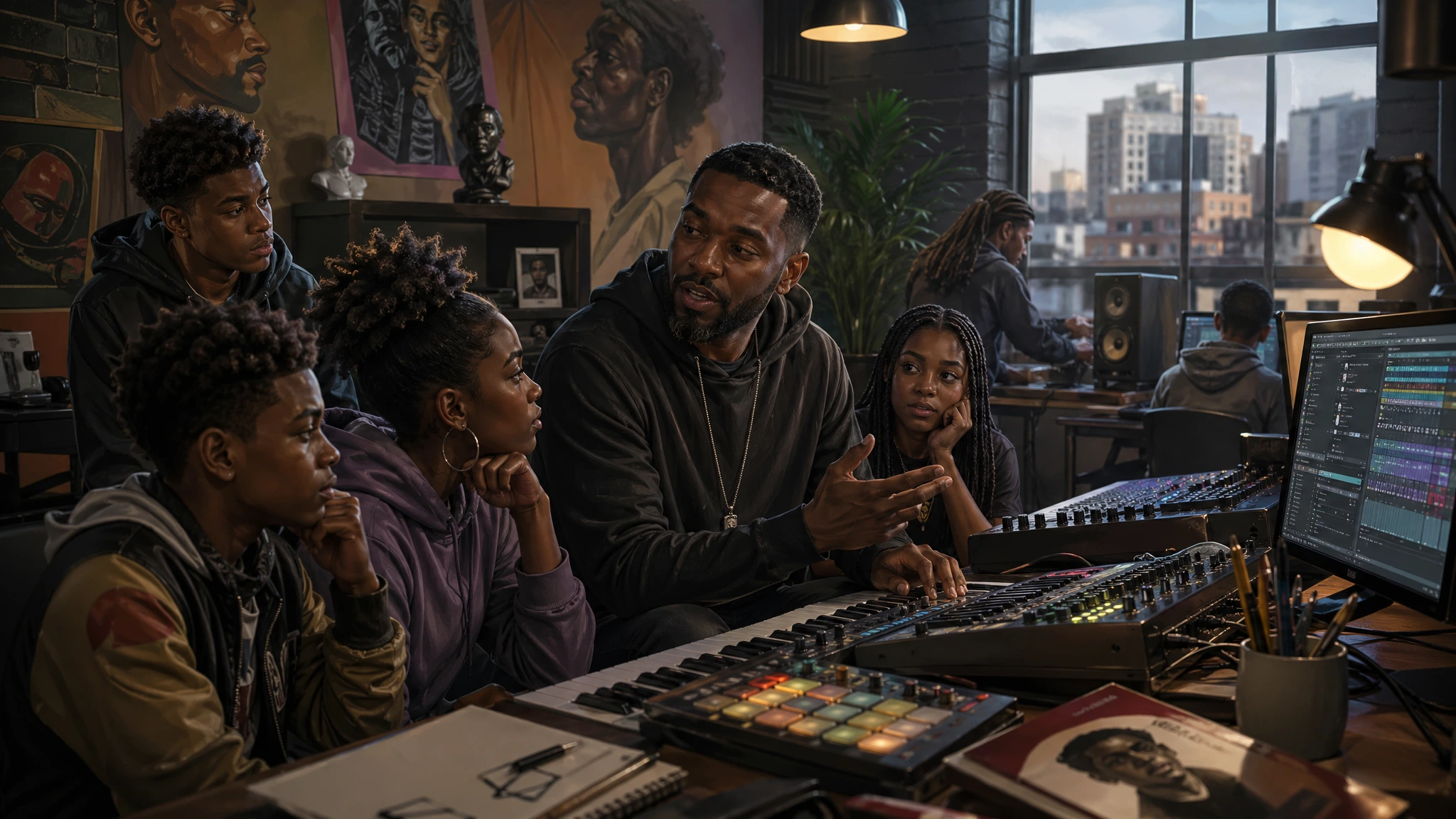
Dre’s influence on popular culture extends far beyond his personal wealth. As a producer, he created the sonic blueprint for West Coast hip-hop. As a talent developer, he launched the careers of Snoop Dogg, Eminem, 50 Cent, Kendrick Lamar, and Anderson .Paak — artists who collectively represent some of the most important voices in modern music. As a businessman, he proved that hip-hop artists could build businesses that competed in the mainstream consumer marketplace.
The “Straight Outta Compton” biopic, released in 2015, grossed over $200 million worldwide — making it the highest-grossing music biopic of all time. Dre produced the film and its soundtrack, closing a circle that had begun thirty years earlier in the studios of Compton. The film introduced N.W.A.’s story to a new generation and reinforced Dre’s status as a cultural icon.
His philanthropic efforts included a $70 million donation to the University of Southern California in 2013 (in partnership with Iovine) to create the USC Jimmy Iovine and Andre Young Academy for Arts, Technology, and the Business of Innovation. The academy, which combined engineering, art, design, and business, reflected Dre’s belief that the future belonged to people who could bridge creative and technical disciplines.
Chapter 12: Legacy — The Sound of Money
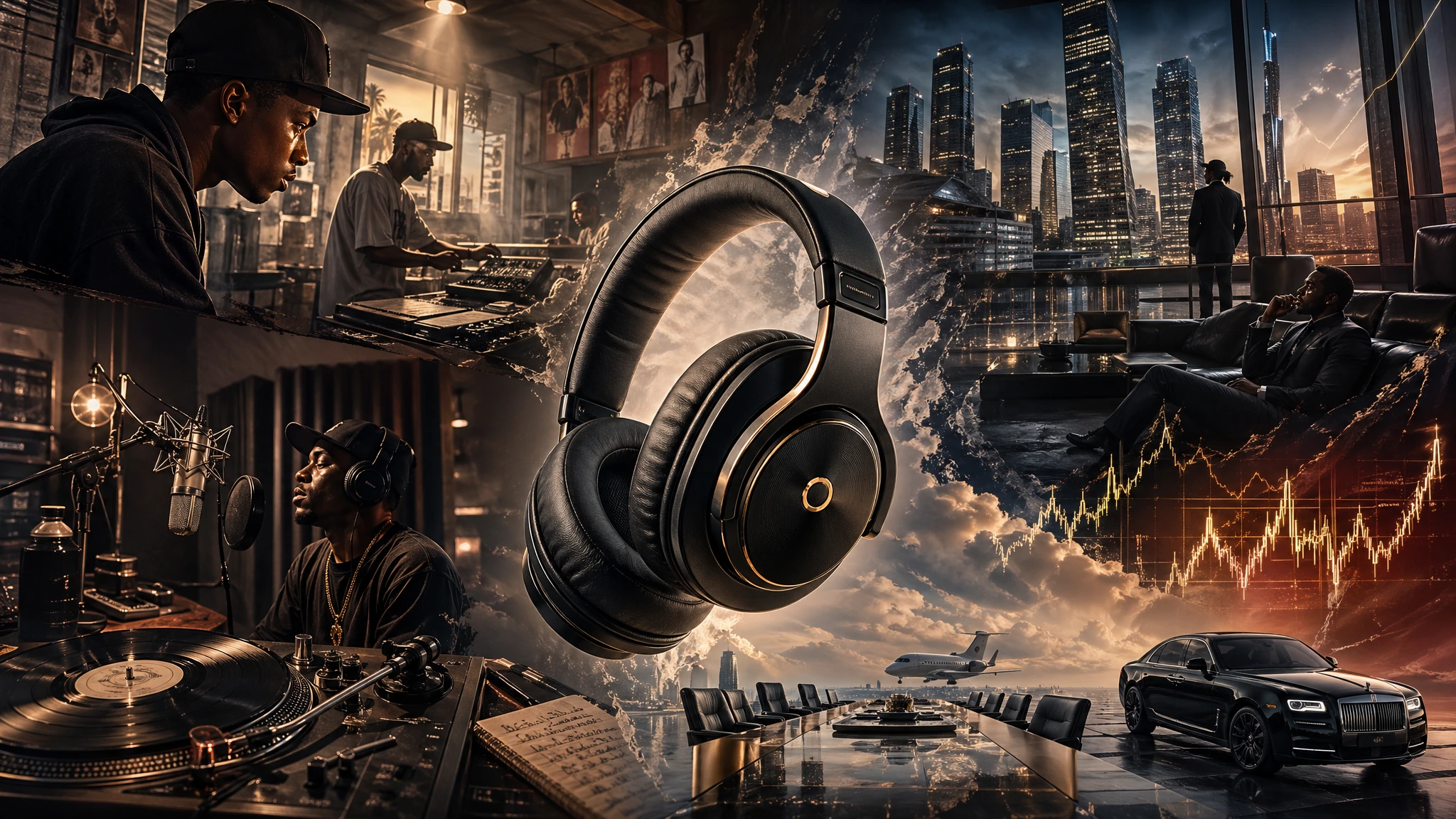
Dr. Dre’s journey from Compton to billionaire status is one of the most extraordinary stories in American business. He didn’t attend an elite university. He didn’t have family connections. He didn’t start with capital. He started with an ear for music and an understanding that culture is the most powerful economic force on Earth.
His business career followed a consistent pattern: identify what people want before they know they want it. N.W.A. gave America a sound it didn’t know it needed. “The Chronic” created a genre. Eminem proved that hip-hop could cross racial boundaries. Beats proved that headphones could be fashion. Each move anticipated a cultural shift and positioned Dre to profit from it.
The $3 billion Apple acquisition was the culmination of a career built on understanding that music, culture, and commerce are inseparable. Dre didn’t just make music — he made the lifestyle that surrounds music. And when he realized that the devices people used to listen to music were an untapped market, he built a brand that captured that market with a speed and completeness that stunned the consumer electronics industry.
The kid from Compton who dropped out of high school to DJ in nightclubs became one of the wealthiest self-made people in entertainment history. He did it by trusting his ears, by understanding that culture drives commerce, and by partnering with people who complemented his skills. Dr. Dre’s fortune is the sound of American culture converted into American currency.
💡 Key Insights
- ▸ Beats by Dre succeeded not because the headphones were technically superior — audiophiles consistently rated them below competitors — but because Dre understood that headphones are fashion accessories first and audio devices second. He sold status, not sound.
- ▸ The Apple acquisition of Beats for $3 billion was less about the hardware and more about the streaming service and the cultural credibility that Dre and Jimmy Iovine brought. Apple was buying taste as much as technology.
- ▸ Dre's career arc — from street-level producer to billionaire — mirrors hip-hop's own journey from underground art form to dominant cultural and commercial force. His wealth is a measure of the genre's power.