The Pritzker Paradox: How a Family's Empire, Feuds, and Fortune Shaped America
Forget your average family business drama. The Pritzkers built a hospitality behemoth, then tore it apart in a multi-billion-dollar legal war, all while launching a political dynasty that reshapes American power. This isn't just a story; it's a financial opera with more twists than a Chicago skyscraper.
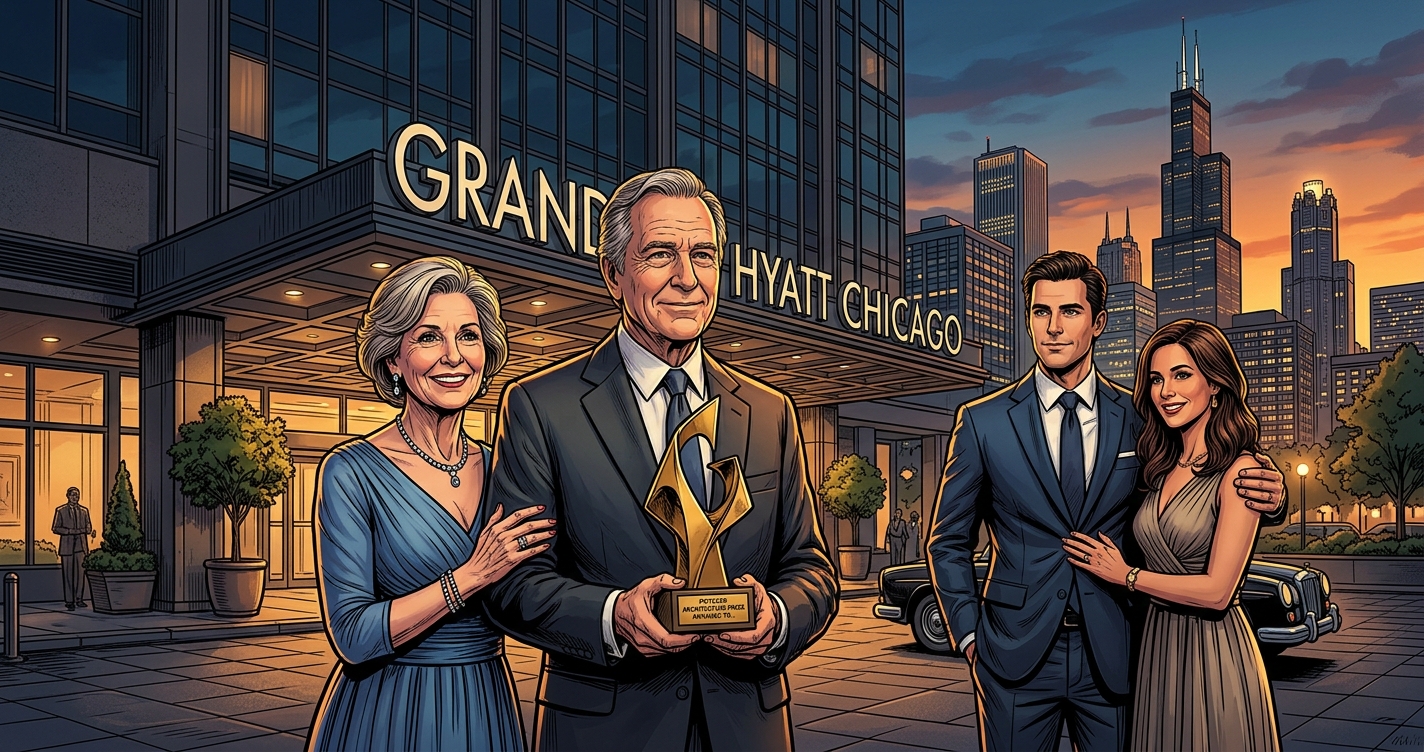
View all stories about this mogul
💥 Chapter 1: The Genesis – A Chicago Dream (and a Russian Escape)
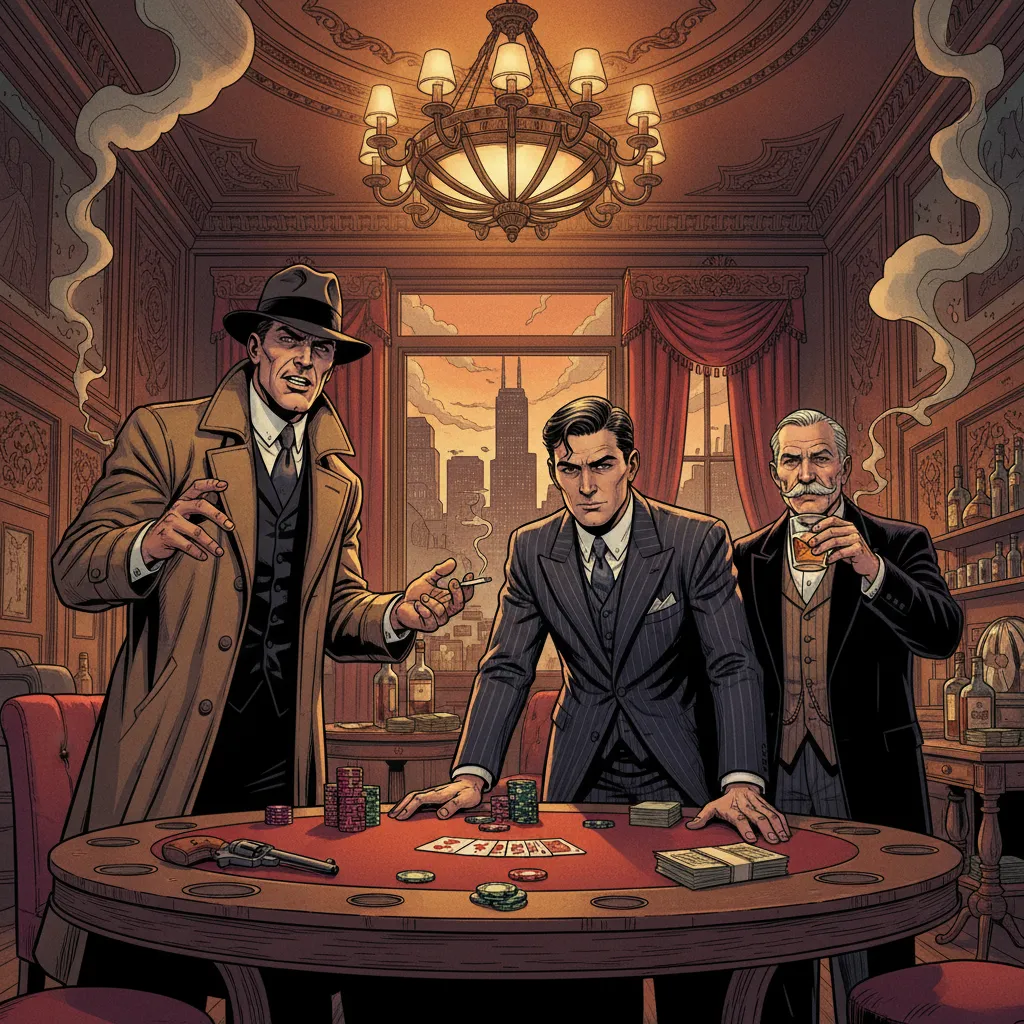
Alright, settle in, because this isn’t just a business story. This is a multi-generational saga, a high-stakes drama with more twists than a back-alley poker game in prohibition-era Chicago. We’re talking about the Pritzker family, a name synonymous with luxury hotels, political power, and a family feud so epic it makes the Corleones look like a polite book club.
Our story kicks off not in a gleaming corporate boardroom, but in a dusty, dangerous corner of the Russian Empire. Picture this: late 19th century, a young man named Nicholas Pritzker, barely out of his teens, makes a gut-wrenching decision. Pogroms are sweeping through Jewish communities, the air thick with fear and uncertainty. Nicholas, a bright kid with a lawyer’s mind already sparking, knows he has to get out. He packs his hopes, his wits, and probably not much else, and sets sail for America, the land of promise. He lands in Chicago in 1881, a city roaring with ambition, smoke, and the relentless clatter of opportunity.
Chicago wasn’t just a city; it was a crucible, forging fortunes and breaking spirits. Nicholas didn’t arrive with a silver spoon, or even a wooden one. He arrived with an unshakeable drive. He started by selling newspapers, then studied law at night, devouring textbooks like they were the last meal he’d ever eat. He was a sponge, soaking up every legal precedent, every nuance of American jurisprudence. In 1902, he hung his shingle, founding the law firm of Pritzker & Pritzker. This wasn’t just a law firm; it was the Rosetta Stone for everything that would follow. It was the nerve center, the strategic command post from which the Pritzker empire would slowly, meticulously, begin to unfurl its colossal wings.
Nicholas wasn’t just a lawyer; he was a fixer, a strategist, a man who saw angles where others saw walls. He built a reputation for shrewdness, for getting things done, for understanding the intricate dance of capital and consequence. He laid the groundwork, not just financially, but philosophically. He instilled in his children – especially his sons, Abram Nicholas “A.N.” Pritzker, Jack Pritzker, and Harry Pritzker – a relentless work ethic, an insatiable curiosity, and a deep understanding of how power truly operates in a capitalist society. He taught them that the law wasn’t just about justice; it was a tool, a framework, a weapon in the right hands. And boy, did his sons learn to wield it.
This wasn’t about quick cash or flashy deals. This was about building something foundational, something that could weather storms, something that could grow far beyond the lifespan of any single individual. Nicholas Pritzker, the immigrant, the lawyer, the patriarch, was sowing seeds that would one day blossom into a forest of hotels, industrial giants, and political powerhouses. He was writing the first chapter of a legend, not with ink, but with sheer, unadulterated grit and an immigrant’s desperate, soaring hope. And trust me, the story only gets wilder from here.
💰 Chapter 2: The Brothers Pritzker – Visionaries and Empire Builders
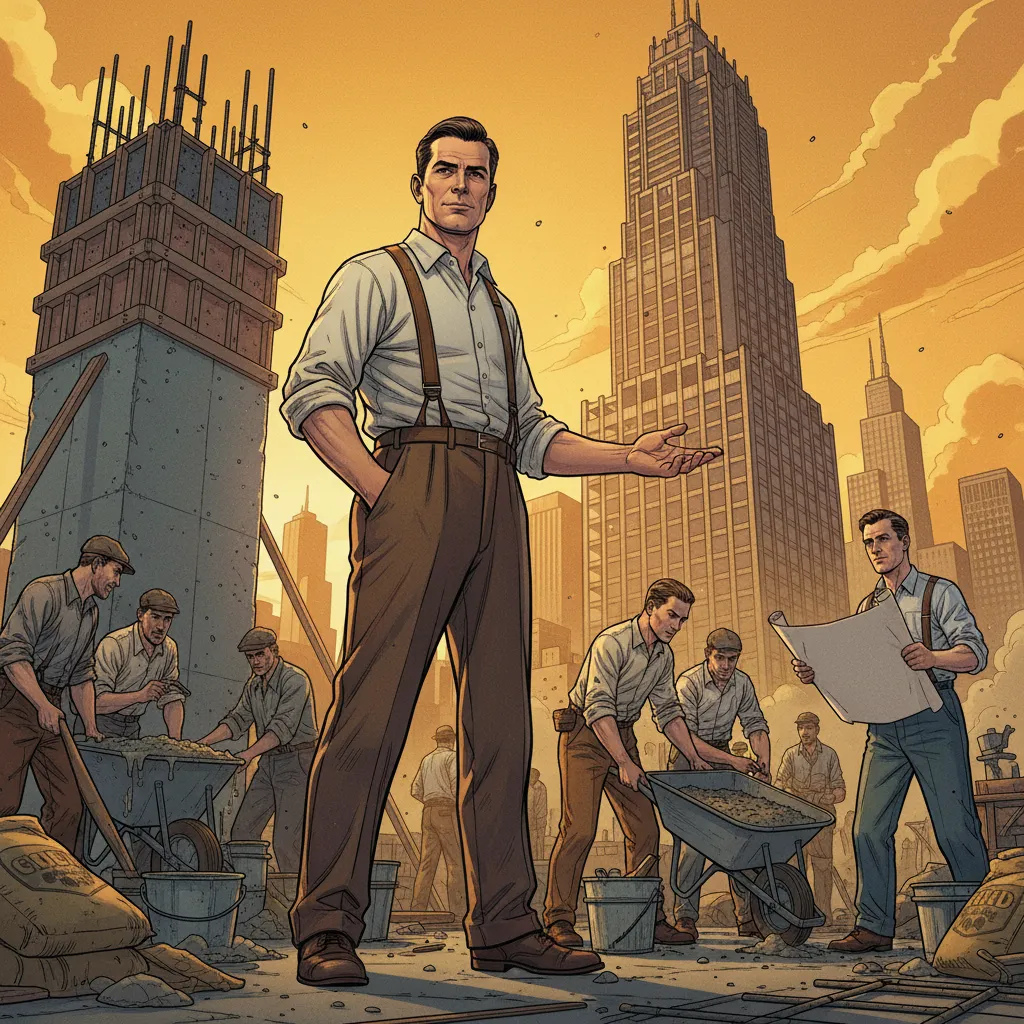
If Nicholas Pritzker was the architect of the Pritzker family’s legal foundation, his sons, particularly Abram Nicholas “A.N.” Pritzker, were the master builders who started pouring the concrete for a truly colossal empire. A.N. Pritzker was a force of nature, a man who combined his father’s legal acumen with a ravenous appetite for business and an uncanny knack for spotting undervalued assets. He was the kind of guy who could walk into a failing manufacturing plant, see a goldmine, and then figure out the legal and financial gymnastics to acquire it for pennies on the dollar.
A.N. and his brothers, Jack and Harry, understood a fundamental truth: wealth isn’t just about earning money; it’s about compounding it, protecting it, and deploying it strategically. They continued to practice law, which gave them an unparalleled vantage point into the financial woes and opportunities of other companies. They weren’t just advising clients; they were scouting targets. They specialized in distressed assets, businesses teetering on the brink, often held by families eager to offload them. A.N. would swoop in, often with a handshake deal, a quick valuation, and a promise to turn things around. He wasn’t afraid of a mess; in fact, he thrived in it.
Their strategy was brilliant in its simplicity and brutal in its execution. They would buy small, often unglamorous manufacturing companies – everything from door manufacturers to textile mills. These weren’t sexy tech startups; these were the nuts and bolts of American industry. But A.N. saw potential where others saw rust. He’d streamline operations, cut costs, and inject a dose of Pritzker discipline. Then, instead of selling them, he’d roll them into a larger, privately held entity. This was the genesis of the Marmon Group, a name that would become synonymous with the Pritzker’s diversified industrial prowess.
The family’s legal background also gave them a profound understanding of trusts and tax law. This was crucial. They began establishing a labyrinthine network of trusts – not just one, but dozens, hundreds, eventually thousands – to hold their accumulating wealth. This wasn’t about dodging taxes illegally; it was about smart, aggressive estate planning that ensured their fortune could grow untaxed for generations, protected from probate, and shielded from the prying eyes of the public. It was a financial fortress, built brick by legal brick.
“They weren’t just buying companies; they were buying futures, often at discount prices. A.N. Pritzker had a sixth sense for value hidden beneath layers of neglect, and the legal muscle to make it his own.”
This strategy, while incredibly effective, also laid the groundwork for future family drama, but we’ll get to that. For now, understand that A.N. Pritzker was a titan. He was charismatic, demanding, and possessed a memory like a steel trap. He taught his children and grandchildren that money was a tool, not an end in itself, and that the greatest asset was often the one overlooked by everyone else. He wasn’t building an empire on a single product or service; he was building an empire on the very structure of American enterprise itself – through strategic acquisition, shrewd management, and an unparalleled understanding of legal frameworks.
This period wasn’t just about accumulating wealth; it was about establishing a philosophy of investment and a governance model for a multi-generational family business. It was pragmatic, often ruthless, and incredibly effective. By the time A.N. began to pass the torch to the next generation, particularly his son Jay Pritzker, the family controlled a sprawling, diverse portfolio that was virtually impossible for outsiders to fully comprehend. They were everywhere, yet nowhere, a silent, powerful hand shaping corners of the American economy. The stage was set for their most famous venture, one that would redefine an entire industry.
🏨 Chapter 3: The Hyatt Gambit – A Motel, a Vision, a Revolution
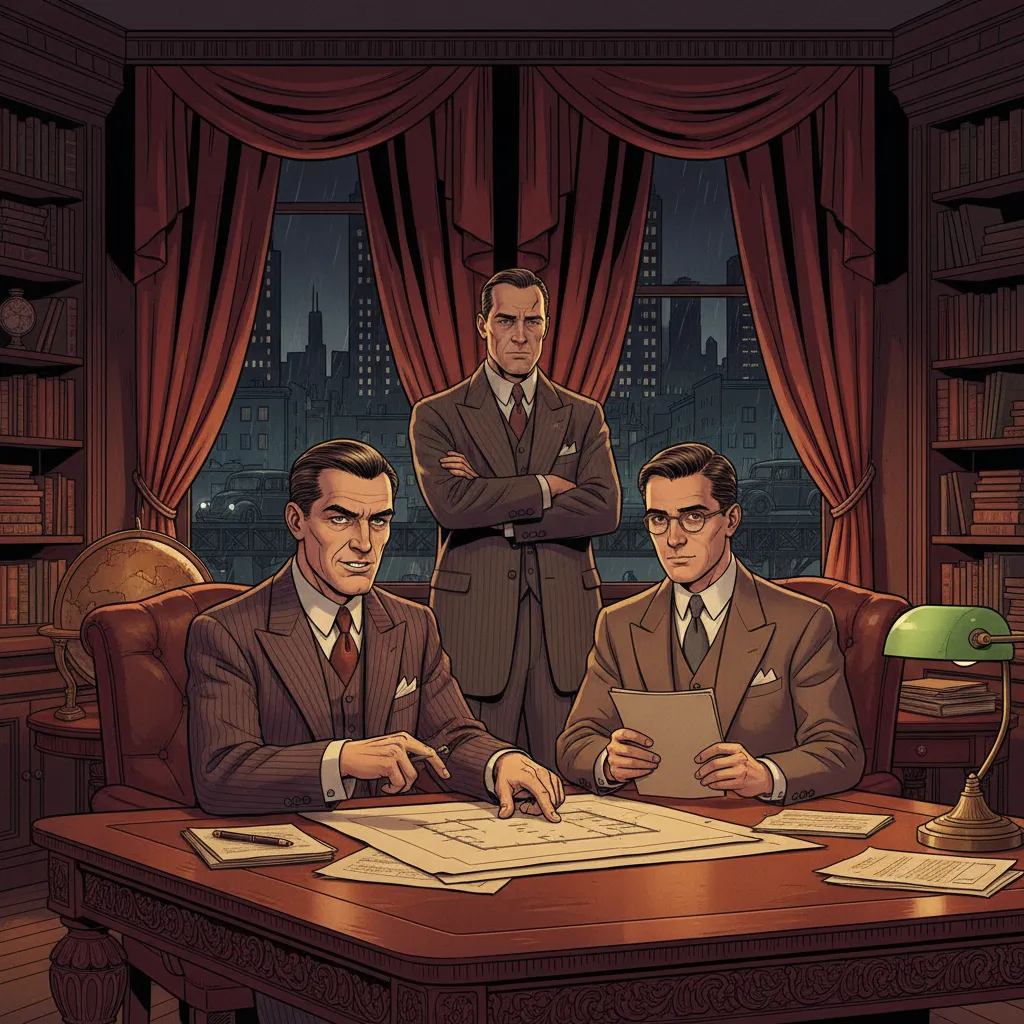
Okay, so the Pritzkers are already heavy hitters, quietly amassing a fortune in manufacturing and legal services. They’re like the shadowy figures in the background of a classic mob movie, pulling strings, making deals. But then comes Jay Pritzker, A.N.’s son, and he’s got a different kind of ambition, a different kind of vision. Jay was the charismatic, freewheeling, and brilliant dealmaker of his generation. Where A.N. was methodical and industrial, Jay was a whirlwind of creative energy, always looking for the next big thing. And in 1957, he found it, almost by accident, right next to the brand-new Los Angeles International Airport (LAX).
It was a small, unassuming motel called the Hyatt House. Just 136 rooms, nothing special. The owner, a guy named Hyatt Robert von Dehn, was looking to sell. Jay, ever the opportunist, was in town for another deal that fell through. He had some time to kill, so he checked out this little motel. What he saw wasn’t just a motel; he saw a template. He saw the future.
This wasn’t just about buying a single property; it was about recognizing a seismic shift in American culture. The jet age was dawning. Air travel was becoming accessible to the masses. Airports were becoming hubs of commerce and transit. People needed convenient, comfortable places to stay right next to the airport. Jay Pritzker didn’t just buy a motel; he bought into an idea. He bought it for a reported $2 million. And with that, the Hyatt Hotels Corporation was born.
But Jay didn’t just stop at airport motels. Oh no. That would be too simple for a Pritzker. He had a grander vision. He understood that people didn’t just want a bed; they wanted an experience. He wanted to elevate the hotel stay, make it something memorable, something luxurious, even aspirational. He teamed up with his brother, Donald Pritzker, who became Hyatt’s first president and proved to be an operational genius, bringing structure and efficiency to Jay’s grand designs.
Their stroke of genius? The Hyatt Regency Atlanta, opened in 1967. This wasn’t just a hotel; it was a statement. Picture this: a massive, soaring atrium that shot twenty-one stories high, glass elevators gliding up and down like mechanical ballet dancers, a huge fountain in the lobby, lush greenery, and a revolving restaurant on the roof. It was utterly unlike anything America had ever seen in a hotel. It was a spectacle, a destination in itself. It was bold, it was dramatic, it was new.
“Jay Pritzker saw a humble motel and envisioned a hospitality empire built on audacious design and an elevated guest experience. He didn’t just sell rooms; he sold a feeling, a moment of luxury amidst the mundane.”
Competitors scoffed. “Who needs all that open space? That’s wasted revenue!” they cried. But guests flocked to it. They wanted to experience the “wow factor.” The Hyatt Regency Atlanta became an instant icon, a blueprint for future Hyatt properties, and it fundamentally changed the design of hotels worldwide. It was a revolution in hospitality, driven by the Pritzkers’ willingness to take massive risks and think far, far outside the conventional box.
They expanded rapidly, building or acquiring properties in major cities, always with an eye for innovative design and a focus on premium service. They weren’t just building hotels; they were building an identity. The Hyatt brand became synonymous with modern luxury, convenience, and architectural flair. Jay Pritzker wasn’t just a dealmaker; he was a visionary, transforming a sleepy corner of the real estate market into a global powerhouse. And while Donald tragically passed away young, his operational foundations allowed Jay to continue his relentless expansion. The Hyatt gambit wasn’t just a win; it was a grand slam, cementing the Pritzkers’ status as true titans of American industry, and setting the stage for even more audacious moves.
🐙 Chapter 4: The Octopus Spreads Its Tentacles – Beyond Hotels
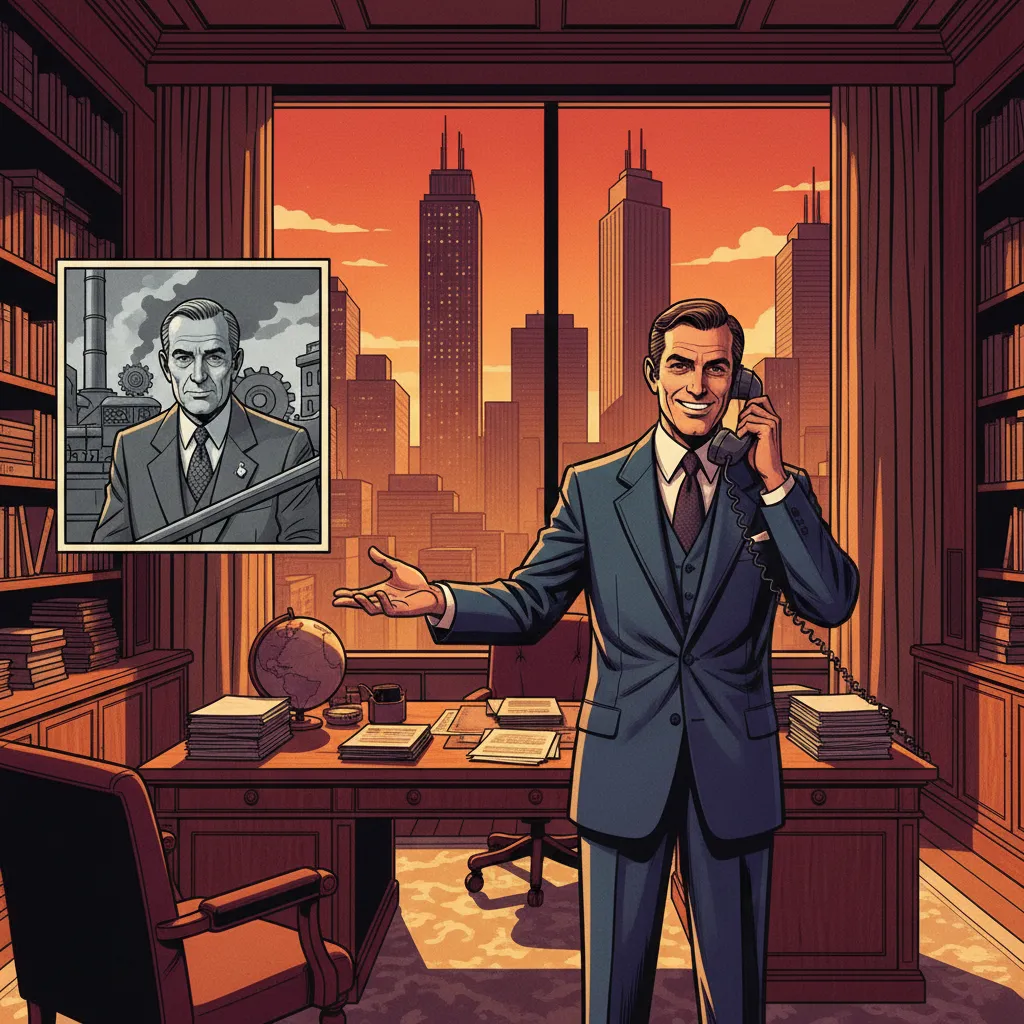
So, by the 1960s and 70s, the Pritzker family isn’t just known for Hyatt. Oh no, that would be far too singular for their taste. Remember A.N.’s industrial empire, the Marmon Group? While Jay was busy revolutionizing hospitality, the family was simultaneously, quietly, relentlessly building out a sprawling conglomerate that would eventually touch nearly every aspect of American life, often without the public even realizing it. They were like a financial octopus, its tentacles reaching into dozens of industries, each one an independent, profitable venture.
Marmon Group was the antithesis of glamorous. It was a collection of manufacturing and service companies, often acquired when struggling, then revitalized with Pritzker capital and management. We’re talking about businesses making everything from railway tank cars to store fixtures, electrical components to water treatment systems. It was the kind of industrial mosaic that most people found incredibly boring, but to the Pritzkers, it was beautiful. It generated consistent cash flow, was diversified across sectors, and offered stability against the cyclical nature of any single industry. This wasn’t about sex appeal; it was about raw, industrial power.
But their diversification didn’t stop at heavy industry. The Pritzkers were also pioneers in the financial services sector. In the late 1960s, they acquired a majority stake in a small credit bureau called TransUnion. Now, in today’s world, everyone knows TransUnion – it’s one of the “big three” credit reporting agencies, a gatekeeper to financial life for millions. But back then, it was nascent. The Pritzkers saw the immense potential in data and credit information, long before “big data” was even a buzzword. They built TransUnion into a powerhouse, understanding that information, especially financial information, was an incredibly valuable commodity.
And then there was the world of venture capital. Long before Silicon Valley became the epicenter of startup money, the Pritzkers were dabbling in early-stage investments. They weren’t just buying established businesses; they were funding the innovators. They understood that to stay ahead, you couldn’t just acquire; you had to create and innovate. This foresight led to investments in everything from software companies to biotech, laying the groundwork for what would eventually become the Pritzker Group, their dedicated private equity and venture capital arm, later run by J.B. Pritzker and Tony Pritzker.
Think about the sheer breadth of this. One family, often through a complex web of trusts and holding companies, controlled:
- A global luxury hotel chain (Hyatt)
- A massive industrial conglomerate (Marmon Group)
- A critical piece of the financial infrastructure (TransUnion)
- Significant interests in real estate, airlines (they had a stake in Braniff Airways at one point), and various other manufacturing and service companies.
This wasn’t just diversification; it was strategic layering. Each business generated cash, which could then be reinvested into other ventures, fueling an ever-expanding cycle of growth. The beauty of their structure was that each entity operated largely independently, yet all ultimately reported up to the family. This minimized risk and maximized opportunity. If one sector took a hit, another would likely be thriving. They weren’t putting all their eggs in one basket; they were building an entire omelet factory, with different machines for different kinds of eggs.
“The Pritzkers didn’t just build an empire; they built a financial ecosystem. From hotel beds to railway cars, from credit scores to cutting-edge tech, their tentacles were everywhere, a testament to an insatiable, multi-generational hunger for diverse, compounding wealth.”
This era was a masterclass in conglomerate building, a strategy often derided by Wall Street but perfected by the Pritzkers. They proved that with astute management, patient capital, and an unparalleled network of legal and financial advisors, a single family could build a business entity so vast and so complex that its true value was almost impossible to measure from the outside. They were the ultimate quiet billionaires, operating largely out of the public eye, yet deeply embedded in the fabric of the American economy. But as we all know, with immense wealth and power, often comes immense internal pressure. And the stage was being set for a drama that would rock the dynasty to its core.
👥 Chapter 5: The Heir Apparents and the Seeds of Discord
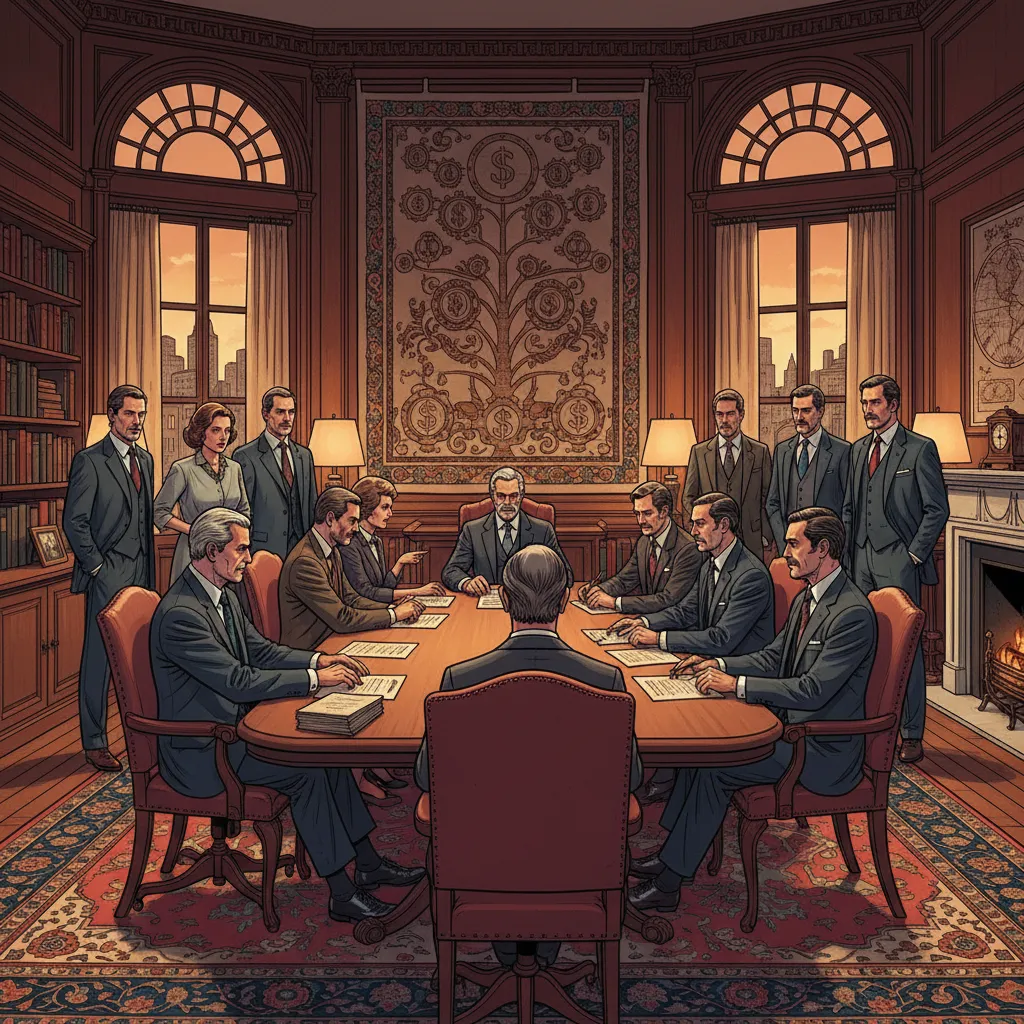
By the late 20th century, the Pritzker family was a financial leviathan. But an empire of this magnitude, managed by a sprawling family, is always a delicate balance. The transition from the founding generation to the third and fourth generations brought with it new ambitions, divergent interests, and the inherent friction that comes when immense wealth is concentrated among many cousins. The primary architect of this generational transition and the manager of the family’s incredible wealth was Jay Pritzker.
Jay was a genius, no doubt. But his approach to managing the family’s multi-billion-dollar trust was, in hindsight, both brilliant and ultimately problematic. He created an intricate web of trusts, designed to keep the family’s assets together, growing untaxed, for as long as legally possible. The idea was to prevent the fortune from being fragmented and dissipated by individual family members. It was a communal pot, designed to fund new ventures and maintain the family’s collective power.
Jay, along with his first cousin Robert Pritzker (who largely oversaw the Marmon Group), served as the de facto patriarchs, making all the major decisions for the family’s vast holdings. They were the conductors of this immense orchestra. The next generation – the eleven cousins, including Penny Pritzker, J.B. Pritzker, Tom Pritzker, Nick Pritzker, and others – were expected to contribute to the family enterprise, learn the ropes, and eventually take their place at the helm.
For a time, this system worked. The cousins were given opportunities within the family businesses, learning from the ground up. They were groomed to be stewards of the empire. Tom Pritzker, Jay’s eldest son, eventually took over as chairman of Hyatt and became a key figure in managing the family’s assets. Penny Pritzker demonstrated immense business acumen, forging her own path in real estate and eventually becoming a political force. J.B. Pritzker delved into venture capital and tech investments, showing a different kind of entrepreneurial spirit.
But beneath the veneer of familial harmony, seeds of discord were being sown. The trusts, while legally sophisticated, were also incredibly opaque. The cousins, as they came of age, had limited visibility into the full scope of their collective wealth and how decisions were being made. There was a sense that a few key individuals held all the power, while others, though beneficiaries of immense wealth, felt like mere passengers.
Jay Pritzker, in his wisdom, had set up a plan for the eventual distribution of the family’s assets. He wanted to maintain the integrity of the businesses, but he also understood that eventually, the cousins would want more direct control over their individual fortunes. He established a system that would allow for the gradual distribution of assets, tied to specific ages, culminating in a full liquidation and distribution when the youngest eligible beneficiary turned 40. This was designed to be a smooth, orderly transition.
However, Jay died in 1999, before his plan could be fully executed. His death left a vacuum at the top, and without his guiding hand, the delicate balance began to unravel. The ambiguity of the trust structure, combined with the sheer, unimaginable scale of the wealth – estimates ranged from $15 billion to $20 billion – became a pressure cooker. Some cousins felt they weren’t being treated fairly, that the assets weren’t being managed optimally, or that their individual share was being undervalued.
“The Pritzker trusts were a masterpiece of legal engineering, designed to preserve and grow the family’s colossal fortune. But when the master architect was gone, the very complexity that protected the empire became the fuse for its implosion.”
The age-old story of family money began to play out. Envy, suspicion, and a sense of entitlement started to fester. The cousins, once united by a shared name and a common purpose, began to look at each other with increasing distrust. The stage was now perfectly set for a dramatic, multi-billion-dollar showdown, a legal battle that would spill out of the discreet boardrooms and into the unforgiving glare of public scrutiny. The family that had built an empire through shrewdness and unity was about to engage in a war of attrition against itself, threatening to tear apart everything Nicholas Pritzker had worked so hard to build. The gloves were off.
🔪 Chapter 6: The Billion-Dollar Bloodbath – The Great Pritzker Family Feud
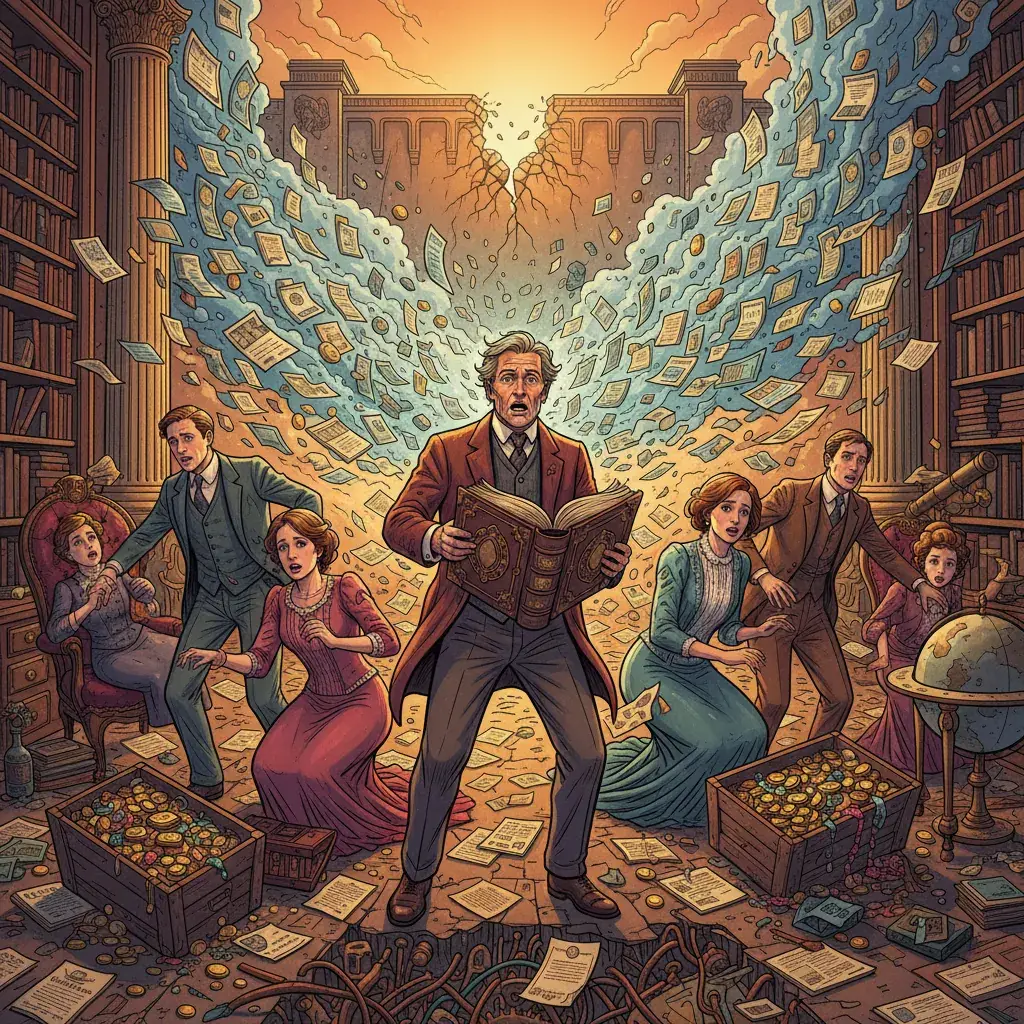
And then, the dam broke. Imagine a family that controls an estimated $15 billion to $20 billion, an empire built over a century, held together by a labyrinthine network of trusts. Now imagine that family exploding into a legal firestorm, turning private disputes into front-page news. This wasn’t just a squabble; it was the Great Pritzker Family Feud, a corporate and personal drama that captivated the business world and showcased the brutal realities of inherited wealth.
The fuse for this explosion was lit by Liesel Pritzker Simmons and her brother Matthew Pritzker. Liesel, an actress who had appeared in films like “Air Force One” and “A Little Princess,” was not content to passively receive her share. She and Matthew, both in their early twenties at the time, felt they had been systematically cut out of the family’s wealth, alleging that their cousins (specifically Tom Pritzker, Penny Pritzker, and Nick Pritzker, who largely controlled the trusts after Jay’s death) had siphoned off billions from their trust funds.
Their lawsuit, filed in 2002, was a bombshell. It accused the family’s elder statesmen of a “scheme” to divert billions of dollars from the younger generation’s trusts into other, less liquid family holdings, thereby reducing their immediate inheritance. Liesel and Matthew claimed they had been effectively “frozen out” of hundreds of millions, if not billions, of dollars that they believed were rightfully theirs. They weren’t just asking for their fair share; they were demanding accountability and transparency from a family notoriously private about its finances.
This wasn’t a casual disagreement. This was a direct challenge to the very structure and leadership of the Pritzker empire. The allegations were damning: breach of fiduciary duty, fraud, and corporate mismanagement. The legal documents painted a picture of a tight-knit inner circle making decisions that benefited themselves at the expense of other family members. The sheer scale of the alleged misappropriation was staggering, and the public was mesmerized.
“The Pritzker family feud wasn’t just a legal battle; it was a psychological thriller, a multi-billion-dollar game of thrones played out in courtrooms, exposing the raw, brutal truth that even the strongest blood ties can unravel under the immense pressure of unimaginable wealth.”
The lawsuit forced the rest of the Pritzker family into a corner. They had always operated behind a veil of secrecy, their vast holdings and intricate trusts carefully guarded. Now, their dirty laundry was being aired for the world to see. The media, especially financial publications, had a field day. “Pritzker vs. Pritzker” became a shorthand for the dangers of inherited wealth and the complexities of family business governance.
The legal battle dragged on for years, costing tens of millions in legal fees. It was a war of attrition, emotionally draining for everyone involved. The public spectacle was a nightmare for a family that valued its privacy above all else. Eventually, realizing the damage this public feud was doing to their reputation and the potential for even more costly legal defeats, the family decided to settle.
The settlement, reached in 2005, was colossal. Liesel and Matthew reportedly received around $500 million each, a staggering sum that underscored the validity of their claims and the family’s desire to end the bleeding. But the implications went far beyond a cash payout. The lawsuit forced the family to confront the inherent flaws in their trust structure and accelerate the long-planned, but never fully formalized, division of their assets. The billion-dollar bloodbath, while financially devastating in its own way, inadvertently became the catalyst for a radical restructuring of one of America’s wealthiest and most secretive dynasties. The empire, once a single, unified entity, was about to be broken into pieces, and the cousins, once bound by common interests, were about to embark on their own, independent paths.
🚧 Chapter 7: The Unraveling and the Rebirth – Dividing the Spoils
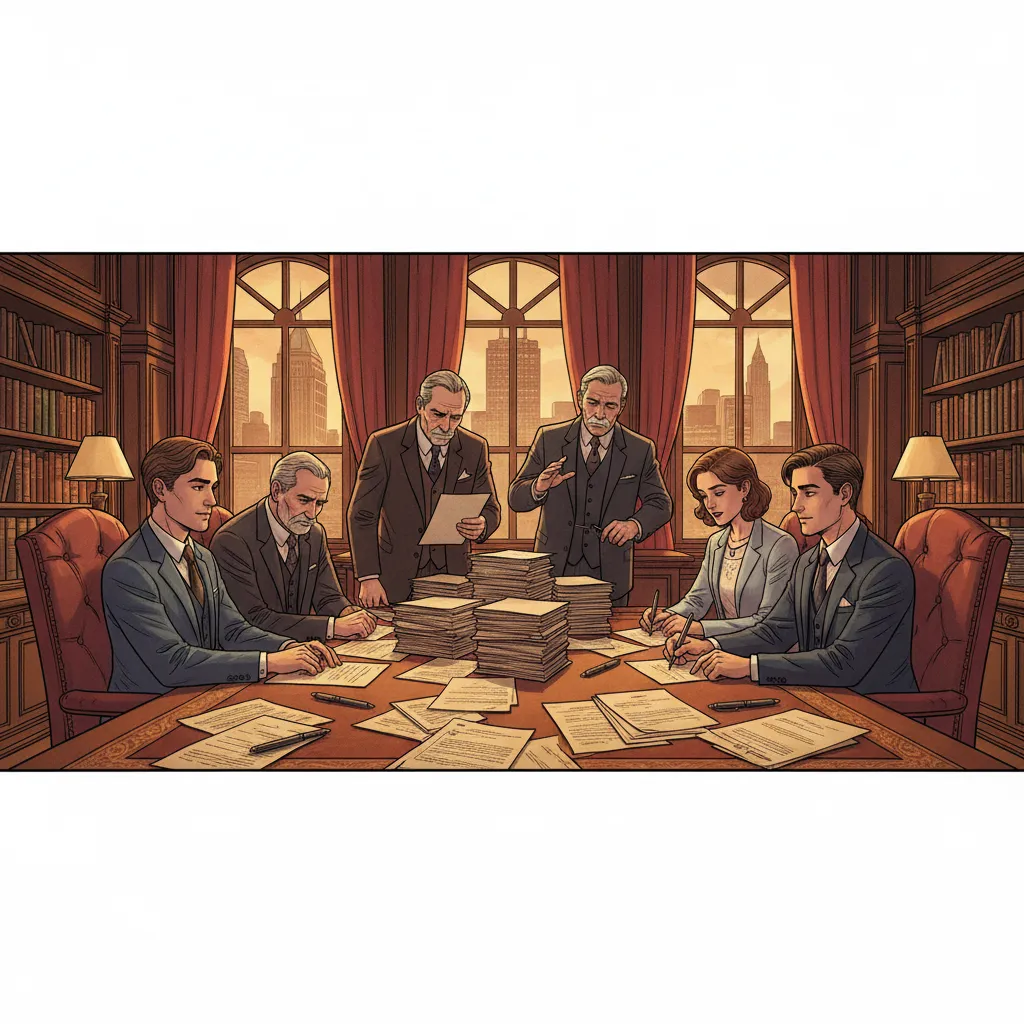
The Pritzker family feud, that epic, multi-billion-dollar legal slugfest, ended not with a bang, but with a reluctant, incredibly expensive whimper. The settlement with Liesel and Matthew Pritzker was more than just a payout; it was a clear signal that the old ways of managing the family’s immense, collective fortune were no longer sustainable. The intricate web of trusts, designed by Jay Pritzker to keep the empire intact for generations, had become a liability, a source of conflict and resentment. It was time for a radical change: the dismantling of the empire.
This wasn’t an overnight process. It was a meticulously orchestrated, multi-year project, a financial divorce on an unprecedented scale. The goal was to divide the roughly $15 billion family fortune among the eleven adult cousins, allowing each to control their own destiny and their own share of the wealth. This meant unraveling decades of intertwined business interests, selling off assets, and taking others public.
The crown jewel, of course, was Hyatt Hotels. The family had famously resisted taking Hyatt public for decades, preferring to keep it private. But the settlement and the need to liquefy assets forced their hand. In 2009, Hyatt Hotels Corporation finally went public, listing on the New York Stock Exchange under the ticker symbol H. The IPO was a massive event, a clear signal of the family’s new direction. While the Pritzkers retained a significant stake in Hyatt, it was no longer the wholly private, family-controlled entity it once was. This move not only provided liquidity but also introduced a new layer of corporate governance and transparency.
Then there was the Marmon Group, the industrial conglomerate that A.N. Pritzker had painstakingly built. This was perhaps the most complex piece of the puzzle. Marmon was a sprawling collection of over 100 manufacturing and service companies, operating in dozens of sectors. Selling it off piecemeal would have been a nightmare. Enter Warren Buffett and Berkshire Hathaway. In 2007, Berkshire Hathaway acquired 60% of Marmon Group for $4.5 billion in cash, with an agreement to acquire the remaining stake over several years. This was a brilliant move, providing a clean, massive infusion of cash for the family while ensuring the continued success of the underlying businesses under Buffett’s legendary stewardship. It was a testament to the quality of the businesses the Pritzkers had built.
Other assets were also spun off, sold, or restructured. TransUnion, their credit reporting agency, eventually also went public. The Pritzker Group, the family’s private equity and venture capital arm, continued to operate, but now with clearer lines of ownership and investment mandates. Each cousin, upon receiving their share, was free to pursue their own interests, whether that meant philanthropy, new business ventures, or political careers.
“The family’s multi-billion-dollar divorce wasn’t a defeat; it was a strategic metamorphosis. By shedding their collective skin, the Pritzkers freed individual members to unleash their unique ambitions, transforming a monolithic empire into a constellation of independent powerhouses.”
This period of unraveling wasn’t just about liquidation; it was also a rebirth. It forced the family members to become more entrepreneurial, to define their own legacies rather than simply inheriting one. Tom Pritzker remained a key figure, guiding Hyatt and other family interests. Penny Pritzker, already a formidable businesswoman, leveraged her capital and acumen into new ventures and, as we’ll see, an influential political career. J.B. Pritzker doubled down on venture capital and eventually launched his own political journey.
The Pritzker family, as a unified, single business entity, ceased to exist in its traditional form. But in its place emerged a new kind of dynasty: a constellation of independent billionaires, each with their own investment firms, philanthropic foundations, and political aspirations, still bound by their shared name and history, but now free to chart their own course. The Pritzker saga demonstrates that sometimes, the only way to save a family fortune from self-destruction is to break it apart, allowing each piece to find its own path to continued prosperity. It was a dramatic, painful, but ultimately successful transition, paving the way for the family’s next chapter: a full-throttle dive into the world of politics.
🏛️ Chapter 8: From Boardrooms to Ballot Boxes – The Political Ascent
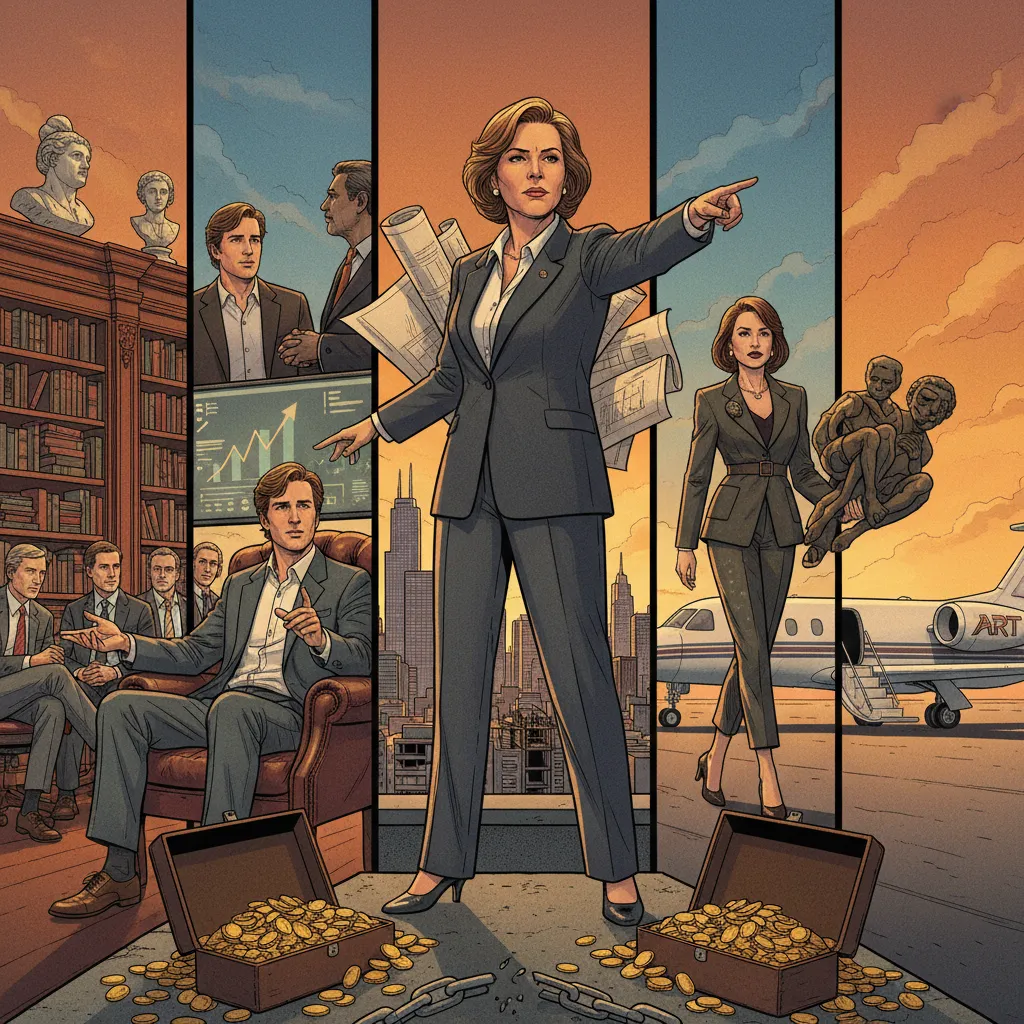
With the family fortune successfully, if painfully, divided, the Pritzker cousins were now free to chart their own course, armed with individual multi-billion-dollar war chests. And for some, that course led directly into the often-murky, always-demanding waters of American politics. This wasn’t a sudden pivot; the Pritzkers had always been politically engaged, powerful donors, but now, some of them wanted to be the players, not just the financiers.
The two most prominent figures in this political ascent are Penny Pritzker and J.B. Pritzker. Both incredibly intelligent, driven, and possessing an almost innate understanding of strategy, they leveraged their business acumen, vast personal networks, and, yes, their considerable wealth, to climb the ranks of power.
Let’s start with Penny Pritzker. A successful businesswoman in her own right, with ventures in real estate, parking, and senior living facilities, Penny had long been active in civic and philanthropic circles. She was a major fundraiser for Barack Obama’s presidential campaigns, a key economic advisor, and a trusted confidante. When Obama won the presidency, it was no surprise that Penny’s name came up for a prominent role. In 2013, she was nominated and subsequently confirmed as the U.S. Secretary of Commerce.
This wasn’t just a ceremonial post. As Secretary of Commerce, Penny Pritzker was the nation’s chief business advocate, tasked with promoting American economic growth, job creation, and international trade. She traveled the world, meeting with heads of state and business leaders, pushing for American interests. She brought a no-nonsense, results-oriented approach forged in decades of Pritzker business dealings. Her tenure was marked by a focus on data-driven policy, advocating for manufacturing, innovation, and exports. She wasn’t just representing the Pritzker name; she was representing the entire U.S. business community on the global stage, proving that her strategic mind was as sharp in Washington D.C. as it was in a Chicago boardroom.
Then there’s J.B. Pritzker. J.B. had made his own mark in the venture capital world, co-founding the Pritzker Group with his brother Tony. But his ambition was always grander. He had dabbled in politics before, with an unsuccessful congressional run in 1998. But after the family settlement, and armed with a truly staggering personal fortune, J.B. set his sights higher: the governorship of Illinois.
His 2018 gubernatorial campaign was legendary for its sheer financial firepower. J.B. Pritzker largely self-funded his campaign, pouring an unprecedented $171 million of his own money into the race. This wasn’t just a lot of money; it was, at the time, the most expensive self-funded campaign in U.S. history. He blanketed the airwaves, built a formidable ground game, and outspent his opponents by orders of magnitude. Critics scoffed, calling him an out-of-touch billionaire trying to buy an election. But J.B. was relentless. He crisscrossed the state, spoke to voters, and articulated a progressive vision for Illinois.
“From the quiet power of trusts to the thunder of the ballot box, the Pritzkers engineered a breathtaking transition. They didn’t just fund political campaigns; they became the candidates, demonstrating that when you possess an empire’s worth of capital, the ultimate power is not just influence, but direct control.”
His investment paid off. In November 2018, J.B. Pritzker was elected the 43rd Governor of Illinois, defeating the incumbent Republican. His victory was a seismic shift in Illinois politics and a clear demonstration of the Pritzker family’s ability to translate economic power into direct political control. As governor, J.B. has championed progressive policies, tackled the state’s perennial fiscal challenges, and navigated the complexities of state-level governance with a Pritzker-esque determination.
The political ascent of Penny and J.B. isn’t just about individual ambition; it’s about the broader Pritzker legacy. It shows a family that understands that power isn’t solely derived from financial assets. It’s also about shaping policy, influencing public discourse, and, ultimately, governing. They are not just moguls; they are now political dynasts, proving that for the Pritzkers, the pursuit of influence is as relentless and diversified as their business interests. They built the hotels and the factories, and now, they’re shaping the laws that govern them, a testament to their enduring and evolving impact on American society.
🎨 Chapter 9: The Pritzker Legacy – Philanthropy, Art, and Enduring Influence
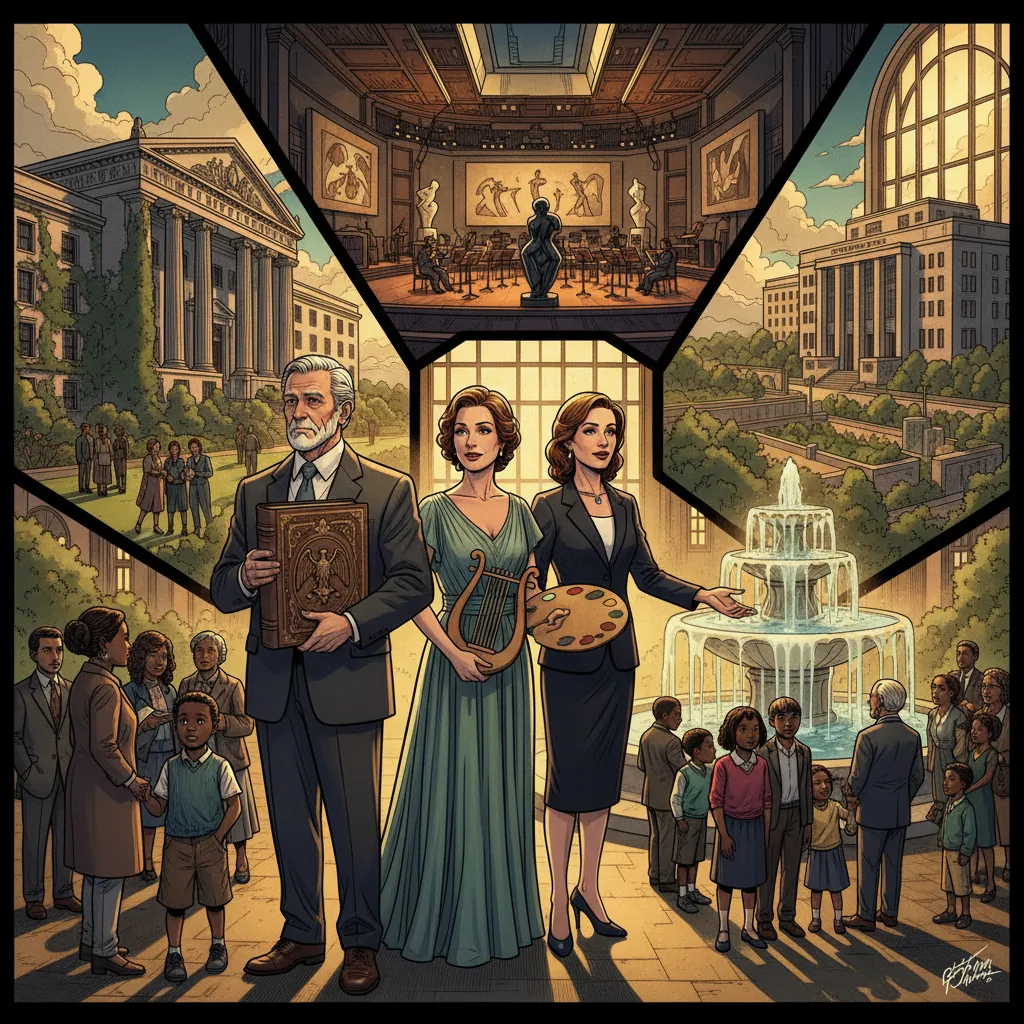
Beyond the glitz of Hyatt, the grind of industry, and the cutthroat world of politics, the Pritzker family has also etched its name into the very fabric of culture, education, and philanthropy. This isn’t just about writing big checks; it’s about strategic, impactful giving, investing in institutions and ideas that shape society, and cementing their legacy for centuries to come. For the Pritzkers, philanthropy isn’t an afterthought; it’s another pillar of their multi-faceted influence.
Perhaps the most famous cultural contribution is the Pritzker Architecture Prize. Established in 1979 by Jay and Cindy Pritzker, it is widely considered the most prestigious award in architecture, often dubbed “architecture’s Nobel.” Each year, it honors a living architect or architects whose built work demonstrates a combination of talent, vision, and commitment, and who have produced consistent and significant contributions to humanity and the built environment through the art of architecture. This prize isn’t just about recognizing talent; it’s about elevating the entire field of architecture, fostering innovation, and celebrating the power of design to transform lives and cities. By creating such a globally renowned award, the Pritzkers positioned themselves as arbiters of taste and patrons of the highest artistic endeavor, leaving an indelible mark on how we perceive and value our physical surroundings.
But their impact extends far beyond architecture. The family has been a monumental force in Chicago’s cultural landscape for generations. They are deeply involved with institutions like the Art Institute of Chicago, the Field Museum, and the Museum of Science and Industry. Walk through many of Chicago’s premier cultural institutions, and you’ll find wings, galleries, and programs bearing the Pritzker name. This isn’t just local; their philanthropic reach is global, supporting universities, medical research, and social causes.
Consider the Pritzker School of Medicine at the University of Chicago. This top-tier medical school bears their name, a testament to their long-standing commitment to advancing medical science and training the next generation of doctors. Their investments in healthcare research, particularly through organizations like the Pritzker Neuropsychiatric Disorders Research Consortium, aim to tackle some of humanity’s most challenging illnesses. This isn’t passive giving; it’s active engagement, leveraging their resources to drive tangible progress in critical fields.
The family’s commitment to education is also profound. From early childhood development programs to higher education initiatives, they understand that investing in human capital is the ultimate long-term play. They have funded scholarships, endowed professorships, and supported innovative educational models, recognizing that a well-educated populace is the bedrock of a thriving society.
“For the Pritzkers, philanthropy isn’t merely charity; it’s strategic investment in the human spirit. They don’t just write checks; they sculpt culture, advance science, and nurture the minds that will build tomorrow, ensuring their name resonates far beyond the balance sheet.”
This pattern of giving isn’t random; it’s deeply ingrained in the family’s ethos, tracing back to Nicholas Pritzker’s own journey. The idea that with great success comes great responsibility, and that wealth should be used to improve the world, is a core Pritzker value. It also serves a practical purpose: it builds enduring social capital. By associating their name with excellence in architecture, medicine, education, and the arts, the Pritzkers solidify their place not just as a wealthy family, but as a family of profound cultural and intellectual consequence.
In an era where billionaires are often scrutinized for how they spend their fortunes, the Pritzkers stand out for their consistent, multi-generational commitment to institutional building. They haven’t just built hotels and businesses; they’ve built institutions that will outlive them, shaping how future generations learn, heal, and experience beauty. Their philanthropic efforts are not just about giving back; they are about actively shaping the future, ensuring that the Pritzker name remains synonymous with progress and enlightenment, long after the last hotel bill is paid and the last election is won.
🚀 Chapter 10: What Remains – A Dynasty Reimagined
So, where does that leave us? The Pritzker family, a century and a half after Nicholas Pritzker stepped off a boat in Chicago, is not just surviving; it’s thriving. But it’s a very different kind of dynasty than the one A.N. and Jay Pritzker meticulously crafted. The unified, secretive, multi-billion-dollar trust is gone. In its place stands a constellation of individual billionaires, each wielding their own vast fortunes, pursuing their own passions, and collectively maintaining the Pritzker name as a beacon of power and influence.
Today, Hyatt Hotels Corporation remains a global hospitality giant, a publicly traded company where the family still holds significant sway, but it operates with the transparency and governance of a modern corporation. Tom Pritzker continues to serve as Chairman, ensuring the family’s legacy and vision continue to guide the brand. It’s a testament to the enduring strength of the brand and the operational excellence instilled by generations of Pritzkers.
The Marmon Group, now fully owned by Berkshire Hathaway, continues to be a robust industrial engine, a silent monument to A.N. Pritzker’s genius for finding value in the overlooked. TransUnion is a publicly traded titan of the credit reporting industry. The family’s direct operational control over these entities has largely receded, replaced by the strategic management of their individual investment portfolios.
The Pritzker Group, now primarily run by J.B. Pritzker’s brother Tony Pritzker, continues to be a formidable private equity and venture capital firm, investing in middle-market companies and early-stage tech. They’re still in the game, still hunting for the next big opportunity, still deploying capital with that characteristic Pritzker blend of shrewdness and long-term vision.
And then there’s the political chapter, which continues to be written. J.B. Pritzker is not just Governor of Illinois; he’s a national figure, a powerful voice in the Democratic Party, and a potential future player on the national stage. Penny Pritzker, after her impactful tenure as Commerce Secretary, remains a highly influential figure in business and politics, sitting on numerous corporate boards and advising political leaders. The family’s influence now extends directly into the halls of government, a profound shift from their earlier, more behind-the-scenes approach.
The family feud, while undeniably painful and costly, ultimately served as a catalyst for evolution. It forced a necessary restructuring, allowing individual members to flourish independently, rather than being constrained by the collective. This has arguably made the Pritzker dynasty more resilient, more adaptable, and more diffuse in its power. They are no longer a single, monolithic entity, but a network of powerful individuals, each contributing to the Pritzker legacy in their own unique way.
“The Pritzker dynasty didn’t just survive; it transcended. From a unified empire, it fragmented into a galaxy of independent stars, each burning brighter, proving that true power isn’t about holding onto everything, but about unleashing individual genius to shape the future, one bold move at a time.”
What lessons can we draw from this epic saga? First, the power of diversification and long-term thinking. The Pritzkers didn’t just hit one home run; they systematically built a portfolio across disparate industries, ensuring resilience. Second, the critical, often brutal, importance of governance and succession planning in family businesses. The feud was a cautionary tale, demonstrating that even the most brilliant legal structures can unravel without transparent communication and equitable treatment. Third, the relentless drive to leverage capital into influence. Whether through business, philanthropy, or politics, the Pritzkers have consistently sought to shape the world around them, not just accumulate wealth.
The Pritzker family’s story is a living testament to the American dream, albeit one played out on a scale most of us can barely comprehend. It’s a narrative of immigrant grit, entrepreneurial daring, legal brilliance, internecine conflict, and ultimately, a reimagined legacy that continues to shape our economy, our politics, and our culture. They didn’t just build an empire; they built a multi-generational force that adapted, transformed, and continues to wield immense power. And as long as there are hotels to build, businesses to acquire, and elections to be won, you can bet the Pritzker name will be right there, making moves, shaking things up, and writing the next chapter of their incredible story. The game, for them, is never truly over.
💡 Key Insights
- ▸ The Pritzker's genius lay in audacious diversification and a meticulously crafted, albeit ultimately contentious, trust structure. They didn't just build one business; they built an ecosystem of interconnected ventures, demonstrating that true empire building often means casting a wider net than industry confines suggest, but always with an eye on the controlling mechanism.
- ▸ The Pritzker family saga is a masterclass in the perils of generational wealth transfer and the absolute necessity of transparent, equitable governance in family enterprises. Ambiguity, coupled with immense wealth, acts as a potent accelerant for conflict, highlighting that even the most successful dynasties need ironclad agreements and open communication to prevent self-destruction. Entrepreneurs must plan for succession with foresight, clarity, and fairness, or risk their legacy crumbling from within.
- ▸ Beyond sheer financial accumulation, the Pritzkers illustrate how multi-generational wealth can translate directly into significant political influence and philanthropic impact. Their story reveals the intertwined nature of capital, power, and social engineering, offering a compelling case study for how economic success can shape not just markets, but entire political landscapes and cultural institutions, proving that money isn't just a score-keeping mechanism, but a tool for profound societal leverage.