Zong Qinghou: The Factory-Gate Discipline Behind Wahaha's Beverage Empire
Zong Qinghou built Wahaha from a school-side sales operation into a national beverage force by mastering distribution, factory economics, and relentless execution.

View all stories about this mogul
Zong Qinghou built a consumer empire by respecting the unglamorous parts of business more than the glamorous ones.
He did not begin with a celebrity brand, a venture fund, or a breakthrough formula. He began around schools in Hangzhou, selling everyday products and learning what moved, what stalled, and who actually controlled shelf space. That education shaped Wahaha: factories close to demand, distributors with incentives to push product, and a founder who treated cash discipline as strategy.
The result became one of China’s best-known beverage groups. The deeper story is not about a single drink. It is about the operating system behind millions of small transactions.
Chapter 1: The Late Start That Created an Operator
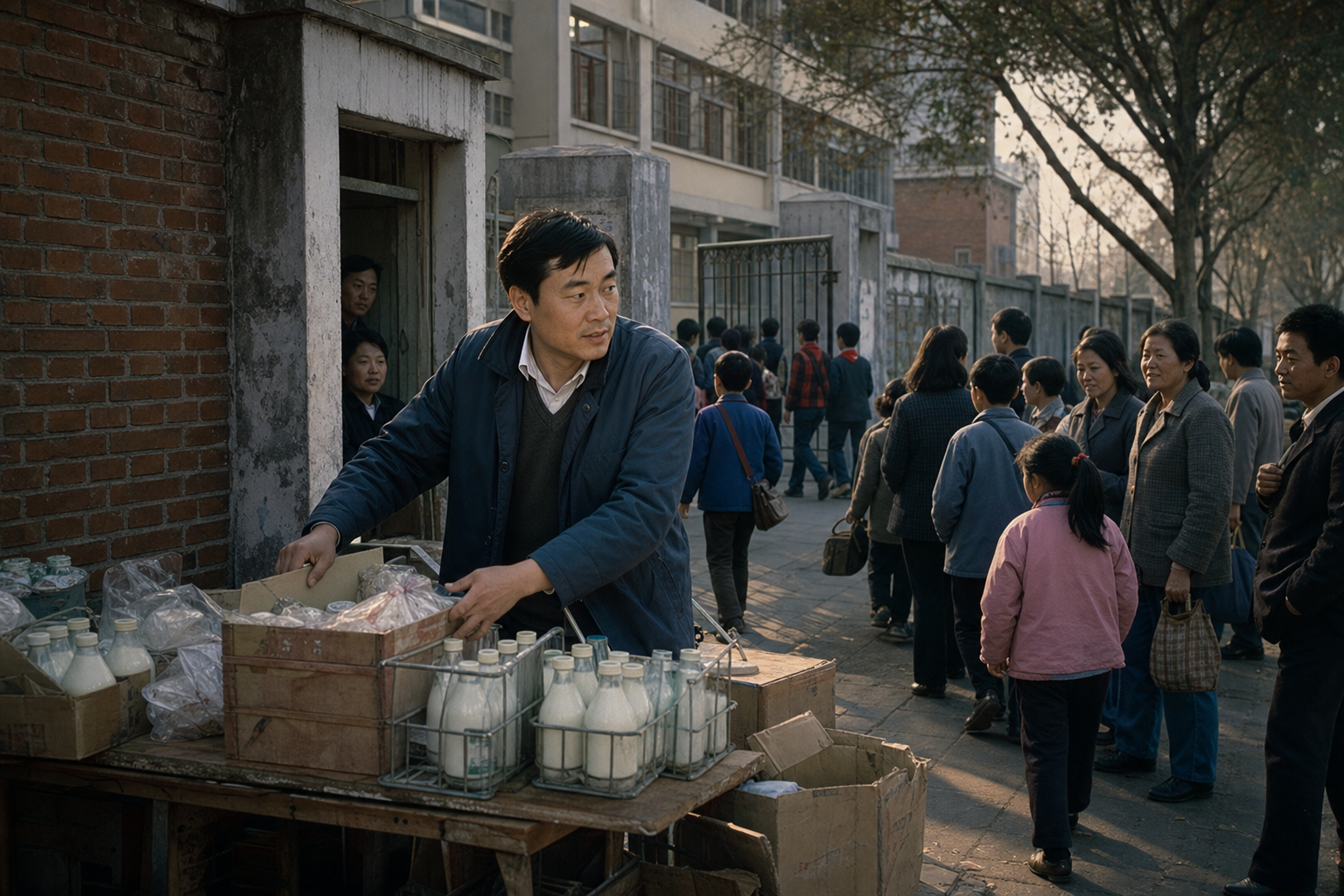
Zong’s rise arrived late by founder mythology standards. After years of manual and factory work, he took responsibility for a small distribution operation serving schools in Hangzhou in the late 1980s. The business sold milk and other products rather than inventing a new category.
That constraint was useful. Zong saw demand from the ground up. He learned which products parents trusted, how price shaped repeat purchase, and how quickly working capital could disappear into inventory.
Wahaha’s early nutritional products were aimed at children, a market where reassurance mattered as much as taste. The company combined a simple proposition with forceful distribution. It did not need every household to study a scientific argument; it needed parents to recognize the brand and retailers to keep it available.
Zong also pursued manufacturing scale. In consumer goods, a popular campaign without reliable output creates empty shelves for competitors. A factory without distribution creates expensive idle capacity. Wahaha linked the two.
The acquisition of an older state-owned food operation helped provide facilities and a larger platform. Zong’s reputation grew from making assets productive and pushing decisions quickly. He was building a company whose center of gravity remained operational.
Chapter 2: Distribution Became the Real Brand

China’s consumer market was never one market. Coastal cities, inland provinces, county towns, and villages differed in income, retail format, and logistics. National advertising could create awareness, but only a layered distribution network could turn that awareness into a cold bottle at the right counter.
Wahaha worked through regional dealers and local networks that understood their territories. The system rewarded movement and expanded reach beyond the most fashionable urban channels. This mattered when organized retail was less dominant and small outlets carried enormous influence.
The company also spread production geographically. Local factories could reduce freight burdens and align the business with regional stakeholders. Scale was not simply one enormous plant shipping everywhere. It was a web of capacity and channel relationships.
Zong’s frugality reinforced the model. Capital went toward productive assets, distribution, and market coverage. His public image—plain habits despite great wealth—matched a culture that admired endurance over corporate theater.
But distributor-led systems create tension. Channel inventory can disguise weak consumer demand. Dealers may chase incentives. A network optimized for mass products can respond slowly when tastes fragment into premium, low-sugar, functional, or highly personalized categories.
The strength of the machine depends on honest information moving back toward headquarters, not just cases moving outward.
Chapter 3: The Danone Alliance and the Price of Control
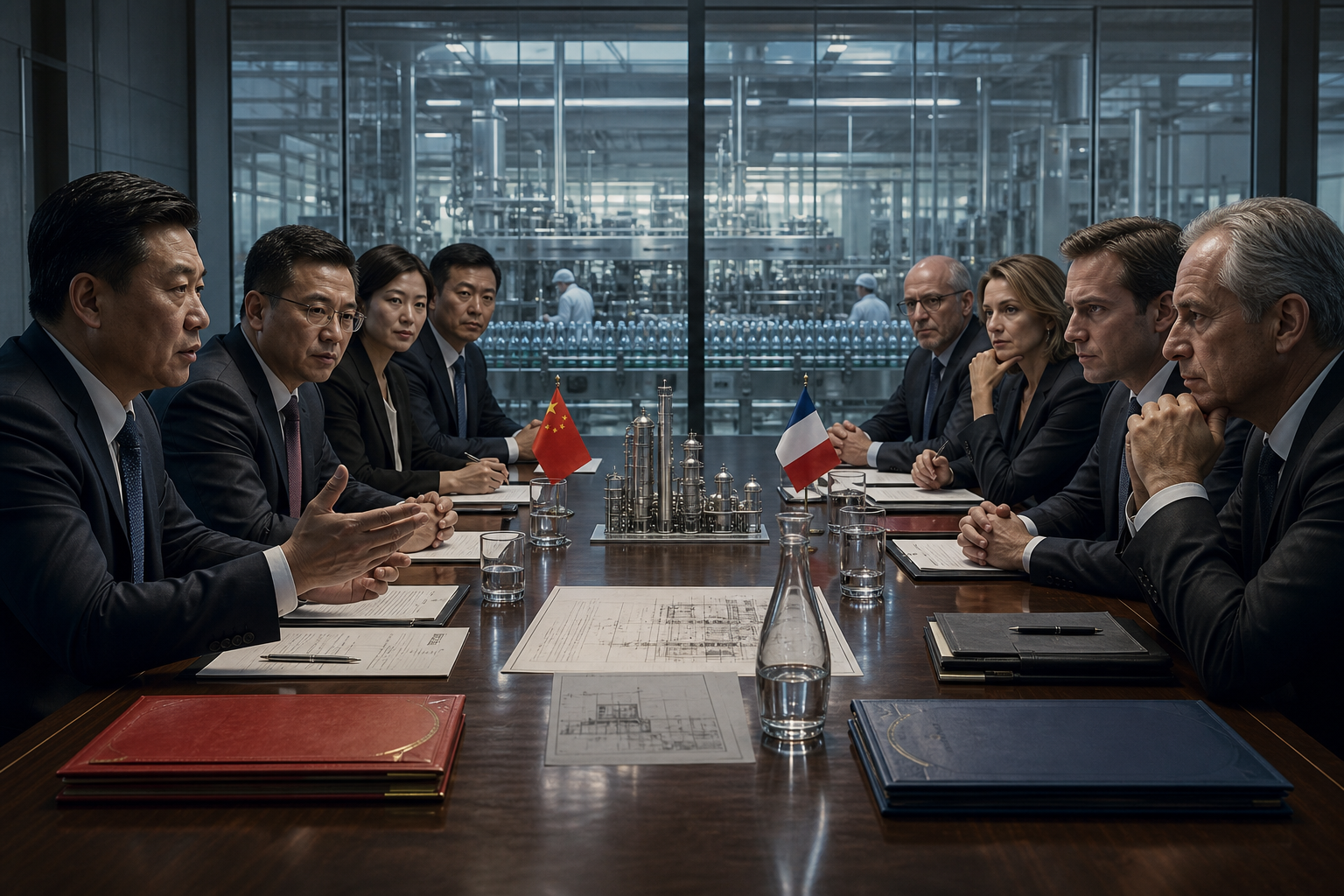
Wahaha’s joint ventures with France’s Danone helped bring capital, international experience, and scale. For a time, the partnership represented a common path in China’s opening economy: a strong local operator combined with a multinational partner.
The relationship later erupted into a public dispute over trademarks, related businesses, and control. Each side framed the economics differently. The conflict became larger than a contract disagreement because the Wahaha brand was inseparable from Zong’s identity and domestic legitimacy.
The episode showed why joint ventures become unstable when partners do not share the same definition of the asset. One party may see capital and contractual rights; the other may see relationships, execution, and a national brand built through local effort.
Zong proved exceptionally effective at rallying employees, dealers, and public sentiment. The eventual settlement ended the alliance, but the strategic lesson endured: foreign capital can accelerate growth while making governance more complicated precisely when the asset becomes most valuable.
Control protected Wahaha’s independence. It also left the company more dependent on a founder whose authority spanned operations, culture, and external relationships.
The Real Lesson

Zong died in 2024, leaving a company with enormous recognition and a difficult transition. Founder-built organizations often look decentralized because they contain many factories and distributors, yet remain deeply centralized around one person’s judgment.
Wahaha’s next challenge is not to abandon its operating discipline. It is to make that discipline adaptive. Younger consumers discover products through new channels. Health expectations change formulations. Convenience stores, e-commerce, and instant delivery alter the route to market. Brand history helps, but it cannot substitute for relevance.
Zong’s most durable insight is that consumer empires are physical systems. Someone must manufacture at the right cost, finance inventory, motivate the channel, and replenish the shelf. Digital attention can accelerate demand, but it cannot repeal those mechanics.
The risk is believing the same route will always lead to the same shelf. The factory gate was the source of Wahaha’s power. The future depends on whether the system beyond that gate can keep learning.
💡 Key Insights
- ▸ Wahaha's advantage was built in factories and distributor relationships, not only in advertising.
- ▸ Zong used joint ventures to accelerate scale, then fought fiercely over control and brand economics.
- ▸ A dense national channel can be a moat, but consumer shifts test systems built for an earlier retail era.
- ▸ Operational frugality created resilience while concentrating culture and authority around the founder.