Conrad Hilton: The Operating System Behind a Global Hotel Empire
Conrad Hilton turned individual hotels into a coordinated brand by standardizing operations, centralizing reservations, using financial discipline, and expanding globally.
View all stories about this mogul
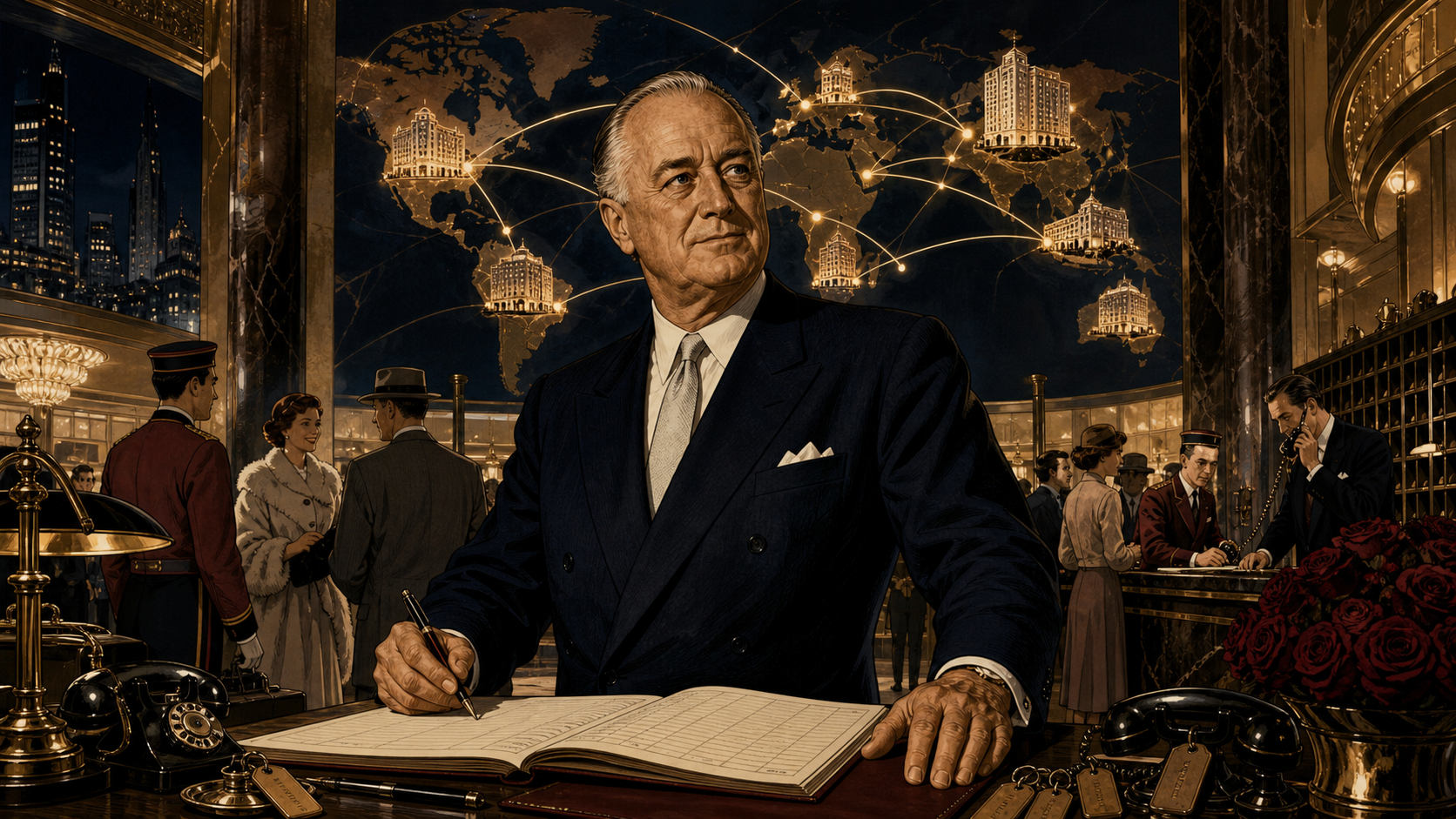
Conrad Hilton built more than a collection of hotels. He helped turn hospitality into a network in which a reservation, a name, and an operating standard could travel farther than the owner.
A hotel is intensely local. The building cannot move, unused rooms expire every night, employees deliver the experience in real time, and demand rises or falls with the surrounding city. Hilton’s strategic achievement was coordinating those local businesses so they could behave like one trusted system.
That system eventually influenced the modern separation of property ownership, hotel management, franchising, reservations, and brand distribution.
How did Conrad Hilton learn to treat rooms as perishable inventory?
Hilton was born in 1887 in the New Mexico Territory. His family operated a store and rented rooms to travelers, exposing him early to the economics of serving strangers far from home.
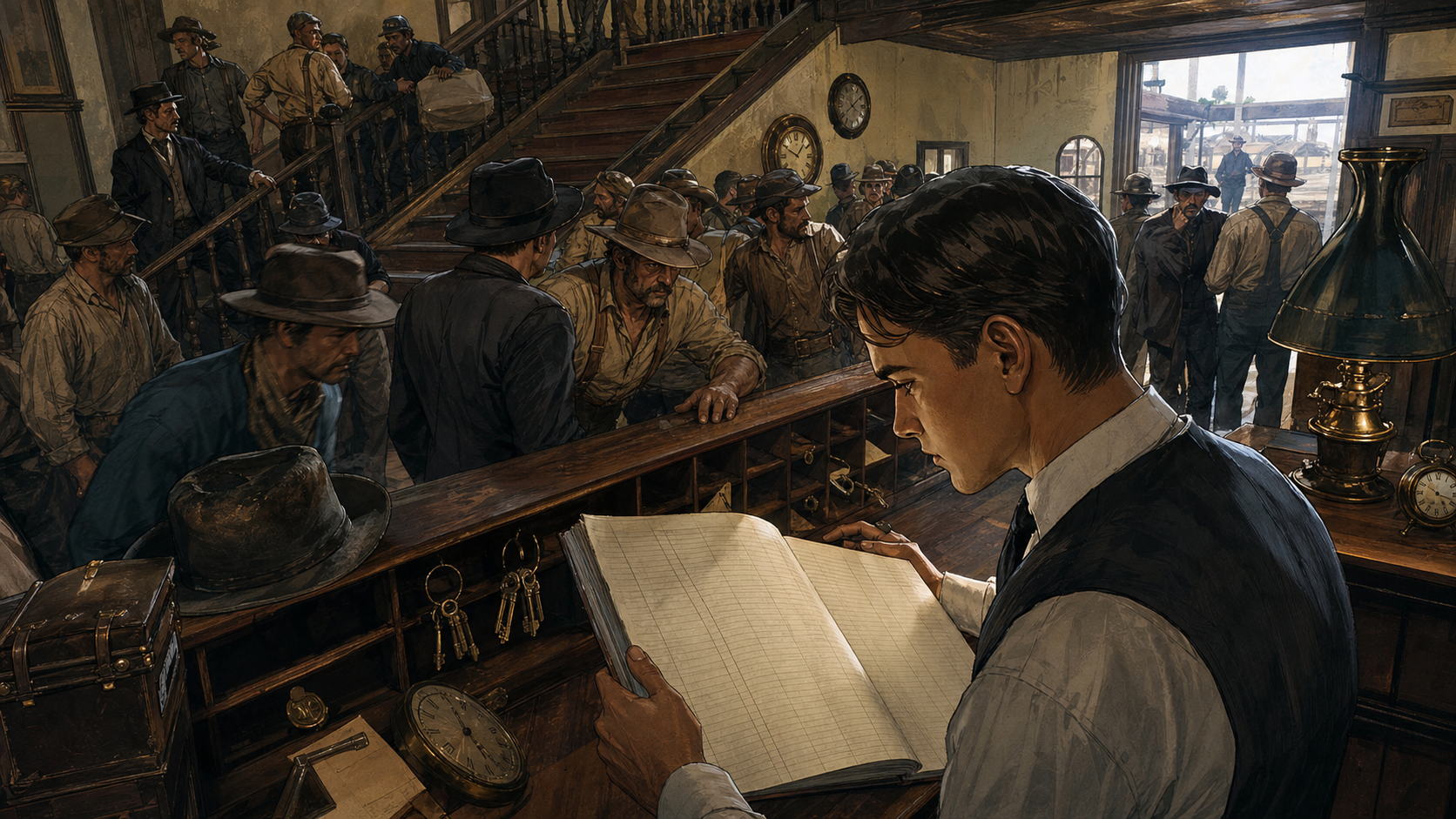
After military service during World War I, he went to Texas intending to enter banking. According to the familiar company history, a bank deal did not materialize, but he noticed heavy demand at the Mobley Hotel in Cisco. Oil workers were competing for rooms, and the property could rent the same room to different shifts within a day.
Hilton bought the Mobley in 1919. The lesson was immediate: a room night cannot be stored for next week. Occupancy, price, turnover, and service coordination determine whether capacity becomes revenue or disappears.
He looked for underused space and operating improvements. Retail concessions, reorganized lobbies, tighter housekeeping, and attention to guest flow could raise revenue without adding another floor. The hotel was both real estate and a daily production system.
Hilton expanded through Texas, sometimes using debt and partners. The Great Depression nearly destroyed the business and forced him to surrender properties and renegotiate control. Surviving that period taught a second lesson: glamorous buildings can hide fragile capital structures.
The recovery built his appetite for larger assets, including prominent hotels in major cities. Buying a known property gave Hilton location and demand; applying common management practices created the possibility of a chain.
Why did reservations and standards matter more than any single lobby?
Independent hotels could offer excellent service, but every trip began with uncertainty. A chain could transfer trust. If a traveler knew what the Hilton name implied in one city, that expectation reduced the risk of booking in another.
Consistency did not require identical architecture. It required dependable basics: reservation handling, cleanliness, room readiness, billing, food service, maintenance, and staff procedures. Standards turned a name into an operating promise.
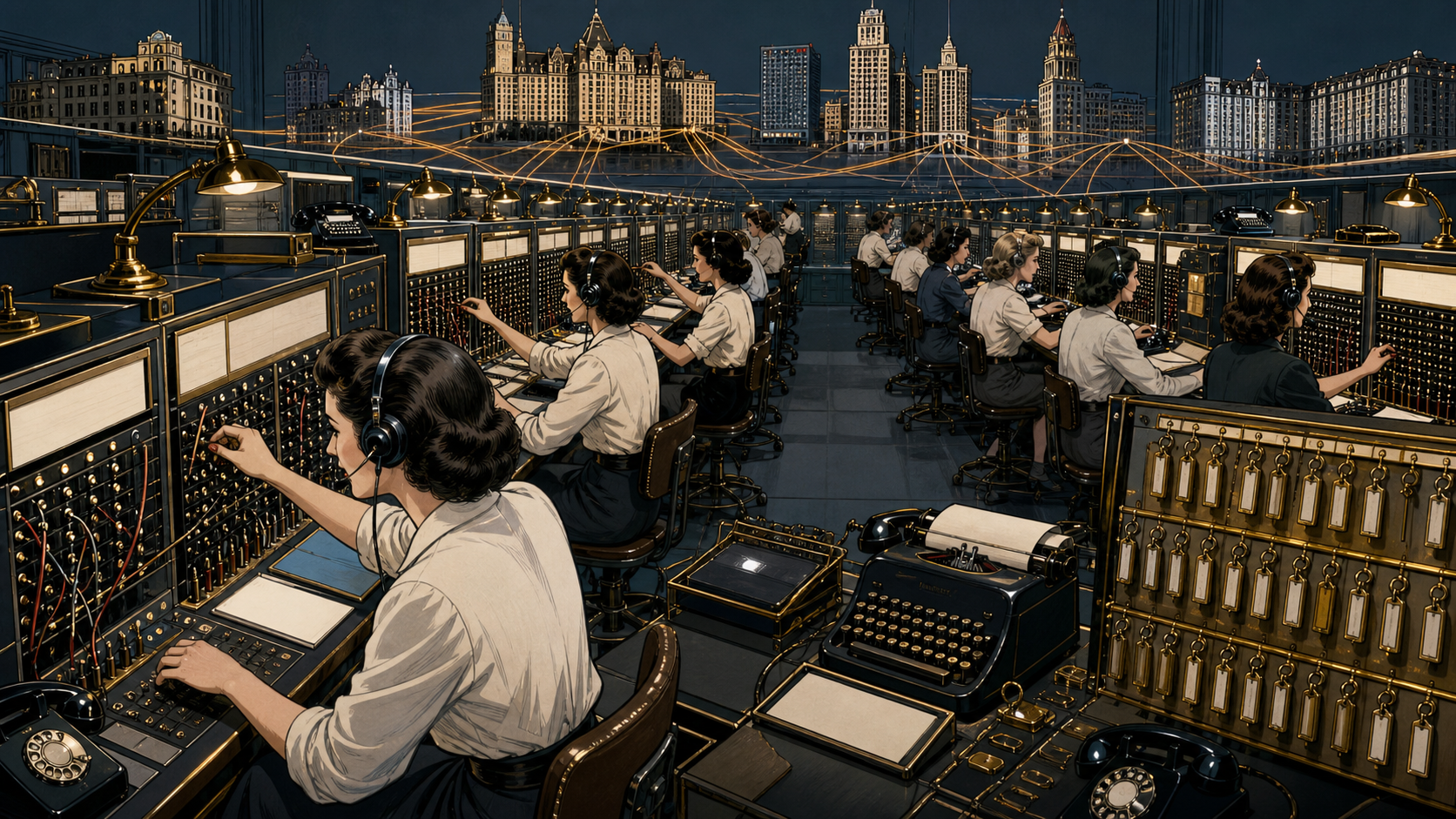
Centralized reservations made the properties more valuable together than apart. A sold-out hotel could redirect a customer. A travel planner could contact a system rather than each building. Shared marketing and sales relationships improved access to corporate groups and conferences.
Hilton Hotels Corporation became publicly traded in the 1940s. The company acquired major properties, including the Statler chain in the 1950s, a transaction that expanded reach and operating complexity. Scale improved purchasing, training, marketing, and financial access, but it also increased the cost of inconsistent execution.
Hotels blend fixed and variable economics. The building, debt, and core staff create large fixed costs. Serving one additional occupied room costs less than leaving it empty, within limits. That makes forecasting and distribution critical. Hilton’s network helped match perishable inventory with traveling demand before digital travel platforms existed.
The brand also entered popular culture through grand urban properties and glamorous international openings. Prestige attracted guests and partners, while the less visible systems made the experience repeatable.
How did Hilton make an American hotel brand travel globally?
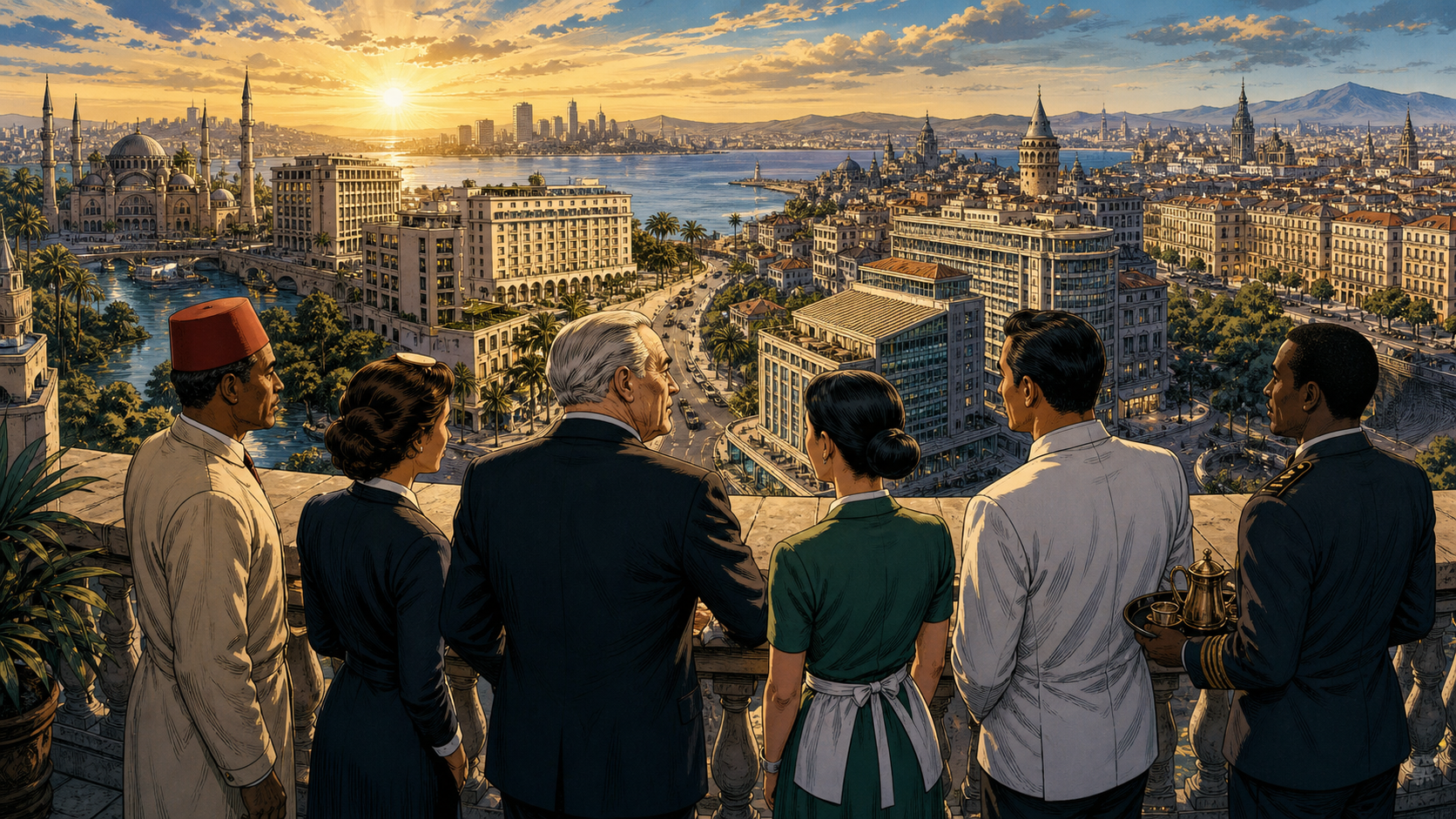
Postwar international expansion gave Hilton a role larger than accommodation. New hotels became symbols of American commerce and modernity in capital cities, while also depending on local employees, partners, politics, and customs.
International hotels required adaptation. Food, architecture, labor, regulation, currency, security, and guest expectations differed. The scalable product was therefore not a single building template. It was a management and brand system able to carry standards into different physical and cultural settings.
Over time, the wider hotel industry moved toward asset-light structures. A brand might franchise its name and distribution, manage a property for another owner, or combine arrangements. Separating ownership from operation allowed faster expansion with less corporate capital tied up in every building, while creating new governance problems around quality and incentives.
Conrad Hilton established the foundation that later leaders and organizations expanded. His wealth also funded the Conrad N. Hilton Foundation, created in 1944. The foundation became a separate philanthropic institution with work extending far beyond hotel markets.
Today’s reservation engines, loyalty programs, revenue-management systems, and global franchise networks are more sophisticated than Hilton’s early chain. The central logic is recognizable: connect local capacity to shared demand, make the experience trustworthy, and let the network learn faster than any one property.
Hilton’s empire was built from immovable buildings. Its real scale came from the movable parts—information, standards, capital, reputation, and customer relationships.
💡 Key Insights
- ▸ A service brand compounds when customers can transfer trust from one location to another.
- ▸ Central reservations transform scattered capacity into a coordinated network.
- ▸ Real-estate ownership, operations, and brand control can be separated as a company scales.
- ▸ Global expansion succeeds when standards travel without erasing local adaptation.