Isadore Sharp: The Four Seasons System Behind Personalized Luxury
Isadore Sharp built Four Seasons by narrowing the hotel model, standardizing service, and owning fewer buildings than the brand's global presence suggested.
View all stories about this mogul
Isadore Sharp built Four Seasons around an apparent contradiction: deliver a consistent global standard while making every guest feel individually recognized.
He was not born into a hotel dynasty. Sharp trained as an architect and worked in construction before opening a small motor hotel in Toronto in 1961. The first property did not resemble the polished urban and resort portfolio later associated with the name.
Four Seasons emerged through experimentation, strategic narrowing, and a belief that service behavior could be designed as rigorously as a building.
How did a builder discover the operating idea behind Four Seasons?

Sharp spent years trying to finance his first hotel. His construction background helped him understand sites, costs, and physical design, but hospitality introduced a different product: the guest’s sequence of human interactions.
Early Four Seasons properties tested different positions. Some served resort travelers, others urban markets. A London hotel opened in the 1970s became especially influential. Sharp saw an opportunity between grand traditional hotels and impersonal business accommodation: modern efficiency combined with highly attentive service.
The company eventually chose focus. It would operate medium-sized luxury hotels rather than compete across every price tier. Standard features that now sound ordinary—better beds, thoughtful bathrooms, fitness access, reliable business services—were treated as part of a coherent promise.
The deeper insight was emotional. Affluent travelers did not only buy marble and square footage. They bought reduced friction, recognition, privacy, and confidence that problems would be handled. Physical luxury could be copied. A culture capable of consistently making good judgment was harder to reproduce.
How did the Golden Rule become a management system?
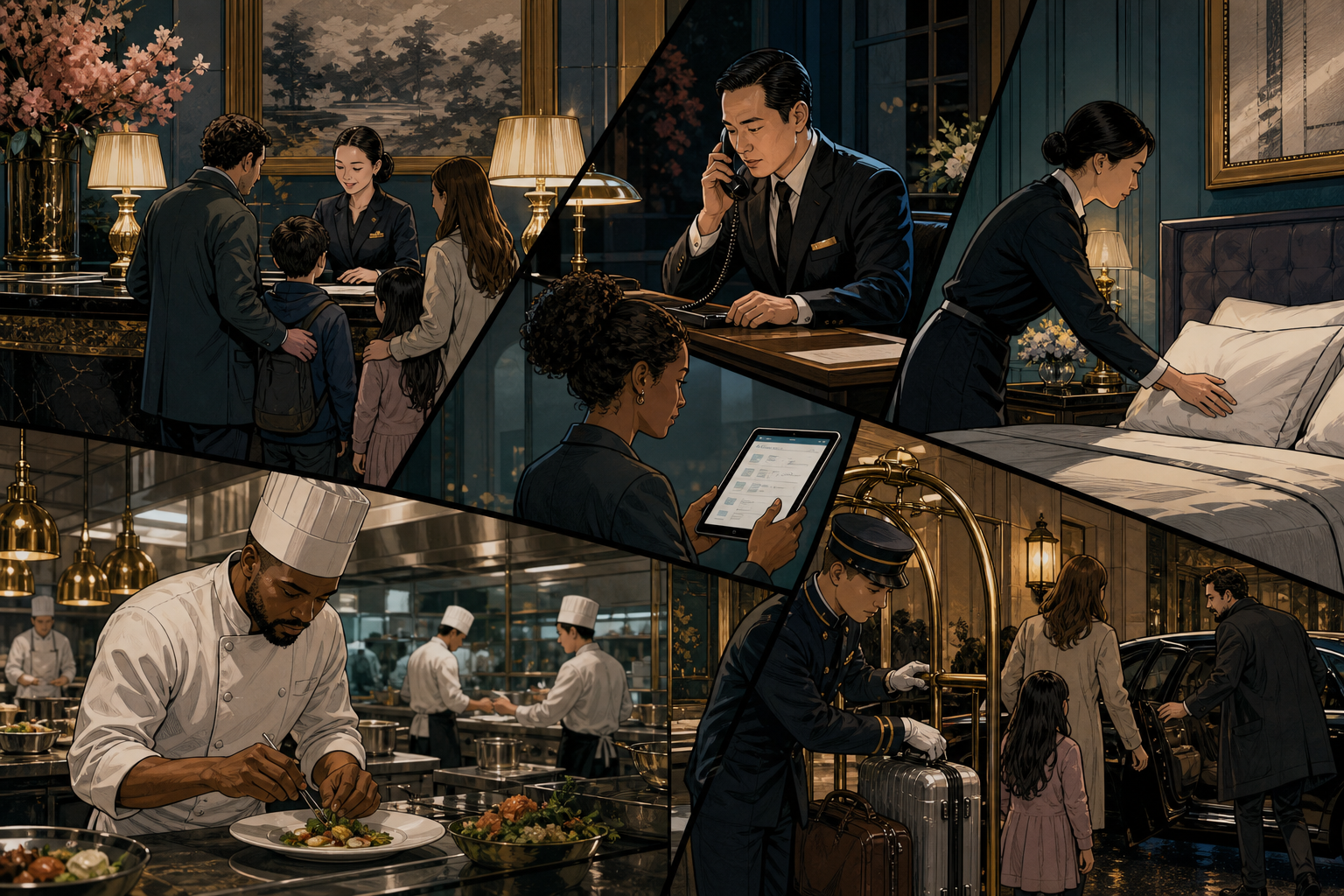
Sharp summarized the culture through the Golden Rule: treat others as you would want to be treated. In a corporate brochure, that could be empty. In hospitality, it becomes operational only when hiring, training, authority, staffing, and leadership reinforce it.
Frontline employees see failures first. A delayed room, dietary need, missed transport, or anxious family cannot always wait for a committee. Four Seasons built its reputation by enabling employees to solve individual problems within a strong service standard.
Treating employees well was not separate from treating guests well. Courtesy cannot be reliably demanded from people managed through humiliation and fear. Respect improved the likelihood that employees would use discretion with care and remain long enough to transmit tacit knowledge.
Consistency did not mean scripting every sentence. It meant creating reliable foundations—cleanliness, responsiveness, maintenance, privacy, and recovery—so personalization could happen on top. The brand standardized the conditions for judgment rather than attempting to automate hospitality into sameness.
Why did Four Seasons scale without owning every hotel?
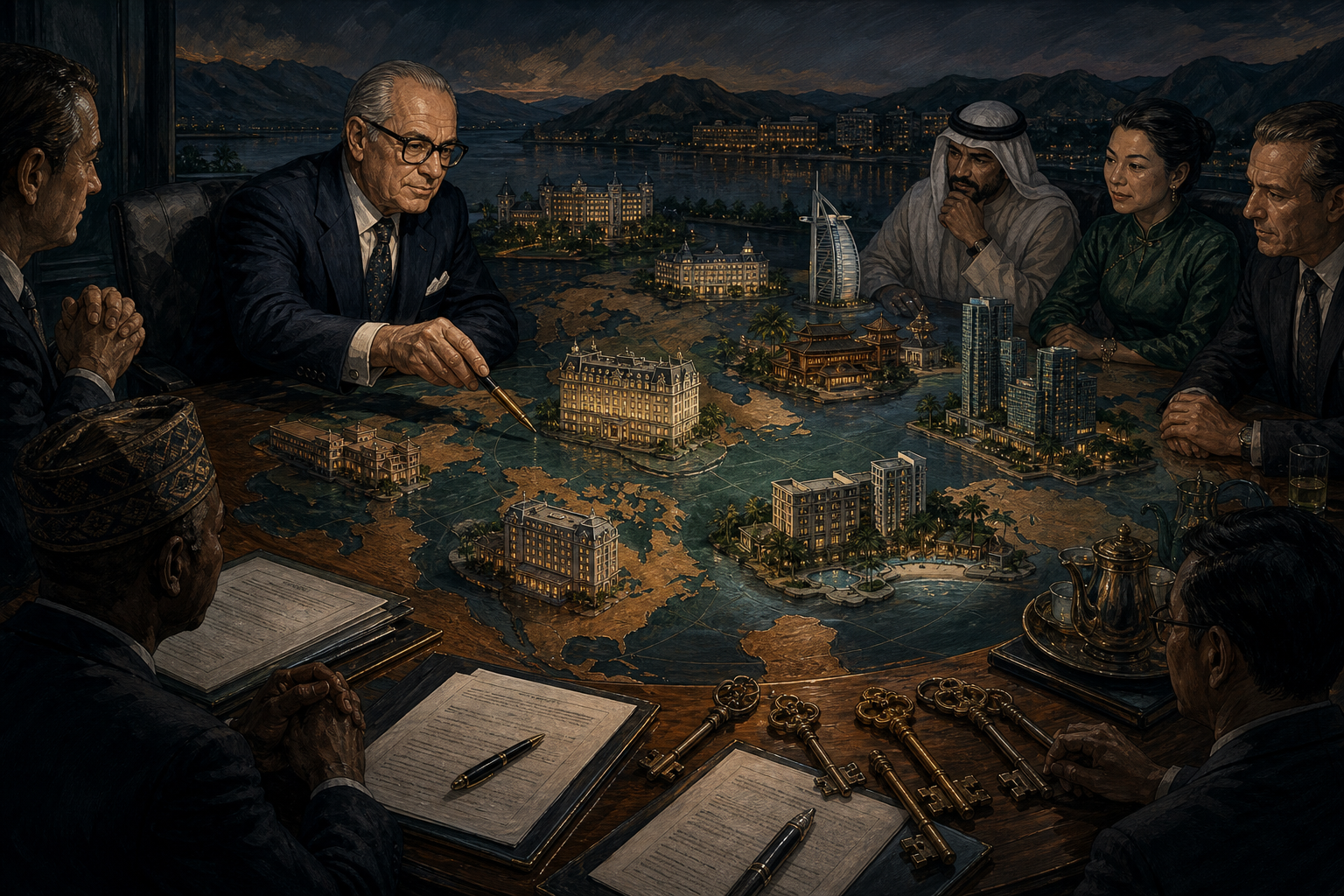
Hotels consume enormous capital. Owning each building would have limited expansion and tied the company to real-estate cycles. Four Seasons increasingly emphasized management contracts: property owners supplied much of the real estate capital, while Four Seasons provided the brand, operating system, and talent.
This asset-lighter structure allowed global growth, but it introduced a permanent tension. Owners care about returns, budgets, and asset value. The operator protects service standards that may require expensive staffing and maintenance. A luxury brand loses value if short-term savings make the guest promise unreliable.
The model also made reputation a concentrated risk. Four Seasons did not need to own a building for guests to blame the name when service failed. Contract selection, owner alignment, and quality control became as important as expansion.
Sharp helped take Four Seasons public and later private through a transaction involving Bill Gates’s Cascade Investment and Saudi Prince Alwaleed bin Talal. Ownership changed, but the strategic asset remained an intangible operating culture attached to a global name.
Isadore Sharp’s achievement was turning consideration into infrastructure. Four Seasons scaled not because every lobby looked identical, but because guests expected a similar quality of attention behind different doors. In a business filled with expensive physical assets, he proved that the most valuable property could be a repeatable way of treating people.
💡 Key Insights
- ▸ Luxury can be standardized as a service process without making the guest experience feel standardized.
- ▸ Strategic focus often comes from refusing attractive segments, not serving every customer.
- ▸ Management contracts let a brand scale expertise with less real-estate capital.
- ▸ Employee treatment is operational infrastructure when frontline judgment defines the product.