Huang Zheng: The Google Engineer Who Built Pinduoduo, Conquered Rural China, and Unleashed Temu on the World
He created the e-commerce platform that made Alibaba nervous by selling cheap goods to Chinese farmers. Then he launched Temu and started a price war with Amazon that terrified Western retail.
View all stories about this mogul
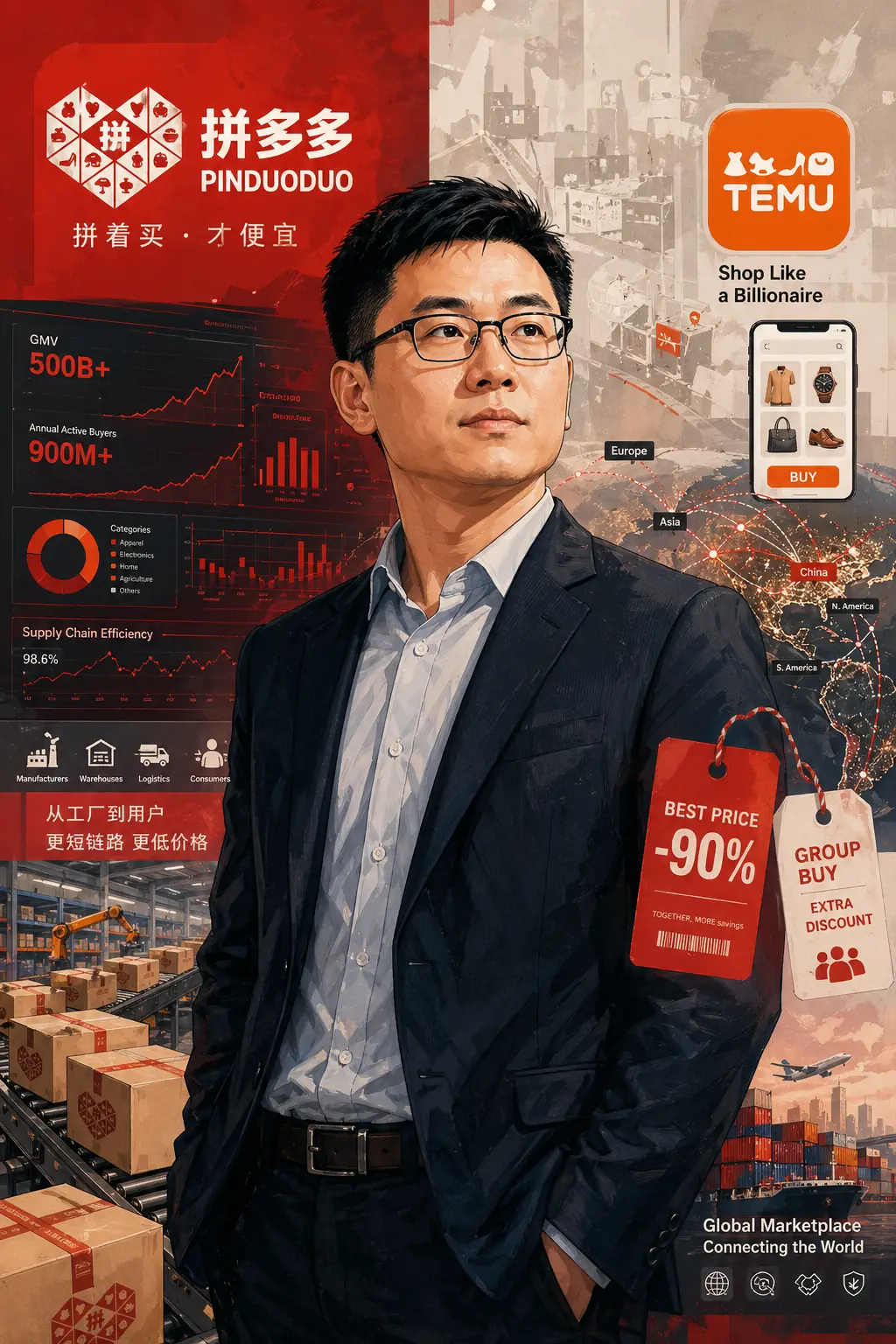
Huang Zheng built the most disruptive e-commerce company in the world by selling to people that Alibaba forgot existed. While Jack Ma’s empire focused on China’s urban middle class, Huang targeted the hundreds of millions of rural and low-income Chinese consumers who wanted to buy things but couldn’t afford Alibaba’s prices. He created Pinduoduo — a platform where users team up with friends to unlock bulk discounts on everything from fruit to furniture — and grew it to over 900 million active users in just five years. Then he launched Temu, the international version, and started a global price war that has Amazon, Shein, and traditional retailers scrambling to respond. By the time Western retail figured out what was happening, Huang had already become one of the richest people on Earth — and then, in perhaps his most audacious move, he walked away.
Chapter 1: The Factory Town Kid (1980–2004)

Huang Zheng was born in 1980 in Hangzhou, China — coincidentally the same city where Jack Ma had founded Alibaba just a year earlier. But while Ma grew up in relative poverty, Huang’s parents were factory workers in Hangzhou’s manufacturing district. The city was the heart of China’s export economy, surrounded by factories that produced goods for the entire world at astonishingly low prices.
Growing up in this environment gave Huang an intuitive understanding of manufacturing economics that would later become Pinduoduo’s core advantage. He understood that Chinese factories could produce high-quality goods at prices that Western consumers would find unbelievable — and that the markup between factory cost and retail price was enormous, with most of the value captured by brands, distributors, and retailers rather than by the factories themselves.
Huang was an exceptional student. He attended Zhejiang University, one of China’s top schools, where he studied computer science. He earned his master’s degree at the University of Wisconsin-Madison, then joined Google in 2004. He was one of Google’s early employees in China and worked on the company’s search and advertising infrastructure. The Google years gave him expertise in algorithms, data analysis, and user behavior — skills that would prove essential for building Pinduoduo.
Chapter 2: Serial Entrepreneur — Learning the Game (2007–2015)

Huang left Google in 2007, reportedly with a significant stake earned from the company’s IPO. He returned to China and began a series of entrepreneurial ventures. His first company, Ouku.com, was an e-commerce site that sold electronics. He built it up and sold it for a profit. His second company, a gaming startup, was also successful. Each venture was a learning experience — teaching Huang about Chinese consumer behavior, supply chain management, and the mechanics of building and scaling internet platforms.
During this period, Huang was mentored by several influential figures in the Chinese tech industry, including Colin Huang’s former Google colleagues and, reportedly, Duan Yongping — the founder of BBK Electronics (parent company of Oppo and Vivo) and one of China’s most successful serial entrepreneurs. Duan’s influence on Huang was significant: he taught Huang about consumer psychology, brand-building, and the importance of understanding what ordinary people actually want rather than what tech elites think they should want.
By 2015, Huang had accumulated both capital and knowledge. He had seen that China’s e-commerce market, while enormous, had a massive underserved segment: the hundreds of millions of people in smaller cities, towns, and rural areas who were coming online through cheap smartphones but who found Alibaba’s Taobao and JD.com too expensive or too complicated.
Chapter 3: The Birth of Pinduoduo — Group Buying Meets Social Media (2015)

Huang launched Pinduoduo in September 2015 with a deceptively simple concept: group buying through social media. Users could browse products at regular prices, but if they shared a deal with friends on WeChat (China’s dominant messaging app) and convinced enough people to join a group purchase, everyone in the group got a significant discount.
The mechanics were genius. The group-buying model solved multiple problems simultaneously. For consumers, it offered lower prices than any competitor. For sellers, it provided guaranteed volume — a manufacturer could offer a massive discount because they knew exactly how many units would sell. For Pinduoduo, it provided viral growth — every group purchase was, in effect, a marketing event, with users actively recruiting friends to the platform.
The WeChat integration was critical. China’s internet is organized around WeChat in a way that has no Western equivalent. By embedding Pinduoduo’s group-buying links within WeChat, Huang turned social messaging into a shopping channel. Users weren’t going to a website to shop — they were encountering deals within their existing social conversations. The friction of discovery was eliminated.
Chapter 4: The Rural Revolution — Serving 800 Million Forgotten Consumers (2016–2018)
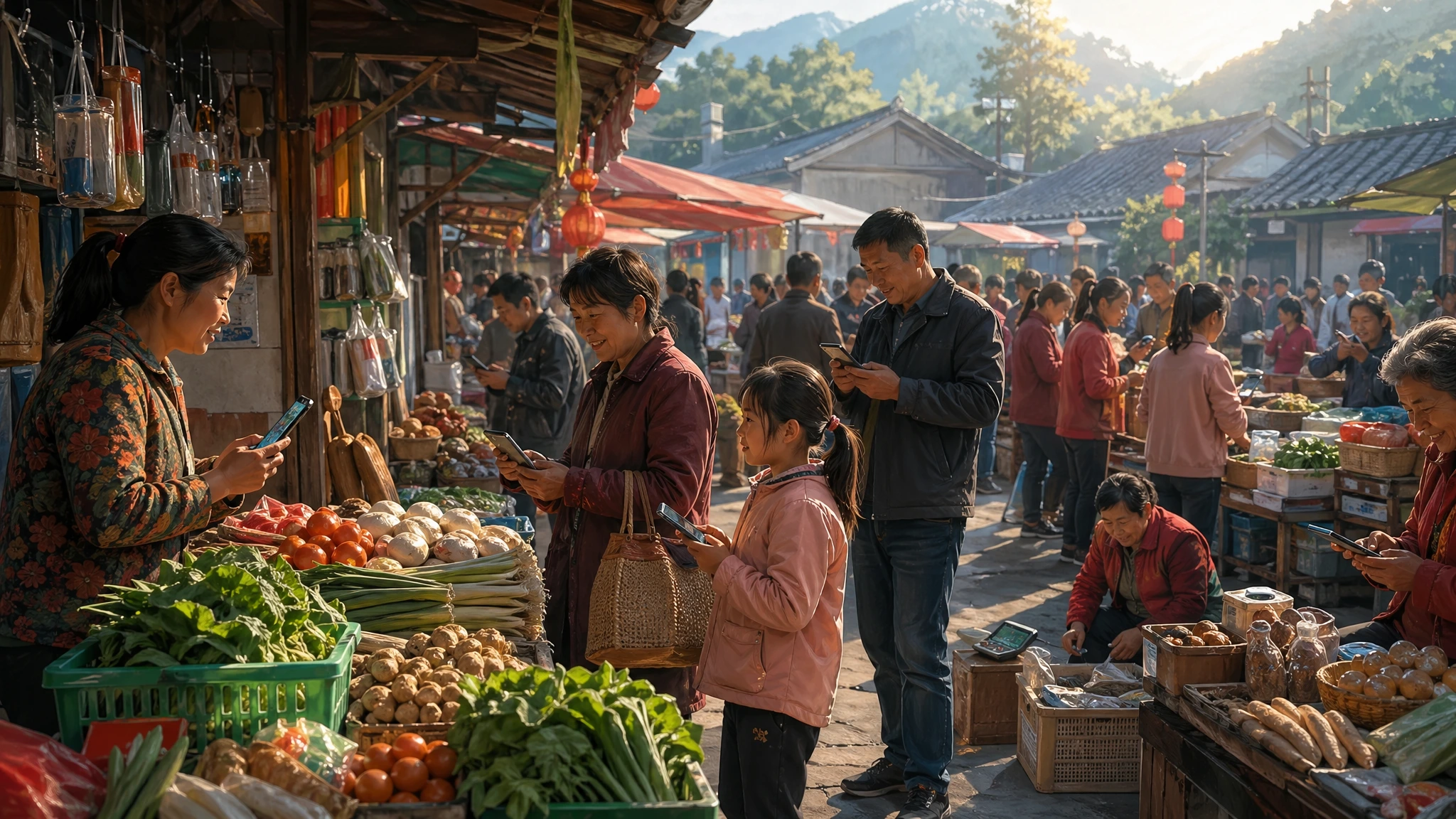
Pinduoduo’s growth was explosive and concentrated in a demographic that China’s tech establishment had ignored: residents of lower-tier cities (third, fourth, and fifth-tier cities) and rural areas. These consumers, numbering in the hundreds of millions, had recently gained internet access through affordable smartphones but had limited disposable income and were intimidated by the complexity of platforms like Taobao.
Pinduoduo’s interface was deliberately simple — almost aggressively so. Product pages featured large photos, prominent prices, and minimal text. The shopping experience felt more like browsing a village market than navigating a digital storefront. The simplicity was not a design limitation but a strategic choice: Huang designed for users who might be browsing on a low-end phone, who might not be comfortable with complex interfaces, and who wanted the lowest price above all else.
The products on Pinduoduo reflected its audience: fresh produce, household basics, affordable clothing, and everyday necessities. Quality was initially inconsistent — the platform was criticized for hosting counterfeit goods and low-quality products. Huang responded by investing in quality controls and verification systems, but the bargain-hunting DNA of the platform meant that price always took priority over brand prestige.
Chapter 5: The NASDAQ IPO and the Alibaba Challenge (2018)

Pinduoduo went public on NASDAQ in July 2018, just three years after its founding. The IPO valued the company at approximately $24 billion, making Huang Zheng one of the richest people in China overnight. The speed of the ascent was remarkable — no Chinese tech company had gone public so quickly after founding.
Alibaba was rattled. Jack Ma’s empire had dominated Chinese e-commerce for over a decade, and suddenly a competitor was growing at a rate that threatened Alibaba’s user base. Alibaba responded aggressively: it launched competing group-buying features, invested in budget-oriented platforms, and reportedly pressured merchants not to sell on Pinduoduo.
Huang was unfazed. He argued that Pinduoduo wasn’t competing with Alibaba for existing e-commerce spending — it was creating new demand by reaching consumers who hadn’t been shopping online at all. The argument had merit: Pinduoduo’s user growth was concentrated in demographics that overlapped minimally with Alibaba’s core customer base. The two platforms were serving different Chinas.
Chapter 6: 900 Million Users — Bigger Than Amazon (2019–2021)

Pinduoduo’s growth continued at a pace that was difficult to comprehend. By 2021, the platform had over 900 million active users — making it the largest e-commerce platform in China by user count (though Alibaba remained larger by revenue). The company had grown from zero to 900 million users in six years, a speed of adoption that exceeded even WeChat’s legendary growth curve.
The platform evolved beyond group buying. Pinduoduo introduced a gamification layer — users could earn credits, play games, and participate in promotions that made shopping feel like entertainment. The “Duo Duo Orchard” feature, where users virtually grew fruit trees by shopping and engaging with the app (and received real fruit when the virtual tree matured), was wildly popular. These gamification features increased engagement, time spent on the platform, and purchase frequency.
Revenue grew proportionally. In 2021, Pinduoduo generated over $14 billion in revenue, primarily from advertising fees charged to merchants. The company had achieved profitability and was generating billions in free cash flow. Huang had built one of the most valuable companies in China in less time than most startups take to achieve product-market fit.
Chapter 7: Huang Steps Down — The $100 Billion Exit (2021)

In March 2021, Huang Zheng made a stunning announcement: he was stepping down as chairman of PDD Holdings (Pinduoduo’s parent company) to pursue research in food and life sciences. He was forty-one years old, and the company he had founded was worth over $150 billion. He transferred his voting power to the management team and stepped away from day-to-day operations.
The decision mystified observers. Tech founders don’t typically walk away from $100+ billion companies at the peak of their powers. The common explanations — burnout, regulatory pressure, desire for a different life — all contained some truth but none felt complete. Huang had been operating at an extraordinary intensity for six years, building one of the fastest-growing companies in history. The toll was real.
There was also a regulatory context. Chinese tech companies were under increasing scrutiny from Beijing. Jack Ma’s public criticism of Chinese regulators had resulted in the cancellation of Ant Group’s IPO and massive fines for Alibaba. Huang, who was characteristically quiet about politics, may have calculated that stepping away from the spotlight was the wisest course during a period of regulatory uncertainty.
Chapter 8: Temu — The Global Price War Begins (2022–2024)
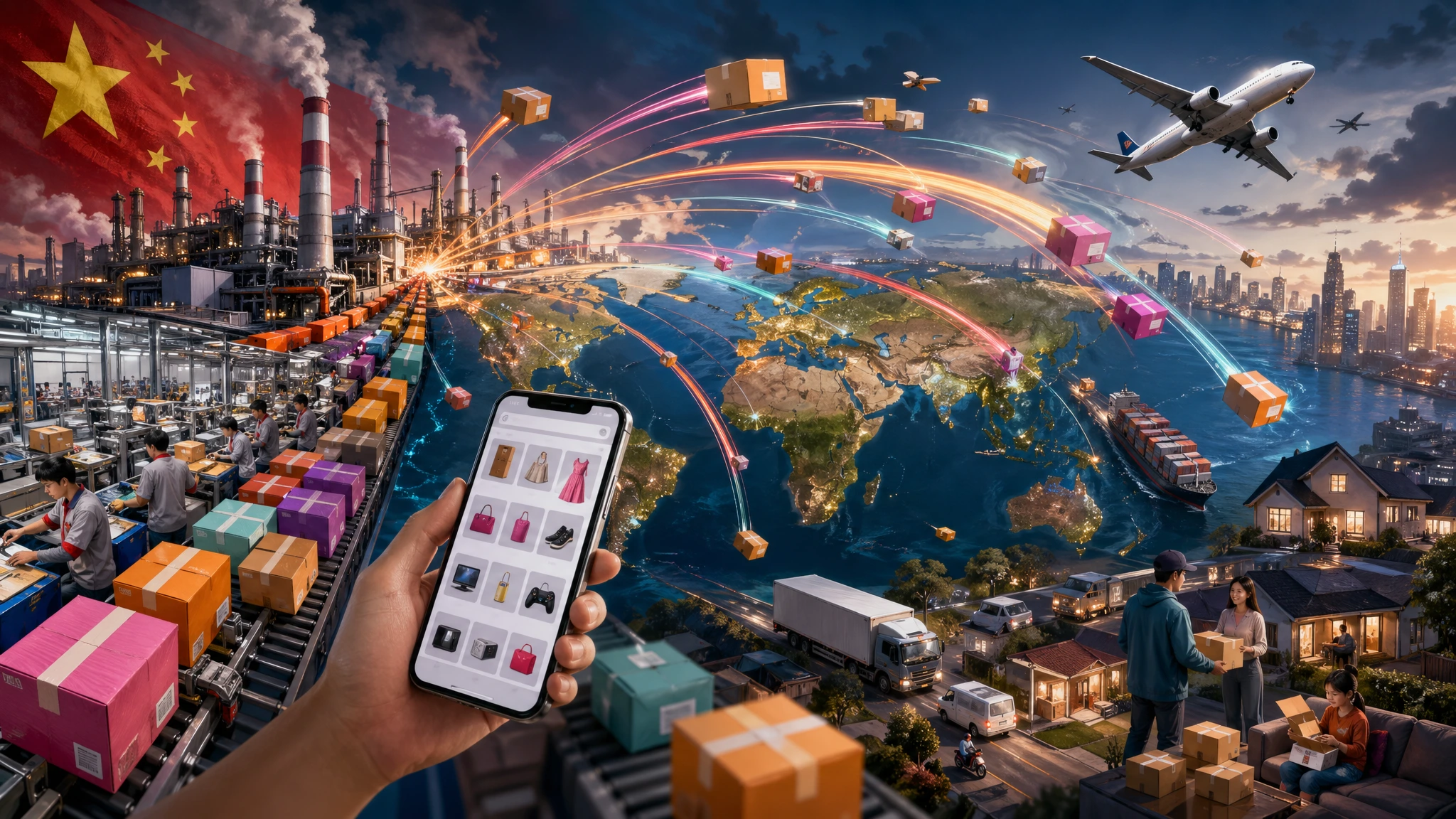
In September 2022, PDD Holdings launched Temu — an international e-commerce platform that would become one of the most downloaded apps in the world within months. Temu’s proposition was simple: direct-from-factory prices on consumer goods, shipped from China to customers in the US, Europe, and other Western markets.
The prices were astonishing. Products that sold for $20-30 on Amazon were available for $3-5 on Temu. The economics were possible because Temu connected consumers directly with Chinese manufacturers, eliminating the brand markups, distributor margins, and retailer markups that inflate prices in traditional retail. The trade-off was slower shipping (typically 7-15 days) and variable quality.
Temu’s marketing was aggressive to the point of saturation. The company spent hundreds of millions on advertising, including a Super Bowl ad in 2023. Its referral program incentivized users to recruit friends. The app’s gamification features — spinning wheels, scratch cards, daily credits — were designed to maximize engagement and time spent. Within two years, Temu had over 150 million monthly active users globally.
Chapter 9: The Backlash — Trade, Labor, and Data Concerns (2023–2025)

Temu’s rapid growth triggered a backlash from Western governments, competitors, and consumer advocates. The concerns were multifaceted. Trade policy experts argued that Temu exploited the “de minimis” loophole in US customs law, which allowed packages valued under $800 to enter the country duty-free, enabling Temu to undercut domestic retailers who paid tariffs.
Labor and environmental advocates raised concerns about working conditions in the Chinese factories that supplied Temu’s ultra-cheap goods. Reports of long hours, low wages, and inadequate safety standards echoed the criticisms that had been directed at fast fashion brands like Shein. Temu responded that it required suppliers to comply with labor and environmental standards, but enforcement was difficult to verify.
Data privacy concerns were perhaps the most politically potent. As a Chinese-owned platform collecting data from hundreds of millions of Western users, Temu faced the same scrutiny that had led to attempted bans of TikTok. European regulators began investigating Temu’s data practices. US lawmakers called for restrictions on Chinese e-commerce platforms. The geopolitical risks to Temu’s business model were significant and growing.
Chapter 10: PDD Holdings’ Market Cap Surge (2023–2024)

Despite — or perhaps because of — the controversy, PDD Holdings’ stock price surged. The company’s market capitalization exceeded $200 billion in 2024, briefly surpassing Alibaba — a symbolic milestone that would have been unthinkable five years earlier. The student had surpassed the master, at least by one measure.
The market valued PDD Holdings’ combination of Pinduoduo’s dominance in China and Temu’s explosive international growth as one of the most compelling growth stories in global technology. Revenue grew by triple digits, driven by advertising revenue on both platforms and the sheer volume of transactions flowing through the system.
Huang Zheng’s personal net worth, estimated at over $50 billion at PDD’s peak valuation, made him one of the richest people in Asia. The fortune was remarkable given that Huang had founded his first major company less than a decade earlier and had already stepped away from active management. His wealth was a testament to both the scale of the opportunity he had identified and the speed with which he had captured it.
Chapter 11: The Business Model — How Temu Actually Works
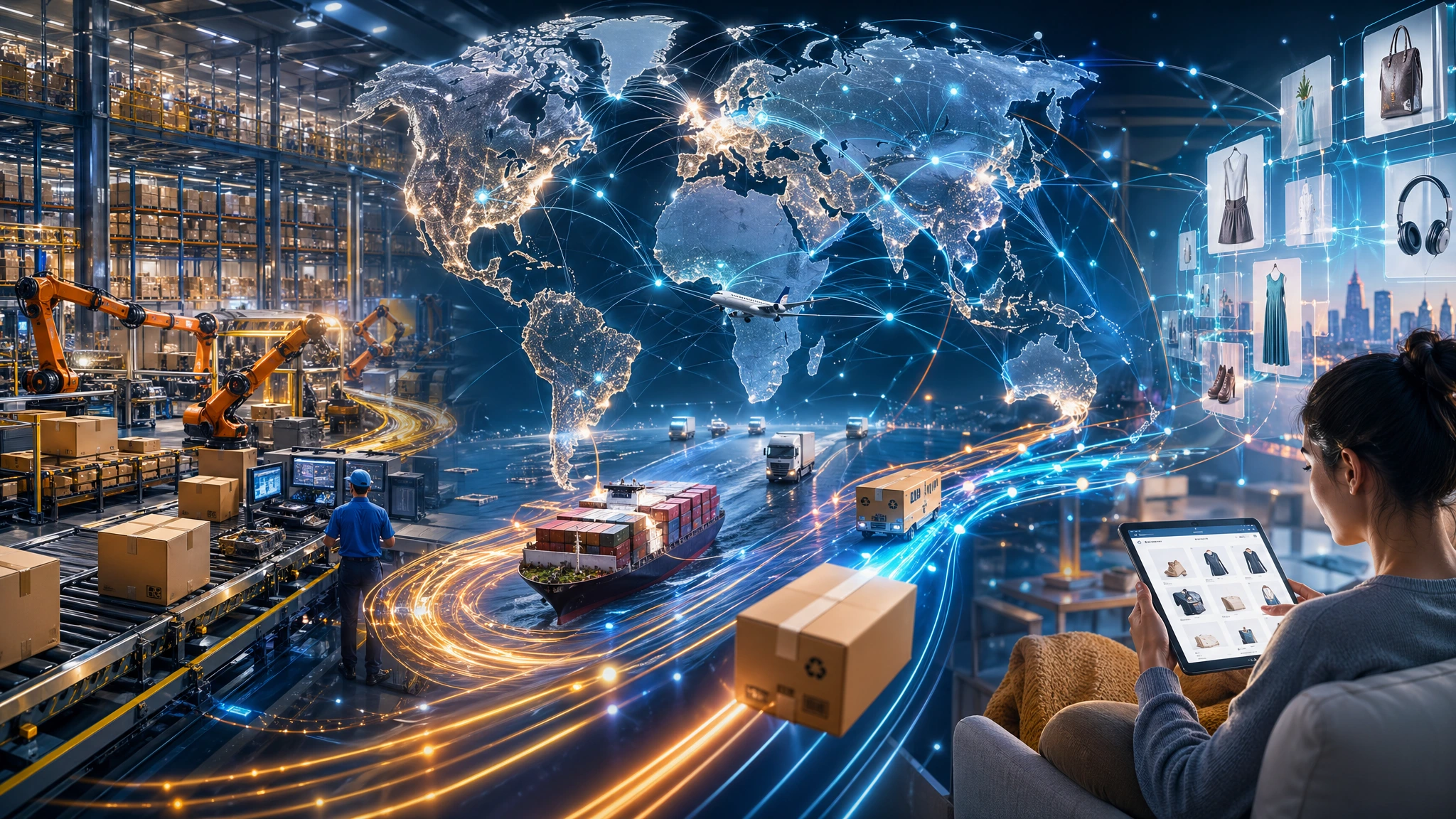
Temu’s business model is built on three pillars: direct factory sourcing, aggressive marketing subsidy, and algorithmic personalization. Unlike Amazon, which operates as a marketplace where sellers manage their own pricing and fulfillment, Temu manages the end-to-end process: it identifies products from Chinese manufacturers, sets prices, handles marketing, and manages international logistics.
The pricing strategy involves deliberate loss-making on many products to acquire customers. Temu subsidizes prices to attract users, betting that once they experience the platform’s low prices and breadth of selection, they’ll become repeat customers whose lifetime value justifies the initial loss. This strategy requires enormous capital — PDD reportedly spent billions on marketing and subsidies in Temu’s first two years.
The algorithmic recommendation engine is central to the experience. Like TikTok’s content algorithm, Temu’s product recommendations learn from user behavior and optimize for engagement and purchase conversion. Users who spend time browsing are served increasingly targeted suggestions, creating a shopping experience that feels personalized and, for many users, addictive.
Chapter 12: Legacy — The Man Who Democratized Commerce
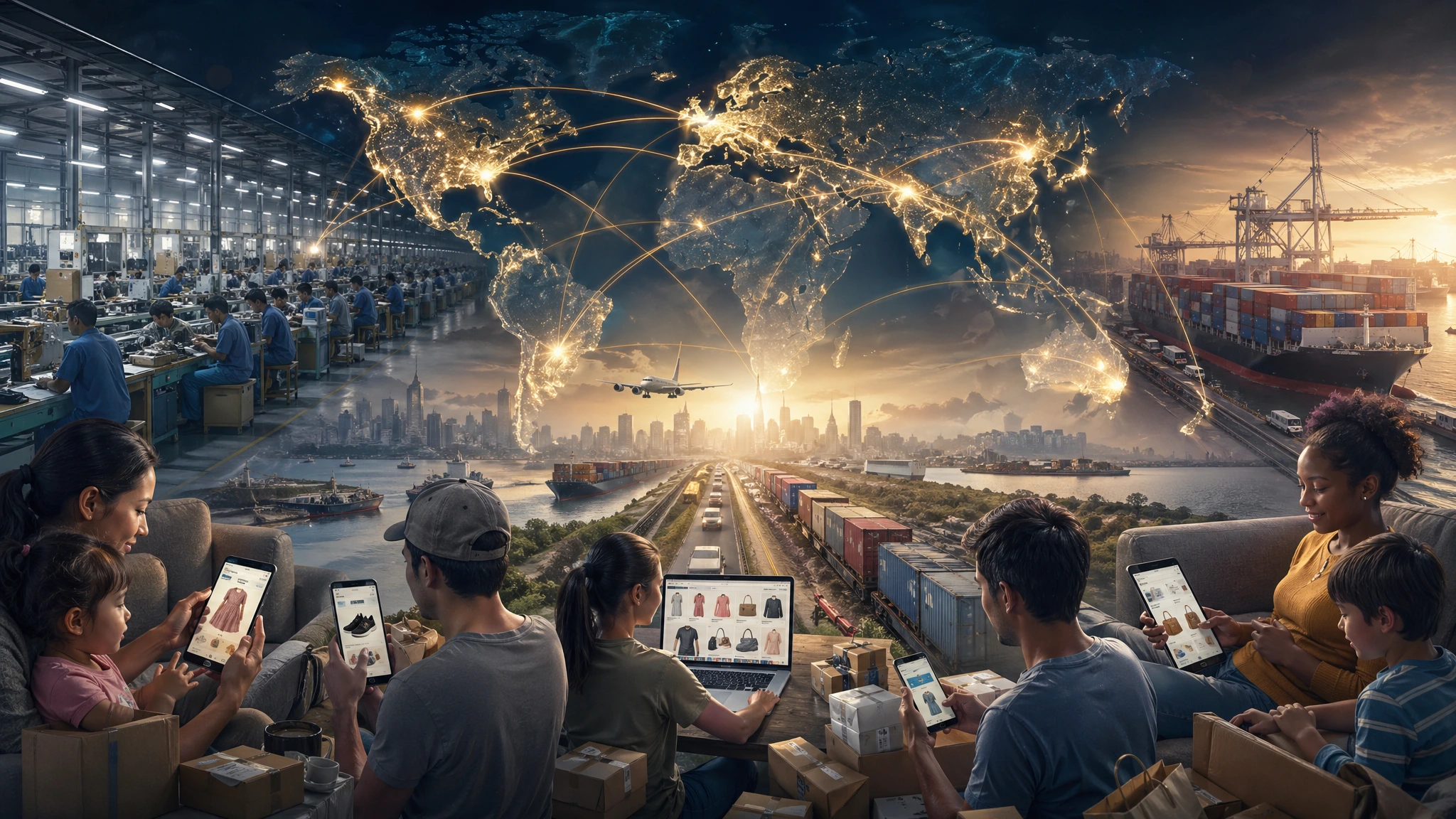
Huang Zheng’s legacy is about access. He built platforms that gave hundreds of millions of people access to goods they couldn’t previously afford — first in rural China, then globally. Whether you view that as democratization of commerce or a race to the bottom depends on your perspective on the trade-offs involved: lower prices for consumers versus potential exploitation of workers, environmental impact, and disruption of local economies.
His personal trajectory — from factory town to Google to serial entrepreneur to billionaire to semi-retirement at forty-one — is one of the most concentrated wealth creation stories in history. He built a $200+ billion company in less time than most people spend on a single career chapter.
The questions his platforms raise will define global commerce for years to come. Can Western retail survive when Chinese factories sell directly to consumers? Can the de minimis trade loophole survive the political pressure Temu has created? Can consumer demand for cheap goods be reconciled with fair labor and environmental standards?
Huang Zheng didn’t create these tensions — they existed long before Pinduoduo and Temu. But he exposed them with a clarity and scale that makes them impossible to ignore. The factory worker’s son from Hangzhou built platforms that connect the world’s cheapest manufacturers with the world’s most price-sensitive consumers. The result is a commercial revolution whose consequences are still unfolding.
💡 Key Insights
- ▸ Huang Zheng found a massive market that Alibaba and JD.com had overlooked: hundreds of millions of price-sensitive rural Chinese consumers who wanted deals, not brands. Pinduoduo's group-buying model turned shopping into a social game.
- ▸ Temu's international expansion is the most aggressive e-commerce land grab since Amazon. By shipping directly from Chinese factories to Western consumers at near-cost prices, Temu threatens the entire value chain of Western retail.
- ▸ Huang's decision to step down as chairman at age 41 — walking away from a $100+ billion company — is either the most disciplined exit in tech history or the setup for an even more ambitious act two.