The Unseen Empire: How the Mars Family Forged a Billion-Dollar Dynasty in the Shadows
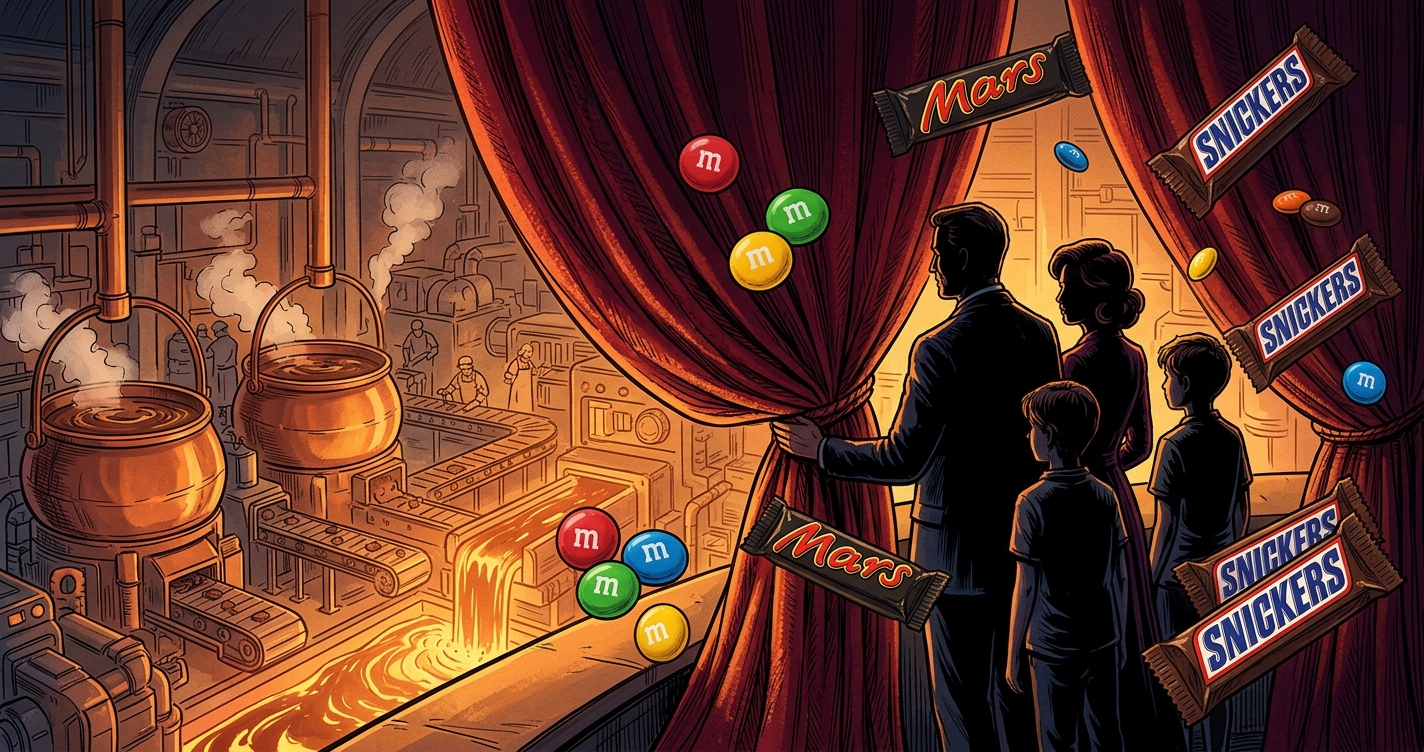
Behind the cheerful wrappers of M&M's and the comforting crunch of Snickers lies a dynasty unlike any other – the Mars family, America's most private billionaires. This isn't just a story of candy; it's a saga of ruthless ambition, family feuds, staggering wealth, and an almost pathological devotion to secrecy that built a multi-trillion-dollar empire spanning treats, pet care, and beyond.
View all stories about this mogul
😈 Chapter 1: Ghost in the Machine – The Empire You Never See

Picture this: You’re standing in a grocery store aisle. Your eyes scan the vibrant landscape of snacks, a kaleidoscope of sugar and crunch. You pick up a Snickers bar. Later, you grab a bag of M&M’s. Maybe you even toss a bag of Pedigree dog food into your cart, or buy a pack of Wrigley’s gum. You’re interacting with an empire, a titan of industry, a multi-trillion-dollar behemoth whose products touch billions of lives every single day.
But here’s the kicker: You know almost nothing about the people who own it.
This isn’t some Silicon Valley startup with a charismatic CEO plastered on every magazine cover. This isn’t a Wall Street darling whose quarterly earnings are dissected by pundits. This is Mars, Incorporated, and the Mars family. They are, quite simply, the most private, most intensely secretive billionaire dynasty in America. Forget the Rockefellers, the Rothschilds, the Kennedys – their lives are open books compared to the Mars clan.
We’re talking about a family whose net worth rivals entire national economies, yet whose faces are rarely seen, whose voices are almost never heard. They operate from the deepest shadows, a ghost in the machine of global capitalism, pulling levers you didn’t even know existed. Their story isn’t just about candy and cash; it’s a high-stakes drama of ambition, exile, innovation, and an almost pathological obsession with privacy that shaped one of the world’s most successful and enigmatic companies. Welcome to the unseen empire.
💥 Chapter 2: The Original Sinner – Frank C. Mars and the Sweet Seduction
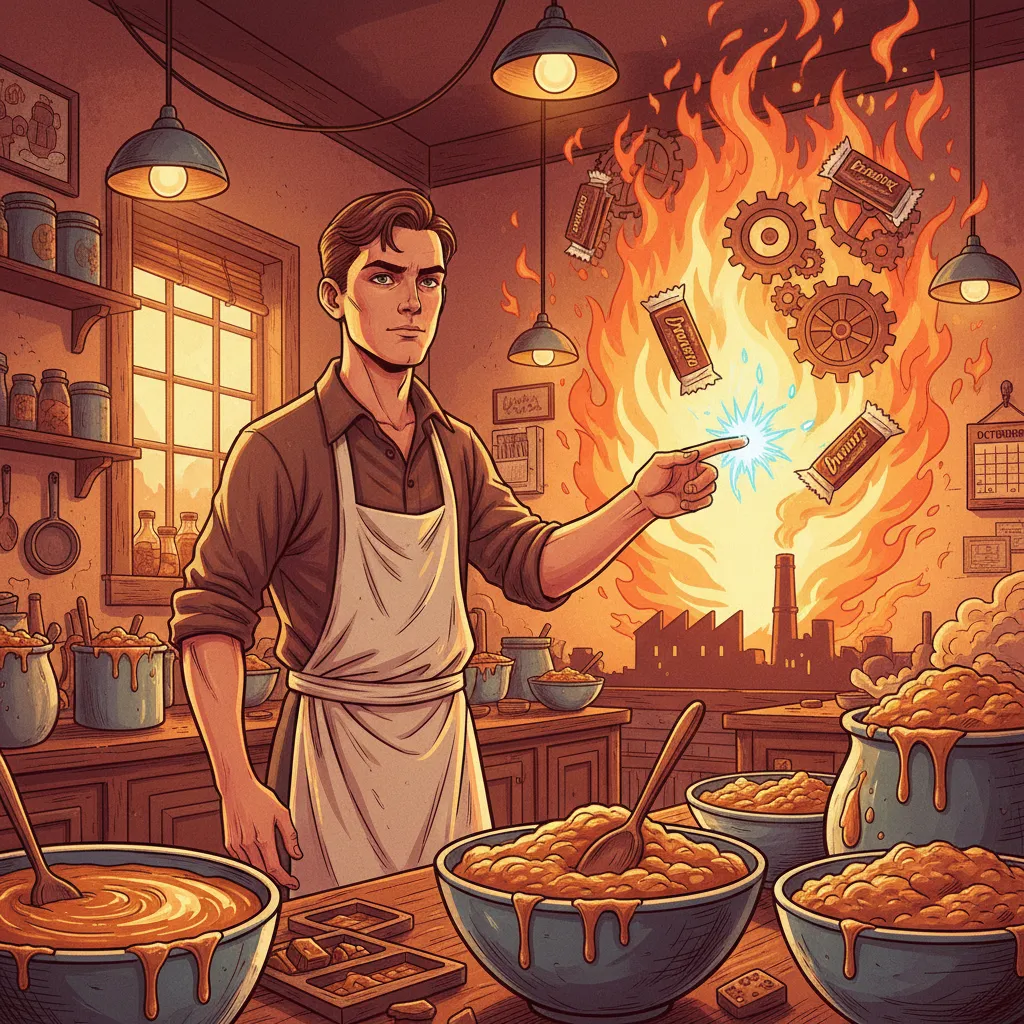
Every dynasty has its genesis, a moment when a spark of ambition ignites a wildfire of enterprise. For the Mars empire, that spark was Frank C. Mars, a man born in 1883 in Hancock, Minnesota, with a penchant for sweets and a debilitating case of polio that kept him home from school. His mother, a woman of ingenuity, taught him how to hand-dip chocolates to pass the time. Little did she know, she was anointing the first emperor of a confectionery kingdom.
Frank’s early life was a turbulent ride on the entrepreneurial rollercoaster. He was a natural hustler, but success was as elusive as a moonbeam. He tried his hand at various ventures, none of them sticking. He married, had a son – Forrest Edward Mars Sr. – and then divorced, leaving his first wife and young Forrest behind. This early abandonment would echo through the generations, a bitter note in an otherwise sweet symphony.
In 1911, Frank, with his second wife, Ethel, finally found his footing. In their Tacoma, Washington, kitchen, they started the Mar-O-Bar Company, selling butter cream candies. It was a modest beginning, a tiny flicker in the vast darkness of the burgeoning American industrial landscape. But Frank had a vision, a sweet dream that transcended simple dipped chocolates. He saw the potential of mass-produced confections, an affordable luxury for the everyday worker.
His big break came in 1923. Legend has it (and with the Mars family, almost everything is legend, whispered through hushed tones) that Frank and Forrest Sr., then a young boy visiting his father, were at a drug store. Forrest asked his dad why they couldn’t buy a candy bar that tasted like a malted milk shake. Boom. The lightbulb moment. Frank went back to his kitchen, and after some tinkering, emerged with the Milky Way bar.
This wasn’t just another candy bar; it was a revolution. The Milky Way combined chocolate, caramel, and nougat, mimicking the popular malted milk drink, but in a portable, affordable format. It was an instant hit, soaring in popularity during the Roaring Twenties. Frank, ever the showman, knew how to market. He moved his operations to Chicago, the heart of America’s booming industrial sector, and built a proper factory. The Mar-O-Bar Company became Mars, Incorporated. He followed up the Milky Way with the Snickers bar in 1930, another home run.
Frank C. Mars was a visionary, no doubt. He laid the foundation, built the first palace walls. But he was also a flawed patriarch, a man whose personal demons and impetuous nature would set the stage for the epic, often brutal, family drama that followed. His relationship with his son, Forrest Sr., was a powder keg waiting for a spark, and when it finally blew, it would scatter the family across continents and fundamentally reshape the destiny of the burgeoning empire.
🌪️ Chapter 3: The Scion, The Exile, The Empire Builder – Forrest Mars Sr. Unleashed

If Frank C. Mars was the unpredictable, visionary founder, then his son, Forrest Edward Mars Sr., was the ruthless, meticulous architect who would truly globalize the empire. Their relationship? Think of a volcano perpetually on the verge of eruption. Frank was the bon vivant, the marketer, the man who enjoyed the fruits of his labor. Forrest Sr. was the ascetic, the perfectionist, the engineer who believed in relentless quality and unyielding efficiency. They were oil and water, and their clashes were legendary.
Forrest Sr. grew up in the shadow of his father’s success, but also his neglect. After his parents’ divorce, he spent years apart from Frank. When he eventually joined Mars, Incorporated in the late 1920s, he quickly proved his mettle, but also his stubbornness. He constantly challenged his father’s methods, pushing for better quality, more efficient production, and greater expansion. Frank, proud and set in his ways, saw this as insubordination. The tension was palpable, a live wire running through the heart of the company.
The breaking point came in 1932. In a dramatic, almost Shakespearean fashion, Frank gave Forrest Sr. a choice: take $50,000 (a princely sum in those days) and the international rights to the Mars candy bar, or remain in the U.S. and continue their tumultuous partnership. Forrest Sr., ever the pragmatist, took the money and ran. He packed his bags, left his father and the U.S. behind, and sailed for Europe. This wasn’t just an exit; it was an exile, a deliberate severance that would ironically allow him to forge his own empire, independent yet inextricably linked to his father’s legacy.
In Europe, specifically the UK, Forrest Sr. didn’t just replicate his father’s success; he surpassed it. He established Mars Limited and launched the Mars Bar (a variation of the American Milky Way). But his genius wasn’t just in adapting existing products. He was obsessed with quality and durability. He famously demanded that a chocolate bar should “stand up” in tropical heat, a challenge that led to one of his greatest innovations.
During the Spanish Civil War, Forrest Sr. observed soldiers eating chocolate pellets coated in a hard sugar shell to prevent melting. Boom. Another lightbulb moment. In 1941, back in the U.S. (having returned before WWII), he patented the idea and introduced M&M’s Chocolate Candies. The “M&M” stood for Mars and Murrie (Bruce Murrie, son of Hershey executive William F.R. Murrie, who Forrest Sr. partnered with for Hershey’s chocolate during sugar rationing). M&M’s were a revelation: “The milk chocolate melts in your mouth, not in your hand.” This wasn’t just a catchy slogan; it was a technical marvel and a marketing masterpiece. M&M’s were an instant hit, especially with soldiers in WWII who received them in their rations.
“Forrest Mars Sr. was a man who believed in two things above all else: relentless quality and absolute control. He didn’t just build factories; he built cathedrals of efficiency, each one a testament to his uncompromising vision.”
Forrest Sr.’s reign was characterized by an almost fanatical attention to detail. He would walk factory floors, unannounced, inspecting every process, tasting every product. He was known for his explosive temper, his cutting critiques, and his unwavering demand for excellence. Employees lived in fear and awe of him. He was a benevolent dictator, driving his company to unprecedented heights through sheer force of will and an unshakeable belief in his products. He didn’t just want to make candy; he wanted to make the best candy, and he wanted to control every single step of its creation, from bean to bar. This obsession with vertical integration and quality control would become a cornerstone of the Mars philosophy.
🐾 Chapter 4: The Wild Card – From Candy Bars to Kitty Chow
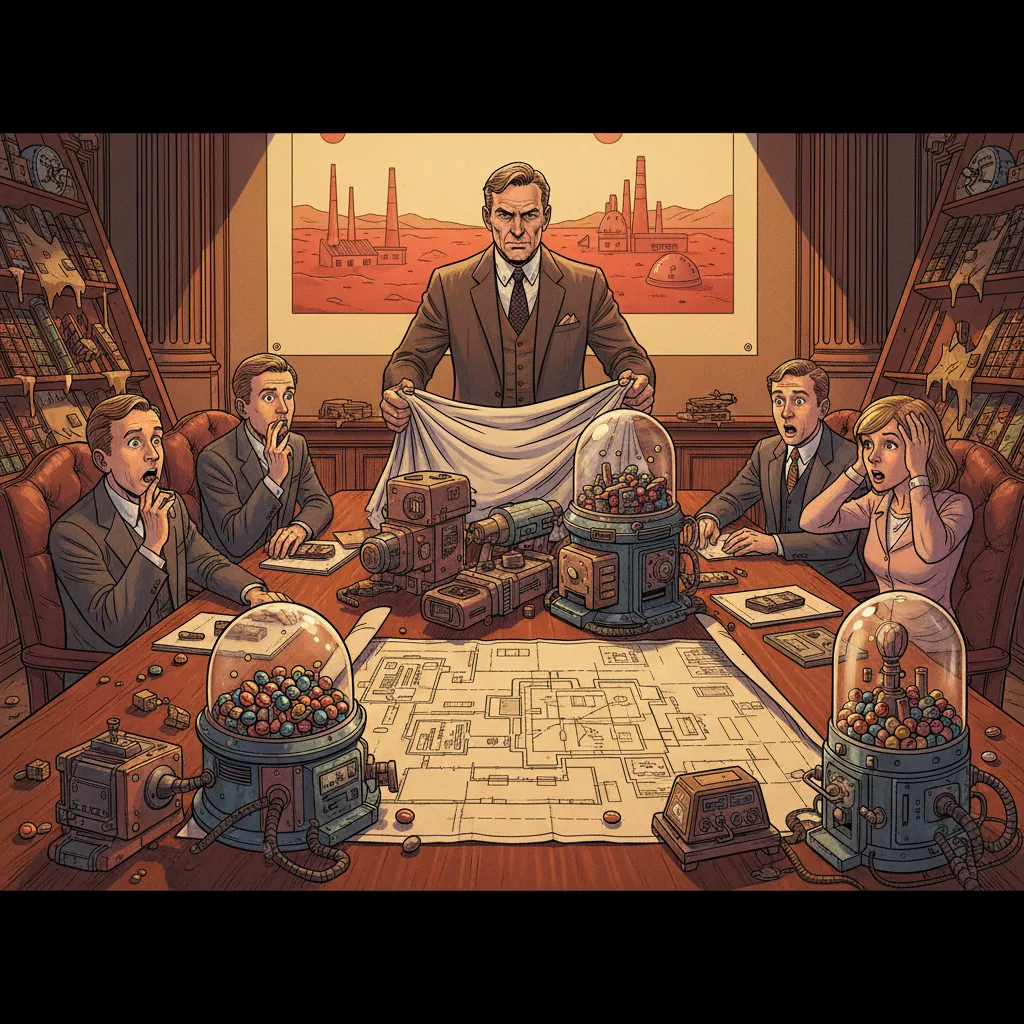
Just when you think you’ve got the Mars story pegged – a candy empire built on family feuds and chocolate innovation – Forrest Mars Sr. throws a curveball so wild, so unexpected, it redefines the entire trajectory of the dynasty. He looked at the world, and he didn’t just see hungry humans; he saw hungry pets.
This might seem like a bizarre detour, a sudden swerve off the sweet highway, but for a man like Forrest Sr., it was a calculated gamble rooted in his core principles: quality, efficiency, and market domination. In the late 1950s, while continuing to expand his confectionery business, Forrest Sr. saw an untapped opportunity in pet food. At the time, pet food was largely an afterthought, a mishmash of table scraps and low-quality fillers. He envisioned something better, something scientifically formulated, something that applied the same rigor and quality control he demanded for his candy.
He acquired British pet food company Chappel Brothers in 1934, then later expanded into Europe, laying the groundwork for what would become Pedigree and Whiskas. But it was his return to the U.S. and subsequent push that truly unleashed the pet food beast. He applied his relentless drive for scientific innovation to animal nutrition, investing heavily in research and development. He wanted pet food that was not just edible, but nutritious, extending the lives and improving the health of companion animals.
The genius of this move wasn’t just diversification; it was leverage. The same principles of mass production, efficient supply chains, and aggressive marketing that made Milky Way and M&M’s household names could be applied to pet food. Furthermore, pet ownership was on the rise, and people were increasingly treating their pets as family members, willing to spend more on their well-being. Forrest Sr. saw this trend decades before many others.
Today, Mars Petcare is not just a division; it’s a colossal empire within an empire. It’s the largest pet care company in the world, with brands like Pedigree, Whiskas, Royal Canin, Iams, and Nutro. But they didn’t stop at food. Mars Petcare has expanded into veterinary services, owning a vast network of animal hospitals including Banfield Pet Hospital, VCA Animal Hospitals, and BluePearl Specialty + Emergency Pet Hospital. Think about that: the same company that makes your chocolate bar might also own the clinic where your cat gets its check-up.
“The Mars family’s pivot to pet care wasn’t just smart diversification; it was a masterclass in market foresight. They saw an unmet need, applied their rigorous operational excellence, and built a global juggernaut that now generates more revenue than many entire countries.”
This expansion into pet care wasn’t just profitable; it was strategically brilliant. It provided a stable, growing revenue stream that was less susceptible to the fickle whims of consumer tastes than the candy market. It also allowed them to reinvest massive profits back into the company, fueling further growth and cementing their private status. The pet care business became a quiet engine of growth, allowing the Mars family to maintain their independence and continue building their empire away from the prying eyes of the public markets. It cemented Mars, Incorporated as far more than just a candy company; it was a diversified global consumer goods powerhouse, operating with the stealth and precision of a well-oiled machine.
💰 Chapter 5: The Power of Privacy – Growing a Trillion-Dollar Shadow

In an age where every startup dreams of an IPO and every CEO craves the spotlight, the Mars family stands as a defiant anomaly. They have built an empire estimated to be worth well over $450 billion (some estimates push it closer to half a trillion, depending on how you value the private assets), without ever going public. No stock market listing, no quarterly earnings calls, no pesky analysts dissecting their strategies, no activist investors breathing down their necks. Just pure, unadulterated private power.
This isn’t an accident; it’s a core tenet of the Mars philosophy, ingrained by Forrest Mars Sr. who famously detested the idea of public scrutiny. He believed that going public would force the company to prioritize short-term profits over long-term vision, compromising product quality and sacrificing the unique culture he had painstakingly built. He saw public markets as a distraction, a den of noise that would erode the very foundations of his empire.
The advantages of this extreme privacy are profound. First, it allows for long-term strategic planning. Mars can invest in massive, multi-decade projects – like building a global veterinary network or investing in sustainable cocoa farming – without fear of a dip in stock price or shareholder revolt. They can absorb losses in one division to fuel growth in another, all while keeping their cards close to their chest. This agility and patience are luxuries public companies rarely afford.
Second, it fosters an uncompromising focus on quality and innovation. Without the pressure to hit quarterly numbers, Mars can dedicate resources to perfecting products, experimenting with new technologies, and investing in R&D that might not yield immediate returns. Forrest Sr.’s obsession with “quality, consistency, and value” could be upheld without dilution.
Third, it enables secrecy in competitive strategy. Mars can negotiate acquisitions, develop new products, and enter new markets with an almost invisible footprint. Competitors are left guessing, and the element of surprise is a potent weapon in the cutthroat world of consumer goods. When Mars acquired Wrigley Jr. Company in 2008 for a staggering $23 billion, it was a colossal deal orchestrated largely away from the public eye, a testament to their ability to move decisively and discreetly.
“The Mars family playbook is simple: Stay private, stay patient, and relentlessly pursue quality. In a world obsessed with public valuations, they proved that true power often lies in the shadows, unburdened by external pressures and free to play the long game.”
Of course, there are downsides. Access to capital can be more challenging without public markets, though the sheer profitability of Mars has largely mitigated this. Recruiting top talent can sometimes be harder when stock options aren’t on the table, but Mars offers competitive salaries and a unique culture.
Ultimately, the Mars family’s commitment to privacy has been a superpower, allowing them to amass unparalleled wealth and influence while remaining largely anonymous. It’s a masterclass in building an enduring legacy by resisting the allure of the spotlight, choosing instead to operate as a well-oiled, silently expanding shadow, consuming market share with ruthless efficiency. They’ve built a system designed for generational wealth, not quarterly reports, and in doing so, they’ve created one of the most stable and formidable business empires on Earth.
🚀 Chapter 6: The Third Generation – Quiet Expansion and Global Domination

With the passing of Forrest Mars Sr. in 1999 at the ripe old age of 95, the reins of the colossal Mars, Incorporated passed to the third generation: his three children, Forrest Mars Jr., John Franklyn Mars, and Jacqueline Mars. These siblings, born into unimaginable wealth and burdened by the legacy of an intensely demanding father, continued the family tradition of fierce privacy and relentless expansion, propelling the company to even greater heights.
Under their stewardship, Mars didn’t just maintain its dominance; it accelerated its growth, quietly consolidating its position as a global powerhouse. They continued Forrest Sr.’s philosophy of reinvesting profits back into the business, fueling acquisitions and organic growth across their diverse segments.
Forrest Mars Jr., the eldest, was known for his quiet demeanor and sharp business acumen. He shared his father’s dedication to quality and efficiency, often working behind the scenes to streamline operations and expand into new territories. John Mars, like his brother, maintained an extremely low profile, but was instrumental in guiding the company’s global strategy, particularly in its pet care and food divisions. And Jacqueline Mars, while also shying away from public attention, became known for her passion for equestrian sports and philanthropy, often channeling her wealth through private foundations, keeping the family’s charitable efforts as discreet as their business dealings.
One of their most audacious and defining moves came in 2008: the acquisition of Wm. Wrigley Jr. Company. This wasn’t just a purchase; it was a seismic event in the confectionery world. Wrigley, a venerable chewing gum giant with iconic brands like Wrigley’s Spearmint, Juicy Fruit, Orbit, and Altoids, was a publicly traded company. The deal, valued at a staggering $23 billion, was executed with the financial backing of Warren Buffett’s Berkshire Hathaway, a rare glimpse behind the Mars curtain. This acquisition vaulted Mars into the undisputed position of the world’s largest confectioner, a sweet victory that underscored their immense financial firepower and strategic ambition.
But their expansion wasn’t limited to candy. The third generation also doubled down on the pet care business, transforming Mars Petcare into the global leader it is today. They continued the aggressive acquisition strategy, bringing in brands like Iams and Nutro and, crucially, expanding their veterinary services network. The 2017 acquisition of VCA Animal Hospitals for $9.1 billion was another blockbuster deal, cementing Mars’s dominance in a completely different, but equally lucrative, market segment. This showed a shrewd understanding of consumer trends and an ability to execute massive, complex integrations with surgical precision.
“The third generation of Mars leaders didn’t just inherit an empire; they amplified it. Their quiet, strategic acquisitions and relentless focus on market leadership transformed Mars from a confectionery giant into a diversified global titan, all while maintaining the family’s impenetrable veil of secrecy.”
Under the stewardship of Forrest Jr., John, and Jacqueline, Mars, Incorporated became a truly global enterprise, with operations in nearly 80 countries and products sold in over 180. They navigated economic downturns, fierce competition, and shifting consumer preferences, always with an eye on the long game. Their collective leadership reinforced the core Mars values: uncompromising quality, operational excellence, and an almost religious devotion to private ownership. They proved that even without the flash and fanfare of public companies, a dynasty could not only endure but thrive, growing into an unseen behemoth that touches nearly every aspect of modern life.
🌌 Chapter 7: The Unseen Colossus – Mars Global’s Trillion-Dollar Reach

Let’s pause and truly grasp the scale of the Mars, Incorporated empire. This isn’t just about candy bars anymore. This is a multi-faceted, interconnected global colossus whose total revenue is consistently north of $45 billion annually, making it larger than many national economies. It’s a force of nature, a silent leviathan churning through consumer markets worldwide.
The company is structured into several massive segments, each a powerhouse in its own right:
-
Mars Wrigley: This is the crown jewel, the sweet heart of the empire. It encompasses all the iconic candy and gum brands: M&M’s, Snickers, Skittles, Twix, Milky Way, Dove (Galaxy outside the U.S.), 3 Musketeers, Starburst, Wrigley’s Spearmint, Juicy Fruit, Orbit, Altoids, and Lifesavers. This segment alone makes Mars the world’s largest confectioner. The production scale is mind-boggling, with billions of candy bars and gum packs produced annually, distributed across every corner of the globe.
-
Mars Petcare: As we’ve discussed, this is the company’s largest and fastest-growing segment. It’s not just Pedigree and Whiskas anymore. It includes premium brands like Royal Canin, Iams, and Nutro. But the true game-changer is its vast network of veterinary services. Mars Petcare owns Banfield Pet Hospital, VCA Animal Hospitals, and BluePearl Specialty + Emergency Pet Hospital, among others. This means Mars is not just feeding your pets; they are often caring for them, from routine check-ups to complex surgeries. They’re vertically integrated into the very health and well-being of companion animals, a strategic move that provides stable, recurring revenue and deep market penetration.
-
Mars Food: While perhaps less flashy than candy or pet care, Mars Food is a significant player in the global food market. Brands like Uncle Ben’s (recently rebranded to Ben’s Original due to racial stereotyping concerns), Dolmio sauces, and Masterfoods spices are staples in kitchens around the world. This segment provides a steady base of household consumables, further diversifying the company’s revenue streams and leveraging its massive distribution networks.
-
Mars Edge: This is the company’s venture into health and well-being, focusing on personalized nutrition and healthy eating. It’s a forward-looking segment, exploring the intersection of food, science, and individual health, aiming to develop products that go beyond basic sustenance.
-
Mars Sustainable Solutions (MSS): This relatively new segment underscores Mars’s commitment to sustainability, focusing on innovative solutions for global environmental and social challenges. This includes initiatives around sustainable cocoa farming, water stewardship, and responsible sourcing, showcasing a long-term vision that extends beyond immediate profits – a luxury afforded by their private ownership.
The geographical reach is equally staggering. Mars operates in nearly 80 countries, with over 140,000 “associates” (as they call their employees) worldwide. Their supply chains span continents, sourcing ingredients from tropical farms and delivering finished products to diverse markets. They are a global logistics marvel, a highly efficient machine designed to deliver consistent quality at an unprecedented scale.
“Mars isn’t just a company; it’s an ecosystem. From the chocolate bar in your hand to the food in your pet’s bowl and the vet clinic they visit, this unseen colossus has woven itself into the fabric of daily life with a stealth and scale that defies belief.”
This vast, interconnected web of businesses generates immense cash flow, allowing the family to maintain their private status, reinvest heavily, and weather economic storms with remarkable resilience. The sheer volume of products and services they provide means that almost everyone, everywhere, interacts with a Mars brand on a regular basis, often without realizing the depth and breadth of the empire behind it. They are the ultimate unseen colossus, a silent force shaping consumer habits and accumulating wealth on a truly monumental scale.
🕵️ Chapter 8: The Secrecy Playbook – Why They Disappear

Why, in an age of hyper-transparency and social media scrutiny, does the Mars family cling to its secrecy with such an iron grip? It’s not just a quirk; it’s a meticulously crafted strategy, a playbook refined over generations, and it’s a key ingredient in their unparalleled success.
At its core, the Mars secrecy is driven by several powerful motivations:
-
Protection from Public Scrutiny: This is the most obvious. By staying private, Mars avoids the relentless gaze of quarterly earnings reports, stock market analysts, and the media circus that follows public companies. They don’t have to explain every strategic decision, every investment, or every dip in revenue. This frees them to make long-term, sometimes risky, decisions without external pressure. Imagine trying to acquire Wrigley or VCA for billions with activist shareholders breathing down your neck. Impossible.
-
Competitive Advantage: Secrecy is a powerful weapon in the marketplace. Mars can develop new products, acquire competitors, or enter new markets without telegraphing their moves to rivals. Proprietary processes, ingredient sourcing, and R&D breakthroughs remain closely guarded secrets, not fodder for investor calls. This allows them to maintain an edge in highly competitive industries.
-
Family Unity and Control: The Mars family, despite its historical feuds, has largely maintained a united front against the outside world. Secrecy helps preserve this unity, minimizing internal conflicts from spilling into public view. It also ensures that the family, and not external shareholders, retains absolute control over the company’s direction, values, and future. This is crucial for a dynasty built on a unique, often idiosyncratic, corporate philosophy.
-
Tax and Wealth Management: While they pay their taxes, the structure of a private company can offer certain advantages in wealth management and estate planning for a family of their immense size. Details of their personal fortunes and how they manage them remain obscured, protecting them from public envy and potential security risks.
-
Maintaining Corporate Culture: Forrest Mars Sr. famously instilled a culture of frugality, humility, and hard work. Employees (or “associates” as they’re called) are expected to embody these values. Public scrutiny, lavish lifestyles, and media attention could easily erode this culture. By keeping a low profile, the family reinforces the idea that the business is about the products and the mission, not the personalities. They want their associates focused on quality, not on the latest family scandal.
-
Security and Privacy: Billionaires often become targets. By remaining anonymous, the Mars family reduces their personal risk and maintains a semblance of normal life, a luxury rarely afforded to the super-rich in the public eye. They don’t need bodyguards to go to the grocery store because most people wouldn’t recognize them.
“The Mars family’s secrecy isn’t just about avoiding the limelight; it’s a strategic weapon. It protects their long-term vision, shields them from competitive intelligence, and preserves a unique corporate culture that prioritizes product excellence over public adoration.”
This intense privacy extends to everything. There are no official family photos released. Interviews are virtually non-existent. Their headquarters in McLean, Virginia, is notoriously understated. Even their philanthropic efforts, while significant, are often conducted through private foundations that minimize public attention. They choose to let their products speak for themselves, while the architects of the empire remain veiled. It’s an extreme strategy, one that flies in the face of modern corporate trends, but for the Mars family, it has been the bedrock of their enduring power and wealth.
🎭 Chapter 9: Riches, Rifts, and a Code of Conduct – The Family Behind the Fortune
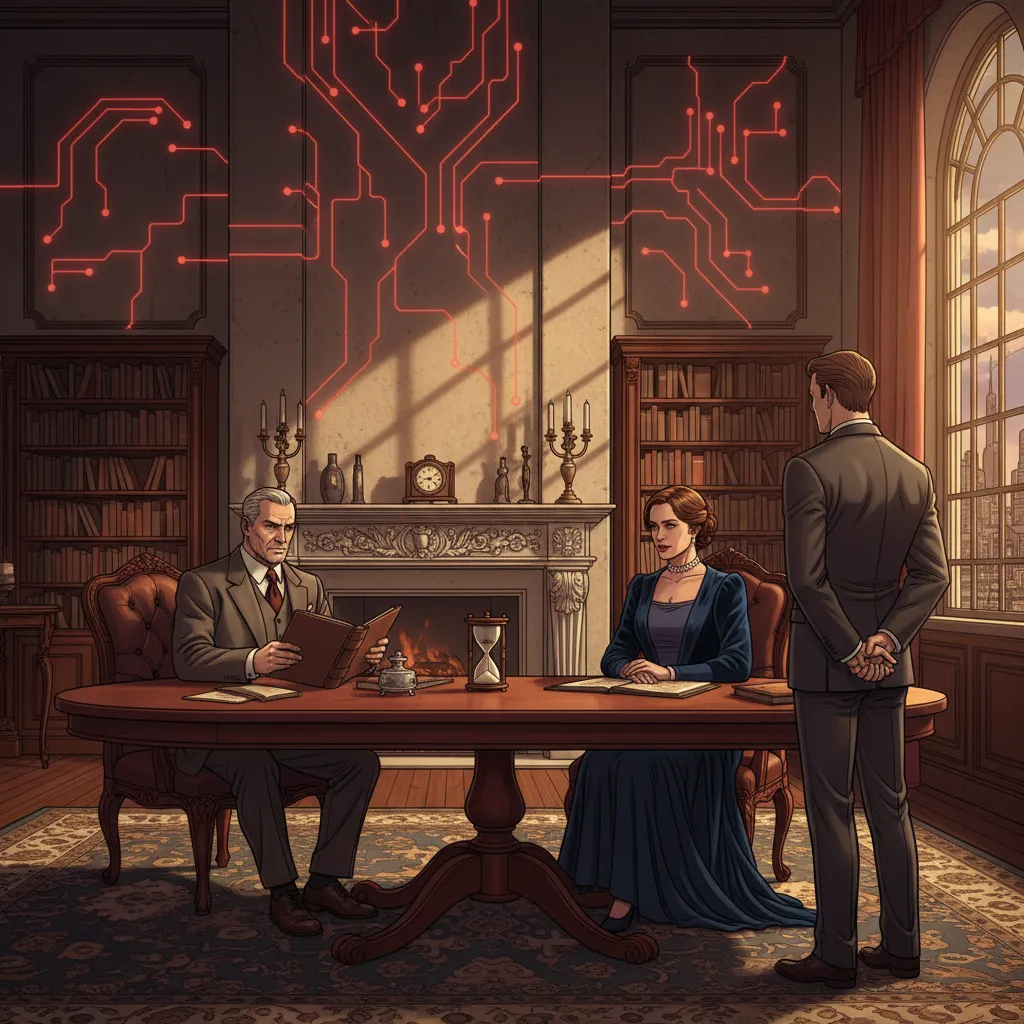
Behind the impenetrable wall of corporate secrecy, the Mars family is, at its heart, a human drama of immense wealth, complex relationships, and a surprisingly strict code of conduct. While their personal lives are shrouded, enough glimpses have emerged over the decades to paint a picture of a dynasty both blessed and burdened by its colossal fortune.
The early rifts, particularly between Frank C. Mars and Forrest Mars Sr., set a precedent for intense family dynamics. Forrest Sr. carried the scars of his early abandonment, and while he built an astonishing empire, he was also known for his difficult, demanding nature. He expected absolute dedication and perfection from his children, Forrest Jr., John, and Jacqueline. There are anecdotes of Forrest Sr. calling his adult children to admonish them for perceived shortcomings, even after they were running major parts of the business.
Despite the intensity, the three siblings largely maintained a united front, at least publicly. They understood the power of their privacy and the importance of presenting a cohesive image. They shared the same work ethic and dedication to the company’s long-term vision. However, managing such immense wealth across generations is always fraught with challenges.
The family’s wealth is held through a complex web of trusts and holding companies, designed to maintain family control and minimize estate taxes. This structure ensures that the company remains family-owned and operated, preventing outside influence. The family members themselves are known for a surprisingly frugal lifestyle for billionaires. Forrest Sr. reportedly drove a beat-up car and lived modestly, instilling in his children the value of hard work and disdain for ostentatious displays of wealth. While the current generation undoubtedly enjoys the benefits of their fortune, they largely avoid the flashy celebrity lifestyle often associated with the ultra-rich.
Philanthropy, while extensive, is also conducted with the same discretion. The family makes significant contributions, particularly in areas like animal welfare, education, and environmental conservation, but often through private foundations that avoid public acknowledgment. This aligns with their overall philosophy: the work itself is important, not the credit.
“The Mars family’s internal world is a paradox: immense wealth balanced by a code of conduct emphasizing frugality and discretion. Their legendary privacy isn’t just a business strategy; it’s a deeply ingrained family value, a shield against the corrupting influence of the spotlight.”
Succession planning is a constant, quiet challenge. With the passing of Forrest Jr. in 2016, the leadership mantle has begun to shift to the fourth generation. Stephen Badger, Forrest Jr.’s son, served as chairman of the board, and other fourth-generation members like Victoria Mars have held leadership roles. The ongoing challenge is to instill the same values of quality, hard work, and fierce independence in a generation that has never known anything but unimaginable wealth. This is the ultimate test for any dynasty: can it perpetuate its unique culture and drive across multiple generations without succumbing to complacency or internal strife?
The Mars family has, so far, largely succeeded. Their strict adherence to a shared vision, coupled with their unwavering commitment to private ownership, has allowed them to weather generational transitions more smoothly than many other wealthy families. They are a testament to the idea that a strong, if demanding, family ethos can be as powerful a force in business as any market strategy.
⚙️ Chapter 10: Inside the Mars Machine – Culture, Innovation, and “The Five Principles”

What’s it actually like inside the Mars, Incorporated machine? Given their intense secrecy, getting an insider’s view is like trying to glimpse into a black hole. However, enough has been pieced together from former employees and rare corporate communications to reveal a fascinating, almost cult-like culture, deeply imbued with the values set by Forrest Mars Sr.
At the heart of the Mars corporate philosophy are “The Five Principles”: Quality, Responsibility, Mutuality, Efficiency, and Freedom. These aren’t just buzzwords; they are the bedrock of everything Mars does, from product development to employee relations.
-
Quality: This is paramount. Forrest Sr. famously demanded that any product bearing the Mars name had to be of the highest possible quality. This translates into rigorous testing, meticulous sourcing, and an almost obsessive attention to detail on the factory floor. Employees are empowered, and expected, to stop production if quality standards are not met.
-
Responsibility: Mars emphasizes individual accountability. Associates are given significant ownership over their work and are expected to act with integrity and make decisions that benefit the company long-term. This extends to environmental and social responsibility, particularly in their sourcing of cocoa and other raw materials.
-
Mutuality: This principle, perhaps the most unique, suggests that a business should create value for all its stakeholders – consumers, suppliers, employees, and the environment – not just its owners. It’s about shared benefit and a belief that long-term success comes from creating win-win relationships. This is often cited as a reason for their private ownership, allowing them to pursue mutuality without the pressure of public shareholders.
-
Efficiency: Forrest Sr. was a relentless advocate for lean operations and maximizing productivity. This means constant innovation in manufacturing processes, supply chain optimization, and a focus on eliminating waste. The goal is to deliver the highest quality products at the best possible value.
-
Freedom: This principle refers to the company’s independence from external financial pressures, thanks to its private ownership. It allows Mars the freedom to make long-term decisions, invest heavily in R&D, and pursue strategies that might not yield immediate returns but are beneficial for the future of the business.
Innovation at Mars is not about flashy product launches; it’s often about incremental improvements, scientific breakthroughs in food technology, and deep consumer insights. In confectionery, this means perfecting recipes, developing new texture profiles, and innovating packaging. In pet care, it’s about pioneering advancements in animal nutrition, diagnostic tools, and veterinary medicine. They invest heavily in scientific research, often operating their own research centers, like the Waltham Petcare Science Institute, which is a world leader in pet nutrition and health.
“Mars’s corporate culture is a fascinating blend of scientific rigor, operational intensity, and a near-religious adherence to ‘The Five Principles.’ It’s a place where quality is king, long-term vision trumps short-term gain, and every ‘associate’ is expected to embody the family’s relentless pursuit of excellence.”
The term “associates” instead of “employees” is itself a subtle but powerful cultural indicator. It suggests a partnership, a shared stake in the company’s success. While the Mars family maintains tight control, they foster a sense of shared purpose and collective responsibility among their workforce. They invest in training and development, and career paths within Mars can be long and rewarding, offering opportunities for global experience.
However, the culture can also be intensely demanding. The echoes of Forrest Sr.’s perfectionism still resonate. There’s a strong emphasis on data-driven decision-making, rigorous analysis, and a relentless pursuit of continuous improvement. For those who thrive in such an environment, Mars offers unparalleled stability and the chance to work for a company that genuinely values its products and its people (within its own unique framework). For others, the intensity and lack of public recognition might be stifling. Regardless, it’s a culture that has proven incredibly effective at building and sustaining a global powerhouse, all while remaining stubbornly, proudly, out of the public eye.
🌍 Chapter 11: The Future of the Unseen Empire – Challenges and Enduring Legacy

The Mars empire, for all its formidable strength and strategic advantages, is not immune to the swirling currents of global change. The fourth and now even fifth generations of the Mars family face a new landscape, fraught with challenges and ripe with opportunities.
One of the most pressing challenges is sustainability. As a massive consumer of cocoa, sugar, palm oil, and other raw materials, Mars has a huge environmental footprint. Consumer awareness of ethical sourcing, deforestation, and climate change is growing rapidly. The company has made significant commitments to sustainable practices, investing heavily in initiatives like Cocoa for Generations and aiming for net-zero greenhouse gas emissions across its value chain by 2040. This isn’t just good PR; it’s a business imperative to secure future supply chains and maintain consumer trust. The stakes are incredibly high, and their success in this area will define a significant part of their legacy.
Another challenge is shifting consumer preferences. While classic brands like Snickers and M&M’s remain hugely popular, there’s a growing demand for healthier snacks, plant-based foods, and products with transparent ingredient lists. Mars has responded by acquiring healthier snack brands, reformulating existing products to reduce sugar, and expanding its plant-based offerings. The Mars Edge segment is a clear indicator of their intent to remain relevant in a health-conscious world.
Competition remains fierce across all their segments. In confectionery, they battle Mondelez, Hershey, and a myriad of smaller, nimble startups. In pet care, Nestlé Purina is a formidable rival. Mars’s private status gives them agility, but they must constantly innovate and adapt to stay ahead.
Then there’s the perennial challenge of generational transition. How do you pass on the fierce drive and values of the founders to generations born into immense wealth, often without the same formative struggles? The Mars family has a strong tradition of bringing younger generations into the business, often starting in lower-level roles, to instill a deep understanding of the company. Maintaining unity and a shared vision across a growing number of family shareholders is a delicate balancing act.
Despite these challenges, the future of the Mars empire appears robust. Their unwavering commitment to private ownership remains their greatest strategic asset, allowing them to continue playing the long game. They can invest billions in R&D, sustainability, and strategic acquisitions without the short-term pressures of public markets. Their diversification across candy, pet care, and food provides inherent resilience. The pet care segment, in particular, continues to be a powerful engine of growth, benefiting from the global humanization of pets trend.
The legacy of the Mars family is not just about the staggering wealth they’ve accumulated, nor is it merely about the ubiquitous products they’ve created. It’s a testament to the power of a specific, almost contrarian, business philosophy: prioritize quality above all else, operate with ruthless efficiency, embrace strategic diversification, and above all, guard your privacy with an unshakeable resolve.
👑 Chapter 12: The Sweetest Secret – What the Mars Dynasty Teaches Us

So, what can we, the mere mortals of the business world, learn from the spectral empire of the Mars family? What wisdom can be gleaned from a dynasty that built its colossal fortune by steadfastly refusing to be seen?
First, the unparalleled power of long-term vision. In a world obsessed with quarterly reports and immediate returns, Mars stands as a monument to patience. Their private ownership allowed them to make decades-long bets, to absorb short-term losses for long-term gains, and to build an infrastructure of quality and efficiency that would be impossible under public scrutiny. This is a profound lesson for any entrepreneur or investor: true wealth is built on enduring value, not fleeting trends.
Second, the genius of strategic diversification. Who would have thought that the same company making M&M’s would become the world leader in pet food and veterinary services? This wasn’t a random roll of the dice; it was a calculated move to leverage core competencies (mass production, global distribution, quality control) into new, growing markets. It teaches us to look beyond obvious adjacencies and to apply foundational business excellence to diverse sectors.
Third, the competitive advantage of discretion. The Mars family’s almost pathological secrecy isn’t just a personal quirk; it’s a masterclass in strategic operations. By operating outside the public eye, they protected their innovations, negotiated deals with surgical precision, and cultivated a corporate culture free from external pressures. While extreme, it underscores the value of protecting your intellectual property, your strategy, and your unique corporate ethos.
Fourth, the primacy of product quality and operational excellence. From Forrest Sr.’s obsessive factory floor walks to the “Five Principles” that guide every “associate,” Mars demonstrates that at the end of the day, consistent, high-quality products delivered efficiently are the bedrock of enduring success. They didn’t get rich through financial wizardry; they got rich by making really good stuff, consistently.
Finally, the complexities of generational wealth. The Mars story is a reminder that even immense fortunes come with immense responsibilities and challenges. Maintaining family unity, instilling values across generations, and navigating the inherent tensions of power and legacy are ongoing battles. Their ability to do so, largely unseen, is as remarkable as their business triumphs.
The Mars family remains America’s sweetest, most enigmatic secret. They built an empire of chocolate, pet food, and silent power, a testament to ambition, innovation, and an unwavering commitment to their unique way of doing business. They may be ghosts in the machine, but their footprint on the global economy is undeniable. And perhaps, that’s exactly how they like it – the unseen hand, shaping the world, one delicious, perfectly engineered bite at a time. The show goes on, the profits pile up, and the world keeps guessing, while the Mars family continues to build their silent, sprawling kingdom, forever etched in the shadows of success.
💡 Key Insights
- ▸ The Mars family's unwavering commitment to private ownership allowed them to prioritize long-term vision over quarterly earnings, fostering disruptive innovation and strategic diversification without shareholder pressure. This teaches us the profound advantage of patience and independent capital in building enduring value.
- ▸ Their strategic expansion into seemingly unrelated industries like pet care, executed with the same meticulous quality control and market dominance as their candy empire, highlights the power of applying core operational excellence and a customer-centric philosophy across diverse market segments. Entrepreneurs should look beyond obvious adjacencies for growth.
- ▸ The Mars family's almost fanatical secrecy, while extreme, demonstrates the competitive advantage of operating outside the public eye. It allowed them to protect proprietary processes, negotiate deals away from scrutiny, and cultivate a unique corporate culture, providing a masterclass in strategic discretion for any business aiming for market leadership.