Kazuo Inamori: The Amoeba System Behind Kyocera and KDDI
Kazuo Inamori built Kyocera, helped create KDDI, and later led Japan Airlines through a rare turnaround using small-unit economics and a demanding moral philosophy.
View all stories about this mogul
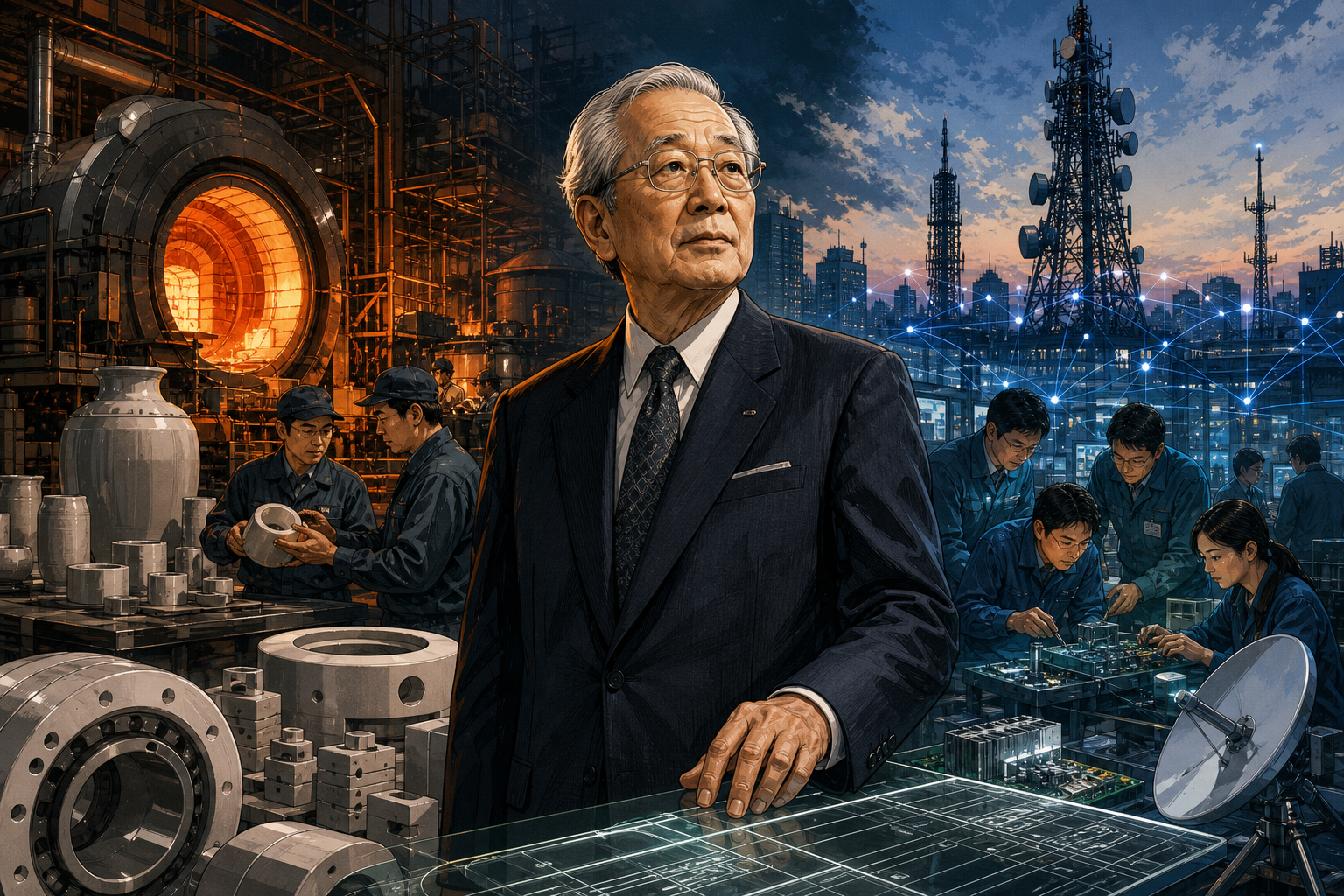
Kazuo Inamori built companies by dividing them into units small enough to understand—and binding those units together with a philosophy large enough to coordinate them.
The Japanese engineer founded Kyoto Ceramic, later Kyocera, with limited capital and technical ambition in advanced ceramics. He then helped create the telecommunications challenger that became part of KDDI. In his late seventies, after ordination as a Buddhist priest and years of philanthropy, he returned to corporate leadership to help rebuild Japan Airlines after bankruptcy.
Across those very different chapters, Inamori repeated two ideas. Every team should understand its economics, and every decision should answer a moral question as well as a financial one. The combination produced an influential management system—and a useful debate about how far founder philosophy can scale.
How did Kazuo Inamori turn ceramics into Kyocera?
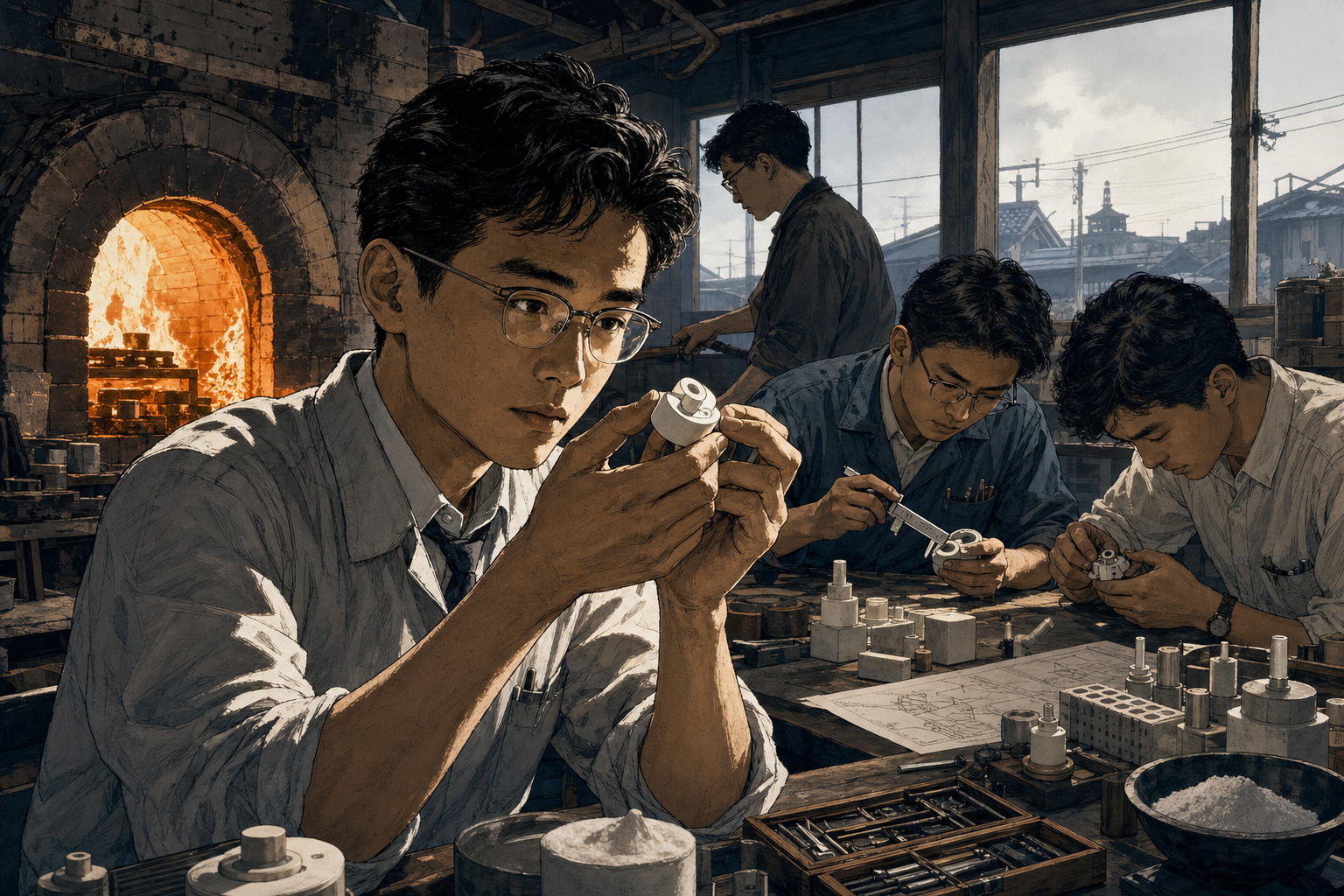
Inamori was born in Kagoshima in 1932 and trained in applied chemistry. His early career placed him inside a struggling ceramics company, where he worked on fine ceramic materials used in electronics. Technical frustration and organizational conflict pushed him toward entrepreneurship.
In 1959, he and colleagues established Kyoto Ceramic. The young company made specialized ceramic components whose reliability mattered to rapidly developing electronics. This was not commodity pottery. Fine ceramics could withstand heat, electrical stress, and demanding tolerances, making them useful in components where failure was expensive.
Inamori combined technical attention with intense customer focus. Winning orders required a small supplier to solve problems that larger companies might ignore. As electronics expanded, Kyocera moved into packages, components, industrial materials, and eventually a broad range of technologies.
Growth created a management problem. Inamori could no longer personally understand every product and decision, while conventional departments risked becoming remote from revenue and cost. His answer was the amoeba management system.
The company was divided into small units with leaders responsible for plans and performance. A key measure compared value added with labor time, making economics visible at an operating level. Units could respond quickly, but they were expected to coordinate rather than maximize themselves at the expense of the whole.
That final condition is crucial. Internal markets can produce gaming, transfer-price battles, and local optimization. Inamori relied on shared philosophy and transparent numbers to keep autonomy aligned. The system was not decentralization alone; it was decentralization plus a strong cultural operating system.
Why did Inamori enter telecommunications and rebuild Japan Airlines?
Japan’s telecommunications market was once dominated by a state-linked incumbent. After liberalization in the 1980s, Inamori helped establish Daini Denden, or DDI, as a challenger. The venture required network investment, regulatory navigation, and long time horizons far beyond Kyocera’s original component business.
DDI eventually became part of KDDI through mergers, creating a major competitor in Japanese communications. The move showed that Inamori’s ambition was not limited to adjacent products. He was willing to enter infrastructure when he believed competition would benefit society and the economics could be built patiently.
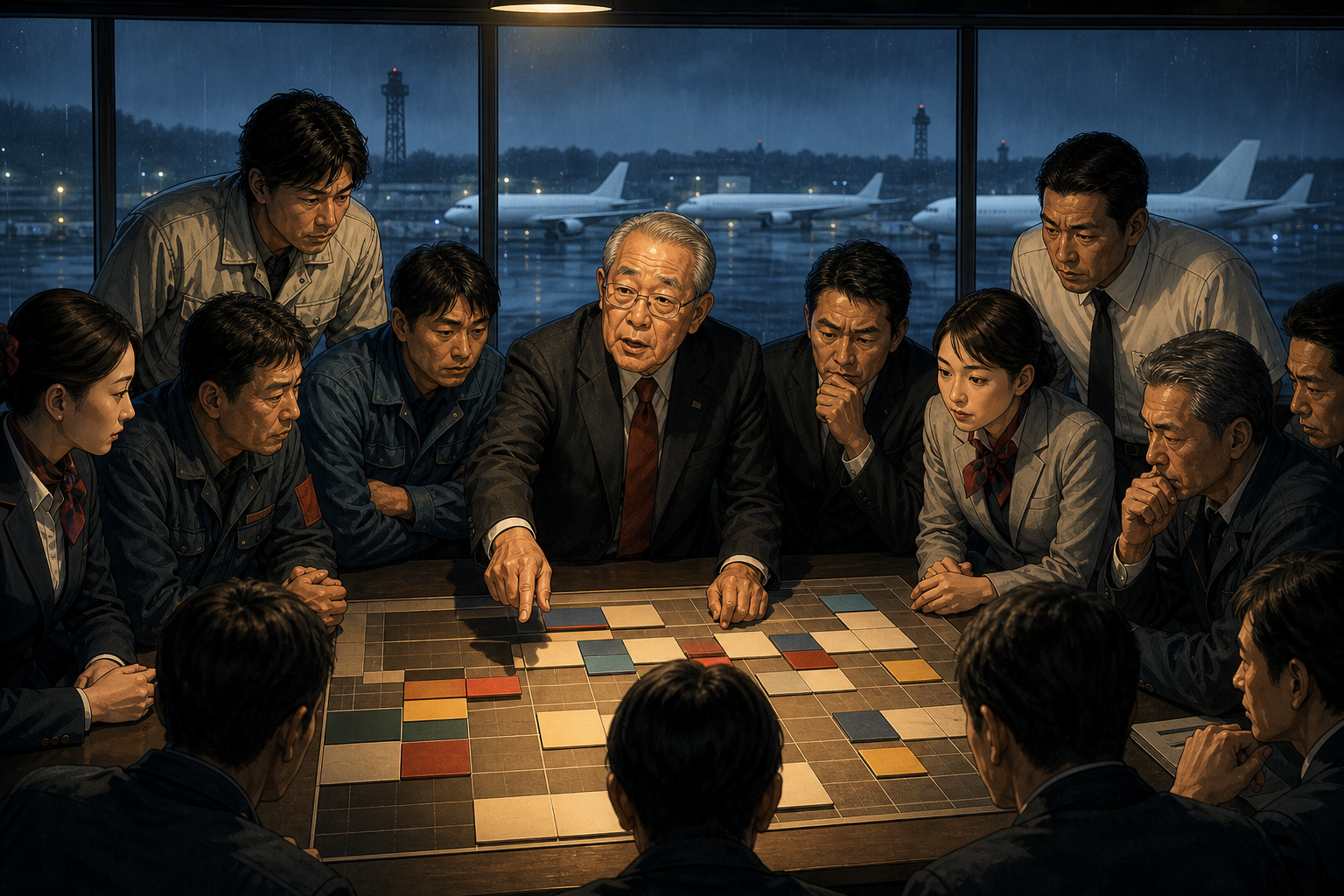
His most dramatic public assignment came decades later. Japan Airlines filed for bankruptcy protection in 2010 after years of structural problems. Inamori accepted the chairmanship despite lacking airline experience and reportedly serving without salary.
The turnaround included painful restructuring and public support; it cannot be credited to philosophy alone. Routes, staffing, debt, and costs had to change. Inamori’s contribution was to push responsibility and financial visibility deeper into the organization. The airline adopted small-unit profitability practices and a shared leadership philosophy intended to replace bureaucratic distance with operating ownership.
Japan Airlines returned to profitability and relisted in 2012. The speed made the case famous, but it also illustrates the limits of heroic narratives. Bankruptcy law, creditor concessions, employees, government, market conditions, and a broad management team all shaped the outcome. Inamori supplied a system and symbolic authority at a moment when the organization was ready for discontinuity.
What is the lasting value—and risk—of Inamori’s philosophy?
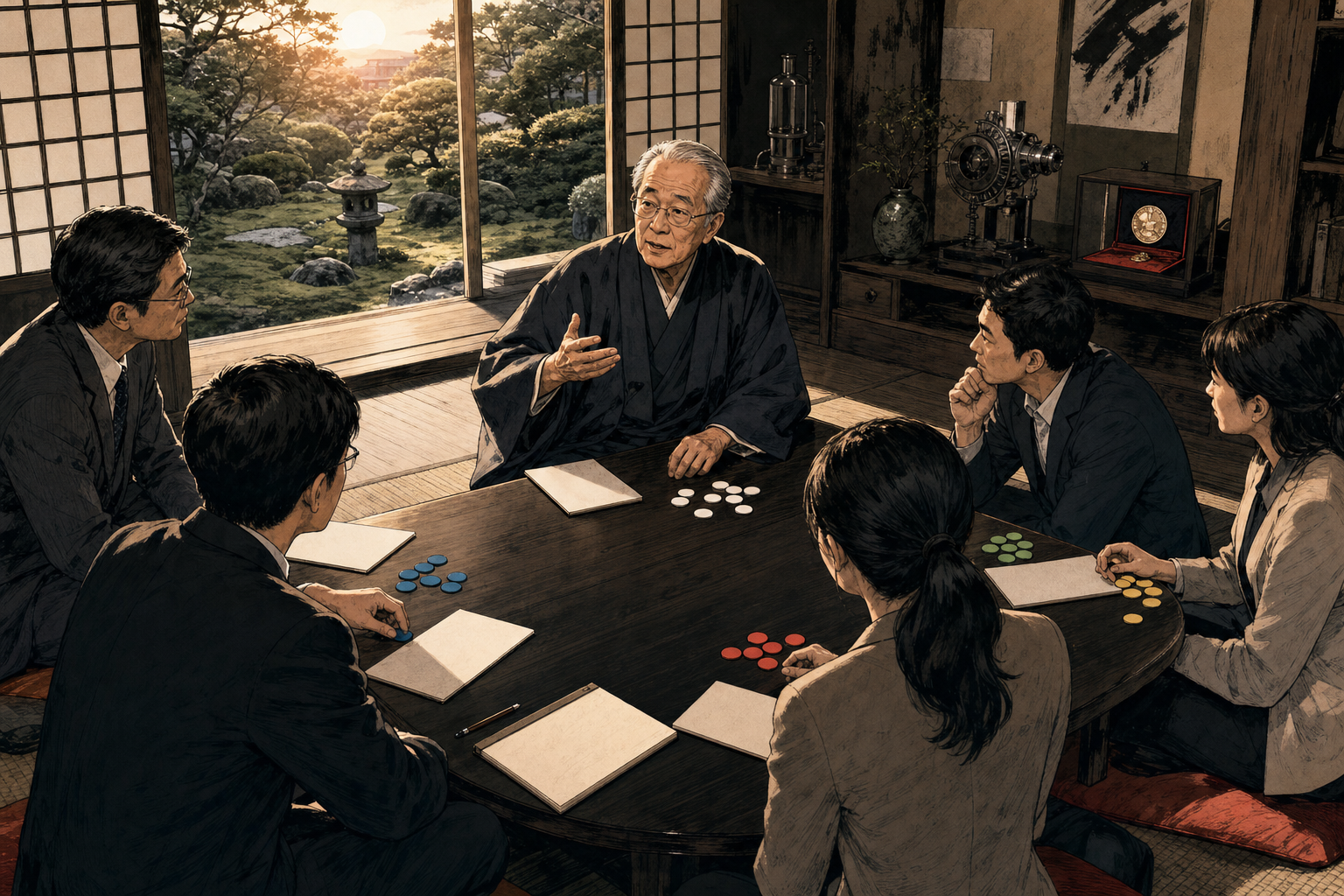
Inamori argued that management should pursue what is right as a human being. He connected work with character, service, humility, and concern for the larger group. Through the Seiwajyuku management school, his books, and lectures, these ideas reached entrepreneurs far beyond Kyocera.
He also established the Inamori Foundation and the Kyoto Prize, honoring contributions to science, technology, philosophy, and the arts. The philanthropy reinforced his belief that enterprise should serve purposes larger than private accumulation.
For operators, the most concrete legacy is the connection between accounting and action. Monthly financial statements are too slow and abstract for many frontline decisions. Small-unit economics can show teams how pricing, yield, waste, time, and coordination affect value creation now.
But cultural intensity has risks. A moral vocabulary can discourage dissent if disagreement is treated as lack of virtue. Small units can compete destructively. Leaders can manipulate internal prices or demand sacrifices that the founder never intended. Any system built around shared belief needs independent controls, fair incentives, and permission to question authority.
Inamori died in 2022, leaving institutions rather than a single empire. Kyocera, KDDI, Japan Airlines, the Inamori Foundation, and thousands of managers each carry a different piece of the model.
His central proposition remains demanding: give people numbers close enough to guide daily work, autonomy large enough to act, and a purpose broad enough to restrain self-interest. When those three reinforce one another, a small unit can behave like an entrepreneur without forgetting that it belongs to something larger.
💡 Key Insights
- ▸ Small autonomous units work when they share transparent economics and a common decision standard.
- ▸ Management accounting becomes behavioral when frontline teams can see how daily choices affect value added.
- ▸ A strong philosophy can coordinate decentralized teams, but it can also become dogma without challenge.
- ▸ Turnarounds require both financial restructuring and a new operating cadence.