Kevin Plank: The Locker-Room Insight That Built Under Armour
Kevin Plank turned frustration with sweat-soaked football shirts into Under Armour, then learned how quickly a focused performance brand can become complex.

View all stories about this mogul
Kevin Plank started Under Armour with a complaint every football player understood: cotton shirts became heavy with sweat beneath pads. His first product did one job—stay lighter and drier—and its credibility traveled through locker rooms before the company had a giant marketing budget.
That focused insight built a major athletic brand. Expansion then exposed the harder problem: keeping product, distribution, inventory, and cultural relevance aligned at public-company scale.
How did Kevin Plank find Under Armour’s wedge product?
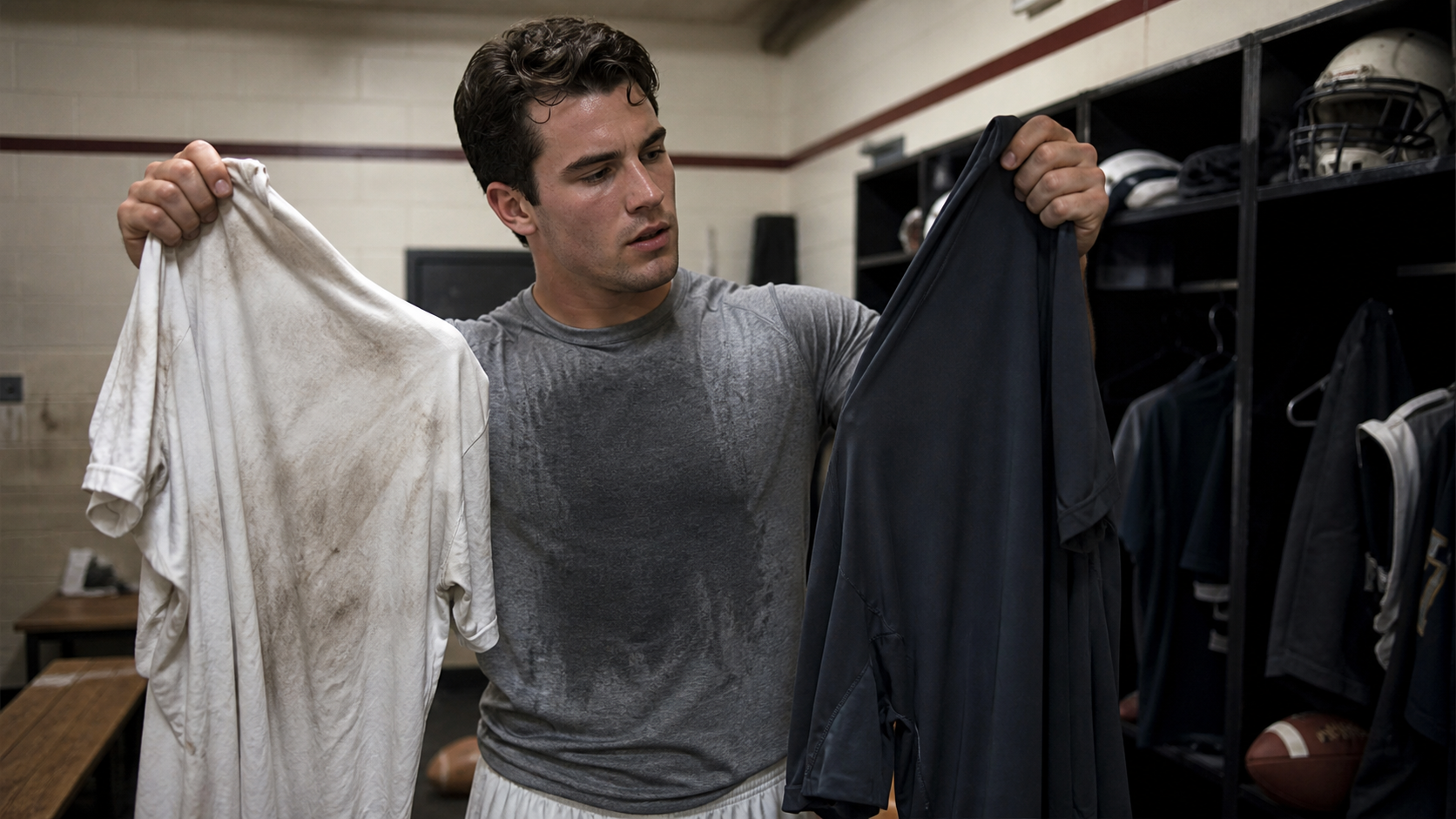
Plank played football at the University of Maryland. He noticed that the cotton shirt under his uniform absorbed sweat while compression shorts stayed comparatively dry. After graduating, he began testing moisture-wicking fabrics and selling shirts from his grandmother’s house in Washington, D.C.
The product was not aimed at fashion. It addressed heat, weight, and discomfort for athletes wearing equipment. Plank contacted former teammates and equipment managers, using sports networks as an early distribution channel.
A clear before-and-after benefit made the pitch easy. Athletes did not need a lecture on textile technology; they could feel the difference during practice.
| Milestone | Why it mattered |
|---|---|
| 1996 founding | A performance-shirt problem becomes a company |
| Late 1990s team adoption | Locker-room credibility expands distribution |
| 1999 film exposure | Product visibility reaches a mass audience |
| 2005 public offering | Capital and scrutiny increase together |
| 2010s category expansion | Under Armour challenges incumbents beyond base layers |
How did locker-room selling beat traditional advertising?
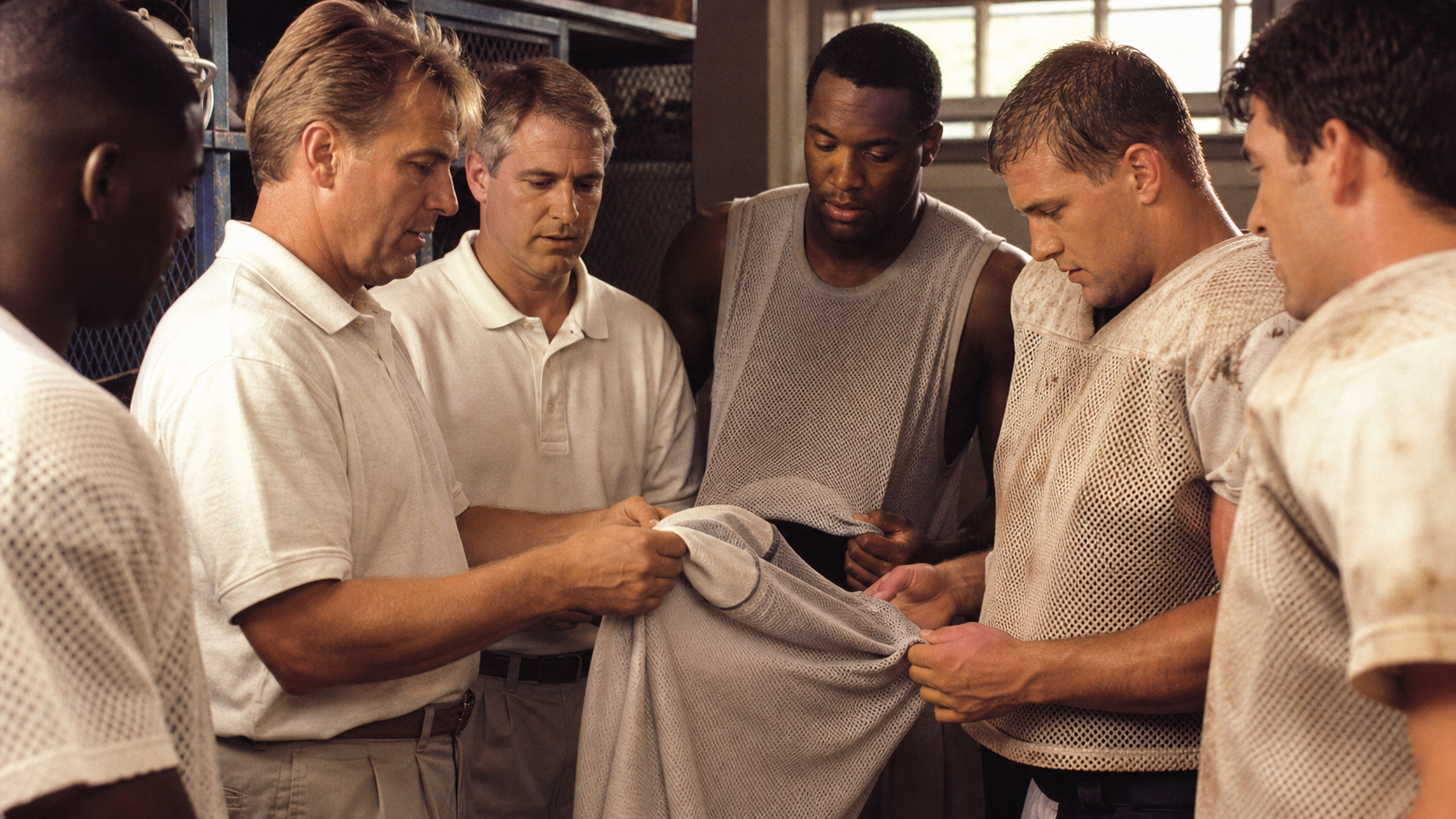
Plank sold into teams, where one relationship could expose dozens of athletes to the product. Equipment managers valued function, and player adoption created authentic endorsement before expensive contracts.
Appearances in football films added visibility. Under Armour’s aggressive messaging matched the product’s identity: performance, work, and competition. The brand felt born inside sport rather than designed in a marketing meeting.
This channel also generated feedback. Different climates, body types, and sports exposed fabric and fit problems quickly. The company expanded from hot-weather gear into cold-weather and all-season systems.
Why did category expansion make Under Armour a real challenger?

A base-layer niche can build a good company, but apparel, footwear, women’s products, and international markets created a much larger opportunity. Under Armour signed teams and athletes, developed retail partnerships, and entered categories dominated by Nike and Adidas.
The expansion turned a functional fabric story into a broader performance brand. It also increased complexity. Footwear requires different design, sourcing, inventory, and consumer expectations. Fashion cycles punish forecast errors. International markets demand local relevance.
Growth through wholesale partners delivered reach but reduced control over discounting, presentation, and customer data. The same distribution that made the brand ubiquitous could make it look ordinary.
What went wrong when growth outran the system?

As growth slowed, Under Armour dealt with inventory pressure, restructuring, leadership changes, and questions about product focus. Public filings documented the financial consequences; the broader lesson was organizational.
Founder energy can push a young company through locked doors. At scale, merchandising calendars, demand planning, supply chains, compliance, and channel discipline must work without heroic intervention.
Competition also shifted. Athleisure blurred the line between performance and everyday style. Direct-to-consumer channels changed how brands built relationships. Under Armour’s hard-training identity remained recognizable but did not automatically win every new category.
What is Kevin Plank’s lasting strategic lesson?

Under Armour proves the power of a wedge: solve one visceral problem for a demanding community, earn word of mouth, and expand from credibility. It also shows why adjacency is dangerous. Each new category can dilute the operating clarity that created the brand.
The path back is rarely more slogans. It is better product, fewer confused bets, cleaner inventory, disciplined channels, and a reason for athletes to care again.
What is Kevin Plank’s net worth?
Public estimates move with Under Armour shares and private assets. They are approximate rather than audited measures of personal wealth.
How did Kevin Plank make his money?
His wealth came primarily from founding Under Armour and retaining an ownership stake as it grew and became public.
Where did Under Armour start?
Plank began the business in the Washington, D.C. area, famously operating from his grandmother’s house.
What was Under Armour’s first product?
Its founding product was a moisture-wicking performance shirt designed to stay lighter than sweat-soaked cotton under football equipment.
💡 Key Insights
- ▸ A sharp wedge product can earn credibility before a brand expands categories.
- ▸ Founder-led hustle creates distribution, but public-company scale requires repeatable systems.
- ▸ Wholesale growth can accelerate awareness while weakening control over inventory and presentation.
- ▸ Brand heat is an operating outcome, not a permanent asset.